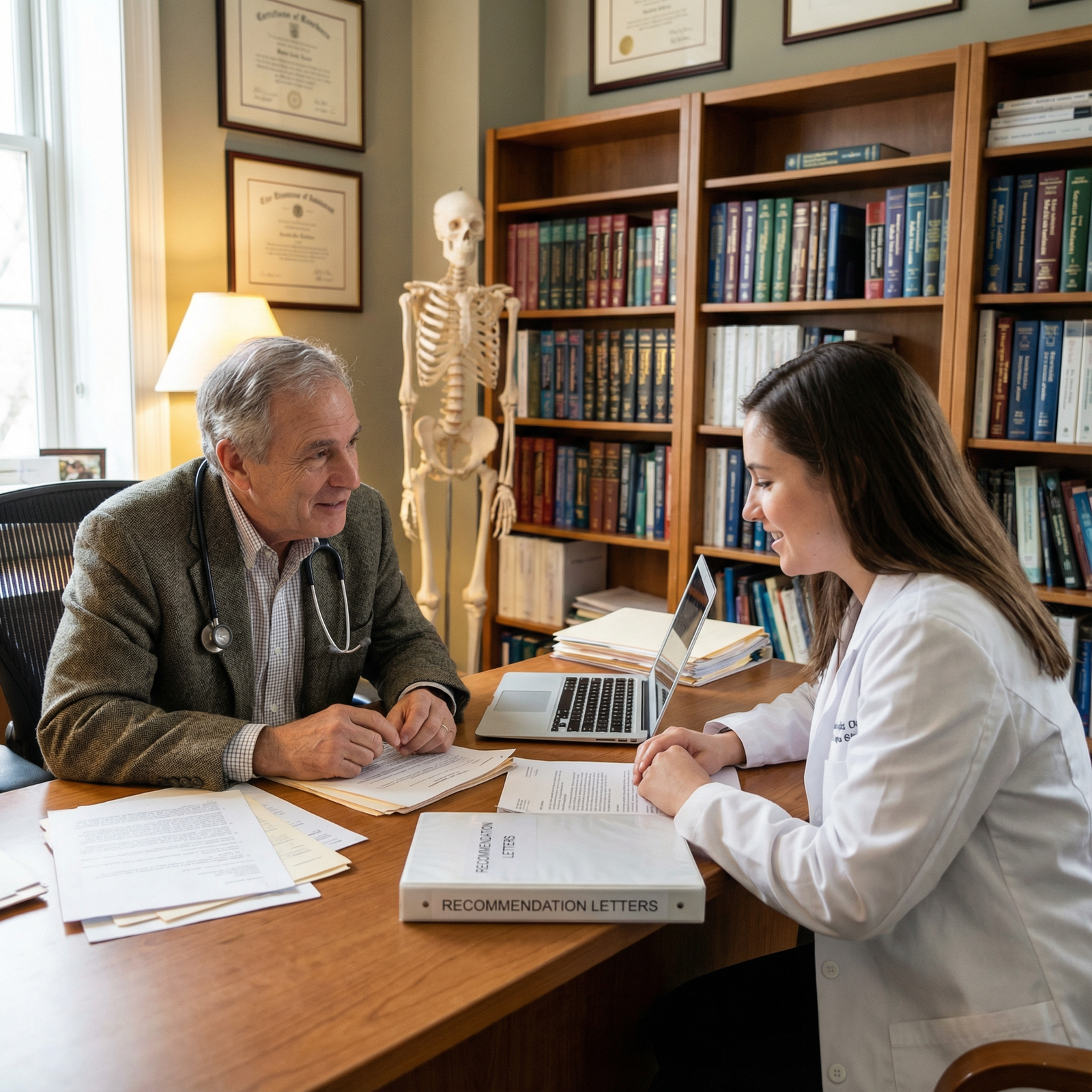
5 Essential Traits to Look for in a Mentor for Outstanding Medical School Recommendations
Navigating the medical school application process requires far more than excellent grades and solid test scores. Admissions committees want to see who you are as a future physician—your character, work ethic, professionalism, and potential. One of the most powerful ways they assess this is through strong, detailed letters of recommendation.
High-quality Letters of Recommendation (LoRs) are built on authentic relationships with mentors who know you well and believe in your growth. Choosing the right mentor is therefore both a strategic and deeply personal decision in your medical school and career development journey.
This guide expands on the five essential traits to look for in a mentor who can provide not only outstanding recommendations, but also meaningful professional guidance throughout your training.
Why Mentor Selection Matters for Letters of Recommendation and Career Development
Mentorship in medicine is more than an academic tradition—it’s a critical driver of long-term success. For premeds and medical students, the right mentor can:
- Help you clarify your career interests and specialty preferences
- Expose you to clinical, research, and leadership opportunities
- Provide honest feedback and help you correct course when needed
- Advocate for you through strong, personalized Letters of Recommendation
A strong LoR does more than list your accomplishments. It:
- Describes specific examples of your performance and growth
- Highlights your professionalism, reliability, and empathy
- Compares you favorably to peers at your level
- Demonstrates that a respected clinician or faculty member genuinely endorses you
All of this is only possible if the mentor truly knows you and is invested in your development. That’s why mentor selection is not something to leave to chance or convenience.
When evaluating potential mentors, focus on these five traits.
1. Deep Expertise in Your Field of Interest
For both medical school and later residency applications, mentors with expertise in your area of interest can significantly elevate your Letters of Recommendation and your overall career development.
Why Field-Specific Expertise Matters
A mentor who is a recognized clinician, researcher, or educator in your chosen field can:
- Contextualize your potential: They know what “excellent” looks like in that specialty and can explain how you measure up.
- Advise on meaningful activities: They can steer you toward specialty-relevant research projects, shadowing, and clinical experiences that strengthen your application.
- Translate your experiences: They can help admissions committees understand the significance of your contributions, such as a complex research project or challenging clinical responsibility.
For example, if you’re interested in pediatrics, a pediatric attending who has directly supervised your clinical work can highlight your rapport with children and families, your communication skills with parents, and your ability to handle emotionally challenging cases.
How to Identify Mentors with Relevant Expertise
Look for:
- Faculty in your target specialty: Attendings, clerkship directors, research PIs, or course directors in fields you’re considering.
- Leaders in programs or initiatives: Faculty who run clinical rotations, research programs, pipeline initiatives, or student interest groups.
- Active researchers or educators: Mentors who publish, present at conferences, or hold educational roles often understand the application process and what committees look for.
If you’re premed:
- Identify physicians or PhD researchers at your volunteer site, research lab, or hospital-based programs.
- Look for individuals who regularly work with students and have a track record of writing strong letters for medical school.
How Expertise Strengthens Your Recommendations
Mentors with true expertise can:
- Reference specialty-specific skills (e.g., procedural competence, diagnostic reasoning, communication with vulnerable populations).
- Describe how your performance compares to other students at similar training levels.
- Comment on your long-term potential in that field (e.g., “I believe this student will become an outstanding internal medicine physician and academic leader.”)
These details make your LoR more credible and compelling to admissions committees.

2. Strong Communication Skills and Clear, Detailed Writing
Even a supportive mentor cannot help you as much if they struggle to clearly articulate your strengths in writing. Excellent communication is essential for powerful Letters of Recommendation and for effective mentorship overall.
Why Communication Skills Matter in a Mentor
A mentor with strong communication skills can:
- Write persuasive, specific letters: They can translate your work ethic, professionalism, and character into vivid, concrete examples.
- Provide clear feedback: They can tell you not only what to improve, but also how to improve it.
- Help you shape your narrative: They can advise you on your personal statement, interviews, and how to present your trajectory in a cohesive way.
Admissions committees consistently note that the best LoRs:
- Are well-structured and concise
- Provide specific anecdotes about the applicant’s behavior and performance
- Explicitly compare the student to others at their level
- Avoid vague, generic language like “hardworking” or “nice” without examples
Mentors with good communication skills are more likely to deliver exactly this kind of letter.
Signs Your Potential Mentor Is an Effective Communicator
You might notice that they:
- Explain complex concepts in a way you can understand
- Provide timely, constructive feedback on your work
- Are responsive to emails and professional in their communication
- Are sought out by other students for advice or teaching
You can also ask senior students or residents: “Who is known for writing strong Letters of Recommendation?” Their answers are often very revealing.
How to Support Your Mentor’s Letter Writing
Even the best communicators write stronger letters when you provide:
- An updated CV or resume
- A brief personal statement or paragraph on your goals and why you’re applying
- A bullet list of projects, patient interactions, or research contributions you shared with them
- Deadlines and submission instructions, clearly and early
This helps them craft a LoR that is detailed, personalized, and aligned with your goals.
3. Genuine Commitment to Student and Trainee Development
Outstanding mentors see you not as a one-time request for a recommendation, but as a developing professional they want to help grow over time.
What Commitment to Student Development Looks Like
A mentor truly committed to your growth will:
- Invest time in you: Meeting regularly, reviewing your work, and helping you prepare for key milestones (MCAT, clerkships, Step exams, residency applications).
- Offer honest, constructive feedback: Not just praise, but real guidance on where you can improve.
- Help you set and revise goals: Checking in on your progress and adjusting your plan as you advance.
- Support you through challenges: Whether you face academic difficulty, personal setbacks, or uncertainty about your career path.
This ongoing engagement gives them a richer understanding of who you are and how far you’ve come—leading to much more compelling Letters of Recommendation that can speak to your growth over time.
How This Commitment Translates into Stronger Recommendations
Because they know you well, committed mentors can:
- Describe your trajectory (e.g., “Over the past two years, I have watched this student evolve from a quiet observer into a confident, patient-centered team member.”)
- Highlight your resilience and response to feedback
- Emphasize long-term professionalism and reliability, not just a brief snapshot of performance
- Comment on your character, integrity, and compassion in a way that feels authentic
Admissions committees place significant weight on these qualities when assessing your potential as a future physician.
How to Cultivate This Level of Mentorship
To build a relationship rooted in genuine commitment:
- Be proactive and consistent: Schedule periodic check-ins, even when you don’t “need” something.
- Show your work and growth: Share your progress, updated CV, and reflections on experiences.
- Be open to feedback: Demonstrate that you take their advice seriously and act on it.
- Reciprocate respect and professionalism: Be punctual, prepared, and appreciative of their time.
Over time, this dynamic naturally evolves from a transactional relationship into a true mentoring partnership.
4. Authentic Passion for Mentorship and Professional Guidance
The best mentors are not just prestigious or knowledgeable—they genuinely enjoy mentoring students and trainees. This passion for mentorship often makes the biggest difference in the quality of both your experience and your recommendation letters.
Why Passion for Mentorship Is So Important
Mentors who care deeply about teaching and guidance tend to:
- Go above and beyond: They might help you prepare for interviews, read drafts of your personal statement, or connect you to opportunities in their network.
- Be more available and engaged: They respond to your questions thoughtfully rather than viewing mentorship as an obligation.
- Advocate for you: Passionate mentors are more likely to pick up the phone, email colleagues, or nominate you for awards and positions.
- Write enthusiastic, compelling LoRs: Their genuine belief in your potential shows in the tone, detail, and strength of their letters.
Admissions committees can detect the difference between a lukewarm, obligatory letter and one written by a mentor who truly believes in you.
How to Recognize a Passionate Mentor
Signs of genuine passion for mentorship include:
- They regularly supervise students or residents and are sought out as advisors.
- They speak enthusiastically about teaching, mentoring, or working with trainees.
- They ask you reflective questions about your goals, motivations, and values.
- You feel energized, not drained, after meeting with them.
You may also notice they:
- Run interest groups or workshops
- Are involved in medical education leadership
- Are known for “looking out” for students and making sure they have opportunities
These mentors often become lifelong advocates, continuing to support you well beyond medical school applications.
5. Strong Professional Network and Influence in the Medical Community
While the content of your letter matters most, who writes it also carries weight. A mentor with a strong professional network and recognized standing in the medical community can amplify the impact of your recommendations and create opportunities you may not otherwise access.
Why Network and Influence Matter
Well-established mentors can:
- Open doors: Recommending you for research positions, clinical electives, leadership roles, and specialty-specific opportunities.
- Lend credibility to your application: A letter from someone known to admissions or program directors can carry additional weight—especially if the mentor is a department chair, program director, respected researcher, or educational leader.
- Provide specialty-specific insights: They often know what different medical schools and programs prioritize and can advise you accordingly.
- Offer long-term career guidance: Their connections can be invaluable when you’re later applying for away rotations, residencies, or fellowships.
Of course, prestige alone is not enough—a famous but disengaged mentor usually writes weaker letters than a moderately known but deeply invested one. Ideally, you want a combination of both investment and influence.
How to Assess a Mentor’s Network and Influence
Look at:
- Titles and roles (e.g., clerkship director, program director, division chief, department chair, research director).
- Involvement in national organizations or guideline committees.
- Frequency of invited talks, national presentations, or publications.
- Their ability to introduce you to other faculty, research groups, or clinical experiences.
You don’t need every mentor to be a national figure—but having at least one recommender with recognized authority in their field can significantly strengthen your Letters of Recommendation.
Strategically Building a “Mentor Team”
You can benefit from multiple mentors who collectively cover:
- Specialty expertise
- Research or academic skills
- Career and life balance
- Diversity and inclusion perspectives
- Professional networking and advocacy
For letters, it’s often powerful to have:
- One mentor who knows you clinically or in a hands-on setting
- One mentor who knows your research or academic work in depth
- One mentor with strong institutional or specialty standing
Together, they create a comprehensive, credible picture of you as a future physician.
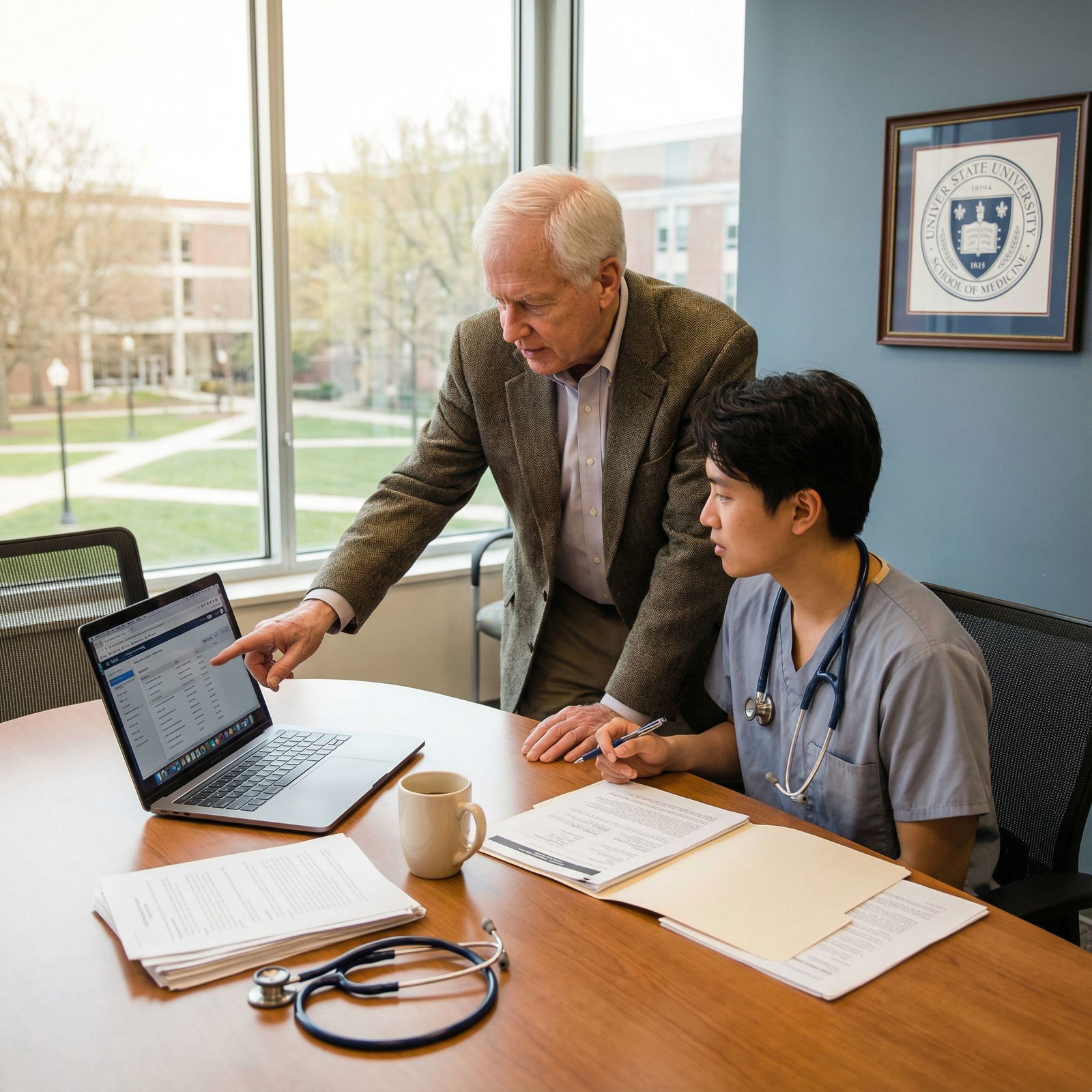
Putting It All Together: How to Find and Cultivate the Right Mentors
Step 1: Start Early and Explore Broadly
- Get involved in research projects, clinical volunteering, student interest groups, and academic enrichment programs.
- Observe which faculty or physicians you naturally connect with and who seems engaged with students.
- Attend office hours, ask thoughtful questions after lectures, and follow up with physicians you shadow.
Step 2: Initiate Relationships Intentionally
When you identify a potential mentor:
- Send a concise, professional email expressing what you admire about their work and why you’d like to learn from them.
- Suggest a brief meeting (in person or virtual) to ask about their career path and seek advice.
- Come prepared with specific questions and a short introduction of your goals and background.
Step 3: Demonstrate Reliability and Professionalism
Mentors are more likely to invest in students who:
- Show up prepared and on time
- Follow through on commitments
- Communicate clearly and professionally
- Respect boundaries and acknowledge the mentor’s time
Your professionalism now strongly influences how confidently they can recommend you later.
Step 4: Nurture the Relationship Over Time
- Send periodic updates on your progress and key milestones.
- Ask for feedback on decisions (e.g., choosing between opportunities, refining your specialty interests).
- Share successes and acknowledge how their guidance helped you.
- Stay in touch even when you’re not requesting a letter.
Step 5: Request Letters Thoughtfully and Early
When you’re ready to apply:
- Ask if they feel they can write you a strong letter of recommendation. This phrasing gives them an honest out if they don’t know you well enough.
- Provide plenty of lead time (ideally 4–8 weeks).
- Share your CV, personal statement draft, relevant experiences with them, and clear instructions for submission.
- Offer to meet briefly to discuss your goals and how their perspective might best support your application.
By aligning your choice of mentors with the five traits above—expertise, communication, commitment, passion for mentorship, and strong networks—you greatly increase the likelihood of receiving exceptional Letters of Recommendation and building a foundation for long-term career success.
FAQs About Mentorship and Letters of Recommendation in Medical Education
1. How do I approach a potential mentor about writing a recommendation letter?
Once you have an established relationship (through research, coursework, clinical work, or advising):
- Schedule a brief meeting or send a professional email.
- Express why you value their mentorship and what you’ve learned from them.
- Clearly state what you’re applying for (medical school, summer program, scholarship, etc.).
- Ask: “Would you feel comfortable writing me a strong letter of recommendation for X?”
- If they agree, provide your CV, personal statement or goals statement, instructions, and deadlines.
This approach is respectful, clear, and gives the mentor the context needed to support you effectively.
2. How can I build a stronger relationship with my mentor over time?
- Communicate regularly: Send periodic updates about your progress, even outside of application seasons.
- Ask for guidance, not just favors: Seek feedback on your growth, decisions, and long-term plans.
- Be receptive to feedback: Show that you’re acting on their advice and evolving as a result.
- Express appreciation: A sincere thank-you email or note after meetings and major milestones goes a long way.
- Stay engaged in their work: Attend their talks, read their publications, and show interest in their projects.
Mentoring is a two-way relationship—the more you invest, the more meaningful and enduring it becomes.
3. What if my mentor is supportive but very busy or slow to respond?
Many strong mentors have demanding clinical and academic schedules. You can:
- Give as much advance notice as possible for letters and meetings.
- Send gentle, respectful reminders 1–2 weeks before deadlines.
- Be flexible with meeting times and formats (e.g., brief virtual meetings).
- Consider developing relationships with additional mentors who may have more availability.
If responsiveness becomes a consistent barrier, it’s reasonable to seek another mentor for future Letters of Recommendation while maintaining a positive relationship with your current mentor for broader career advice.
4. What if I realize my mentor is not the right fit or doesn’t meet these traits?
It’s normal for some mentor relationships to be limited or short-term. If your mentor:
- Doesn’t provide feedback
- Seems disinterested or unavailable
- Knows you only superficially
- Cannot honestly write you a strong letter
You can:
- Continue to be polite and professional but scale back expectations.
- Seek additional mentors who better fit your needs and goals.
- Politely choose not to request a letter from that mentor, and instead ask mentors who know you more deeply.
Your network can include multiple mentors—your growth doesn’t have to depend on one person.
5. Can I have more than one mentor, and how do I manage multiple mentors?
Yes, and in medicine it’s often ideal. You might have:
- A research mentor
- A clinical mentor in your specialty of interest
- An academic advisor or dean
- A career or wellness mentor
To manage multiple mentors:
- Be transparent (when appropriate) about having a “mentorship team” supporting you.
- Tailor what you ask from each mentor based on their strengths.
- Keep each mentor updated on major milestones in your journey.
- Avoid overburdening any one person with constant requests.
Multiple mentors provide complementary perspectives and can write diverse, reinforcing Letters of Recommendation that collectively strengthen your application.
Choosing the right mentors is one of the most strategic steps you can take in your premed and medical school preparation. By prioritizing mentors who are experts in your field of interest, strong communicators, genuinely committed to your development, passionate about mentorship, and well-connected in the medical community, you will not only secure outstanding Letters of Recommendation—you will build a foundation of professional guidance that supports your entire journey to becoming a physician.