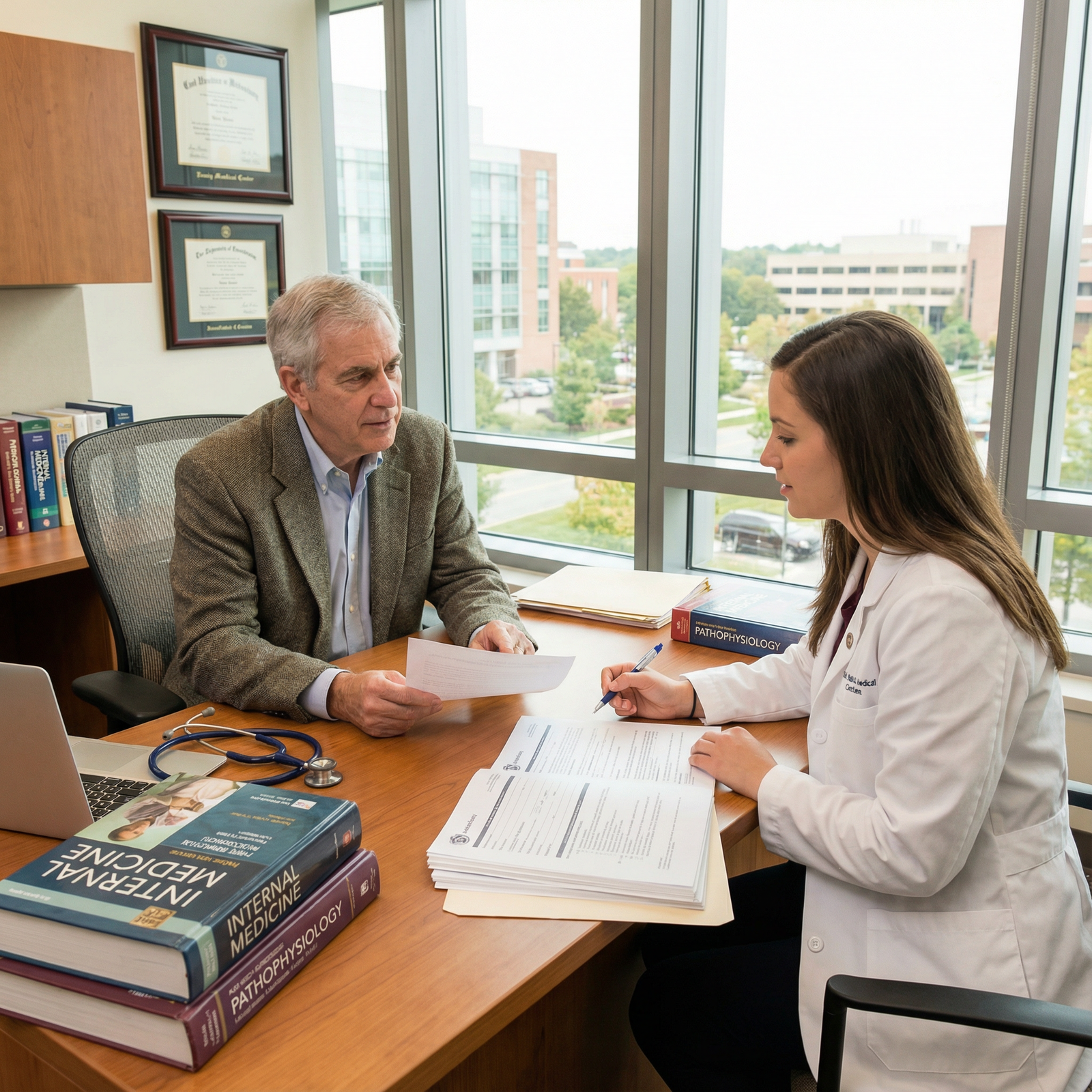
Introduction: Mentorship as the Foundation for Strong Letters of Recommendation
In the competitive landscape of medical school and residency applications, letters of recommendation carry meaningful weight. Admissions committees often use them to distinguish between applicants with similar GPAs and test scores. A strong letter can push a borderline application into the “interview” pile; a vague or weak letter can do the opposite.
The key is this: excellent letters almost always come from excellent mentorship relationships, not last-minute requests. Navigating the mentorship landscape thoughtfully—starting in premed years and continuing through medical school—can dramatically improve both your career development and the quality of the letters written on your behalf.
This guide will help you:
- Understand what effective mentorship in medicine looks like
- Identify mentors who are likely to write strong, specific recommendations
- Build authentic relationships that naturally lead to powerful letters
- Strategically request letters of recommendation in a way that supports your long-term goals
Whether you are an undergraduate premed, a current medical student, or an early trainee, learning to cultivate the right mentors is one of the highest-yield investments you can make in your future.
Understanding Mentorship in Medicine and Why It Matters for Letters
Mentorship in medicine is more than occasional advice over email. It’s a structured, evolving relationship focused on your growth as a student, clinician, and future colleague. When done well, it becomes the backbone of your networking, career development, and ultimately, your application success.
What Effective Mentorship Looks Like in Medical Training
Strong mentors in medicine typically:
Provide longitudinal support
They follow you over time, seeing your growth across semesters, rotations, or projects.Offer honest feedback
They don’t just praise you; they help you identify gaps and improve, which gives them richer material for a recommendation letter.Advocate for you
They nominate you for opportunities, introduce you to colleagues, and support you behind the scenes.Model professional identity
You learn how to act, communicate, and problem-solve like a physician by watching them.
Because mentors see you in real-world settings—clinics, labs, classrooms, or community projects—they can describe your behaviors and abilities in ways that admissions committees trust.
Why Mentorship Directly Impacts Your Letters of Recommendation
Letters of recommendation are most persuasive when they are:
- Specific – Concrete examples of your performance, initiative, growth, and professionalism
- Comparative – Statements like “among the top 5% of students I have taught in 10 years”
- Contextualized – Explanation of who the writer is, how they know you, and in what setting
- Aligned with your goals – Tailored to the specialty or role you’re pursuing
Mentors are uniquely positioned to provide this level of detail because they:
- Have observed you consistently over time
- Understand your values, motivations, and challenges
- Can speak credibly about your potential trajectory in medicine
Without that deeper relationship, letters tend to sound generic: “hard-working,” “team player,” “a pleasure to work with.” Committees read thousands of these. Your goal is to cultivate mentors who can go beyond clichés because they genuinely know you.
Identifying Potential Mentors Who Can Champion Your Application
Finding mentors who will eventually write meaningful letters is not about chasing big names alone. It’s about identifying people who can see you in action, invest in your development, and speak powerfully to your abilities.
Start Close to Home: Leverage Your Current Network
Often, your best future letter writers are already in your orbit:
Undergraduate or medical school faculty
- Course directors, small-group facilitators, and preceptors who have seen your work ethic and intellectual curiosity
- Professors for whom you completed a significant project, presentation, or research paper
Clinical supervisors
- Physicians you shadow or work with as a scribe, MA, or research assistant
- Attendings and residents who have directly observed you with patients
Research mentors
- Principal investigators (PIs) who can comment on your persistence, critical thinking, and contributions to a project
Ask yourself:
Who has seen me solve problems? Who has seen me handle responsibility? Who has seen me grow?
These are strong candidates for mentorship and, eventually, letters of recommendation.
Expand Strategically: Professional Organizations and Formal Mentorship Programs
Professional organizations are underused but powerful sources of mentorship and networking:
National student organizations
- American Medical Student Association (AMSA)
- Student National Medical Association (SNMA)
- Latino Medical Student Association (LMSA)
- American Medical Women’s Association (AMWA)
Specialty societies with student or trainee sections, such as:
- American College of Physicians (ACP)
- American Academy of Pediatrics (AAP)
- American Academy of Family Physicians (AAFP)
- American College of Surgeons (ACS)
Many of these offer:
- Formal mentor-matching programs
- Webinars and small-group sessions with faculty
- Regional or national meetings where you can meet mentors in person
These relationships may start virtually but can grow into substantial mentorship that translates into letters, research collaborations, and career guidance.
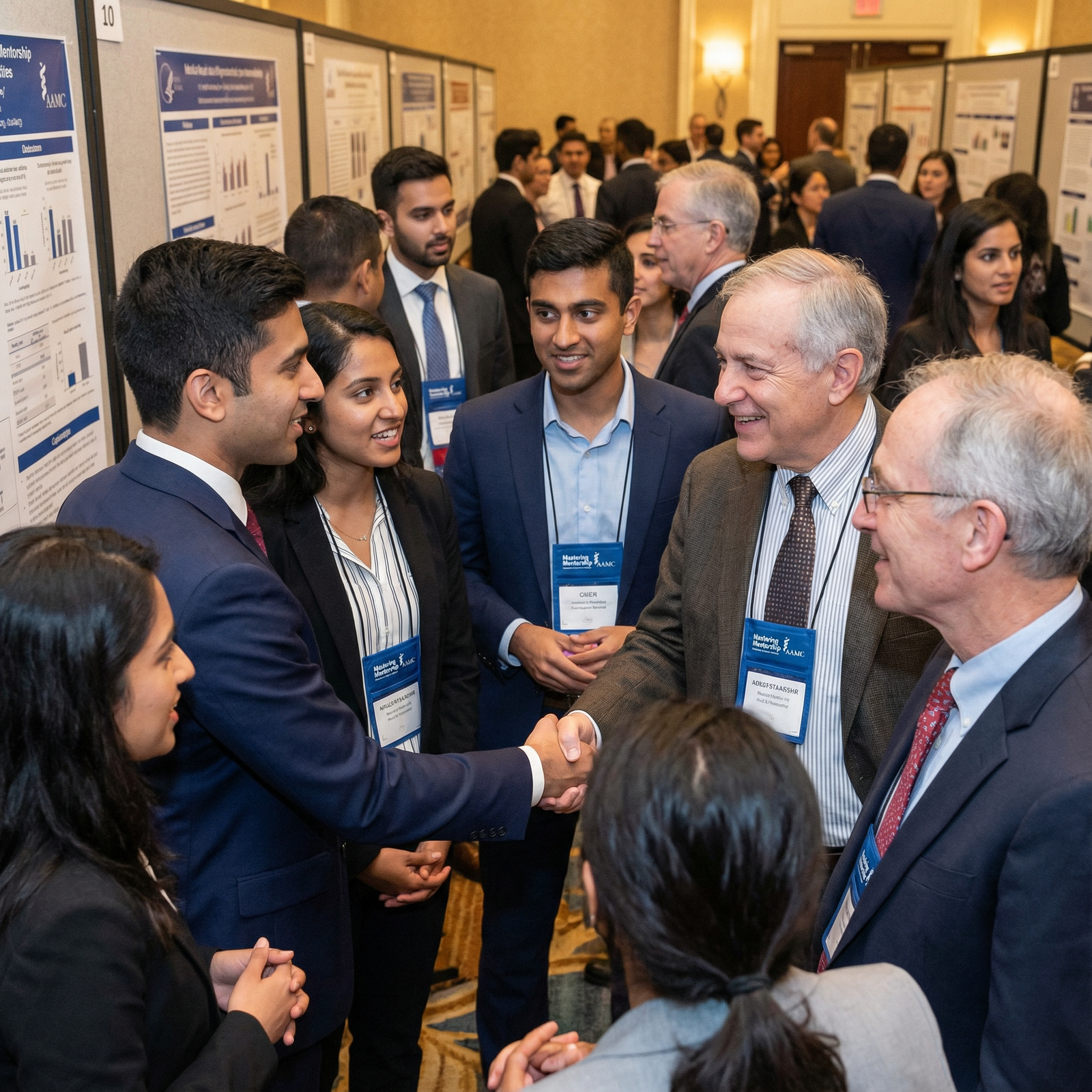
Use Conferences, Grand Rounds, and Local Events as Mentorship Gateways
Any setting where you hear someone speak and think, “I want to be like them,” is a potential mentorship entry point:
- Attend departmental grand rounds, M&M conferences, and local specialty society meetings
- Ask a brief, thoughtful question after a talk and introduce yourself
- Follow up with a short email:
- Thank them for the talk
- Mention a specific point that resonated
- Ask for a brief meeting or phone call to learn more about their path
This is authentic networking—not asking for a letter, but starting a conversation.
Harness Online Platforms: LinkedIn, Twitter/X, and Institutional Profiles
Online platforms can greatly expand your reach, especially if you lack mentors locally:
LinkedIn
- Build a professional profile with your education, experiences, and interests
- Connect with alumni, physicians, and researchers in your areas of interest
- Engage with posts (insightful comments, not just likes)
Twitter/X (MedTwitter)
- Follow physicians in specialties you’re considering
- Engage respectfully with threads about medical education, career paths, and research
- Many educators are open to brief “cold DMs” from students who approach professionally
Institutional faculty directories
- Search by specialty or research interest
- Look for faculty with titles like “Director of Medical Student Education” or “Program Director”—they are often invested in trainees’ success
These platforms are tools for starting conversations and learning, not just asking for favors. Over time, some of these connections can evolve into meaningful mentorship and potential letter writers.
Tap into Alumni and Near-Peer Mentorship
Alumni and near-peers (e.g., 4th-year medical students, recent residents) are often more approachable and remember what you’re going through:
- Use your university’s alumni network and pre-health office
- Attend alumni panels for premeds or medical students
- Connect via email or LinkedIn, referencing your shared institution
While near-peers usually won’t write your letters, they can:
- Recommend specific faculty who are known for excellent mentorship
- Advise on whom to work with for research or clinical experiences
- Help you avoid low-yield or problematic mentorship situations
Building Authentic Mentor Relationships That Lead to Strong Letters
Once you’ve identified potential mentors, the next step is building genuine, durable relationships, not transactional ones centered only on letters of recommendation.
Approach Potential Mentors Professionally and Clearly
When reaching out, your message should be:
- Specific – Why are you reaching out to this person?
- Concise – Busy clinicians and faculty appreciate brevity
- Goal-oriented – What do you hope to gain from a conversation or mentorship?
Example initial email (customize as needed):
Dear Dr. Smith,
My name is [Name], and I am a [premedical student at X University / MS2 at Y School] with a strong interest in [field or topic]. I recently [attended your talk on… / read your paper on… / worked with you briefly on the wards], and your work in [area] strongly resonated with me.
I would be very grateful for the opportunity to speak with you briefly about your career path and any advice you might have for a student interested in [specific interest]. If you are open to it, would you have 20–30 minutes to meet over Zoom or in person sometime in the next few weeks?
Thank you for your time and consideration.
Sincerely,
[Full Name]
[School, Class Year]
[Contact Info]
You are not asking for a letter. You are starting a professional relationship.
Demonstrate Initiative and Reliability Over Time
For a mentor to comfortably write a strong letter, they must see that you are:
- Reliable – You show up on time, meet deadlines, and follow through on tasks
- Curious – You ask thoughtful questions, seek feedback, and read further when they suggest resources
- Reflective – You think about your experiences and how they shape your goals and growth
- Teachable – You accept constructive criticism and adjust your behavior accordingly
In practical terms, this means:
- If they assign you an article, read it and bring questions next time
- If you’re involved in research, take ownership of your part (data collection, literature review, IRB forms)
- Regularly update them on your progress and milestones—new grades, leadership roles, publications, or volunteer experiences
These patterns of behavior give mentors detailed material for later letters: “She consistently completed tasks ahead of schedule and often took the initiative to propose next steps…”
Communicate Regularly but Respect Boundaries
Good mentorship communication is:
- Periodic and purposeful – Every 4–8 weeks is reasonable in most settings
- Respectful of time – Short, organized emails; clear agendas for meetings
- Bidirectional – You ask for advice, but you also share outcomes (how you used that advice)
For example, you might send:
- An email after a major exam, rotation, or presentation sharing what you learned
- A brief update when you decide on a specialty or major application strategy
- Occasional thanks when their advice helped you navigate a tough decision
This keeps you on their radar and deepens their understanding of your journey without overwhelming them.
Show Appreciation and Professionalism
Mentorship is unpaid, often invisible work. Expressing appreciation reinforces the relationship and reflects well on your professionalism:
- Send thank-you emails after meetings or letters
- Mention specifically what was helpful (“Your guidance on choosing a summer research project helped me…”)
- Later, when you match or receive an acceptance, share the good news and acknowledge their role
These habits not only strengthen current mentorships but also build your reputation for professional courtesy, a trait mentors often highlight in letters.
What Makes a Mentor’s Letter of Recommendation Truly Stand Out
Not all letters of recommendation are created equal. Choosing the right mentor-writers and setting them up with the information they need can dramatically improve the strength of your letters.
Qualities to Look for in Potential Letter Writers
When deciding who should write your letters, consider:
Depth of Knowledge of You
- Have they seen you over an extended period?
- Can they comment on your growth, not just a snapshot?
Reputation and Role
- Are they known as an educator, researcher, or clinician within their department?
- Titles like “Clerkship Director,” “Program Director,” or “Course Director” often carry weight, but a detailed letter from a less senior mentor can still be stronger than a vague letter from a big name.
Communication Skills
- Do they write and speak clearly?
- Are they known to advocate strongly for trainees?
Alignment with Your Goals
- A mentor in your target specialty can speak directly to your fit for that field
- A research mentor can be ideal for MD/PhD or research-heavy programs
Willingness to Advocate
- Do they seem genuinely invested in your success?
- Have they gone out of their way for you before?
If you’re unsure, it is entirely appropriate to ask:
“Do you feel that you know me well enough to write a strong, positive letter of recommendation for my medical school/residency application?”
This gives them a graceful way to decline if they cannot write a supportive letter.
How Strong Letters Are Structured and Why That Matters
While you won’t see all of your letters, strong ones typically include:
Introduction of the writer (role, years of experience, relationship to you)
Context of how they know you (course, research project, clinical setting, duration)
Specific behaviors and examples:
- Clinical reasoning in a challenging patient case
- Leadership in a student organization or quality improvement project
- Compassion in interacting with patients and families
- Persistence in research or difficult coursework
Comparative statement:
- “Among the top X% of students I have worked with…”
Summary of potential:
- Clear endorsement for medical school or a particular specialty
- Statement of confidence in your future success
Your job is to choose mentors who can authentically provide this level of detail and structure because they genuinely understand your skills and character.
Requesting Letters of Recommendation Strategically and Professionally
Once your mentorship relationships are established, you can transition to requesting letters in a way that respects your mentors’ time and maximizes the quality of what they write.
Ask Early and Clearly
Timelines to keep in mind:
- Medical school applications (AMCAS/AACOMAS)
- Begin asking 2–3 months before you plan to submit
- Residency applications (ERAS)
- Ask at the end of key rotations or at least 6–8 weeks before your submission deadline
When you ask, do so in person or via video when possible, followed by an email summarizing details.
Key components of your ask:
- What you are applying to (medical school, MD/PhD, a specific specialty)
- Why you are asking them in particular
- Your approximate timeline and deadlines
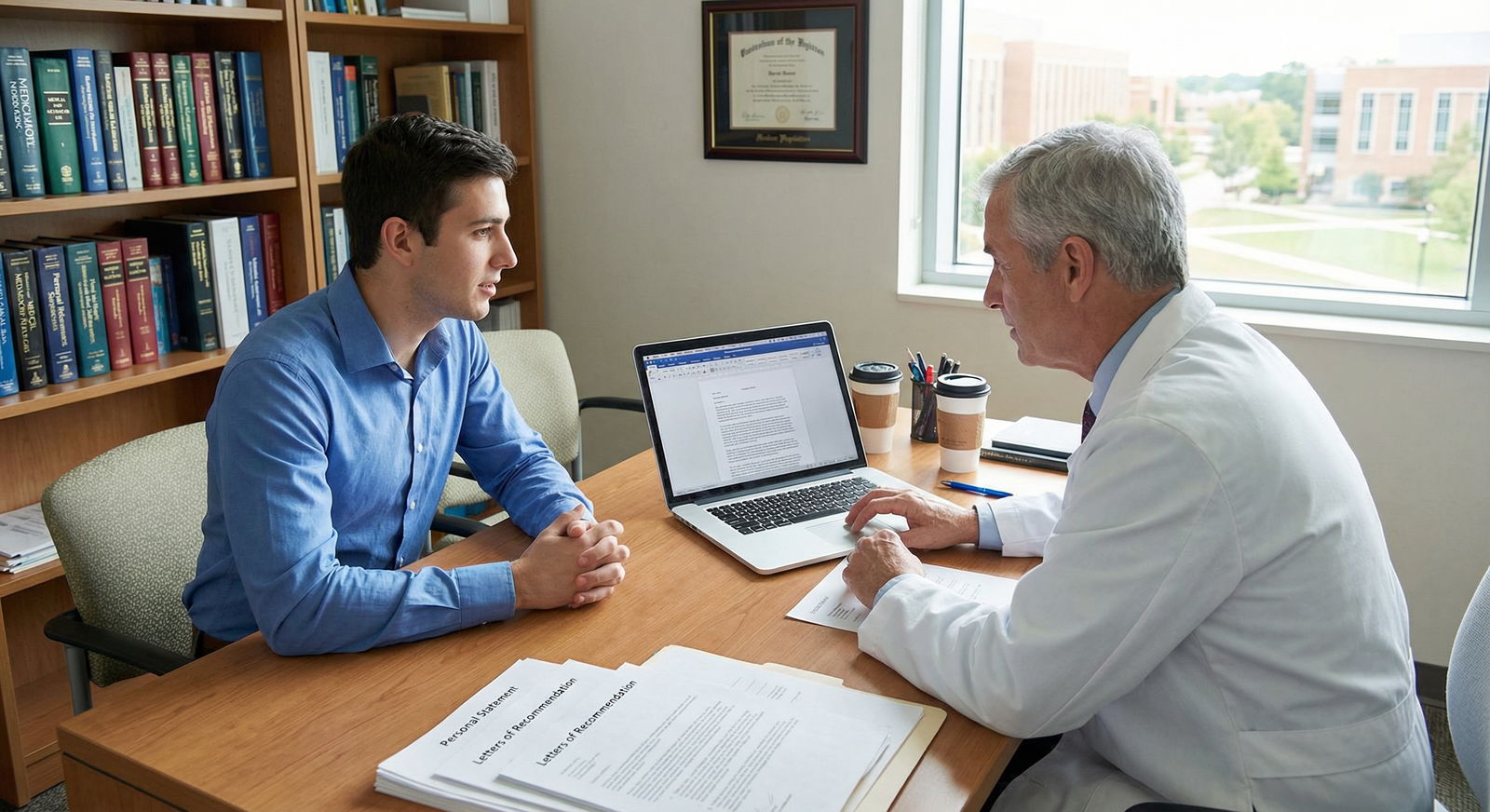
Provide a Helpful “Letter-Writing Packet”
Make it easy for your mentor to write a detailed, tailored letter. Share:
Your updated CV or resume
Personal statement or a draft of it
Transcript (if appropriate)
Brief summary of your work with them, such as:
- Course taken and grade
- Projects or patient cases you worked on together
- Major contributions you made
Your goals:
- What kind of physician you hope to become
- Any specific qualities you hope they might highlight (e.g., clinical reasoning, leadership, resilience)
You can gently nudge them with language like:
“It would be especially helpful if you feel comfortable commenting on my [teamwork during the rotation / role in our research project / commitment to underserved communities], as these are central to my application narrative.”
Clarify Submission Logistics and Deadlines
Your follow-up email should clearly state:
- Exact deadlines (and a soft internal deadline 1–2 weeks earlier, if appropriate)
- Submission method (AMCAS Letter ID, Interfolio, ERAS, school-specific portal)
- Any special instructions (e.g., letterhead, signature, upload format)
This shows professionalism and minimizes back-and-forth.
Follow Up Politely and Close the Loop
If the deadline is approaching and the letter hasn’t been uploaded:
- Send a polite reminder 1–2 weeks before the deadline
- Offer to resend your materials or instructions if helpful
After the letter is submitted:
- Send a thank-you message
- When you receive decisions (interviews, acceptances, match results), share your outcomes and appreciation
This not only shows gratitude but also strengthens the relationship for future advice or additional letters.
Frequently Asked Questions About Mentorship and Letters of Recommendation
Q1: When should I start seeking mentors if I plan to apply to medical school?
Ideally, begin building mentorship relationships early in your premed years:
- Freshman/Sophomore year: explore interests, engage in clubs, volunteering, and early shadowing
- Sophomore/Junior year: deepen involvement with 1–2 key mentors (research, clinical work, leadership)
- Junior/Senior year: solidify letters of recommendation and continue nurturing relationships
If you’re starting later (e.g., as a senior or post-bacc), focus on quality over quantity—identify a small number of mentors who can get to know you intensively over months rather than collecting many shallow connections.
Q2: How many mentors (and letters) do I actually need?
For medical school applications, most schools require:
- 2–3 science or academic letters
- 1 non-science or character letter
- Sometimes a committee letter from your pre-health advising office
For residency applications, programs often expect:
- 3–4 letters total
- 1 from your department chair or designee (depending on specialty)
- 2–3 from clinical or research mentors in your chosen field
In practice, building relationships with 4–6 strong mentors over time gives you flexibility to choose the best letter combination for each application.
Q3: What if I don’t have access to mentors at my school or in my community?
Limited local resources are common, especially for students at smaller colleges or in rural areas. To compensate:
- Use online platforms (LinkedIn, MedTwitter) to connect with physicians and researchers in your areas of interest
- Join national organizations (AMSA, SNMA, LMSA, AMWA, specialty societies) and attend virtual or regional events
- Work with your pre-health advisor or career center to identify remote research, shadowing, or mentorship programs
- Consider post-bacc programs, formal gap-year experiences, or scribe/research roles at academic centers where mentorship is built in
Remember that quality matters more than physical proximity. A dedicated remote mentor can be more impactful than someone local who barely knows you.
Q4: Is it better to get a letter from a famous doctor or from someone who knows me well?
In almost all cases, it is better to get a detailed letter from someone who knows you well than a brief or generic letter from a big-name physician who barely interacted with you.
Admissions committees care about:
- The specific examples and insights in the letter
- The credibility of the writer’s relationship with you
- How convincingly the letter supports your potential as a future physician
A well-known physician who has truly mentored you can be excellent—but the name alone is not enough.
Q5: Can I ever see or edit my letters of recommendation?
In the U.S., most medical and residency applications ask whether you waive your right to view your letters under FERPA. Applicants are strongly encouraged to waive this right, because:
- It signals to committees that the letter is candid
- Some letter writers may be reluctant to be fully honest if they know you will read it
You should not edit your letters directly. Instead, influence their content by:
- Choosing mentors who know you well
- Providing a thorough letter-writing packet
- Communicating clearly about your goals and strengths
If you’re concerned a mentor may not be able to write a strong letter, ask them directly if they feel comfortable writing a positive, detailed recommendation—and have backup options ready if they hesitate.
By approaching mentorship as an integral part of your medical school and residency preparation, rather than a last-minute box to check for letters of recommendation, you gain far more than strong applications. You build a network of advocates, advisors, and role models who will guide your career development for years to come.
Thoughtful, intentional mentorship leads to letters that do more than say you are “hard-working” and “enthusiastic.” They tell the story of who you are as a future physician—and that is what admissions committees remember.