
What if you don’t match derm or rad onc… and suddenly every choice you’ve made for the last 5–10 years feels like a waste?
Let me just say it straight: the fear you have right now is extremely common, especially for people chasing hyper‑competitive lifestyle fields. You’re not weird. You’re just honest enough to admit you’re scared.
You’re probably thinking some version of:
- “If I don’t match derm/rad onc, I’m doomed to a miserable life of 80‑hour weeks forever.”
- “I’ll never see my family. I’ll burn out. I’ll resent medicine.”
- “All my classmates will think I ‘failed’ and had to settle.”
So let’s talk about what’s actually true, what’s catastrophizing, and what realistic, lifestyle‑friendly backup plans look like if derm or rad onc don’t happen.
First: How Bad Is “Not Matching” Really?
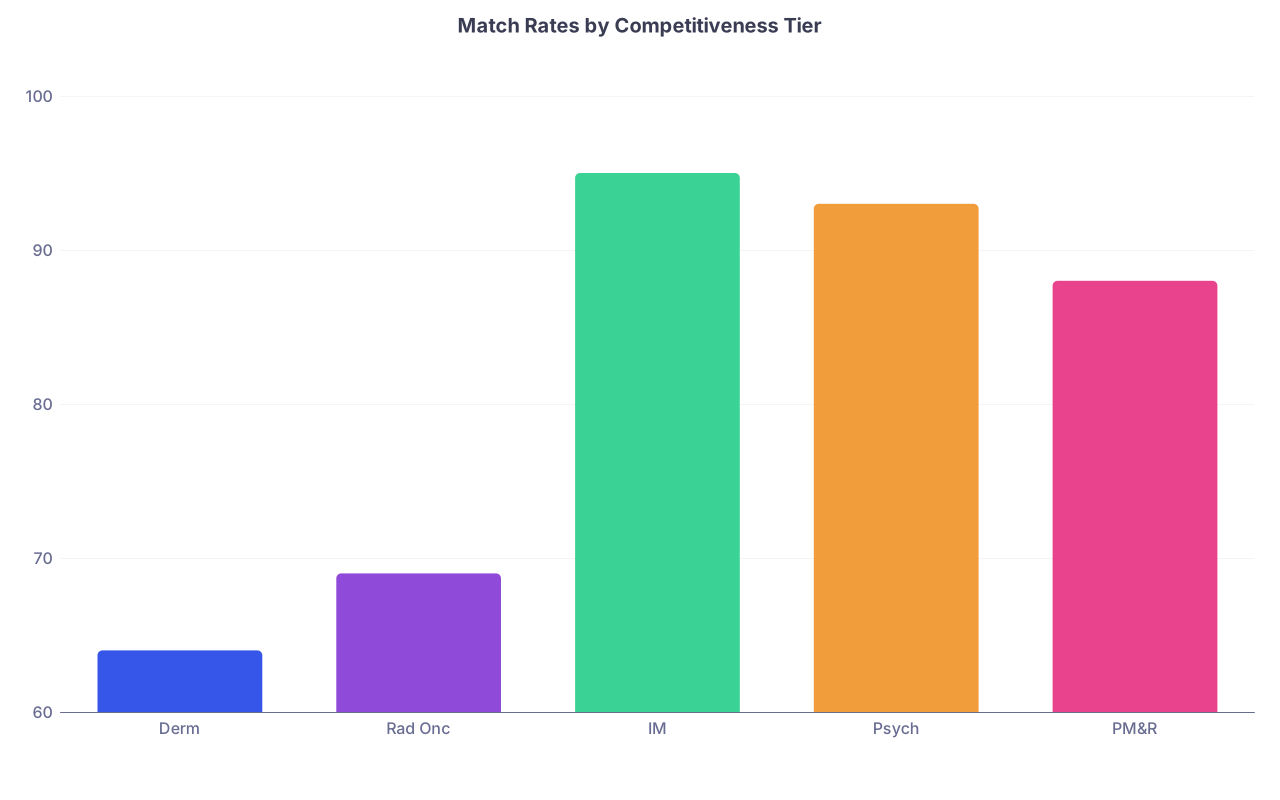
| Category | Value |
|---|---|
| Derm | 64 |
| Rad Onc | 69 |
| IM | 95 |
| Psych | 93 |
| PM&R | 88 |
Here’s the thing no one likes to talk about out loud: if you aim for derm or rad onc, you are baking risk into your life. These are small‑number specialties with brutal applicant pools. Even qualified applicants miss.
But “not matching” doesn’t automatically mean:
- You’ll never have a decent lifestyle
- You’re locked into surgery 100 hours a week until you die
- Your career is permanently ruined
I’ve seen people not match derm and end up:
- As outpatient rheumatologists with 4‑day work weeks
- In PM&R with shockingly chill schedules and happy lives
- In radiology (diagnostic) after rethinking their priorities
- In psych with telehealth‑heavy practices from home
Were they heartbroken at first? Yep. Some of them ugly‑cried in call rooms.
Did it feel like the end? Absolutely.
Did it stay the end? No. Not even remotely.
You’re allowed to grieve if your dream specialty doesn’t happen. But it’s not the same as “no lifestyle specialty for you, ever.” That’s a lie your anxiety is telling you.
Clear‑Eyed Reality: What You Actually Want From “Lifestyle”
Be brutally honest with yourself: do you actually love derm/rad onc content… or do you love what you think their lives look like?
Most people chasing “lifestyle specialties” want some mix of:
- Predictable hours
- Low or no in‑house call
- Limited nights/weekends
- Decent or high pay
- Outpatient‑heavy work
- Less chaos, fewer emergencies
The part that screws people up is thinking you can only get these boxes checked with derm or rad onc.
That’s just false.
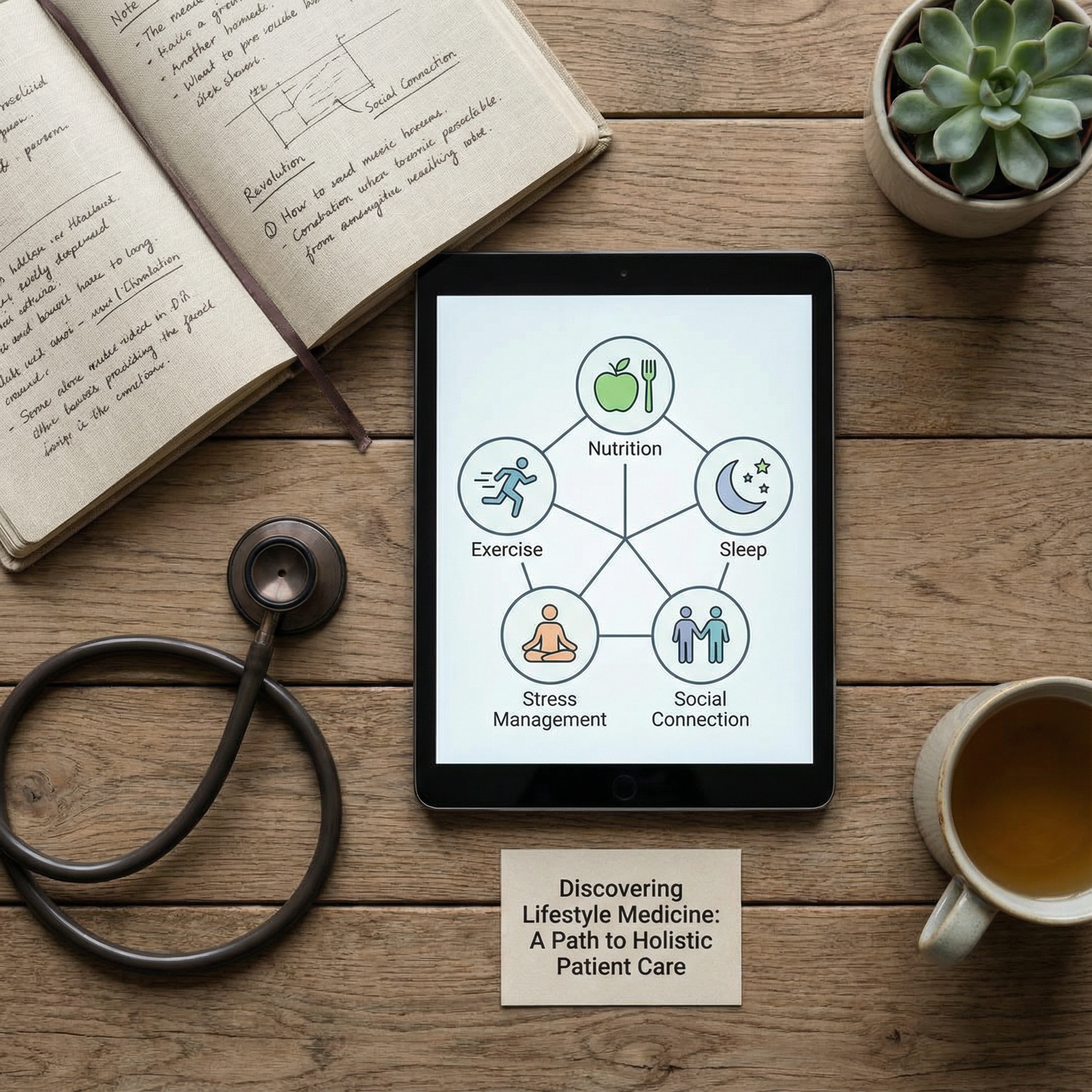
Let me be blunt: there are several other specialties that:
- Have solid to excellent lifestyle potential
- Are much more matchable than derm/rad onc
- Still give you a high degree of control over your future schedule
No, they’re not zero‑work. Nothing in medicine is. But they are not the “slave till 3 AM forever” horror your brain is conjuring.
The Shortlist: Lifestyle‑Friendly Backup Specialties (That Aren’t Pipe Dreams)
Here’s the part you probably want: actual realistic backup options that still keep your life livable if derm or rad onc disappear.
1. Physical Medicine & Rehabilitation (PM&R)
This is one of the most underrated lifestyle fields in medicine.
What PM&R can look like long‑term:
- Mostly outpatient clinics
- Rehab consults, procedures (EMG, injections, pain)
- Often 8–5, weekdays
- Call usually light, often home call (varies by practice)
- Work 4‑day weeks
- Take minimal call
- Have time for kids, hobbies, even research
- Still make a very comfortable income
Is it derm‑level money? No. But it’s more than enough to live well.
The big plus if you’re a “lifestyle” person: PM&R tends to attract people who care about schedule, balance, and not living at the hospital. The culture in many programs reflects that.
2. Psychiatry
Yes, psych can be intense emotionally. But from a schedule perspective? It can be extremely forgiving.
Potential setups:
- 100% outpatient, M–F 8–5
- Hybrid or full telepsychiatry from home
- Part‑time or 3–4 day weeks easier to negotiate than most fields
- Have some level of control over their panel size
- Can limit crisis work if they want
- Take little to no in‑house call once in private practice or non‑academic jobs
Lifestyle wise, psych is one of the closest cousins to derm/rad onc in terms of predictable days and the ability to minimize nights/weekends as you get established.
3. Outpatient‑Focused Internal Medicine (Primary Care / Lifestyle IM)
Internal medicine sounds like a bad lifestyle option because we all picture inpatient wards, q4 call, codes at 3 AM. That’s one version. It’s not the only version.
What outpatient IM can look like:
- 8–5 clinic, M–F, panel of chronic care patients
- No inpatient responsibilities (hospitalists admit)
- Limited or no nights/weekends
- Option to go part‑time
The key here is choosing your practice setup wisely:
- Look for purely outpatient jobs
- Clarify call expectations (is it phone only? How often?)
- Ask about admin time and visit length
- Avoid “we’re like family here” places that quietly expect 60 hours
Outpatient IM is probably the most flexible long‑term platform. You can pivot into admin roles, concierge medicine, telemedicine, obesity medicine, etc.
4. Allergy & Immunology
This one’s sneaky good for lifestyle, but it’s less talked about because it’s a subspecialty.
Pathway:
- Match IM or peds (both more achievable than derm/rad onc)
- Do an A&I fellowship
What A&I life often looks like:
- Almost entirely outpatient
- Scheduled patients, predictable days
- Limited emergencies
- Kids and adults, or either, depending on practice
Call tends to be manageable, and practice hours are very “clinic‑like.” It’s not as high‑paying as derm, but lifestyle is very similar in many setups.
5. Radiology (Diagnostic) – If You’re Willing to Pivot Slightly
If you were aiming at rad onc, you may already like imaging.
Diagnostic radiology:
- Higher match rate than derm, more spots than rad onc
- Mix of days, evenings, sometimes nights (depends on group)
- Many rads do shift work — when your shift ends, you’re done
Is the lifestyle perfect? No. Overnight shifts and call can be rough early on. But long‑term, many radiologists build:
- 4‑day work weeks
- Teleradiology from home
- High income with fairly predictable schedules
If your heart likes the imaging part of rad onc more than the cancer continuity piece, this can be a very logical backup.
6. Anesthesiology – Especially in the Right Practice
Anesthesia has a reputation for:
- Good income
- Shift‑based work
- Some groups with post‑call days off
- Ability to scale hours up or down later in career
Yes, there are ugly call schedules in some hospitals. But there are also:
- Outpatient surgery center jobs with banker’s hours
- Jobs where call is rare or optional
- Part‑time or locums paths later on
Compared to surgery, it’s almost always better lifestyle. Compared to derm? More intense early, but many anesthesiologists I know have a genuinely good balance.
Quick Comparison: Lifestyle Backup Options at a Glance
| Specialty | Typical Long-Term Setting | Call Burden | Lifestyle Potential |
|---|---|---|---|
| PM&R | Mostly outpatient/consults | Light/home | High |
| Psychiatry | Outpatient/telehealth | Low | Very high |
| Outpatient IM | Clinic only | Low-mod (phone) | High |
| Allergy & Immunology | Outpatient | Low | Very high |
| Diagnostic Radiology | Hospital/telerad | Moderate but shift-based | High |
This table is not fantasy. It’s what I actually see when people are intentional about where they end up.
“But If I ‘Settle’ For a Backup, Won’t I Hate My Life?”
Here’s the ugly thought that keeps people up at night:
“If I don’t match derm or rad onc, everything else is second‑rate and I’ll secretly be miserable forever.”
I’m going to push back hard on that.
Where people end up miserable is usually when:
- They pick a backup field they actively dislike just because it’s competitive or prestigious
- They don’t adapt their plans over time and stay stuck in a bad work environment
- They cling to the idea that they “failed” and never allow themselves to embrace new goals
I’ve seen former derm hopefuls end up in:
- PM&R doing spine and sports, very procedural, and genuinely loving it
- Allergy & immunology, gushing about their patients and their schedule
- Psych part‑time while raising kids with way more flexibility than they would’ve had in derm training
Does it sting at first? Yes. The grief is real. You’ll compare yourself to the derm match list and feel like you’re behind. But after a couple of years, almost everyone I’ve seen stabilizes into: “This is actually fine. In some ways, it’s better.”
Your happiness is more about:
- Daily schedule
- Mentors and colleagues
- The type of patient interactions you like
- How much control you have over your practice
…than the exact name of your specialty.
If You Don’t Match: Immediate Next‑Step Options
Let’s say worst case scenario happens: you don’t match derm or rad onc.
Here’s the practical branch point. And yes, you should think about this now, before your brain is fried.

| Step | Description |
|---|---|
| Step 1 | Unmatched in Derm or Rad Onc |
| Step 2 | Apply to open spots |
| Step 3 | Plan reapplication year |
| Step 4 | Match into backup specialty |
| Step 5 | Short transitional year |
| Step 6 | Research or prelim year |
| Step 7 | Reapply Derm/Rad Onc |
| Step 8 | Apply to lifestyle backups |
| Step 9 | SOAP? |
| Step 10 | Acceptable lifestyle backup? |
| Step 11 | Reapply or pivot specialty |
Option 1: SOAP Into a Reasonable Backup
During SOAP, lifestyle‑friendly or at least lifestyle‑neutral fields can appear:
- Psych
- PM&R
- Prelim IM or transitional years (as a bridge)
If you see a field you could genuinely live with long‑term — not just tolerate for a year — it may be wiser to lock in something stable than to roll the dice again next year.
Option 2: Take a Year and Regroup
If nothing in SOAP looks acceptable, or your application is close but not quite there, a planned reapplication year can make sense.
Common moves:
- Research year in derm/rad onc
- Prelim IM year while you reapply
- Strengthen letters, Step scores, publications
At the end of that year, you have to decide honestly:
- Are your odds meaningfully better, or are you just looping the same gamble?
- Does your life situation (loans, mental health) support another high‑risk year?
A lot of people in this position decide, “I can’t keep putting my entire future on this single roll.” And that’s when they pivot to a lifestyle backup and finally breathe again.
How to Frame Backup Plans Without Sabotaging Yourself
Here’s the mental trap: “If I plan a backup, I’m secretly admitting I’ll fail derm/rad onc.”
No. You’re doing what every adult should do with any high‑risk path: risk management.
What actually helps:
- Make a short, honest list of 2–3 backup specialties you could see yourself in
- Talk to residents/fellows in those fields about real lifestyle, not brochure talk
- Look at your own strengths: Do you like procedures? Longitudinal care? Reading images?
And be explicit with yourself:
- “Derm/rad onc is Plan A.”
- “These 2–3 lifestyle fields are my Plan B, C, etc. If Plan A fails, I’m not panicking, I already know my next moves.”
That doesn’t weaken your derm/rad onc application. It just means you won’t be wrecked if it doesn’t work out exactly as planned.
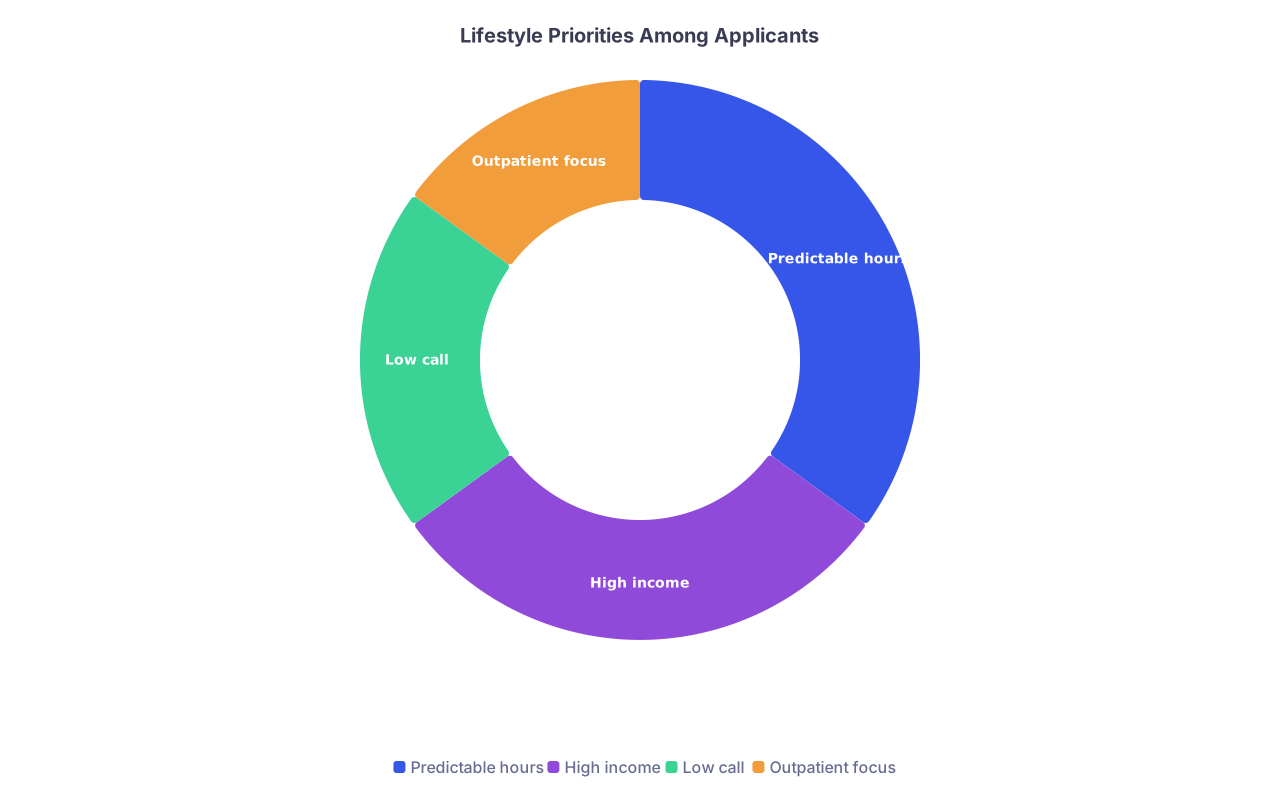
| Category | Value |
|---|---|
| Predictable hours | 35 |
| High income | 30 |
| Low call | 20 |
| Outpatient focus | 15 |
The Part No One Says Out Loud
The derm match list is loud. The rad onc match list is loud. People love to post their “dream specialty” match on Instagram. What doesn’t get posted:
- The person who quietly SOAPed into PM&R and is now home by 5 most days
- The psych resident who went unmatched, took a research year, then pivoted and is now doing telepsych from their couch half the week
- The outpatient IM doc who sees her kids every night and has 6 weeks of vacation
Those people are not failures. They’re just not as flashy on social media.
You’re allowed to want a good life. You’re allowed to say, “If I can’t have derm/rad onc, I still want a career that doesn’t destroy me.” That’s not weakness. That’s survival instinct.
And the reality is: there are multiple ways to get there.
FAQs
1. If I apply to derm or rad onc with a backup, will programs see me as “less committed”?
Not if you’re smart about it. Apply fully and seriously to derm/rad onc — strong letters, tailored personal statement, research. At the same time, apply to a clear backup specialty you’d actually do. Programs don’t see all your other ERAS applications; they see only what you send them. Commitment is judged based on the application in front of them, not the ones you send elsewhere.
2. Is it better to reapply to derm/rad onc or pivot to a lifestyle backup after not matching?
It depends on your numbers, feedback, and sanity. If your board scores, research, and letters are borderline and you didn’t get many interviews, reapplying with the same profile is usually a bad gamble. If you were close (multiple interviews, strong feedback) and can genuinely improve your application with a year of focused work, a reapply might make sense. But if another year of limbo will wreck you financially or mentally, a lifestyle backup is often the healthier call.
3. Which backup is “closest” to derm lifestyle‑wise?
In terms of hours and predictability, I’d put psych, allergy/immunology, and PM&R near the top for lifestyle potential. Allergy and PM&R can feel the most “clinic‑like” with procedures and stable schedules. Psych wins for remote work and flexible setups. None will fully match derm income across the board, but they can come surprisingly close in some markets with better balance.
4. What if I end up hating my backup specialty once I’m in it?
First, this happens less often than your fear suggests, because training and attending life feel very different. That said, if you truly hate it, there are still escape hatches: non‑clinical roles (industry, informatics, admin), niche subspecialties, or carefully switching residencies early if your PD supports it. But most people who pick a thoughtful backup and give it a chance adjust and find parts they genuinely like.
5. Am I “wasting” my derm/rad onc research if I switch to something like psych or PM&R?
No. Research proves you can think deeply, complete projects, and handle academic work. Those skills transfer. You may not win points for derm‑specific content in psych, but productivity itself looks good. You can also pivot and start a small project in your new field to show genuine interest. And honestly, nothing about learning how to read papers, write, and present is wasted — those skills help in almost any specialty.
Key takeaways:
- Not matching derm or rad onc is not the same as losing any chance at a good lifestyle.
- There are multiple realistic, matchable specialties — PM&R, psych, outpatient IM, allergy, rads, anesthesia — that can still give you the life you’re trying to protect.
- Planning a backup isn’t giving up; it’s giving your future self something solid to land on if Plan A falls apart.