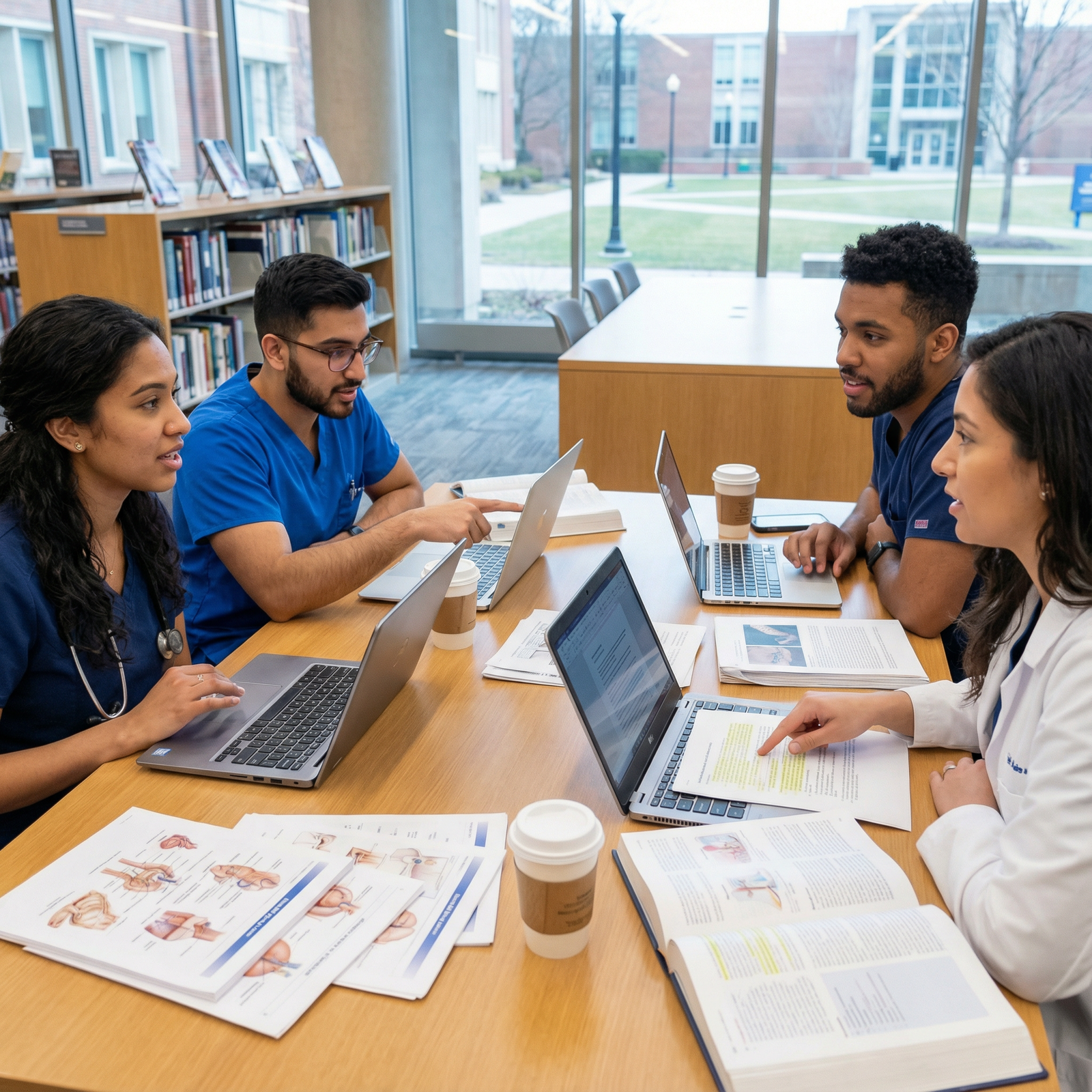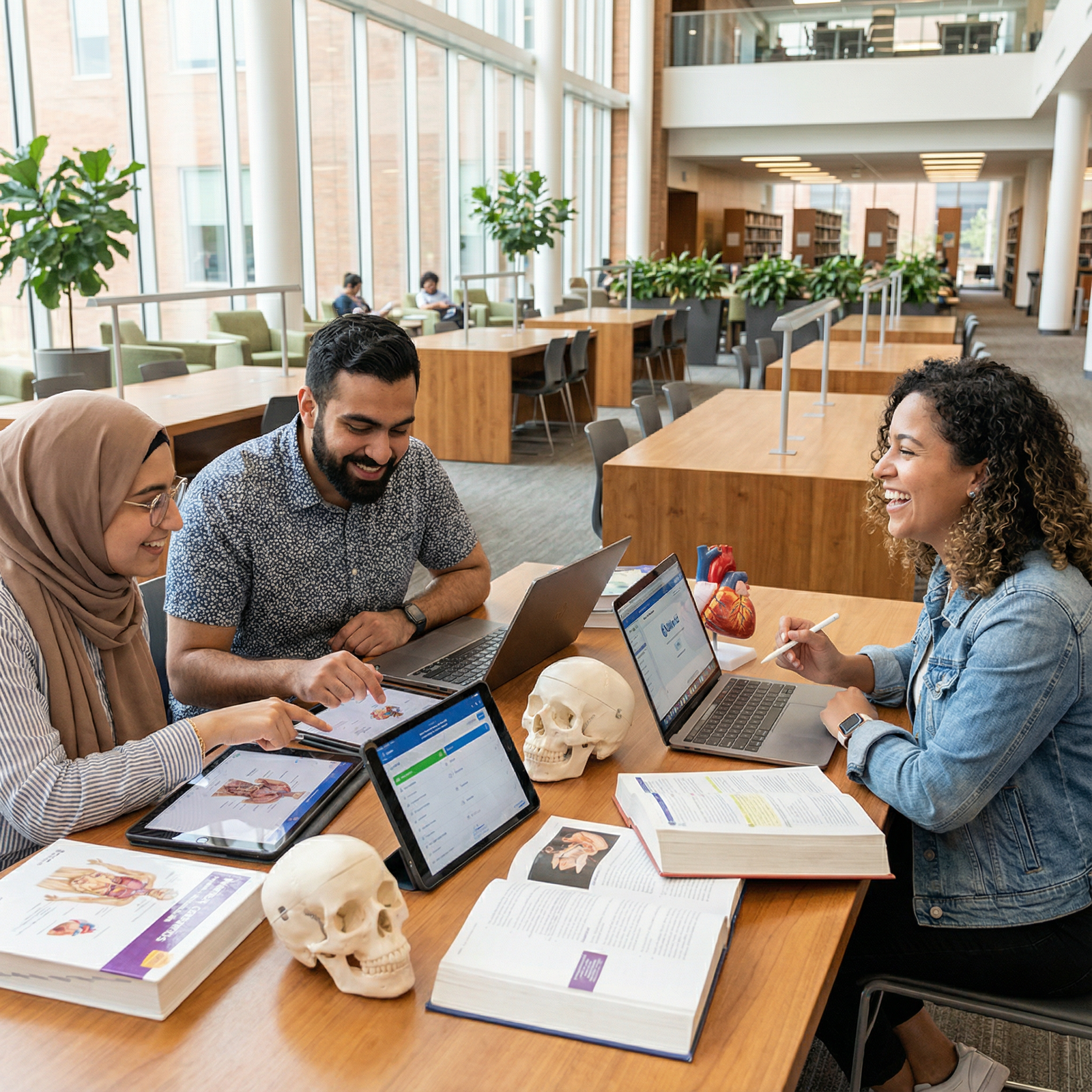
Introduction: Why Relationships Are the Real Hidden Curriculum in Medical School
Medical school is often described in terms of exam scores, clerkship evaluations, and board pass rates. Yet ask residents and attending physicians what truly shaped their careers, and many will point not just to textbooks and lectures, but to the people they met along the way.
Relationships in Medical School are part of the “hidden curriculum” that quietly but powerfully influences your learning, well‑being, and long‑term Professional Development. The connections you build with peers, faculty, residents, and other healthcare professionals become your support system, your learning community, and your professional network.
This article explores why Relationship Building in Medical School matters so much, and offers practical, realistic strategies to help you cultivate meaningful connections—without sacrificing your grades or your sanity.
Whether you’re just starting your first year or are deep into clinical rotations, you can begin strengthening your network and Student Support system today.
Why Relationships Matter in Medical School: More Than Just “Networking”
1. Collaborative Learning Deepens Understanding
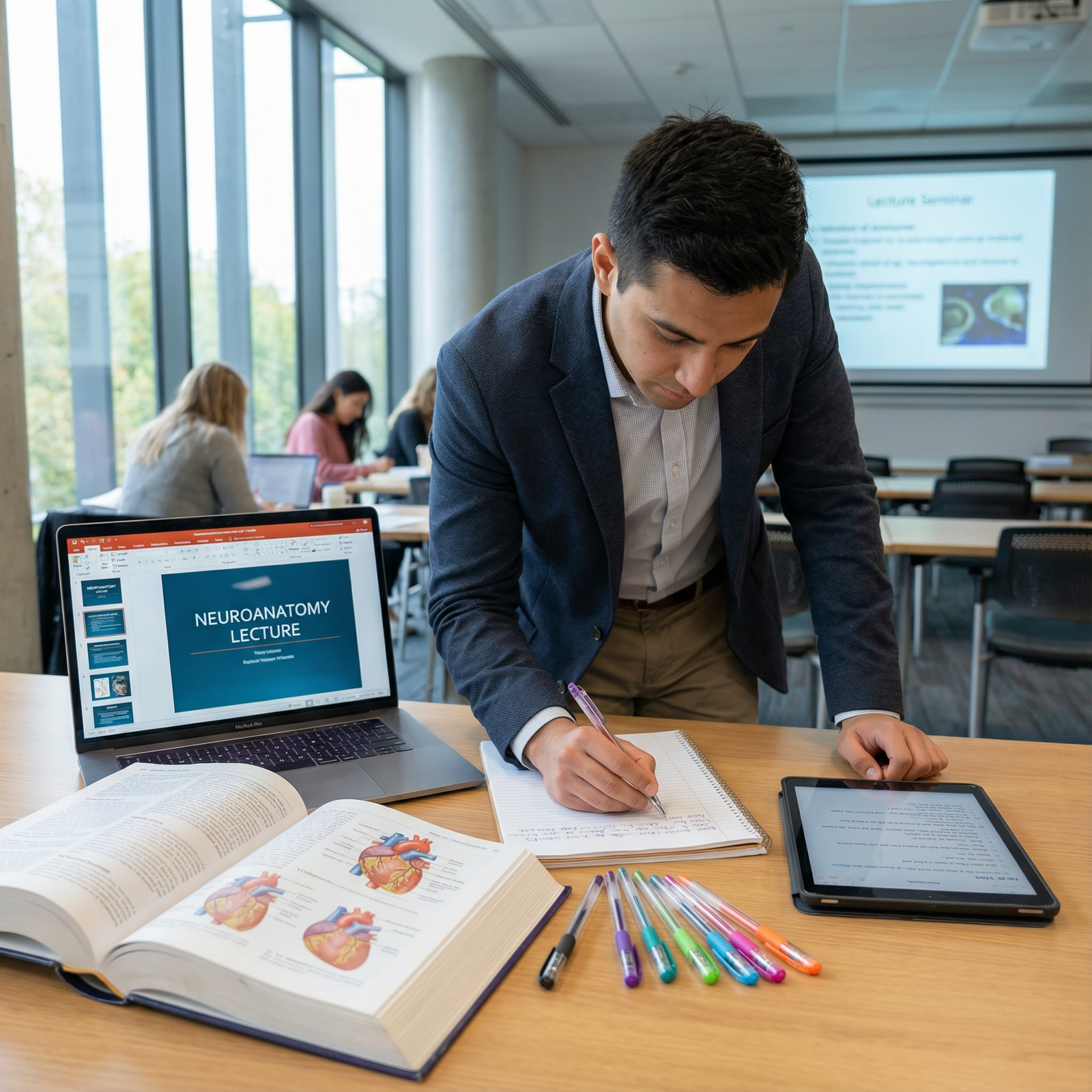
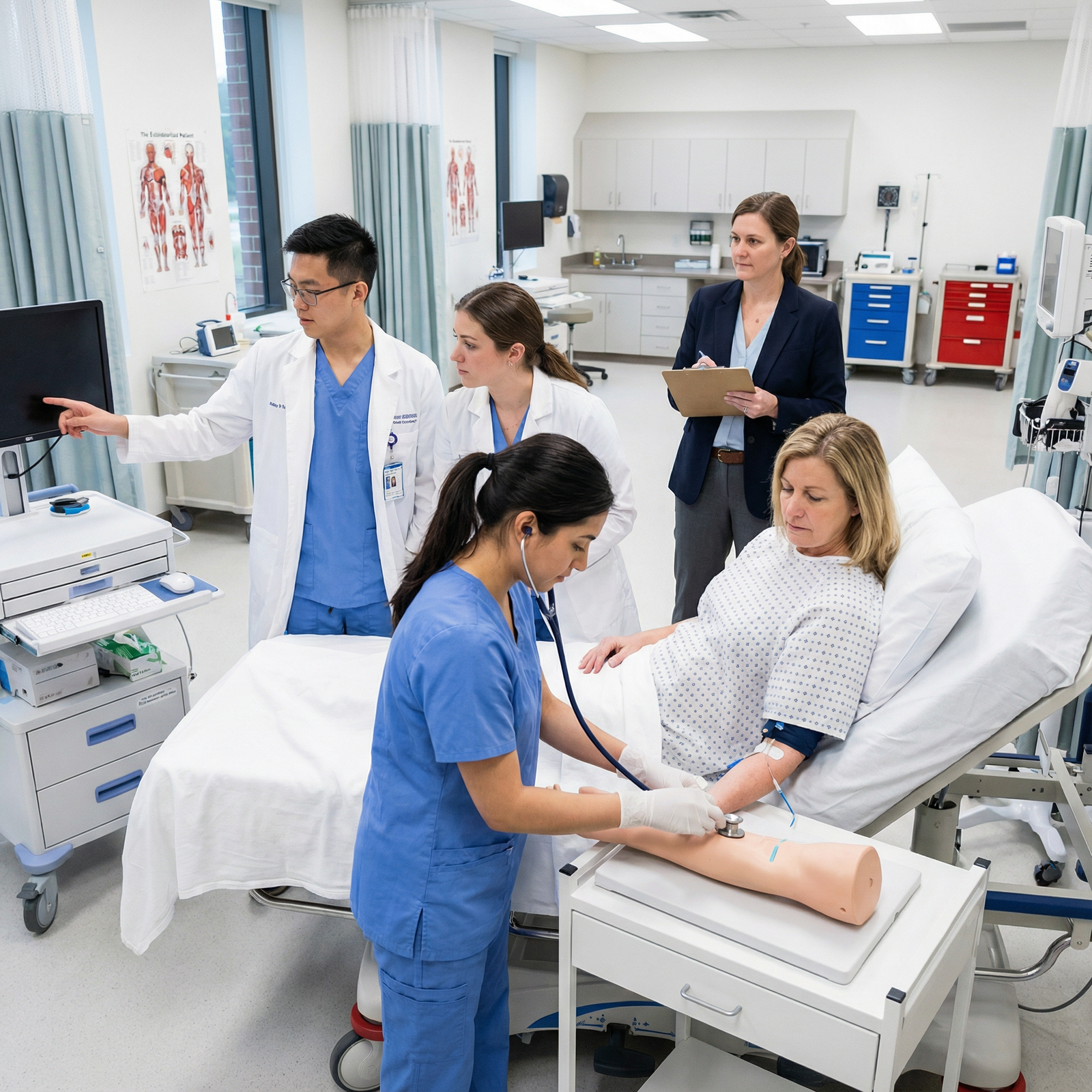
Modern Medical School training is team-based. Exams may be individual, but day‑to‑day learning is often collaborative—especially in problem-based learning (PBL), simulation sessions, and clinical rotations.
Strong peer relationships can:
- Improve exam performance: Well-run study groups help you identify gaps in knowledge, explain concepts to others (a powerful way to learn), and stay accountable to realistic study schedules.
- Strengthen clinical reasoning: Discussing differential diagnoses, management plans, and ethical dilemmas with classmates sharpens your thinking and exposes you to different approaches.
- Boost board prep efficiency: Forming focused USMLE/COMLEX study teams allows division of tasks, shared resources (e.g., Anki decks, question banks), and structured group review.
Example:
Instead of silently re-reviewing the same question bank alone, a group of four students might each take 25 questions, create a brief “teaching slide” for the highest-yield concepts, and teach the rest of the group. One hour of work now benefits four people.
2. Networking Opens Doors You Didn’t Know Existed
“Networking” sometimes feels like a corporate buzzword, but in medicine it simply means building authentic, professional relationships over time. The people you meet in Medical School can influence:
- Research and leadership opportunities: Faculty and residents often think of students they know and trust when projects arise.
- Letters of recommendation: Strong, personalized letters for residency come from people who have seen your growth, character, and work ethic.
- Electives and away rotations: Knowing someone in a department you’re interested in can help you tailor your experiences strategically.
- Career insights: Conversations with mentors and upperclassmen help you understand the culture of different specialties, realistic lifestyle expectations, and the hidden pros and cons of career paths.
Networking for Opportunities in medical training is less about handing out business cards and more about consistently showing up, being curious, and following through.
3. Emotional and Practical Support in a High-Stress Environment
Medical School can be isolating: long hours, high expectations, constant comparison, and exposure to human suffering. Strong relationships offer:
- Emotional Student Support: Friends who understand the stress of anatomy practicals, OSCEs, and call nights because they’re living it too.
- Concrete help: Sharing notes, old practice questions, clerkship tips, and study strategies.
- Burnout protection: Having people to talk to after a bad exam, a difficult patient encounter, or a challenging feedback session can protect your mental health.
- Accountability for wellness: Peers can remind you to take breaks, sleep, eat, and exercise—even during your busiest weeks.
Many schools now recognize that peer support is as essential as faculty advising, and they build Learning Communities, “families,” or college systems to facilitate these bonds. But the quality of those relationships still depends on your effort and engagement.
4. Developing Professional Skills You’ll Use Every Day as a Physician
Medicine is fundamentally a relationship-centered profession. The skills you develop through Relationship Building in Medical School translate directly into your future clinical practice, including:
- Communication: Explaining your reasoning, listening actively, and adapting your style to different personalities.
- Conflict resolution: Navigating disagreements in study groups or team-based learning prepares you for real-world disagreements on rounds.
- Leadership and followership: Learning when to step up and when to step back is essential on clinical teams.
- Interprofessional collaboration: Respectful relationships with nurses, pharmacists, therapists, and other staff lay the groundwork for effective team-based care.
Think of Medical School as your laboratory for practicing the interpersonal side of being a physician—low stakes now compared to high stakes later with patients.
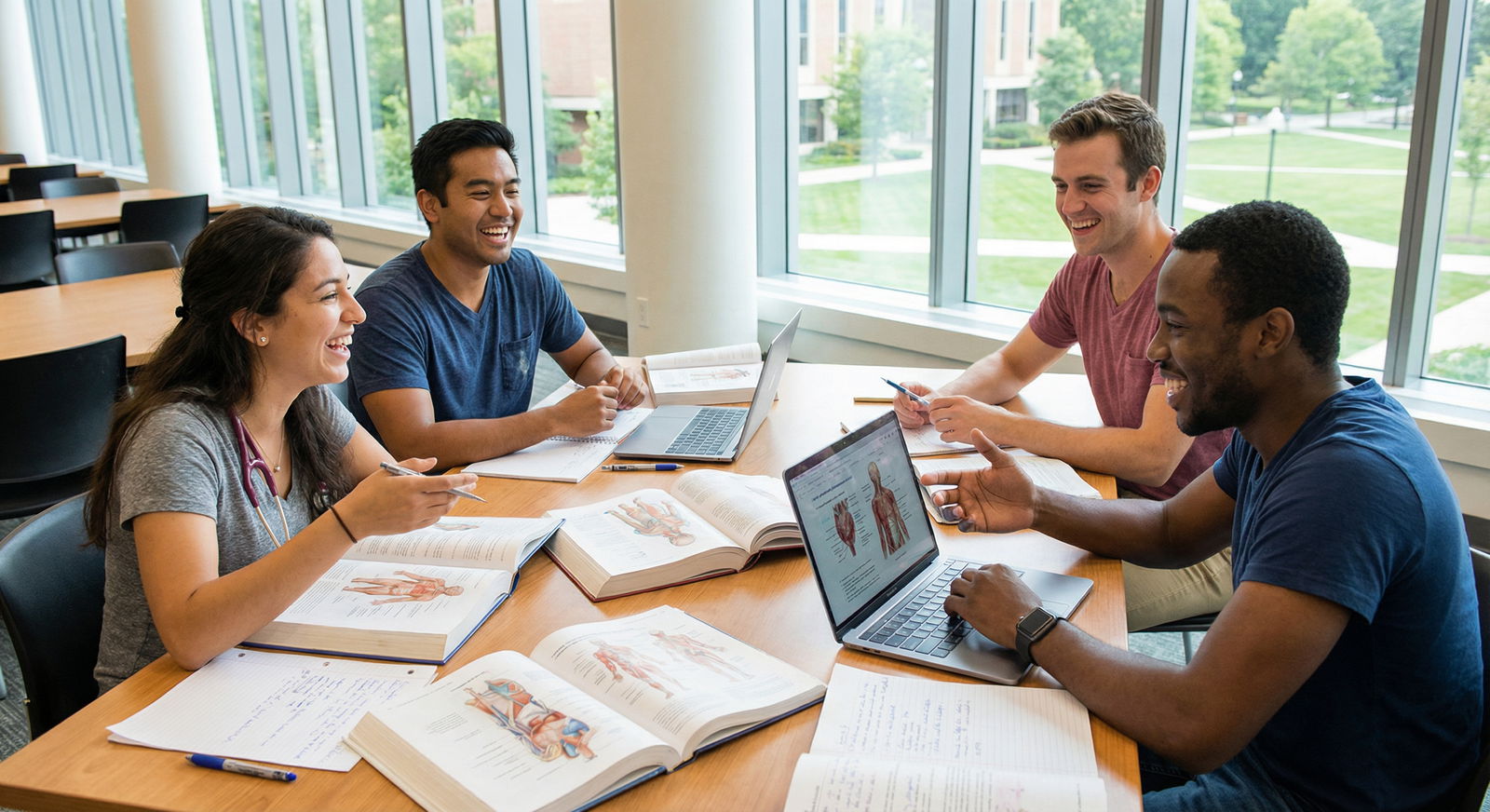
Building Strong Relationships with Peers and Classmates
1. Making Study Groups Work for You (Not Against You)
Study groups can be incredibly powerful—or a complete time sink. To make them effective:
Be intentional about group composition
- Aim for 3–6 students; larger groups often become unfocused.
- Include people with different strengths (e.g., one great at pathophysiology, another strong in pharmacology).
- Consider similar work ethic and expectations; mismatched commitment can cause tension.
Set clear structures and goals
- Decide the purpose: review, active recall, question practice, concept mapping, or clinical vignettes.
- Use timeboxing (e.g., 45 minutes focused work, 15 minutes break).
- Rotate roles:
- Facilitator: keeps the group on schedule.
- Question leader: brings practice questions.
- Summarizer: recaps key points at the end.
Watch for red flags
Study groups may not be serving you if:
- Sessions turn into complaint sessions instead of productive work.
- You consistently leave more anxious or confused.
- The group’s pace doesn’t match your learning style.
It’s okay—and healthy—to adjust your group or your involvement. Protect both your learning and your relationships by being honest and respectful: “I’ve realized I need to change how I’m studying for this block, so I may be stepping back from group sessions for a bit.”
2. Relationship Building Through Extracurricular Activities
Some of your strongest Medical School relationships will form outside the classroom.
Join interest groups and student organizations
- Specialty interest groups (e.g., internal medicine, surgery, pediatrics) connect you with like-minded classmates, residents, and faculty.
- Cultural, identity-based, and advocacy organizations can provide a powerful sense of belonging and Student Support.
- Educational roles (tutoring underclassmen, TA positions) strengthen networks vertically across classes.
Volunteer and community service
Volunteering at free clinics, health fairs, or outreach programs allows you to:
- Work alongside peers in meaningful settings.
- Demonstrate professionalism and reliability.
- Build a sense of shared purpose beyond exams.
Attend social and wellness events
Even if you’re introverted or time‑pressed, consider selectively attending:
- Class dinners or mixers, especially early in the year.
- Well-being events (yoga sessions, game nights).
- Orientation and transition events for new students.
Think of these as investments in your long-term support system, not as distractions from “real work.”
3. Finding and Being a Peer Mentor
Mentorship doesn’t always have to be top-down from faculty; peer mentoring can be just as impactful.
How to find peer mentors
- Reach out to upperclassmen in student organizations or interest groups.
- Ask your school if there’s a formal peer mentoring program pairing M1s with M3s/M4s.
- After attending a student-led review session or panel, email a speaker whose path resonates with you.
Sample outreach email:
“Hi [Name],
I’m an MS1 interested in [field/topic], and I really appreciated your comments about [specific point] during the panel yesterday. If you have time in the next few weeks, I’d be grateful for 20–30 minutes to ask you a few questions about how you approached [research / Step 1 / clinical years].”
How to be a good mentee
- Come prepared with specific questions.
- Follow up on advice given and share outcomes.
- Respect their time; don’t repeatedly ask for things last-minute.
Over time, you’ll also become a mentor to more junior students. This strengthens your leadership skills and your sense of community—and often deepens your own learning.
Building Meaningful Relationships with Faculty and Academic Mentors
Faculty relationships are central to your Professional Development, guidance, and career progression.
1. Making the Most of Office Hours and Informal Meetings
Office hours are underused opportunities for high-quality Relationship Building.
Before you go:
- Review lecture material and identify 2–3 specific questions.
- Think about broader questions: “What sort of research experiences are helpful for someone considering neurology?” or “How did you decide on your specialty?”
During the meeting:
- Be on time and respectful of the time limit.
- Start with your academic questions, then transition to career curiosity if appropriate.
- Show genuine interest, not just grade-seeking behavior.
After the meeting:
- Send a brief thank-you email.
- If they suggested resources, read them and follow up: “I read the article you recommended about [topic], and it really clarified [specific concept]. Thank you again for the suggestion.”
This signals maturity, reliability, and authentic interest—qualities faculty remember when considering students for projects or letters.
2. Joining Research and Academic Projects
Involvement in research is both a learning experience and a powerful way to build faculty relationships.
Finding opportunities
- Check your school’s research office or project databases.
- Attend departmental grand rounds and note faculty whose interests excite you.
- Ask near-peer mentors how they connected with their research mentors.
Approaching faculty
Be concise and specific in your email:
“Dear Dr. [Name],
I’m an MS2 with a strong interest in [field/topic], and I’ve read your recent work on [paper or project]. I’m hoping to get involved in research and would be grateful to learn whether you or your team might have room for a motivated student, even in a small role like data collection or literature review. I’m especially interested in gaining skills in [chart review / statistics / qualitative methods].”
Being a reliable team member
- Meet deadlines consistently.
- Communicate when you are overloaded or if your timeline changes.
- Ask for feedback and implement it.
Longitudinal research mentorship often leads to:
- Strong residency letters.
- Co-authorships or presentations.
- Candid career advice and long-term Professional Development support.
3. Engaging in Faculty-Led Seminars, Electives, and Workshops
Faculty-led activities are prime spaces for relationship building that feel natural and low-pressure.
To maximize these:
- Prepare: Read background material or previous related work if provided.
- Participate meaningfully: Ask thoughtful questions, connect discussions to clinical scenarios, and share relevant experiences.
- Follow up: If a topic resonates, ask the speaker about additional readings, electives, or opportunities in that area.
Over time, faculty begin to recognize you as an engaged, thoughtful student—someone they’d be happy to mentor or recommend.
Building Professional Relationships in Clinical Settings
Clinical years are where your relationship-building skills become highly visible and directly impact evaluations, learning, and career opportunities.
1. Standing Out (Positively) on Clinical Rotations
During clinical rotations, you interact daily with attending physicians, residents, nurses, and allied health professionals. These relationships:
- Shape your evaluations and narrative comments.
- Create opportunities for informal mentorship.
- Influence your letters of recommendation.
Practical tips to build trust and rapport:
- Be consistently prepared: Know your patients, read about their conditions, and anticipate common questions.
- Show enthusiasm and humility: Volunteer for tasks, accept feedback graciously, and demonstrate eagerness to learn.
- Respect the entire team: Learn nurses’ and staff members’ names, thank them, and value their expertise.
Ask residents and attendings questions like:
- “What do you wish you had known as a medical student interested in this specialty?”
- “How did you choose your residency program?”
These open the door to career guidance and deeper connections.
2. Networking at Conferences and Professional Meetings
Conferences are concentrated networking opportunities.
Before the event:
- Look up sessions and speakers in your areas of interest.
- Reach out in advance to mentors who will be attending and ask to briefly connect.
During the event:
- Prepare a 30–45 second “elevator pitch”: who you are, your current stage, and your interests.
- Ask genuine questions about others’ work.
- Attend student or trainee-focused events, which are often designed for networking and Student Support.
After the event:
- Email new contacts within a week.
- Mention something specific from your interaction: “I appreciated your advice about [topic]; I’ve already started looking into [resource you mentioned].”
Over time, these touchpoints add up to a meaningful professional network that extends beyond your home institution.
3. Shadowing and Informational Interviews
Shadowing is not just for pre-med students; it can still be valuable in Medical School, especially if you’re uncertain about your specialty.
Making the most of shadowing:
- Clarify expectations: Ask what time to arrive, dress code, and how active your role will be.
- Observe interpersonal dynamics: How do physicians interact with nurses, patients, trainees? Can you see yourself in that environment?
- Debrief: Ask the physician to share what they like and dislike about their specialty, what burnout looks like in their field, and what they wish students understood.
Similar principles apply to informational interviews with residents and fellows: schedule short meetings focused on learning about their path, not asking for favors.
Using Social Media and Online Platforms Wisely for Professional Development
Digital platforms are now a core part of Relationship Building and Student Support in medicine—but they require thoughtful use.
1. Building a Professional Online Presence
Platforms like LinkedIn, Doximity, and (carefully curated) X (Twitter) or BlueSky can:
- Showcase your interests (e.g., health equity, global health, medical education).
- Connect you with faculty and trainees nationwide.
- Keep you informed about conferences, webinars, and calls for abstracts.
Tips for a professional profile:
- Use a clear, professional headshot.
- List your Medical School, graduation year, and major interests.
- Highlight leadership roles, publications, and volunteer activities.
Think of your profiles as living CVs plus a snapshot of who you are as a future physician.
2. Joining Online Medical Student Communities
Online communities can supplement (not replace) your in-person network:
- Student-focused platforms and forums (e.g., Student Doctor Network, specialty-specific Discord or Slack groups).
- School-specific class group chats or social media groups.
- Well-moderated peer support communities.
Benefits include:
- Anonymous or semi-anonymous spaces to ask vulnerable questions.
- Shared study resources and exam tips.
- Emotional support from people in similar situations.
Always protect privacy (yours and patients’). Avoid posting identifiable clinical scenarios or complaining about specific individuals or institutions.
3. Maintaining Healthy Boundaries Online
Your digital footprint is part of your professional identity.
- Assume future colleagues, residency PDs, and patients may eventually see anything you post.
- Keep venting and sensitive conversations in private, trusted spaces.
- Avoid posting while intensely emotional; give yourself time to cool down.
Ask yourself before posting: “Would I be comfortable if this appeared on a residency program director’s desk with my name on it?” If not, don’t post it.

Frequently Asked Questions (FAQ)
1. I’m introverted. How can I build relationships in Medical School without feeling fake or overwhelmed?
You don’t need to be extroverted to build meaningful connections. Focus on small, consistent actions:
- Attend smaller group events (e.g., interest group meetings) rather than large parties.
- Schedule one-on-one or two-on-one coffee chats with classmates or mentors.
- Volunteer for behind-the-scenes roles in organizations (e.g., managing email lists, organizing study sessions). Authenticity matters more than charisma. Deep, reliable relationships with a few people can be more impactful than superficial connections with many.
2. How do I balance relationship building with a heavy exam and rotation schedule?
Think of Relationship Building as part of your Professional Development curriculum, not an optional extra:
- Use structured activities (study groups, interest group meetings) to combine social connection with academic goals.
- Timebox networking (e.g., one email to a mentor per week, one event per month).
- Protect sleep and basic self-care; you’ll be more present and engaged when you do interact with others.
During particularly intense periods (e.g., right before boards), it’s okay to scale social commitments back and communicate that clearly to your peers.
3. How early should I start building relationships with faculty for residency letters?
Ideally, start in your pre-clinical years, but it’s never too late:
- Engage in class, attend office hours, and join research or scholarly projects as early as you can.
- In clinical years, be intentional about connecting with attendings in specialties you’re considering. Strong letters often come from longitudinal relationships, so the sooner you begin, the more time mentors have to get to know you.
4. What if I feel like I don’t “fit in” with my classmates?
Many students feel this way at some point, even if they appear confident externally. Try:
- Exploring multiple groups (research teams, volunteer projects, identity-based organizations) to find where you feel most comfortable.
- Connecting with upperclassmen, residents, or faculty who may share your background or interests.
- Seeking formal Student Support services—counseling or advising can help you navigate feelings of isolation and imposter syndrome.
Remember: Medical School classes are diverse. You are almost certainly not the only one feeling out of place.
5. How can I tell if a relationship with a mentor or faculty member is truly supportive and healthy?
Healthy mentoring relationships are characterized by:
- Respect: They take your goals and boundaries seriously.
- Transparency: Expectations are clear (e.g., time commitment, roles on projects).
- Supportiveness: They encourage your growth, not just use your labor.
- Psychological safety: You feel generally comfortable asking questions and sharing concerns.
If you feel consistently dismissed, exploited, or uncomfortable, seek advice from another trusted faculty member, student affairs, or a different mentor. You deserve guidance that fosters your well-being and growth.
Building relationships in Medical School is not just a nice-to-have—it’s a core part of your education and your future success as a physician. Your network of peers, mentors, and healthcare professionals will shape how you learn, how you cope with stress, and how you navigate the complex path from student to resident to attending.
Start where you are: join one new group, send one email to a potential mentor, set up one study session, or attend one event. Over time, these small steps will create a strong, supportive professional community that carries you well beyond boards and into a fulfilling career in medicine.