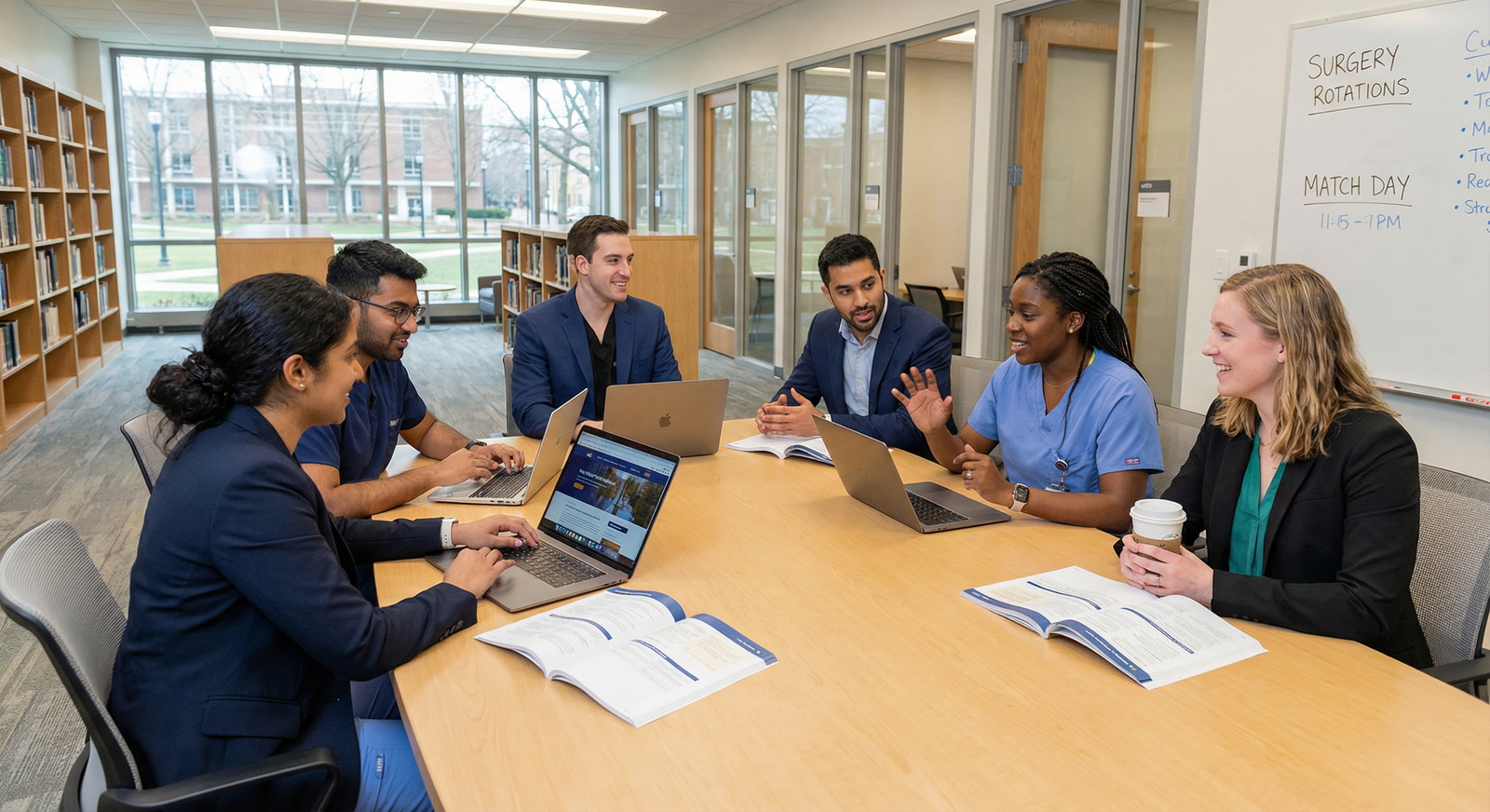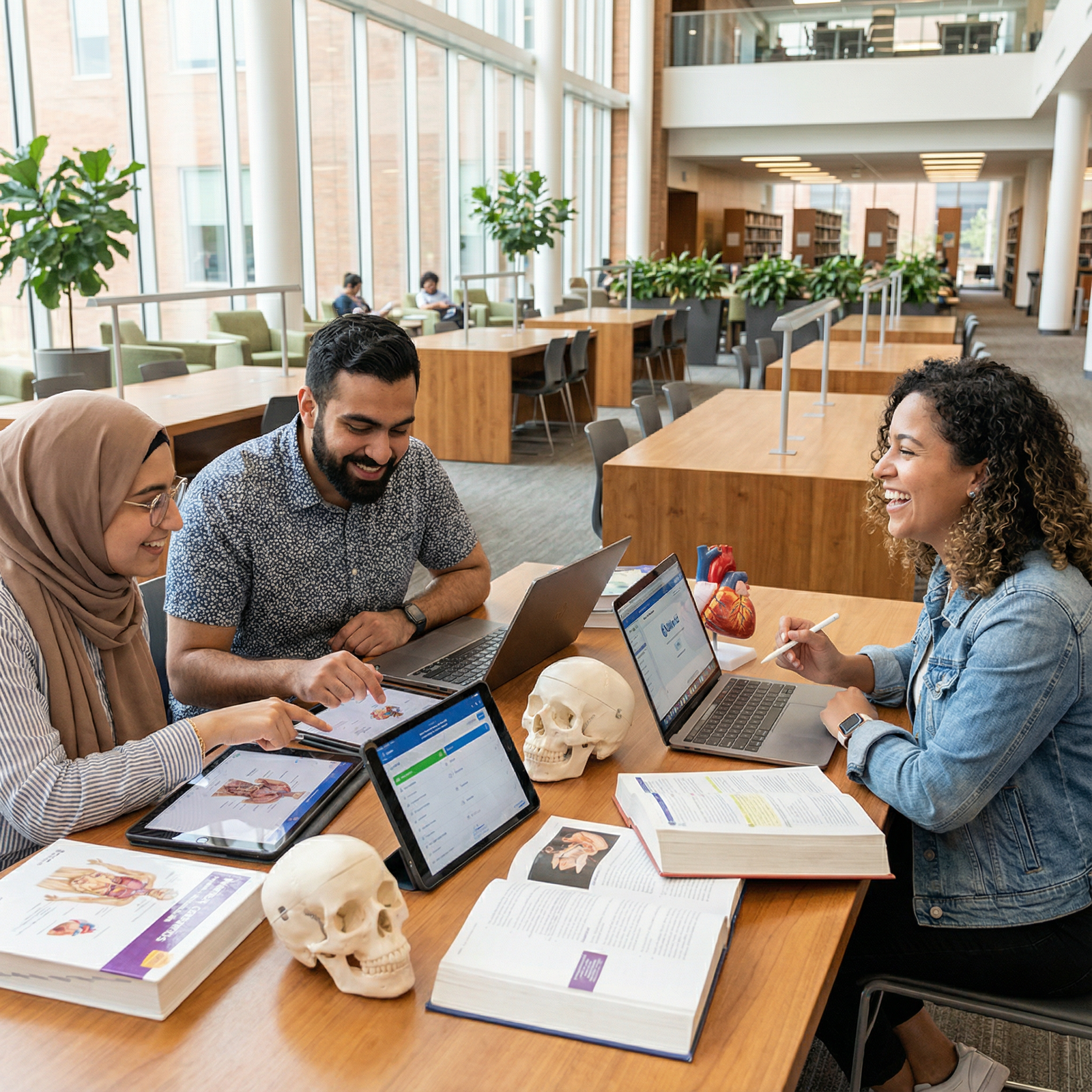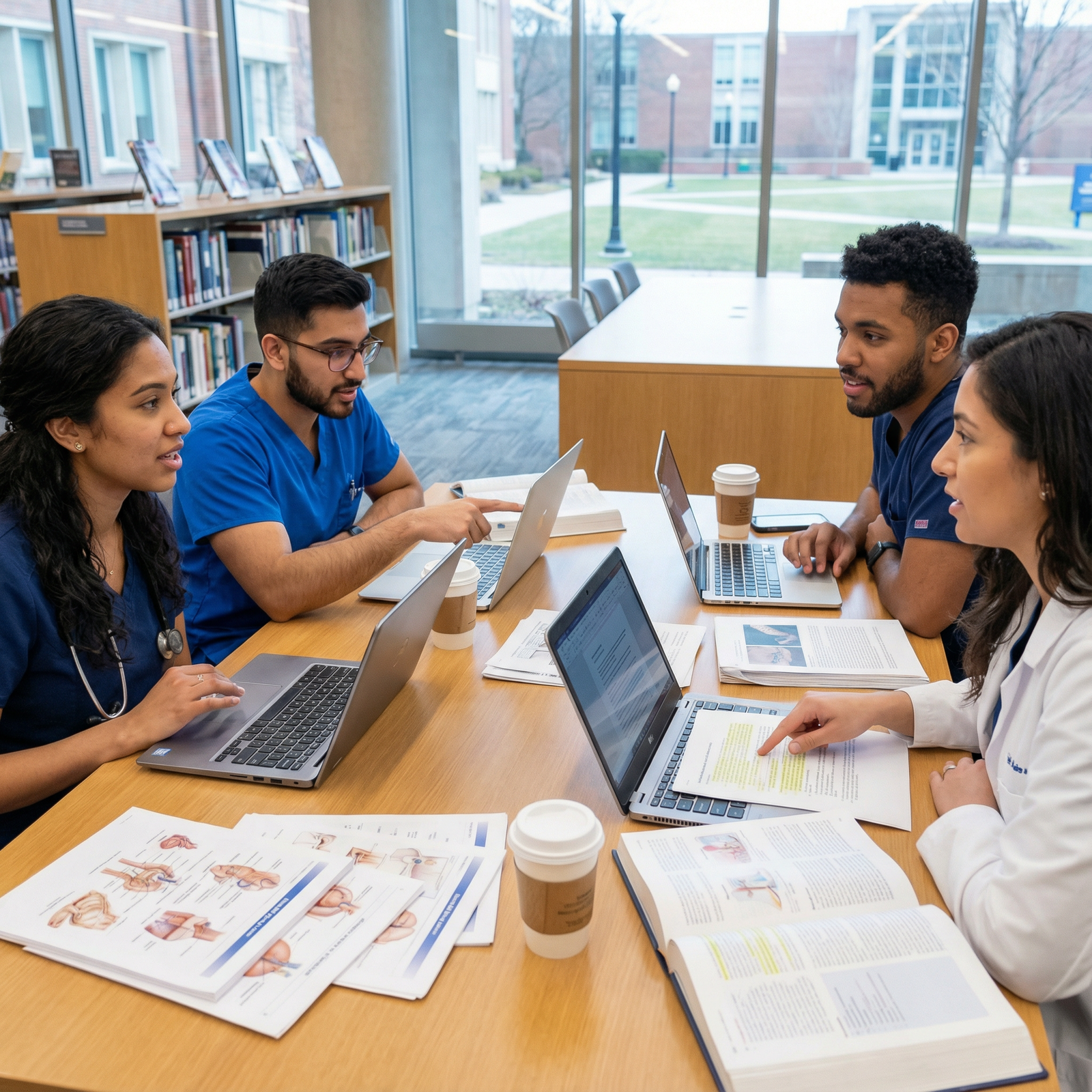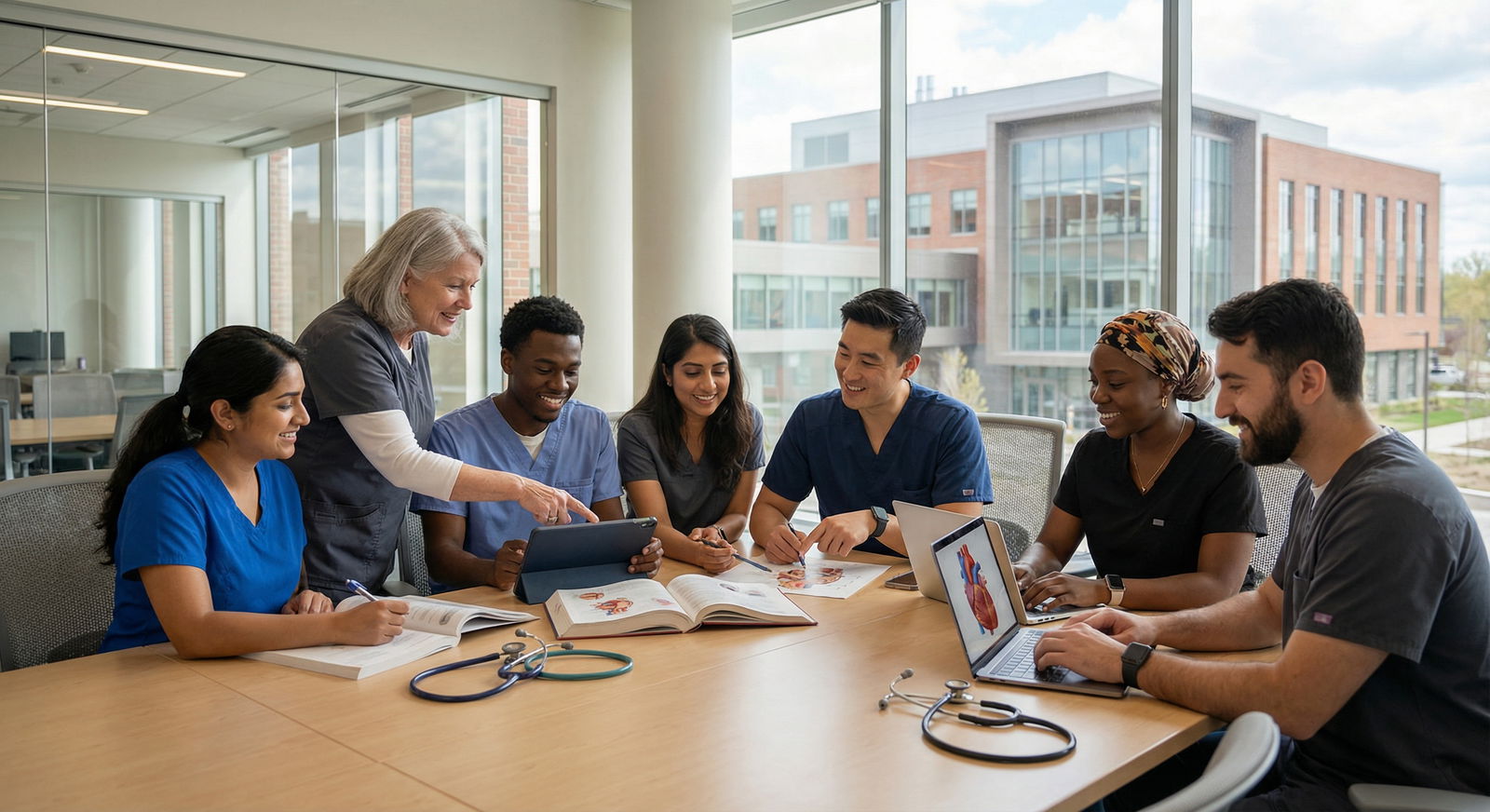
Entering medical school means more than mastering anatomy, pharmacology, and clinical skills—it also means learning to work, learn, and grow in a deeply diverse community. For many students, it is the first time they have been immersed in a truly mixed environment that brings together people from a wide range of cultures, identities, and lived experiences.
A “mixed” medical school environment is more than a buzzword; it is the reality of modern healthcare education and a powerful training ground for the kind of physician you will become. The same principles that drive Diversity in Education, Cultural Competence, and Inclusive Learning will shape how effectively you connect with classmates, collaborate in teams, and ultimately care for patients.
This guide explores what diversity really means in medical education, why it matters for your future career, and specific, practical Medical School Strategies you can use to thrive in an environment rich with differences—and opportunities.
Understanding Diversity in Medical Schools Today
To thrive in a mixed environment, you first need a clear understanding of what “diversity” means in the context of medical education and healthcare.
What Diversity in Education Really Encompasses
In medical school, diversity is multidimensional. It includes:
Race and Ethnicity
Students and faculty may identify as Black, Latinx, Indigenous, Asian, Middle Eastern, White, multiracial, or from other backgrounds. These identities intersect with:- Historical inequities in access to education and healthcare
- Different patterns of disease prevalence and treatment outcomes
- Varied experiences with bias, discrimination, and representation in medicine
Gender Identity and Sexual Orientation
Medical students may identify as cisgender, transgender, nonbinary, queer, gay, lesbian, bisexual, asexual, and more. A mixed environment acknowledges:- The unique challenges and discrimination LGBTQ+ students may face
- The importance of inclusive language and respectful pronoun use
- How gender and sexuality impact health needs and outcomes
Cultural and Religious Background
Cultural background can shape:- Beliefs about illness, death, and healing
- Attitudes toward mental health, vaccines, reproductive care, and end-of-life decisions
- Communication styles, family roles, and expectations from the healthcare system
Socioeconomic Status and Educational Pathway
Students may be:- First-generation college or medical students
- From low-income or rural backgrounds
- Graduates of community college, international schools, or nontraditional paths
These experiences influence perspectives on health disparities, access to care, and health policy.
Disability, Neurodiversity, and Health Status
Diversity also includes:- Physical disabilities (mobility, vision, hearing, chronic illness)
- Mental health conditions (depression, anxiety, PTSD, bipolar disorder)
- Neurodivergent identities (ADHD, autism, learning disabilities)
Creating Inclusive Learning environments means ensuring accommodations, accessibility, and psychological safety.
Age, Life Stage, and Life Experience
Your class might include students:- Straight from undergrad
- With prior careers (nurses, paramedics, engineers, teachers, veterans)
- With families, children, or caregiving responsibilities
This variety enriches discussion and clinical reasoning with real-world context.
Why Diversity in Medical Training Matters for Your Future Practice
Diversity is not just a social ideal—it directly strengthens the training of future physicians:
Better Clinical Problem-Solving
Research consistently shows that diverse teams outperform homogeneous ones on complex problem-solving. In medicine, this translates to:- More comprehensive differential diagnoses
- More creative approaches to patient care
- Better recognition of cultural and social factors affecting health
Improved Empathy in Healthcare
Learning with people who are different from you:- Challenges assumptions you did not know you had
- Expands your emotional understanding of patient experiences
- Trains you to listen, not just to respond, but to truly understand
Preparation for a Global and Multicultural Patient Population
No matter where you practice, you will care for patients whose backgrounds differ from yours. Training in a mixed environment:- Builds Cultural Competence
- Prepares you to discuss sensitive topics effectively
- Helps you avoid unintentional stereotyping or harm
Equity and Trust in Healthcare
Widespread health disparities and mistrust of the healthcare system among marginalized communities are well documented. Diverse training:- Raises your awareness of structural racism and systemic barriers
- Encourages advocacy for equitable policies and practices
- Positions you to become part of the solution rather than unintentionally perpetuating inequities
Core Strategies to Thrive in a Mixed Medical School Environment
Thriving in a diverse setting is not automatic—it requires deliberate effort, curiosity, and humility. Below are practical Medical School Strategies to help you grow into an inclusive, effective, and empathetic physician.
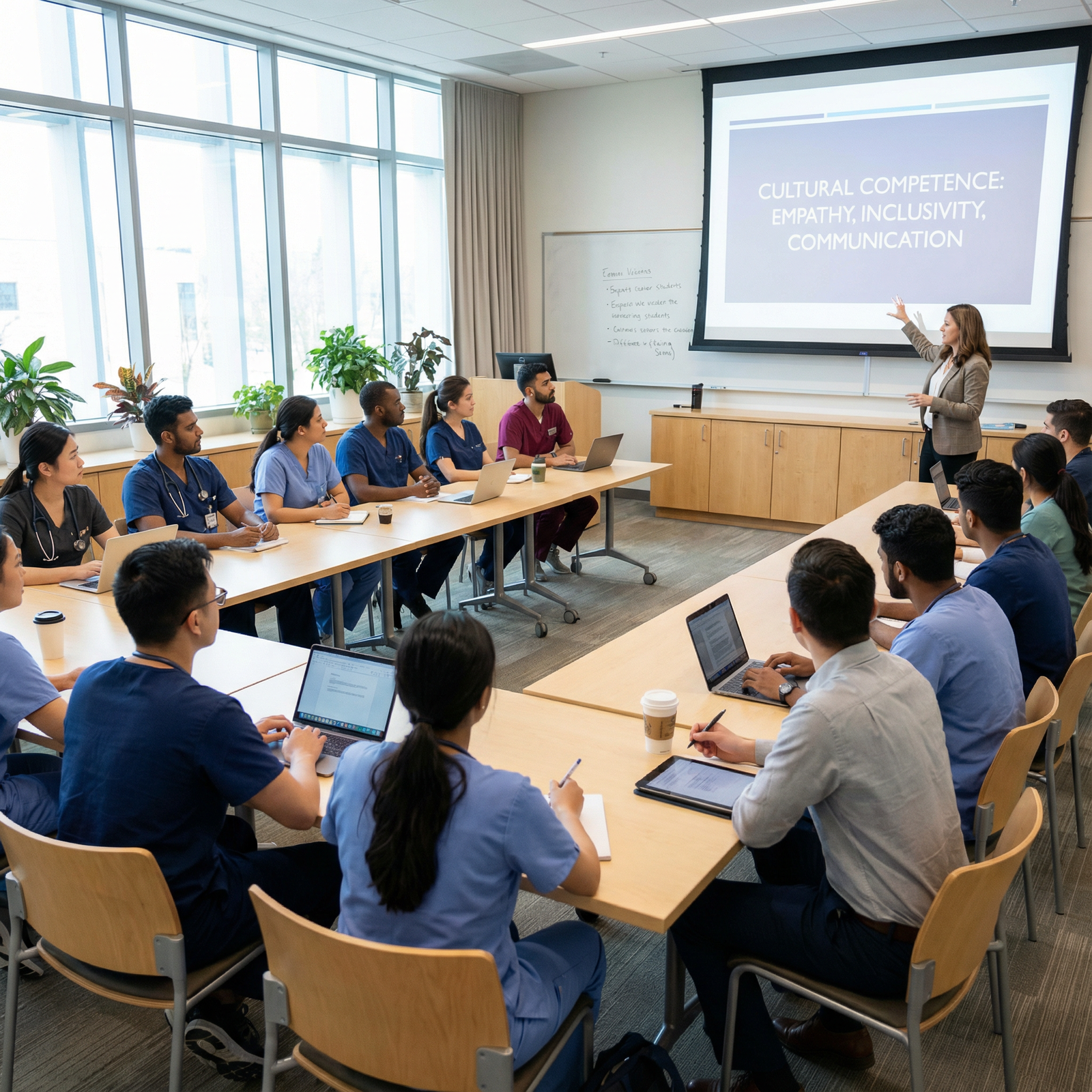
1. Develop Genuine Cultural Competence (and Cultural Humility)
Cultural Competence is your ability to work effectively with people from different cultural and social backgrounds. Increasingly, this is paired with cultural humility—an ongoing commitment to self-reflection and recognition that you will never “master” every culture.
Practical Ways to Build Cultural Competence
Actively Learn About Other Cultures
Go beyond what is required in class:- Read memoirs, essays, and narratives by patients and clinicians from diverse backgrounds
- Follow reputable organizations (e.g., AMA, APHA, minority physician groups) on topics like health equity
- Attend hospital grand rounds or webinars on cross-cultural medicine and health disparities
Ask Curious, Respectful Questions
When working with classmates or standardized patients:- Ask how their background shapes their health beliefs or experiences
- Use open-ended questions: “How does your family usually handle illness?”
- Avoid assuming that one person represents an entire group
Practice Adapting Your Communication Style
For example:- Simplify medical jargon for patients with lower health literacy
- Adapt your nonverbal communication to be respectful across cultures (e.g., eye contact norms, physical touch)
- Check understanding by asking patients to “teach back” key points
Embracing Cultural Humility
- Recognize you will make mistakes—and commit to learning from them
- Reflect: “What assumptions am I bringing into this encounter?”
- Invite correction: “If I say something that doesn’t resonate with your experience, please let me know—I want to understand better.”
2. Engage Deeply with Diversity-Focused and Identity-Based Organizations
Student-led organizations are one of the most powerful ways to build community, learn, and advocate.
Types of Organizations You Might Find
- Racial/Ethnic Affinity Groups
Such as SNMA, LMSA, APAMSA, and others - LGBTQ+ Medical Student Groups
Providing support, advocacy, and education on queer health issues - Women in Medicine or Gender Equity Groups
Discussing topics like pay equity, harassment, leadership, and representation - Global Health and Refugee Health Groups
Focusing on cross-border health, immigration, and humanitarian medicine - Disability and Chronic Illness in Medicine Groups
Representing students with disabilities and advocating for accessible training
How These Groups Help You Thrive
- Offer mentorship and peer support
- Host panels, workshops, and community outreach events
- Provide safe spaces to discuss discrimination, microaggressions, and stressors
- Give you a channel to contribute to meaningful, equity-focused projects
Even if you do not personally identify with a group’s primary focus, you can often attend open events to learn, listen, and support.
3. Practice Vulnerability, Reflection, and Honest Self-Assessment
Mixed environments will sometimes feel uncomfortable. That discomfort is often where growth happens.
Cultivating Self-Awareness
Journal Regularly
Reflect on:- Times you felt like an outsider, or overly aware of your identity
- Moments you witnessed or participated in bias—what happened, and what could be improved?
- How your own background influences your reactions to patients and peers
Seek Feedback from Peers and Mentors
Ask classmates you trust:- “How do I show up in group projects?”
- “Do I dominate discussions or hang back too much?”
- “Have you noticed any blind spots I might be missing?”
Normalize Not Knowing
It is okay to admit:- “I’m not familiar with that experience—can you tell me more?”
- “I didn’t know that term was harmful. Thank you for telling me.”
This kind of openness models professionalism and encourages others to be honest in return.
4. Make Empathy in Healthcare a Daily Habit, Not Just a Theoretical Goal
Empathy is not simply a trait you have or do not have; it is a skill you can strengthen every day.
Building Empathy with Classmates
Practice Active Listening in Study Groups
When conflicts arise over workload, schedules, or priorities:- Listen fully before responding
- Repeat back what you heard: “It sounds like you are overwhelmed with your commute and family responsibilities; did I get that right?”
Respect Different Working Styles
Some classmates may:- Need more time to process information
- Study best in silence vs. discussion
- Have religious observances or family duties that affect availability
Design group norms that account for these differences and avoid labeling others as “lazy” or “disengaged” without understanding context.
Translating Empathy into Clinical Encounters
- Before entering a patient’s room, pause and ask:
“What is this patient likely feeling walking into this exam or hospitalization?” - During history-taking:
- Acknowledge emotions (“This sounds really difficult.”)
- Validate experiences, especially for marginalized patients who may feel dismissed
- Remember that patients bring their own experiences of diversity, stigma, and healthcare bias into the room—your job is to create safety, not just collect data.
5. Use Institutional Resources: Workshops, DEI Offices, and Faculty Allies
Most medical schools now offer formal Diversity, Equity, and Inclusion (DEI) resources. Leverage them fully.
Take Advantage of Structured Learning
- DEI Workshops and Seminars
Topics may include:- Implicit bias and microaggressions
- Anti-racism in healthcare
- Caring for LGBTQ+ patients
- Trauma-informed care
- Reflect and Apply
Do more than attend:- Note 1–2 specific behaviors you will change in how you talk to patients or peers
- Discuss key concepts with your study group and ask how they might change your practice
Build Relationships with Faculty Champions
Some faculty members are known advocates for Cultural Competence, Diversity in Education, and Inclusive Learning:
- Seek them out for:
- Mentoring and career advice
- Opportunities to join ongoing research or quality improvement projects on health equity
- Guidance on managing discrimination or bias you experience or witness
These relationships can also help when applying for residency and leadership roles.
6. Build Support Networks and Healthy Boundaries
Surviving medical school is hard; thriving in a mixed environment adds additional emotional complexity. You will need people—and boundaries.
Creating a Personal Support Ecosystem
- Peer Circles
Form small groups with classmates who share:- A genuine commitment to mutual support and respect
- An interest in open conversations about identity, stress, and growth
- Cross-Identity Friendships
Be intentional about building relationships outside your own demographic group. This:- Broadens your worldview
- Reduces stereotyping and “othering”
- Mentors Inside and Outside Your Identity
It can be powerful to have:- Mentors who share aspects of your identity and can validate your experience
- Mentors who offer different perspectives and can open unexpected doors
Setting Healthy Boundaries
- You do not have to educate everyone, all the time, about your identity or community.
- If you are part of a marginalized group, it is okay to say:
- “I don’t have the bandwidth to explain this right now; here are some resources that might help.”
- Protect time for rest, hobbies, therapy, exercise, and non-medical relationships—these keep you grounded and resilient.
7. Advocate for Inclusive Policies and Curricular Change
As you gain confidence, you can move from personal growth to institutional impact.
Ways to Advocate Effectively
Participate in Curriculum Committees or Student Government
Advocate for:- Cases and OSCEs that reflect diverse patient identities and conditions
- Content on structural racism, disability justice, reproductive justice, and immigrant health
- Teaching on social determinants of health integrated throughout, not siloed into one lecture
Help Plan Inclusive Events
Examples:- Heritage month celebrations linked to health topics (e.g., Black History Month and sickle cell disease, Native American Heritage Month and diabetes care)
- Panels on being an out LGBTQ+ physician or a physician with a disability
- Community health fairs in underserved neighborhoods
Use Data When Possible
When advocating, data is powerful:- Share studies on how diversity improves team performance and patient outcomes
- Show feedback from student surveys highlighting gaps in inclusivity or representation
Your role as a student advocate can lead to lasting change that benefits both current and future cohorts.
Real-World Examples: Diversity in Action
Theory is important, but seeing how diversity plays out in real settings can clarify its concrete impact on your training and your patients.
Case Study 1: Community Health Initiative in an Underserved Urban Neighborhood
A medical school in New York launched a longitudinal Community Health Initiative in partnership with local community organizations in predominantly immigrant neighborhoods.
Student Involvement
- Students:
- Conducted blood pressure and diabetes screenings at community centers and churches
- Developed educational materials in multiple languages, informed by community input
- Organized workshops on nutrition, mental health, and navigating health insurance
Outcomes for Students
- Gained firsthand exposure to:
- Social determinants of health (housing, food insecurity, employment)
- Cultural norms influencing diet, mental health stigma, and medication adherence
- Improved:
- Communication skills with interpreters and non-English-speaking patients
- Empathy and understanding of systemic barriers
This experience also motivated several students to pursue careers in primary care, community health, and advocacy.
Case Study 2: Structured Dialogues on Race and Bias in Medicine
At a West Coast medical school, the administration implemented facilitated small-group sessions around race, bias, and structural inequities in healthcare.
Program Elements
- Pre-session readings and patient narratives about racism in healthcare
- Mixed small groups of students with trained facilitators
- Ground rules for respectful dialogue and confidentiality
Impact on the Learning Environment
Students reported:
- Greater comfort naming and discussing racism and bias
- Increased awareness of how race impacted their own clinical decision-making
- Concrete ideas for correcting biased comments or behaviors on the wards
The sessions led to:
- Revised case vignettes with more accurate and respectful representation of diverse patients
- New elective courses on health equity and anti-racism in medicine
These examples show how Diversity in Education and Inclusive Learning directly shape the quality of training and future patient care.

FAQ: Thriving in a Diverse Medical School Environment
1. How can I improve my cultural competence as a medical student on a daily basis?
You can improve Cultural Competence by:
- Intentionally working with classmates from different backgrounds in labs and study groups
- Asking open-ended, respectful questions about how identity and culture affect health beliefs
- Attending workshops on implicit bias, cross-cultural communication, and health disparities
- Reading patient and physician narratives from communities unlike your own
- Reflecting after clinical encounters: “What did I miss? How did the patient’s background influence this interaction?”
Treat cultural competence as a continuous practice rather than a one-time achievement.
2. What role do student organizations play in fostering diversity and inclusion?
Student organizations are central to Diversity in Education and Inclusive Learning because they:
- Provide community and psychological safety for students who may feel isolated or underrepresented
- Offer peer mentoring, academic support, and professional development tailored to specific needs
- Host events that highlight under-taught topics, such as transgender health, disability rights, or immigrant health law
- Serve as organized voices when advocating for curriculum changes, policy updates, or improved institutional support
- Create spaces where both members and allies can learn, unlearn, and grow together
Even if you do not identify with a particular group, you can attend their public events to learn and show support.
3. How can I recognize and address my own unconscious biases?
Unconscious bias is inevitable—but unaddressed bias is dangerous. To recognize and manage it:
- Take validated implicit association tests (IATs) as a starting point, not a diagnosis
- Notice patterns: Are there groups of patients you feel less comfortable with or more likely to stereotype?
- Ask for feedback from peers and mentors about your interactions and language
- Practice “bias checks” before major decisions—e.g., “Would I make this same assumption if the patient’s race, gender, or insurance status were different?”
- When you catch yourself acting on bias, pause, correct course, and, if appropriate, apologize
The goal is not to be bias-free, but to be bias-aware and committed to minimizing harm.
4. Can volunteering or community work really help me understand diversity in medicine?
Yes. Volunteering is one of the most powerful tools for developing Empathy in Healthcare and understanding diversity in practice. Through community engagement, you:
- See how housing, employment, immigration status, and education impact health
- Learn how different communities perceive illness, healthcare systems, and clinicians
- Practice adapting your communication style to different languages, literacy levels, and cultural expectations
- Build trust with communities who may reasonably distrust institutions due to historical harms
Experiences such as free clinics, school-based health education, and outreach to refugees or unhoused populations deepen your understanding far beyond what lectures can offer.
5. What should I do if I feel uncomfortable, isolated, or discriminated against in a diverse environment?
Feeling uncomfortable or isolated does not mean you are failing; it often signals that you are stretching beyond familiar territory. If you feel this way:
- Seek Support Early
- Talk to trusted classmates, affinity groups, or mental health services
- Reach out to faculty mentors or your school’s DEI office
- Document Serious Incidents
- If you experience harassment or discrimination, record details (what happened, when, who was involved) and learn your school’s reporting pathways
- Give Yourself Permission to Learn Gradually
- It is okay to be unsure or overwhelmed; what matters is your willingness to grow
- Set Boundaries
- Protect your energy and mental health; you do not have to engage in every debate or discussion
Remember that thriving in a mixed environment is a process, not a switch. You are not alone, and seeking help is a sign of professionalism, not weakness.
By intentionally embracing diversity in your medical school environment—through personal reflection, active learning, authentic relationships, and advocacy—you are not only enriching your own training; you are building the foundation to deliver safe, equitable, and compassionate care to every patient you will one day serve.