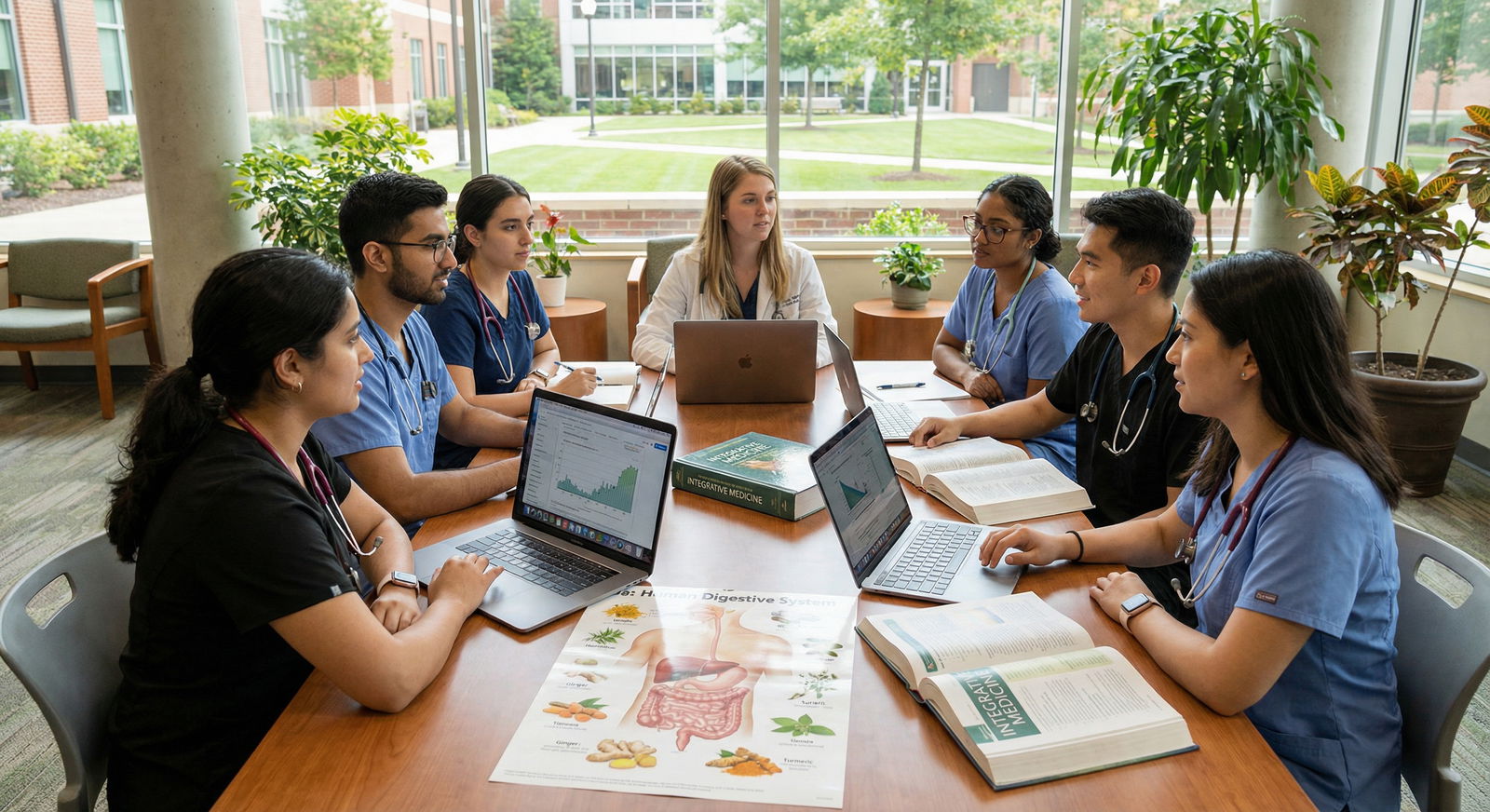
Introduction: Natural Health and the Future of Medical Careers
Natural Health and holistic medicine are no longer fringe interests—they are now mainstream components of modern healthcare. Patients increasingly seek care that addresses not just disease, but overall Patient Wellness: physical, emotional, mental, and spiritual. As a result, careers in holistic and Alternative Medicine are expanding rapidly and becoming attractive Alternative Careers for premeds, medical students, residents, and practicing clinicians who want a different way to practice medicine.
For those with a conventional medical background—or those considering medical school—understanding this landscape is essential. Whether you see yourself in Integrative Medicine within an academic medical center, or running a private practice focused on lifestyle medicine and herbal support, the Natural Health sector offers diverse roles, evidence-informed practice opportunities, and meaningful patient relationships.
This guide explores core concepts, major career paths, training routes, emerging trends, and step-by-step strategies to break into holistic and alternative medicine in a way that aligns with your professional goals and values.
Understanding Holistic and Alternative Medicine
Holistic Medicine: Treating the Whole Person
Holistic medicine is an approach that views each patient as a whole human being—body, mind, and spirit—within a social and environmental context. Rather than focusing solely on pathology or isolated organs, holistic care asks:
- What is driving this person’s illness?
- How are stress, sleep, diet, relationships, and environment influencing their health?
- What strengths and resources does this patient already have that we can build upon?
Core principles of holistic medicine often include:
- Whole-person care – Addressing physical symptoms alongside emotional, mental, spiritual, and social dimensions.
- Prevention and lifestyle – Prioritizing nutrition, movement, stress management, sleep, and supportive relationships.
- Patient empowerment – Viewing the patient as an active partner, not a passive recipient of care.
- Individualized care – Recognizing that what works for one patient may not work for another, even with the same diagnosis.
- Healing, not just curing – Supporting the patient’s quality of life and resilience, even when cure is not possible.
For residency applicants and early-career physicians, this philosophy can complement conventional training and offer a richer toolkit to address chronic, lifestyle-driven conditions.
Alternative Medicine: Beyond the Conventional Toolbox
“Alternative medicine” refers to therapies and approaches traditionally used outside mainstream Western biomedicine. These may include:
- Traditional Chinese Medicine (TCM) – Acupuncture, herbal formulas, cupping, moxibustion
- Chiropractic care – Spinal manipulation and musculoskeletal optimization
- Herbal and botanical medicine – Plant-based remedies in various forms
- Mind–body practices – Yoga therapy, meditation, tai chi, qigong
- Manual therapies – Massage, myofascial release, craniosacral therapy
- Energy-based approaches – Reiki and related modalities
In many settings, these therapies are no longer truly “alternative” but are used complementarily with conventional care—especially in oncology, pain management, palliative care, and mental health.
Integrative Medicine: A Bridge Between Worlds
Integrative Medicine is a rapidly growing discipline that intentionally combines:
- Evidence-based conventional medicine
with - Evidence-informed complementary and holistic therapies
The goal is not to reject pharmaceuticals or surgery, but to integrate the best of both worlds to improve Patient Wellness, safety, and satisfaction. Many academic centers now offer integrative medicine fellowships, clinics, and research programs, making this a viable academic and clinical career pathway for residents and physicians.
Why Choose a Career in Holistic and Alternative Medicine?
A Response to Changing Patient Expectations
Several powerful trends are driving interest in holistic and alternative health careers:
Rising chronic disease burden
Conditions like diabetes, obesity, chronic pain, and depression are often lifestyle-related and poorly controlled by medications alone. Patients seek approaches that address root causes.Demand for personalized care
Patients want time with their clinicians, individualized plans, and options beyond “another prescription.”Growing distrust of over-medicalization
Concerns about polypharmacy, side effects, and rushed 15-minute visits push people to explore Natural Health approaches.Evidence base is expanding
Increasing research supports the use of acupuncture for pain, mindfulness for anxiety and hypertension, certain herbal preparations for specific indications, and whole-food nutrition for chronic disease management.
Professional Advantages: Why Clinicians Are Pivoting
For medical students, residents, and clinicians, careers in holistic and alternative medicine offer:
- Deeper patient relationships – Longer visits and more holistic conversations about life, values, and health.
- Alignment with personal values – Especially for those passionate about prevention, lifestyle, and sustainability.
- Flexible practice models – Concierge practices, group visits, telehealth, corporate wellness, and consulting.
- Reduced burnout potential – Many practitioners report more autonomy, less administrative overload, and more meaning in their work.
This field can be a primary career path or a powerful adjunct skill set within conventional practice.
Major Career Paths in Holistic and Alternative Medicine
1. Naturopathic Doctor (ND)
Role and Scope
Naturopathic doctors emphasize:
- Treating root causes of illness
- Using natural therapies (nutrition, herbs, homeopathy, physical medicine, counseling)
- Empowering patients to take charge of their health
In licensed jurisdictions, NDs may:
- Conduct comprehensive intake and physical exams
- Order labs and imaging
- Prescribe certain medications (where allowed)
- Provide integrative primary care or specialty care (e.g., integrative oncology, women’s health)
Training Pathway
- Pre-professional: Typically a bachelor’s degree with strong preparation in biology, chemistry, and basic sciences.
- Professional degree: 4-year, residential Doctor of Naturopathic Medicine (ND) program at a CNME-accredited school.
- Curriculum:
- Basic sciences: anatomy, physiology, pathology, pharmacology
- Clinical sciences: diagnosis, lab interpretation, minor procedures
- Natural therapies: nutrition, botanical medicine, mind–body medicine, counseling, physical medicine
- Supervised patient care in teaching clinics
Licensing and Considerations
- Licensure varies by state/province and country; always verify scope of practice.
- Most licensed regions require passing standardized board exams (e.g., NPLEX in North America).
- For MDs/DOs considering a more holistic approach, formal ND training is not the only path—integrative fellowships and CME can provide similar philosophical and practical tools within your existing license.
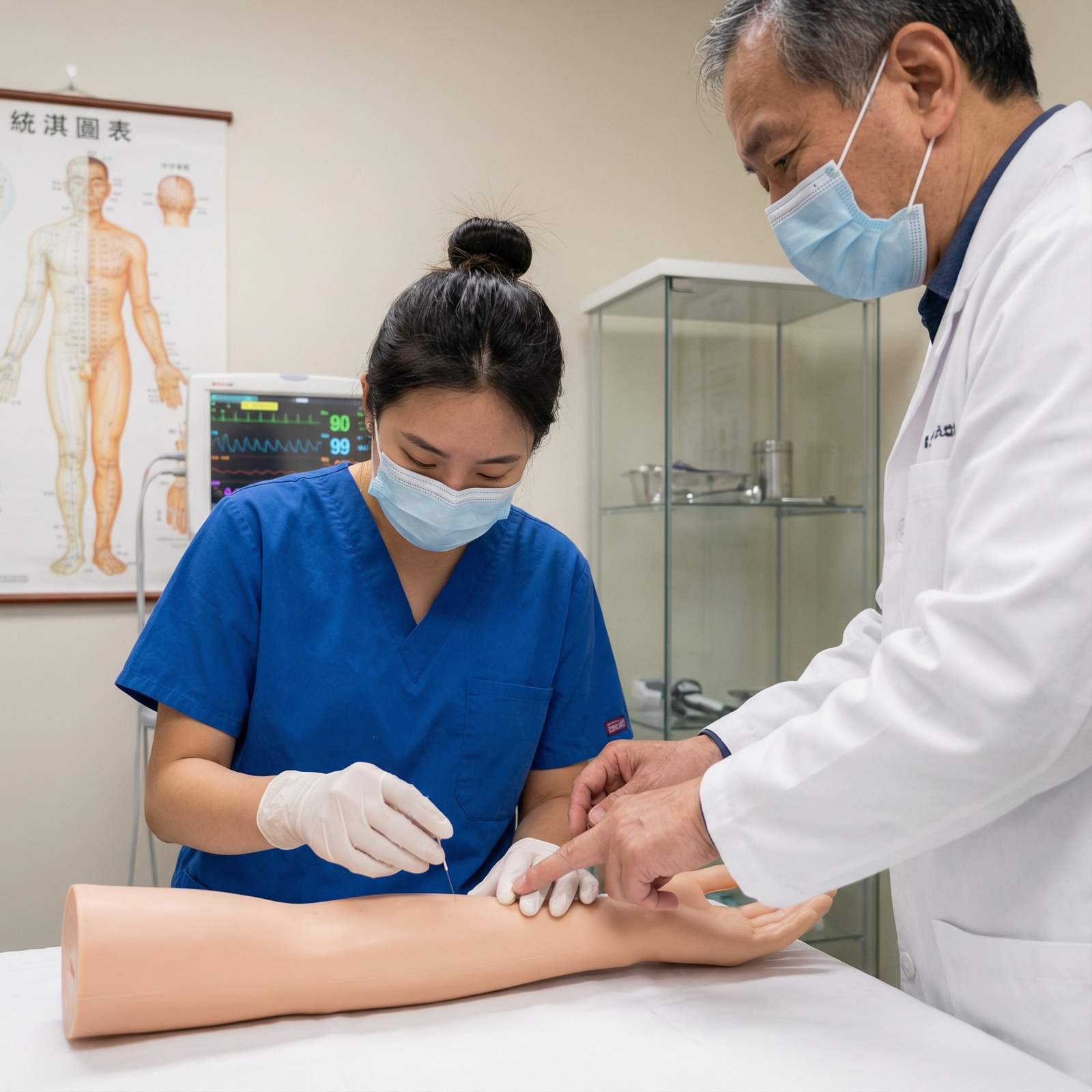
2. Acupuncturist / Traditional Chinese Medicine Practitioner
Role and Therapeutic Approach
Acupuncturists work from the TCM framework of meridians and qi to:
- Reduce pain
- Improve sleep, digestion, and mood
- Support fertility, oncology care, and postoperative recovery
Many hospitals now offer acupuncture as part of multimodal pain management and integrative cancer care.
Training Pathway
- Prerequisites: Often a bachelor’s degree or equivalent coursework.
- Degree: Typically a 3–4 year master’s or doctoral program in acupuncture or Oriental medicine.
- Curriculum:
- TCM theory and diagnosis
- Acupuncture techniques and safety
- Herbal formulas (if studying full TCM)
- Western medical basics and red-flag recognition
- Extensive supervised clinical practice
Licensure
- In the U.S., many states require:
- Graduation from an ACAHM-accredited program
- Passing NCCAOM board examinations
- State-specific licensing requirements
For physicians, a shorter medical acupuncture certification (e.g., 200–300 hours) can integrate acupuncture into an existing medical practice.
3. Chiropractor (DC)
Role and Focus
Chiropractors specialize in:
- Assessment and treatment of musculoskeletal and nervous system disorders
- Spinal and joint manipulation
- Functional movement, ergonomics, and injury prevention
Many chiropractors now adopt a more integrative approach, incorporating:
- Exercise rehabilitation
- Nutritional guidance
- Lifestyle recommendations
Training Pathway
- Pre-professional: Typically at least 90 undergraduate credits; many programs prefer or require a bachelor’s degree.
- Professional degree: 3.5–4-year Doctor of Chiropractic (DC) program.
- Curriculum:
- Basic sciences and neuroanatomy
- Biomechanics and radiology
- Adjusting/manipulation techniques
- Clinical internships and patient care
Licensing
- Must pass the National Board of Chiropractic Examiners (NBCE) exams.
- State licensure required; scope (e.g., imaging, nutrition, modalities) varies by region.
4. Clinical Herbalist
Role and Services
Herbalists use botanical medicines—teas, tinctures, capsules, topical preparations—to:
- Support immune function, digestion, sleep, stress response, and more
- Provide adjunctive support in chronic disease management
- Educate patients about herb–drug interactions and safe use
Clinical herbalists often work in:
- Private consultations
- Integrative clinics
- Health food stores and Natural Health companies
- Product development or education roles
Training Pathway
- No single standardized route, but stronger credibility comes from:
- Formal programs in clinical herbalism or medical herbalism
- Coursework in botany, pharmacology, toxicology, and anatomy
- Supervised clinical mentorship
Certification and Safety
- Voluntary credentials (e.g., through organizations like the American Herbalists Guild) can enhance credibility but are not equivalent to a healthcare license.
- For licensed professionals (MD, DO, NP, PA, ND, PharmD), additional herbal training can expand integrative prescribing in a regulated context.
5. Massage Therapist and Bodyworker
Role and Modalities
Massage therapists support Patient Wellness by:
- Reducing pain, muscle tension, and stress
- Enhancing circulation and sleep
- Supporting rehabilitation and mental health
Specializations include:
- Sports massage
- Medical/clinical massage
- Lymphatic drainage
- Myofascial release
- Prenatal or oncology massage
Training and Licensure
- Programs typically range from 500–1000+ hours.
- Coursework covers anatomy, physiology, pathology, techniques, ethics, and supervised practice.
- Most states require licensure and often the MBLEx exam or equivalent.
Massage therapy can be an independent career, or a complementary service within a broader holistic clinic.
6. Nutritionist and Dietitian Roles in Holistic Health
Role and Impact
Nutrition is fundamental to Natural Health and Integrative Medicine. Nutrition professionals may:
- Create whole-food, plant-forward meal plans
- Guide elimination diets, GI health, and metabolic optimization
- Support specific conditions (e.g., diabetes, autoimmune disease, obesity, cancer survivorship)
Training Options
- Registered Dietitian Nutritionist (RDN):
- Bachelor’s or master’s in an ACEND-accredited program
- Supervised practice (dietetic internship)
- Passing the Commission on Dietetic Registration (CDR) exam
- Master’s-level nutritionist or functional nutrition practitioner:
- Graduate degrees and additional certification in integrative or functional nutrition
RDNs and other nutrition professionals can position themselves within:
- Integrative and functional medicine practices
- Corporate wellness programs
- Telehealth coaching and group programs
- Academic and research roles
Emerging Trends Shaping Holistic and Integrative Careers
Integrative Medicine in Academic and Hospital Settings
What was once considered “alternative” now appears in:
- Academic health centers with integrative medicine departments
- Integrative oncology, pain, and palliative care clinics
- Primary care practices adding health coaches, acupuncturists, and yoga therapists
Opportunities include:
- Integrative medicine fellowships (for MDs/DOs)
- Interdisciplinary teamwork (physicians, NPs, psychologists, acupuncturists, massage therapists, health coaches)
- Research careers exploring safety, efficacy, and implementation of complementary therapies
For residency applicants, demonstrating knowledge of Integrative Medicine can be a differentiator—especially in family medicine, internal medicine, pediatrics, psychiatry, and PM&R.
Telehealth and Online Natural Health Services
Telehealth has reshaped how holistic care is delivered:
- Virtual consultations for nutrition, lifestyle medicine, herbal guidance, health coaching, and mind–body therapies
- Group visits and virtual programs for chronic disease, weight management, and stress reduction
- Hybrid models where hands-on therapies (e.g., acupuncture, massage, chiropractic) are combined with online follow-ups and education
This flexibility supports work–life balance and offers new Alternative Careers for clinicians seeking remote or location-independent practice.
Cultural Competency and Global Traditions
Holistic medicine inherently intersects with culture:
- Ayurvedic medicine, Unani, Indigenous healing traditions, and other long-standing systems
- Patients may already use traditional remedies or practitioners
Culturally competent integrative practitioners:
- Ask about traditional and complementary therapies non-judgmentally
- Understand potential interactions and safety issues
- Respect patients’ beliefs while providing evidence-informed guidance
For residency applicants, cultural humility and familiarity with global health traditions can strengthen your profile and your effectiveness in diverse clinical environments.
Sustainability and Eco-Conscious Practice
Natural Health careers often intersect with environmental awareness:
- Emphasis on whole foods, local produce, and reduced ultra-processed intake
- Consideration of environmental toxins and exposures
- Eco-friendly clinic design and product choices
Practitioners can lead in promoting sustainable health systems that support both human health and planetary well-being.
How to Get Started in Holistic and Alternative Medicine
Step 1: Clarify Your Professional Identity and Scope
Before choosing a path, ask:
- Do you want a licensed clinician role (MD, DO, NP, PA, ND, DC, RDN, LAc)?
- Are you considering complementary roles such as health coach, herbalist, or massage therapist?
- Do you want to work inside the conventional system, outside it, or bridging both?
Your answers will shape the necessary level of training, certification, and financial/temporal investment.
Step 2: Choose an Educational Pathway
For current or future physicians and advanced practitioners:
- Explore integrative medicine electives in medical school or residency.
- Seek fellowships or certificate programs in:
- Integrative medicine
- Lifestyle medicine
- Functional medicine
- Medical acupuncture
- Pursue CME in nutrition, mind–body medicine, and behavior change counseling.
For those starting outside traditional medicine:
- Research accredited programs in:
- Naturopathic medicine (ND)
- Chiropractic (DC)
- Acupuncture/TCM
- Massage therapy
- Clinical nutrition or dietetics
- Consult program outcomes, licensure eligibility, and board pass rates.
- Talk to alumni to understand realistic job prospects and income.
Step 3: Build Early Experience and a Network
- Shadowing: Observe integrative clinics, naturopathic practices, acupuncturists, or hospital-based programs.
- Volunteer work: Join community health fairs, free clinics, or wellness events that feature holistic services.
- Student groups and professional societies:
- American College of Lifestyle Medicine
- Academic Consortium for Integrative Medicine & Health
- Specialty associations in acupuncture, naturopathy, or chiropractic
Networking early can lead to mentorship, letters of recommendation, and future job opportunities.
Step 4: Develop Core Skills That Translate Across Modalities
Regardless of your specific role, successful holistic and integrative practitioners typically excel in:
- Motivational interviewing and behavior change counseling
- Trauma-informed and compassionate communication
- Evidence appraisal for complementary therapies
- Interprofessional collaboration with conventional teams
- Practice management and entrepreneurship for private or cash-based practices
These skills also look excellent on residency applications and CVs, reflecting a patient-centered and systems-aware mindset.
Step 5: Commit to Lifelong Learning and Ethical Practice
Holistic and alternative medicine is an evolving field. To maintain credibility and safety:
- Stay current with research on integrative therapies.
- Be transparent about evidence limits, uncertainties, and potential risks.
- Avoid exaggerated claims and “miracle cure” language.
- Know when to refer to—or collaborate with—conventional providers.
Ethical, evidence-informed practice is essential to protect patients and uphold the legitimacy of the field.

Frequently Asked Questions (FAQ)
Q1: What is the difference between a naturopathic doctor and a conventional physician?
A naturopathic doctor (ND) is trained in a separate, naturopathic medical school system that emphasizes natural therapies, prevention, and holistic assessment. Scope of practice varies by jurisdiction and is more limited than that of an MD/DO in many areas.
A conventional physician (MD/DO) completes medical school and residency, with extensive training in pharmacology, diagnostics, and surgical or procedural care. Many MDs/DOs now pursue additional training in Integrative Medicine or Lifestyle Medicine, blending conventional and holistic approaches.
In practice:
- NDs typically focus on root-cause analysis, lifestyle, and Natural Health therapies.
- MDs/DOs manage acute and complex medical and surgical issues, with the option to incorporate holistic strategies if trained.
Q2: How long does it take to become a licensed holistic or alternative medicine practitioner?
Timelines vary by profession:
- ND (Naturopathic Doctor): 4 years post-bachelor’s
- DC (Chiropractor): ~3.5–4 years post-preprofessional coursework
- Acupuncturist/TCM practitioner: 3–4 years post-bachelor’s
- RDN (Registered Dietitian Nutritionist): 4–6 years including internship
- Massage therapist: 6–18 months depending on program intensity
For already-licensed clinicians (MD/DO/NP/PA), certificate or fellowship training in integrative or alternative modalities may range from several months to 2 years, often part-time alongside clinical work.
Q3: Can holistic and alternative medicine practitioners collaborate with traditional healthcare providers?
Yes—and this is increasingly common. Examples include:
- Acupuncturists working in oncology, pain, or perioperative departments
- NDs and RDNs co-managing patients in integrative primary care clinics
- Chiropractors collaborating with sports medicine or PM&R teams
- Psychologists and psychiatrists integrating mind–body and lifestyle interventions
For residency applicants, demonstrating interest in collaboration and Integrative Medicine can strengthen your application, especially in primary care fields.
Q4: Are holistic and alternative medicine careers financially viable?
Income varies widely by specialty, region, practice model, and whether you:
- Work in a hospital/health system vs. private practice
- Accept insurance vs. cash-based or hybrid
- Offer group programs, telehealth, or consulting
Successful practitioners often:
- Develop a clear niche (e.g., integrative women’s health, sports performance, chronic pain)
- Build strong referral networks
- Combine one-on-one care with group visits, workshops, or digital programs
Thoroughly research local demand, reimbursement, and scope-of-practice laws before committing to a specific training path.
Q5: How can I evaluate whether a holistic or integrative program is credible?
Look for:
- Accreditation from recognized bodies (e.g., LCME/ACGME for MD/DO, CNME for ND, ACAHM for acupuncture, ACEND for dietetics).
- Transparency about outcomes (board pass rates, employment data).
- Evidence-informed curriculum that teaches both benefits and limitations of therapies.
- Faculty with appropriate clinical and academic credentials.
- A clear stance on ethical practice, safety, and interprofessional collaboration.
When in doubt, talk directly with current students, alumni, and employers to gauge how the credential is perceived in real-world practice.
Natural Health, holistic medicine, and Integrative Medicine are reshaping the healthcare landscape. Whether you become an ND, acupuncturist, chiropractor, RDN, massage therapist, or an integrative MD/DO, you will be part of a growing movement that prioritizes root-cause care, Patient Wellness, and collaboration across disciplines. For many clinicians and trainees, these paths offer not only compelling Alternative Careers, but also a more meaningful way to practice the art and science of healing.