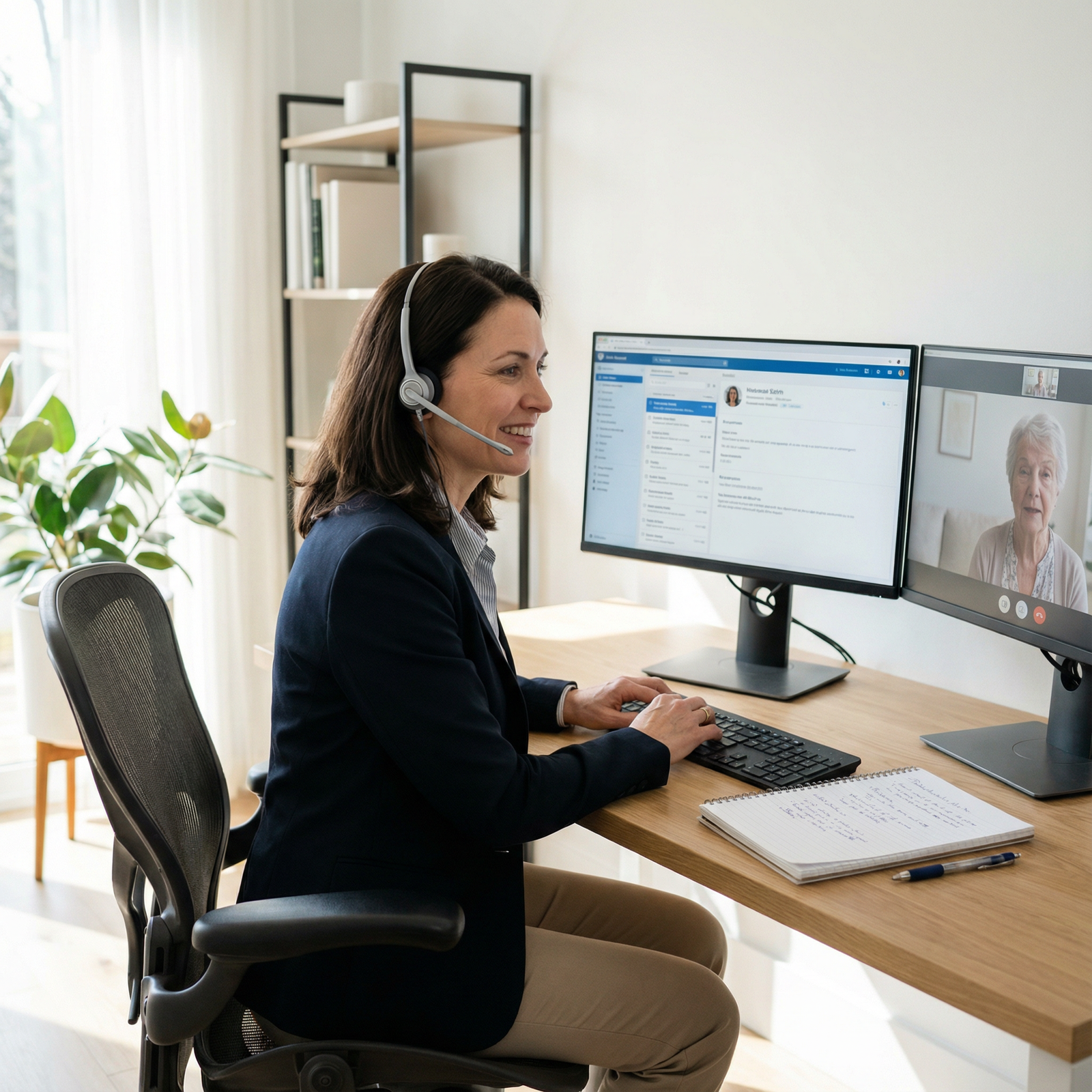
Telehealth as an Alternative Career Path for Medical Professionals
In the rapidly evolving world of healthcare innovation, telehealth has shifted from a pandemic stopgap to a core component of modern care delivery. For many medical professionals, it also represents a compelling alternative career path beyond traditional hospital wards and clinic exam rooms.
If you’re a physician, nurse, PA, therapist, pharmacist, or allied health professional exploring Alternative Careers, telehealth and remote services offer flexible, scalable ways to apply your training while preserving work–life balance and expanding your impact. This guide breaks down what telehealth really involves, how to transition effectively, and which career options are growing fastest.
Understanding Telehealth: More Than Just Video Visits
Telehealth is often used interchangeably with “telemedicine,” but it actually covers a broader ecosystem of remote services and digital tools.
Core Definition
Telehealth is the use of digital and telecommunications technologies to deliver healthcare services, education, and support when patients and providers are not in the same physical location. It sits at the intersection of medicine, technology, and healthcare innovation.
Telehealth can include synchronous (real-time) and asynchronous (store-and-forward) interactions, as well as continuous remote monitoring. For medical professionals, this opens up multiple Alternative Careers in both direct care and nonclinical roles.
Key Components of Telehealth
1. Telemedicine (Clinical Care at a Distance)
This is the most familiar form of telehealth and includes:
- Virtual Urgent Care: Brief, problem-focused visits for conditions like URIs, UTIs, rashes, minor injuries.
- Chronic Disease Management: Follow-ups for diabetes, hypertension, heart failure, asthma, COPD.
- Specialty Consultations: Teledermatology, telepsychiatry, tele-neurology, tele-endocrinology, etc.
- Postoperative and Rehab Visits: Wound checks, medication titration, therapy progress checks.
Telemedicine visits can occur via:
- Secure video calls
- Telephone-only visits (depending on payer and regulation)
- Asynchronous e-visits or secure messaging with image or data upload
2. Remote Patient Monitoring (RPM)
RPM uses connected devices to collect and transmit patient data to clinicians for ongoing assessment. Common examples:
- Blood pressure monitors for hypertension
- Glucometers or continuous glucose monitors for diabetes
- Pulse oximeters for COPD or COVID-19 recovery
- Scales and wearables for heart failure monitoring
- Sleep trackers for sleep apnea or insomnia programs
For medical professionals, RPM supports roles in:
- Clinical oversight and data interpretation
- Care coordination and patient education
- Program design and quality improvement
3. Telebehavioral Health and Teletherapy
Mental health and substance use care are among the fastest-growing telehealth segments:
- Psychiatry consultations and medication management
- Psychotherapy (individual, group, family)
- Substance use counseling and MAT follow-up
- Health psychology and coping skills coaching
Psychiatrists, psychologists, social workers, psychiatric NPs, and counselors can build fully remote careers in this space.
4. Mobile Health (mHealth) and Digital Tools
Mobile apps and digital platforms support:
- Chronic disease self-management (e.g., diabetes apps, asthma trackers)
- Medication adherence reminders and pill organizers
- Fitness, nutrition, and wellness coaching
- Post-discharge follow-up and symptom monitoring
- Patient education and shared decision-making tools
Clinicians can work as:
- Clinical content experts
- Product consultants
- Clinical leaders for digital health startups

Why Telehealth Appeals to Medical Professionals Seeking Alternative Careers
Telehealth isn’t just a different setting for the same work; it can fundamentally reshape your career trajectory, schedule, and scope of practice.
1. Flexibility and Sustainable Work–Life Balance
Telehealth can dramatically change how and when you work:
- Control over schedule: Many platforms allow you to choose shifts or block times when you’re available.
- Geographic freedom: Work from home, co-working spaces, or wherever you have a secure, private environment and stable internet.
- Reduced commuting and call burden: More time for family, hobbies, or academic pursuits.
- Part-time and per-diem options: Ideal for residents, parents, semi-retired clinicians, or those exploring Alternative Careers gradually.
Example:
A family medicine physician might do three days of in-person clinic work and two evenings of teleurgent care per week. Over time, they can scale up telemedicine hours while scaling back clinic sessions if desired.
2. Expanded Reach and Health Equity Impact
Telehealth enables you to:
- Care for patients in rural and underserved communities without relocating.
- Support individuals with disabilities, transportation barriers, or caregiving responsibilities who struggle to attend in-person visits.
- Provide language-concordant care across wider regions if you’re bilingual.
- Participate in cross-state collaborative care (where regulations and compacts permit).
This broadened reach is a powerful motivator for professionals who want their Alternative Careers to align with mission-driven work and population health goals.
3. Lower Overhead and Entrepreneurial Opportunities
For clinicians interested in building their own remote services or micro-practice:
- No waiting room, exam rooms, or large front-desk staff
- Lower costs for lease, utilities, and physical equipment
- Ability to launch niche services (e.g., perinatal mental health, migraine teleconsults, lifestyle medicine coaching)
Telehealth platforms and white-label software solutions now make it easier for solo practitioners and small groups to establish virtual clinics without massive upfront capital.
4. Improved Patient Engagement and Satisfaction
Done well, telehealth can strengthen—not weaken—patient relationships:
- Easy access for quick questions and timely follow-ups
- Integrated remote monitoring that makes care more personalized
- The ability to “meet patients where they are” (literally in their homes)
Patients often report:
- Less time off work
- Less childcare stress
- Reduced exposure to infectious diseases in waiting rooms
These perceived benefits can improve satisfaction scores and treatment adherence, especially for chronic disease and behavioral health.
5. New and Diverse Career Pathways
Telehealth intersects with healthcare innovation, opening doors to Alternative Careers that may be less visible in traditional training:
- Clinical leadership roles in telehealth operations
- Medical director positions for virtual-first clinics
- Clinical quality, safety, and protocol development for remote services
- Digital health consulting and product design
- Remote triage and care navigation for health plans and employers
This diversity allows you to leverage your clinical expertise in strategic, operational, or tech-focused roles—even if you wish to move partially or fully away from direct patient care.
Challenges and Realities of Telehealth Careers
Telehealth offers immense potential, but it also brings its own set of challenges. Understanding these early helps you plan a realistic and sustainable transition.
1. Technology Barriers and Digital Literacy
You’ll need comfort with:
- Teleconferencing platforms and EHR integrations
- Remote monitoring dashboards and alerts
- Secure messaging systems and documentation workflows
- Troubleshooting basics (audio, video, connectivity)
Patients also vary widely in digital literacy:
- Older adults or those with limited tech access may struggle with video visits.
- Some communities have unreliable broadband.
Practical strategies:
- Create or use simple “how-to” guides for patients.
- Develop a personal checklist for each visit (camera, privacy, sound, background).
- Be prepared to pivot to phone visits when appropriate and allowed.
2. Licensing, Regulations, and Reimbursement
The regulatory landscape is complex and evolving:
- Licensing: In the U.S., you generally must be licensed in the state where the patient is physically located at the time of the visit.
- Compacts: Interstate Medical Licensure Compact (IMLC) and APRN compacts can streamline multi-state practice.
- Scope of practice: Varies by state for NPs, PAs, and other professionals.
- Reimbursement: Coverage and parity laws differ by state and payer; private pay, Medicare, and Medicaid policies are not uniform.
Action steps:
- Check your state medical/nursing/social work board’s telehealth guidance.
- Consult your malpractice carrier about telehealth coverage and cross-state practice.
- Stay updated on CMS and private payer telehealth policies as pandemic-era waivers evolve.
3. Building Rapport and Clinical Confidence at a Distance
Some clinicians worry about “losing the bedside” through a screen. Common concerns include:
- Missing nonverbal cues beyond the camera frame
- Conducting limited physical exams
- Ensuring privacy and confidentiality in patients’ home environments
Mitigation strategies:
- Develop a structured tele-exam approach tailored to your specialty (e.g., guided self-exam, camera positioning, validated remote assessment tools).
- Use deliberate communication techniques: clear introductions, agenda-setting, frequent summarizing, and explicit safety planning.
- Ask about the patient’s environment (who is present, privacy level) early in the visit.
4. Workflow, Burnout Risk, and Boundaries
Telehealth can be deceptively intense:
- Back-to-back short visits with minimal transition time
- High volume expectations on some platforms
- Increased messaging workload (portal messages, refill requests)
To protect your well-being:
- Set realistic visit caps per shift.
- Block short breaks into your schedule.
- Establish clear messaging policies and follow-up expectations.
- Maintain physical boundaries (e.g., a dedicated workspace at home).
How to Transition into a Telehealth Career: A Step-by-Step Guide
Step 1: Clarify Your Professional Goals and Fit
Ask yourself:
- Do I want direct patient care, nonclinical roles, or a mix?
- Am I seeking full-time telehealth or a supplementary income stream?
- Which populations or conditions am I most passionate about?
- What kind of schedule and income stability do I need?
Common telehealth career profiles:
- Full-time virtual urgent care clinician
- Part-time telepsychiatrist or therapist
- Remote chronic disease management NP/PA
- Telehealth medical director or operations lead
- Clinical consultant for digital health startups
Step 2: Assess and Strengthen Your Skills
Key competencies for telehealth and remote services:
- Clinical: Adapting diagnostic reasoning to limited physical exams; triaging when in-person care is necessary.
- Technical: Proficiency with video platforms, EHRs, and RPM tools.
- Communication: Clear, empathetic, and efficient virtual communication.
- Administrative: Documentation, billing codes (e.g., telehealth modifiers, RPM codes), and regulatory awareness.
Consider:
- CME courses specifically on telemedicine best practices.
- Webinars by the American Telemedicine Association (ATA), specialty societies, and academic centers.
- Practicing mock telehealth visits with colleagues or friends.
Step 3: Explore Training and Certification Options
While not always required, targeted training can differentiate you:
- Telehealth-specific certificates or micro-credentials (offered by universities, professional societies, and telehealth education platforms)
- HIPAA/security training focused on virtual care
- Specialty-focused telehealth programs (e.g., telepsychiatry, teledermatology, digital chronic disease management)
These credentials can strengthen your CV, reassure employers, and improve your confidence in this new modality.
Step 4: Update Your Professional Branding
Revise your CV, resume, and online profiles to emphasize:
- Any telehealth experience (even if limited: pandemic-era virtual clinics, triage, phone follow-ups).
- Comfort with technology (EHRs you’ve used, platforms you know, digital tools).
- Skills in communication, patient education, and remote collaboration.
- Involvement in quality improvement or workflows involving virtual care.
On LinkedIn and personal websites:
- Highlight “Telehealth,” “Virtual Care,” “Remote Services,” and “Digital Health” in your headline and About section for SEO and recruiter visibility.
Step 5: Leverage Networks and Job Platforms
Where to find telehealth opportunities:
- Major job boards with filters for “remote” or “telehealth” roles
- Telehealth-specific platforms (e.g., virtual-first clinics, mental health platforms, direct-to-consumer services)
- Health system careers pages (many large systems now have integrated telehealth departments)
- Professional networking:
- Specialty societies’ career centers
- Telehealth interest groups and Slack communities
- Conferences and webinars on healthcare innovation or digital health
Don’t overlook informal networking: alumni networks, former colleagues, and mentors may know of emerging virtual programs.
Step 6: Start Small and Iterate
If feasible, ease into telehealth rather than making an abrupt switch:
- Pick up a few telehealth shifts per month while maintaining your current role.
- Volunteer or pilot telehealth initiatives in your existing department.
- Participate in a quality improvement project related to remote services.
This allows you to:
- Test your preferences (type of patients, cadence, platform).
- Learn the workflows and adjust your home setup.
- Build experience and references before a larger transition.
Step 7: Stay Current with Telehealth and Healthcare Innovation
Telehealth is a dynamic field. To remain competitive:
- Subscribe to digital health newsletters and telemedicine journals.
- Track regulatory and reimbursement changes in your region.
- Follow thought leaders in telehealth, remote monitoring, and virtual-first care models.
- Consider involvement in research or pilot projects, which can open doors to leadership roles or Alternative Careers in academia and industry.
Telehealth Career Pathways for Medical Professionals
Telehealth isn’t a single job; it’s a spectrum of roles across clinical, administrative, and innovation domains.
Clinical Telehealth Roles
Telehealth Physician/Nurse Practitioner/PA:
Provide urgent care, primary care, or specialty visits via video or phone; often shift-based with flexible hours.Telepsychiatry and Teletherapy:
High demand across multiple states; options include full-time salaried roles, part-time contracting, or hybrid models.Telepharmacy:
Medication therapy management, counseling, adherence programs, and collaborative care with prescribers.Tele-rehabilitation and Allied Health:
PT/OT/SLP sessions for appropriate indications, functional assessments via video, group therapy programs.
Hybrid and Support Roles
Clinical Triage and Nurse Advice Lines:
RNs and advanced practitioners triage symptoms, provide guidance, and direct patients to appropriate levels of care.Care Coordination and Navigation:
Guide patients through complex care journeys using a mix of calls, secure messaging, and RPM tools.Health Coaching and Wellness Services:
Lifestyle medicine, weight management, smoking cessation, sleep coaching, and chronic disease self-management.
Administrative, Operations, and Innovation Roles
Telehealth Program Manager/Administrator:
Oversee program design, staffing, workflows, implementation, and quality metrics.Medical Director for Virtual Care:
Set clinical guidelines, oversee quality and safety, interface with leadership and technology teams.Clinical Product or Medical Advisor for Digital Health Companies:
Collaborate with engineers and designers to build clinically sound tools and services.Telehealth Consultant:
Advise hospitals, clinics, and startups on how to launch or optimize remote services.
These roles can be stepping stones into broader leadership in healthcare innovation, population health, or value-based care.

Telehealth Career FAQs for Medical Professionals
1. What training or certification do I need to work in telehealth?
Formal telehealth certification is not always mandatory, but it’s increasingly valued. Most employers require:
- An active, unrestricted professional license in the relevant state(s)
- Proof of training in HIPAA, privacy, and security
- Competence with EHR and basic teleconferencing tools
Optional but helpful:
- Telehealth-specific CME courses or certificates
- Specialty society training (e.g., telepsychiatry, teledermatology)
- Quality improvement or leadership training if aiming for administrative roles
2. Can I combine telehealth with traditional clinical practice?
Yes. Many medical professionals build hybrid careers, such as:
- Three days/week in a clinic or hospital, two days/week in telehealth
- In-person practice plus evening/weekend teleurgent care shifts
- Locums work plus part-time telemedicine
This approach can offer financial stability while you explore remote services and decide how far you want to transition.
3. How do telehealth salaries compare to traditional in-person roles?
Compensation varies widely based on:
- Specialty (e.g., psychiatry and some subspecialties can command higher rates)
- Employment model (salary vs per-visit vs RVU-based vs equity/bonus structures)
- Hours, shift patterns, and productivity expectations
- Geographic licensing footprint (multi-state licensure can increase options)
In many cases, total compensation can be comparable to in-person roles, especially if you factor in reduced commute costs, potential tax deductions for a home office (where applicable), and the ability to take on additional shifts.
4. What are the biggest challenges for telehealth professionals, and how can I prepare?
Common challenges include:
- Navigating multi-state licensing and changing regulations
- Managing high-visit volumes or message burden
- Maintaining boundaries in a home-based workspace
- Ensuring you know when in-person care is required and how to direct patients appropriately
Preparation strategies:
- Start with one or two states and expand strategically if needed
- Develop a clear tele-exam and triage framework
- Invest in a professional, private home office setup
- Seek mentorship from experienced telehealth clinicians
5. How do I find legitimate telehealth job openings and avoid scams?
Use reputable sources:
- Major healthcare job boards with verified employers
- Career pages of established telehealth companies and health systems
- Specialty society job boards and newsletters
- LinkedIn postings from known organizations
Red flags:
- Requests for upfront payment or “training fees” from the applicant
- Unclear information about licensure, malpractice coverage, and compensation
- Pressure to sign contracts quickly without detailed terms
Always:
- Verify the company’s website, leadership, and reviews
- Clarify whether they provide malpractice coverage and at what limits
- Review contracts with a legal or professional advisor when possible
Telehealth sits at the crossroads of medicine, technology, and healthcare innovation. For medical professionals exploring Alternative Careers, it offers a flexible, meaningful way to continue impacting patient lives while reshaping your work environment, schedule, and long-term trajectory. By understanding the landscape, upskilling strategically, and starting with manageable steps, you can build a sustainable telehealth career that aligns with both your professional expertise and personal priorities.