
Discover five alternative medical careers transforming healthcare, from health informatics to genetic counseling, and learn how to leverage your medical training in innovative, nontraditional ways.
Why Alternative Medical Careers Are Booming
The landscape of healthcare careers is changing rapidly. While traditional roles like physician, nurse, or pharmacist remain essential, they no longer represent the full spectrum of meaningful work in medicine. Digital health, big data, and personalized medicine have created a new category of alternative medical careers that:
- Use your scientific and clinical background in nontraditional ways
- Offer more flexible schedules or hybrid/remote work
- Allow you to shape the future of care delivery and patient experience
- Open doors to leadership, innovation, and cross-industry collaboration
For medical students, residents, and clinicians reconsidering their path—or anyone with a strong interest in healthcare—these roles can be highly rewarding and strategically smart. Below are five emerging alternative healthcare careers you may not have considered, with details on responsibilities, skills, job settings, and how to get started.
1. Health Informatics Specialist: Turning Data Into Better Care
Health informatics sits at the intersection of medicine, information technology, and data science. As a Health Informatics Specialist, you help transform raw health data into actionable insights that improve safety, quality, and efficiency.
What Health Informatics Specialists Actually Do
Health Informatics Specialists work behind the scenes to ensure that technology supports, rather than hinders, clinical care. Their scope extends well beyond “IT support”:
Designing and optimizing electronic health records (EHRs)
- Customizing clinical workflows, order sets, and documentation templates
- Reducing click burden and alert fatigue for providers
Managing and governing clinical data
- Ensuring accurate, standardized data entry (ICD-10, CPT, SNOMED, LOINC)
- De-identifying data for research and quality improvement projects
Analyzing healthcare data to drive decisions
- Creating dashboards for readmission rates, hospital-acquired infections, or throughput
- Supporting quality metrics, value-based care, and population health management
Collaborating on digital health solutions
- Partnering with software engineers to build or refine health IT tools
- Supporting integration of Telemedicine platforms, patient portals, and mobile apps
Core Skills and Background
This is one of the most accessible Healthcare Careers for those with clinical training who enjoy tech and systems thinking:
- Clinical fluency – Understanding workflows of physicians, nurses, allied health staff
- Technical literacy – Familiarity with databases, basic analytics, and EHR systems (Epic, Cerner, etc.)
- Regulatory knowledge – HIPAA, HITECH, data privacy and security standards
- Analytical and problem-solving skills – Comfort with Excel, SQL, or basic analytics tools
- Communication and change management – Translating between frontline clinicians and IT teams
Where Health Informatics Specialists Work
- Hospitals and large health systems
- EHR vendors and digital health startups
- Insurance and managed care organizations
- Government agencies and public health departments
- Research institutions and academic medical centers
Roles may appear under titles such as Clinical Informaticist, Health Informatics Analyst, EHR Optimization Specialist, Clinical Systems Analyst, or Population Health Analyst.
Industry Outlook and Career Trajectory
Healthcare’s digital transformation is still in early stages. The push toward:
- Interoperability (systems talking to each other)
- Value-based care (getting paid for outcomes, not volume)
- Population health and predictive analytics
…means Health Informatics Specialists are in high demand. Graduates often advance into leadership roles such as Director of Clinical Informatics, Chief Medical Information Officer (CMIO), or Chief Health Informatics Officer (CHIO).
How to Break In
- Consider a master’s in Health Informatics, Health Information Management, or Health Data Science
- Pursue certifications like CPHIMS (Certified Professional in Healthcare Information and Management Systems) or vendor-specific training (Epic, Cerner)
- Volunteer for informatics or EHR optimization projects in your current department
- Build basic data skills (SQL, Excel, Tableau, Power BI, or R)

2. Genetic Counselor: Guiding Patients Through Personalized Medicine
As genomic testing becomes more accessible, Genetic Counseling is moving from a niche service to a core component of modern care. Genetic Counselors bridge advanced genetics knowledge with patient-centered communication.
Role and Day-to-Day Work
Genetic Counselors support patients, families, and clinicians in understanding genetic risks and test results. They:
Evaluate personal and family histories
- Construct pedigrees and assess inheritance patterns
- Estimate risk of hereditary cancers, cardiac conditions, metabolic diseases, etc.
Order, interpret, and explain genetic tests
- Clarify what specific tests do and do not reveal
- Distinguish between pathogenic variants, likely benign variants, and variants of unknown significance
Provide emotional support and counseling
- Help patients process difficult news about genetic risks or diagnoses
- Facilitate informed decisions about screening, prevention, and family planning
Collaborate with multidisciplinary teams
- Work with oncologists, obstetricians, cardiologists, neurologists, pediatricians
- Contribute to evidence-based care plans and referral pathways
Genetic Counselors fundamentally enhance the Patient Experience during a complex and often stressful journey.
Skills and Training Required
- Education – Typically a master’s degree in Genetic Counseling from an accredited program
- Scientific proficiency – Strong foundation in genetics, molecular biology, and pathophysiology
- Counseling skills – Motivational interviewing, crisis communication, active listening
- Ethical and legal knowledge – Informed consent, privacy, and implications of genetic information
- Cultural competence and empathy – Ability to discuss sensitive topics around reproduction, prognosis, and family dynamics
Practice Settings and Specialties
Genetic Counselors practice in:
- Academic medical centers and community hospitals
- Oncology centers and hereditary cancer programs
- Prenatal and reproductive medicine clinics
- Pediatric genetics and metabolic clinics
- Cardiology and neurology specialty centers
- Genetic testing laboratories and biotech companies
Specialty tracks include cancer genetics, prenatal genetics, pediatric genetics, cardiogenetics, neurogenetics, pharmacogenomics, and more.
Job Market and Future Directions
As personalized medicine and precision oncology expand, the field is projected to grow significantly. Demand is driven by:
- Increased use of multigene panels and whole exome/genome sequencing
- Insurance coverage for many genetic tests
- Direct-to-consumer testing companies needing expert counselors
- Growing awareness among primary care clinicians and specialists
Genetic Counselors may evolve into roles in clinical trials, biotechnology, policy, ethics, and digital genomics platforms, including remote and tele-genetics positions.
How to Prepare
- Build a strong undergraduate foundation in biology, genetics, or related fields
- Seek shadowing opportunities with practicing Genetic Counselors
- Gain experience in counseling, psychology, or patient-facing roles
- Apply to accredited master’s programs and consider board certification (e.g., through ABGC in the U.S.)
3. Healthcare Consultant: Solving System-Level Problems
If you enjoy strategy, systems thinking, and improving care on a broader scale, Healthcare Consulting may be an ideal alternative medical career. Here, your clinical insight becomes a powerful tool for large-scale transformation.
What Healthcare Consultants Actually Work On
Healthcare Consultants help organizations navigate financial, operational, and regulatory challenges. Typical projects include:
Operational efficiency
- Redesigning patient flow in emergency departments or operating rooms
- Streamlining discharge processes to reduce length of stay
Quality and safety improvement
- Implementing sepsis bundles or stroke protocols
- Supporting accreditation and compliance (Joint Commission, CMS requirements)
Financial performance and value-based care
- Helping systems adapt to bundled payments and accountable care models
- Reducing avoidable readmissions and complications
Strategic planning and innovation
- Assessing market opportunities (e.g., urgent care, Telemedicine expansion)
- Advising on mergers, acquisitions, or new service lines
Essential Skills and Mindset
- Analytical skills – Comfortable with data, metrics, and financial concepts
- Project management – Managing timelines, stakeholders, and deliverables
- Communication and presentation – Building rapport with executives and frontline staff
- Adaptability – Each engagement is different; you’ll learn new systems and specialties often
- Knowledge of healthcare regulations and reimbursement
A clinical background is a major asset: you understand how recommendations will actually impact patients and staff on the ground.
Where Healthcare Consultants Work
- Large consulting firms with healthcare practices (e.g., management consulting firms)
- Specialized healthcare consulting boutiques
- Health systems’ internal consulting or transformation offices
- Payers, pharmaceutical companies, and health tech firms
Consultants may travel frequently (depending on role), but increasingly there are remote and hybrid opportunities, particularly for internal consulting teams.
Outlook and Career Progression
The shift toward value-based care, regulatory complexity, and financial pressures make consulting expertise indispensable. This field offers:
- Rapid exposure to diverse organizations and problems
- A clear promotion track (analyst → consultant → manager → partner/director)
- Strong earning potential
You can later pivot into roles such as Chief Quality Officer, Population Health Director, or Hospital COO based on consulting experience.
Paths Into Healthcare Consulting
- Highlight clinical leadership and quality improvement projects on your CV
- Develop skills in Excel, PowerPoint, and basic financial literacy
- Consider an MPH, MHA, MBA, or similar degree (helpful but not mandatory)
- Network with consultants through alumni networks, LinkedIn, and professional societies
4. Telemedicine Coordinator: Building the Virtual Front Door of Care
Telehealth is now an integral part of care delivery, not just an emergency solution. Telemedicine Coordinators make virtual care seamless for patients and providers, ensuring that technology enhances care instead of creating barriers.
The Role: Beyond Just Scheduling
Telemedicine Coordinators are responsible for the design, implementation, and continuous improvement of remote-care services:
Program design and rollout
- Choosing and configuring Telemedicine platforms
- Developing workflows for video visits, e-consults, remote patient monitoring
Provider and staff training
- Educating clinicians on best practices for webside manner, billing, and documentation
- Creating quick-reference guides and troubleshooting protocols
Ensuring a positive Patient Experience
- Helping patients test their devices before appointments
- Addressing technological accessibility, including language and disability considerations
Quality monitoring and optimization
- Tracking visit completion rates, no-shows, and patient satisfaction
- Coordinating with IT, informatics, and clinical teams to fix issues and refine workflows
Skills and Knowledge Needed
- Strong IT literacy – Comfort with video platforms, EHRs, and connectivity troubleshooting
- Organizational skills – Managing logistics across clinics, specialties, and time zones
- Understanding of telehealth regulations and billing – Cross-state licensure, reimbursement rules, privacy requirements
- Customer-service mindset – Clear communication with patients and clinicians, patience, problem-solving
Telemedicine Coordinators often serve as the glue between Health Informatics, clinical teams, and IT, helping scale digital care models across organizations.
Where Telemedicine Coordinators Work
- Hospital systems and integrated delivery networks
- Primary care and specialty group practices
- Behavioral health and psychiatry practices (high telehealth utilization)
- Telehealth startups and virtual-first care companies
- Home health and remote patient monitoring programs
Titles may include Telehealth Program Manager, Virtual Care Operations Coordinator, Digital Health Program Lead, or similar.
Growth Potential and Future Trends
Telehealth is here to stay, supported by:
- Patient demand for convenience and access
- Hybrid care models (combining in-person and virtual visits)
- Advances in remote diagnostics, wearables, and home monitoring
Career paths can expand into Digital Health Operations, Virtual Care Strategy, Product Management, or roles within Health Informatics and digital transformation.
Getting Started
- Gain experience participating in or managing telehealth initiatives in your current role
- Learn basic telehealth regulations through short courses or CME/CPD content
- Highlight any experience with EHRs, scheduling systems, or workflow redesign
- Explore certifications or micro-credentials in telehealth administration or digital health
5. Patient Experience Advocate: Elevating the Human Side of Care
As healthcare organizations increasingly compete on quality and satisfaction, the Patient Experience Advocate has become central to organizational success. This role focuses on how patients perceive and interact with the entire care journey—not just clinical outcomes.
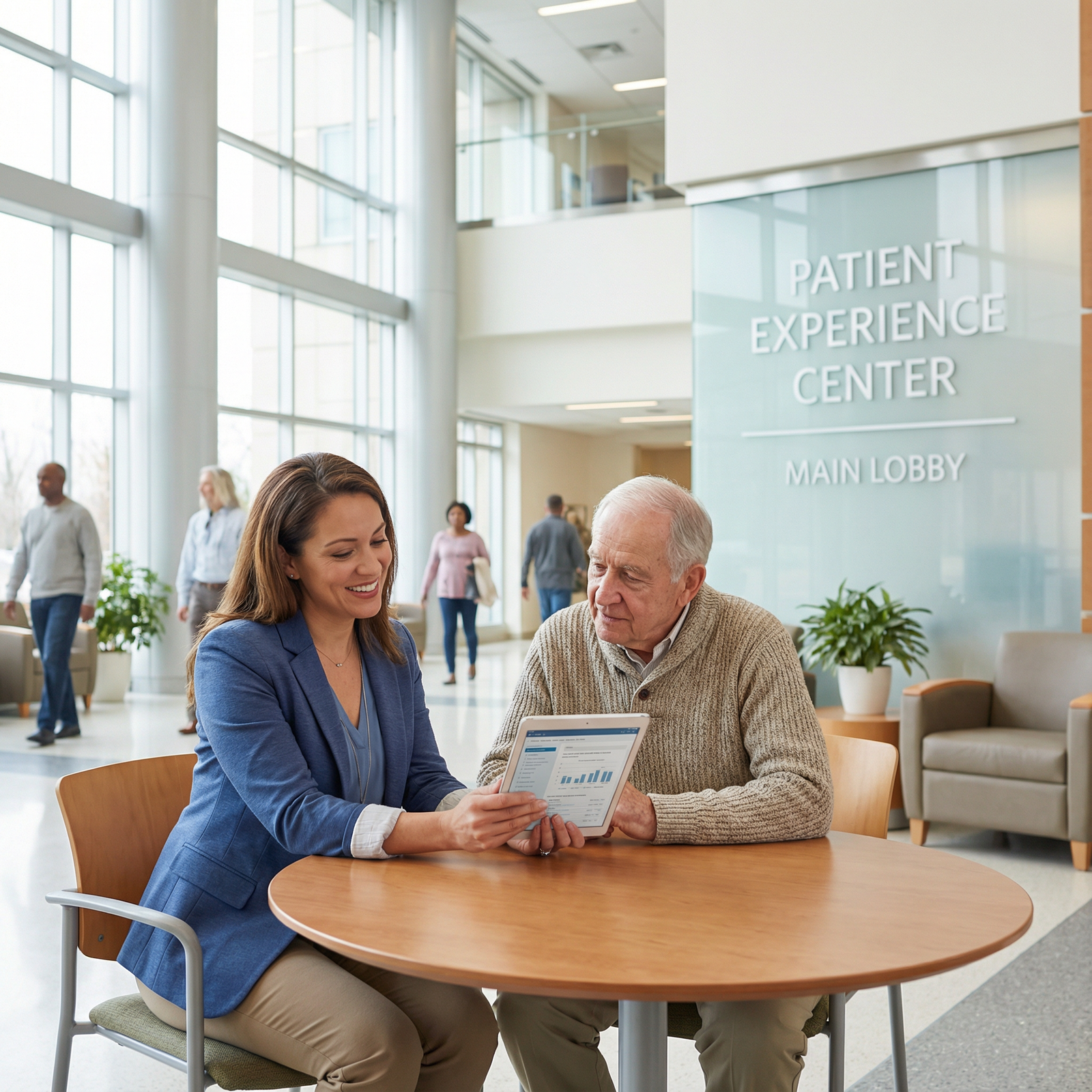
What Patient Experience Advocates Do
Patient Experience Advocates work at the intersection of quality, communication, and service excellence:
Gathering and analyzing patient feedback
- Conducting surveys, interviews, and focus groups
- Reviewing online reviews and complaint data
Identifying and addressing pain points
- Long wait times, unclear instructions, poor communication
- Gaps in coordination between departments or services
Leading patient-centered improvements
- Designing education materials that are clear and health-literate
- Creating programs around wayfinding, bedside communication, or discharge support
Facilitating conflict resolution and advocacy
- Supporting patients and families in navigating complex systems
- Working with staff and leadership to resolve complaints or concerns
Patient Experience Advocates directly influence how safe, supported, and respected patients feel—critical metrics in modern Healthcare Careers.
Key Competencies
- Empathy and emotional intelligence – Comfort dealing with patients at vulnerable moments
- Communication skills – Clear, nonjudgmental listening and explanation
- Data literacy – Using surveys (e.g., HCAHPS), metrics, and qualitative feedback
- Project management – Implementing and tracking improvement initiatives
- Understanding of clinical operations – Knowing how departments function and interact
Work Environments and Titles
- Hospitals and academic medical centers
- Ambulatory care centers and specialty clinics
- Health plans and integrated delivery networks
- Nonprofits and patient advocacy organizations
Titles include Patient Experience Manager, Patient Relations Specialist, Patient Advocate, Service Excellence Coordinator, and Quality Improvement Specialist.
Market Trends and Future Impact
Patient experience is directly tied to:
- Public quality ratings and reputation
- Contracting and reimbursement in some health systems
- Patient loyalty, engagement, and outcomes
As consumer expectations rise, organizations are investing heavily in experience, engagement, and service design. This role can evolve into leadership positions in Quality, Safety, Patient Engagement, or Operational Excellence.
How to Move Into Patient Experience Work
- Highlight any prior involvement in quality improvement, teaching, or patient education
- Gain familiarity with experience metrics (HCAHPS, Net Promoter Score, etc.)
- Volunteer on patient experience or safety committees
- Consider additional training in quality improvement methodologies (Lean, Six Sigma)
Integrating These Paths: The Future of Alternative Healthcare Careers
These five roles—Health Informatics Specialist, Genetic Counselor, Healthcare Consultant, Telemedicine Coordinator, and Patient Experience Advocate—illustrate how broad the concept of “working in healthcare” has become.
Common threads include:
- Interdisciplinary collaboration – Working across clinical, technical, and administrative teams
- Impact at scale – Improving not just one patient’s care, but entire systems and populations
- Alignment with future trends – Digital health, personalized medicine, and experience-driven care
If you’re rethinking your trajectory, you don’t have to abandon medicine—you can redirect your medical training into these high-impact, future-facing areas.
FAQs: Alternative Medical Careers and How to Pursue Them
1. Can I move into these alternative careers without completing residency?
Yes. Many roles—especially in Health Informatics, Telemedicine operations, Health Informatics, and Patient Experience—are open to individuals with:
- A medical degree (MD/DO/MBBS) without completed residency
- Other clinical backgrounds (RN, PA, NP, PharmD, allied health)
- Strong interest and supplemental training (e.g., master’s degrees, certificates, relevant projects)
Residency may be beneficial for some paths (e.g., leadership in informatics or consulting), but it is not universally required.
2. How do I choose between these alternative healthcare careers?
Consider three questions:
- Do you prefer tech, data, and systems? → Explore Health Informatics or Telemedicine coordination
- Are you drawn to counseling and longitudinal patient relationships? → Consider Genetic Counseling
- Do you enjoy strategy and organizational problem-solving? → Look at Healthcare Consulting
- Is patient advocacy and communication your strength? → Focus on Patient Experience Advocacy
Shadowing professionals, conducting informational interviews, and completing short internships or fellowships can clarify your fit.
3. Are there remote or hybrid opportunities in these careers?
Increasingly yes:
- Health Informatics Specialist – Many analytics and EHR roles can be remote or hybrid
- Genetic Counselor – Tele-genetics and remote counseling positions are growing
- Healthcare Consultant – Remote work and reduced travel are more common post-COVID
- Telemedicine Coordinator – Many responsibilities can be performed virtually
- Patient Experience Advocate – Often onsite, but hybrid models (especially for analytics and design work) are emerging
Remote flexibility is a major advantage of these alternative paths compared with some traditional clinical roles.
4. What additional education or certifications are most valuable?
Depending on the path:
- Health Informatics – MS in Health Informatics, CPHIMS, vendor certifications (Epic, Cerner)
- Genetic Counseling – Master’s in Genetic Counseling, board certification (e.g., ABGC)
- Healthcare Consulting – MHA, MPH, MBA, or Lean/Six Sigma certifications (optional but helpful)
- Telemedicine Coordination – Short courses in telehealth administration, digital health, or project management
- Patient Experience Advocacy – Training in quality improvement, service excellence, or health communication
Short online programs, micro-credentials, and targeted certificates can be effective ways to test a path before committing to a full degree.
5. How can I make my clinical experience attractive to nontraditional roles?
Translate your experience into language that resonates with hiring managers outside purely clinical environments:
- Emphasize projects: QI initiatives, protocol development, EHR optimization, patient education campaigns
- Highlight outcomes: Reduced wait times, improved satisfaction scores, better adherence rates
- Showcase transferable skills: Leadership, data interpretation, communication, teamwork, adaptability
Tailor your CV and LinkedIn profile to reflect the specific requirements of the role you’re targeting—showing that you understand their world as well as your own.
Exploring alternative medical careers does not mean stepping away from healthcare—it means stepping toward the future of medicine. Whether your interests lie in Health Informatics, Genetic Counseling, Healthcare Consulting, Telemedicine, or Patient Experience, there is a growing need for professionals who can blend clinical insight with technology, data, and human-centered design to build a better healthcare system.