

Choosing where to build your medical career is almost as important as choosing your specialty. The city you practice in will shape your professional opportunities, income potential, work-life balance, and long-term satisfaction. For many physicians and medical professionals, the right location can feel like a true “heaven” for Healthcare Careers.
Below, we take an in-depth look at five Top Cities for Doctors—San Francisco, Boston, Austin, Seattle, and Denver—that consistently attract physicians from across the country. We’ll explore compensation, Physician Opportunities, lifestyle, training and research ecosystems, and practical considerations for residents and early-career doctors planning their next move.
Why Location Matters So Much for Medical Professionals
Where you practice medicine influences far more than your paycheck. For physicians, advanced practice providers, and other healthcare workers, the city you choose can determine:
- Type of patients and clinical exposure
- Access to academic medicine and research
- Burnout risk and Work-Life Balance
- Loan repayment opportunities and financial security
- Networking prospects and mentorship quality
- Partner/family employment options and schools
For residency applicants, fellows, and early-career physicians, understanding how different cities align with your values and goals is crucial. Certain locations excel at high-volume specialty care, others at cutting-edge research, and some at lifestyle and flexibility.
The five cities below share several features that make them especially attractive for Healthcare Careers:
- Strong, diversified healthcare systems
- Competitive compensation for medical professionals
- Vibrant urban environments with cultural and recreational options
- Growing populations and consistent demand for physicians
- Opportunities across academic, private practice, and hybrid models
We’ll break down each city in a way that’s practical for trainees and early-career doctors evaluating their next step.
1. San Francisco, California: Innovation Capital for Healthcare Careers
San Francisco and the broader Bay Area are globally synonymous with innovation—and that extends to healthcare. For medical professionals drawn to the intersection of clinical care, technology, and entrepreneurship, San Francisco offers unmatched opportunities.
High Salaries vs. High Cost of Living
San Francisco is consistently among the Top Cities for Doctors in terms of compensation:
- Typical attending salaries:
- Primary care: often $230,000–$280,000
- Many specialties: $300,000–$450,000+ depending on demand and call burden
- Advanced practice providers (NPs/PAs): often significantly above national averages
However, the cost of living is one of the highest in the country, particularly housing. A realistic assessment is essential:
- Rent or mortgage can consume a large portion of even a strong physician salary
- Many physicians live slightly outside the city (Oakland, Berkeley, Walnut Creek, San Mateo, etc.) and commute
- For residents and fellows, institutional housing or roommate arrangements are almost a necessity
Actionable tip: Before signing a contract, request a detailed cost-of-living comparison and run a budget including student loan payments, childcare (if relevant), and housing at realistic local rates.
Clinical and Research Ecosystem
San Francisco is home to some of the most prestigious healthcare institutions in the world, including:
- UCSF Medical Center and UCSF Benioff Children’s Hospital
- Stanford Health Care (nearby in Palo Alto)
- Large integrated systems and community hospitals across the Bay Area
For Medical Professionals interested in academic careers, clinical trials, or translational research, the Bay Area is a powerhouse:
- Opportunities in digital health, telemedicine, AI in healthcare, and biotech
- Frequent collaboration between clinicians, engineers, and data scientists
- Abundant CME events, conferences, and startup incubators
Lifestyle, Culture, and Work-Life Balance
San Francisco can be intense professionally and financially, but it also offers:
- Easy access to Pacific coastline, Napa/Sonoma wine country, and national parks
- A rich food scene, diverse communities, and arts/culture in every neighborhood
- A strong emphasis on wellness and outdoor activities
For physicians prioritizing Work-Life Balance, it’s critical to pay close attention to:
- Call responsibilities and weekend coverage
- Commute time (traffic and bridges can be significant stressors)
- Availability of part-time or flexible schedules, especially in large systems
San Francisco is ideal if you’re willing to navigate cost-of-living challenges in exchange for top-tier innovation and career acceleration.
2. Boston, Massachusetts: Academic Medicine and Training Powerhouse
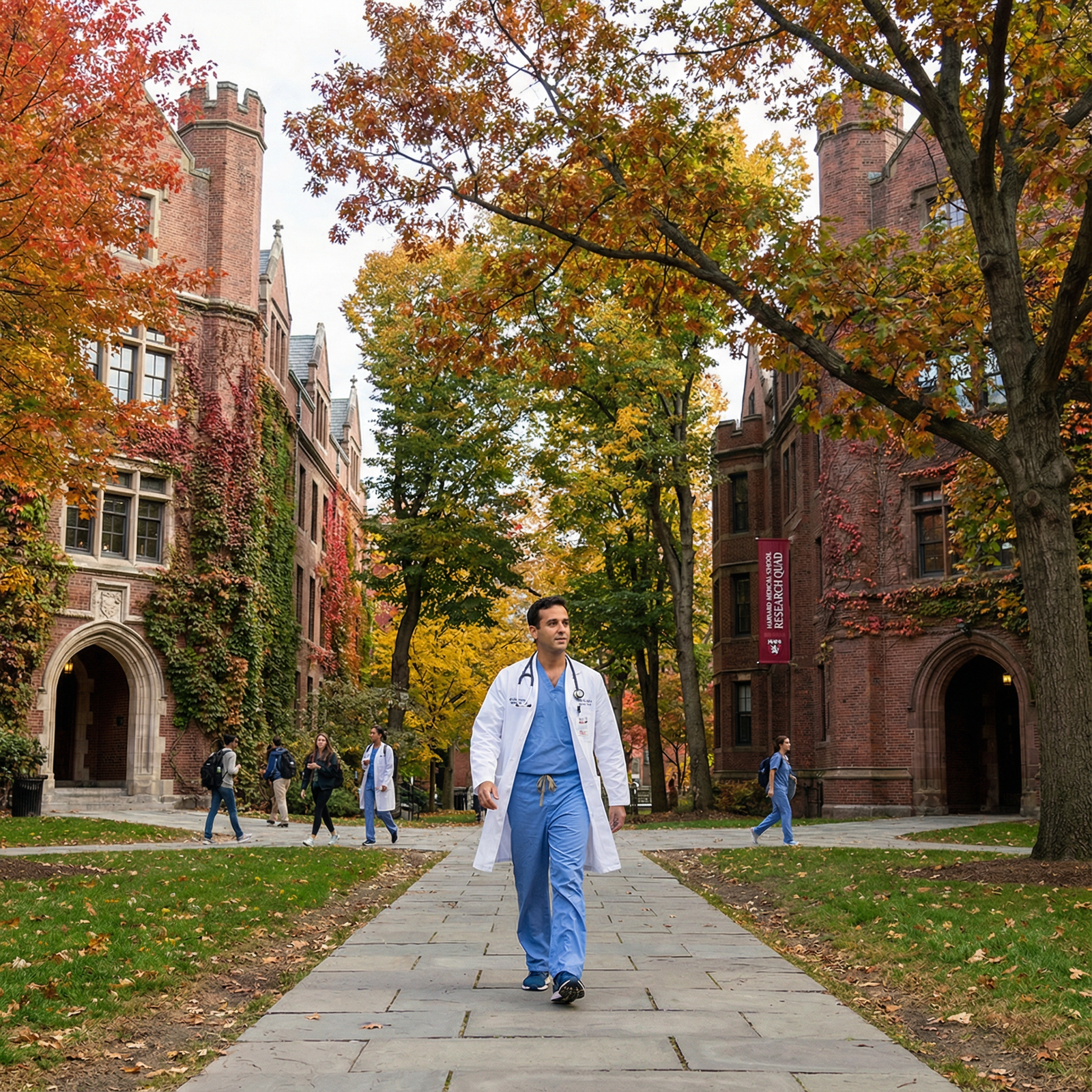
Boston is one of the world’s premier cities for healthcare and biomedical science. If your interests lean toward academic medicine, teaching, or subspecialty training, Boston belongs at the top of your list.
Legacy of Medical Excellence
Boston’s hospital ecosystem includes many of the most recognized names in medicine:
- Massachusetts General Hospital (MGH)
- Brigham and Women’s Hospital
- Beth Israel Deaconess Medical Center
- Boston Children’s Hospital
- Dana-Farber Cancer Institute
Most major hospitals are affiliated with Harvard Medical School, Boston University, or Tufts, creating a dense cluster of:
- Fellowship programs in nearly every specialty
- NIH-funded research labs and clinical trial units
- Opportunities for residents and fellows to co-author papers and present at national meetings
For residents and early-career physicians, Boston offers robust pathways into:
- Clinician-educator roles
- Physician-scientist tracks with protected research time
- Leadership training, quality improvement, and health policy initiatives
Compensation and Cost Considerations
Average attending salaries in Boston are competitive, though sometimes slightly lower than more rural or non-academic settings:
- Many attendings earn $200,000–$380,000, with procedural specialties often higher
- Academic positions may pay less but offer benefits like loan repayment programs, sabbaticals, and protected time
The cost of living is high but generally somewhat lower than San Francisco:
- Housing is expensive, especially near major hospitals (Back Bay, Longwood, Beacon Hill, Cambridge)
- Many trainees live farther out on public transit lines (e.g., Jamaica Plain, Somerville, Brookline)
Boston institutions often offer:
- Subsidized MBTA transit passes
- Stipends for trainees
- On-site childcare (limited but expanding)
Culture, Community, and Lifestyle
Boston is rich in history, culture, and intellectual energy:
- Museums, classical music, theater, and a serious sports culture (Red Sox, Celtics, Bruins, Patriots)
- Highly walkable city with strong public transportation
- Four-season climate with snowy winters and mild summers
For those in medicine, Boston’s tight-knit academic community is both an asset (high-density mentorship and networking) and a challenge (high competition and expectations). It’s optimal for those who enjoy a rigorous, academic environment and are building careers that integrate patient care with scholarship.
3. Austin, Texas: Growing Tech-Health Hub with Strong Work-Life Balance
Austin has rapidly transformed from a quirky college town to a major tech and healthcare hub. For physicians and medical professionals who want meaningful work, solid compensation, and a more relaxed lifestyle, Austin is increasingly attractive.
Expanding Healthcare Infrastructure
Austin’s growth has fueled massive investment in healthcare facilities, including:
- Dell Seton Medical Center and Dell Medical School at UT Austin
- Large multi-specialty groups and community hospitals
- An expanding network of outpatient centers and urgent care clinics
This expansion translates into:
- Consistent demand for both primary care and specialists
- Physician Opportunities in leadership, system-building, and program development
- Space for entrepreneurial physicians to build niche practices or partner with startups
Compensation, Cost of Living, and Practice Models
Austin often offers:
- Attending salaries around $200,000–$350,000, often higher in high-demand specialties
- Lower state tax burden (no state income tax in Texas)
- Moderately lower cost of living compared to coastal cities
Popular models for physicians include:
- Employed positions within large health systems
- Private group practices with partnership tracks
- Concierge/direct primary care practices in affluent neighborhoods
Actionable tip: Ask explicitly about RVU expectations, schedule, and call structure, as rapid growth can create heavy patient volumes in some systems.
Lifestyle and Physician Well-Being
Austin is consistently ranked among the best U.S. cities for Work-Life Balance:
- Vibrant live music and food scenes
- Year-round outdoor activities: running, cycling, paddleboarding on Lady Bird Lake, nearby Hill Country
- Strong community vibe and generally friendly atmosphere
Physicians with families often appreciate:
- Good public and private school options
- Safe neighborhoods with parks and green space
- Relatively easier commutes compared to larger coastal metros (though traffic is worsening)
Austin is an excellent option if you want a mix of career growth, flexibility, and lifestyle, especially if you or your partner also work in tech, startups, or creative industries.
4. Seattle, Washington: High Quality of Life and Multidisciplinary Collaboration
Seattle blends cutting-edge medicine, vibrant urban life, and access to world-class nature. For physicians who prioritize a balanced life and interprofessional teamwork, Seattle is one of the best places to practice.
Healthcare Landscape and Institutions
Seattle’s healthcare ecosystem includes:
- University of Washington Medical Center
- Harborview Medical Center (noted for trauma and safety-net care)
- Seattle Children’s Hospital
- Major private systems like Swedish and Virginia Mason
Seattle’s environment supports:
- Strong programs in primary care, transplant medicine, global health, and infectious disease
- Collaboration with major tech companies (Amazon, Microsoft) on digital health initiatives
- Opportunities in health services research and population health
Physician Compensation and Demand
Seattle typically offers:
- Attending physician salaries in the $220,000–$380,000 range, often higher for certain subspecialties
- Strong demand for primary care, psychiatry, and subspecialty care as the population grows
- Competitive benefits, including robust retirement plans and PTO in larger systems
The cost of living is high but generally slightly lower than San Francisco:
- Housing costs are substantial in central neighborhoods (Capitol Hill, Queen Anne, Ballard)
- Many physicians live in nearby suburbs (Bellevue, Kirkland, Shoreline)
Lifestyle, Diversity, and Well-Being
Seattle is consistently rated as one of the best U.S. cities for quality of life:
- Surrounded by mountains, forests, and water—ideal for hiking, skiing, sailing, and biking
- Strong culture of environmental awareness and healthy living
- Diverse and multicultural population, offering rich clinical exposure
Mental health and burnout prevention are increasingly prioritized in Seattle’s healthcare systems, with:
- Employee wellness programs and mental health resources
- Institutional interest in flexible schedules, job sharing, and telemedicine roles
If you enjoy rainy winters, coffee culture, and meaningful connection to nature, Seattle can be a near-perfect environment to practice medicine and maintain personal well-being.
5. Denver, Colorado: High Altitude, High Satisfaction for Medical Professionals
Denver blends urban amenities with immediate access to the Rocky Mountains, making it particularly appealing for physicians who value an active, outdoor-oriented lifestyle.
Growing, Health-Conscious City
Denver’s population growth has created significant demand for healthcare services:
- Multiple large health systems and tertiary care centers
- Expanding suburban hospital networks and clinics
- Opportunities for specialists and generalists to build robust panels quickly
Denver’s population skews active and health-conscious, which can shape:
- Lower rates of some lifestyle-related diseases, but high demand for sports medicine, orthopedics, and preventive care
- Opportunities to integrate wellness, lifestyle medicine, and integrative approaches into your practice
Compensation and Practice Environment
Physicians in Denver can expect:
- Salaries often in the $215,000–$400,000 range, depending on specialty, call, and setting
- Competitive benefits, including relocation assistance and sign-on bonuses for in-demand fields
Key practice advantages:
- Many systems prioritize team-based care, using NPs, PAs, and allied health professionals effectively
- Growing telehealth and remote monitoring offerings, especially for rural outreach
- Opportunities for part-time or more flexible roles, particularly in outpatient settings
While the cost of living has risen, Denver is still often more affordable than coastal metros, especially if you’re willing to live slightly outside the city center.
Lifestyle: A Natural Fit for Work-Life Balance
Denver is ideal for medical professionals committed to Work-Life Balance:
- Quick access to hiking, skiing, snowboarding, mountain biking, and climbing
- Over 300 days of sunshine per year
- Strong community focus on wellness, fitness, and outdoor events
Many physicians report that Denver’s combination of professional opportunity and personal fulfillment helps mitigate burnout and sustain long-term satisfaction in demanding specialties.
How to Decide Which “Heaven” Is Right for Your Healthcare Career

All five cities—San Francisco, Boston, Austin, Seattle, and Denver—offer exceptional Physician Opportunities and vibrant lifestyles. The best choice depends on your stage of training, specialty, financial goals, and personal priorities.
Key Factors to Compare Across Cities
When evaluating where to practice, consider:
Compensation vs. Cost of Living
- Use salary data (MGMA, Doximity reports, institutional ranges)
- Compare housing, taxes, childcare, transportation, and loan payments
Type of Practice and Career Trajectory
- Academic vs. private practice vs. employed community hospital
- Desire for research, teaching, administrative leadership, or entrepreneurship
Work-Life Balance and Wellness
- Clinic hours, call frequency, night/weekend expectations
- Availability of part-time positions or flexible schedules
- Institutional culture around physician wellness
Training and Development Opportunities
- Access to fellowships, subspecialty training, and mentorship
- CME support, leadership programs, or dual-degree options (MPH, MBA, MS)
Community, Culture, and Family Considerations
- School systems, partner job market, safety, and commute
- Diversity, inclusion, and sense of belonging
- Climate and recreational options that match your interests
Practical Steps for Residents and Early-Career Physicians
- Talk to alumni from your residency or medical school who practice in these cities
- Schedule informational interviews with physicians at target institutions
- Visit in person if possible to experience neighborhoods and hospital culture
- Review contracts carefully, ideally with an attorney familiar with physician employment
- Plan financially, especially if moving to a high-cost area—negotiate sign-on bonuses, relocation, and possibly loan repayment support
Your goal is to find a city where your professional goals and personal life can both thrive over the long term.
FAQ: Best Places to Work as a Doctor and Build a Healthcare Career
1. What factors should healthcare professionals prioritize when choosing a city?
Key priorities include:
- Job demand in your specialty
- Compensation and benefits relative to cost of living
- Work schedule and call responsibilities
- Strength of local healthcare systems and training opportunities
- Community support, schools, and partner job opportunities
- Overall Work-Life Balance and alignment with your values
For many, a slightly lower salary in a city with better lifestyle and institutional culture is a worthwhile trade-off.
2. How does living in a high-cost city impact a physician’s finances and lifestyle?
In high-cost cities like San Francisco and Boston:
- Housing can consume a large percentage of income
- Childcare, transportation, and everyday expenses are higher
- It may take longer to pay off student loans or save for home ownership
However, there are counterbalancing advantages:
- Generally higher physician salaries
- More abundant moonlighting, consulting, or academic opportunities
- Strong professional networks that can accelerate career growth
A detailed budget—ideally built before signing a contract—is essential to determine if the trade-offs are right for you.
3. Are there downsides to working in major healthcare hubs like these cities?
Yes. Common challenges include:
- High competition for the most prestigious roles and fellowships
- Intense work environments with high patient complexity and expectations
- Traffic and commuting stress in larger metros
- Potential for higher burnout risk if Work-Life Balance is not protected
Mitigation strategies include:
- Choosing institutions with strong wellness programs and reasonable schedules
- Negotiating clear boundaries regarding call, clinic load, and documentation time
- Building a support system—mentors, colleagues, friends, and mental health support when needed
4. Which specialties are in highest demand in urban areas like these five cities?
Demand can vary year to year, but commonly sought-after specialties include:
- Primary care (internal medicine, family medicine, pediatrics)
- Psychiatry and behavioral health
- Emergency medicine and hospitalist medicine
- Obstetrics and gynecology
- Certain surgical subspecialties and interventional fields
Urban centers also need specialists in geriatrics, oncology, infectious disease, and cardiology due to aging populations and complex case mixes.
5. How can medical students and residents position themselves to work in these top cities?
Practical strategies include:
- Applying for rotations or away electives in your target city
- Attending regional conferences and networking events
- Seeking mentors who are well-connected in these markets
- Publishing, presenting, or engaging in QI projects related to local health priorities
- Being geographically flexible for residency or fellowship, then targeting your desired city afterward
Building relationships early often leads to job offers later—many positions are filled through internal referrals or prior rotations.
Choosing the best place to practice is a deeply personal decision that blends career ambition, financial reality, and lifestyle preferences. Whether you’re drawn to the innovation of San Francisco, the academic depth of Boston, the balanced energy of Austin, the collaborative spirit of Seattle, or the outdoor lifestyle of Denver, each of these cities offers powerful opportunities for Medical Professionals to thrive.
Carefully evaluate your priorities, gather real-world perspectives from physicians on the ground, and use your training years to position yourself for the city—and the life—that fits you best.


