Why Doctors Flock to Texas: Discover the Benefits of Practicing in the Lone Star State
Texas has long been associated with big skies, bold ideas, and rapid growth—and its healthcare sector is no exception. For physicians evaluating where to build a long-term medical practice, Texas healthcare stands out as one of the most attractive ecosystems in the country. From the sheer volume of doctor jobs in Texas to physician benefits, lifestyle advantages, and a relatively supportive regulatory climate, the state offers a compelling package for both new graduates and seasoned clinicians.
This guide takes a deeper, more practical look at why so many doctors are choosing Texas, how the state’s healthcare regulations and economic environment affect daily practice, and what you should consider if you’re contemplating a move to the Lone Star State.
1. Economic Prosperity and Practice Potential in Texas
For physicians, Texas combines population growth, vibrant regional economies, and an increasingly sophisticated healthcare infrastructure. That translates into robust demand, strong compensation, and diverse practice models.
1.1 A Robust and Growing Job Market for Physicians
Texas is consistently among the fastest-growing states by population. Cities like Austin, Dallas–Fort Worth, Houston, and San Antonio are major hubs, but secondary metros (El Paso, McAllen, Lubbock, Corpus Christi) and rural communities are also expanding.
Key features of the Texas physician job market:
High demand across specialties:
- Primary care: Family medicine, internal medicine, pediatrics, and hospitalist roles remain in high demand.
- Surgical and procedural specialties: Orthopedics, general surgery, cardiology, and GI often command very strong offers, especially outside major metros.
- Behavioral health: Psychiatrists and child/adolescent psychiatrists are heavily recruited statewide.
- Geriatrics and palliative care: Growing need with an aging population.
Diverse practice settings:
- Large academic health centers (e.g., Texas Medical Center in Houston, UT Southwestern in Dallas)
- Community hospitals and health systems
- Federally Qualified Health Centers (FQHCs)
- Private groups and independent medical practice options
- Concierge, direct primary care, and telemedicine-based models
For residents and fellows, this means multiple offers are common, and you can often negotiate for location, schedule, and benefits that fit your career goals and personal priorities.
1.2 Competitive Salaries and Strong Take-Home Pay
Doctor jobs in Texas often feature salaries that compare very favorably with national averages—especially when adjusted for cost of living and taxes.
Important financial advantages:
No state income tax:
Texas is one of the few large states without a state income tax. This significantly boosts your net income compared with similarly paid positions in states like California or New York.Lower cost of living:
While some Texas urban cores are becoming more expensive, overall housing, childcare, and everyday expenses remain more affordable than many coastal markets.Specialty pay differentials:
Many specialties report above-average compensation in Texas, particularly in:- Emergency medicine
- Anesthesiology
- Radiology
- Surgical subspecialties
- Rural or semi-rural primary care
Actionable tip for trainees:
When evaluating offers, compare net take-home pay, not just base salary. A slightly lower salary in Texas can translate into significantly higher disposable income after factoring in taxes, housing, and loan repayment benefits.
1.3 Loan Repayment, Incentives, and Rural Bonuses
Texas actively encourages physicians to practice in underserved and rural communities, offering notable physician benefits and incentive structures.
Some examples include:
State and federal loan repayment programs:
- National Health Service Corps (NHSC) placements in Texas FQHCs and rural clinics
- State-level loan repayment options for primary care, mental health, and other shortage areas
Recruitment bonuses and stipends:
Many health systems offer:- Signing bonuses
- Relocation allowances
- First-year income guarantees (particularly for building outpatient panels)
- Stipends for residents/fellows who sign early
Enhanced reimbursement and support programs:
Programs like supplemental Medicaid incentives and rural hospital support can strengthen the financial viability of practice in smaller communities.
Practical takeaway:
If you have significant student loans, pairing a Texas position in a designated shortage area with loan repayment programs can dramatically accelerate your path to financial stability.
2. A Supportive and Evolving Regulatory Environment
Texas healthcare regulations impact malpractice risk, telemedicine growth, scope-of-practice boundaries, and day-to-day administrative burdens. Compared with many states, Texas is frequently viewed by physicians as relatively practice-friendly.
2.1 Tort Reform and Malpractice Climate
One of the most cited reasons doctors relocate to Texas is the state’s tort reform, implemented in 2003. These reforms significantly changed the medico-legal landscape.
Key impacts of Texas tort reform:
- Caps on non-economic damages in medical malpractice cases, limiting large jury awards for pain and suffering.
- Stabilized malpractice premiums, which often compare favorably to high-litigation states.
- Reduced frequency of frivolous lawsuits, lowering the stress and cost associated with practicing.
For physicians, this means:
- You can focus more on patient care and less on defensive medicine.
- Practices can spend less on liability coverage and legal contingencies.
- The overall risk environment for physicians is perceived as more predictable.
This doesn’t eliminate malpractice risk, and high-quality documentation and communication remain essential, but it does create a less adversarial environment than many physicians experience elsewhere.
2.2 Telemedicine-Friendly Policies and Innovation
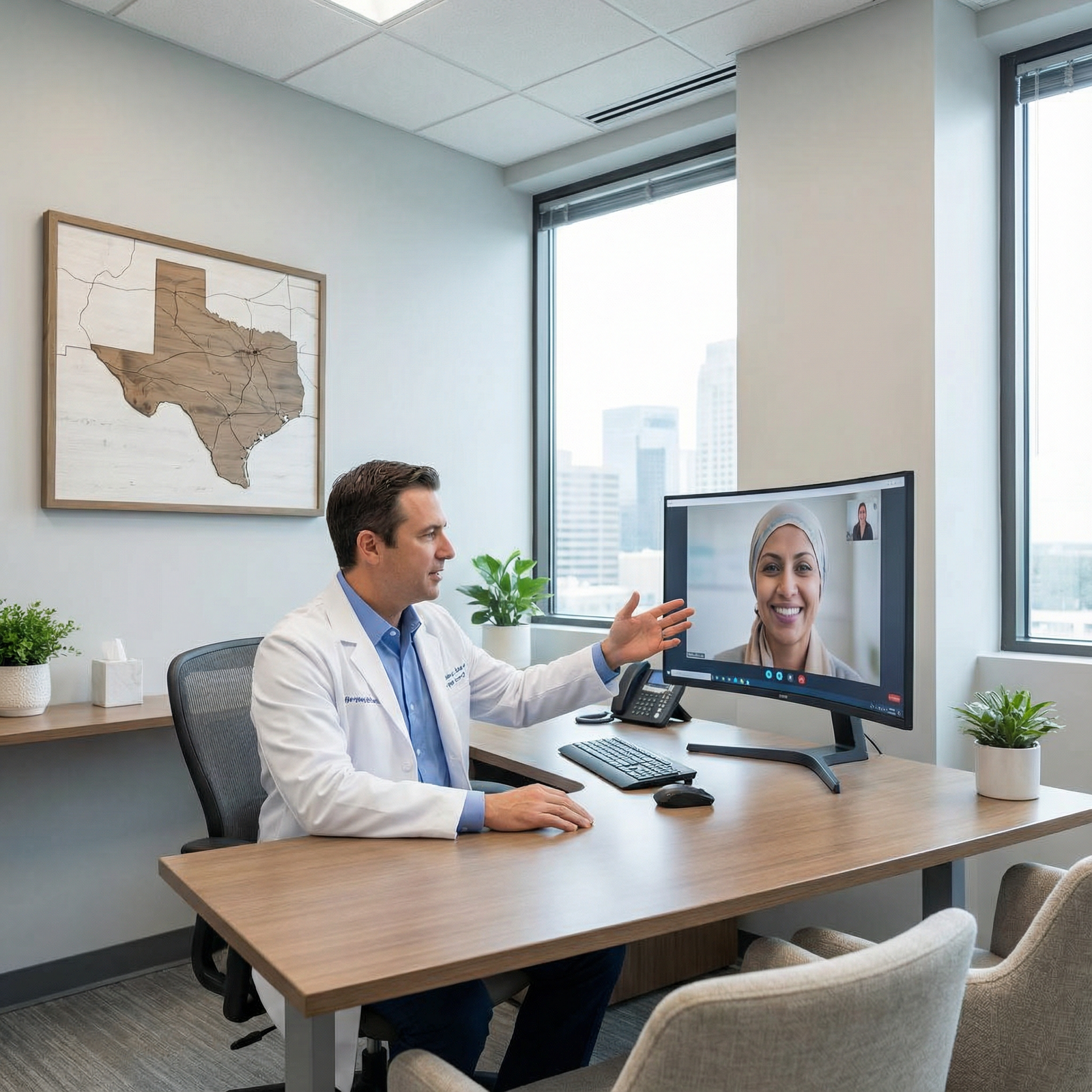
Texas has made substantial strides in supporting telemedicine, an important factor if you’re interested in virtual care, hybrid models, or rural outreach.
Highlights include:
Clear telehealth regulations:
The state has clarified requirements for establishing a doctor–patient relationship and prescribing via telemedicine, making it easier to integrate virtual visits into traditional practice.Reimbursement pathways:
While payer policies evolve, many commercial insurers and Medicaid plans in Texas reimburse for telehealth services, especially post-pandemic.Expanded access for rural patients:
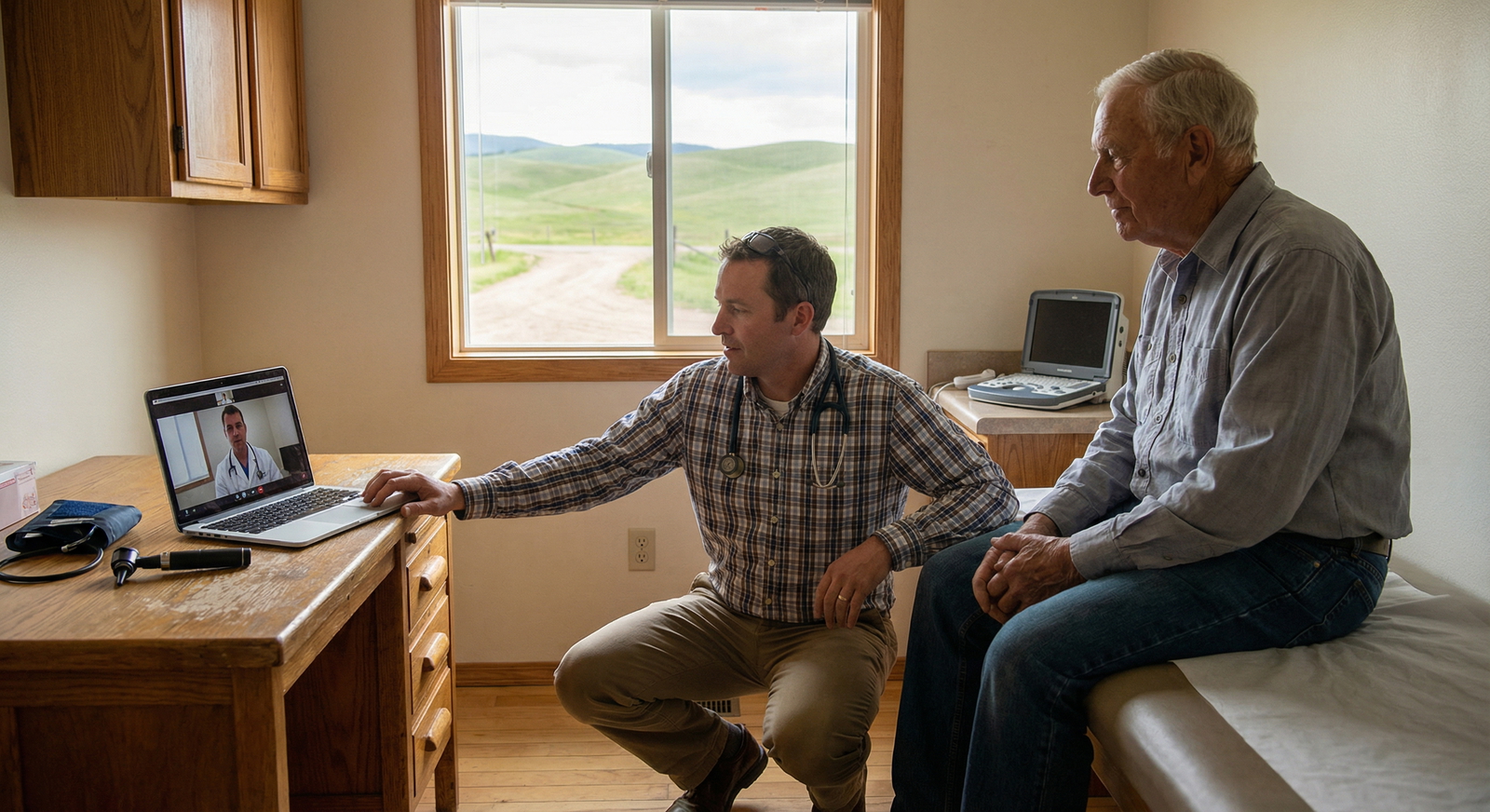
Telemedicine helps connect specialists in Houston, Dallas, or Austin with patients in the Panhandle, West Texas, or the Rio Grande Valley, improving equity in access.
As a result, Texas is an excellent place to:
- Build a telemedicine-heavy practice
- Add virtual follow-ups to your brick-and-mortar clinic
- Experiment with innovative models like hospital-at-home or remote monitoring
2.3 Licensure, Credentialing, and Interstate Practice
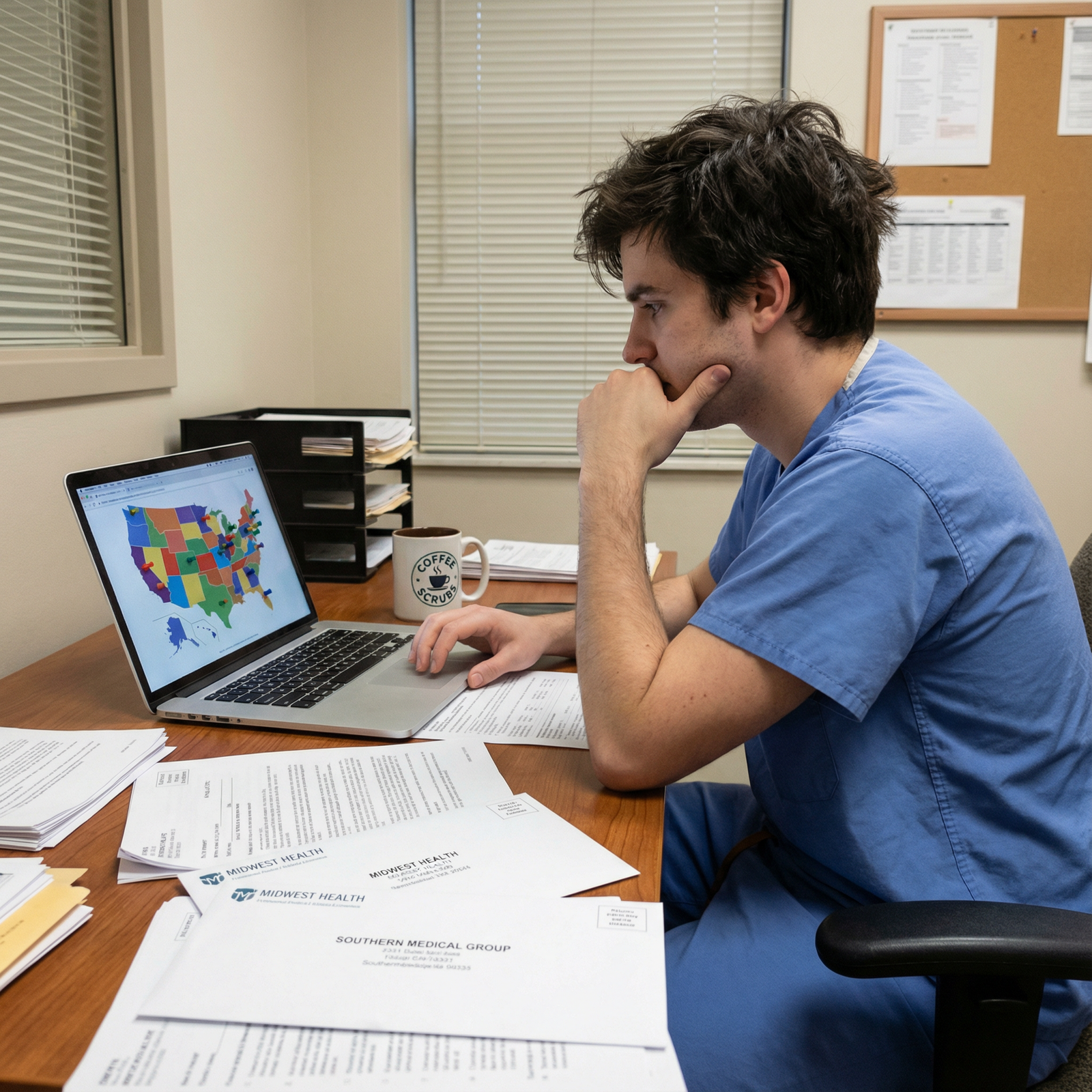
Texas is a member of the Interstate Medical Licensure Compact (IMLC), making it easier for eligible physicians to obtain a Texas license if they are licensed in other compact states.
Practical implications:
- Faster entry into the Texas job market
- Easier cross-state telemedicine if you hold multiple compact licenses
- Streamlined credentialing processes in certain systems familiar with compact applicants
If you’re planning to work in multiple states or maintain a telehealth side practice, Texas’s participation in the IMLC is a significant plus.
3. Diverse and Expanding Patient Populations
Texas is one of the most demographically dynamic states in the U.S. Practicing in Texas means caring for a broad spectrum of patients—demographically, socioeconomically, and clinically.
3.1 Cultural and Linguistic Diversity
Texas’s population reflects a blend of cultures, including large Hispanic/Latino, Black, Asian, and immigrant communities, alongside long-established rural and suburban populations.
Clinical and educational benefits:
Rich case mix:
You will see everything from bread-and-butter primary care to complex tertiary referrals and rare conditions, especially near major academic centers.Cultural competence development:
You’ll regularly navigate customs, beliefs, and languages that shape patients’ health behaviors. Spanish fluency is highly valued and can be a major asset in many regions.Public health and community medicine opportunities:
Health disparities, border health issues, and rural access challenges create meaningful opportunities to engage in community outreach, advocacy, and health systems improvement.
For residents and fellows, a Texas training environment can be excellent preparation for practicing in any diverse, real-world setting nationwide.
3.2 Aging Populations and Chronic Disease Burden
Like much of the U.S., Texas is seeing:
- Growth in older adults (particularly Baby Boomers)
- High rates of chronic conditions like diabetes, obesity, cardiovascular disease, and chronic kidney disease
This translates into:
- Strong demand for geriatrics, cardiology, endocrinology, nephrology, and primary care.
- Wide opportunities for population health initiatives, value-based care models, and multidisciplinary clinics.
- A chance to develop expertise in chronic disease management and transitions-of-care frameworks that are increasingly central to modern medical practice.
Physicians who enjoy longitudinal care, complex comorbidity management, and systems-based practice will find Texas an especially fertile environment.
4. Lifestyle, Cost of Living, and Family Considerations
For many physicians, the decision to move is as much about family and lifestyle as it is about salary. Texas offers a favorable blend of affordability, amenities, and community options.
4.1 Family-Friendly Communities and Education
Across Texas, you’ll find:
- Top-rated suburban school districts around metros like Dallas–Fort Worth, Houston, Austin, and San Antonio.
- Family-oriented communities such as Frisco, Plano, Southlake, The Woodlands, and West University Place, known for:
- Quality public schools
- Parks and green spaces
- Youth sports and extracurriculars
- Low crime rates compared to many large U.S. metros
For physicians with partners and children, Texas can offer:
- Shorter commute options compared with some large coastal cities
- Detached single-family homes with yards at relatively attainable price points
- Communities with strong support networks for dual-career families
4.2 Cost of Living and Quality of Life
While costs are rising in certain hot markets, Texas generally remains more affordable than many other states with similarly strong job markets.
Key financial and lifestyle benefits:
Housing:
Larger homes, more land, and better amenities per dollar compared with many high-density metros.Transportation and commuting:
Car ownership is nearly universal; commute times vary widely, but many physicians choose homes close to their hospitals or clinics.No state income tax:
Increases discretionary income, providing more flexibility for:- Aggressive student loan repayment
- Retirement contributions
- Investments and savings
- Travel and family experiences
When combined with competitive physician benefits packages (health insurance, retirement plans, CME stipends, etc.), working in Texas can significantly accelerate your financial independence timeline.
4.3 Culture, Recreation, and Work–Life Balance
Texas offers a broad range of cultural and recreational options that can make life outside the hospital or clinic fulfilling:
Major metropolitan amenities:
- Professional sports teams (NFL, NBA, MLB, MLS)
- World-class museums and performing arts (Houston’s Theater District, Dallas Arts District, San Antonio’s historic missions)
- Music and festivals (Austin City Limits, South by Southwest)
Outdoor activities:
- Hill Country hiking, camping, and rivers
- Gulf Coast beaches and fishing
- State and national parks (e.g., Big Bend, Guadalupe Mountains)
Food and cultural scenes:
- Renowned barbecue, Tex-Mex, and diverse international cuisines
- Vibrant nightlife and live music in cities like Austin, Houston, and Dallas
With thoughtful scheduling and practice selection, many physicians in Texas find they can maintain a more sustainable work–life balance than in high-pressure, high-cost environments elsewhere.
5. Collaborative Professional Environment and Academic Opportunities
Beyond compensation and lifestyle, Texas offers a rich professional ecosystem that supports growth in clinical practice, leadership, education, and research.
5.1 Networking, Mentorship, and Professional Societies
Texas’s size and density of healthcare institutions support a robust professional community.
You’ll find:
Statewide organizations like the Texas Medical Association (TMA) and specialty societies that:
- Advocate on regulatory and legislative issues
- Provide CME and leadership development
- Offer networking and mentorship opportunities
Regional and local medical societies that facilitate:
- Peer connections and referral relationships
- Community service projects
- Informal mentorship and career guidance
As a physician new to Texas, joining these organizations is a practical way to understand local healthcare regulations, connect with colleagues, and build a referral base if you’re in outpatient practice.
5.2 Access to World-Class Academic Centers and Research
Texas is home to some of the largest and most advanced medical complexes in the world, including:
Texas Medical Center (Houston):
The largest medical complex globally, with institutions like MD Anderson Cancer Center, Baylor College of Medicine, and Houston Methodist.UT Southwestern (Dallas), UT Health San Antonio, UTMB (Galveston), and others:
Major centers for academic medicine, translational research, and clinical innovation.
Advantages of these academic hubs:
- Opportunities to:
- Participate in or lead clinical trials
- Engage in translational and basic science research
- Teach medical students, residents, and fellows
- Access to:
- Cutting-edge technologies and therapies
- Multidisciplinary tumor boards and subspecialty conferences
- Robust CME and grand rounds series
Even if you choose a community-based or private medical practice, proximity to these centers can facilitate referrals, second-opinion access, and collaborative care for complex cases.

6. Practical Considerations Before You Move to Texas
If you’re seriously considering Texas, a structured approach to transition can help you maximize the benefits and avoid surprises.
6.1 Evaluating Cities and Regions
When comparing offers, consider:
Urban vs. suburban vs. rural:
- Urban: More subspecialty opportunities, academic posts, dense competition
- Suburban: Strong schools, family amenities, community hospitals
- Rural: Higher compensation, loan repayment, broad-scope practice, significant impact
Regional differences:
- Gulf Coast vs. Hill Country vs. West Texas vs. Panhandle: Each has distinct culture, climate, and cost profiles.
6.2 Understanding Contracts and Physician Benefits
Key contract elements to scrutinize:
- Compensation model (salary vs. RVU vs. hybrid)
- Call schedule and coverage expectations
- Non-compete clauses and geographic limitations
- Tail coverage and malpractice terms
- CME funds, relocation assistance, and signing bonuses
Because Texas is an employer-friendly state in many ways, having an experienced healthcare attorney review your contract is wise, particularly for your first Texas position.
6.3 Integration into the Community and Health System
Successful transitions often depend on how well you integrate both professionally and personally:
- Seek out formal mentors within your department or group.
- Join local medical societies and attend networking events early.
- Engage with your community—schools, faith communities, volunteer opportunities—to build a support system beyond work.
Frequently Asked Questions (FAQs)
1. Why is Texas considered one of the best places for doctors to work?
Texas combines a strong, growing economy with high demand for physicians, competitive salaries, and no state income tax. Its relatively favorable malpractice climate, expanding telemedicine infrastructure, and diverse medical practice settings—from academic centers to rural clinics—create a uniquely attractive environment for building a medical career.
2. Do physicians in Texas truly experience fewer malpractice issues?
While malpractice risk can never be eliminated, Texas’s 2003 tort reform significantly reduced the frequency and severity of lawsuits, leading to more stable malpractice insurance premiums and a less litigious environment overall. Physicians still need to practice high-quality, well-documented medicine, but many find the medico-legal climate more manageable than in high-litigation states.
3. What are the top Texas cities attracting doctors, and how do they differ?
Houston, Dallas–Fort Worth, Austin, and San Antonio are major hubs for doctor jobs in Texas.
- Houston: Massive medical complex, strong oncology and subspecialty presence.
- Dallas–Fort Worth: Multiple health systems, strong suburban communities, extensive private practice opportunities.
- Austin: Growing tech and startup culture, strong demand in primary care and outpatient subspecialties.
- San Antonio: Large military presence, family-oriented suburbs, and expanding healthcare systems.
Smaller metros like El Paso, Lubbock, and McAllen also offer excellent opportunities, often with higher compensation and loan repayment benefits.
4. How does the cost of living in Texas impact a physician’s financial trajectory?
The combination of no state income tax and generally lower housing and living costs means physicians can often save more aggressively, pay off student loans faster, and invest earlier in retirement and other assets. This can significantly accelerate financial independence compared with similarly compensated roles in high-cost states.
5. Are there good opportunities for academic careers and research in Texas?
Yes. Texas is home to major academic medical centers, including the Texas Medical Center in Houston, UT Southwestern in Dallas, and multiple University of Texas system institutions. These centers offer opportunities in clinical and basic research, education, and leadership. Many community-based physicians also hold adjunct academic appointments or collaborate on research and teaching.
6. What should residents and fellows do now if they’re interested in practicing in Texas?
- Start networking early with faculty who trained or practiced in Texas.
- Attend Texas-based conferences or virtual job fairs.
- Explore fellowships or elective rotations at Texas institutions.
- Research loan repayment programs and shortage areas if you’re open to rural practice.
- Engage a reputable physician-focused recruiter or career advisor familiar with Texas markets, and always have contracts reviewed by a healthcare attorney.
Texas continues to rise as one of the premier destinations for physicians seeking a blend of professional opportunity, financial upside, and quality of life. Whether you envision an academic career in a world-class medical center, a broad-scope practice in a rural community, or a flexible telemedicine-focused role, the Texas healthcare landscape offers pathways to build a rewarding, sustainable future in medicine.