The Strategic Role of CME in Modern Physician Development
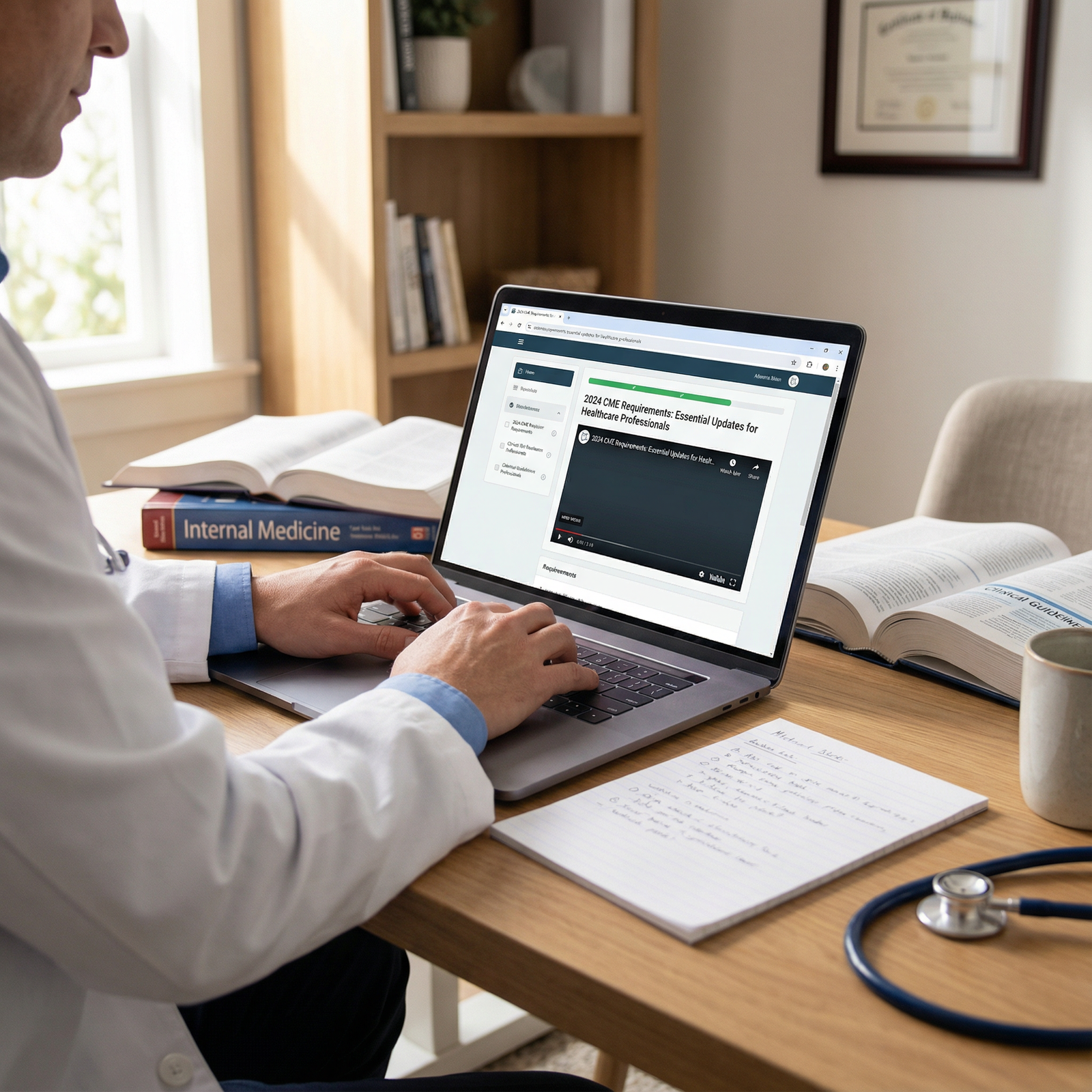
Continuing Medical Education (CME) is no longer just a box to check for license renewal—it is a strategic tool for physician development, practice growth, and long‑term career satisfaction. In a healthcare environment driven by rapid scientific advances, evolving clinical guidelines, digital health technologies, and complex regulatory requirements, a thoughtful approach to CME can directly improve patient outcomes and protect your professional standing.
This guide reframes CME from a regulatory burden into a practical roadmap for lifelong learning. It outlines evidence-informed CME strategies, clarifies Medical Compliance expectations, and offers concrete tactics for integrating Healthcare Education into your daily practice without burning out.
Why Continuing Medical Education Matters More Than Ever
CME is a structured way to stay current with changes in medical science, care delivery models, and legal and ethical standards. Beyond accumulating credits, high-quality CME is central to your identity as a clinician and leader in healthcare.
Key Reasons CME Is Essential
Improved Patient Care and Outcomes
- Incorporating current guidelines and evidence reduces variation in care and avoids outdated practices.
- CME focused on clinical decision-making, diagnostic accuracy, and new therapeutics can directly lower complication rates and improve survival or symptom control.
- Quality-improvement-oriented CME helps you translate knowledge into better workflows and safer systems of care.
Licensure, Board Certification, and Medical Compliance
- State medical boards, specialty boards, and hospital credentialing bodies all require proof of CME for ongoing practice privileges.
- Many states mandate specific topics (e.g., opioid prescribing, pain management, implicit bias, cultural competency, ethics, and infection control).
- Failure to meet CME requirements can lead to probation, fines, or even license suspension—making effective CME Strategies a non‑negotiable part of your professional life.
Quality Improvement and Risk Reduction
- CME aligned with quality metrics (e.g., sepsis bundles, readmission reduction, preventive screenings) supports institutional goals and value-based care.
- Focused CME on documentation, coding, and legal updates reduces medicolegal risk and supports compliance with regulatory bodies and payors.
Professional Credibility and Career Advancement
- Thoughtful CME choices can position you as a subject-matter expert in your practice or institution.
- Active engagement in CME (especially teaching, presenting, or publishing) strengthens your CV for leadership roles, academic positions, or fellowship opportunities.
- Demonstrated commitment to CME is increasingly recognized by patients, employers, and credentialing organizations as a marker of professional excellence.
Understanding CME Requirements and Regulatory Expectations
Before designing a CME plan, you need clarity on what is required for your specific situation. Requirements vary widely based on geography, profession, and specialty.
Core Components of CME Requirements
Total Hours or Credits Required
- Many state medical boards require a specific number of CME hours per renewal cycle (often 40–100 hours every 1–2 years).
- Requirements differ for physicians (MD/DO), nurse practitioners, physician assistants, pharmacists, and other licensed professionals.
- Some boards use AMA PRA Category 1 Credits™; others may accept equivalent or specialty-specific credits.
Required Topic Areas
Depending on jurisdiction and discipline, you may need a minimum number of hours in:- Opioid and controlled substance prescribing
- Pain management and addiction medicine
- Ethics and professional responsibility
- Cultural competency, health equity, and implicit bias
- Infection control, patient safety, and risk management
- Domestic violence, child abuse recognition, or human trafficking
- Geriatrics, palliative care, or end-of-life issues in certain specialties
Accepted CME Formats and Types
Common CME activity types include:- Live conferences and symposia
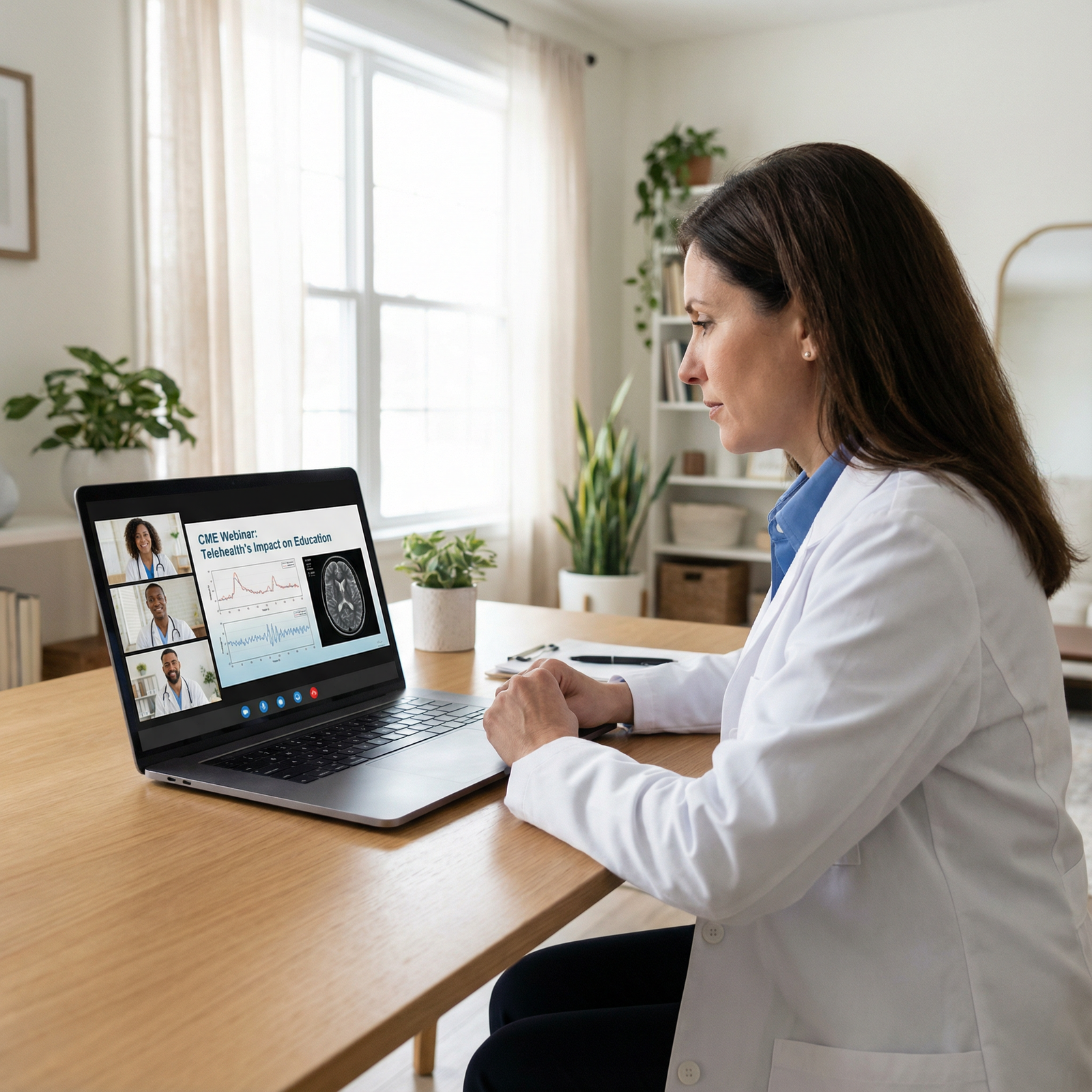
- Online enduring materials (e-learning modules, recorded webinars, podcasts)
- Journal-based CME activities
- Performance improvement CME (PI-CME) and quality improvement projects
- Grand rounds, tumor boards, morbidity and mortality (M&M) conferences
- Teaching and precepting (in some jurisdictions and organizations)
Accreditation and Documentation
- Most boards require CME from accredited providers (e.g., ACCME-accredited organizations, recognized specialty societies, state medical societies).
- You must retain certificates, transcripts, or verifiable records for a set number of years in case of audit (commonly 4–6 years).
How to Clarify Your Personal CME Requirements
- Review your state medical board website for licensure requirements and due dates.
- Check your ABMS or AOA specialty board (or PA/NP certifying body) for Maintenance of Certification (MOC/MOL) or recertification requirements.
- Consult your employer, health system, or hospital credentialing office for any additional internal CME or competency expectations.
- Keep a simple one-page summary of your requirements to guide your CME planning each year.

Building an Effective CME Strategy: From Reactive to Proactive
Most clinicians start out doing CME reactively—grabbing whatever credits are easiest as deadlines approach. Transforming CME into a proactive strategy can dramatically improve both learning and efficiency.
1. Create a Personalized, Annual CME Plan
A structured CME plan helps ensure you meet requirements on time while targeting true growth areas.
Define Clear Educational and Professional Goals
Ask yourself:
- What clinical areas do I want or need to strengthen this year?
- Are there new therapies, procedures, or guidelines in my specialty I must master?
- Are there leadership, communication, or systems-based topics (e.g., population health, practice management) that would advance my role?
- What required topics (opioid prescribing, ethics, etc.) must I complete this cycle?
Translate answers into 3–5 specific objectives, for example:
- “Update my knowledge on SGLT2 inhibitors and GLP-1 agonists in heart failure and diabetes.”
- “Improve pain management and safe opioid prescribing, especially in complex chronic pain.”
- “Complete all mandated CME on implicit bias and cultural competency for my state board.”
Map Activities to Your Goals and Calendar
- Plan flagship activities: One or two major conferences, intensive workshops, or certificate programs each year.
- Schedule monthly or quarterly micro-learning: A set number of online modules, podcasts, or journal CME articles.
- Build CME into existing commitments: Grand rounds, department CME, tumor boards, QI projects.
2. Use Diverse and High-Yield Learning Resources
Different CME formats serve different purposes. A blended approach supports deeper learning and better retention.
Online CME Platforms and Digital Learning
- Use reputable CME sites (e.g., Medscape, NEJM Knowledge+, specialty society platforms) for on-demand education.
- Prioritize:
- Case-based modules
- Interactive decision trees
- Self-assessment questions with explanations
- Integrate learning into your routine: 20–30 minutes per week can accumulate substantial credit over a year.
Conferences, Workshops, and Hands-on Courses
- Choose at least one major meeting or focused workshop aligned with your practice or research interests.
- Look for:
- Simulation-based courses (ACLS refreshers, procedural skills, ultrasound workshops)
- Disease-focused symposia (oncology, cardiology, critical care updates)
- Practice management or leadership tracks (quality improvement, population health, billing and coding)
Peer Networks and Collaborative Learning
- Join or form journal clubs or case conferences with colleagues; many can be structured to earn CME credit.
- Engage in interdisciplinary CME with pharmacists, nurses, and allied health professionals to gain broader perspectives on care pathways.
- Leverage social media responsibly (e.g., #MedTwitter, specialty-specific forums) to identify high-value CME opportunities, but always confirm accreditation before relying on them for credits.
3. Focus on Quality Over Quantity
Not all CME is equal in educational value.
Choose Accredited, Evidence-Based Programs
- Prefer CME accredited by recognized organizations such as:
- ACCME (Accreditation Council for Continuing Medical Education)
- AANP, AAPA, or specialty-specific bodies
- Avoid programs with heavy commercial bias or minimal educational rigor.
Seek Interactive and Practice-Integrated Learning
- Prioritize:
- Case-based discussions
- Simulation labs
- Problem-based workshops
- Performance improvement CME linked to your own data (e.g., reviewing practice metrics and implementing changes)
- These formats are more likely to translate into durable practice change than passive lecture-only sessions.
Staying Current and Organized: Practical CME Management Tactics
Managing CME efficiently prevents last-minute stress and supports sustained professional growth.
4. Stay Current with Medical News and Updates
Curate Your Information Sources
- Subscribe to high-impact journals or specialty society newsletters that offer:
- Research summaries
- Guideline updates
- Journal-based CME opportunities
- Use clinical decision support tools (e.g., UpToDate, DynaMed, specialty apps) that integrate CME for routine reading.
Use Alerts and Mobile Apps
- Set up topic-based alerts in PubMed, journal sites, or apps for areas you want to track.
- Download mobile apps from accredited CME providers to complete micro-learning while commuting or between cases (with appropriate privacy considerations).
5. Engage Actively with Professional Organizations
Professional societies are among the richest sources of structured Healthcare Education and Physician Development.
Leverage Membership Benefits
Most organizations offer members:
- Free or discounted online CME libraries
- Annual or regional conferences with extensive CME tracks
- Specialty board review courses and self-assessment toolkits
- MOC/MOL-related resources tailored to your certification board
Build Your Network and Visibility
- Presenting posters, lectures, or workshops at conferences often yields CME and builds your professional reputation.
- Committee work (e.g., quality, education, guidelines) can expose you to cutting-edge developments and may qualify for credit in some systems.
6. Incorporate Feedback from Patients and Practice Data
CME is most powerful when it addresses gaps identified from real-world practice.
Utilize Patient Feedback
- Review patient satisfaction surveys, complaints, and compliments for recurring themes:
- Communication clarity
- Wait times and access
- Pain management and symptom control
- Use these themes to select CME on communication skills, shared decision-making, or chronic disease management.
Analyze Practice Metrics
- Examine quality dashboards and performance indicators:
- Preventive screening rates
- A1c control, blood pressure control
- Readmission or complication rates
- Choose PI-CME activities that target these metrics and involve implementing and measuring practice changes.
7. Leverage Technology to Track and Optimize CME
Administrative complexity can derail even the best educational intentions. Digital tools can keep you organized.
CME Tracking Tools and Portals
- Use:
- Specialty board or medical society portals that store verified CME credits.
- Mobile apps or spreadsheets to log activity date, provider, topic, number of credits, and certificate location.
- Consider cloud storage (with appropriate security) to archive certificates by year and by requirement type.
Automate Reminders and Deadlines
- Enter license renewal and board certification deadlines into your digital calendar.
- Set reminders 6–12 months before renewal to check your CME status and plan any remaining required topics.
8. Plan Ahead to Avoid Last-Minute Crises
Procrastination is a major source of CME-related stress and risk.
- Aim to earn more than the minimum required credits each year to create a safety buffer.
- front-load mandatory topics early in the cycle (opioid prescribing, ethics, implicit bias) to avoid doing them under time pressure.
- If you anticipate life changes (maternity/paternity leave, job transition, fellowship, relocation), plan your CME well before these transitions when possible.
9. Choose Meaningful and Career-Aligned CME Activities
CME is a powerful way to shape your future trajectory as a clinician.
Teaching, Mentorship, and Scholarship
- Activities that may qualify for CME (depending on board and jurisdiction) include:
- Teaching medical students, residents, or fellows
- Serving as a preceptor or clinical instructor
- Developing curricula or educational content
- Publishing peer-reviewed articles, guidelines, or educational materials
- Even when not credit-eligible, these activities deepen your own understanding and reinforce key concepts.
Interdisciplinary and Systems-Based Learning
- Engage in CME that explores:
- Team-based care models
- Population health management
- Value-based care and health policy
- Health equity and social determinants of health
- These sessions prepare you for leadership roles and align with emerging institutional and regulatory priorities.
10. Stay Adaptable as CME and Healthcare Evolve
CME and regulatory expectations will continue to change alongside healthcare delivery.
- Periodically re-evaluate your CME plan:
- Are your activities still relevant to your practice and goals?
- Are there emerging fields (e.g., telemedicine, AI in healthcare, genomic medicine) you should incorporate?
- Be flexible in your learning methods; if you find one format unengaging, experiment with others:
- Podcasts on clinical topics
- Point-of-care CME embedded in clinical decision tools
- Virtual conferences and live-streamed workshops

Frequently Asked Questions About CME Requirements and Strategies
What is the main purpose of Continuing Medical Education?
Continuing Medical Education exists to ensure healthcare professionals maintain, develop, and enhance the knowledge, skills, and professional performance needed to provide safe, effective, and up-to-date patient care. CME supports lifelong learning, helps clinicians keep pace with advances in medical science and technology, and promotes adherence to evolving standards, guidelines, and regulatory expectations.
How do physicians and advanced practice providers typically earn CME credits?
CME credits can be earned through a wide variety of activities, including:
- Attending live conferences, symposia, and grand rounds
- Completing online courses, recorded webinars, and interactive modules
- Participating in journal-based CME (reading designated articles and passing associated quizzes)
- Engaging in performance improvement and quality improvement projects that meet CME criteria
- Participating in M&M conferences, tumor boards, and case discussions (when accredited)
- In some systems, teaching, precepting, or scholarly activities may also qualify
Always confirm that the activity is accredited and that the credits meet your specific board or licensing requirements.
Are CME requirements the same for all physicians and healthcare practitioners?
No. CME requirements vary significantly based on:
- State or country of licensure
- Professional role (physician, PA, NP, pharmacist, etc.)
- Specialty and certifying board (e.g., internal medicine vs. surgery vs. pediatrics)
- Employer or health system policies
- Hospital or network credentialing standards
Additionally, some boards or states mandate a set number of credits in specific topics (e.g., opioid prescribing, ethics, cultural competency). It is essential to review requirements from your state medical board, specialty board, and employer regularly.
Do CME credits expire, and how long should I keep documentation?
CME credits are generally counted within a specific renewal cycle (often every 1–3 years). Credits earned outside the defined cycle may not count toward current renewal requirements, though some systems allow a limited number of “carry-over” credits.
You should:
- Retain documentation of CME activities (certificates, transcripts, attendance verifications) for at least the duration recommended by your state board or certifying body, commonly 4–6 years.
- Keep organized digital or physical copies in case of audit or credentialing review.
Can I earn CME credits through volunteering or global health work?
In some cases, yes. Volunteering in medically related roles—particularly when structured with clear learning objectives, supervision, and reflection—may qualify for CME if provided through or accredited by a recognized CME provider. Examples can include:
- Supervised clinical work in free clinics or global health programs
- Structured global health electives with educational components
- Disaster response training and deployment through accredited organizations
Always verify accreditation and credit eligibility in advance and retain appropriate documentation of your participation.
Continuing Medical Education, when approached strategically, is a powerful lever for Physician Development, better patient care, and long-term career resilience. By understanding your Medical Compliance requirements, designing a personalized CME strategy, using diverse high-quality resources, and regularly reassessing your goals, you can transform CME from an obligation into one of the most valuable and rewarding components of your professional life.