Understanding the Different Types of CME Activities: A Detailed Overview
Continuing Medical Education (CME) is more than a regulatory box to check—it's a core component of safe, effective, and modern clinical practice. As medicine evolves with new diagnostic tools, therapies, and care models, structured lifelong learning ensures that healthcare professionals can translate emerging evidence into better patient outcomes.
This guide provides a detailed, practical overview of the main types of CME activities available today. It is written for physicians, residents, fellows, and other clinicians who need to understand their options for Healthcare Training, Professional Development, and meeting CME requirements strategically—not just accumulating credits at the last minute.
What Is CME and Why Does It Matter?
Continuing Medical Education refers to structured educational activities that help healthcare professionals maintain, develop, or increase the knowledge, skills, and professional performance they use to provide services for patients and the public.
Core Goals of CME
High-quality CME is designed to:
- Improve clinical knowledge and decision-making
- Enhance technical and procedural skills
- Support interprofessional collaboration and communication
- Drive quality improvement and patient safety
- Align practice with current guidelines, evidence, and regulations
Most licensing boards, certifying bodies, and hospitals require specific amounts and types of CME credits. But beyond compliance, effective CME can:
- Streamline your workflow by introducing better tools and practices
- Reduce medical errors and variability in care
- Prepare you for emerging care models such as telehealth or value-based care
- Strengthen your CV and support career advancement
CME formats have expanded significantly in recent years, from traditional Medical Conferences and grand rounds to highly interactive Online Learning experiences, simulation-based training, and performance-improvement cycles.
Major Categories of CME Activities
Different CME formats serve different learning needs. Understanding the structure, advantages, and best use cases of each type helps you build a deliberate Professional Development plan rather than passively collecting hours.
1. Live CME Activities: Conferences, Workshops, and In-Person Learning
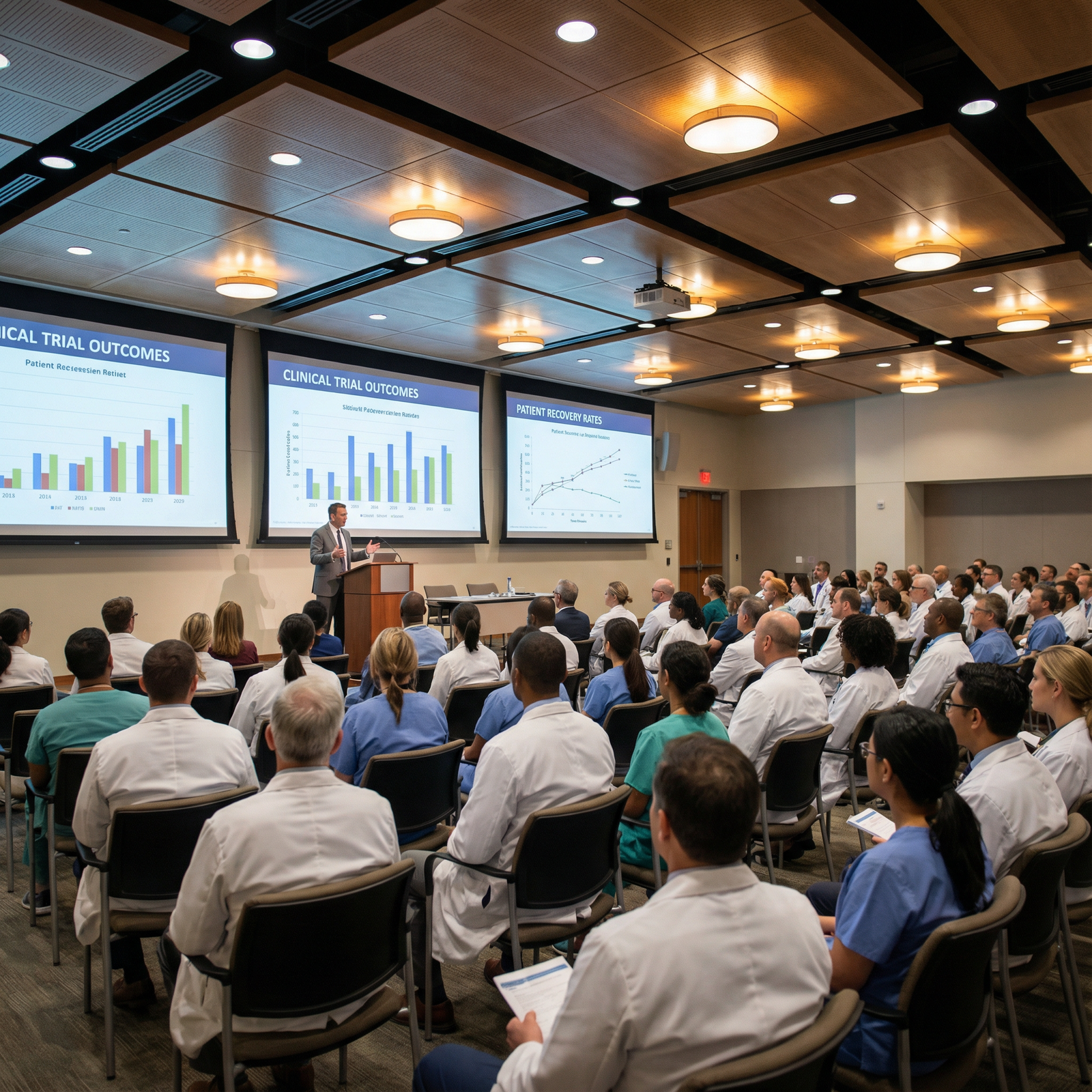
Live activities are synchronous educational events that happen at a specific date, time, and place. They remain a cornerstone of Healthcare Training, particularly for skills that benefit from direct interaction and hands-on practice.
Common Types of Live CME
a. Medical Conferences and Symposia
These are usually multi-day events organized by specialty societies, academic centers, or professional organizations.
Typical features:
- Plenary lectures and expert talks on cutting-edge topics
- Subspecialty tracks and breakout sessions
- Poster and abstract presentations
- Industry exhibits showcasing new devices, diagnostics, and therapies
Examples:
- American College of Cardiology (ACC) Annual Scientific Session
- American Academy of Family Physicians (AAFP) FMX
- Subspecialty symposia (e.g., neurocritical care, pediatric oncology updates)
Best for:
- Broad updates in your field
- Exposure to new research and technologies
- Networking and collaboration opportunities
b. Hands-On Workshops and Skills Labs
Workshops often focus on procedural skills or specific clinical competencies.
Examples:
- Ultrasound-guided central line placement
- Point-of-care ultrasound (POCUS) bootcamps
- Advanced airway management
- ECG interpretation or dermatoscopy workshops
These sessions often use mannequins, simulators, or standardized patients to practice techniques.
Best for:
- Residents and early-career clinicians who need supervised practice
- Experienced physicians updating older techniques or adopting new ones
c. Grand Rounds
Grand rounds are usually held in hospitals or academic centers on a recurring basis, often weekly.
Characteristics:
- Focus on complex cases, new guidelines, or controversial topics
- Presented by internal faculty or visiting experts
- Encourage active discussion and questioning
They serve as a bridge between research, guidelines, and real-world practice, with direct relevance to day-to-day patient care.
d. Panel Discussions and Expert Forums
These sessions bring together multiple specialists to discuss a single issue from different perspectives.
Examples:
- Multidisciplinary breast cancer management panel
- Ethical challenges in end-of-life care
- Health policy changes and their clinical impact
Best for:
- Exploring gray areas in clinical decision-making
- Understanding how different disciplines collaborate
Benefits of Live CME Activities
- Real-time interaction with recognized experts
- Networking with peers, mentors, and potential collaborators
- Immediate clarification of questions through Q&A
- Often includes case-based learning that mirrors clinical realities
Actionable tip:
When you attend a live conference, set three specific goals beforehand (e.g., “identify a new diabetes management tool,” “learn a procedural skill,” “meet two colleagues in my subspecialty”) to maximize impact and justify the time away from clinic.
2. Enduring Materials: On-Demand, Self-Paced CME
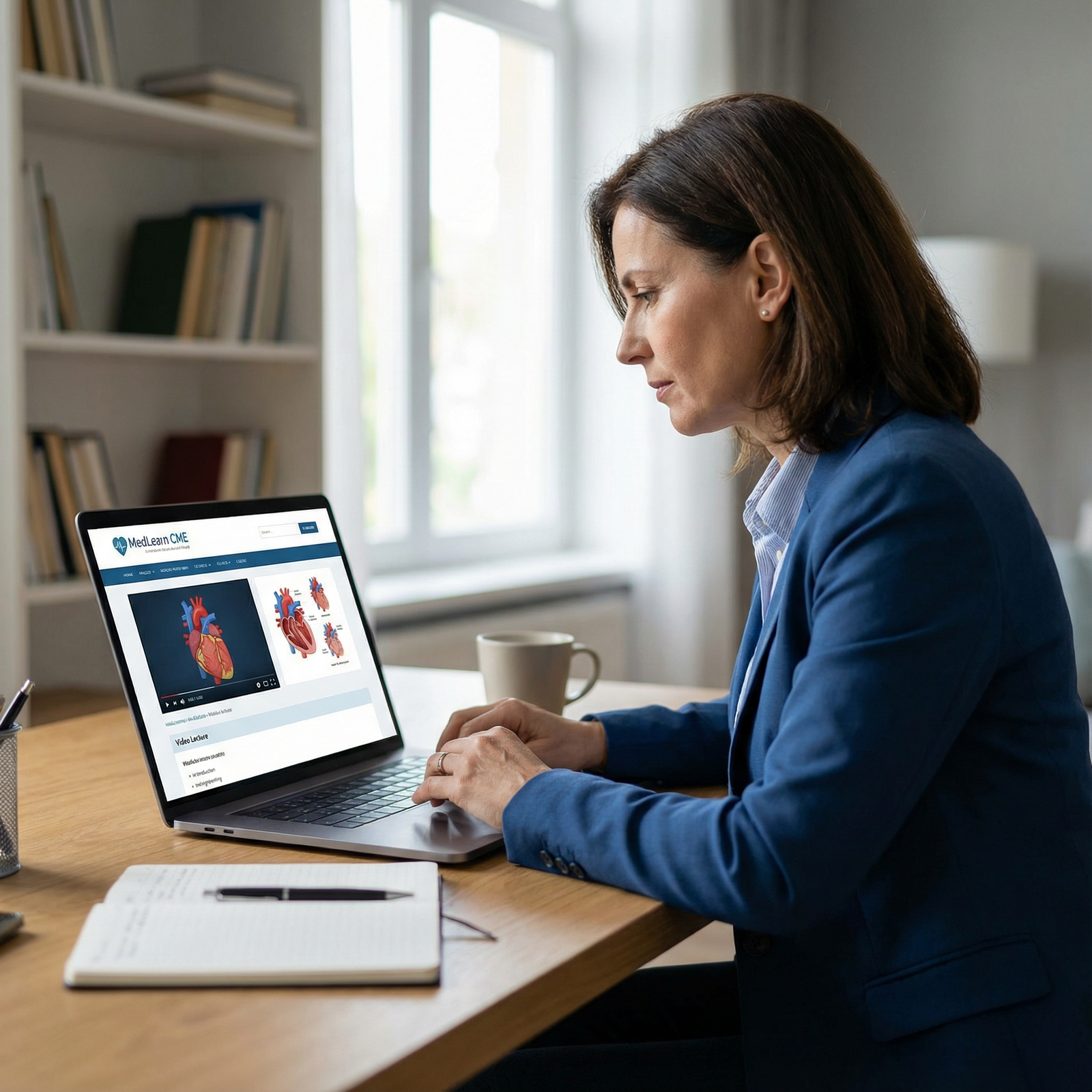
Enduring materials are CME activities that persist over time and can be accessed at the learner’s convenience. They are critical components of modern Online Learning and are ideal for clinicians with unpredictable schedules.
Forms of Enduring CME
a. Online CME Courses and Modules
These structured courses are delivered through web-based platforms and may include:
- Video lectures and recorded presentations
- Interactive case scenarios and branching logic
- Knowledge checks, quizzes, and post-tests
- Downloadable slide decks or summaries
Examples:
- Antibiotic stewardship modules
- Updated hypertension guideline courses
- Specialty board review series
Best for:
- Targeted updates on specific topics
- Residents and fellows preparing for board exams
- Busy clinicians needing flexible learning options
b. CME Podcasts and Audio Programs
Podcasts make it easy to learn while commuting, exercising, or between shifts.
Common formats:
- Expert interviews
- Journal article summaries and critical appraisals
- Clinical “pearls” or mini case discussions
Many specialty societies and academic centers now produce accredited CME podcasts.
Best for:
- Staying current with research in your field
- Reinforcing key concepts through repetition
c. Print and Digital Reading Materials
These include:
- CME-accredited journal articles
- Clinical guideline summaries with post-tests
- Monographs and clinical handbooks
Many peer-reviewed journals offer a “CME article of the month” with associated questions.
Best for:
- Clinicians who prefer reading and note-taking
- Deep dives into complex topics or guidelines
Advantages of Enduring Materials
- Anytime, anywhere access—ideal for shift workers and those with call responsibilities
- Self-paced learning—you can pause, repeat, and revisit critical segments
- Often includes formal assessments that reinforce learning
- Generally easier to track and document for CME requirements
Actionable tip:
Build a weekly “CME block” into your calendar, even just 30–45 minutes, devoted to completing one enduring material module. This turns Professional Development into a consistent habit instead of a last-minute scramble at renewal time.
3. Regularly Scheduled Series (RSS): Embedded Learning in Clinical Practice
Regularly Scheduled Series are recurring educational activities planned and presented by hospitals or academic departments, usually targeted to the same audience over time.
Common Types of RSS
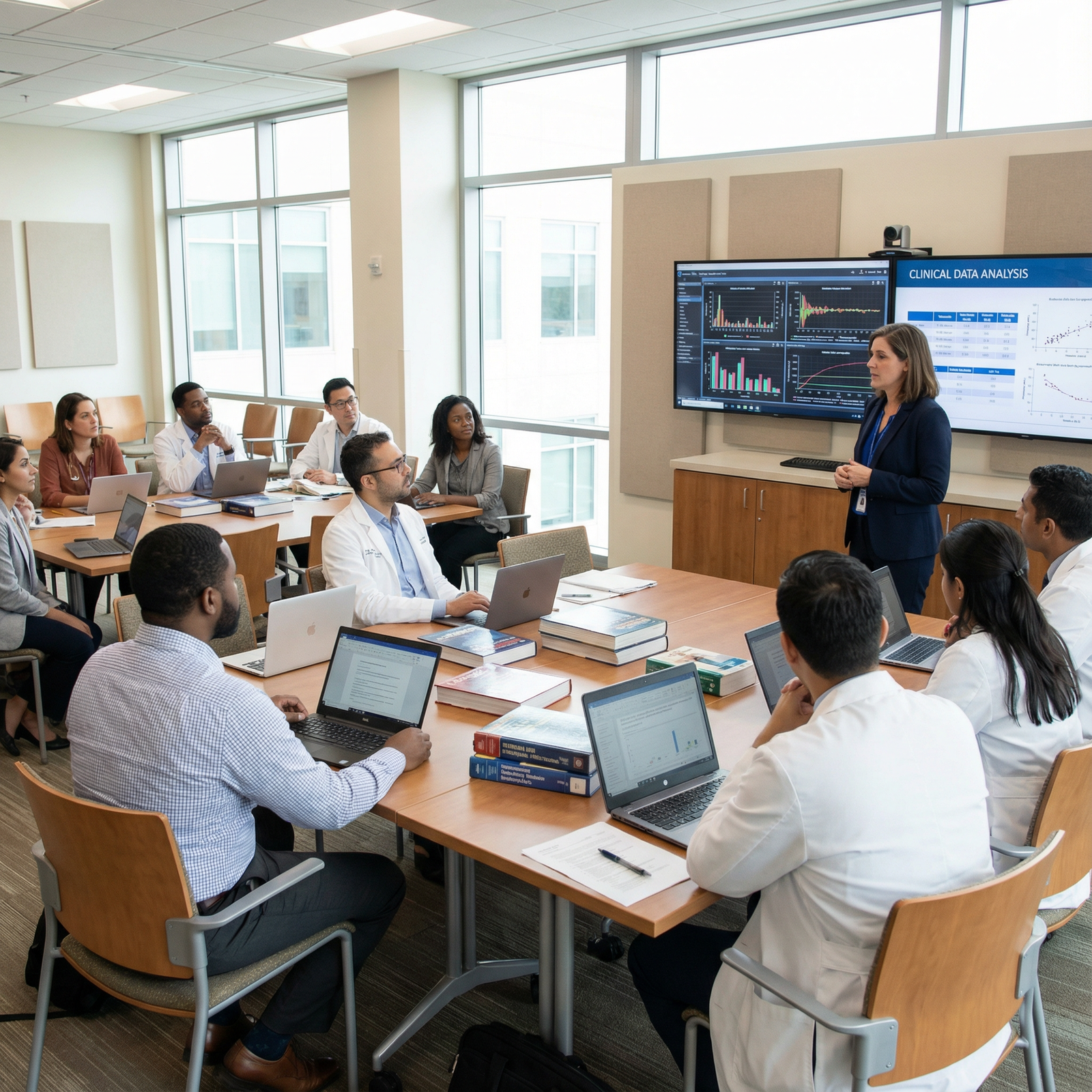
a. Journal Clubs
Journal clubs promote critical appraisal skills and evidence-based practice.
Typical structure:
- Selection of a recent, high-impact article
- Presentation of study design, results, and limitations
- Group discussion on applicability to local practice
Best for:
- Residents and fellows honing literature evaluation skills
- Practicing clinicians aligning care with the latest evidence
b. Case Review Meetings and Morbidity & Mortality (M&M) Conferences
These meetings focus on real patient cases, especially:
- Complex diagnostic dilemmas
- Adverse events or near-misses
- Unexpected outcomes
They provide:
- Opportunities to analyze systems issues
- Discussion of alternative management strategies
- Lessons learned for patient safety and quality improvement
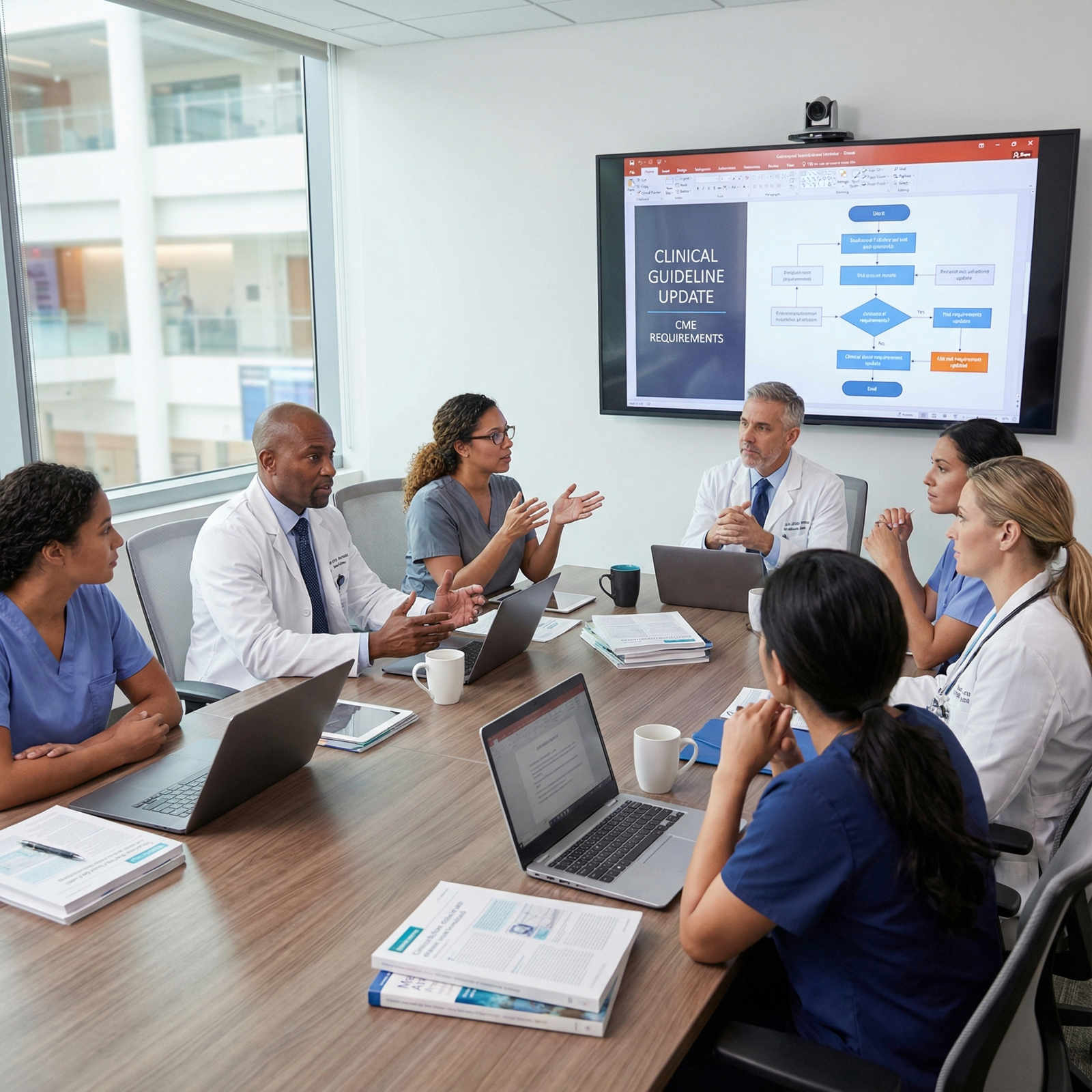
c. Patient Care or Tumor Boards
Multidisciplinary conferences where multiple specialists review and plan care for specific patients (e.g., oncology tumor boards, transplant listing meetings).
Benefits:
- Integrates expertise from different disciplines
- Promotes standardized, evidence-based treatment plans
- Provides CME credit while directly improving patient care decisions
Benefits of Regularly Scheduled Series
- Continuous learning embedded into the work environment
- Supports team-based and interprofessional education
- Encourages reflection on real-world practice, not just theoretical knowledge
- Often counted automatically toward CME by your institution
Actionable tip:
Volunteer to present at journal club or M&M at least once a year. Preparing the session deepens your understanding of a topic and demonstrates engagement in quality improvement—valuable for evaluations, promotions, and credentialing.
4. Online and Hybrid CME Activities: Flexible, Technology-Enhanced Learning
As digital technology has transformed Healthcare Training, Online Learning and hybrid formats have become mainstream. These activities combine the strengths of live interactions with the flexibility of virtual access.
Types of Online and Hybrid CME
a. Webinars and Virtual Grand Rounds
Webinars are live, online presentations delivered via conferencing platforms.
Key features:
- Real-time Q&A via chat or audio
- Polls, case scenarios, and interactive components
- Often recorded for later on-demand viewing (enduring material)
Examples:
- COVID-19 management updates
- New cardiovascular guidelines rollout
- Practice management or telemedicine best practices
b. Hybrid Conferences and Courses
Hybrid events offer both in-person and virtual participation options.
Benefits:
- Greater accessibility for international or rural clinicians
- Ability to attend key sessions remotely while reviewing others on-demand
- Reduced travel costs and time away from clinical duties
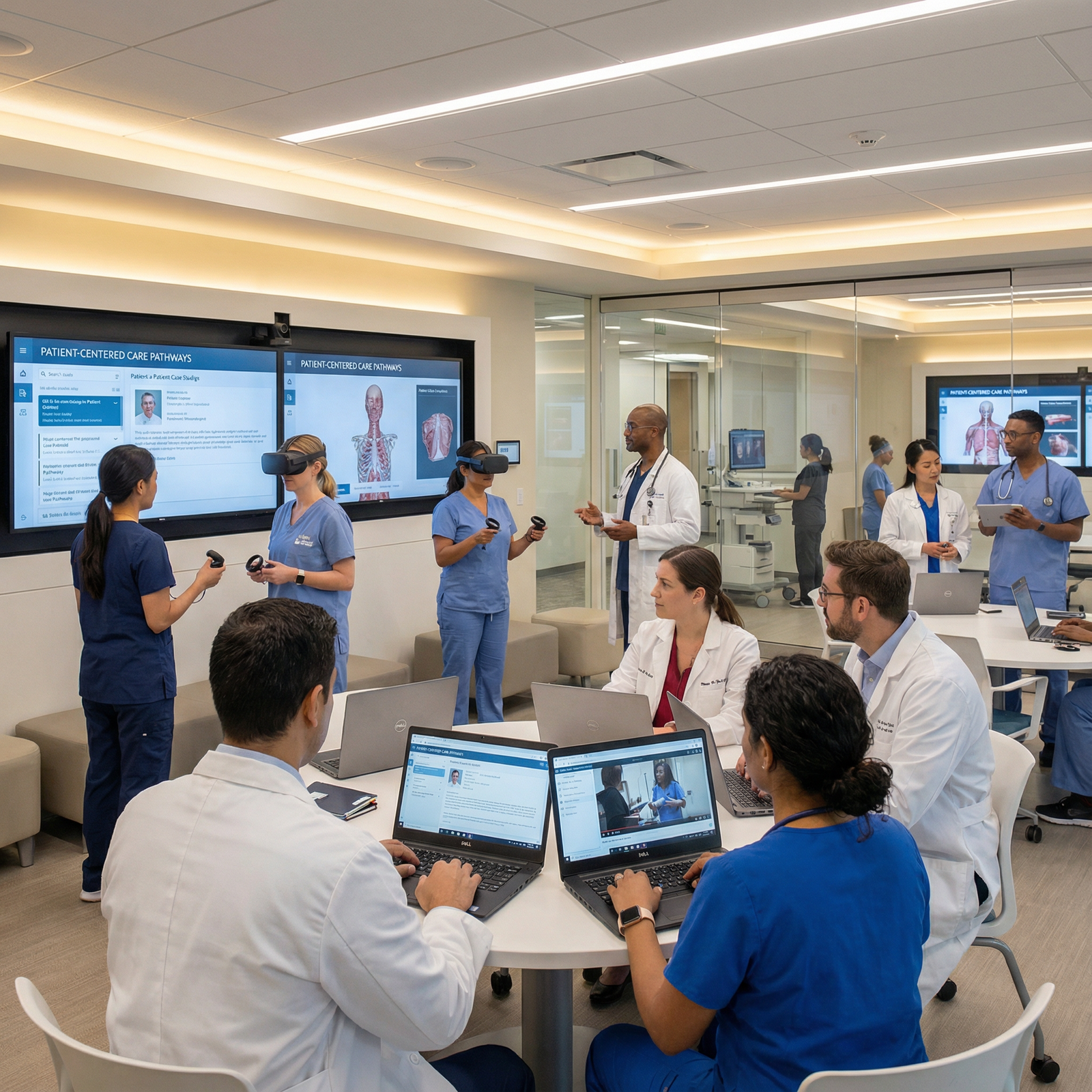
c. Virtual Simulations and Interactive Platforms
Increasingly, CME providers use:
- Virtual patient cases and branching decision trees
- Simulated EHR environments for documentation and order entry training
- Gamified modules with scoring and progress tracking
These interactive tools can be particularly effective for complex management scenarios (e.g., sepsis resuscitation, stroke pathways).
Advantages of Online and Hybrid Activities
- High accessibility regardless of geography
- Often cost-effective relative to large conferences
- Allow for microlearning—short, focused sessions that fit between tasks
- Recordings enable replay and review of dense topics
Actionable tip:
For major Medical Conferences that you can’t attend in person, consider registering for virtual passes or post-conference recorded packages. You’ll often gain access to a broad library of talks that you can work through over several months.
5. Self-Assessment, Performance Improvement, and Practice-Based CME
Some of the most powerful CME formats are those that directly connect learning to your own performance data and patient outcomes.
Self-Assessment CME
Self-assessment activities help you identify knowledge gaps and areas for growth.
Examples:
- Online question banks with explanations
- Board prep self-assessment modules
- Specialty society self-evaluation exams
Benefits:
- Objectively reveals strengths and weaknesses
- Guides selection of future CME topics
- Often recognized as higher-value credits by certifying boards
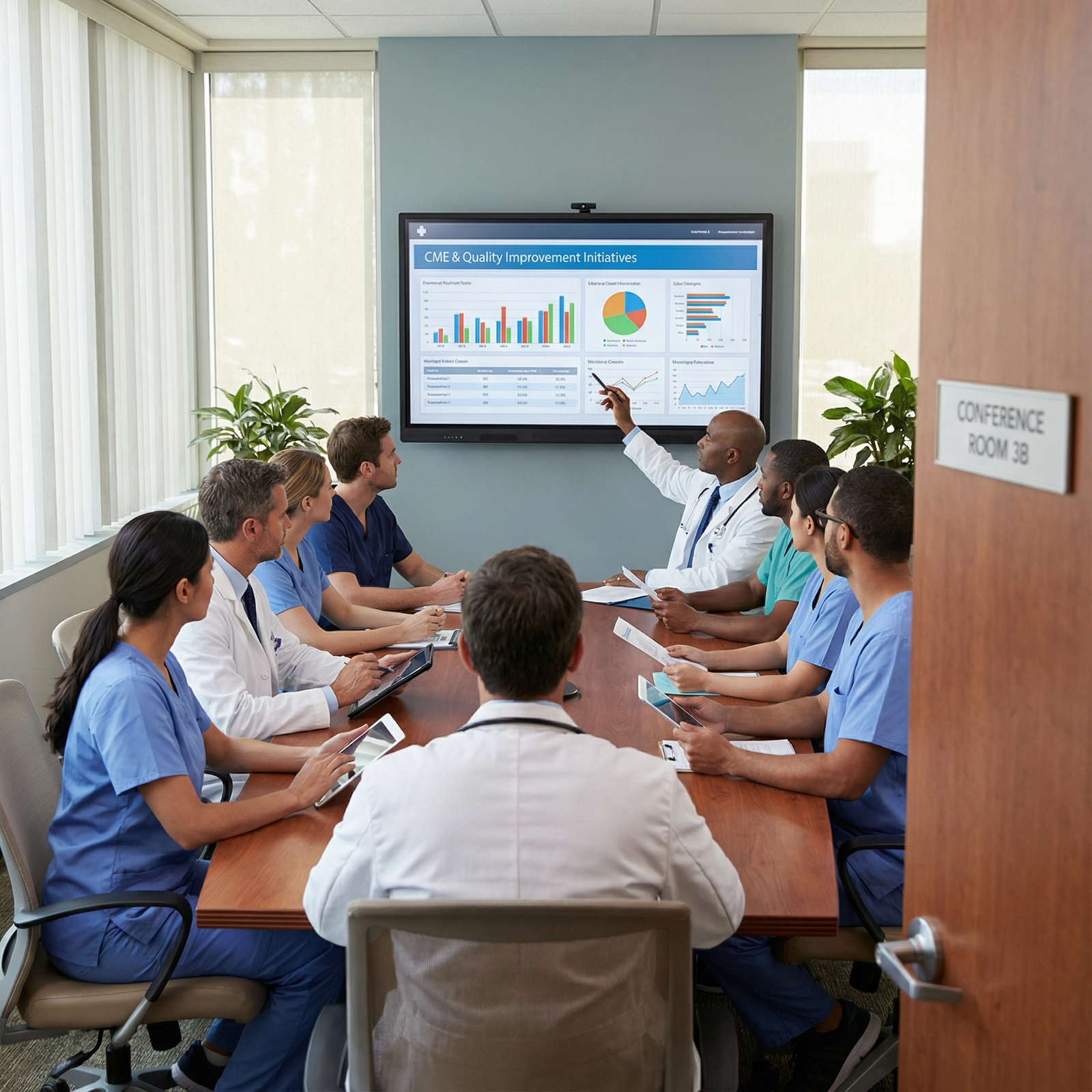
Performance Improvement CME (PI-CME) and Quality Improvement (QI) Projects
PI-CME links education with measurable change in clinical practice.
Typical steps:
- Identify a gap in your practice (e.g., low vaccination rates, delayed sepsis recognition).
- Collect baseline data on your current performance.
- Engage in targeted CME related to that clinical area.
- Implement changes (protocols, reminders, order sets, checklists).
- Re-measure outcomes to determine improvement.
Examples:
- Reducing inappropriate imaging for low back pain
- Increasing adherence to heart failure discharge bundles
- Improving diabetic foot exam documentation
Many boards and hospitals recognize PI-CME and QI projects not only for CME credits but also for maintenance of certification (MOC) and institutional quality metrics.
Benefits of Self-Assessment and PI-CME
- Directly tied to real-world patient care and outcomes
- Encourages reflective practice rather than passive knowledge acquisition
- Supports system-level improvements in safety and efficiency
- Highly valued in credentialing, reappointment, and leadership roles
Actionable tip:
Coordinate with your institution’s quality office or residency program leadership to align your QI or PI-CME project with existing priorities (e.g., readmission reduction, sepsis protocols). This increases institutional support and access to data.
Making the Most of CME: Strategy, Compliance, and Career Growth
Understanding the types of CME is only the first step. The real value comes from using CME strategically to support your career stage, learning needs, and regulatory requirements.
Align CME with Your Career Stage
Students and Residents
- Focus on core clinical knowledge, procedural skills, and exam preparation
- Engage in journal clubs, grand rounds, hands-on workshops, and question-based self-assessment
Early-Career Physicians
- Strengthen subspecialty expertise and practice management skills
- Attend key Medical Conferences for networking and visibility
- Begin PI-CME or QI activities that demonstrate leadership and initiative
Mid- and Late-Career Clinicians
- Prioritize updates in guidelines, innovations, and new technologies
- Use CME to explore leadership, teaching, or administrative roles
- Leverage Online Learning for flexibility around busy practices
Strategic Tips for Efficient CME Planning
Know your requirements early.
Check your state medical board, specialty board, and hospital credentialing policies at the beginning of your renewal cycle. Note:- Total CME hours required
- Category or topic-specific requirements (e.g., ethics, opioid prescribing, cultural competency)
- Deadlines and documentation rules
Build a multi-modal CME plan.
Combine:- 1–2 major conferences or symposia
- Regular RSS activities (grand rounds, journal club)
- Ongoing Online Learning modules and enduring materials
- At least one QI or PI-CME project per cycle if possible
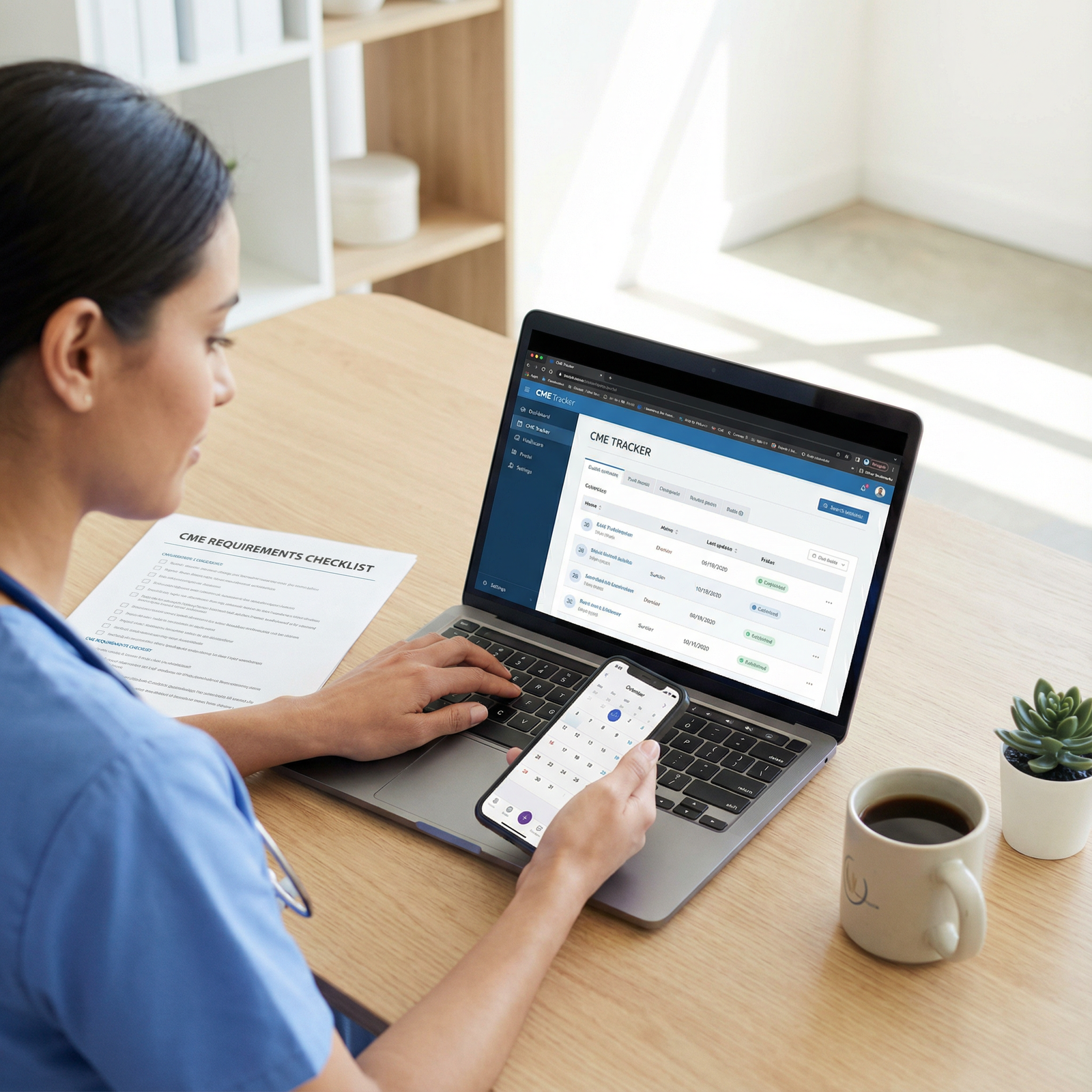
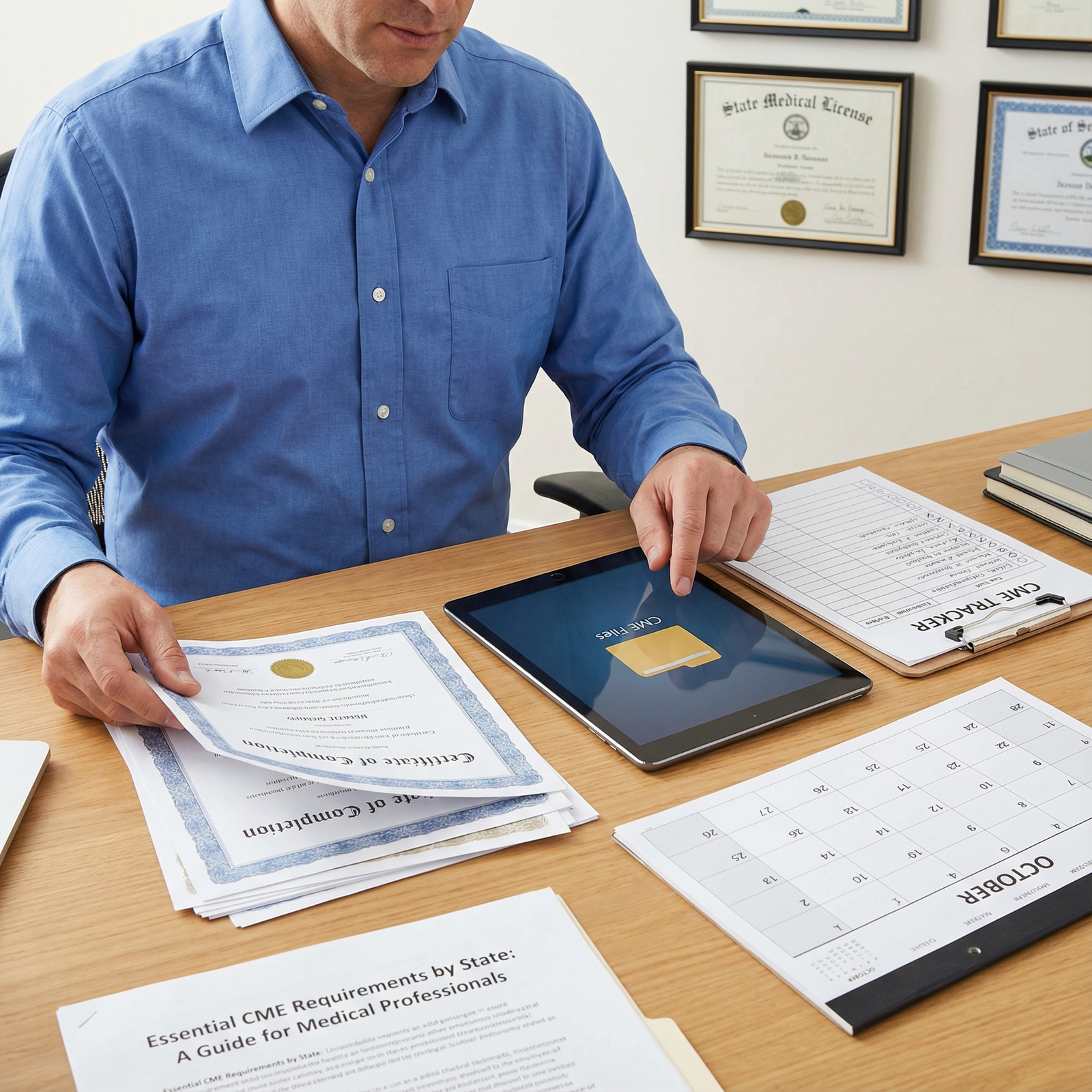
Track your credits consistently.
Use:- CME tracking apps or your specialty society’s portal
- An organized digital folder with certificates and transcripts
- Your institution’s CME office records, where available
Focus on practice-relevant content.
Choose topics that:- Address conditions you see frequently
- Fill known gaps in your performance or confidence
- Support new services or roles you’re taking on
Evaluate impact, not just hours.
After major CME events or courses, ask:- What will I change in my practice tomorrow or next week?
- What protocols, order sets, or checklists need updating?
- How can I share this knowledge with my team or trainees?
By being deliberate, CME shifts from a compliance burden to a powerful tool for continuous Professional Development and improved patient care.
Frequently Asked Questions About CME Activities
1. How many CME credits do I need, and who sets the requirements?
The number and type of CME credits you need depend on:
- Your state medical board (for license renewal)
- Your specialty board (for maintenance of certification)
- Your hospital or health system (for credentialing and privileging)
Typical ranges:
- State license renewal: often 20–50 hours per year (or 40–100 per cycle)
- Specialty boards: additional activity or “MOC” points, sometimes including self-assessment or PI-CME
Action step:
Visit your state board and specialty board websites annually to confirm current requirements; they can change over time.
2. Where can I find accredited CME activities that fit my schedule?
You can locate CME through:
- Specialty societies (e.g., ACP, ACOG, ACC, ACEP)
- Academic medical centers and teaching hospitals
- National and regional Medical Conferences
- Online CME platforms offering enduring materials, webinars, and podcasts
- Local medical societies and hospital CME departments
Search filters on many platforms allow you to sort by:
- Activity type (live, online, self-assessment, PI-CME)
- Topic or specialty
- Credit type (AMA PRA Category 1, AAFP, etc.)
- Format (podcast, video, interactive modules)
3. Can I complete all my CME credits online?
In many jurisdictions, yes—but not always.
Most boards now accept Online Learning and virtual CME for a large portion, and sometimes all, of required credits. However:
- Some states specify limits on certain formats or require in-person training for specific topics.
- Some boards may require a mix of traditional CME and practice-based or performance-improvement components.
Action step:
Review your board’s policy on acceptable activity types and any caps on online or enduring materials.
4. How do I track and document my CME participation effectively?
Common strategies:
- Save every certificate of completion as a PDF in a dedicated folder (labeled by year).
- Use CME tracking features provided by:
- Specialty societies
- State or hospital portals
- Commercial CME management apps
- Keep a simple spreadsheet logging:
- Date, title, provider, type of activity, and number of credits
Many boards and hospitals audit CME records, so maintain documentation for at least one or two full renewal cycles, depending on your local rules.
5. How do I choose which types of CME activities are best for me?
Consider:
- Learning style: Do you learn best through reading, listening, discussing cases, or hands-on practice?
- Schedule and lifestyle: Shift workers may prefer on-demand enduring materials and podcasts; clinic-based clinicians might attend regular grand rounds.
- Professional goals:
- Leadership track? Seek CME in management, communication, and QI.
- Academic career? Prioritize Medical Conferences, presenting at meetings, and PI-CME projects.
- Clinical excellence? Use self-assessment and case-based Online Learning to refine decision-making.
Ideally, use a balanced mix: some live or hybrid events for networking and interaction, plus ongoing online and practice-based CME to maintain momentum throughout the year.
Continuing Medical Education is not just a formal requirement—it's an essential framework for lifelong learning, patient safety, and professional growth. By understanding the full spectrum of CME activities and selecting the right mix for your needs, you can stay current, enhance your skills, and deliver consistently high-quality care in a rapidly evolving healthcare environment.