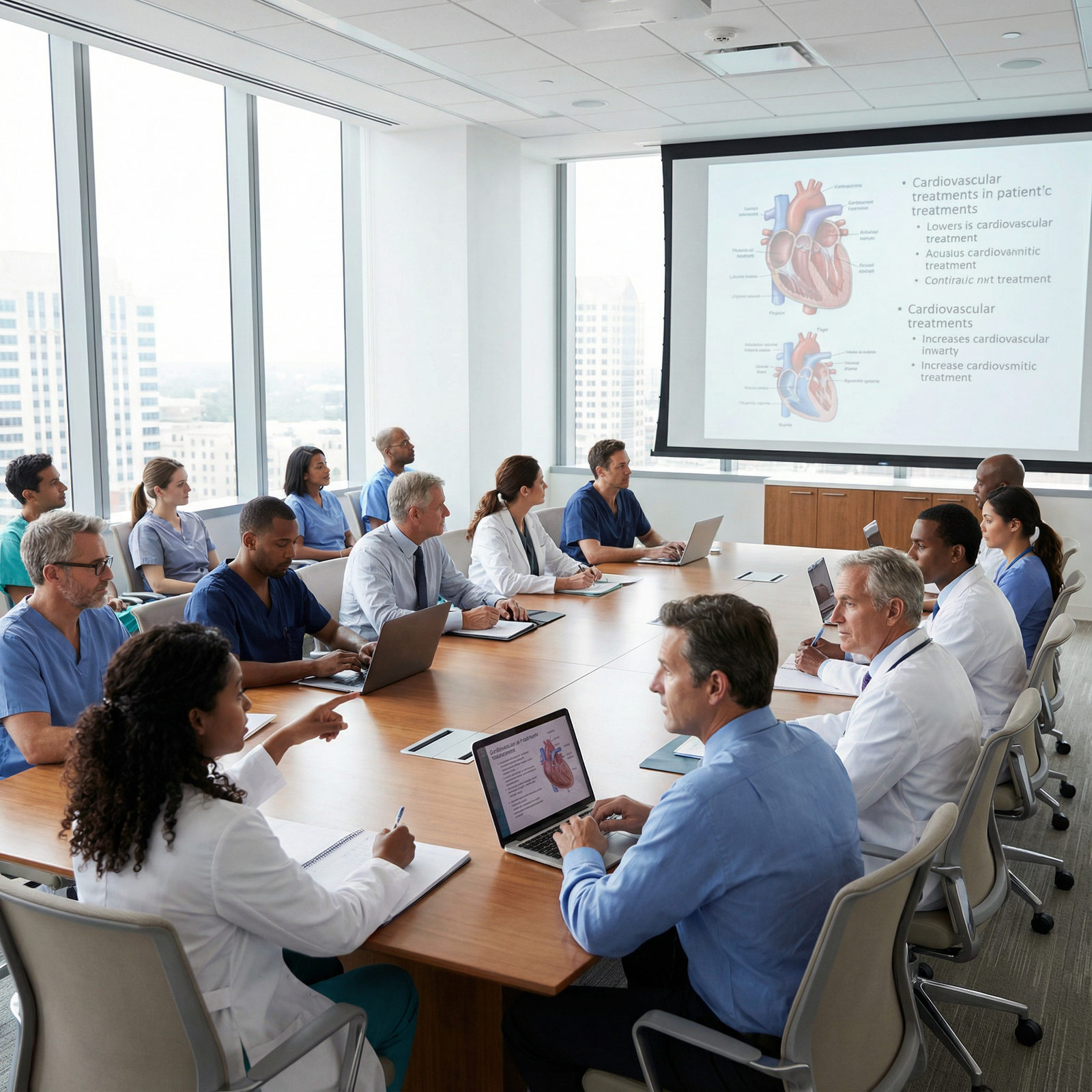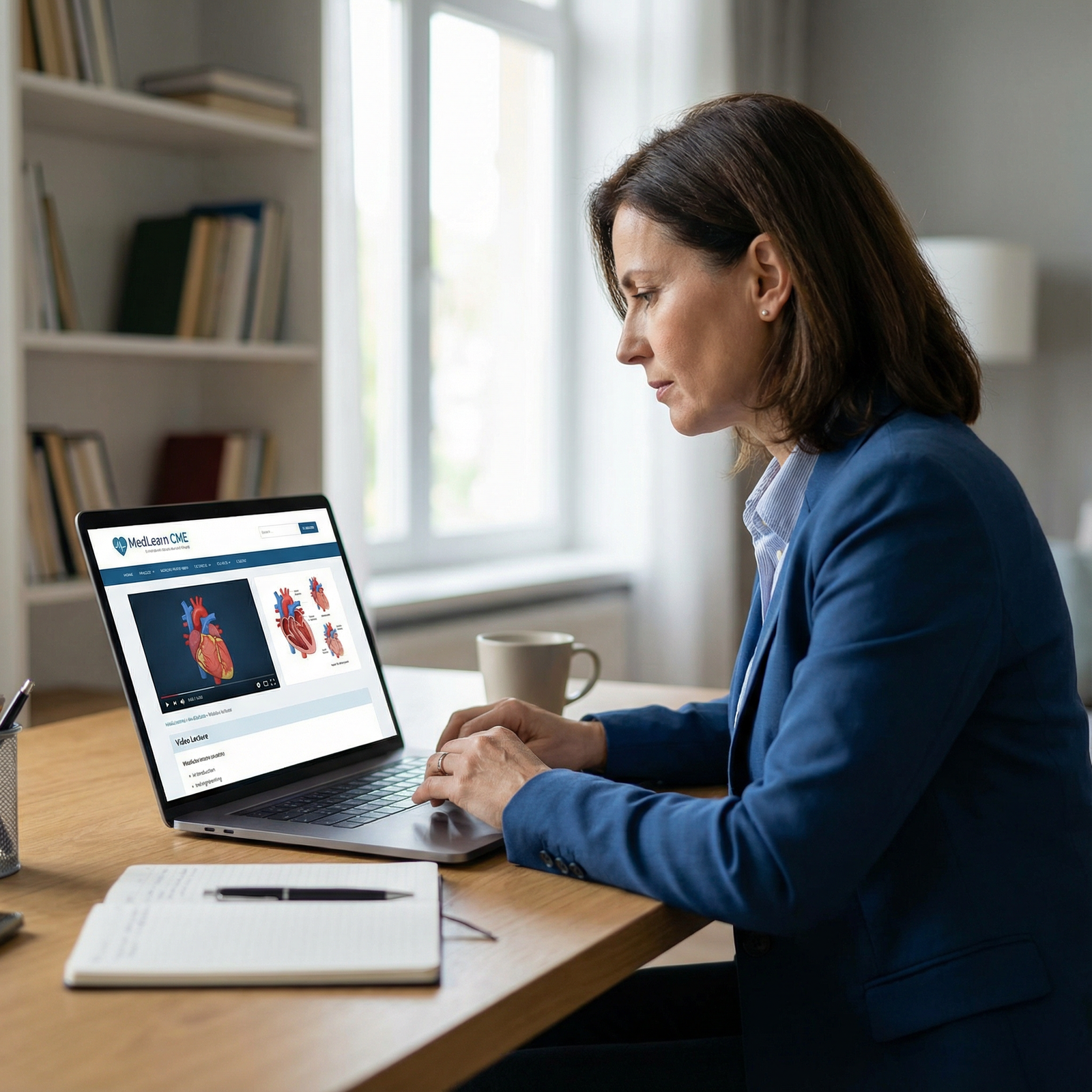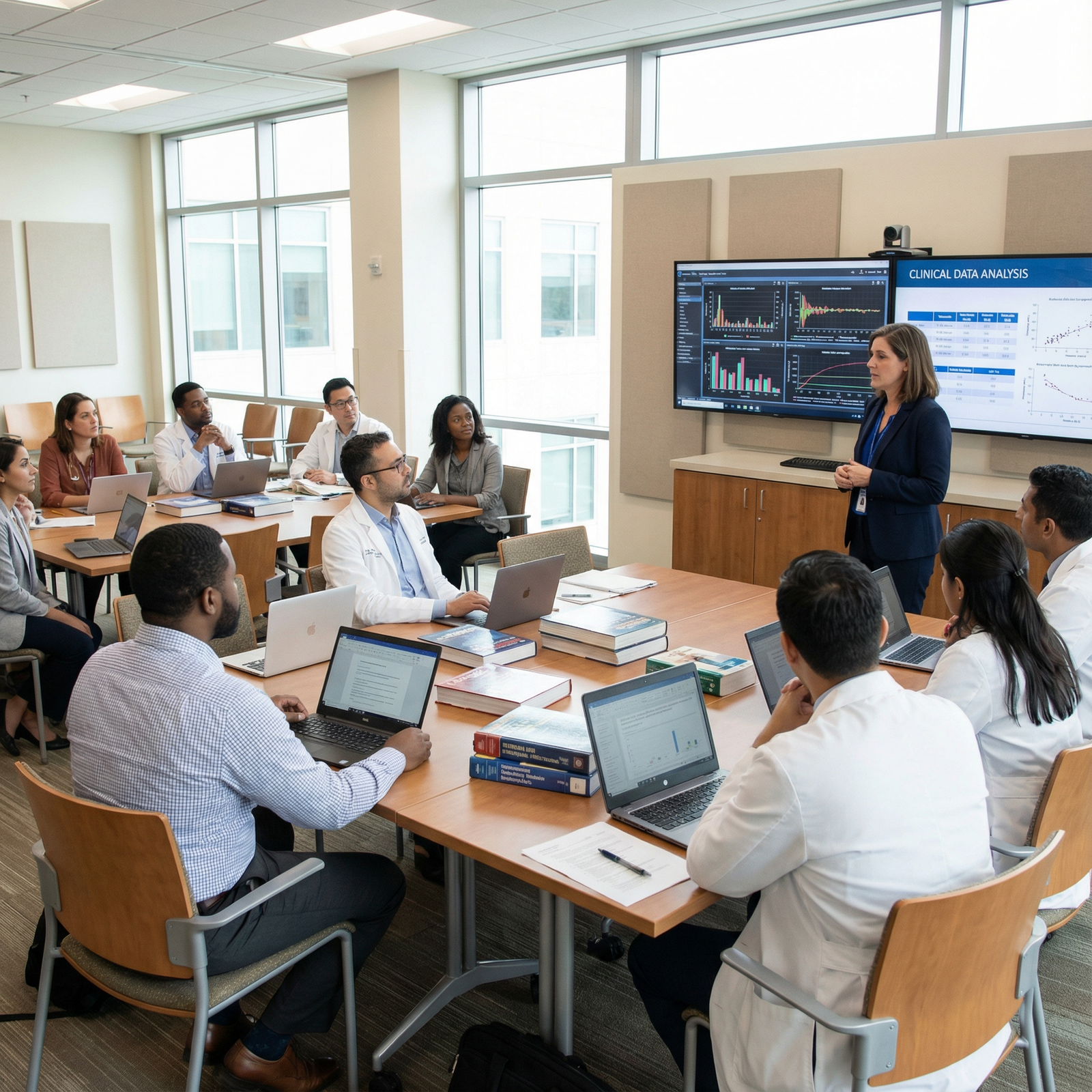
Continuous Medical Education (CME) is often viewed as a box to check for licensure renewal, but for many physicians it becomes a powerful catalyst for Career Advancement, practice innovation, and personal renewal. When approached strategically, CME can reshape a professional trajectory, open unexpected doors, and reignite a sense of purpose in medicine.
This enhanced guide explores how CME has transformed the careers of multiple physicians through detailed success stories, and offers practical advice to help you use CME as a deliberate tool for growth—whether you’re a medical student, resident, early-career physician, or seasoned healthcare professional.
The Strategic Role of CME in Modern Medical Careers
Continuous Medical Education has always been central to safe, effective practice. Today, in a rapidly evolving healthcare landscape—AI, telemedicine, new therapeutics, changing payment models—CME is also a powerful engine for professional reinvention.
CME as More Than a Requirement: A Career Strategy
Most state medical boards, specialty boards, and hospitals require a minimum number of CME credits over a defined period. However, the physicians who see the biggest returns don’t treat CME as a compliance task—they treat it as a strategic investment.
Done well, CME helps you:
- Identify and develop niche expertise
- Transition into new clinical areas or leadership roles
- Improve measurable patient outcomes and quality metrics
- Build a professional brand inside and outside your institution
- Protect against burnout by reconnecting with your interests and values
Instead of asking, “What do I need to complete for my CME this year?” a more powerful question is, “What do I want my career to look like in 3–5 years, and which CME activities will move me toward that vision?”
Maintaining Clinical Excellence in a Changing Environment
Medicine is now defined by rapid change: new guidelines, novel therapies, digital tools, and evolving expectations from patients and payors. CME is the structured mechanism that helps healthcare professionals keep up.
High-yield areas where CME often leads directly to improved care and outcomes include:
Updated clinical guidelines
For example, CME modules on heart failure, diabetes, or lipid management can ensure you are implementing the latest evidence-based recommendations rather than outdated protocols.New technologies and diagnostics
Courses on point-of-care ultrasound, genomic testing, or AI-assisted imaging can help you adopt tools that improve diagnostic accuracy and efficiency.Quality improvement and patient safety
CME programs on sepsis bundles, handoff communication, or medication safety can translate directly into safer systems and fewer adverse events.Health systems science and value-based care
Understanding population health, care coordination, and value-based payment models can give you an edge in leadership and quality roles.
When you deliberately align your CME choices with emerging trends and your own interests, you build a portfolio that not only satisfies requirements but also future-proofs your career.
Key Benefits: Knowledge, Skills, and Professional Identity
Enhanced Knowledge and Practical Skills
Targeted CME can help you:
- Develop subspecialty-level competence within your field (e.g., chronic pain in primary care, perinatal psychiatry, sports cardiology)
- Gain procedural skills (e.g., joint injections, IUD placement, bedside ultrasound)
- Learn non-clinical skills essential for modern practice (e.g., billing and coding, EHR optimization, quality improvement methodology)
Over time, this deliberate upskilling positions you as a local or regional expert, making you a go-to resource in your institution or community.
Networking, Mentorship, and Collaboration
Many high-quality CME activities—conferences, workshops, case-based seminars—are rich networking environments. These gatherings can lead to:
- Mentorship relationships with leaders in your field
- Research or quality improvement collaborations
- Invitations to speak, teach, or join committees
- Awareness of fellowships, leadership programs, or new positions
For residents and early-career physicians especially, attending CME events with an intentional plan to meet people can be a turning point in shaping a professional network.
From Theory to Real-World Impact
The true value of CME is not the certificate but the changes in your practice:
- Adopting new treatment pathways
- Redesigning workflows for better patient flow
- Integrating digital health tools into routine care
- Improving documentation and coding for accurate reimbursement
The physicians in the success stories below did exactly this—they used CME to move from passive learning to active transformation.

Success Story 1: Dr. Samantha Lee – Elevating Primary Care Through Focused CME
Dr. Samantha Lee, a family medicine physician in a busy community clinic, began to feel stuck. Despite years of experience, her chronic disease population—patients with diabetes, hypertension, and heart failure—had persistently suboptimal outcomes. Quality dashboards showed missed targets, and she felt frustrated and ineffective.
Instead of resigning herself to “this is just how it is,” she decided to use CME strategically.
Choosing CME with a Clear Outcome in Mind
Dr. Lee identified chronic disease management as both a major pain point and a potential growth area. She enrolled in a comprehensive CME program focused on:
- Evidence-based diabetes management, including newer agents and combination therapies
- Resistant hypertension and cardiovascular risk reduction
- Motivational interviewing and behavioral change strategies
- Population health tools for panel management
The program included online modules, live virtual case conferences, and quality improvement coaching—allowing her to integrate learning with real data from her own patient panel.
How CME Changed Her Practice Step by Step
Translating New Knowledge into Protocols
After completing the modules:- She updated her clinic’s diabetes and hypertension management algorithms, now incorporating SGLT2 inhibitors and GLP-1 receptor agonists where appropriate.
- She worked with nursing and pharmacy staff to standardize follow-up intervals, lab monitoring, and medication titration protocols.
Building a Multidisciplinary Chronic Care Model
Based on examples from the CME course:- She helped launch shared medical visits for diabetes education.
- She collaborated with a dietitian and clinical pharmacist to create a chronic disease “care team.”
- She introduced brief, structured motivational interviewing into routine visits.
Measurable Outcome Improvements
Within 12–18 months, clinic metrics showed:- A higher percentage of patients with A1c at goal
- Improved blood pressure control rates across the panel
- Reduced diabetes-related ED visits and hospitalizations
These changes were not theoretical—they showed up on the quality dashboard, in patient surveys, and in day-to-day clinic flow.
Career Advancement and New Roles
Dr. Lee’s results were noticed:
- She was asked to present her chronic disease management model at her health system’s quality summit.
- She became the primary care lead for chronic disease initiatives, with protected time for QI work.
- She co-developed an internal CME workshop to train other healthcare professionals in her system on chronic disease management.
This path positioned her for future roles in population health leadership and gave her a renewed sense of purpose. What started as a CME decision became a turning point in her career and in her patients’ lives.
Success Story 2: Dr. Michael Chen – Using CME to Pivot into Telemedicine and Digital Health
Dr. Michael Chen had built a successful career as an emergency physician, but after a decade of shift work, he felt the strain of nights, weekends, and limited flexibility. At the same time, he was fascinated by the rapid growth of telemedicine and virtual care.
CME became his structured pathway to explore and then move into this emerging field.
Using CME to Explore a New Career Direction
Instead of making an abrupt change, Dr. Chen began by enrolling in targeted CME activities:
- Introductory courses on telehealth regulations, licensure, and reimbursement
- Workshops on virtual physical exams and documentation standards
- Sessions on digital health platforms, remote monitoring, and cybersecurity
- Webinars on building hybrid (in-person + virtual) care models
This gave him a broad, practical foundation: not just technology, but also compliance, workflows, and patient experience.
From Learning to Launching a Telehealth Service
CME equipped Dr. Chen with the knowledge and confidence to act:
Designing a Pilot Program
With the support of his group:- He proposed a tele-triage and follow-up program for low-acuity ED discharges.
- He developed protocols for which conditions were suitable for virtual visits.
- He used templates from CME resources to create telehealth documentation and informed consent processes.
Building the Infrastructure
Leveraging what he learned:- He helped choose a HIPAA-compliant telehealth platform.
- He trained colleagues on virtual visit etiquette, privacy, and clinical assessment techniques.
- He incorporated remote monitoring devices (e.g., home BP cuffs, pulse oximeters) for select patients.
Expanding Access to Rural and Underserved Patients
As the program grew:- They added after-hours virtual urgent care.
- Rural clinics partnered with his team, enabling remote specialist consults.
- Patients who struggled with transportation or childcare used virtual visits to maintain continuity.
Quality and patient satisfaction metrics improved, and the program rapidly expanded.
Becoming a Leader in Telemedicine and Digital Health
As his expertise grew, so did his opportunities for Career Advancement:
- He was invited to join a hospital system committee for digital health strategy.
- Other organizations sought his input as a consultant for building or scaling telehealth programs.
- He co-founded a networking group of physicians interested in telemedicine, sharing protocols, workflows, and lessons learned.
CME had done more than keep him current—it provided a bridge into a new, sustainable career niche aligned with his interests and lifestyle goals. Dr. Chen became a prime example of how medical training plus focused Continuous Medical Education can support a major career pivot within healthcare.
Success Story 3: Dr. Lisa Reynolds – Combating Burnout and Redefining Work Through CME
A successful psychiatrist in a high-volume outpatient practice, Dr. Lisa Reynolds found herself emotionally depleted. Long days, administrative burdens, and complex cases had taken their toll. She cared deeply about her patients, but her own well-being was suffering.
Recognizing the risk of burnout, she turned to CME—not for another diagnostic update, but for skills in physician wellness and resilience.
Selecting CME Aligned with Personal Well-Being
Dr. Reynolds intentionally chose CME activities that focused on:
- Mindfulness-based stress reduction (MBSR) for clinicians
- Evidence-based approaches to physician burnout and moral injury
- Boundary setting, time management, and values-based decision making
- Techniques for integrating mindfulness and self-compassion into clinical encounters
Her goal was dual: improve her own mental health and bring these tools into her clinical and institutional environment.
Transforming Her Practice and Personal Life
Integrating Mindfulness Into Patient Care
After her training:- She incorporated brief grounding exercises at the start of select sessions.
- She taught patients simple breath and body-awareness techniques as adjuncts to therapy.
- She redesigned her session structure to create “micro-pauses” between patients, preventing emotional carryover.
Improving Work-Life Harmony
Using strategies from CME:- She restructured her schedule to reduce late-evening sessions.
- She set clearer boundaries around email and after-hours communication.
- She implemented brief daily self-reflection and gratitude practices.
The changes were incremental but powerful. Within months, her sense of exhaustion decreased, and her empathy and satisfaction rebounded.
- Creating Wellness Programs for Colleagues
Inspired by her own growth, Dr. Reynolds:
- Developed a CME-accredited workshop series on physician well-being and stress management.
- Collaborated with her hospital’s GME office to offer wellness sessions for residents and fellows.
- Helped create peer support and Balint-style groups for clinicians.
Recognition and Broader Impact
Her work attracted both local and national attention:
- She was invited to join her institution’s Physician Well-Being Committee.
- She presented her wellness initiatives at regional and national conferences.
- She contributed to toolkits and online modules used by other healthcare professionals.
CME not only helped her recover from burnout but also allowed her to build a new professional identity as a leader in clinician wellness—impacting colleagues across disciplines and institutions.
How to Use CME Intentionally for Your Own Career Transformation
The experiences of Drs. Lee, Chen, and Reynolds demonstrate how Continuous Medical Education can be a powerful lever for change. To harness that potential in your own career, consider a more strategic approach.
1. Clarify Your Career Goals Before Choosing CME
Ask yourself:
- What do I want to be known for clinically in 3–5 years?
- Do I want to move toward leadership, education, research, administration, or entrepreneurship?
- What aspects of my current work energize me—and what drains me?
- Are there emerging fields (e.g., telehealth, AI, palliative care, addiction medicine) that genuinely interest me?
Use your answers to guide your CME portfolio. For example:
- Interested in leadership? Look for CME on healthcare management, quality improvement, communication, and change management.
- Considering a niche clinic or new service line? Seek in-depth CME on that disease area plus implementation science or clinic design.
- Facing burnout? Prioritize CME on resilience, time management, and boundary setting.
2. Choose High-Impact CME Formats
Not all CME is created equal. Consider emphasizing:
- Case-based and interactive formats – Small groups, workshops, and simulations often lead to higher retention and practical application than passive lectures.
- Longitudinal programs – Multi-week or multi-month curricula (rather than one-off talks) help support real behavior change.
- CME with implementation support – Programs that provide toolkits, workflows, coaching, or QI support can accelerate practice transformation.
- Interprofessional education – Learning alongside nurses, pharmacists, and other healthcare professionals can improve team-based care.
3. Translate Learning Into Action
To ensure that CME leads to Career Advancement and tangible impact:
- Identify 1–3 specific changes you will implement after each major CME activity.
- Block time on your calendar within 2 weeks of the course to plan and begin those changes.
- Track metrics where possible (e.g., clinical outcomes, patient satisfaction, workflow efficiency).
- Share what you’ve learned with colleagues—this can lead to teaching opportunities and leadership roles.
4. Document and Showcase Your CME-Driven Achievements
For residents, job-seeking physicians, or those pursuing promotion:
- Maintain a portfolio of CME activities, including:
- Course titles and providers
- Skills/topics learned
- Resulting projects, QI initiatives, or practice changes
- Highlight CME-related achievements in:
- CV and personal statements
- Annual reviews and promotion packets
- Interview responses and networking conversations
Framing your CME as part of a deliberate narrative—“I became interested in X, pursued focused CME, implemented Y changes, and achieved Z results”—positions you as a proactive, growth-oriented professional.

Frequently Asked Questions About CME and Career Advancement
What is Continuous Medical Education (CME), and who needs it?
Continuous Medical Education (CME) refers to structured educational activities designed to maintain, develop, and enhance the knowledge, skills, and professional performance of physicians and other healthcare professionals. Most licensed physicians, regardless of specialty, are required by:
- State medical boards
- Specialty boards (for Maintenance of Certification)
- Hospitals and health systems
- Professional societies
to complete a specific number of CME credits within defined time periods to maintain licensure, certification, and privileges.
How can CME realistically contribute to my career advancement?
CME can support Career Advancement in several practical ways:
- Clinical differentiation: Developing niche expertise (e.g., advanced heart failure, adolescent psychiatry, sports medicine) can make you the “go-to” person in your practice or region.
- Leadership preparation: CME in healthcare management, quality, and communication can prepare you for roles such as department chair, medical director, or QI lead.
- Career transitions: Focused CME can help you pivot into new areas like telemedicine, informatics, palliative care, or medical education.
- Academic growth: CME that leads to QI projects, posters, or presentations can build an academic portfolio for promotion.
In each case, the key is to connect your CME choices to a clear career goal and then translate learning into concrete projects and outcomes.
What types of CME activities are available, and which are most valuable?
Common CME formats include:
- Live conferences and symposia
- Online modules and self-paced courses
- Webinars and virtual workshops
- Hands-on simulation and procedural labs
- Case conferences, grand rounds, and tumor boards
- Quality improvement or performance improvement CME (PI-CME)
The “most valuable” format depends on your goals:
- For skills and procedures: hands-on workshops and simulation.
- For practice change and system redesign: QI-focused CME with implementation support.
- For flexibility and convenience: high-quality online modules and virtual conferences.
- For networking and mentorship: in-person or live virtual conferences and workshops.
How can residents and early-career physicians use CME strategically?
Although residents typically fulfill education requirements through their training program, approaching CME with intention can give you a head start:
- Use elective time and conference allowances to attend CME aligned with your desired subspecialty or career niche.
- Join workshops on topics often underemphasized in residency, such as financial literacy, contract negotiation, leadership, or wellness.
- Seek CME opportunities that include mentorship or networking with leaders in your field.
- Document projects, QI initiatives, or teaching activities that result from your CME—these can strengthen fellowship and job applications.
Is CME only about clinical knowledge, or can it help with non-clinical skills too?
CME has expanded far beyond purely clinical updates. Many high-quality CME programs now cover:
- Leadership and management in healthcare
- Communication and conflict resolution
- Health policy, population health, and value-based care
- Medical education and teaching skills
- Informatics, EHR optimization, and AI in medicine
- Physician wellness, resilience, and burnout prevention
- Entrepreneurship, innovation, and practice management
These non-clinical areas are increasingly vital for healthcare professionals who want to shape systems of care, lead teams, protect their well-being, and build sustainable, rewarding careers.
Continuous Medical Education is not just a regulatory obligation—it is one of the most powerful tools you have to shape your professional future. Whether you are elevating care for complex patients like Dr. Lee, pivoting into digital health like Dr. Chen, or rebuilding your sense of purpose like Dr. Reynolds, thoughtful CME choices can open doors, create new Success Stories, and keep your medical training relevant in a rapidly changing world.
When you approach CME with clear goals, choose high-impact activities, and turn learning into action, you move from simply maintaining your license to actively designing the next chapter of your career in medicine.