Introduction: Couples Match as a Shared Professional Journey
The road to residency is demanding for every medical student. When you add a committed relationship and the desire to train in the same city (or even the same institution), the pressure can feel amplified. Yet every year, thousands of medical couples successfully navigate the Couples Match and launch their careers side by side.
The Couples Match, offered through the National Resident Matching Program (NRMP), allows two applicants to link their rank lists so that the algorithm attempts to place them in programs according to their combined preferences. While this can significantly improve the chance of training together, it also introduces additional layers of planning, compromise, and communication.
This article explores real-world success stories from residents who went through the Couples Match, highlighting the challenges they faced and the strategies that worked. Along the way, you’ll find practical, actionable advice on planning, ranking, networking, and staying grounded emotionally—so you can approach your own residency applications with clarity and confidence.
Understanding the Couples Match: How It Works and What It Means
Before diving into the stories, it’s important to understand the mechanics and implications of the Couples Match so you can use the system to your advantage.
What Is the Couples Match?
The NRMP Couples Match is a feature that allows two applicants—typically in a romantic relationship, but not necessarily—to link their rank order lists. Instead of ranking programs individually, they rank pairs of program outcomes (e.g., “Program A – Program X” as rank #1, “Program B – Program Y” as rank #2, etc.).
The algorithm then tries to match the pair to the highest-ranked combination where both individuals can be placed. You do not need to match at the same hospital; you can rank combinations that are:
- Same institution (e.g., both at University Hospital)
- Same city (e.g., one at City Medical Center, one at County Hospital)
- Same region (e.g., different cities within commuting distance)
- Or even, as a final backup, in separate cities if you choose
There is no guarantee that you will both match together, but couples who plan strategically and rank widely often achieve mutually acceptable outcomes.
Key Features of the Couples Match
Linked Rank Lists
Instead of a single list, you jointly create a list of paired preferences. This can result in a very long list—but that’s often necessary and beneficial.Shared Decision-Making
Every rank combination reflects a joint decision, blending two sets of career goals, lifestyle priorities, and geographic preferences.Trade-Offs and Flexibility
Because the algorithm is trying to satisfy two applicants simultaneously, you may need to broaden your geographic range, consider a wider variety of programs, or think more flexibly about perceived “tiers.”Higher Coordination, Higher Reward
The process demands more communication and planning than an individual Match, but it also offers the uniquely meaningful reward of starting residency alongside your partner.
Success Story 1: Balancing Priorities and Compromise Across Specialties
Dr. Sarah and Dr. John entered the Couples Match with clearly defined but different career goals. Sarah loved pediatrics and was focused on strong academic children’s hospitals. John was drawn to internal medicine and was considering both community-based and university-affiliated programs. Their shared dream: live—and hopefully train—in the same metropolitan area.
How They Approached Their Couples Match Strategy
They began by each creating independent wish lists:
- Sarah listed pediatric programs with strong NICU and subspecialty exposure.
- John listed internal medicine programs known for strong fellowship placement.
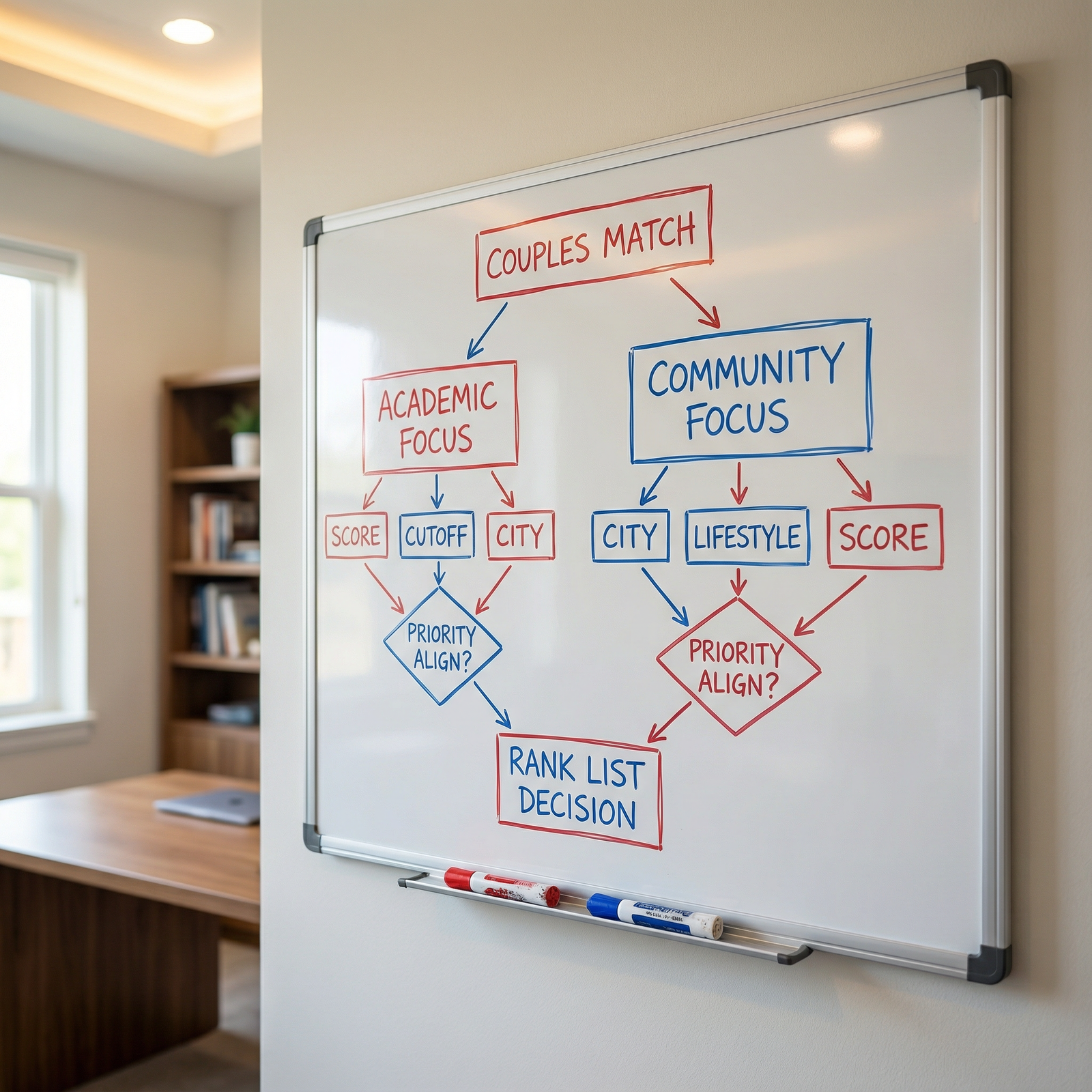
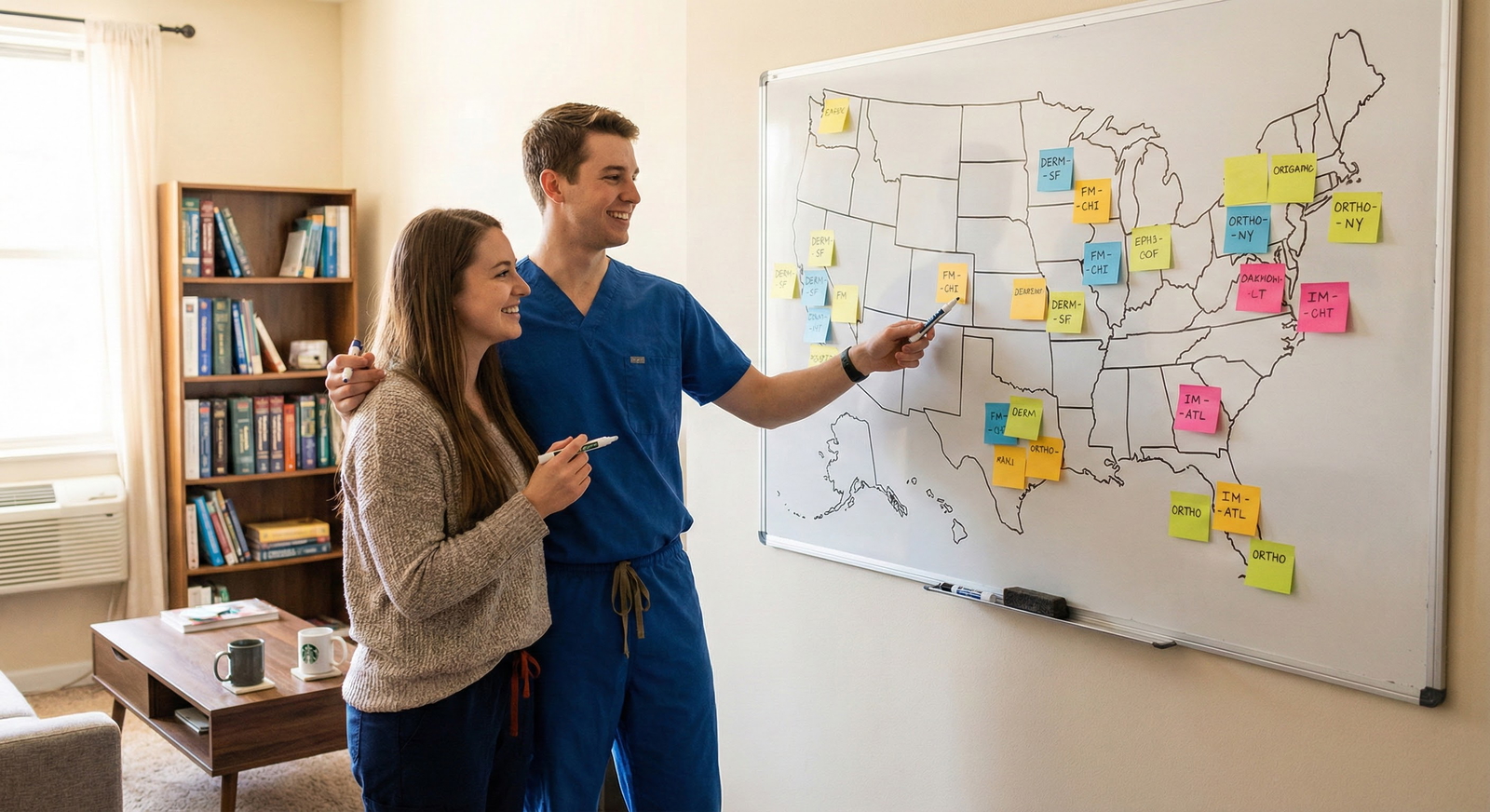
They then laid these lists side by side and identified cities with robust offerings in both specialties. This exercise revealed an important insight: some cities that were “second-tier” for one of them were “top-tier” or “acceptable” for the other. Instead of thinking about programs in isolation, they shifted to thinking about cities as ecosystems—collections of opportunities that could serve both of their careers.
Lessons Learned from Sarah and John
Open, Structured Communication
They didn’t just “talk about it when it came up.” Instead, they scheduled regular, agenda-driven conversations:
- One meeting to discuss must-have program characteristics for each person
- Another to compare geographic preferences
- A third to finalize their ranking strategy
They approached these discussions the way they would tackle a complex clinical problem: systematically, with transparency and mutual respect.
Compromise with Clear Priorities
Both recognized that no one would get everything they wanted. They agreed on:
- A few “dream city” combinations where both had excellent options
- Several “strong compromise” cities where one person got a top choice and the other got a solid fit
- A final group of “acceptable safety nets” they would still be willing to live with as a couple
Their mindset: supporting each other’s careers over the long term mattered more than matching at any single program.
Flexible and Realistic Ranking
Instead of ranking only their dream pairings, they:
- Included combinations with programs of varying competitiveness
- Recognized that a slightly lower-ranked program might be the catalyst for a much stronger combined outcome
- Created an extensive paired rank list to increase their probability of matching together
Their result: they matched in the same city at programs that were each in their individual top five—an outcome they attribute to early communication and a willingness to compromise thoughtfully.
Success Story 2: The Power of Networking and Visibility
Dr. Emily and Dr. Mark faced a different constraint: strong family ties and caregiving responsibilities meant they had to stay within a specific region. Both were in moderately competitive specialties, and they worried that limited geographic flexibility could reduce their chances of matching as a couple.
Instead of seeing this constraint as a weakness, they turned it into a catalyst for deliberate networking strategies.
How They Leveraged Networking to Strengthen Their Applications
Connecting with Current Residents
Emily and Mark reached out to:
- Alumni from their medical school in their target programs
- Residents they had met on away rotations
- Friends of friends they found through social media or email introductions
They scheduled brief Zoom or coffee chats and came prepared with specific questions about:
- Program culture and workload
- How couples were treated or supported
- Housing, commute, and lifestyle realities in that city
These conversations gave them not only context but also internal advocates who could informally flag their applications or provide guidance.
Strategic Conference Attendance
Both attended key specialty conferences in their fourth year, but they did so with a plan:
- They identified faculty and program directors from their target institutions in advance.
- They aimed to present posters to increase their visibility.
- They rehearsed concise introductions that highlighted their interests and the fact that they were participating in the Couples Match.
The outcome: when their ERAS applications reached these programs, their names were already familiar. Several interviewers mentioned seeing them at conferences or knowing them from mutual connections.
Professional Use of Social Media
Emily and Mark used platforms like LinkedIn and X (formerly Twitter) in a targeted way:
- Following departments and residency programs
- Engaging with content posted by current residents and faculty
- Sharing their own academic work and interests in a professional tone
This careful, intentional presence helped them build a digital footprint that reflected their alignment with the specialties and programs they targeted.
Lessons Learned from Emily and Mark
- Networking is not about favoritism; it’s about information and fit. They used conversations to refine their rank list, identify red flags, and discover hidden strengths of certain programs.
- Visibility matters. When programs see your name across multiple contexts—conferences, emails, social media, away rotations—it signals genuine interest.
- Networking supports the couple, not just the individual. Their contacts often asked about both of their interests, helping them identify program combinations that might work well for them together.
Their result: both matched in the same metro area at strong, regionally respected programs, despite a narrow geographic radius and competitive fields.
Success Story 3: Navigating Unpredictable Outcomes and Academic Setbacks
Not every Couples Match story begins with perfectly aligned applications. Dr. Mia and Dr. Leo entered the process knowing that Leo had a weaker academic record due to personal health issues during third year. They worried that this imbalance could limit their options as a couple.
Instead of ignoring the discrepancy, they confronted it directly and strategically.
How They Handled a Mismatched Application Strength
Honest Assessment and Role Clarity
Their first step was an honest conversation:
- How competitive was each of their specialties?
- Where did Leo’s application realistically stand (scores, grades, letters)?
- What types of programs would be reasonable reaches, realistic targets, and safety options?
They sought feedback from faculty advisors, not just their own impressions, to understand how selection committees might view their applications.
Highlighting Strengths Intentionally
Both Mia and Leo leaned into their unique strengths:
- Mia emphasized her strong research background and leadership roles.
- Leo showcased meaningful clinical evaluations, patient relationships, and consistent improvement over time.
Together, they crafted personal statements and interview narratives that were future-focused, acknowledging past challenges without dwelling on them.
Deliberate Backup Planning
Knowing that not every pair on their list would be equally realistic, they:
- Created tiers of rank list combinations, from ideal to conservative
- Considered cities where one partner might match at a “stretch” program while the other had multiple safer options
- Included contingency combinations where they would be in the same region but potentially at different levels of perceived program prestige
Emotional Resilience and Mutual Support
The stress of perceived imbalance could have easily created tension between them. Instead, they agreed on a few ground rules:
- No blaming or guilt about academic performance
- Regular non–Match-related time together for mental health
- Being open to revisiting and adjusting their expectations as interview season progressed
In the end, they matched in the same city at programs that both felt good about—even if they weren’t the original dream institutions. Looking back, they felt grateful for how the experience strengthened their communication skills and resilience as a couple.
Success Story 4: Mastering Prospective Planning and Early Preparation
Dr. Kavita and Dr. Ryan took a long-view approach. They started planning for the Couples Match as early as second year of medical school. This gave them time to align their experiences, address gaps, and position themselves as strong candidates for programs that could accommodate both specialties.
How Early Planning Shaped Their Path
Intentional Program Research and Data Tracking
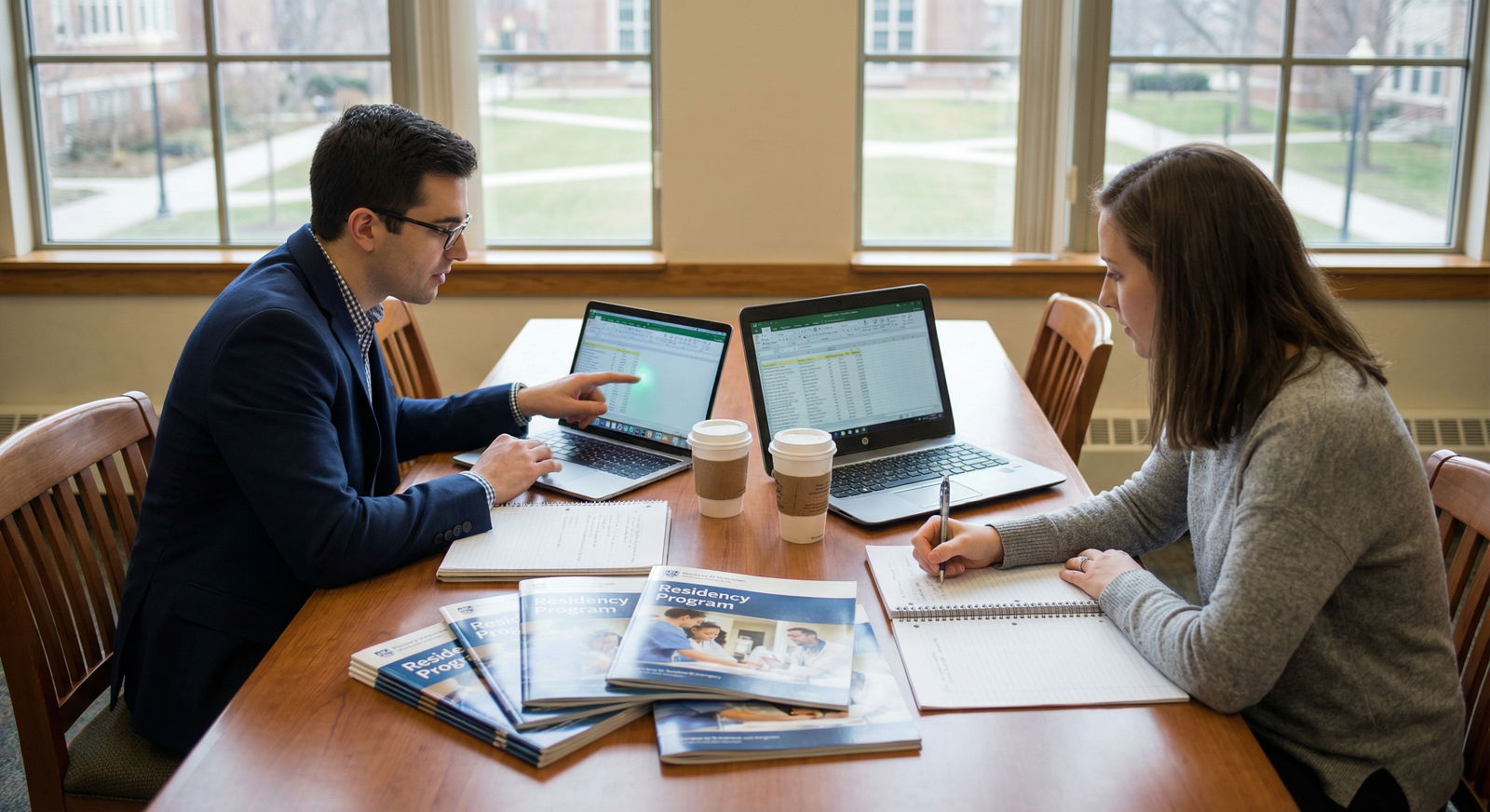
They created a shared spreadsheet where they:
- Logged every program with both specialties
- Noted program size, fellowship opportunities, call schedules, and city characteristics
- Tracked where previous couples from their school had successfully matched
Over time, this spreadsheet became their central decision-making tool, updated each time they learned something new from residents, mentors, or online forums.
Aligning Away Rotations and Electives
The couple coordinated their fourth-year schedules to:
- Do away rotations in the same city or institution when possible
- Choose institutions known to be couples-friendly
- Target rotations that would maximize exposure to faculty who could write strong, personalized letters
This also gave them a trial run at living and working in potential Match cities.
Practicing Together: Mock Interviews and Feedback
They conducted mock interviews with each other and with mentors:
- Practicing standard questions (“Why this program?” “Tell me about a difficult patient encounter”)
- Refining how they would discuss the Couples Match in interviews
- Preparing for questions about geographic preferences, flexibility, and backup plans
Practicing together made them both more confident and ensured their narratives about being a couple seeking to match together were consistent, authentic, and positive.
Monthly Check-Ins and Course Correction
Starting in late third year, they scheduled monthly check-ins to:
- Review CVs and identify areas needing strengthening
- Update their program spreadsheet with new insights
- Reality-check their expectations based on new data
This proactive, structured approach minimized last-minute panic and allowed them to adapt their strategy as necessary.
Their result: they matched at the same academic institution in a city they had both ranked highly—an outcome built on years of forethought and methodical planning.
Core Strategies for Couples Match Success
Drawing from these real resident success stories, several themes and actionable strategies emerge for medical couples preparing for the Couples Match.
1. Build a Foundation of Clear, Ongoing Communication
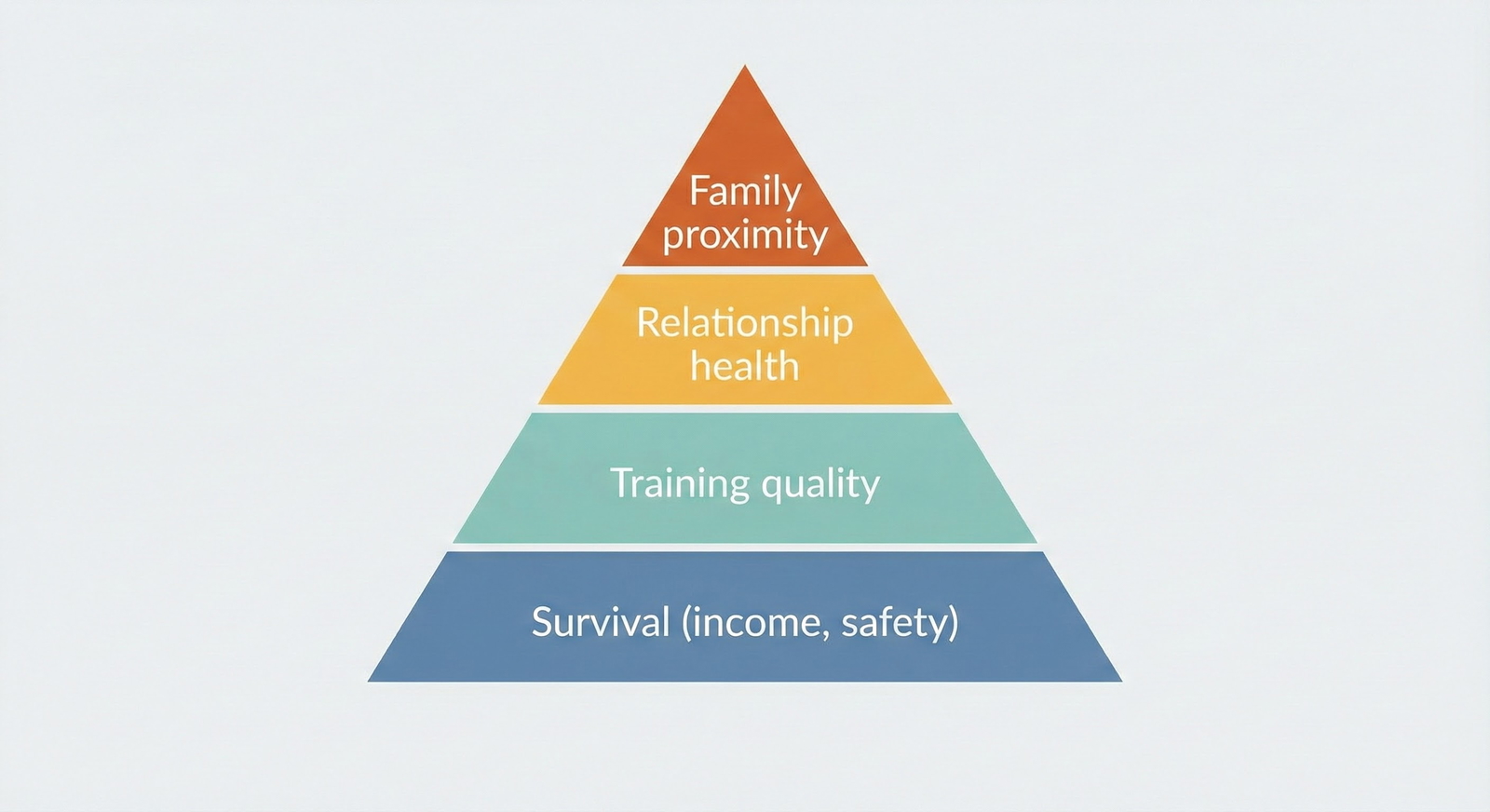
- Schedule dedicated times to discuss the Match, rather than letting it dominate every conversation.
- Clarify individual and shared priorities:
- Career goals (academics vs. community, fellowship vs. general practice)
- Geographic constraints (family, finances, visas)
- Lifestyle considerations (cost of living, support systems, partner employment)
- Treat each other as teammates, not competitors—your metric of success is a strong combined outcome.
2. Construct a Thoughtful, Data-Driven Paired Rank List
- Start with independent lists, then merge:
- Each partner identifies “must-have,” “nice-to-have,” and “deal-breakers.”
- Use a shared spreadsheet to:
- List all possible program combinations that are realistically available
- Group them into tiers (dream, strong, solid, safety)
- Record notes from residents, mentors, or visits
- Aim for a sufficiently long rank list. Many successful couples rank dozens (or more) of program pairs.
3. Embrace Flexibility Without Losing Sight of Your Bottom Line
- Be open to:
- Cities or regions you hadn’t originally considered
- Programs that are solid but not name-brand
- Different combinations of institutional prestige between the two of you
- Also set clear boundaries:
- Identify combinations you are not willing to rank (e.g., extremely long-distance arrangements, programs that felt unsafe or toxic)
- Remember that early career opportunities are important, but not everything—skills, resilience, and reputation are built over time, not solely at one institution.
4. Use Networking Strategically and Ethically
- Connect with residents and faculty:
- Through alumni networks, rotations, conferences, and social media
- Ask focused, respectful questions:
- “How does your program support residents with partners or families?”
- “Are there other couples in your residency, and how has their experience been?”
- Consider reaching out to programs to politely express interest as a couple, especially if one partner has a much stronger application from that program’s perspective.
5. Prepare for the Unexpected—Together
- Academic setbacks, health issues, or family emergencies can change your trajectory.
- Develop:
- Realistic backup plans (same city but different tiers of programs, or different cities if absolutely necessary)
- Emotional coping strategies (counseling, peer support, mentorship)
- Decide in advance how you will handle worst-case scenarios (e.g., one partner doesn’t match) so that decisions don’t have to be made in panic.
6. Prioritize Personal Well-Being and Relationship Health
- The Couples Match can strain even the healthiest relationships.
- To protect your well-being:
- Set boundaries on how much you talk about the Match each week.
- Maintain non-medical hobbies and social connections.
- Consider couples counseling or wellness resources if stress escalates.
- Remember: your relationship and mental health will outlast residency applications—they deserve sustained care.

Frequently Asked Questions About the Couples Match
1. What exactly is the Couples Match, and who can participate?
The Couples Match is an NRMP option that allows two applicants to link their residency applications and rank lists. The pair is treated as a unit during the matching process, so the algorithm attempts to place both individuals into programs based on their paired rank order list.
Key points:
- You do not need to be married or engaged; you can be any two applicants (romantic partners, close friends, siblings).
- Both applicants must register for the Match and indicate that they are participating as a couple.
- You can rank programs in the same institution, same city, or even different cities, depending on your goals and backup plans.
2. How should medical couples start preparing for the Couples Match?
Effective preparation usually starts months to years before you submit your ERAS applications:
- Have early, honest conversations about:
- Specialty interests and competitiveness
- Geographic preferences and constraints
- Long-term career aspirations
- Meet with advisors or program directors to:
- Assess the relative strength of each application
- Identify realistic program targets
- Create a shared spreadsheet to:
- Track programs that offer both specialties
- Note pros/cons, resident feedback, and lifestyle factors
- As you approach application season, refine your list of possible program combinations and begin thinking about how you will pair them on your rank list.
3. What are the biggest challenges couples face during the Match?
Common challenges include:
- Geographic Limitations: Family responsibilities, visas, or financial constraints can narrow your options.
- Different Competitiveness Levels: One partner may have a significantly stronger or weaker application.
- Conflicting Specialty Needs: Some specialty combinations are easier to co-locate than others, especially if one or both are highly competitive.
- Emotional Pressure: The fear of letting each other down or sacrificing one person’s career for the other can create stress and conflict.
Address these challenges through:
- Open dialogue and joint decision-making
- Realistic expectation-setting with mentor input
- Proactive mental health and wellness strategies
4. Can we still Couples Match if we are applying to different specialties or levels of competitiveness?
Yes. In fact, most couples apply to different specialties, and competitive disparity between partners is very common. The key is to:
- Understand the competitiveness of each specialty and each application.
- Choose programs and locations where:
- The competitive partner has reasonable target and reach programs.
- The less competitive partner has multiple solid options.
- Rank combinations where both outcomes are acceptable, even if one is at a more prestigious or academic institution than the other.
Many successful medical couples prioritize being in the same city over having identically prestigious programs, and they still go on to have excellent careers.
5. How important are networking strategies in the Couples Match process?
Networking strategies can be a major advantage, especially for couples with geographic constraints or borderline competitiveness. Effective networking:
- Provides inside information about program culture, schedule demands, and support for couples and families.
- Helps you assess genuine fit, beyond what program websites advertise.
- Can increase your visibility so that your application stands out, particularly if faculty or residents can speak positively about you.
Networking should always be professional and respectful, focusing on learning and building relationships—not on expecting special treatment. But in a crowded field of residency applications, thoughtful networking often helps programs understand who you are and why you’re truly interested in them as a couple.
By combining clear communication, flexible planning, strategic networking, and attention to personal well-being, many couples successfully navigate the complexity of the Couples Match and start residency together. While no strategy can guarantee a perfect outcome, the experiences and lessons from real residents show that with deliberate preparation and mutual support, matching side by side is not only possible—it’s achievable.