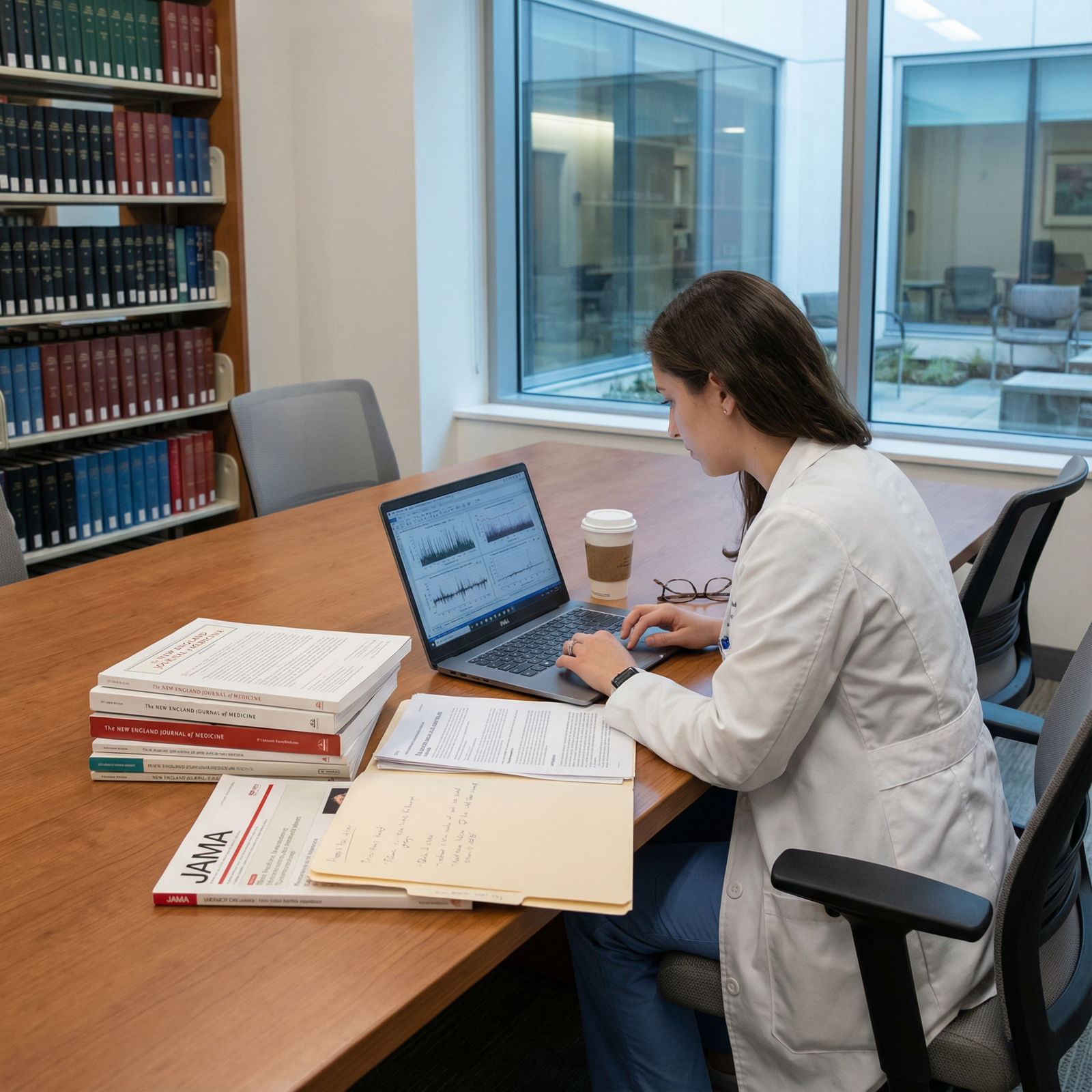
Preparing for fellowship in anesthesiology is one of the most important long‑term decisions you’ll make during residency. Whether you’re drawn to cardiac, critical care, pain, regional, pediatrics, obstetrics, or another subspecialty, a thoughtful strategy—starting early in your anesthesiology residency—can dramatically improve your anesthesia match prospects and set you up for a successful career.
This guide walks you through when and how to start, what concrete steps to take each year, and how to navigate the fellowship application timeline while managing residency life and challenges.
Understanding Why (and Whether) to Pursue an Anesthesia Fellowship
Before you focus on how to get fellowship, you need clarity on whether fellowship training truly aligns with your goals.
Common Reasons Residents Pursue Anesthesiology Fellowships
Clinical Depth and Expertise
- You want advanced skills in a niche area (e.g., TEE in cardiac anesthesia, advanced ventilator strategies in critical care, complex blocks in regional anesthesia).
- You desire to be the “go-to” person for specific high‑acuity cases.
Career Differentiation and Marketability
- Fellowship training can differentiate you in competitive job markets, especially academic centers and large tertiary hospitals.
- Certain job descriptions now explicitly prefer or require fellowship training (e.g., cardiac anesthesia, pediatric-only practices, ICU groups).
Academic and Research Careers
- If you’re aiming for a clinician‑educator or physician‑scientist role, fellowship often serves as the bridge between residency and a protected academic career.
Lifestyle and Practice Preference
- Some fellows ultimately pursue practice environments more aligned with their fellowship (e.g., daytime regional service versus general OR call; dedicated ICU practice).
Compensation and Long‑Term Role Flexibility
- While immediate post‑fellowship salary is not always dramatically higher, over a career, subspecialty skills can provide leverage for preferred positions, leadership roles, or niche practices.
Reasons to Think Carefully Before Committing
- Opportunity Cost: Another year (or more) of training at a trainee salary.
- Burnout Risks: If you are already struggling with residency life and challenges, adding another intense training year may or may not be the right move.
- Local Job Market and Personal Goals: In some regions, general anesthesiologists are in high demand, and fellowship may not be necessary for the positions you want.
Action step: Within your first 12–18 months of anesthesiology residency, start a running list of:
- Areas of anesthesia that energize you.
- Clinical settings you dislike.
- Long-term lifestyle priorities (geography, call burden, academic vs private).
This list will shape your decision-making as you move toward the anesthesia match for fellowships.
Mapping the Fellowship Application Timeline: When to Do What
Knowing the fellowship application timeline early allows you to plan research, rotations, and networking without last‑minute stress.
Most ACGME anesthesiology fellowships now participate in some form of centralized match or timeline, but there are differences by subspecialty. Always confirm current dates with the fellowship programs and specialty organizations, as these can shift.
General Timeline Overview (for CA-1 to CA-3 Residents)
CA‑1 Year (PGY‑2)
- Explore subspecialties and observe different services.
- Start early mentorship relationships.
- Consider small QI or research projects.
CA‑2 Year (PGY‑3)
- Decide on your top 1–2 subspecialties.
- Intensify research involvement.
- Take on leadership or teaching roles.
- Begin drafting your CV and early personal statement ideas.
CA‑2 Spring to Early CA‑3 (PGY‑3 to PGY‑4)
- Finalize your fellowship decision.
- Identify letter writers and request letters early.
- Submit applications based on each subspecialty’s match or application dates.
- Prepare for and attend fellowship interviews.
CA‑3 Year (PGY‑4)
- Complete interviews and rank lists.
- Plan your final year electives to align with fellowship (e.g., more ICU before critical care fellowship).
- Solidify your skill set and CV for future job searches.
Subspecialty‑Specific Timing Nuances
Note: Always check current application cycles; this is a conceptual framework.
- Cardiac Anesthesia:
Typically ERAS and NRMP match; apps often submitted late CA‑2, interviews CA‑2/early CA‑3, match CA‑3. - Critical Care:
Many use ERAS/NRMP; timing roughly similar to cardiac, but some programs may be earlier or later. - Pain Medicine:
ERAS/NRMP match is standard; apps often in late CA‑2, interviews through CA‑3. - Regional/Acute Pain:
Many use SF Match or institutional processes; some may still run slightly off‑cycle. - Pediatric, Obstetric, Neuroanesthesia, POCUS, and Others:
Mixture of match and non‑match processes; earlier planning is safer.
Action step: By mid‑CA‑2, build a spreadsheet listing:
- Programs of interest
- Application platform (ERAS, SF Match, direct)
- Application open/close dates
- Interview windows
- Special requirements (e.g., case logs, specific letters)
This document becomes your central guide to the fellowship application timeline.

Building a Competitive Profile During Anesthesiology Residency
Your question is ultimately how to get fellowship in a competitive subspecialty. The answer rests on four pillars: clinical performance, scholarly activity, leadership/teaching, and professional reputation.
1. Clinical Performance: The Foundation
Fellowship directors care first that you’re an excellent anesthesiologist.
What they look for:
- Strong evaluations from faculty and chiefs
- Appropriate case mix and complexity
- Reliability, professionalism, and teamwork
- Evidence you can function independently by the end of residency
How to stand out clinically:
- Be prepared for each case: read about patients and pathophysiology the night before.
- Seek feedback proactively: ask attending anesthesiologists, “What’s one thing I can do to improve?”
- Request graduated responsibility: complex airways, high‑risk OB, advanced regional techniques, ICU leadership.
- Show resilience and composure during critical events.
2. Scholarly Activity and Research
This is especially important if you’re preparing for fellowship at academic institutions.
Types of scholarly work that help:
- Case reports and case series (especially in your target subspecialty)
- QI projects with measurable outcomes
- Retrospective chart reviews
- Prospective research (harder to execute but high impact)
- Educational projects: curriculum design, online resources, simulation scenarios
Strategic approach:
- CA‑1: Join a small, manageable project; learn basic research workflows.
- CA‑2: Aim for at least one abstract or poster at a regional or national anesthesiology meeting.
- CA‑3: Target a publication or higher‑impact project if possible.
Tip: Fellowship directors don’t expect everyone to have multiple first‑author RCTs. They do look for evidence of intellectual curiosity, follow‑through, and a track record that suggests you’ll contribute academically.
3. Leadership, Teaching, and Service
Programs want fellows who elevate the environment around them.
Meaningful roles include:
- Chief resident or class representative
- Committee membership (wellness, quality, OR efficiency)
- Teaching involvement: medical student coordinator, simulation instructor, resident didactic organizer
- Society involvement: ASA, subspecialty societies, local anesthesia groups
Connect these explicitly to your fellowship goals. For instance:
- A resident preparing for fellowship in critical care might:
- Serve as a resident leader in ICU QI initiatives.
- Develop a short teaching series on ventilator management.
4. Professional Reputation and Fit
Fellowships are tight‑knit environments. Directors care about how you function on a team.
Reputation is shaped by:
- How you communicate with surgeons, nurses, and techs.
- Reliability: showing up on time, finishing notes, helping colleagues.
- Emotional intelligence: responding well to feedback and conflict.
- Collegiality: being the resident others want on their team.
Action step: Ask 2–3 trusted attendings or your program director for honest feedback on how others perceive you. Address red flags early; they often find their way into informal back‑channel discussions in small subspecialty communities.
Strategizing for Specific Anesthesiology Fellowships
Different subspecialties weigh aspects of your profile differently. Tailor your preparation for fellowship accordingly.
Cardiac Anesthesia
Profile priorities:
- Strong performance on cardiac rotations
- Evidence of comfort with sick, high‑acuity patients
- Some TEE exposure or interest (even if not certified yet)
- Research or QI related to cardiac or thoracic anesthesia is a plus
Steps to take:
- Request additional rotations on CT anesthesia as a CA‑2.
- Seek mentors among cardiac faculty early.
- Present at cardiac anesthesia or perioperative echo meetings if possible.
Critical Care Medicine
Profile priorities:
- Passion for multidisciplinary care and complex physiology
- Strong ICU evaluations from both anesthesia and non‑anesthesia attendings
- Demonstrated interest through research or QI in sepsis, ARDS, postoperative ICU care, etc.
Steps to take:
- Maximize ICU time: surgical ICU, cardiothoracic ICU, neuro ICU if available.
- Volunteer for night ICU rotations or leadership roles on call.
- Consider attending critical care conferences and meeting potential mentors.
Pain Medicine
Profile priorities:
- Longitudinal involvement with pain clinic or acute pain service
- Interest in chronic disease management and multidisciplinary care
- Sound understanding of opioid stewardship and non‑opioid modalities
- Procedural aptitude for fluoroscopy and ultrasound‑guided interventions
Steps to take:
- Join pain clinic research or QI (e.g., opioid prescribing patterns).
- Work with psychologists, PT, and other disciplines in pain management.
- Develop a nuanced, patient‑centered approach to chronic pain discussions.
Regional/Acute Pain
Profile priorities:
- Strong procedural skills with ultrasound guidance
- Interest in ERAS pathways and perioperative pain management
- Evidence-based approach to nerve blocks and anticoagulation/antiplatelet management
Steps to take:
- Spend extra time on block rotations; track your case numbers and complexity.
- Learn advanced blocks not universally taught (e.g., ESP, IPACK, PENG, etc.).
- Engage in QI projects around block efficacy or same‑day discharge protocols.
Pediatric, Obstetric, and Other Subspecialties
Pediatric: Strong interest in pediatric physiology, comfort with families, adequate case volume, and rotations at children’s hospitals.
Obstetric: Passion for L&D, high‑acuity maternal care, comfort with emergent C‑sections and complicated comorbidities.
Neuro, POCUS, and others: Demonstrated niche interests, scholarly work, and mentorship under known faculty in the field.
Action step: For any subspecialty, ask your mentor:
“What makes a truly standout applicant in this field?”
Then compare this to your current CV and target the 2–3 biggest gaps over the next 6–12 months.
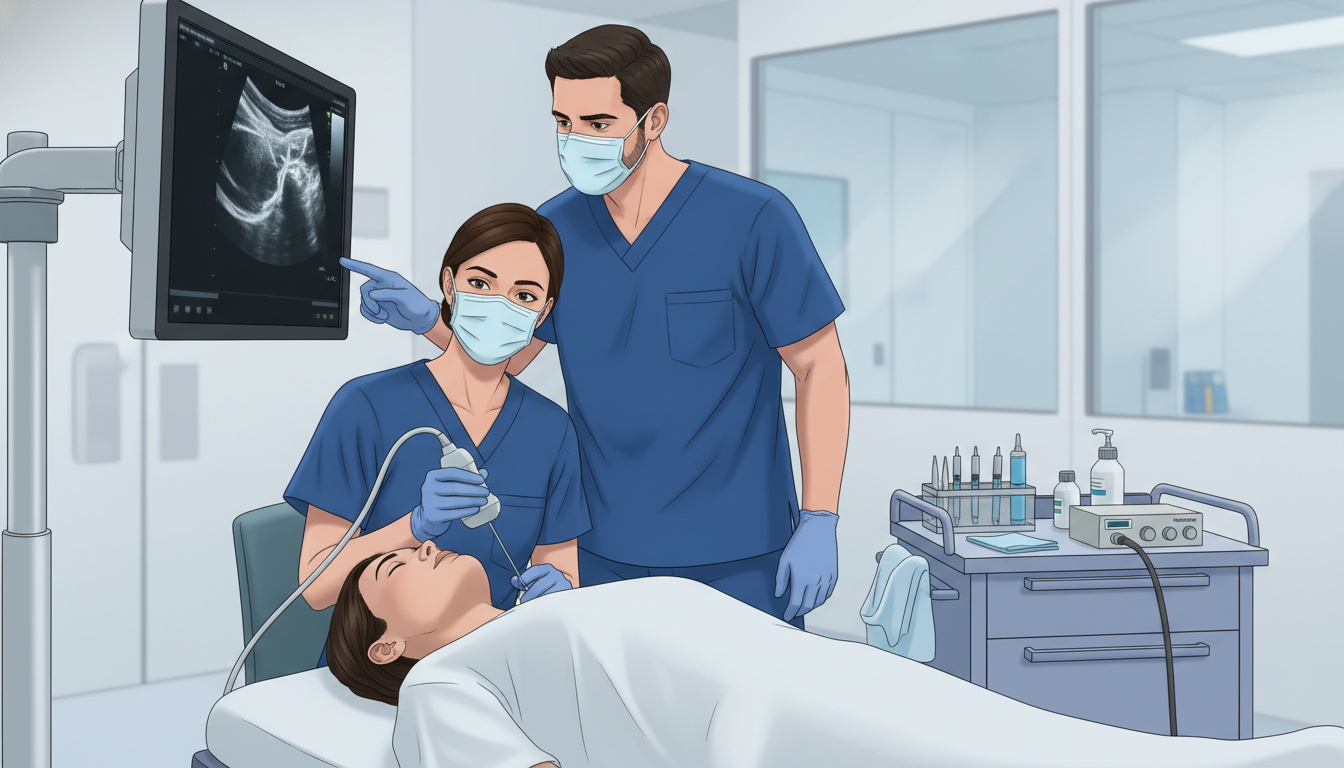
The Application Package: CV, Personal Statement, Letters, and Interviews
Your daily work builds your candidacy, but your application documents and interviews are how programs learn your story.
Crafting a Fellowship‑Ready CV
Key features of a strong anesthesiology CV:
- Clear, organized sections (Education, Training, Certifications, Clinical Experience, Research, Presentations, Leadership, Teaching, Service).
- Highlighted anesthesia‑specific items (e.g., chief resident, key rotations).
- Subspecialty‑oriented entries summarized with brief impact statements:
- “Implemented ICU extubation checklist, reducing unplanned reintubations by 15% over 6 months.”
Common pitfalls:
- Typos and inconsistent formatting.
- Overcrowded with minor details but light on achievements.
- Failing to update CV with recent presentations or publications.
Writing an Effective Personal Statement
Your fellowship personal statement should not be a generic essay. It should clearly answer:
- Why this subspecialty?
- Why additional training is needed for your goals?
- Why you are prepared to excel in a demanding fellowship?
- How you will contribute to the program and the field?
Structure suggestion:
- Opening vignette: A specific patient or clinical moment that sparked or confirmed your interest.
- Development: How your residency experiences, research, and leadership shaped your goals.
- Future: Long‑term career vision and how this fellowship fits into it.
- Closing: Brief, confident statement of fit and enthusiasm.
Avoid:
- Overly dramatic or clichéd stories.
- Negativity about your residency or other subspecialties.
- Generic statements that could apply to any fellowship or program.
Choosing and Cultivating Letter Writers
Strong, personalized letters can make the difference between a standard application and a standout one.
Ideal letter writers:
- Subspecialty faculty who know you well clinically.
- Program director or associate program director.
- Research mentors (especially for academic careers).
How to set them up for success:
- Ask in person or via video if they can write a “strong, supportive letter.”
- Provide:
- Your updated CV
- Draft of personal statement
- Bullet list of cases or projects you worked on with them
- A brief summary of your fellowship and career goals
- Request letters at least 6–8 weeks before deadlines.
Fellowship Interviews: Preparation and Performance
Common anesthesiology fellowship interview topics:
- “Why this subspecialty, and why now?”
- “Tell me about a difficult case and what you learned.”
- “Describe a conflict in the OR/ICU and how you handled it.”
- “What do you see yourself doing 5–10 years after fellowship?”
Preparation tips:
- Practice behavioral interviews with co‑residents or mentors.
- Be ready to discuss every item on your CV.
- Prepare thoughtful questions for each program (case mix, faculty interests, fellow autonomy, scholarly expectations).
During interviews:
- Be authentic and collegial, not overly rehearsed.
- Highlight resilience, teachability, and team orientation.
- Show that you understand the realities of the fellowship (call schedule, workload, expectations).
After interviews:
- Send concise, genuine thank‑you emails within a few days.
- Update programs if significant new achievements arise (e.g., accepted publication).
Balancing Fellowship Preparation with Residency Life and Wellbeing
Preparing for fellowship during anesthesiology residency can add pressure to an already demanding schedule. Sustainably managing this is crucial.
Integrating Preparation into Your Existing Workflow
- Use “micro‑blocks” of time:
- 15–20 minutes during a lull in the OR to update your CV or jot down personal statement ideas.
- Combine goals:
- Turn a clinically interesting case into a case report or conference talk.
- Convert a QI initiative into a poster submission.
Avoiding Burnout
Warning signs:
- Chronic exhaustion that doesn’t improve with time off.
- Cynicism about patients or colleagues.
- Loss of sense of accomplishment despite clear achievements.
Protective strategies:
- Maintain at least one non‑medical activity consistently (exercise, music, family time).
- Use institutional resources: resident wellness programs, counseling, peer groups.
- Talk openly with mentors about workload and expectations; most fellowship‑oriented faculty have navigated this balance themselves.
Keeping an Open Mind
Some residents enter CA‑1 “sure” they want one path (e.g., cardiothoracic) and discover they love another (e.g., critical care or chronic pain). It’s reasonable to shift direction as you learn more.
If you’re undecided:
- Schedule electives that contrast with each other (e.g., cardiac vs ICU vs pain).
- Reflect systematically after each rotation on:
- Which aspects energized you?
- Which drained you?
- Could you see yourself doing this daily for decades?
Frequently Asked Questions (FAQ)
1. When should I decide if I’m going to apply for an anesthesiology fellowship?
Ideally, you should have a strong sense by mid‑CA‑2. This allows time to:
- Solidify mentorship.
- Accrue relevant experience and research.
- Meet application deadlines comfortably.
If you decide later, you can still be successful, but you may need to be more targeted and efficient with your efforts.
2. Do I need research to match into an anesthesia fellowship?
Not always—but it helps. Highly competitive fellowships (e.g., at top academic centers) often expect some evidence of scholarly engagement. This doesn’t have to be extensive; even a few posters, case reports, or QI projects can demonstrate curiosity and initiative, especially if they align with your chosen subspecialty.
3. How many programs should I apply to for fellowship?
It depends on:
- Subspecialty competitiveness.
- Your application strength.
- Geographic flexibility.
A common range is 8–20 programs. If your application is strong and you’re flexible about location, the lower end may suffice. If you have geographic constraints or are aiming for very competitive programs, consider the higher end and discuss strategy with mentors.
4. Can I get a good job without doing an anesthesiology fellowship?
Yes. Many excellent careers exist for general anesthesiologists, particularly in community and private practice settings. Fellowship is most valuable if it clearly aligns with your interests and long‑term goals, not as a default choice. Think critically about the case mix, lifestyle, and professional identity you want before committing to another year of training.
Thoughtful, early preparation for fellowship in anesthesiology—anchored in honest self‑assessment, strong mentorship, and strategic action—will not only improve your anesthesia match prospects but also clarify the kind of anesthesiologist you want to become. By integrating these steps into your residency journey, you can navigate both fellowship applications and residency life and challenges with purpose and confidence.