Understanding the Fellowship Landscape as a Non‑US Citizen IMG in OB GYN
For a non-US citizen IMG in Obstetrics & Gynecology, fellowship preparation starts long before your final residency year. You are planning not just a training path, but also a visa strategy, career trajectory, and often a long-term life decision in a new country. To succeed, you must understand how the obstetrics match dynamics you faced as an applicant evolve into a more complex fellowship ecosystem.
In OB GYN, the main ACGME-accredited fellowships include:
- Maternal-Fetal Medicine (MFM)
- Gynecologic Oncology
- Reproductive Endocrinology & Infertility (REI)
- Female Pelvic Medicine & Reconstructive Surgery (FPMRS / Urogynecology)
- Complex Family Planning
- Minimally Invasive Gynecologic Surgery (MIGS; some AAGL / non-ACGME)
Each subspecialty has a different balance of research, surgery, clinical care, and competitiveness. For a foreign national medical graduate, the additional layer is visa sponsorship and institutional willingness to support complex immigration paths.
Before you can answer “how to get fellowship,” you need to clarify three interlinked questions:
What do I want from my career?
Academic vs community practice, research intensity, surgical focus, work-life balance, geographic preference.What are my realistic strengths and constraints?
USMLE scores, visa type, research track record, program prestige, letters of recommendation.What is my long-term immigration plan?
H‑1B vs J‑1, waiver plans, interest in permanent residency, willingness to relocate to underserved areas.
Keeping these in view from PGY‑1 onward allows targeted, purposeful fellowship preparation instead of last-minute scrambling in PGY‑3 or PGY‑4.
Choosing Your Fellowship Path Strategically
Many residents ask not only how to get fellowship, but whether they should. This is especially important for a non-US citizen IMG who often faces more restrictions and fewer “backup” options.
Step 1: Clarify Your Motivation
Reflect honestly on why you are pursuing fellowship:
Intellectual interest
Are you drawn to high-risk obstetrics (MFM), complex oncology surgery, endocrine aspects of infertility, or reconstructive pelvic surgery?Desired daily work
MFM: ultrasounds, prenatal diagnosis, consults;
Gyn Onc: long OR days, complex surgeries, chemo management;
REI: procedures, clinic-based fertility care;
FPMRS: pelvic floor surgery and functional outcomes;
Complex FP: contraceptive care, public health focus.Tolerance for training length and intensity
Another 2–3 years of training (sometimes more with research) means delayed attending income and continued visa dependency.Career setting
Most subspecialists work in academic or large group practices. If your goal is small community practice with broad OB and GYN, fellowship may not add as much value.
Actionable exercise:
Write a one-paragraph “future attending self-description” (5–10 years from now). Include:
- Your typical week (clinical vs research vs teaching)
- The types of patients you see
- The hospital or clinic setting
- Your geographic region and visa/immigration status
Use this as a lens to evaluate fellowship options.
Step 2: Understand Competitiveness and Fit by Subspecialty
Competitiveness varies year-to-year, but general patterns:
- Most competitive (often): Gynecologic Oncology, REI, some MIGS programs, highly ranked academic centers.
- Moderate: MFM, FPMRS, Complex Family Planning.
- Variable: Non-ACGME fellowships (family planning, global health, MIGS at small programs) may be less competitive but provide narrower credentials.
For a non-US citizen IMG, another layer is visa openness:
- Some institutions and subspecialties rarely sponsor H‑1B or prefer not to extend visas beyond residency.
- Others have a strong history of training foreign national medical graduates and can guide you on J‑1 waivers or long-term immigration.
Action step:
Create a spreadsheet early (PGY‑2) with potential fellowship programs, including columns for:
- Subspecialty
- City/state
- Visa types accepted (H‑1B/J‑1/other)
- Presence of IMG faculty or fellows
- Research focus (lab vs clinical vs QI)
- Call structure / lifestyle
- Historical number of fellows per match
Update this list frequently as you talk to upper-level residents and fellows.
Step 3: Match Your Profile to Fellowship Type
Examples:
- Strong researcher, moderate procedural comfort → MFM, REI, Complex FP, especially at research-heavy institutions.
- Excellent surgeon, loves OR, comfortable with long cases → Gyn Onc, FPMRS, MIGS.
- Public health / policy interest; passion for contraception and abortion care → Complex Family Planning.
As a non-US citizen IMG, target fellowships where:
- Your unique background (e.g., global health experience, multilingual skills, high-volume obstetrics from your home country) is an asset.
- The program has a track record of training foreign national medical graduates.

Building a Competitive Fellowship Profile During Residency
Your everyday actions in residency are the strongest answer to the question of how to get fellowship. Application committees look for a coherent story backed by solid performance.
Clinical Performance and Evaluations
Fellowship directors need confidence that you can function as an independent OB GYN before subspecializing.
Key priorities:
Consistent high performance on rotations
Especially in your target subspecialty. Ask for mid-rotation feedback and correct issues proactively.Mini-CEX, case logs, and milestones
Make sure your procedural logs are complete and reflect balanced exposure.CREOG scores
Aim for at least average or above-average scores across PGY‑2–4; upward trends help offset weaker earlier scores or Step scores.
For non-US citizen IMGs, strong in-training performance can demonstrate you have fully adapted to the US healthcare system and overcome any initial cultural or system differences.
Research and Scholarly Activity
In many OB GYN fellowships, research productivity significantly influences ranking, especially in MFM, REI, Gyn Onc, and academic MIGS.
Priorities (PGY‑1–PGY‑4):
Start early (PGY‑1/PGY‑2)
- Join at least one ongoing project in your chosen area (retrospective chart review, QI study, or case series).
- Learn the basics of IRB processes, data collection, and statistics.
Aim for tangible products
- Abstracts at national or regional conferences (SMFM, SGO, ASRM, AUGS, AAGL, ACOG).
- Peer-reviewed publications (even case reports and brief reports count).
- Oral or poster presentations at your institution’s research day.
Develop a niche
Rather than 10 unrelated small projects, strive for a coherent theme, e.g.:- MFM: preeclampsia, diabetes in pregnancy, fetal anomalies.
- Gyn Onc: minimally invasive staging, survivorship, disparities in cancer care.
- REI: PCOS, IVF outcomes, fertility preservation.
- FPMRS: pelvic organ prolapse outcomes, incontinence surgery. This helps fellowship programs see you as a future expert.
Identify a research mentor
Ideal mentors:- Faculty in your target subspecialty
- Proven publication track record
- Prior experience placing residents into fellowship
Actionable tip:
Schedule a 30-minute “research roadmap” meeting with your mentor early in PGY‑2. Leave with:
- 1–2 primary projects (with timeline)
- Expected abstracts or papers
- Your role clearly defined
Leadership, Teaching, and Professionalism
Fellowships expect future leaders in the specialty. Demonstrate:
- Teaching
- Lead didactics for medical students or junior residents.
- Become a simulation instructor for shoulder dystocia, postpartum hemorrhage, or laparoscopy skills.
- Leadership roles
- Chief resident, curriculum committee member, wellness champion, or research committee representative.
- Professionalism
- Reliable, ethical, responsive to feedback, and able to collaborate across disciplines. Any concerns about professionalism can seriously damage fellowship chances.
Letters of Recommendation (LoRs)
Strong LoRs are essential for the fellowship application timeline:
Who should write them?
- At least two subspecialists in your desired field.
- One program director letter (usually mandatory).
- Optionally, a research mentor if not already included above.
What makes a letter strong?
- Specific examples of your clinical judgment, work ethic, and procedural skill.
- Clear comparison to past residents: “Among the top 5% of residents I have trained in 10 years.”
- Description of your progression and “trajectory,” not just current performance.
Ask potential letter writers by the end of PGY‑3 (for most fellowships) so they can observe your growth and plan to support you.
Visa and Immigration Strategy for Fellowship (and Beyond)
For a non-US citizen IMG, visa planning is inseparable from fellowship preparation. Start this planning early, ideally in PGY‑1 or PGY‑2.
Common Visa Scenarios
J‑1 Visa for Residency
- Sponsored by ECFMG.
- Subject to a 2‑year home country physical presence requirement after training, unless you obtain a waiver (e.g., Conrad 30, VA, or hardship/persecution waivers).
- For fellowship:
- You can often extend J‑1 to cover fellowship if it is ACGME-accredited and approved by ECFMG.
- You must justify further training as necessary and not overly prolong your stay without progression.
H‑1B Visa for Residency
- Employer-sponsored; more flexibility after training, but subject to caps and institution policies.
- Some fellowship programs do not sponsor H‑1B due to cost and administrative complexity.
- Good for those aiming at long-term US practice without a J‑1 waiver requirement.
Transition Concerns
- Moving from J‑1 in residency to H‑1B for fellowship is uncommon due to the 2-year home return requirement, unless a waiver has been secured.
- Multiple back-to-back J‑1 positions (residency + fellowship) are possible but length is monitored.
Action step:
By mid-PGY‑2, meet with:
- Your GME office’s visa/immigration advisor
- Possibly an independent immigration attorney (if feasible)
Discuss:
- Your current visa type and expiration
- Whether your institution supports J‑1 extension for fellowship
- Long-term options (J‑1 waiver job, H‑1B route, O‑1 for exceptional researchers)
How Visa Considerations Shape Fellowship Applications
When determining how to get fellowship as a foreign national medical graduate, incorporate visa practicality:
Short-term training vs long-term career
- If you are on J‑1 and must do a J‑1 waiver job after fellowship, your choices of fellowship and location might influence later waiver options (e.g., MFM vs REI jobs in underserved areas).
Program selection
- Prioritize programs that openly state they sponsor your visa category.
- Look for current or recent fellows who were non-US citizen IMGs.
Geographic flexibility
- Waiver jobs are often in rural or underserved regions.
- Think in advance about whether you are willing to work in such areas after fellowship to meet visa requirements.
The Fellowship Application Timeline and Strategy
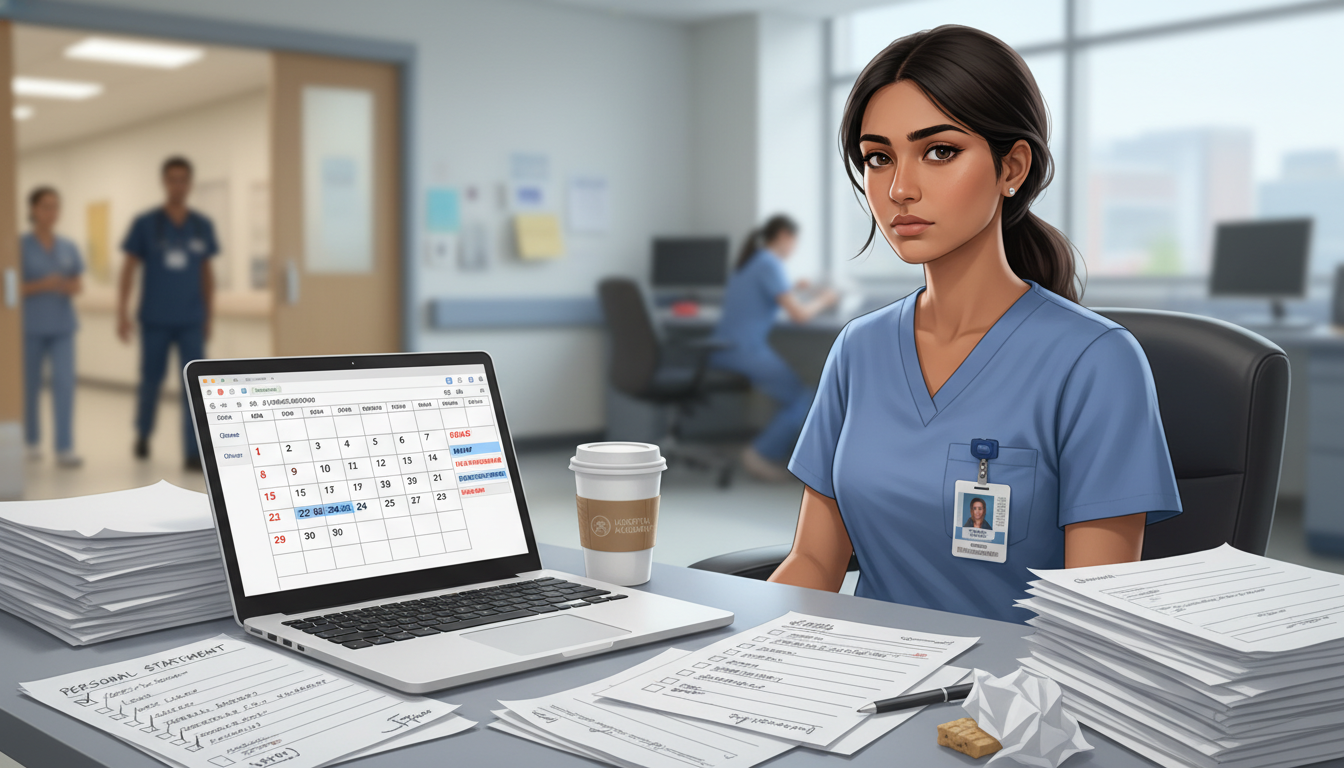
The fellowship application timeline varies slightly by subspecialty, but for most OB GYN fellowships, you apply during PGY‑3 for fellowship that starts after PGY‑4 (or PGY‑4 for some MIGS or non-ACGME tracks). Always confirm with current CREOG and subspecialty society guidelines.
General Timeline (for Most ACGME OB GYN Fellowships)
PGY‑1–Early PGY‑2
- Explore subspecialties through rotations.
- Start at least one research project.
- Attend national society meetings (if possible).
- Begin early visa and long-term planning.
Mid–Late PGY‑2
- Decide on your primary fellowship interest.
- Meet with mentors to assess competitiveness and target programs.
- Intensify research output (aim for abstracts/presentations).
- Create your program spreadsheet (visa, research, geography).
- Start working on your CV and outline for personal statement.
Early PGY‑3
- Finalize fellowship list.
- Request LoRs from selected faculty.
- Draft and revise your personal statement.
- Confirm with GME about institutional support for your specific visa for fellowship extension or transfer.
- Register on the relevant fellowship application platform (often ERAS).
Mid PGY‑3
- Submit applications as early as the cycle opens (early applications show organization and interest).
- Prepare for interviews (mock interviews with faculty).
- Review common fellowship-specific clinical scenarios and ethical questions.
Late PGY‑3–PGY‑4
- Attend interviews.
- Finalize rank list (for match-based subspecialties).
- Continue to produce scholarly work; do not relax after applications are submitted.
- Update programs with any new publications or awards.
Writing a Strong Personal Statement
Your personal statement should:
- Tell your story as a non-US citizen IMG in a way that highlights resilience, adaptability, and growth, without centering solely on hardship.
- Clearly explain:
- Why this subspecialty?
- What have you already done to explore and contribute to this field?
- What are your specific career goals and how this fellowship fits into them?
Avoid generic statements like “I love surgery and helping patients.” Instead, use concrete examples:
- A specific case or patient encounter that crystallized your interest.
- A research question that motivates you.
- How your international training background gives you a unique perspective, e.g., understanding global health disparities in maternal mortality or reproductive care.
Interview Preparation
Program directors want evidence you will be an excellent colleague and future ambassador for their program.
Prepare to discuss:
- Detailed aspects of your CV (know every line).
- Your research projects: hypothesis, methods, results, and limitations.
- Clinical decision-making in common subspecialty scenarios.
- Your long-term goals, including realistic immigration plans.
As a foreign national medical graduate, also be ready for questions like:
- “Where do you see yourself practicing after fellowship?”
- “How do you plan to navigate your visa situation?”
- “How has being an IMG shaped your perspective as a physician?”
Be honest but positive, focusing on your adaptability and problem-solving.
Ranking Programs and Deciding
When ranking programs, consider:
- Training quality and case volume.
- Program culture and mentorship.
- Research resources and protected time.
- Visa support and institutional experience with non-US citizen IMGs.
- Geographic location and its feasibility for your long-term plans (including future waiver jobs if relevant).
Talk to current fellows—especially IMGs—about real-life experience regarding:
- Call schedule and workload.
- Operative autonomy.
- Support for conference attendance and research.
- How the program supported them regarding visas and career planning.
Planning Beyond Fellowship: Setting Up Your Future Career
Fellowship preparation does not end with a match letter. You are also preparing for your first job and life after training.
Early Career Vision
During fellowship, keep refining:
- Whether you want an academic vs community vs private practice role.
- Your balance of clinical, research, and teaching time.
- The geographic areas where you are willing to work, particularly if you need a J‑1 waiver.
Preparing for Fellowship to Job Transition
Use your fellowship years to:
- Build a network at national societies (SMFM, SGO, ASRM, AAGL, AUGS).
- Present regularly at conferences.
- Ask mentors early (about 12–18 months before graduation) about job leads.
For a non-US citizen IMG, include immigration planning in job searches:
- Confirm whether prospective employers sponsor your visa type (H‑1B, O‑1, or J‑1 waiver).
- Understand timelines for filing and processing work authorization.
- Seek legal counsel if planning for permanent residency (e.g., EB‑2 NIW, EB‑1 options for highly accomplished researchers).
Financial and Personal Considerations
Prolonged training can impact financial and personal life:
- Plan a realistic budget; consider cost-of-living differences when selecting fellowship locations.
- If supporting family or dependents, anticipate visa and schooling needs.
- Establish habits of wellness and resilience during residency to carry into fellowship.
Frequently Asked Questions (FAQ)
1. As a non-US citizen IMG in OB GYN, is it realistic to get a US fellowship?
Yes. Many programs in MFM, Gyn Onc, REI, FPMRS, and other subspecialties regularly train foreign national medical graduates. Your chances are best if you:
- Excel clinically during residency.
- Demonstrate meaningful research and scholarly activity.
- Obtain strong, specific letters of recommendation.
- Target programs with a history of supporting non-US citizen IMG fellows and your visa type.
2. How early should I start preparing for fellowship during residency?
You should start intentional fellowship preparation by early PGY‑2:
- Shadow and rotate in your preferred subspecialty.
- Join at least one research project.
- Identify mentors.
- Understand your visa constraints and possible paths.
By mid-PGY‑3, your application documents (CV, personal statement, LoRs) should be essentially ready.
3. Will being on a J‑1 visa hurt my chances in the obstetrics match for fellowship?
Some fellowship programs are more hesitant to sponsor or extend J‑1 visas, but many do so routinely. Being on J‑1 is not an automatic disadvantage if:
- You perform strongly and are a desirable candidate.
- You target programs that accept J‑1 fellows.
- You demonstrate a clear plan for using your training to benefit patient care and public health.
However, your long-term career path will need to include J‑1 waiver planning, which may limit your initial job options geographically.
4. What if I am unsure which OB GYN subspecialty to choose?
Uncertainty in PGY‑1 or early PGY‑2 is common. To clarify:
- Rotate through all subspecialties with intentional reflection: What type of clinic and OR work energizes you?
- Ask to spend elective time with subspecialists (clinics, OR days, research meetings).
- Talk with mentors about your strengths and preferences.
- Consider shadowing in outpatient practices to understand real-world attending life in each field.
If you remain unsure by late PGY‑2, it may be wise to delay fellowship or choose a path that keeps broader doors open, rather than forcing a decision that doesn’t match your long-term goals.
By approaching fellowship preparation as a structured, multi-year process—integrating clinical excellence, scholarly work, visa strategy, and honest self-assessment—you position yourself as a compelling candidate. As a non-US citizen IMG in Obstetrics & Gynecology, your journey may be more complex, but with early planning and the right mentorship, you can build a fulfilling subspecialty career in the US.