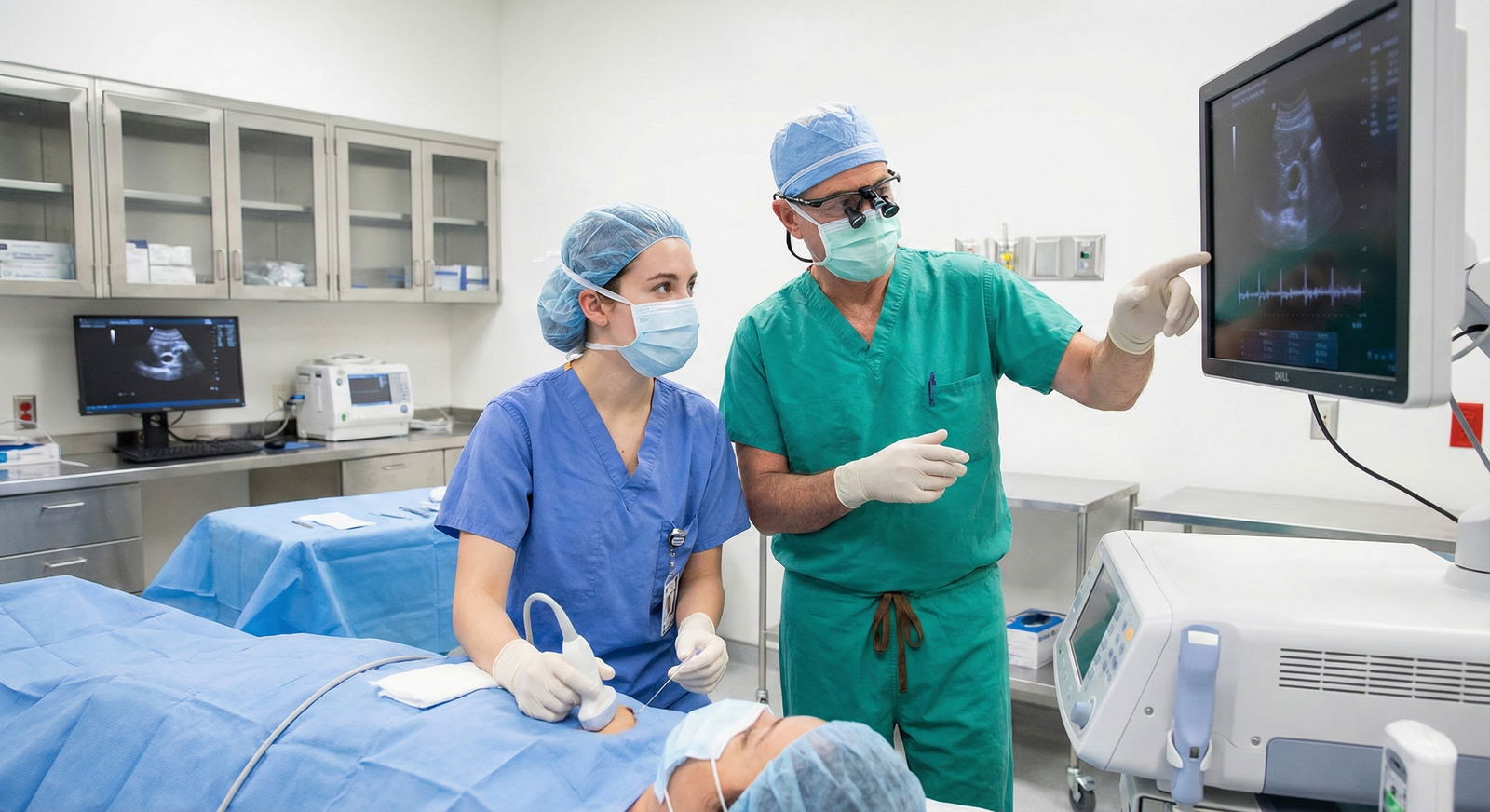
Only 27% of fellowship personal statements from procedure-heavy specialties convincingly demonstrate hands-on competence without sounding either arrogant or vague.
That middle ground—“I actually know what I’m doing, but I am not a cowboy”—is where most residents fail. They either undersell themselves (“I have basic exposure to central lines”) or overshoot (“I am extremely proficient at all ICU procedures”). Fellowship program directors read hundreds of these statements a year. They know exactly what real competency sounds like. And they are ruthless about overconfidence.
Let me break this down specifically.
You want to highlight procedural competence without sounding like you are about to crash someone’s lung in their ICU. That is absolutely doable, but it requires precision: in language, in numbers, and in how you frame your experience relative to supervision and systems.
What Fellowship Directors Actually Want When You Claim “Procedural Skill”
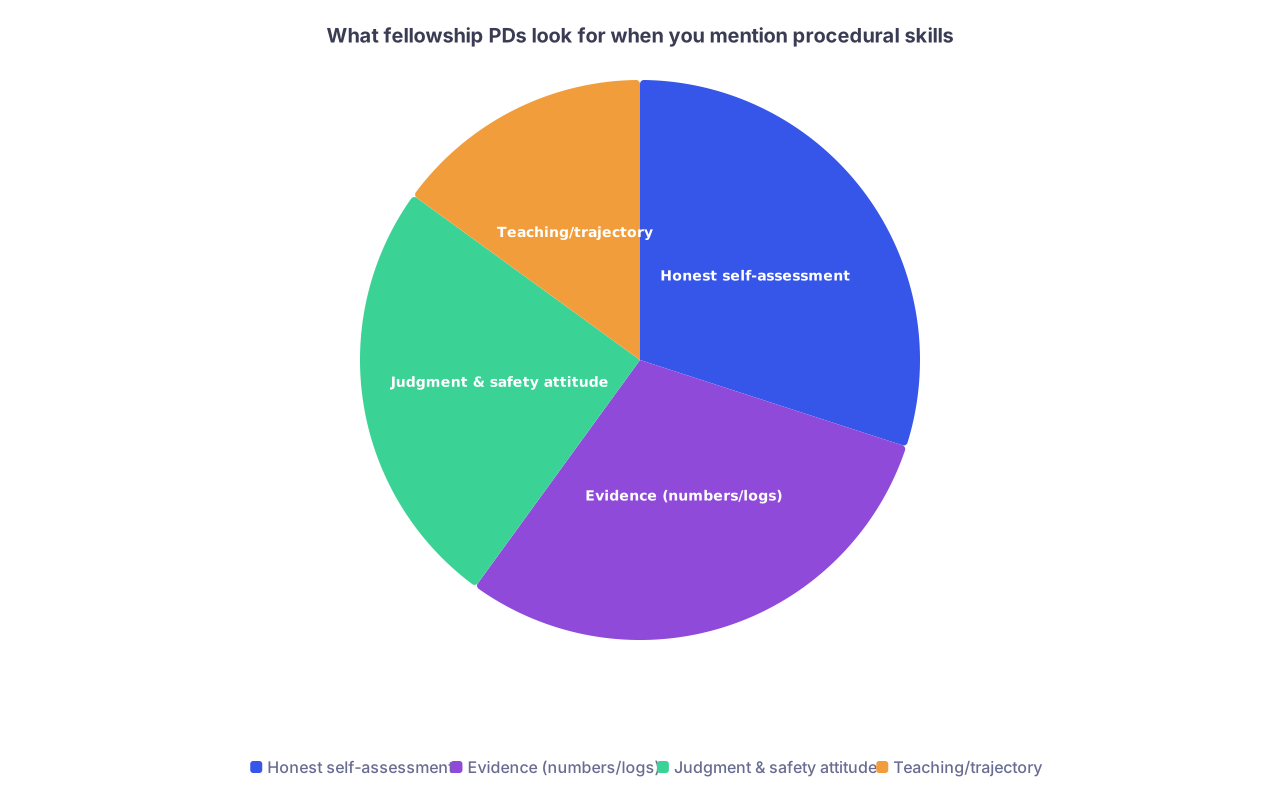
| Category | Value |
|---|---|
| Honest self-assessment | 30 |
| Evidence (numbers/logs) | 30 |
| Judgment & safety attitude | 25 |
| Teaching/trajectory | 15 |
Everyone focuses on “I did a lot of procedures.” That is not the main filter. Directors care more about how you think about procedures.
From reading applications and debriefing with fellowship PDs in pulmonary/critical care, cardiology, GI, and EM-type fellowships, four themes show up over and over:
Concrete exposure, not bravado.
Real numbers. Real settings. “Approximately 60 ultrasound-guided internal jugular central lines performed as primary operator under attending supervision” is credible. “Extensive experience with central lines” is fluff.Respect for supervision and systems.
Mature applicants:- Acknowledge team-based decision making.
- Name their attendings, services, or rotations where skills were developed.
- Mention policies (timeout, ultrasound use, checklists) as part of their procedure thinking.
Judgment > dexterity.
Programs fear the technically slick but reckless resident. What reassures them:- Knowing when not to do the procedure.
- Recognizing complications early.
- Calling for help at the right time.
Trajectory, not “I’ve arrived.”
They want people who are clearly good for PGY level and hungry to keep improving. The moment you sound like you think you are functioning at fellow level already, you lose credibility.
If you keep those four in mind, your tone will naturally shift out of “overconfident” territory.
The Language Traps That Make You Sound Overconfident
The fastest way to look arrogant is not the number of procedures you claim. It is the adjectives you glue to them.
Phrases that instantly raise red flags
These are the ones that program directors quote to each other in the workroom with raised eyebrows:
- “I am extremely proficient at…”
- “I have mastered…”
- “I am fully independent in…”
- “I can perform all ICU procedures…”
- “I rarely need supervision for…”
- “I am as comfortable as most fellows with…”
None of those belong in a fellowship application. A PGY-3 claiming “mastery” of endoscopy or TEE or ECMO is not bold. It is naïve.
Replace those with language that is specific and calibrated to your level:
- “Comfortable performing… as primary operator under direct supervision”
- “Have developed efficiency and reliability in…”
- “Progressing toward independent performance in… with faculty oversight”
- “Routinely serve as primary operator for… on our MICU rotation”
Notice the pattern: clear about role, clear about supervision, clear about progress.
Weak, underselling phrases you should also avoid
On the flip side, a lot of applicants sand down their competence so much they disappear:
- “Some experience with…”
- “Exposure to procedures including…”
- “Have seen multiple…”
- “Familiar with basic procedures such as…”
This reads like MS3-level language. Fellowship wants to see you are actually doing the work.
You fix this by:
- Anchoring to numbers.
- Naming setting and complexity.
- Mentioning your role (primary vs assistant).
For example:
- Weak: “Some experience with arterial lines.”
- Stronger: “As a senior resident in our 24-bed MICU, I served as primary operator for approximately 40 ultrasound-guided radial arterial lines, including on vasopressor-dependent and coagulopathic patients, always with attending or fellow supervision.”
That sounds like someone who knows where they sit on the competence spectrum.
How to Use Numbers, Logs, and Specifics Without Flexing

You either quote numbers intelligently or you look like you are inventing them at 1 a.m. over cold pizza.
Get your data in order first
Before you write a single line of your personal statement or CV description, you should know:
Total count of each key procedure relevant to your target fellowship (even approximated).
How many as:
- Primary operator.
- First assistant.
- Observer / “held the leg and watched”.
Typical supervision structure:
- “Always with in-room attending”
- “Fellow in room, attending available”
- “Direct supervision available but not always in room”
You do not need 10-decimal precision. You need ranges that sound plausible and honestly tied to your training environment.
| Procedure & Context | Weak Description | Strong Description |
|---|---|---|
| Central lines (MICU) | Experience with central lines | Primary operator for ~60 US-guided IJ central lines in a closed MICU with attending at bedside |
| Paracentesis (ward, ED) | Performed many paracenteses | Performed ~40 diagnostic/therapeutic paracenteses on ward and ED patients, with US marking and direct faculty supervision |
| Intubations (night float cross-cover) | Helped with intubations | First operator for ~25 rapid sequence intubations during night float, with anesthesia or critical care fellow present |
Phrase structure that works consistently
Use a simple, repeatable pattern when describing procedures:
“During [rotation/setting], I served as [primary operator / first assistant] for approximately [number or range] [procedure], always [supervision description], with focus on [what you learned / judgment piece].”
For example:
- “During our PGY-3 MICU rotation, I served as primary operator for approximately 30 bedside ultrasound-guided thoracenteses, always with an attending or critical care fellow present, and became more deliberate about pre-procedure risk assessment in patients with borderline respiratory reserve.”
Notice: there is no flex there. It is descriptive, not self-congratulatory. The value is implied by volume and context.
When your numbers are low
A common anxiety: “I only did 10 of X; will I look weak if I mention that?”
If 10 is honest, 10 is fine. You shift the emphasis:
- Tie it to:
- Quality of supervision.
- Complexity of cases.
- How you think about the procedure, not just how many.
Example:
- “Although our institution routes most emergent intubations through anesthesia, I served as primary operator for 8 ICU intubations with anesthesia or pulmonary critical care fellows at the bedside. Those experiences pushed me to focus on pre-oxygenation strategies and clear role assignment, rather than speed alone.”
A director reading that thinks: good insight, realistic environment, no inflation.
Showing Procedural Competence Through Judgment, Not Chest-Thumping
The safest flex is not “I am good with my hands.” It is “I use procedures appropriately.”
This is where your tone is made or broken.
Use one or two focused clinical anecdotes—done properly
Most residents do this badly. They pick:
- The goriest case.
- Where they “saved the day.”
- With themselves at the center of the story as solo hero.
That reads as immature.
Instead, pick an episode that shows:
- Thoughtful decision to proceed (or to delay/postpone).
- Engagement with senior guidance.
- Learning from a complication or near miss.
Example of a strong paragraph:
On my second month in the MICU, I was asked to place a central line in a patient with septic shock and platelets in the 20s. My reflex as a new PGY-2 was to “get the line now.” Sitting down with my attending, we reviewed ultrasound images together and discussed delaying the procedure for platelet transfusion while optimizing peripheral access and push-dose pressors. The line itself was straightforward; what stayed with me was how deliberately my attending weighed the timing and indication. Since then, I have tried to approach each procedure as a risk–benefit calculation, not a technical task to check off.
That paragraph highlights:
- Humility (admitting initial reflex).
- Supervision.
- Cognitive shift, not technical bragging.
Compare that to: “I confidently placed numerous central lines in unstable patients,” which says nothing about your thinking.
Explicitly name your comfort zone and limits
One of the most powerful—and underused—signals of maturity is to state your limitations in plain language.
For example:
- “I am comfortable as primary operator for bedside thoracentesis and paracentesis under direct supervision. For more complex procedures, such as pigtail catheter placement for loculated effusions, I have assisted but do not yet perform these independently.”
Or:
- “I recognize that my current intubation experience is limited compared to procedural specialties. I am eager to build a structured airway foundation in fellowship within a supervised, protocol-driven environment.”
Directors read that and think: good, this person knows exactly where they are. That is the opposite of overconfidence.
Calibrating Confidence Across Different Fellowship Types
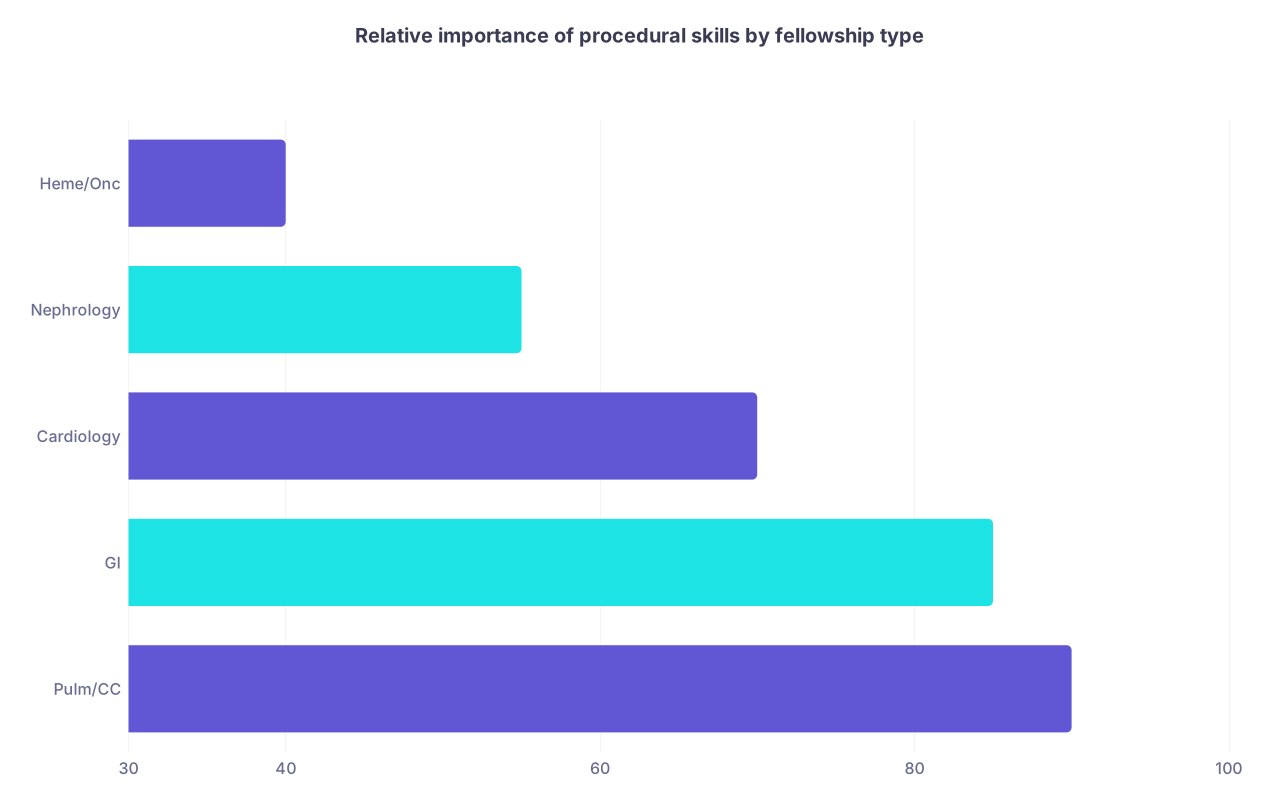
| Category | Value |
|---|---|
| Pulm/CC | 90 |
| GI | 85 |
| Cardiology | 70 |
| Nephrology | 55 |
| Heme/Onc | 40 |
Not all fellowships read “procedural enthusiasm” the same way. You have to tune your framing.
Pulm/CC, GI, Cardiology – procedure-centric fellowships
These programs expect:
- Real procedure volume relative to your residency type.
- Obvious enthusiasm for procedures, but not to the exclusion of cognitive medicine.
How to strike balance:
Emphasize:
- Number and variety of relevant procedures.
- Ultrasound use and image interpretation.
- Comfort in acutely unstable environments.
Temper with:
- Statements about valuing thoughtful indications.
- Desire for structured teaching (simulation, formal curriculum).
- Respect for multidisciplinary teams (RT, anesthesia, IR, surgery).
Example tone for Pulm/CC:
- “I am drawn to Pulmonary and Critical Care because I enjoy marrying procedural work—central lines, arterial lines, thoracenteses, bedside ultrasound—with the complexity of multi-organ failure and longitudinal outpatient lung disease. My MICU months made it clear that I am still early in my procedural development, and I am looking for a fellowship with a strong, structured procedural curriculum rather than ad hoc exposure.”
That is confident and ambitious without pretending you are already a mini-fellow.
Nephrology, Heme/Onc, Endocrine – less procedure heavy
Here, overselling procedural competence can sound tone-deaf.
For example, if half your statement for Hem/Onc is about placing chest tubes and central lines, the director will wonder if you picked the right field.
You can still mention procedural skill as evidence of:
- Comfort with acutely ill patients.
- Manual dexterity and attention to detail.
- Respect for invasive interventions.
But anchor it to the specialty:
- Nephrology: focus on dialysis catheter insertion only if you truly did it, but do not pretend you are going to be an IR fellow.
- Hem/Onc: bone marrow biopsies, LPs for intrathecal chemo.
- Endocrine: not much procedural; mention your comfort with US-guided FNA only if real and supervised closely.
Example for Hem/Onc:
- “I performed approximately 30 bone marrow biopsies as primary operator under supervision of our malignant hematology attendings. Those procedures forced me to slow down, communicate clearly with anxious patients, and think carefully about how each diagnostic step would influence management.”
Short, relevant, measured.
Avoiding the “Cowboy” Vibe: How You Talk About Risk and Complications
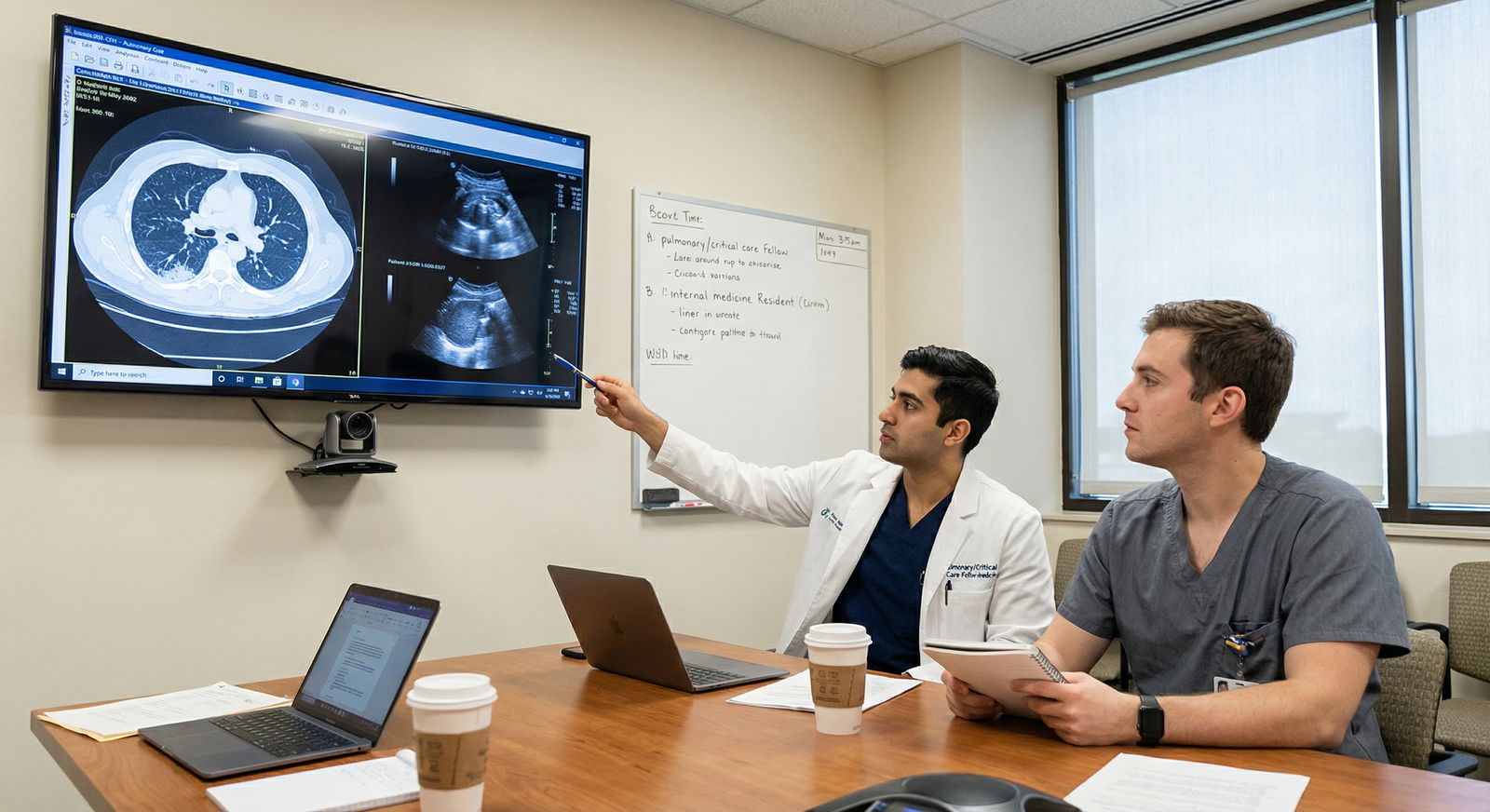
Nothing screams overconfidence like bragging about high-risk procedures without a whisper of respect for complications.
A few practical rules:
1. If you mention a high-risk procedure, acknowledge risk
Talking about emergent intubations, pigtail catheters, or complicated central lines? Add one line about your safety mindset.
- “Those experiences taught me to pause for a structured timeout and ultrasound review, even under time pressure.”
- “I became more aware of how quickly a straightforward procedure can deteriorate without preparation and clear role assignment.”
You are not advertising fear; you are advertising maturity.
2. Own one learning moment from a complication or near-miss
You do not need a dramatic story, but a short acknowledgment earns trust.
For example:
Early in residency, I assisted with a thoracentesis that was complicated by re-expansion pulmonary edema despite careful fluid removal. Watching that patient decompensate after what felt like a routine procedure permanently changed how I think about “simple” interventions. I now consciously reassess respiratory status throughout each procedure and do not hesitate to stop early if patients are not tolerating it.
No blame-shifting. No melodrama. Just proof that you understand nothing is “minor” when it involves a needle in someone’s chest or neck.
3. Avoid adrenaline language
If your sentences sound like they were lifted from an action movie, rewrite them:
- Bad tone: “I thrive in chaotic, high-adrenaline codes where I rapidly intubate crashing patients.”
- Better: “I have grown more comfortable performing critical procedures in unstable patients, while still relying on structured preparation and close supervision.”
You are applying for a fellowship, not a SWAT team.
Where to Place Procedural Content Across Your Application
You can ruin a good story simply by putting it in the wrong place or wrong proportion.

| Step | Description |
|---|---|
| Step 1 | Residency Experience |
| Step 2 | Personal Statement |
| Step 3 | CV Procedure Section |
| Step 4 | Letters of Recommendation |
| Step 5 | 1-2 Focused Examples |
| Step 6 | Concise Counts and Roles |
| Step 7 | Independent Validation |
Personal statement
Target: 20–40% of your statement, depending on specialty.
Use it for:
- 1–2 key anecdotes that show judgment and trajectory.
- Your philosophy about procedures (indications, risk, learning).
Do not:
- List every procedure you know.
- Turn it into a procedural log in paragraph form.
- Make yourself the solo hero of every story.
CV / ERAS application
This is where you can be a bit more quantitative and structured.
Group procedures by type and role:
- “Central venous catheters (IJ, subclavian, femoral): ~70 as primary, ~30 as assistant.”
- “Arterial lines (radial): ~50 as primary.”
Avoid absurd precision (“73 central lines, 41 arterial lines”); that looks fabricated.
Keep wording neutral and factual.
Letters of recommendation
This is where real independent verification of your competence should live. You cannot write these, but you can influence who writes them.
For strong procedural validation:
- Choose:
- MICU director.
- Procedure-heavy attending (pulm/CC, GI, interventional cardiology).
- Someone who watched you grow over time.
What they ideally say:
- “By the end of PGY-3, Dr. X was functioning at or above the level of our typical incoming fellows with respect to [specific procedures], always within appropriate supervision frameworks.”
- “I trust Dr. X to be the primary operator for [X procedure] under my supervision, and they demonstrate good judgment about when to ask for help.”
That carries more weight than any self-description you can put down.
Example Paragraphs: Overconfident vs Calibrated
Let me show you this in practice. These are the kinds of contrasts fellowship selection committees talk about.
Example 1 – Pulm/CC applicant
Overconfident:
I am extremely proficient at all ICU procedures, including central lines, intubations, chest tubes, and arterial lines. I rarely need supervision and can independently manage any procedure that comes through the unit.
Calibrated:
During my PGY-2 and PGY-3 MICU rotations at a 24-bed closed unit, I have served as primary operator for approximately 60 ultrasound-guided internal jugular central lines and 40 radial arterial lines, always with an attending or fellow present. I am comfortable with these procedures at my current level while recognizing that my experience is still early compared to Pulmonary and Critical Care fellows. I am eager for a fellowship that offers structured procedural teaching, simulation, and graduated autonomy rather than assuming competency based on volume alone.
Same person. One sounds reckless. The other sounds ready.
Example 2 – Cardiology applicant
Overconfident:
I have essentially mastered transthoracic echocardiography and can read echos at a fellow level.
Calibrated:
Through dedicated echo rotations and frequent image acquisition on the wards, I have become comfortable performing focused transthoracic echocardiograms to answer specific bedside questions in collaboration with our cardiology team. I can reliably obtain standard views and identify gross abnormalities such as severe LV dysfunction, large pericardial effusions, and marked RV enlargement, but I still depend heavily on our cardiologists and sonographers for detailed quantification and nuanced interpretation. One of my goals in cardiology fellowship is to deepen this skill under formal supervision and feedback.
Again: confidence plus boundaries.
The One-Sentence Filter Before You Submit

Here is a simple exercise I recommend before submitting any statement or CV description:
For every sentence about procedures, ask:
“Would my MICU/ED/GI attending who knows me best read this and say, ‘Yes, that is accurate’—or would they squint?”
If you can imagine them squinting, cut or rephrase it.
That filter catches:
- Inflated numbers.
- Exaggerated independence.
- Vague boasting (“very skilled,” “highly proficient”).
If your own attendings would balk, fellowship directors absolutely will.
Core Takeaways
- Use specific numbers, roles, and settings to show procedural competence; avoid vague adjectives and self-congratulation.
- Explicitly show judgment, respect for supervision, and awareness of risk; that is what separates a strong candidate from an overconfident one.
- Calibrate to your specialty and PGY level—aim for honest, upward trajectory, not “I already function at a fellow level.”