Understanding the Fellowship Landscape for DOs in Diagnostic Radiology
For a DO graduate in diagnostic radiology, fellowship preparation starts much earlier than many residents expect. The modern radiology job market is increasingly subspecialized, and most residents—MD and DO—pursue at least one fellowship. As a DO graduate, you can absolutely be competitive across all major subspecialties, including highly sought-after programs, if you plan deliberately.
Key realities to understand early:
- Almost all radiology residents now subspecialize. In many regions, a pure “general radiologist” job straight out of residency is becoming less common.
- Your DO background is an asset, not a liability. Many programs value osteopathic graduates for their holistic mindset and strong clinical skills. The challenge is less about your degree and more about demonstrating rigorous training, strong imaging fundamentals, and a track record of performance.
- Subspecialty choice and timing are linked. Some fellowships (e.g., interventional radiology, neuroradiology) are extremely competitive and reward residents who start preparing early in residency.
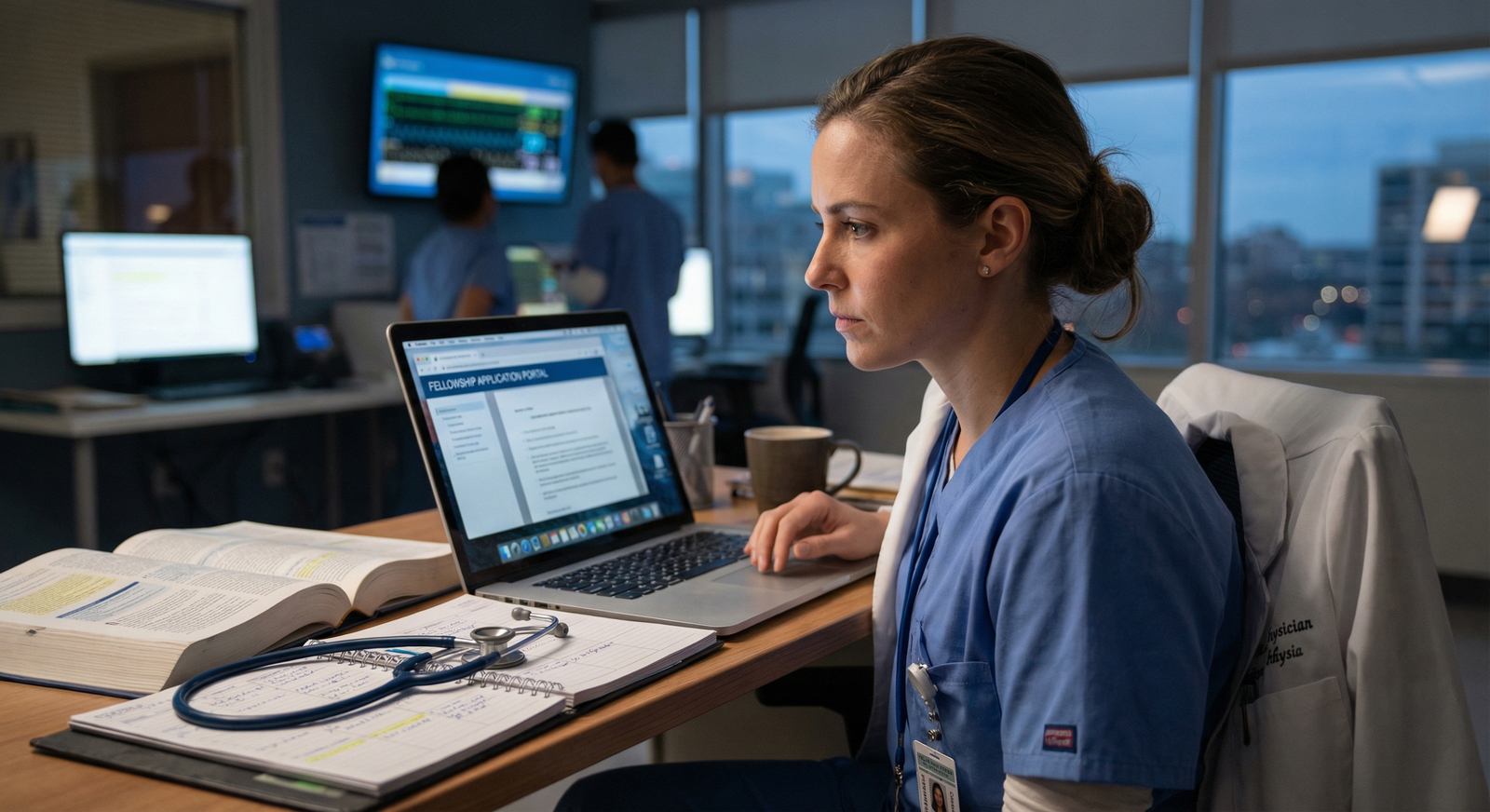
- Fellowship application timeline is tight. For most diagnostic radiology subspecialties, you begin applying in the middle of your R2 year (or equivalent), which means your R1 and early R2 choices matter more than you might think.
Why Fellowship Matters So Much for DO Radiologists
For DO graduates, fellowship training can:
- Mitigate perceived brand differences between osteopathic and allopathic schools by highlighting your advanced training.
- Open doors at competitive academic centers where a subspecialty credential is often mandatory.
- Increase job flexibility—with subspecialty training, you can join both academic and private practice groups and often negotiate better roles.
- Future-proof your career in an era of increasing teleradiology, subspecialization, and AI integration.
If you’re a DO graduate in a diagnostic radiology residency—whether ACGME, legacy AOA, or a merged program—the key is not to “make up ground” but to strategically showcase your strengths and build a clear narrative toward your fellowship of choice.
Choosing the Right Fellowship: Strategy for DO Diagnostic Radiology Graduates
Before you dive into the mechanics of how to get fellowship offers, you need clarity on what you actually want. The osteopathic residency match and your diagnostic radiology match already required some introspection, but fellowship decisions are even more career-defining.
Common Diagnostic Radiology Fellowships
Most DO and MD graduates in diagnostic radiology consider one or more of these:
- Neuroradiology
- Interventional Radiology (IR) – often via independent IR or ESIR pathway
- Musculoskeletal (MSK) Radiology
- Body Imaging / Abdominal Imaging
- Breast Imaging
- Cardiothoracic Imaging
- Pediatric Radiology
- Nuclear Medicine / Molecular Imaging
- Emergency Radiology
- Women’s Imaging (breast + pelvic)
Each subspecialty has different application pressures, types of jobs, and lifestyle considerations.
Step 1: Clarify Your Career Goals Early
Start this process in late R1 or early R2:
Ask yourself:
- Do I see myself in academic medicine or private practice?
- Do I enjoy procedures (IR, some MSK) or am I more drawn to image interpretation?
- What kind of patient population and pathology engage me most? (neuro, musculoskeletal, thoracic, oncologic, pediatric, women’s health, etc.)
- What lifestyle do I want? (call, remote work potential, clinic time, etc.)
- Do I want multi-fellowship training (e.g., body + MSK) to expand job options?
For example:
- If you love spine and joint imaging, working closely with orthopedic surgeons, and occasionally doing joint injections, MSK might suit you.
- If you enjoyed osteopathic manual medicine and anatomy, and like complex neuroanatomy, neuroradiology offers deep subspecialty satisfaction.
- If you value daytime work, predictable hours, and a strong job market almost everywhere, breast imaging can be a great fit.
Step 2: Understand Competitiveness and DO Considerations
Some radiology fellowships are more competitive than others. For DO graduates, there’s no official “separate track,” but a realistic awareness of competition helps with planning.
Typically more competitive:
- Interventional Radiology
- Neuroradiology (at top-tier academic centers)
- MSK at high-volume sports/ortho centers
- Elite academic body or thoracic programs
Generally accessible but still selective:
- Breast Imaging
- General Body/Abdominal Imaging
- Community-based MSK/Neuro/Body programs
- Pediatric Radiology
For DOs, you can absolutely match into top fellowships, but programs will look closely at:
- Your residency reputation and case mix
- Letters of recommendation from respected radiologists
- Board exam performance (Core Exam, previous USMLE/COMLEX)
- Any research or scholarly activity in your targeted subspecialty
Step 3: Do Targeted Exploration in R1–Early R2
To avoid a last-minute decision:
- Schedule elective rotations in at least 2–3 potential subspecialties.
- Attend subspecialty conferences (virtual or in-person), such as:
- ASNR (neuroradiology)
- SIR (interventional)
- SSR (MSK)
- SAR / SBI / STR, etc.
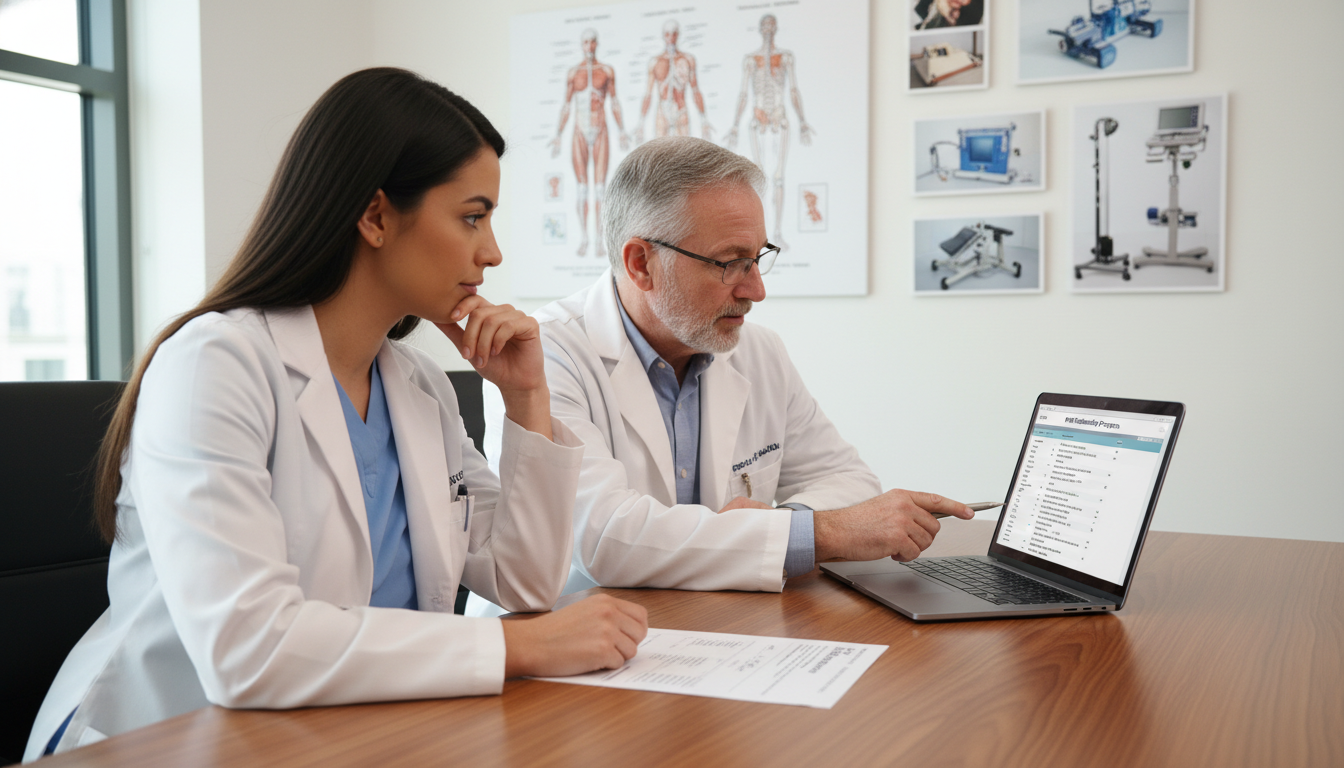
- Seek mentorship from faculty in different subspecialties.
Example: A DO R1 in a mid-sized community program:
- Rotates in body, MSK, and neuro during the first 18 months.
- Notices she loves MRI and spine imaging more than ultrasound.
- Attends local neuroradiology case conference, connects with a neuro-attending who becomes her mentor.
- Starts a small retrospective study on spine MRI findings and back pain outcomes.
By the time fellowship application season opens, she has a clear direction and relevant experiences to discuss.

Building a Competitive Profile as a DO Radiology Resident
Once you have a tentative fellowship target, you can be more deliberate about how you spend your time in residency. Your aim is to build a cohesive story and a strong objective record that speaks to programs.
Clinical Excellence Comes First
No amount of research or networking can compensate for weak clinical performance.
Focus on:
- Mastering core diagnostic radiology skills—search patterns, report clarity, recognizing life-threatening findings.
- Being reliable on call—programs ask about how you handle stress, autonomy, and overnight work.
- Seeking direct feedback from attendings:
- “Are there areas I could focus on to be more competitive for a neuroradiology fellowship?”
- “What skills matter most in your subspecialty, and how can I strengthen them now?”
Program directors and fellowship selection committees often directly contact each other. A reputation for strong work ethic, kindness, and sharp clinical skills can outweigh the prestige of your degree or residency brand.
Strategic Research and Scholarly Activity
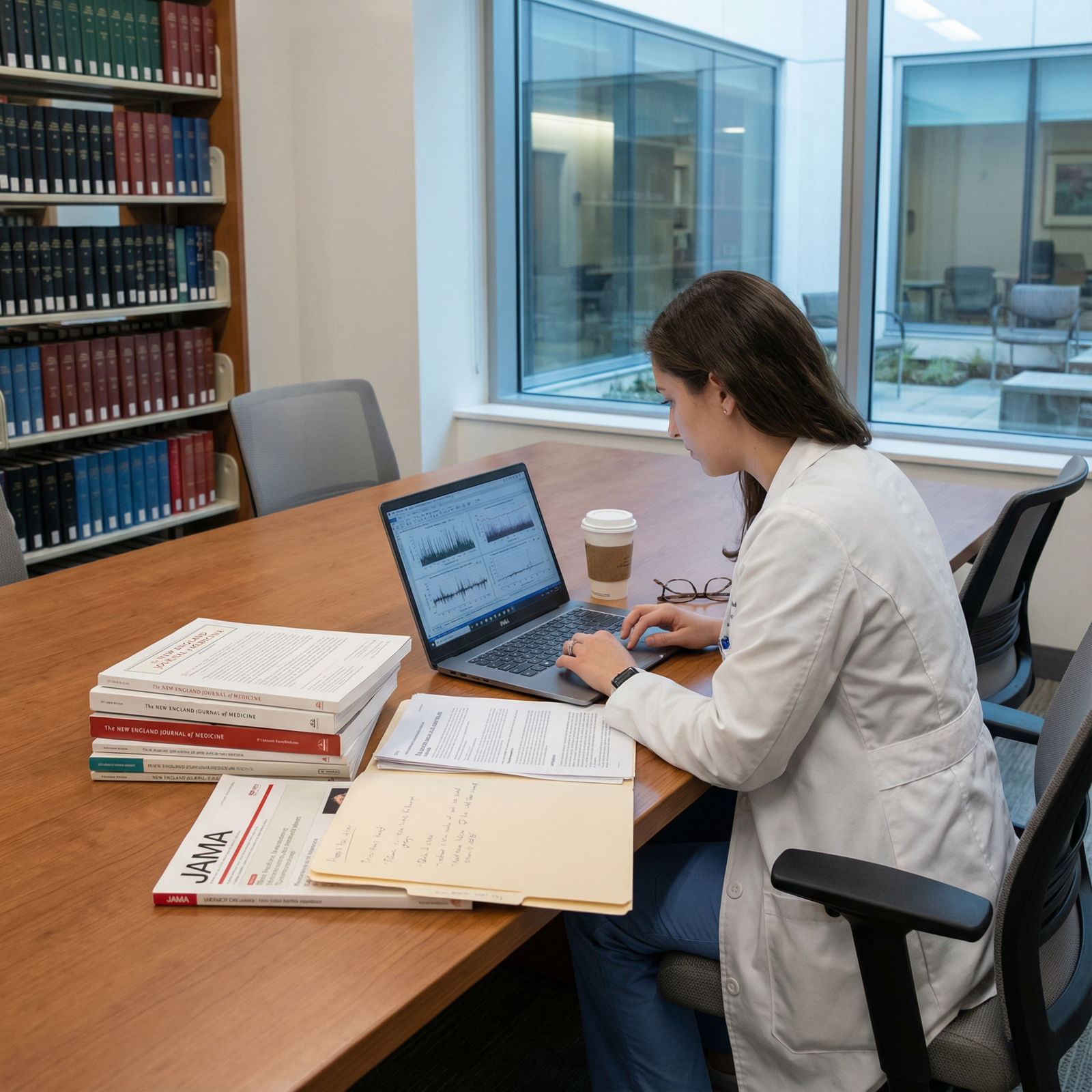
You do not need a massive research portfolio to match most fellowships, but some scholarly work helps, especially for academic programs.
For DOs, research can demonstrate:
- Ability to work in academic environments
- Comfort with evidence-based practice
- Long-term professional curiosity
Actionable steps:
- In R1, ask: “Is anyone doing research in [your target subspecialty] that I can help with?”
- Start with manageable projects: case reports, small retrospective reviews, educational exhibits for RSNA or subspecialty meetings.
- Aim for at least:
- 1–2 posters or presentations, and
- 1–2 publications (even case reports or co-authorships) if possible.
Not every DO has the same research infrastructure. If you’re in a community program:
- Partner with a motivated subspecialty attending who wants to develop a research niche.
- Utilize your osteopathic background for holistic research angles—e.g., imaging findings linked to functional outcomes or musculoskeletal biomechanics.
- Consider multi-institutional collaborations via virtual meetings or alumni networks.
Letters of Recommendation: Your Most Powerful Asset
For DO graduates, letters often carry extra weight, especially when the letter writers are nationally known or highly respected.
Aim for:
- 2–3 subspecialty-specific letters from:
- Faculty in the fellowship area you’re applying to.
- At least one recognized leader (division chief, program director, or fellowship director).
- 1 more general radiology letter from someone who has seen you on call or across multiple rotations.
Make it easy for strong letters to be written about you:
- Show up early, take ownership of cases, help juniors, and volunteer for small tasks.
- Ask for feedback months before you request a letter:
“I’m hoping to apply for MSK fellowships next year. Are there areas I should focus on to be a strong applicant from this program?” - When requesting a letter:
- Provide your CV, draft personal statement, and a bullet list of key things you hope they can comment on (work ethic, specific projects, call performance, etc.).
Showcasing Your Osteopathic Identity
You don’t have to hide that you’re a DO. In fact, you can lean into it intelligently:
- Highlight your holistic approach to imaging: understanding how findings affect the whole patient, not just the body part.
- Draw on clinical experiences from medical school that emphasized physical exam skills, anatomy, and functional thinking.
- If relevant, mention OMM/OMT experience in relation to musculoskeletal or neuro imaging—programs appreciate radiologists who understand their referring clinicians’ perspectives deeply.
In your application and interviews, frame your DO training as one of your distinctive strengths, not something you need to defend.
Timeline and Mechanics: How to Get Fellowship Offers in Diagnostic Radiology
Understanding the fellowship application timeline is critical. Many residents underestimate how early things start.
General Fellowship Application Timeline for Radiology (Approximate)
This can vary by subspecialty and year, but a typical schedule:
R1 (PGY-2):
- Settle into residency, solidify fundamentals.
- Begin exploring subspecialties and connecting with potential mentors.
- Optional: start small research or educational projects.
Early R2 (PGY-3):
- Narrow your top 1–2 fellowship choices.
- Intensify subspecialty exposure (electives, conferences, journal clubs).
- Finalize at least one mentor in your target subspecialty.
Mid to Late R2 (PGY-3 to early PGY-4):
- The fellowship application season opens (exact timing depends on whether the subspecialty is in the NRMP match and the specific year’s policies).
- Prepare your CV, personal statement, and letters.
- Submit applications early in the cycle.
- Begin virtual or in-person interviews.
R3 (PGY-4):
- Complete interviews and ranking.
- Take the Core Exam.
- Match into fellowship and finalize contract.
R4 (PGY-5):
- Solidify skills that your fellowship expects from day one.
- Complete credentialing and logistics for your future position.
Always check:
- The fellowship application timeline for your target subspecialty via:
- Society websites (e.g., ASNR, SSR, SBI, STR)
- NRMP and ERAS announcements
- Your program coordinator or fellowship director
NRMP Match vs. Non-Match Fellowships
Some radiology fellowships participate in the NRMP match, while others operate on a more direct offer system. This has been evolving over the past several years.
Key points:
- If your desired subspecialty uses NRMP:
- The process is similar to your diagnostic radiology match—rank lists, match day, strict rules around offers.
- If it’s non-match:
- Programs may offer rolling interviews and early offers.
- Applying early can give you a major advantage.
- You may need to respond quickly to offers (sometimes within days).
Your strategy as a DO graduate:
- Track changes yearly. Don’t rely on outdated information from older residents.
- When unsure, ask your program director: “Are the [subspecialty] fellowships I’m targeting in the match this year, and when should I start applying?”
Practical Application Steps
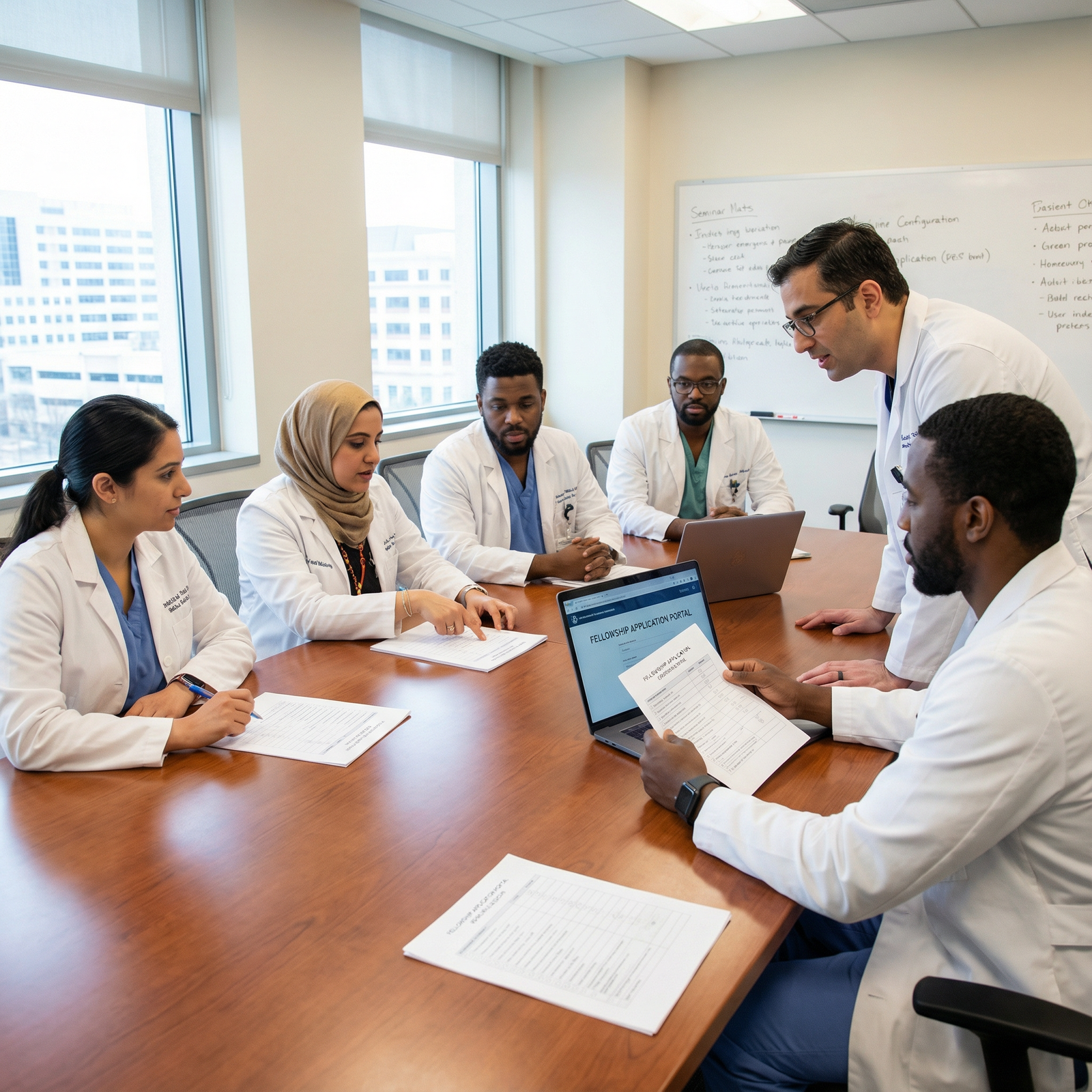
Prepare Your CV Early
- Organize sections: education, exams, residency experience, research, presentations, teaching, leadership, awards.
- Emphasize radiology-specific activities and subspecialty involvement.
Write a Focused Personal Statement
- 1 page, direct and specific:
- Why this subspecialty?
- How your DO and radiology experiences led you here.
- What you hope to gain from fellowship.
- What you bring to the program (skills, interests, future career plans).
- Avoid generic “I’ve always loved imaging” statements—use concrete examples.
- 1 page, direct and specific:
Gather Letters on Time
- Approach letter writers 2–3 months before you apply.
- Politely follow up, knowing attendings are busy.
- Confirm that letters have been uploaded before deadlines.
Apply Broadly but Intentionally
- Especially as a DO, consider a strategy of:
- A few “reach” programs (top-tier academic centers).
- Several solid academic/community programs where your profile is a great fit.
- A few safety programs where you’re likely to be near the top of the applicant pool.
- Tailor emails and supplemental materials to show genuine interest.
- Especially as a DO, consider a strategy of:
Interview Preparation
- Be ready to discuss:
- Challenging cases and what you learned.
- Your research or quality improvement work.
- Why you chose this subspecialty and how you see your career evolving.
- Research each program’s:
- Case mix and technology
- Faculty interests
- Graduates’ job outcomes
- Be ready to discuss:
Use your DO background to highlight your teamwork, communication with clinicians, and patient-centered focus.

Preparing for Fellowship During the Remainder of Residency
After you’ve matched into a fellowship, your work isn’t done. The transition from residency to subspecialty training will be smoother—and your future job prospects brighter—if you use the remainder of residency intentionally.
Skill-Building in Your Subspecialty
Once matched, ask your future program what they expect you to know on day one.
Then:
Adjust your elective schedule to strengthen needed skills:
- Neuroradiology-bound: increase MRI-heavy neuro rotations, spine imaging, stroke call exposure.
- MSK-bound: spend time in MSK MRI, ortho tumor board, sports imaging.
- Breast-bound: maximize mammography, ultrasound, biopsies, and breast MRI.
Attend relevant tumor boards or multidisciplinary conferences:
- This builds comfort discussing imaging with surgeons and oncologists.
- It also mirrors fellowship expectations, especially in academic settings.
Refine your report-writing in that subspecialty:
- Ask attendings to critique your structure, clarity, and key phrases.
- Learn consensus lexicons (BI-RADS, LI-RADS, PI-RADS, etc.) used in your field.
Professional Development and Networking
Residency is a prime time to lay foundations for your post-fellowship career.
For DO graduates, targeted networking can help bypass lingering biases and give you direct access to hiring groups.
Practical ideas:
Attend at least one national or subspecialty meeting during late residency or early fellowship.
Join the subspecialty society (often with trainee rates) and get involved in:
- Trainee committees
- Educational content development
- Virtual journal clubs or case conferences
Request short phone calls or zoom meetings with:
- Alumni from your residency who did your planned fellowship.
- DO radiologists in your subspecialty.
- Practice leaders in regions where you might want to work.
When you talk with them, ask:
- “What do you wish you had done differently during residency or fellowship?”
- “What skills are most valued in your current practice?”
- “Are there particular fellowships that produce especially strong graduates?”
Laying the Groundwork for Post-Fellowship Jobs
While this article focuses on preparing for fellowship, your choices during residency will affect your first attending job options.
To use fellowship prep as a bridge to your career:
- Keep a running list of what you like and dislike about different practice settings encountered in residency.
- Ask upper-level residents and recent graduates about:
- Practice types (academic vs private vs hybrid)
- Geography and lifestyle
- Partnership tracks and teleradiology options
Some residents pursue two fellowships to broaden job opportunities (e.g., MSK + Neuro, or Mammography + Body). That path is optional but worth considering if your interests and life circumstances align.
Common Questions: Fellowship Preparation for DO Graduates in Diagnostic Radiology (FAQ)
1. As a DO graduate, am I at a disadvantage for competitive radiology fellowships?
You may encounter programs that show a preference for MDs, especially if they historically drew mainly from large academic centers. However, many fellowship programs actively recruit DO graduates and care much more about:
- High-quality residency training
- Strong letters of recommendation
- Solid Core Exam and prior board performance
- Demonstrated interest and competence in the subspecialty
Your job is to make your application indisputably strong: excellent clinical evaluations, consistent subspecialty engagement, at least modest scholarly work, and thoughtful interview performance. Many DO radiologists match into top fellowships each year.
2. How early should I start preparing for fellowship during my diagnostic radiology residency?
Realistically, start exploring in R1 and focusing in early R2.
- R1: Learn core radiology, try different rotations, notice what excites you.
- Early R2: Narrow subspecialty interests, begin or continue research, identify mentors.
- Mid–late R2: Actively prepare applications, request letters, and schedule interviews.
Because the fellowship application timeline can shift—especially with subspecialty decisions about the match—confirm timing annually with your program director or coordinator.
3. Do I need research to match into a radiology fellowship as a DO?
You don’t need an extensive research CV for most fellowships, particularly community-focused ones. However, some scholarly activity helps, especially for competitive or academic programs.
Aim, if possible, for:
- 1–2 posters or presentations at a regional or national meeting
- 1–2 publications (case reports or small series are fine)
If your residency has limited research infrastructure, focus on practical, doable projects with supportive mentors rather than large, complex studies that may never finish.
4. How can I decide which subspecialty is right for me if I like several areas?
This is extremely common, especially for curious, well-rounded residents.
Try this:
- During R1–early R2, deliberately rotate through your top 3 interests.
- Keep a simple journal: after each rotation, jot down what you liked, disliked, and could picture doing daily for 20–30 years.
- Talk to attendings and fellows about:
- Lifestyle (call, hours, remote options)
- Job market
- Case mix and procedures vs interpretation
If you’re still torn, choose the subspecialty that:
- You consistently enjoy even on busy days
- Offers a healthy job market in regions you’d consider living
- Aligns best with your long-term lifestyle and family goals
You can maintain broad skills through residency and early career, but your first fellowship will strongly shape your future path.
By approaching fellowship preparation deliberately—as a DO graduate in diagnostic radiology—you can convert your unique training background into a powerful asset. Early planning, subspecialty alignment, strong letters, and intentional networking will position you not only to succeed in the diagnostic radiology match and diagnostic radiology residency, but also to thrive in the fellowship phase and beyond.