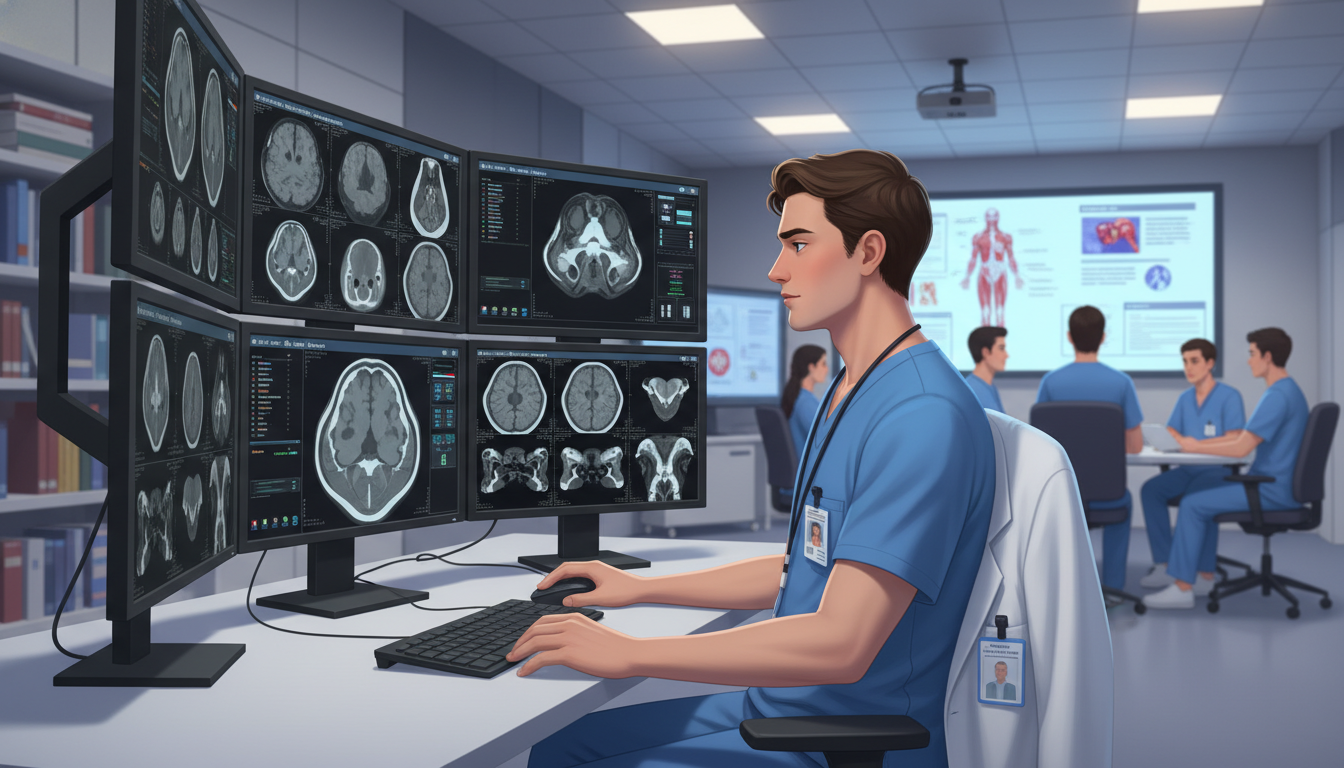
Understanding the Big Picture: Why Fellowship Preparation Starts in Residency
For an MD graduate in diagnostic radiology, fellowship preparation doesn’t begin in your final year—it effectively starts the day you enter residency. The diagnostic radiology match gets you into the field; your fellowship decision shapes the practice you will actually live day to day.
Whether you’re coming from an allopathic medical school match and just starting PGY‑2 (R1) or you’re already a senior resident, clarifying why and how you’re pursuing fellowship is crucial.
Why Most Diagnostic Radiology Residents Pursue Fellowship
In modern radiology practice, fellowship training is increasingly the norm rather than the exception. Reasons include:
- Market expectations: Many groups and academic centers strongly prefer (or require) fellowship-trained radiologists, especially in competitive regions.
- Subspecialty complexity: Fields like neuroradiology, interventional radiology (IR), MSK, breast, and abdominal imaging demand depth beyond residency training.
- Career differentiation: Fellowship helps you stand out for specific roles—academic positions, leadership, or niche private practice jobs.
- Confidence and autonomy: Many residents feel more comfortable taking full responsibility for complex cases after focused fellowship training.
Common Fellowship Pathways after Diagnostic Radiology
Typical fellowships for diagnostic radiology residents include:
- Neuroradiology
- Musculoskeletal (MSK) Radiology
- Abdominal/Body Imaging
- Thoracic Imaging
- Breast/ Women’s Imaging
- Pediatric Radiology
- Nuclear Medicine / Molecular Imaging
- Emergency Radiology
- Interventional Radiology (for those not in an integrated IR pathway)
- Cardiothoracic or Cardiac Imaging (sometimes within broader chest/body programs)
Each has distinct day-to-day workflows, calls, job markets, and expectations. Preparing effectively for fellowship means:
- Understanding your long-term goals.
- Aligning your residency experiences with those goals.
- Executing a deliberate plan based on the fellowship application timeline.
The sections below walk through this process step by step.
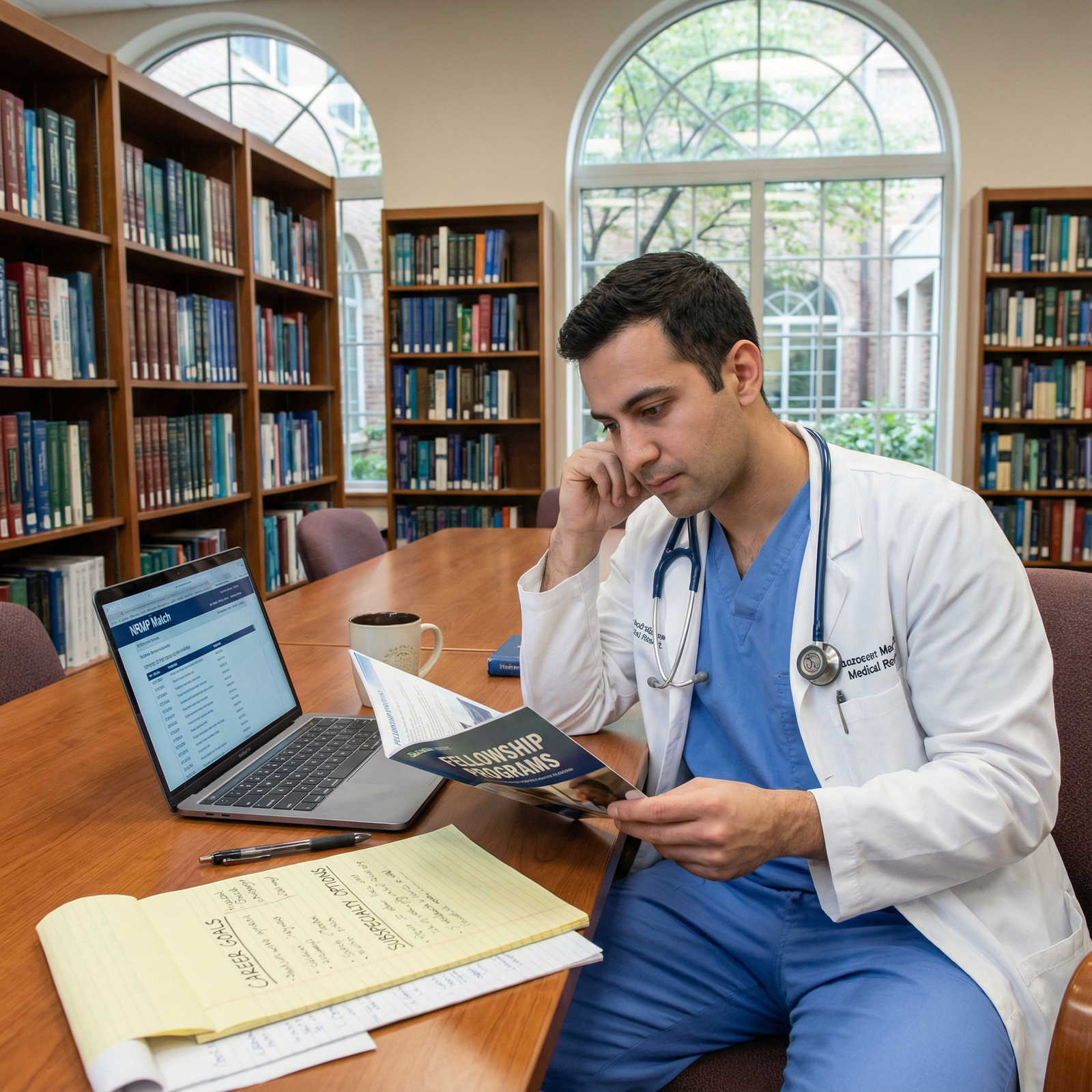
Clarifying Your Goals: Choosing the Right Subspecialty
Before you can plan how to get fellowship training, you need clarity on which fellowship suits you. This is more than picking the “flashiest” field; it’s about what you want your workday to look like for decades.
Self-Assessment: What Kind of Radiologist Do You Want to Be?
Ask yourself:
- Clinical interests
- Which rotations excite you? Neurorads? MSK? ER imaging? Breast?
- Do you like acute/emergent settings, or slower, outpatient-heavy environments?
- Lifestyle preferences
- How much do you value predictable daytime work vs. tolerating nights/weekends?
- Are you comfortable with procedural work, consent, and direct patient care (e.g., IR, breast, MSK interventions)?
- Career setting goals
- Academic vs. private practice vs. hybrid institution?
- Desire for research, teaching, or administrative leadership?
- Job market realities
- What subspecialties are in higher demand in your region or where you plan to live?
- Does your preferred market expect a particular subspecialty?
Using Residency to Explore Subspecialties
During your residency years, especially PGY‑2 and PGY‑3:
- Take notes on your rotations
Track what you enjoy, what feels draining, and what kind of work you could see yourself doing long term. - Seek subspecialty mentors early
Approach attendings whose work and lifestyle you admire. Ask:- “What do you like most and least about your field?”
- “If you were choosing again today, would you pick the same fellowship?”
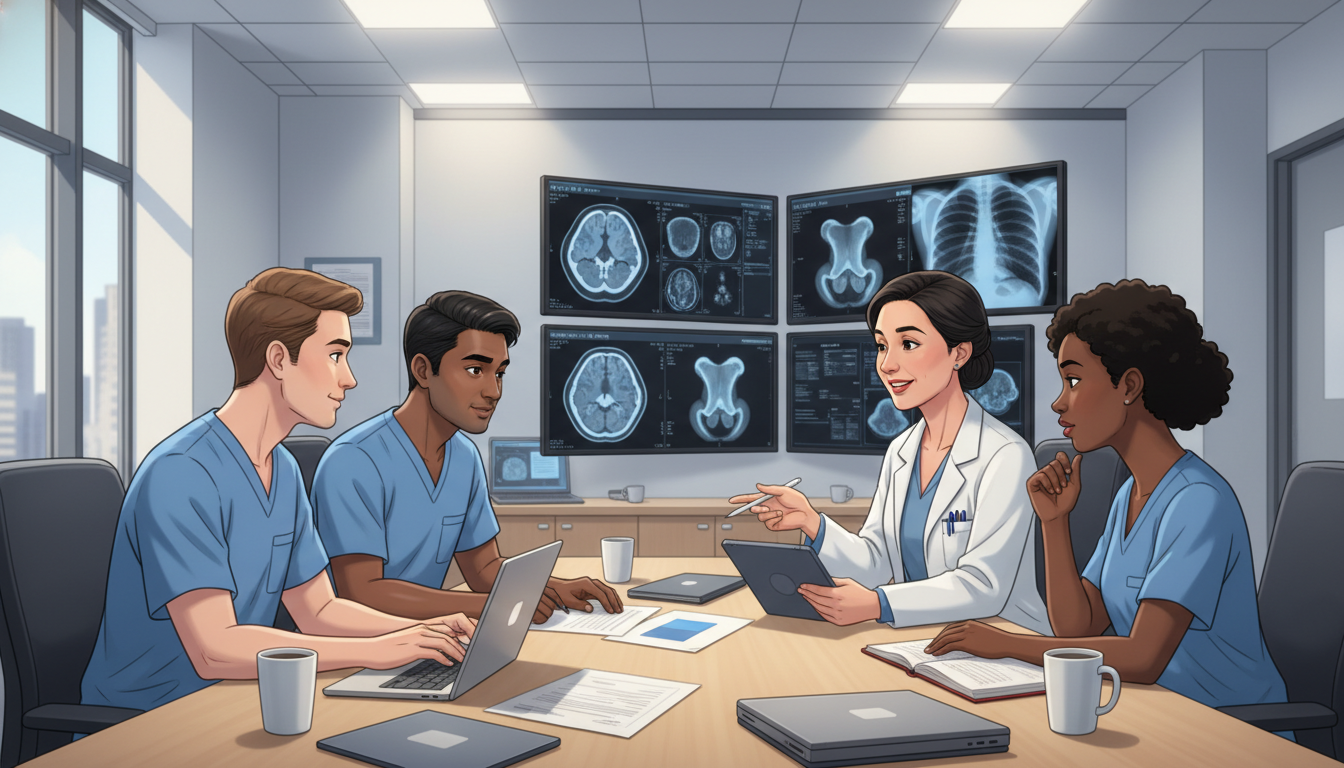
- Attend conferences and tumor boards
- Neuroradiology tumor boards, MSK conferences, liver tumor boards, stroke conferences, etc., give a sense of each subspecialty’s clinical integration and complexity.
- Request elective time strategically
- Use electives to get deeper exposure to 1–2 serious possibilities, not just a scatter of random experiences.
Matching Your Personality to Fellowship Types
Some broad matches (not absolute rules):
- Neuroradiology: Enjoys complex anatomy, neurologic disease, detailed reporting, multidisciplinary conferences, high cognitive load.
- MSK Radiology: Likes sports medicine, orthopedics, interventions (joint injections, biopsies), clear clinical correlations.
- Abdominal/Body Imaging: Thrives on cross-sectional imaging breadth (liver, pancreas, bowel, GU, oncologic imaging); often high call relevance.
- Breast Imaging: Comfortable with direct patient contact, delivering results, procedures (biopsies, localizations); typically daytime hours but intense workflow.
- Emergency Radiology: Likes fast-paced environments, ED integration, high case volume, acute pathology.
- Pediatric Radiology: Drawn to pediatric care and multidisciplinary collaboration, comfortable with families and specialized indications.
- IR (independent pathway): Enjoys procedures, hands-on care, longitudinal patient management, call with emergencies (bleeds, thrombectomies, etc.).
Knowing your “fit” early allows you to shape research, electives, and networking toward that subspecialty before fellowship applications open.

Fellowship Application Timeline for Diagnostic Radiology
Understanding the fellowship application timeline is essential—especially because radiology fellowships have historically had variable and evolving application cycles.
Below is a typical structure for traditional (non-IR) radiology fellowships for an MD graduate residency pathway. Always verify with the latest subspecialty society guidelines (e.g., SCARD) and individual programs.
General Timing by Residency Year
PGY‑2 (R1): Exploration and Foundation
- Focus:
- Adjusting to radiology.
- Broad clinical exposure.
- Early research involvement if possible.
- Fellowship-related actions:
- Identify 1–2 potential subspecialty interests.
- Start light networking with subspecialty faculty.
- Attend local or national meetings if feasible (e.g., RSNA, subspecialty conferences).
PGY‑3 (R2): Narrowing Focus & Building Your Profile
- Focus:
- Deepening imaging skills.
- Solidifying subspecialty interest.
- Fellowship-related actions:
- Choose a primary subspecialty target by mid-year.
- Begin or continue subspecialty-related research or quality improvement (QI) projects.
- Request elective time in your targeted subspecialty.
- Identify possible letter writers.
- Draft an initial fellowship CV including:
- Education and training
- Exams (if applicable)
- Research / publications / presentations
- Leadership and teaching roles
PGY‑4 (R3): Active Application Phase
Most diagnostic radiology fellowships recruit around this stage, roughly 18–24 months before fellowship start (but check each specialty and year). Typical activities:
- Late R2 to early R3:
- Finalize your fellowship choice.
- Begin monitoring programs’ websites and ERAS or individual application portals.
- Request letters of recommendation early.
- Draft and refine your personal statement.
- Mid R3:
- Submit fellowship applications based on each program’s deadlines.
- Complete any supplemental questions or materials.
- R3 into early R4:
- Virtual or on-site interviews.
- Rank list or direct offers, depending on match vs. non-match process.
- Once matched or committed, maintain professionalism (no “coasting” through residency).
PGY‑5 (R4): Transition & Pre-Fellowship Preparation
- Focus:
- Senior resident responsibilities.
- Teaching juniors.
- Closing research loops and publications.
- Fellowship-related actions:
- Sort out licensing, credentialing, and relocation.
- Align electives with your upcoming subspecialty for a smooth transition.
- Address targeted knowledge gaps before fellowship begins.
Match vs. Non-Match Radiology Fellowships
Some radiology fellowships participate in formal match processes (e.g., NRMP); others use more informal or direct offer systems, which can lead to earlier and less standardized timelines.
Action items for you:
- Check:
- Does your chosen subspecialty participate in the NRMP match?
- What cycle are they currently following?
- Are there official guidelines discouraging early offers?
- Ask your program director or subspecialty section chief:
- “What is the realistic current timeline for [subspecialty] fellowship applications?”
- “When should I have my application materials ready?”
The fellowship application timeline shifts over time; mentors who are active in your target subspecialty generally have the most accurate real-time perspective.
Building a Strong Application: From MD Graduate Residency to Competitive Fellow
Whether you’re aiming for neuroradiology at a top academic center, an MSK radiology fellowship close to home, or a high-volume body imaging program to prepare for private practice, the core elements of a strong application are similar.
Core Components of a Radiology Fellowship Application
Most programs will request:
- Curriculum Vitae (CV)
- Personal statement
- Letters of recommendation (typically 2–4)
- USMLE/COMLEX scores (less emphasized than in the allopathic medical school match but still part of your record)
- Medical school transcripts and Dean’s letter (varies by program)
- Residency program director’s letter / evaluation
- Sometimes:
- Writing sample
- Additional essays
- List of procedures or case logs (especially IR, breast, MSK)
Strengthening Your CV for Diagnostic Radiology Fellowships
As a diagnostic radiology resident, focus on:
Clinical excellence
- Solid evaluations, professionalism, and reliability.
- Demonstrable improvement and independence over time.
- Participation in call and complex case coverage.
Research and scholarly activity
- Aim for at least one project related to your target subspecialty.
- Types of projects:
- Retrospective imaging studies
- Case series or clinically relevant case reports
- Quality improvement projects
- Educational exhibits for conferences (RSNA, subspecialty meetings)
- Practical steps:
- Ask attendings: “Is there a small project I could help with to get started?”
- Volunteer for image review, data collection, or figure preparation.
- Present at local/regional conferences if national isn’t feasible initially.
Teaching and leadership
- Teaching roles (medical students, junior residents, technologists).
- Chief resident roles or committee work (wellness, diversity, safety).
- Involvement in residency curriculum design or journal clubs.
Professional engagement
- Membership in radiology societies:
- RSNA, ACR, ARRS, or subspecialty societies.
- Subspecialty interest group sessions, webinars, or online courses.
- Participation in advocacy or community outreach related to radiology (if available).
- Membership in radiology societies:
Crafting a Focused and Sincere Personal Statement
Your personal statement for radiology fellowship should:
- Explain your subspecialty choice
Describe specific experiences during residency that crystallized your interest. - Show that you understand the field
Indicate awareness of the typical workflow, patient population, and challenges. - Connect your goals to that fellowship’s strengths
For example, if applying to a high-volume neuroradiology program:- Emphasize desire for rigorous training in stroke imaging, spine, tumor boards, etc.
- Stay concise and specific
Avoid generic statements like “I like helping patients” without radiology context. - Highlight trajectory
Frame your narrative from:- MD graduate → resident exploration → committed subspecialty vision → long-term practice plans.
Securing Strong Letters of Recommendation
Effective letters can significantly elevate your application, especially for competitive fellowships.
Who to ask:
- At least one letter from a subspecialty radiologist in your target field who has directly supervised your work.
- Your program director or chair (often required).
- Additional letters from faculty who know you well clinically or through research.
How to get strong letters:
- Ask early (2–3 months before applications are due).
- Provide:
- Updated CV
- Draft personal statement
- Brief bullet list of projects or memorable cases together
- Specific fellowship names and focuses
- When possible, meet briefly to discuss your goals. This helps them write a more personalized and convincing letter.

Strategic Preparation During Residency: Clinical, Academic, and Personal
Preparing for fellowship is not only about applications—it’s also about ensuring you are truly ready to thrive as a subspecialty fellow.
Clinical Preparation: Becoming a High-Functioning Senior Resident
By the time you start fellowship, programs expect you to:
- Interpret common studies independently at a senior-resident level
- CT, MRI, radiographs in general adult imaging
- Emergency studies and on-call exams
- Communicate effectively
- Clear, timely verbal reports for critical findings.
- Well-structured written reports.
- Appropriate follow-up recommendations without over-calling.
To get there:
- Treat every case as if you are already the attending.
- Make a preliminary read.
- Dictate a complete report.
- Then compare with your attending’s final reading and ask about discrepancies.
- Seek focused feedback:
- “What is one thing I can do to make my reports more useful?”
- “Are there patterns in my misses I should work on?”
- Voluntarily handle complex or high-yield cases under supervision to stretch your skills.
Subspecialty-Specific Preparation
Once you’ve committed to a particular subspecialty:
- Use electives wisely:
- At least 1–2 blocks in your target field during late R2 and R3.
- Another “capstone” elective late in R4 if possible, just before fellowship.
- Build a reading plan:
- Core textbooks or handbooks in your field (e.g., for neurorads, a solid neuroradiology text plus stroke imaging references).
- Regular review of key articles, guidelines, and practice parameters.
- Participate in specialized conferences:
- Attend your service’s tumor boards, morbidity and mortality conferences, and teaching sessions.
- If allowed, present interesting cases.
Academic Preparation: Research and Scholarship
While not every radiology fellowship requires heavy research, a track record of academic engagement is especially valuable for:
- Academic fellowship programs.
- Neuroradiology, pediatric radiology, and certain body/MSK programs that emphasize scholarly productivity.
- Residents preparing for future faculty positions.
Practical approach:
- Start with small, feasible projects.
- Aim to:
- Present at least one poster or oral presentation during residency.
- Convert projects into publications when possible, even if case reports or pictorial reviews.
- If you’re late in residency and research is limited:
- Highlight quality improvement or educational projects.
- Emphasize your readiness to engage more in scholarship during fellowship.
Personal and Professional Development
Fellowship training is demanding. Start preparing yourself personally:
- Time management: Practice managing increased responsibility and teaching juniors while balancing reading, call, and scholarly work.
- Resilience: Note how you respond to overnight call, fatigue, and high-stress situations; develop sustainable coping mechanisms.
- Teamwork: Build strong relationships with technologists, nurses, referring providers, and co-residents—these skills translate directly to fellowship.
Planning Beyond Fellowship: Positioning Yourself for Your Ideal Career
Fellowship preparation is not only about getting into a program—it’s also about preparing for fellowship as a launchpad to the job you truly want.
Clarifying Your Post-Fellowship Career Vision
During R3–R4 and into fellowship:
- Ask yourself:
- Academic vs. community practice?
- Desired geographic location(s)?
- Volume and case mix?
- Teaching and research expectations?
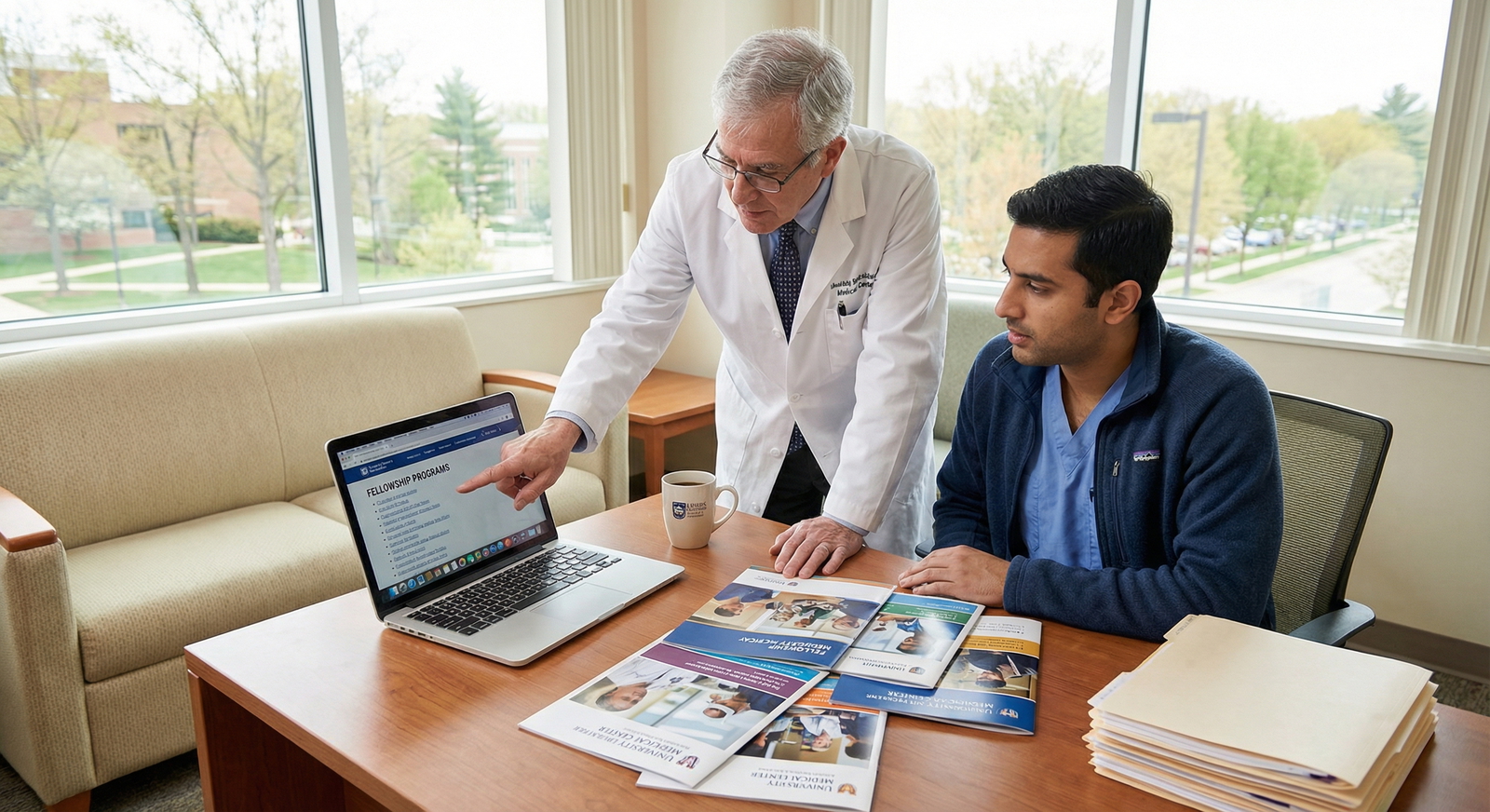
- Discuss with mentors:
- “What does the job market look like for [subspecialty] in the next 5–10 years?”
- “What additional skills should I prioritize during fellowship to be most marketable?”
Choosing a Fellowship that Matches Your Career Path
Examples:
- Academic neuroradiology career
- Target: Programs with strong research infrastructure, funded projects, advanced neuroimaging (functional MRI, perfusion, advanced techniques), and established mentorship.
- High-volume private practice MSK
- Target: Fellowships known for real-world procedural experience (injections, biopsies), efficient workflow, and large outpatient volumes.
- Hybrid body imaging with leadership interest
- Target: Programs offering administrative exposure, multidisciplinary conference participation, and some teaching responsibilities.
Preparing for Fellowship as a Stepping Stone to Leadership
If you foresee leadership roles (section chief, program director, chair):
- During residency and fellowship:
- Seek committee participation (QA, operations, education).
- Take on small leadership projects (e.g., protocol optimization, teaching curriculum updates).
- Learn basics of practice management: RVUs, scheduling, quality metrics, billing and coding.
How to Get Fellowship and Then Your Ideal Job: A Simple Roadmap
- R1–R2: Explore subspecialties, identify interests, begin networking.
- R2–R3: Choose a field, build subspecialty-relevant experiences and research.
- R3: Apply strategically, emphasizing fit and long-term goals.
- R4: Polish skills, close academic loops, prepare for transition.
- Fellowship year:
- Maximize procedural and interpretive training.
- Continue networking and attend national meetings.
- Begin job search early (often 12–18 months before desired start).
- Post-fellowship:
- Enter practice aligned with your subspecialty.
- Maintain continuing education and subspecialty engagement.
FAQs: Fellowship Preparation for MD Graduate in Diagnostic Radiology
1. Do I need a fellowship after diagnostic radiology residency to get a good job?
While some markets still hire general diagnostic radiologists directly after residency, most competitive positions strongly prefer fellowship training. In many academic centers and large private practices, being fellowship-trained is effectively expected. A well-chosen fellowship can significantly enhance your competence, confidence, and long-term job options.
2. How important is research for matching into a radiology fellowship?
Research is helpful but not always mandatory. For highly academic fellowships (e.g., neuroradiology at major academic centers), research or scholarly work in the subspecialty is a meaningful advantage. For more clinically oriented fellowships, strong clinical evaluations, solid letters, and demonstrated subspecialty interest may carry more weight. Even a small number of projects (case reports, QI, educational exhibits) can strengthen your profile.
3. When should I start working on my fellowship application materials?
For most diagnostic radiology fellowships, you should have a draft CV and personal statement by early PGY‑3, with letters of recommendation requests going out several months before official deadlines. Because timelines vary by subspecialty and by year, confirm with your program leadership and with the programs you’re targeting.
4. If I am undecided between two subspecialties, what should I do?
In PGY‑2 and early PGY‑3, it’s normal to be uncertain. To move forward:
- Take electives in both fields.
- Seek mentors from each subspecialty.
- Honestly evaluate lifestyle, day-to-day work, and long-term market demand. Most residents decide by mid-PGY‑3. If you are truly undecided late in training, consider:
- Broad fellowships (e.g., body imaging with exposure to multiple organ systems).
- Talking with alumni who work in your desired region to understand what skills are most in demand there.
Preparing for fellowship as an MD graduate in diagnostic radiology is a multi-year process that weaves together self-reflection, focused clinical work, academic engagement, and strategic planning. By understanding the evolving fellowship application timeline, actively seeking mentorship, and aligning your residency experiences with your long-term goals, you can move from the allopathic medical school match, through radiology residency, and into a fellowship that truly supports the career you envision.