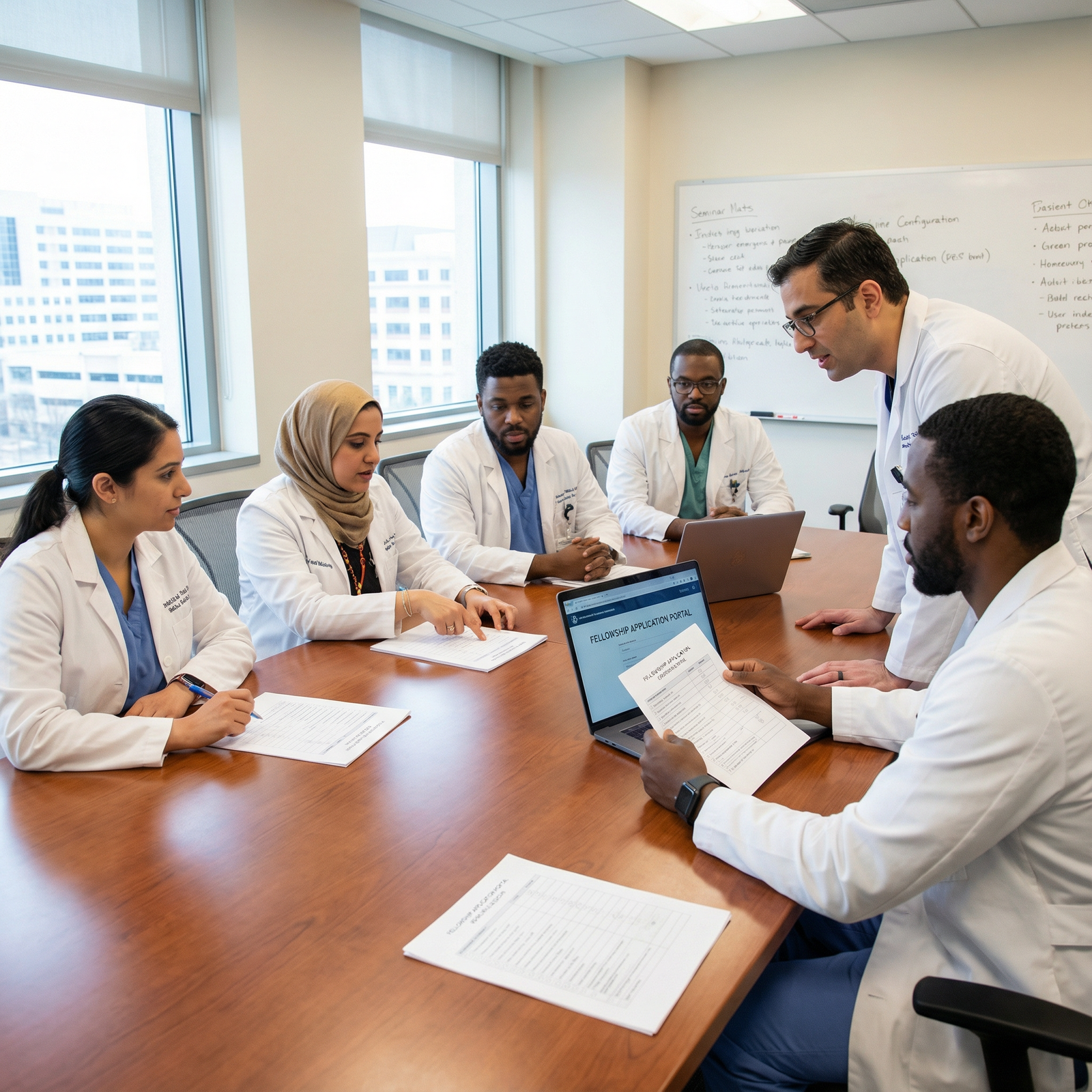
Understanding Fellowship Options as a US Citizen IMG in Family Medicine
As an American studying abroad who is now either in or headed toward a family medicine residency, fellowships can be a powerful way to shape your career, expand your skills, and improve your competitiveness in the job market. But the path to fellowship as a US citizen IMG in family medicine (FM) has distinct realities and challenges that you should understand early.
Fellowships commonly pursued after family medicine residency include:
- Sports Medicine
- Geriatrics
- Hospice & Palliative Medicine
- Addiction Medicine
- Obesity Medicine (via certification and structured training)
- Integrative Medicine
- Sleep Medicine
- Maternal-Child Health / Obstetrics (FM-OB)
- Academic Medicine & Medical Education fellowships
- Rural Medicine / Community Health fellowships
- Preventive Medicine / Public Health
- Behavioral Health / Psychiatry-related fellowships
- Health Policy, Leadership, and Quality/Patient Safety fellowships
Your status as a US citizen IMG is often an advantage over non-US IMGs because you do not need visa sponsorship. However, there can still be biases in selection and questions about your training background. That makes early planning and strategic preparation essential.
This article walks through a structured approach to fellowship preparation for US citizen IMG in family medicine, starting from medical school and early residency through the FM match, leading to a strong fellowship application timeline, and practical strategies on how to get fellowship in a competitive environment.
Laying the Groundwork Early: From Med School to FM Match
1. Start With Your Long-Term Career Vision
Before focusing on specific milestones, define your broad interests:
- Do you imagine your future practice as clinic-based primary care, hospitalist, OB-heavy FP, sports-focused, or palliative-focused?
- Are you drawn more to procedures, chronic disease management, policy and systems, or teaching and academic roles?
- Do you see yourself mainly in urban underserved, suburban, or rural settings?
Even a general sense of direction helps you align your choices in:
- USMLE/COMLEX prep and scores
- Elective rotations
- Research and quality improvement projects
- Volunteer and leadership roles
For example:
- If you think you’ll want Sports Medicine, focus on MSK (musculoskeletal) exposure early, join sports medicine interest groups, and seek out rotations with team physicians.
- If interested in Palliative Care, participate in hospice experiences, ethics committees, or end-of-life care projects.
2. Optimize Your FM Match to Set Up Future Fellowship Success
As a US citizen IMG, your family medicine residency is the foundation for everything that follows. Fellowship directors look very closely at the quality and structure of your FM training.
Key points when applying to FM residency (the FM match phase):
- Prioritize well-regarded academic or community-university programs with:
- Strong inpatient and outpatient training
- Clear pathways into fellowships (ask about past graduates’ fellowship placements)
- Robust mentorship and scholarly activity options
- Ask specifically:
- “Where have your graduates gone for fellowships in the last 5 years?”
- “Do you have faculty with appointments in sports medicine/geriatrics/palliative/etc.?”
- “How does the program support residents preparing for fellowship applications?”
If two programs are similar overall, but one regularly sends graduates into Sports Medicine or Palliative Care fellowships, that program may be the better choice if you already know your interest.
3. Leverage Your Status as an American Studying Abroad
As an American studying abroad, you are in a unique position:
- You can speak to the adaptability required to navigate a foreign medical system.
- You did not require visas and can practice anywhere in the US after training.
- You likely possess strong cross-cultural communication skills—valuable in family medicine and in most fellowships.
Present these strengths clearly:
- In personal statements (residency and later fellowship)
- In interviews (explain how your IMG experience improved resilience, humility, and flexibility)
- In letters of recommendation (LOR writers can highlight your international background as a strength)
Early on, track your experiences working in diverse settings or with underserved populations; these will be powerful narrative tools when you apply for both FM residency and fellowships.

Building a Fellowship-Ready Profile During Family Medicine Residency
Once you’ve successfully matched into a family medicine residency, the clock starts on building your fellowship portfolio. Most fellowships will evaluate you on four major axes: clinical performance, scholarly work, leadership/advocacy, and fit with the specialty.
1. Know the General Fellowship Application Timeline
Understanding the fellowship application timeline is critical so you can work backwards:
- Many ACGME-accredited fellowships (Sports Medicine, Geriatrics, Palliative, Addiction, Sleep) participate in ERAS and NRMP or other matches.
- Applications often open during PGY-2 for fellowship start after PGY-3.
Typical structure (for a 3-year FM residency):
- PGY-1
- Explore interests broadly.
- Establish strong clinical performance.
- Start networking with faculty in your area of interest.
- Early PGY-2
- Confirm your top fellowship focus.
- Begin or intensify research/QI projects.
- Arrange key elective rotations with potential letter writers.
- Mid–Late PGY-2
- Draft personal statement and CV.
- Request letters of recommendation.
- Submit ERAS (or other fellowship application platform).
- PGY-3
- Attend interviews and rank programs.
- Continue to build clinical and scholarly experience aligned with your fellowship path.
Some non-ACGME and certificate-based training pathways (e.g., Integrative Medicine, Obesity Medicine) operate on more flexible timetables, but you should still plan by early PGY-2.
2. Excel Clinically—Program Director Input Is Critical
Fellowship directors will ask: “Is this person a solid family physician first?”
As a US citizen IMG, strong clinical performance during residency is your most powerful way to neutralize any bias about international medical education.
Focus on:
- High-quality evaluations from attending physicians on wards, clinic, and elective rotations
- Active engagement in patient care:
- Present clear, concise cases
- Demonstrate thorough charting and appropriate follow-up
- Show ownership over your panels and continuity patients
- Building trust with your Program Director (PD):
- Check in at least twice yearly about your fellowship plans.
- Ask for honest feedback and improvement plans.
- The PD’s letter is often the single most influential piece of your application.
Make sure your PD knows:
- Which fellowship you are targeting
- Why you are a good fit
- Which accomplishments you are most proud of (scholarship, teaching, leadership, patient care)
3. Develop a Focused Scholarly Profile
You do not need dozens of publications, but you do need evidence of intellectual engagement with your chosen field. For US citizen IMGs, this is particularly useful to show depth and commitment.
Examples:
- Sports Medicine:
- Case report on overuse injuries, concussion management, or MSK ultrasound.
- Quality improvement on musculoskeletal pain management or return-to-play protocols.
- Geriatrics:
- Project on deprescribing in older adults.
- Poster on fall-risk screening or dementia care workflows.
- Hospice & Palliative Medicine:
- Research on goals-of-care documentation.
- QI on symptom management in advanced cancer or CHF patients.
- Addiction Medicine:
- Chart review on buprenorphine adoption.
- Clinic-level intervention to increase screening for substance use disorders.
Action steps:
- Identify a mentor early PGY-1—preferably someone active in or connected to your desired fellowship area.
- Ask: “What small project can I realistically complete in 6–12 months that would be meaningful?”
- Aim for:
- 1–2 posters (regional or national)
- At least 1 manuscript, even if it’s a case report or narrative review
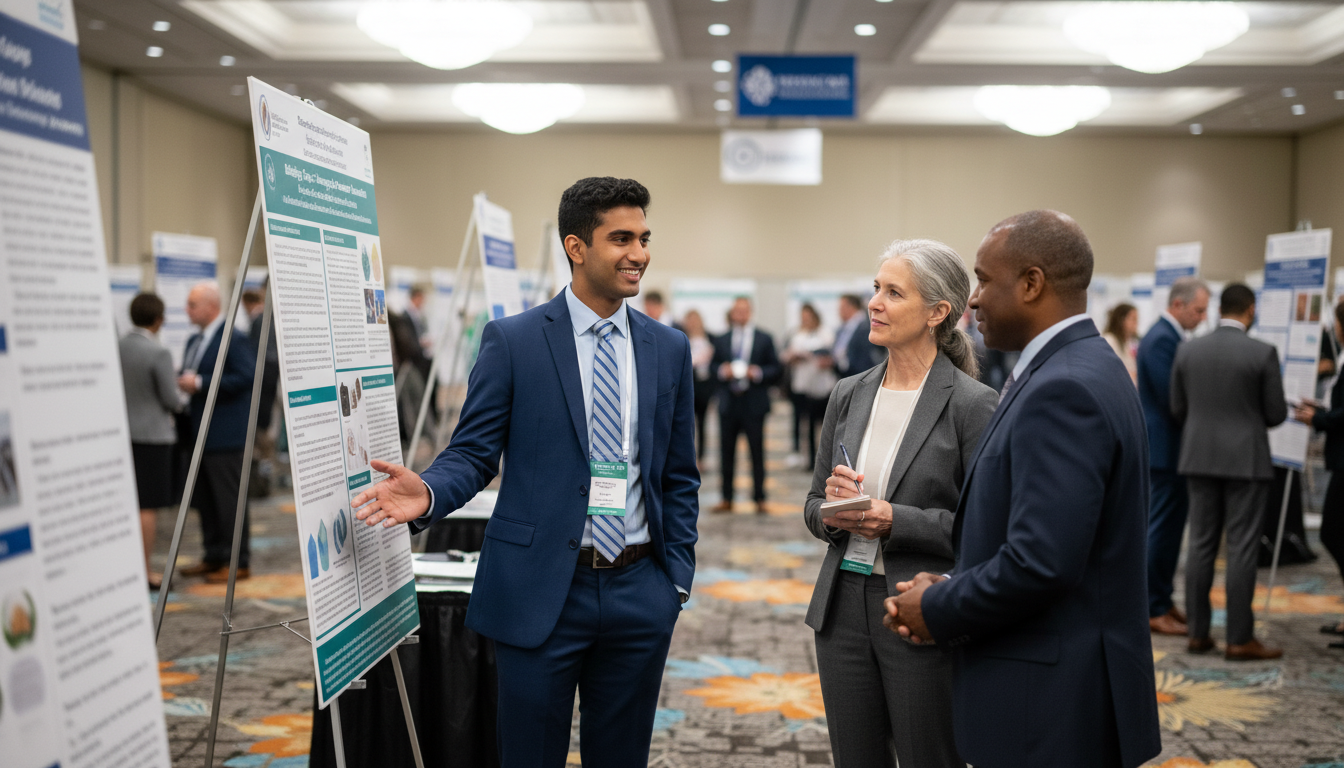
Conferences like STFM, AAFP, AMSSM, AGS, AAHPM, ASAM (depending on your interest) are great venues for presenting.
4. Engage in Teaching, Leadership, and Service
Many fellowships, especially academic and leadership-focused ones, value:
- Teaching skills
- Interest in curriculum development
- Administrative or leadership potential
Examples:
- Serve as a chief resident (if feasible and aligned with your goals).
- Take on roles such as:
- Resident representative to hospital committees (quality, safety, ethics)
- Organizer of journal clubs or resident didactics
- Mentor for medical students, especially other US citizen IMG or IMG trainees
These roles demonstrate maturity, communication skills, and the ability to handle added responsibilities—attributes fellowship directors seek.
5. Cultivate Strong, Targeted Letters of Recommendation
For fellowship applications, plan to secure 3–4 letters from:
- Program Director – almost always required.
- Specialty mentor – someone in your target field (e.g., Sports Medicine attending if applying to Sports Med).
- Another core faculty member who can speak broadly to your clinical skills, professionalism, and teamwork.
- Optional: A research mentor if they know you well and can attest to your scholarly ability.
Strategies:
- Work longitudinally with potential letter writers: continuity clinics, electives, multi-month projects.
- Tell them specifically:
- Which fellowship you’re applying to
- The strengths you hope they can highlight (e.g., procedural skills, communication, leadership, resilience as a US citizen IMG)
- Provide:
- Updated CV
- Draft of your personal statement
- Bullet-point summary of key achievements and cases that show your strengths
Strategic Planning: Matching Your Pathway to Specific Fellowship Types
Different fellowships in family medicine require slightly different strategies. Understanding these can help you tailor your activities.
1. Sports Medicine Fellowship
Profile of a strong applicant:
- Demonstrated interest through:
- Working with school or college teams
- Sports medicine clinics, event coverage
- Procedural competence:
- Joint injections, MSK ultrasound exposure
- Scholarly work:
- Case presentations on sports injuries, concussion, or exercise medicine
- Professional membership:
- Involvement with AMSSM or AAFP sports medicine groups
Key tips for US citizen IMG:
- If your med school had limited sports med exposure, use residency to fill the gap.
- Seek electives at institutions with well-established Sports Medicine fellowships.
- Attend sports medicine conferences and introduce yourself to fellowship directors.
2. Geriatrics
Strong applicant attributes:
- Deep interest in complex, multi-morbidity care.
- Rotations in nursing homes, rehab, and geriatric consult services.
- Demonstrated empathy and communication skills with patients and families.
- Scholarship on geriatric syndromes, polypharmacy, or transitions of care.
US citizen IMG angle:
- Emphasize cross-cultural sensitivity in elder care and complex family dynamics.
- Highlight experiences in resource-limited or culturally diverse geriatric populations abroad and in the US.
3. Hospice & Palliative Medicine
Core components:
- Excellent communication around goals-of-care and serious illness.
- Emotional resilience and reflective practice.
- Exposure to hospice agencies, inpatient consult services, or outpatient palliative clinics.
Strengthening your application:
- Participate in ethics committee work or palliative care electives.
- Engage in QI to improve symptom control or advance care planning.
- Reflect thoughtfully in your personal statement about meaningful end-of-life care experiences.
4. Addiction Medicine
Key elements of a competitive profile:
- Experience in MAT (medication-assisted treatment): buprenorphine, methadone, naltrexone.
- Work in outpatient addiction clinics, inpatient consult services, or community-based treatment programs.
- Advocacy or policy interest in substance use disorders.
IMG considerations:
- Many communities heavily affected by addiction are also culturally diverse or underserved—your background as an American studying abroad can be framed as an asset in engaging patients with different worldviews and stigma experiences.
5. Other Pathways (OB, Integrative, Sleep, Academic)
- FM-OB / Maternal-Child Health:
- High volume of deliveries, continuity prenatal care, possibly global health OB experience.
- Strong support from OB/GYN mentors and robust L&D exposure.
- Integrative Medicine / Lifestyle Medicine / Obesity Medicine:
- Courses or certifications (e.g., ABLM) during residency.
- QI or research on weight management, nutrition, or mind-body interventions.
- Sleep Medicine:
- Rotations in sleep labs, strong internal medicine and pulmonology collaboration.
- Research or QI on obstructive sleep apnea in primary care.
- Academic / Medical Education fellowships:
- Significant teaching, curriculum design, and education scholarship.
Crafting a Strong Application: Documents, Interviews, and Strategy
1. Personal Statement: Telling Your Story as a US Citizen IMG
Your personal statement is where you connect the dots:
- Why this fellowship?
- Why now?
- Why you?
For a US citizen IMG in family medicine, weave in:
- The journey of being an American studying abroad:
- How it expanded your perspective on healthcare systems.
- How it built your adaptability and grit.
- Your growth in family medicine residency:
- Specific cases that shaped your interest in the fellowship field.
- Clinical or personal challenges you handled successfully.
- Your future goals:
- Whether you anticipate preparing for fellowship as a stepping stone to academic work, leadership, or community service.
- A realistic picture of how the fellowship fits into your 5–10 year career plan.
Keep it:
- Clear and concrete, with specific examples.
- Honest about your path (including FM match process and any setbacks) without over-emphasizing negativity.
- Focused on what you bring to the field and what you hope to learn.
2. CV: Highlight Impact, Not Just Activity
Your CV should quickly show fellowship directors that you:
- Are clinically sound
- Have a record of completion (research projects, leadership roles)
- Are genuinely engaged with their subspecialty
Tips:
- Organize sections: Education, Training, Certifications, Scholarly Work, Presentations, Teaching, Leadership, Service.
- Under each activity, include a one-line impact statement if possible:
- “Improved screening rates for fall risk from 55% to 88% over 6 months.”
- “Co-led curriculum on safe opioid prescribing for 25 residents and faculty.”
3. Interview Preparation: Anticipated Questions and How to Answer
Common fellowship interview questions:
- “Why this fellowship, and why now?”
- “Why family medicine as your base specialty?”
- “How has your experience as a US citizen IMG influenced your approach to patient care?”
- “Describe a challenging patient interaction and what you learned.”
- “Tell me about a time you received critical feedback.”
- “Where do you see yourself in 5–10 years?”
Key strategies:
- Practice concise, structured responses (use simple frameworks like Situation–Action–Result).
- Be ready to discuss:
- A complex case that exemplifies your target fellowship (e.g., palliative care in advanced dementia).
- Your scholarly work—methods, findings, and clinical implications.
- For the US citizen IMG aspect:
- Emphasize adaptability, resilience, and cultural competence.
- Avoid sounding defensive; frame your path as a deliberate and enriching choice.
Also prepare thoughtful questions:
- “How do you support fellows interested in academic careers or leadership?”
- “What are typical post-fellowship career paths of your graduates?”
- “How do fellows balance clinical responsibilities with research or teaching?”
4. Program Selection: Strategy and Realism
When considering how to get fellowship, think like a strategist:
- Apply broadly, but intelligently:
- A mix of aspirational, solid, and safety programs.
- Consider:
- Geography: where you’re willing to live and work.
- Program type:
- Large academic centers vs. community-based programs.
- Urban vs. rural.
- Fellowship culture:
- Heavy research vs. clinically focused.
- Emphasis on teaching vs. service.
As a US citizen IMG:
- Some highly competitive or brand-name institutions may have subtle or explicit preferences for US grads, but your US citizenship and strong FM residency can significantly offset this.
- Don’t self-eliminate. Apply if your profile reasonably aligns and you have clear interest and fit.
Thinking Beyond Fellowship: Career Planning and Long-Term Growth
Fellowship is not the endpoint; it’s one stage in a longer arc. Even as you focus on preparing for fellowship, maintain a long view.
1. Career Trajectories After Fellowship
Common pathways following family medicine fellowship training:
- Academic Career:
- Faculty in FM department with niche in your subspecialty.
- Curriculum development, resident teaching, research.
- Hybrid Practice:
- Split time between primary care clinic and subspecialty clinics (e.g., Sports Medicine, Palliative Care).
- Full-Time Subspecialty Practice:
- Dedicated palliative service, addiction medicine practice, or sports medicine clinic.
- Leadership Roles:
- Medical director of a service line (palliative care, geriatrics, addiction).
- Quality or safety leadership positions.
- Public Health / Policy:
- Work in governmental or non-governmental organizations.
- Advocacy in areas like opioid policy, aging populations, or access to care.
Your training path as a US citizen IMG may position you especially well to work with diverse, underserved, or international populations.
2. Preparing for Fellowship While Maintaining Well-Being
The pressure to optimize every step—from FM match to fellowship applications—can be intense. Protecting your well-being is not optional; it’s essential to a sustainable career.
Strategies:
- Set realistic goals each year (e.g., one substantial project, one conference).
- Maintain boundaries between work and personal life when possible.
- Build a support network:
- Co-residents, faculty mentors, friends, and family.
- Professional communities (e.g., USIMG networks, diversity groups in medicine).
- Seek mentorship from people:
- Who share aspects of your identity (IMG status, background).
- Who practice in roles you aspire to.
3. Continual Professional Development: Staying Competitive and Relevant
Even after you secure a fellowship, keep thinking about:
- Additional certifications (e.g., CAQ in Sports Medicine, Hospice & Palliative Medicine boards, ABLM for lifestyle medicine).
- Ongoing scholarly activity to keep your CV active.
- Networking at regional and national conferences to maintain visibility.
For US citizen IMGs, ongoing involvement in professional societies and publication is also a powerful way to continually demonstrate your value and expertise, long after training is complete.
FAQs: Fellowship Preparation for US Citizen IMG in Family Medicine
1. As a US citizen IMG, am I at a disadvantage for family medicine fellowship?
You may encounter some implicit bias based on IMG status, but your US citizenship and strong performance in a solid FM residency offset much of this. Fellowship programs primarily look for:
- Excellent clinical skills
- Strong letters (especially from your PD and subspecialty mentors)
- Clear commitment to the fellowship field
- Evidence of scholarly or leadership engagement
If you consistently perform well and build a focused profile, your IMG background can become a strength—demonstrating adaptability, resilience, and global perspective.
2. When should I start preparing for fellowship during my FM residency?
You should be thinking about fellowship in PGY-1, but actively preparing by early PGY-2:
- PGY-1: Explore interests, find mentors, and establish strong clinical performance.
- Early PGY-2: Commit to a fellowship area, intensify related scholarly work, and plan key electives.
- Mid–Late PGY-2: Write your personal statement, secure letters, and submit applications according to the fellowship application timeline.
Starting early gives you enough time to build a coherent, compelling application narrative.
3. Do I need research to match into a family medicine fellowship?
Strictly speaking, some fellowships will accept strong applicants without formal research, especially in clinically oriented programs. However, having at least a few scholarly activities (case reports, QI projects, posters) significantly strengthens your application and shows engagement with the field.
Aim for:
- A small number of focused, high-quality projects aligned with your fellowship interest.
- Presentations at regional or national conferences, when possible.
This is particularly important if you are an American studying abroad originally and want to demonstrate academic readiness in the US training environment.
4. How do I choose which fellowship is right for me?
Consider:
- Which patient populations and clinical problems most energize you day-to-day.
- Whether you enjoy procedures, prolonged communication/consultation, systems-level work, or chronic care management.
- Your long-term career vision: academic vs. community practice, leadership roles, or policy involvement.
- The availability of mentors and opportunities in your current FM program that align with each fellowship type.
Try focused electives, talk to fellows and attendings in each field, and reflect critically on your experiences. Choosing a fellowship should be an intentional decision based on both passion and realistic career prospects.
By understanding the unique landscape for US citizen IMG graduates, aligning your family medicine residency with your goals, and moving deliberately through the fellowship application timeline, you can position yourself strongly for the next phase of your career. With thoughtful preparation, clarity of purpose, and consistent effort, you can not only get fellowship but also build a meaningful, sustainable career that reflects both your personal story and your professional aspirations.