Understanding the Path from Pathology Residency to Fellowship as a US Citizen IMG
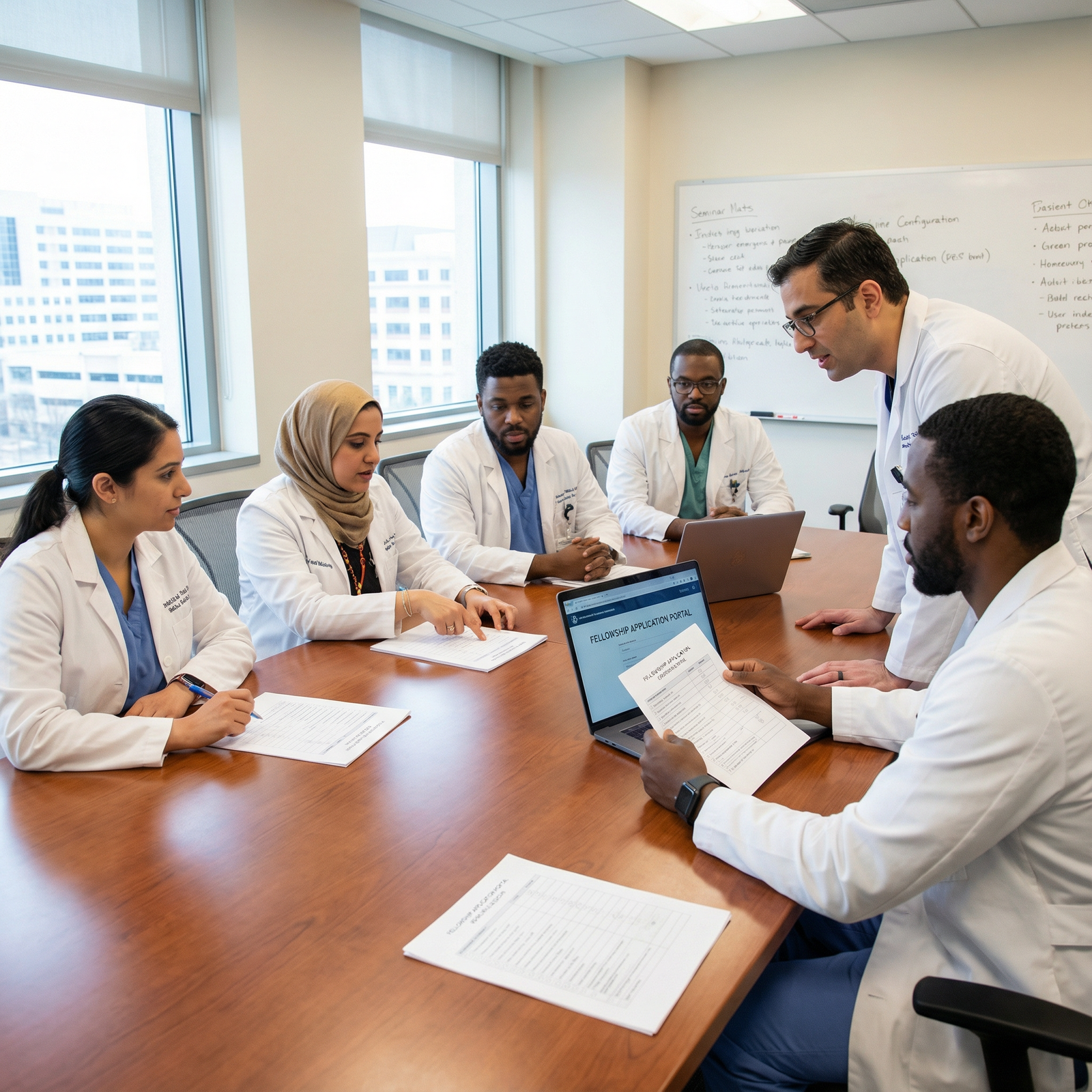
For a US citizen IMG in pathology, fellowship preparation starts much earlier than most people realize—often as soon as intern year, and definitely no later than early PGY-2. The pathway is competitive, variable across subspecialties, and influenced by your unique IMG background, but it is also very navigable if you approach it strategically.
This article focuses on fellowship preparation specifically for the US citizen IMG / American studying abroad in pathology residency. We will walk through subspecialty choices, timeline, CV-building, letters, research, networking, and common pitfalls, with special emphasis on questions like “how to get fellowship” and “fellowship application timeline” for pathology.
1. Why Fellowship Matters So Much in Pathology
1.1 The Evolving Job Market
Pathology has increasingly become a subspecialty-driven field. While it is still possible to work as a general pathologist, especially in smaller community hospitals, many employers now expect or prefer fellowship training in at least one subspecialty, often two.
Common reasons fellowship is critical:
- Many private practices expect:
- 1–2 fellowships (e.g., Surgical Pathology + Cytopathology, or Hematopathology + Molecular)
- Evidence you can “hit the ground running” in a specific area
- Academic centers nearly always require subspecialty training
- Certain fields (e.g., hematopathology, GI, derm, cytopathology) are almost impossible to enter straight out of residency without fellowship
For a US citizen IMG, fellowship training can also:
- Offset concerns about “non-US school” pedigree
- Demonstrate advanced training at a recognized US institution
- Strengthen your CV if you’re ultimately seeking a competitive academic or large-group private position
1.2 Subspecialties Commonly Pursued
Popular pathology fellowship areas include:
- Surgical Pathology (sometimes general surgical path, or specialty-focused such as GI, GYN, breast, etc.)
- Cytopathology
- Hematopathology
- Dermatopathology
- Forensic Pathology
- Transfusion Medicine / Blood Bank
- Molecular Genetic Pathology
- Neuropathology
- Pediatric Pathology
- Genitourinary, Thoracic, Gynecologic, Breast, GI/Liver, and other organ-based fellowships
Your choice will affect where you apply, how early you must plan, and how you structure your residency (rotations, electives, research).
2. Fellowship Application Timeline and Strategy
The fellowship application timeline in pathology is notoriously inconsistent, but over the past few years there has been movement toward more standardization, especially through the Pathology Fellowship Application Hub (PATHHub) and specialty-based guidelines.
2.1 General Timeline Overview
For many subspecialties, you will apply 18–24 months before the start date of fellowship. For a typical 4-year AP/CP resident:
PGY-1 (first year)
- Learn core pathology, adjust to US system
- Explore interests; note which rotations you enjoy
- Light CV building: small QI projects, presentations, join committees
Early PGY-2
- Start seriously considering subspecialties
- Identify 1–2 likely areas (primary + backup)
- Talk to mentors and fellowship-trained faculty in those areas
Late PGY-2 / Early PGY-3
- Most critical period for applications
- Prepare personal statement and CV
- Request letters of recommendation
- Submit applications as soon as your subspecialty’s recommended window opens
PGY-3 / Early PGY-4
- Interviews, ranking preferences, signing offers
- Some programs offer positions on a rolling basis — respond promptly
PGY-4
- Finalize plans, obtain licensing where needed
- Consider if a second fellowship is needed and plan accordingly
Actionable step: Ask your program director in PGY-1 for a sample timeline specific to your program and region. Different subspecialties (e.g., forensics vs derm vs hemepath) may have different cycles.
2.2 Variations by Subspecialty
While the landscape changes, as of recent trends:
- Forensic Pathology: often later in the cycle; some programs have unfilled positions yearly
- Cytopathology, Hematopathology, Transfusion Medicine: moderately competitive; many follow more standardized dates
- Dermatopathology, GI, Molecular: often very competitive; many programs fill early
- Neuropathology, Pediatric Pathology: sometimes have fewer applicants than spots, but positions are limited and highly specialized
Practical tip:
Check websites of major pathology societies (e.g., USCAP, CAP, ASCP, ACGME, and specialty-specific societies) and the PATHHub or institution websites for updated deadlines.
2.3 Planning Backwards (Reverse Engineering the Timeline)
To organize your preparation, work backward from the intended fellowship start date:
- Desired fellowship start: July 2028
- Application likely due: late 2026 – early 2027
- Strong letters needed by: early 2026 – mid-2026
- Meaningful work with letter writers: throughout 2025 and 2026
This approach helps you line up:
- Rotations in your target subspecialty during PGY-2/3
- Research or case reports completed early enough to appear on your CV
- Leadership roles and teaching opportunities that demonstrate commitment

3. Building a Competitive Profile as a US Citizen IMG
Being a US citizen IMG / American studying abroad has advantages and disadvantages. You already have citizenship, which removes visa barriers, but you may still face:
- Bias about the quality or familiarity of your non-US medical school
- Less built-in access to US networks and alumni pipelines
Your goal is to neutralize the IMG label by building a profile that looks indistinguishable—or better—than domestic graduates.
3.1 Clinical Performance and Reputation
Program directors and fellowship leaders often say:
“We care most about how you function as a resident.”
Key behaviors:
- Be reliable: show up on time, finish cases, respond to pages promptly
- Be teachable: accept feedback, improve quickly, show curiosity
- Be collegial: good interactions with clinicians, technologists, PAs, and co-residents
Concrete steps:
- Dominate the basics on core AP/CP rotations
- Ask for mid-rotation feedback and implement changes
- Volunteer to give short talks at sign-out or noon conference
Positive word-of-mouth from your home program is extremely powerful, especially for fellowship directors who know your faculty personally.
3.2 USMLE/Board Performance (Contextualized)
By residency, your USMLE scores are somewhat “old news,” but they still matter if:
- You had a borderline Step score and want to show a positive trend through strong in-training exam (ITE) performance
- You’re targeting highly competitive fellowships where every metric matters
Focus now on:
- Residency in-service exams (RITE/ITE): fellowship directors may ask about your trajectory
- Board pass: a history of consistent performance reassures programs
For US citizen IMG residents, a strong in-training exam performance can counteract any lingering doubts about your medical school.
3.3 Research and Scholarly Activity
You do not need a PhD-level research background for most pathology fellowships, but you do need evidence of scholarly engagement.
Options that fit residency schedules:
- Case reports and case series:
- High-yield in pathology; many unusual cases come through your sign-out
- Ask attendings if particular cases are publishable
- Retrospective chart or slide reviews:
- Can be done with institutional database access and protected time
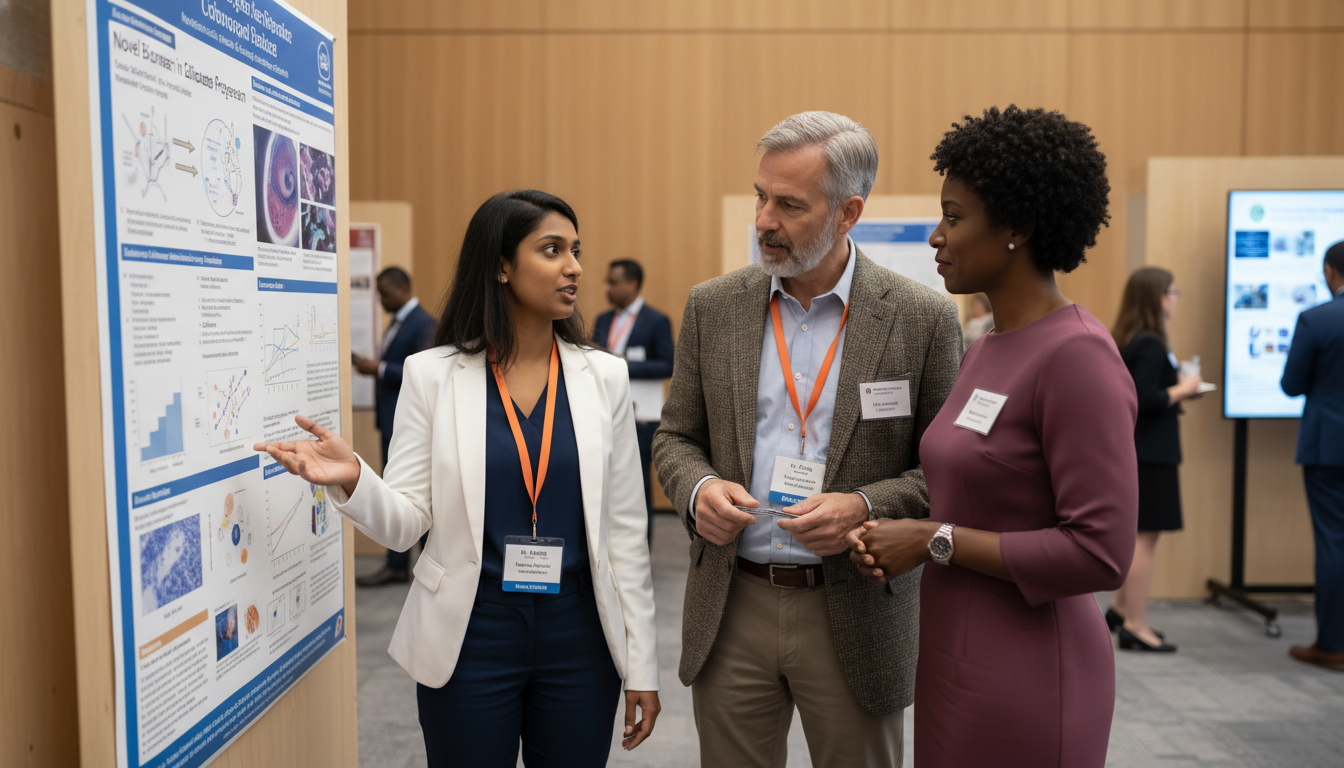
- Educational exhibits and posters at USCAP, CAP, ASCP, or subspecialty meetings
- Quality improvement projects (e.g., optimizing turnaround times, safety initiatives)
Aim for:
- At least 1–3 posters or abstracts by early PGY-3
- Ideally 1–2 peer-reviewed publications (case reports count)
If you are light on research, emphasize:
- QI projects with measurable outcomes
- Teaching activities and curriculum development
- Involvement in departmental committees
3.4 Leadership and Teaching
Fellowship directors value applicants who:
- Can supervise residents and students
- Take initiative in educational projects
- Contribute positively to department culture
Ways to develop this:
- Volunteer as chief resident (if realistic and supported by faculty)
- Lead resident journal club or case conferences
- Mentor rotating medical students, especially those who are IMGs or interested in pathology
- Join hospital or residency-level committees (wellness, diversity, QI)
Document these roles clearly on your CV with specific achievements (not just titles).
4. Choosing the Right Fellowship(s) for Your Goals
4.1 Aligning Subspecialty with Career Plans
Ask yourself:
- Do I want to work in:
- A large academic center?
- A private group with subspecialty focus?
- A community practice with broad generalist work?
- A forensic center, blood center, or public health lab?
Examples:
If you want academic surgical pathology with GI focus:
- Consider Surgical Pathology + GI fellowship
- Look for programs with strong research and teaching expectations
If you want mixed hemepath + general sign-out in a private group:
- Hematopathology fellowship + strong general AP/CP residency exposure
- Optionally add Cytopathology or Molecular for extra versatility
If you want forensic pathology:
- AP-only or AP/CP background
- Forensic Pathology fellowship; some residents do an additional “mini-fellowship” in neuropathology or surgical pathology first
4.2 One Fellowship vs. Two
It’s increasingly common to complete two fellowships, particularly:
- Heme + Molecular
- Surgical Pathology + Cytopathology
- Surgical Pathology + Organ-based (GI, GU, Breast, GYN)
- Derm + Surgical Pathology
Pros of two fellowships:
- Increased marketability
- Greater subspecialty depth
- Flexibility in job search (can market yourself differently for various positions)
Cons:
- Delayed attending salary by an additional year or two
- Additional relocation or burnout risk
- Some jobs do not require two fellowships
As a US citizen IMG, two fellowships may be very beneficial if you’re targeting:
- Highly competitive geographic markets (e.g., major coastal cities)
- Prestigious academic institutions
- Positions that require narrow expertise
Discuss this explicitly with your program director and mentors by mid-PGY-2.
4.3 Understanding Competitiveness
Some pathology fellowships are more competitive due to:
- Limited number of programs
- High applicant interest
- Perceived career value (e.g., dermpath, hemepath, GI, molecular)
Evaluate your competitiveness honestly:
- Strong: multiple publications, excellent evaluations, enthusiastic letters, strong home program reputation
- Moderate: solid performance, some scholarly work, good letters, flexible geographic preferences
- Developing: minimal research, average performance, or less-known home program
If you are less competitive:
- Apply more broadly (geographically and across program tiers)
- Consider slightly less competitive but still marketable fields (e.g., cytopathology, transfusion medicine, forensic)
- Strengthen your portfolio with projects and strong letters early
5. Executing a Strong Fellowship Application
5.1 The CV: Content and Structure
Your pathology-focused CV should include:
Contact Information
- Name, email, phone, mailing address
- Citizenship status (optional but usually advantageous as a US citizen IMG—no visa needed)
Education and Training
- Medical school (include country), graduation year
- Pathology residency program (AP, CP, or AP/CP), expected completion date
- Any prior degrees
Certifications and Exams
- USMLE Step scores (optional if not requested, but often included)
- In-training exam performance if needed
- Board certification status (if applicable)
Honors and Awards
Research and Publications
- Peer-reviewed articles
- Case reports
- Abstracts and posters
- Oral presentations
Teaching and Leadership
Professional Memberships
- CAP, ASCP, USCAP, subspecialty societies
Skills
- Language proficiency
- Digital pathology experience, image analysis, molecular techniques
Tailor your CV for each fellowship area by highlighting the most relevant experiences.
5.2 Personal Statement: Focused and Specific
For pathology fellowships, your personal statement should be:
- 1 page, concise and focused
- Specific to the subspecialty (e.g., Hematopathology vs Cytopathology)
- Honest about why you are drawn to that area
Suggested structure:
- Introduction: Short story or key experience that led you to the subspecialty
- Development: Rotations, cases, or mentors that deepened your interest
- What You Offer: Skills, research, personality traits that match the fellowship
- Future Plans: How this fellowship fits your long-term career goals
As a US citizen IMG, subtly address your background by emphasizing:
- Diverse clinical experiences abroad and in the US
- Adaptability to various systems
- Long-term commitment to practicing in the US
Avoid:
- Overexplaining your IMG status
- Negative comments about prior training environments
Make your narrative forward-looking and strength-based.
5.3 Letters of Recommendation
Strong letters can make or break your application.
Ideal letter writers:
- Subspecialty attendings in your target field who know your work well
- Program director and/or associate program director
- Research mentor, especially if related to your fellowship area
Aim for 3–4 letters:
- 1 from your program director
- 1–2 from core faculty in your target subspecialty
- 1 from a research or academic mentor (if impactful)
How to get strong letters:
- Work closely with attendings on sign-out and projects
- Ask early: several months before applications open
- Provide them with:
- Your updated CV
- Draft of your personal statement
- List of fellowships you are applying to
- Specific strengths or cases they might highlight
Politely request “a strong letter of recommendation”; this phrasing gives them an out if they feel they cannot provide it.
5.4 Interviews: Presenting Yourself Professionally
Pathology fellowship interviews may be in-person or virtual. Common elements:
- Meetings with program director and faculty
- Tours of lab facilities or virtual overviews
- Informal conversations with current fellows or residents
Prepare by:
- Reviewing program’s case volume, areas of strength, and faculty interests
- Being able to articulate why that program and why that city/region
- Preparing thoughtful questions about:
- Case mix and graduated responsibility
- Teaching expectations
- Research opportunities
- Post-fellowship job placement
As a US citizen IMG, be ready (but not defensive) if asked about:
- Your medical school background
- Why you chose to study abroad
- How your journey prepared you for practicing in the US
Answer confidently and briefly, then pivot back to your clinical strengths and fellowship goals.
6. Long-Term Planning: Preparing for Fellowship and Beyond
6.1 Preparing for Fellowship While in Late Residency
Once matched or accepted, use the remainder of residency to:
- Strengthen weaker areas relevant to your fellowship
- Example: if hemepath fellowship next year, request additional rotations in hemepath, molecular, and bone marrow sign-out
- Complete outstanding projects and manuscripts
- Obtain state licensure if fellowship is in a different state
- Clarify call responsibilities, schedule, and expectations with your incoming program
6.2 “How to Get Fellowship” with a Less-Competitive Profile
If you are worried about competitiveness:
Cast a wide net:
- Apply to a broad range of programs and geographic regions
- Include newer programs and community-based institutions
Be flexible about timing:
- Some spots open late due to fellows withdrawing or visa issues
- Stay in touch with mentors; they may know of last-minute positions
Consider a “stepping-stone” fellowship:
- Example: Cytopathology or Transfusion Medicine before Hematopathology or Molecular
- Use that year to further build your portfolio and network
Leverage your US citizenship:
- Emphasize that you do not require visa sponsorship
- Some programs prefer US citizens due to funding or HR constraints
6.3 Transitioning from Fellowship to Job Search
Fellowship preparation is not just about getting into fellowship; it’s also about preparing for your first attending job.
During fellowship:
- Keep track of your case logs and complex cases you’ve handled
- Ask faculty about real-world job search strategies for your subspecialty
- Attend conferences and network with pathologists from practice groups and other institutions
If you are preparing for fellowship with a long-term academic vision, focus on:
- Building a research niche early
- Presenting at national meetings annually
- Developing advanced skills (digital pathology, AI tools, molecular assays)
These experiences will be invaluable when you later ask **“how to get fellowship” at even more specialized levels (e.g., research-focused positions, faculty posts) or pursue second fellowships or advanced training.
FAQs: Fellowship Preparation for US Citizen IMG in Pathology
1. When should I start thinking about pathology fellowship during residency?
By mid-PGY-1, you should be exploring interests; by early PGY-2, you should have a short list of subspecialties you are strongly considering. For most fellowships, you will apply in late PGY-2 to early PGY-3, which means serious planning needs to start early in PGY-2 at the latest.
2. As a US citizen IMG, do I have any advantages or disadvantages in the pathology match for fellowships?
You have the major advantage of not needing a visa, which simplifies hiring for many programs. The main disadvantage is potential bias or unfamiliarity with your foreign medical school. You can counter this by:
- Strong performance in a US residency
- Good in-training and board scores
- Visible research or academic productivity
- Strong letters from well-known US faculty
3. How important is research for a pathology fellowship application?
Research is helpful but not always mandatory. For very competitive fields (dermpath, GI, molecular, some hemepath programs), research and publications can be an important differentiator. For other fellowships, case reports, posters, QI projects, and solid clinical performance may be sufficient. Aim to show at least some consistent scholarly engagement.
4. Should I complete one or two fellowships in pathology?
It depends on your career goals and subspecialty:
- One fellowship may be enough for some positions, especially in community practice or less competitive regions.
- Two fellowships can significantly increase your marketability, especially in academic centers or saturated markets.
- Popular pairs include Surgical Pathology + Cytopathology, Hemepath + Molecular, Dermpath + Surgical Pathology.
Discuss this with your program director and mentors by mid-PGY-2, so you can structure rotations and applications accordingly.
By approaching the fellowship application timeline strategically, investing in relationships with mentors, and steadily building a strong clinical and scholarly record, a US citizen IMG in pathology can not only secure excellent fellowships but also position themselves for a robust, adaptable career in an evolving specialty.