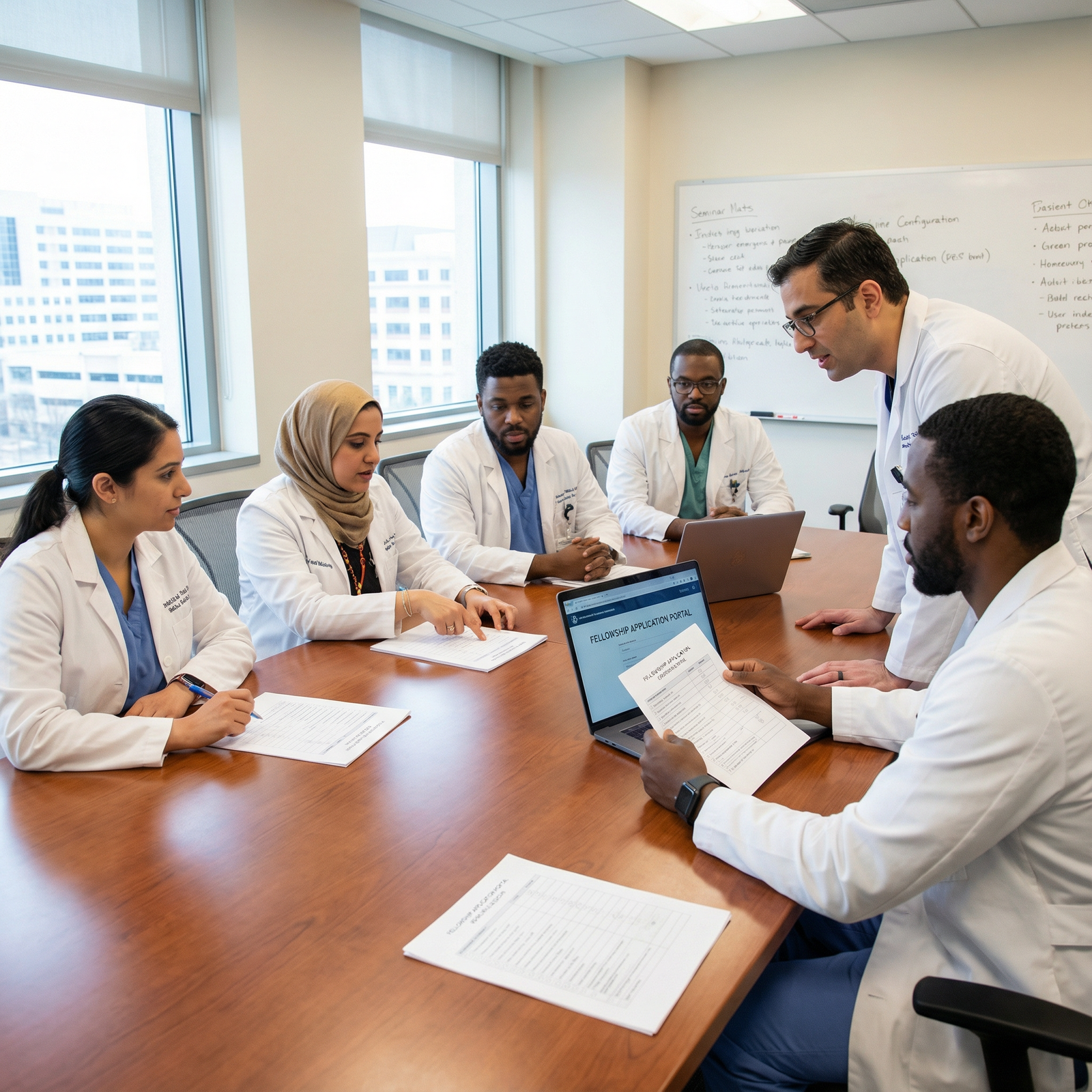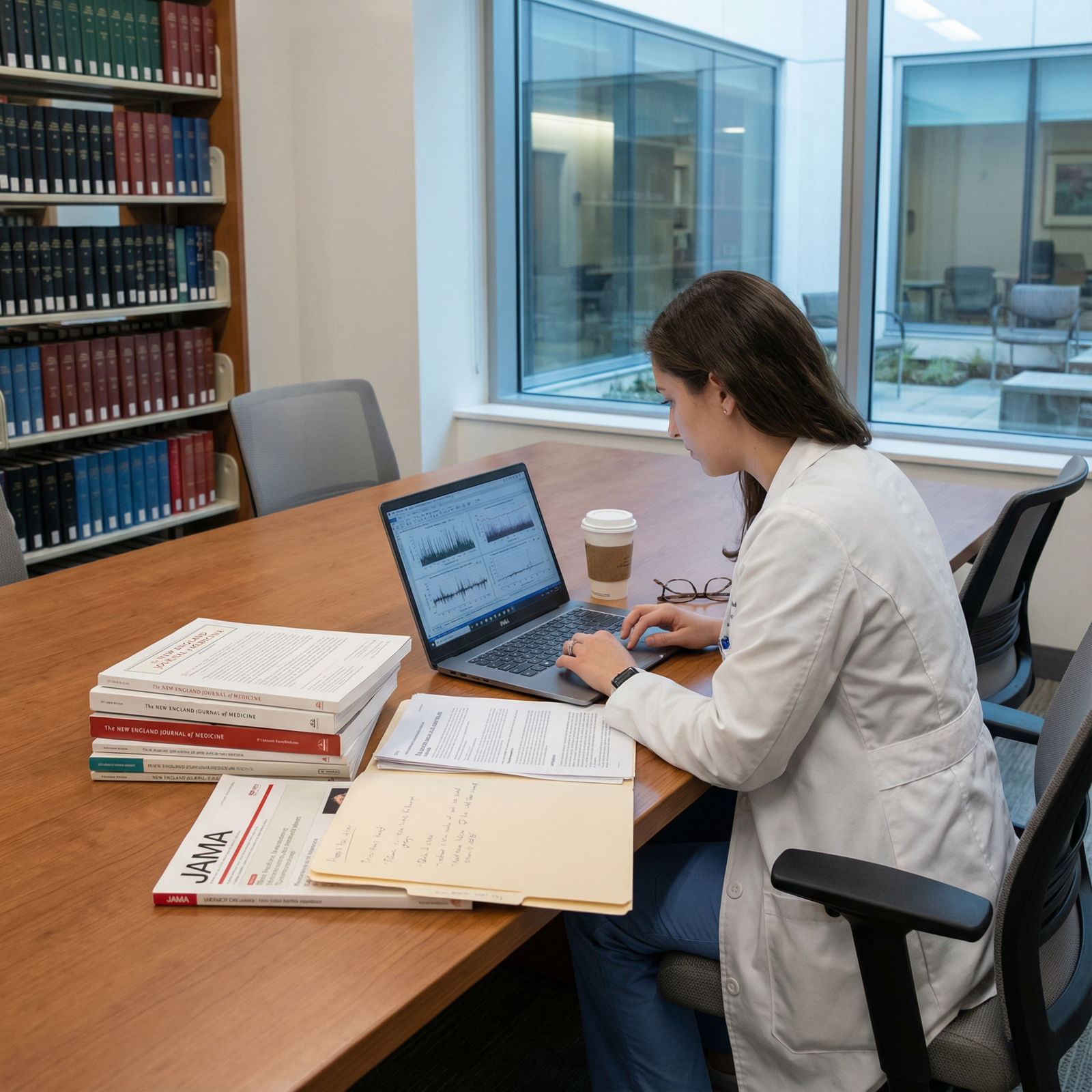
Understanding the Fellowship Landscape for Emergency Medicine MD Graduates
For an MD graduate in Emergency Medicine, fellowship preparation can feel like a second round of the allopathic medical school match. The stakes are high: your chosen fellowship will shape your early career trajectory, academic niche, and long-term job opportunities. Whether you’re aiming for ultrasound, critical care, toxicology, EMS, palliative care, or another subspecialty, a thoughtful plan during residency is essential.
Unlike the EM match, most Emergency Medicine fellowships have more heterogeneous processes—different timelines, application platforms, and selection criteria. Some operate through NRMP, others via institutional match systems, and many still use a “direct offer” model. That variability means you must be organized and proactive from PGY-1 onward.
This article lays out a comprehensive, step-by-step framework for MD graduates in Emergency Medicine to navigate fellowship preparation—from clarifying your goals to executing a strong application and transitioning into fellowship.
Clarifying Your Why: Deciding Whether Fellowship Is Right for You
Before diving into mechanics, step back and clarify what you want. Fellowship training is a significant commitment—usually 1–3 additional years, often with a pay cut and increased academic responsibilities.
Common Reasons EM Physicians Pursue Fellowship
Niche Clinical Expertise
- Critical Care, Toxicology, EMS, Ultrasound, Sports Medicine, Palliative Care, Pediatric EM, Disaster Medicine, Research, Administration/Health Policy, Medical Education.
- Fellows often become departmental “go-to” experts and may lead service lines.
Academic Career Aspirations
- If you see yourself in an academic EM role—with protected time for teaching, research, or administration—fellowship can accelerate that path and make you more competitive for promotion.
Market Differentiation and Job Security
- In competitive urban markets or saturated EM job environments, fellowship training can distinguish you and expand job options (e.g., dual appointment in EM and ICU).
Leadership Ambitions
- EMS medical direction, ultrasound director, ED ICU leadership, toxicology service chief, palliative EM champion—these often favor fellowship-trained candidates.
Personal Interest and Job Satisfaction
- You may simply love your subspecialty area deeply enough to want more formal training and a career built around it.
Reflective Questions to Ask Yourself
- In 10 years, what do I want my work week to look like? (e.g., 60% clinical ED, 40% niche; 100% community ED; 50% ICU/50% ED)
- Do I need fellowship training to realistically achieve that vision?
- Am I ready to delay peak attending income by 1–3 years?
- Do I enjoy scholarly work (teaching, QI, research) enough to commit to it long term?
- How did I feel during subspecialty rotations (e.g., ICU, ultrasound, EMS ride-alongs)? Energized or drained?
Early Exploration Strategy (PGY-1 and Early PGY-2)
- Sample widely: Request elective time in ICU, ultrasound, EMS, tox, peds EM, or palliative care early.
- Talk to current fellows: Ask about lifestyle, workload, job prospects, and if they’d choose the same path again.
- Attend specialty society events: For example:
- ACEP and SAEM sections (Ultrasound, Critical Care, EMS, Toxicology, etc.)
- Specialty-specific conferences (e.g., SCCM for critical care, NAEMSP for EMS, ACMT for toxicology)
If, after this exploration, you’re still strongly interested, it’s time to build a structured plan.
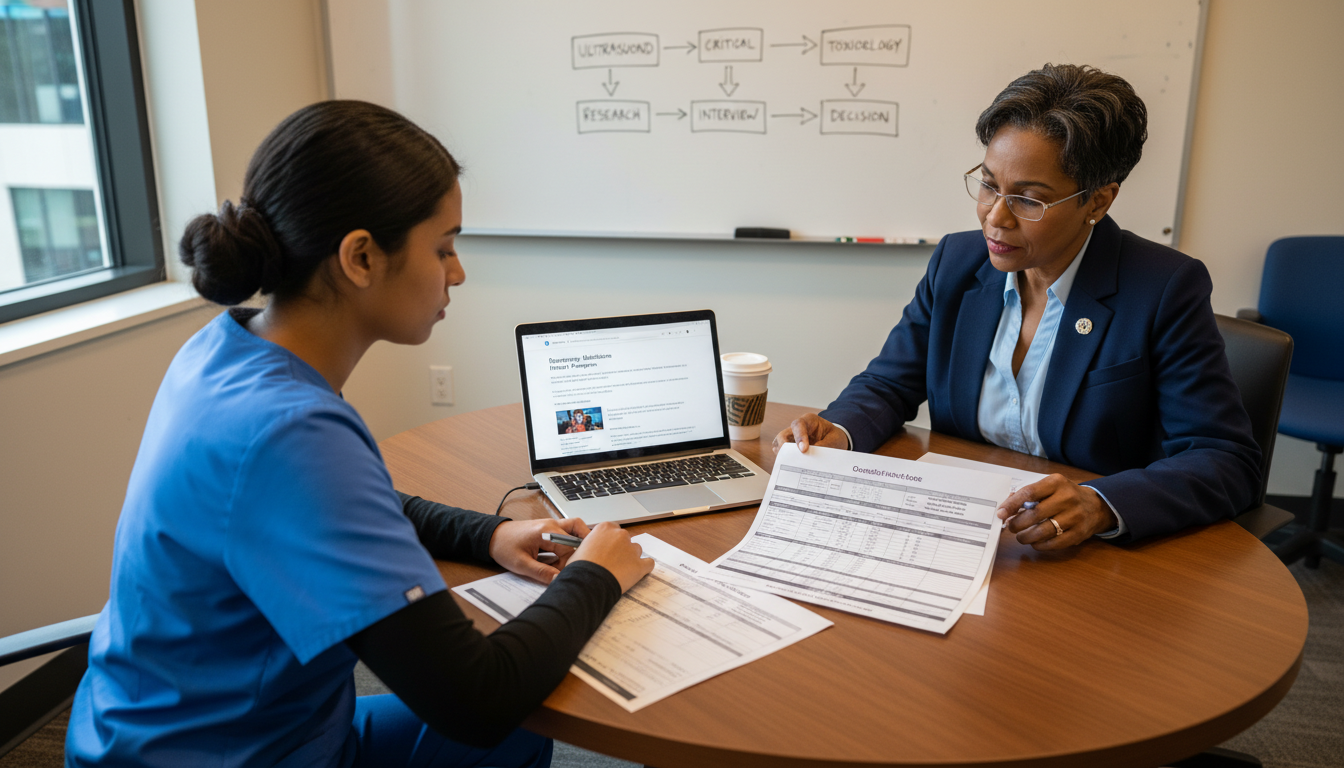
Building Your Fellowship Portfolio During Residency
For an MD graduate residency in Emergency Medicine, your fellowship “portfolio” is built long before you submit your application. Think in terms of four pillars: clinical reputation, academic output, leadership/service, and professional branding.
1. Clinical Performance and Reputation
Even subspecialty program directors care deeply about your core EM skills.
Consistently strong ED evaluations:
- Show reliability, collegiality, and good judgment on bread-and-butter cases.
- Be the resident others want on their team—nurses and co-residents vouch informally.
Seek high-impact rotations:
- For critical care fellowship: excel in MICU, SICU, CCU; ask to manage complex patients.
- For ultrasound: take on extra scanning shifts; help with ED POCUS QA sessions.
- For tox: engage deeply on toxicology consults; volunteer for teaching cases.
Ask for formative feedback:
- Proactively ask attendings, “What one thing can I improve to be stronger for fellowship?” and implement their advice.
2. Scholarly Work and Research
You don’t need multiple first-author RCTs, but you do need demonstrable academic engagement relevant to your desired fellowship.
Goal: Show you can think critically, finish projects, and contribute to the field.
Examples by subspecialty:
Ultrasound:
- QI project on POCUS-guided procedures.
- Educational modules or image review sessions.
- Retrospective review of ultrasound use in specific ED complaints.
Critical Care:
- ICU-related QI (e.g., sepsis pathways, ventilator bundle adherence).
- Retrospective cohort studies on ED-initiated critical care interventions.
- Case series of complex shock management.
EMS:
- Prehospital protocol evaluation.
- Analysis of on-scene time for specific conditions.
- Collaboration with local EMS on QI.
Toxicology:
- Case reports of unusual overdoses.
- Database reviews on specific toxins.
Aim for at least:
- One to two posters or abstracts (regional/national meetings).
- One submitted manuscript (case report, review, or original research) is ideal.
- If research is not feasible, substantial QI or curriculum development can substitute—document outputs and impact clearly on your CV.
3. Teaching, Leadership, and Service
Fellowships seek candidates who will become ambassadors for their specialty.
Teaching roles:
- Lead simulation sessions for med students.
- Give conference talks (M&M, journal club, core topic lectures).
- Help with intern boot camp or procedural workshops.
Leadership:
- Chief resident roles (if available).
- Committee participation (wellness, QI, diversity & inclusion).
- National or regional EM organization involvement (EMRA, ACEP, SAEM).
Service:
- Community outreach (CPR training, disaster preparedness education).
- Hospital initiatives that align with your fellowship interest (e.g., code blue committee for critical care).
4. Professional Branding and Networking
You’re effectively answering, “Who am I as an emerging EM subspecialist?”
Define your narrative:
- “I’m an EM resident passionate about prehospital care and systems design working toward EMS leadership.”
- “I’m building a career in ED-based critical care, with a focus on sepsis resuscitation and ICU-ED integration.”
Create a simple portfolio:
- Updated CV tailored to your fellowship interest.
- Short “academic bio” (2–3 paragraphs) highlighting your focus areas.
- Professional LinkedIn profile and/or minimal professional webpage (optional but helpful).
Network intentionally:
- Email potential mentors at your home institution’s relevant departments (ICU, toxicology, EMS, etc.).
- Attend national meetings and introduce yourself to fellowship directors or faculty.
- Join specialty listservs or Slack/Discord communities where fellows and faculty interact.
Fellowship Application Timeline and Strategy for EM Residents
The fellowship application timeline can vary substantially across subspecialties. For an MD graduate in Emergency Medicine, mastering timelines is just as crucial as it was for the allopathic medical school match.
Below is a generalized framework; always confirm specifics with your target programs and national societies.
PGY-1: Exploration and Foundation
Key Goals:
- Explore multiple subspecialties via elective rotations or shadowing.
- Identify 1–2 potential long-term mentors in your department.
- Start (or join) a small academic project.
Action Steps:
- Attend departmental lectures given by subspecialists—introduce yourself afterward.
- Ask your program leadership about past graduates: Where did they match? Who pursued ultrasound, critical care, etc.?
- Start collecting teaching evaluations or notes of positive feedback in a folder; this helps later with CV details.
PGY-2: Focus and Early Preparation
This is often the most critical year for fellowship preparation.
Key Goals:
- Narrow down to 1 primary fellowship interest (with 1 backup option if desired).
- Deepen involvement in at least one relevant academic project.
- Start planning your fellowship application strategy and target programs.
Action Steps:
Early PGY-2:
- Meet with your Program Director (PD) and a subspecialty mentor to discuss goals.
- Review the fellowship application timeline for your chosen field:
- Critical Care (EM/CCM): typically ERAS/NRMP-based with applications opening late spring of PGY-2, interviews in PGY-3.
- Ultrasound, EMS, Tox, etc.: often have varying timelines; some use NRMP, some direct offers.
Mid to Late PGY-2:
- Identify 8–15 target programs (mix of reach, match, safety).
- Start drafting your personal statement.
- Maintain updated CV; add each new activity or project immediately.
- Confirm requirements:
- Number and type of letters of recommendation.
- Required board exam status and USMLE/COMLEX scores.
- State licensure constraints (for fellowship states).
PGY-3 (or Final Year): Execution
Key Goals:
- Finalize application materials.
- Submit applications early within the window.
- Prepare and perform strongly on interviews.
- Rank programs or negotiate offers appropriately.
Action Steps:
6–9 months before fellowship start:
- Request letters of recommendation at least 2 months before deadlines.
- Finalize personal statement and CV.
- Check for any fellowship-specific exams or documentation.
3–6 months before fellowship start:
- Complete interviews (often clustered in fall/winter).
- Follow up with thank-you emails when appropriate.
- For NRMP-managed fellowships, finalize rank list.
- For non-match fellowships, be ready to respond quickly to offers.
Post-match / Post-offer:
- Complete institutional paperwork and credentialing.
- Coordinate end of residency logistics (moving, licensing, scheduling).

Crafting a Competitive Fellowship Application
While each subspecialty has nuances, most fellowship applications in Emergency Medicine share common components: CV, personal statement, letters of recommendation, and interview performance. The central question programs are asking: “Will this person thrive in our fellowship and contribute meaningfully to the field afterward?”
CV: Show Depth, Not Just Volume
Organize your CV to highlight relevance to your fellowship interest:
Education and Training
- Medical school, MD graduate residency in Emergency Medicine (include leadership roles, honors).
Certifications and Exams
- USMLE/COMLEX scores, ABEM in-training scores if requested.
Clinical Highlights
- Significant electives in your area (ICU months, ultrasound elective, EMS ride-alongs, etc.).
Scholarly Work
- Peer-reviewed publications, abstracts, posters, QI projects, curriculum development.
- Indicate your role clearly (first author, data analyst, presenter).
Teaching
- Lectures, small-group sessions, simulation facilitation, TA roles.
Leadership / Service
- Chief resident, committees, national organizations.
Tip: Group related items under relevant subheadings. For example: “Critical Care–Related Scholarship” or “Ultrasound Teaching and QI.” That reinforces your focused interest.
Personal Statement: Tell a Coherent Story
Your personal statement should answer three core questions:
Why this subspecialty?
- Use specific experiences: a defining patient encounter, a rotation that shifted your perspective, or a project that ignited your interest.
What have you done to pursue it?
- Summarize your scholarly activities, leadership, and clinical engagement with a clear through-line.
What are your career goals, and how will this fellowship help?
- Be concrete: “I aim to become an ED-based intensivist leading sepsis care pathways and serving as ICU-ED liaison,” or “I want to lead an EMS system with a focus on cardiac arrest outcomes and community paramedicine.”
Common pitfalls:
- Being too generic: “I want to help people and teach” applies to everyone.
- Overemphasizing personal hardship without connecting it to concrete goals.
- Focusing only on what you want to gain, not what you will contribute to the fellowship.
Letters of Recommendation: Choose Strategically
High-quality letters often carry as much weight as your CV.
Aim for:
- 3–4 letters total (per subspecialty norms), with:
- 1 from your EM Program Director.
- 1 from a senior faculty member in the target subspecialty (ideally known by fellowship circles).
- 1 from another EM faculty who worked with you clinically and/or academically.
- Optional: additional letter from a collaborator in another department (e.g., ICU, anesthesia, cardiology) if very relevant.
How to get strong letters:
- Ask early and explicitly:
“Would you be comfortable writing a strong letter of recommendation for my [Ultrasound/Critical Care/etc.] fellowship applications?” - Provide:
- Updated CV.
- Draft personal statement.
- Bullet-point summary of work you did with them (rotations, projects, teaching).
- Gently remind letter writers 3–4 weeks before the deadline.
Interview Performance: Demonstrate Fit and Maturity
Fellowship interviews are often more conversational and less structured than the EM match interviews. Programs want to see:
- Clinical maturity: Can you handle high-acuity situations and make sound decisions?
- Self-awareness: Do you recognize your strengths, limitations, and growth areas?
- Academic curiosity: Are you genuinely interested in learning and contributing?
Common questions to prepare for:
- “Tell me about a patient that influenced your decision to pursue this fellowship.”
- “What are your long-term career goals?”
- “Tell me about a challenging case or situation and how you handled it.”
- “What are your strengths and weaknesses as a clinician?”
- “Why our program specifically?”
Ask thoughtful questions back:
- “How do fellows balance ED shifts with fellowship responsibilities?”
- “What kind of support is available for research or QI projects?”
- “Where have recent graduates gone after fellowship?”
Your goal is to understand not just whether you can match there, but whether this environment will genuinely support who you want to become.
Planning Beyond Fellowship: Thinking Ahead to Your Career and Future Training
When preparing for fellowship, it’s wise to think one step beyond: What comes after? This matters because programs want to invest in candidates whose goals align with what they can offer.
Alignment with Long-Term Career Goals
Consider how each fellowship program will position you for:
- Academic positions versus community practice with niche time (e.g., EMS medical director, ED ultrasound director).
- Joint appointments (e.g., EM + Critical Care).
- Geographic preferences (some regions hire locally from their fellowship pipelines).
- Future preparing for fellowship opportunities in other fields (e.g., an EM/CCM graduate later considering transplant critical care or research fellowships).
Understanding the Fellowship Application Timeline for Secondary Training
Some EM physicians pursue sequential fellowships (e.g., Ultrasound → Critical Care, or EM/CCM → research fellowship). If you think you might want more than one fellowship:
- Discuss this openly with mentors and fellowship directors.
- Map out an extended fellowship application timeline that factors in:
- Board certification requirements.
- Visa and licensing limitations (if applicable).
- Life events (family, geographic needs).
This forward-thinking approach can clarify decisions, such as choosing a fellowship with stronger research infrastructure if you suspect you’ll later pursue a dedicated research or education fellowship.
How to Get Fellowship-Related Jobs After Training
Understanding early how to get fellowship-aligned positions after graduation will refine your choices:
- Ask programs where their graduates work now—academic centers, community hospitals, hybrid roles.
- Attend networking events at national conferences (job fairs, alumni gatherings).
- During fellowship:
- Keep your CV updated and begin job conversations 6–12 months before graduating.
- Continue presenting at conferences to build a name in your niche.
FAQs: Fellowship Preparation for MD Graduate in Emergency Medicine
1. When should I decide if I want to pursue a fellowship in EM?
Ideally, you should start seriously considering fellowship by mid-PGY-1 and have a primary interest chosen by early PGY-2. That gives you time to:
- Build relevant scholarly work.
- Secure mentorship and letters.
- Position yourself well for the application window.
However, some residents successfully decide later (late PGY-2), especially in fields with more flexible timelines (e.g., ultrasound, EMS), but it requires compressed planning.
2. Do I need research to match into an Emergency Medicine fellowship?
You don’t need a PhD-level research portfolio, but you do need evidence of academic engagement. For most EM fellowships, at least:
- One meaningful project (QI, education, or research) that you can discuss in depth.
- Preferably posters or abstracts at regional/national meetings.
For research-heavy fellowships (e.g., certain Critical Care or research fellowships), more robust output is advantageous, but strong clinical performance and clear goals can still compensate.
3. How many programs should I apply to for an EM fellowship?
It depends on the subspecialty’s competitiveness and your application strength:
- Highly competitive fields (and top-tier programs): often 10–15 applications is reasonable.
- Less competitive or niche areas: 5–10 programs may be sufficient.
Discuss your specific profile with your PD and subspecialty mentor. Aim for a balanced list (reach, realistic, and safety options), similar to the allopathic medical school match and EM match strategies.
4. Can I get a good job in Emergency Medicine without doing a fellowship?
Yes. Many EM physicians have fulfilling careers with only core residency training. Fellowship is not mandatory for most EM jobs. However, fellowship may be particularly helpful if you:
- Want a predominantly academic career.
- Seek a clearly defined niche (e.g., ED ultrasound director, ED-ICU hybrid attending, EMS medical director).
- Work in especially competitive geographic markets where additional training provides a hiring edge.
The key is aligning your choice—fellowship or not—with your envisioned career, values, and lifestyle.
Thoughtful fellowship preparation transforms the process from a stressful scramble into a strategic, career-defining step. As an MD graduate in Emergency Medicine, you already navigated the EM match; applying the same structure, intentionality, and self-awareness will position you well for the next phase—whether that’s ultrasound, critical care, EMS, toxicology, or another path that builds the future EM physician you want to be.