Understanding the Fellowship Pathway as a Non‑US Citizen IMG in Pediatrics
For a non-US citizen IMG (international medical graduate) in pediatrics, planning for fellowship begins long before you submit an application. Visa status, program selection, exam scores, networking, and scholarly work all interact in ways that are different from your US graduate peers. Knowing these nuances early can dramatically improve your chances of a successful peds match into fellowship.
In pediatrics, the most common fellowships include:
- Pediatric Cardiology
- Pediatric Critical Care Medicine
- Neonatal‑Perinatal Medicine
- Pediatric Hematology‑Oncology
- Pediatric Emergency Medicine
- Pediatric Endocrinology
- Pediatric Gastroenterology
- Pediatric Infectious Diseases
- Pediatric Pulmonology
- Child Abuse Pediatrics, Adolescent Medicine, etc.
Each has its own culture, competitiveness, and expectations, but the core preparation principles are similar—especially for a foreign national medical graduate navigating visas and institutional policies.
This guide walks you step‑by‑step from intern year through application season: what to prioritize, how to position yourself competitively, and how to manage the fellowship application timeline as a non‑US citizen IMG in pediatrics.
Mapping the Fellowship Application Timeline During Residency
Understanding the fellowship application timeline is foundational. You have limited time in residency, and each year should have clear goals aligned with how to get fellowship in your chosen pediatric subspecialty.
The Standard Timeline (US Pediatric Residency → Fellowship)
Most pediatric subspecialty fellowships in the US use ERAS and participate in the NRMP Pediatric Subspecialty Match:
- Applications typically open in ERAS: Late November–December of PGY‑2
- Programs start reviewing applications: January–March of PGY‑2
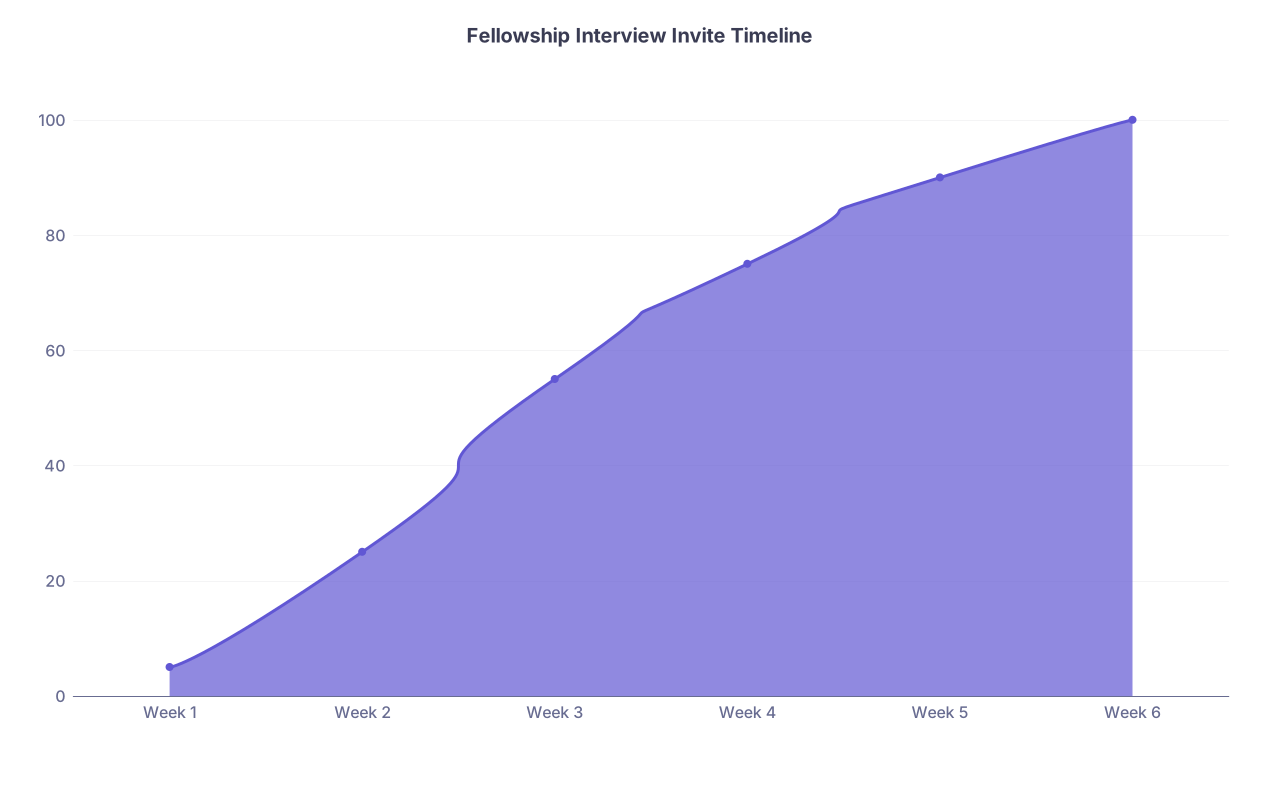
- Interview season: February–June of PGY‑2 (varies by subspecialty)
- Rank list deadline and match: Mid‑year of PGY‑2 (exact dates vary annually)
- Fellowship start date: July 1 after completion of PGY‑3
This means your fellowship application—CV, letters, research—must essentially be ready by mid‑PGY‑2. For non‑US citizen IMGs, visa planning should start even earlier.
Year‑by‑Year Strategy
PGY‑1 (Intern Year): Explore and Build Foundations
Primary goals:
- Settle into the US system and clinical culture
- Explore subspecialties; identify what genuinely fits you
- Begin forming relationships with faculty mentors
- Clarify visa situation and long‑term options
Action items:
- Rotate broadly: NICU, PICU, heme/onc, cardiology, pulm, GI, ID, etc.
- Keep a simple “fellowship journal”: What did you enjoy or dislike on each rotation? How did you feel about acuity vs chronic care, inpatient vs outpatient, procedures, etc.?
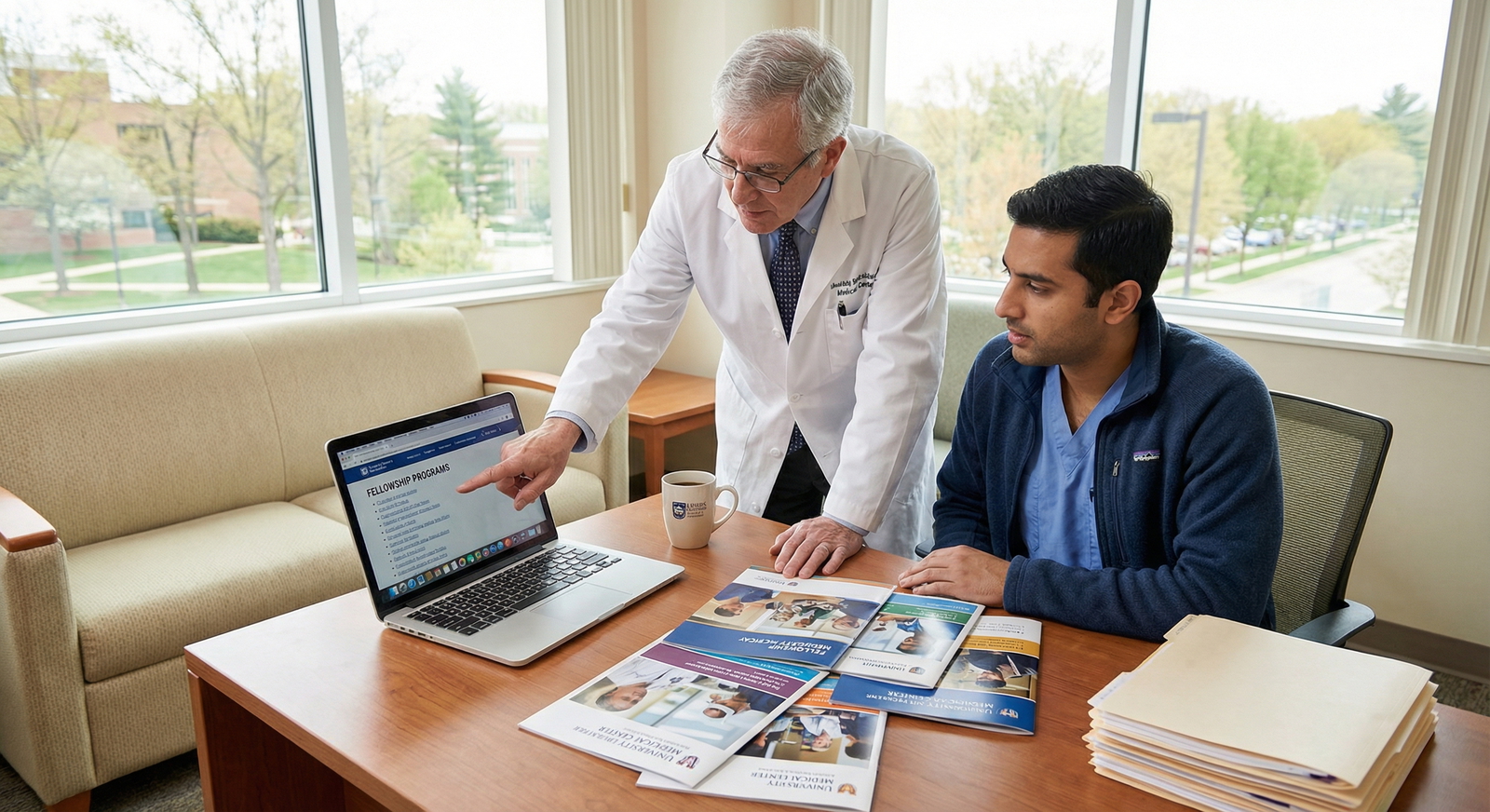
- Meet with your program director (PD) and associate PDs early. Share your interest in fellowship as a foreign national medical graduate and ask about:
- Which fellowships your residents commonly match into
- Which programs reliably sponsor your visa type (J‑1 or H‑1B)
- Research‑active faculty in your areas of interest
- Start one small scholarly activity: a case report, QI project, or chart review.
PGY‑2: Consolidate, Produce, Apply
Primary goals:
- Commit to a subspecialty by early PGY‑2
- Produce at least one concrete scholarly product (abstract, poster, or paper)
- Obtain strong subspecialty letters of recommendation
- Build and submit your ERAS application
Action items:
- Front‑load subspecialty rotations in your area of interest during late PGY‑1/early PGY‑2 where possible.
- Arrange elective time (e.g., research elective) with your intended subspecialty.
- Complete and submit abstracts to national or regional meetings (PAS, subspecialty societies).
- Request letters from:
- Subspecialty division chief or fellowship program director
- A research mentor (if applicable)
- Your residency PD or core faculty who know you well
- Register for ERAS and NRMP early and meticulously track deadlines.
PGY‑3: Finalize and Transition
Primary goals:
- Prepare for fellowship (knowledge, skills, and logistics)
- Negotiate visa and contract details early after the match
- Continue productivity if you are unmatched or pursuing off‑cycle options
Action items:
- If matched, communicate with your future fellowship program early about:
- Visa sponsorship details and timing
- Institutional onboarding, licensing, and credentialing
- If unmatched, consider:
- A chief year
- A hospitalist position with research time
- Off‑cycle or unfilled fellowship spots
- Strengthening your CV (e.g., more research, USMLE Step 3 if not done)

Strategic Choices: Subspecialty, Program Types, and Visas
Your subspecialty choice and visa status profoundly shape your fellowship options as a non‑US citizen IMG in pediatrics. You must think strategically about three intersecting domains: passion, feasibility, and long‑term career goals.
Choosing a Subspecialty Thoughtfully
Ask yourself:
What kind of daily work energizes you?
- Acute care, procedures, and high‑acuity settings → PICU, NICU, Emergency Medicine, Cardiology
- Longitudinal relationships and chronic disease management → Endocrinology, Pulmonology, Rheumatology, Nephrology
- Oncology, immunology, and complex multi‑system disease → Hematology‑Oncology, Immunology
- Infections, global health, and public health → Infectious Diseases
What lifestyle and call structure do you prefer?
- Intensive call and night coverage vs more predictable outpatient work
- Tolerance for high stress vs preference for long‑term follow‑up
How important are research and academia to you?
- Some fellowships (e.g., Heme‑Onc, Endocrinology, ID) are heavily research‑oriented.
- Others can be more clinically oriented depending on the program.
Competitiveness and IMG‑friendliness
- Some subspecialties are more competitive or have fewer positions (e.g., Cardiology, Critical Care, Heme‑Onc).
- Talk to senior IMGs and faculty about which fellowships have historically been open to international candidates at your institution.
Visa Considerations: J‑1 vs H‑1B
As a non‑US citizen IMG, your visa type directly impacts:
- Which programs you can apply to
- Future options for practice and further training
- Waiver obligations (for J‑1) and employment flexibility (for H‑1B)
J‑1 Visa (ECFMG‑sponsored)
- Most commonly used for residency and fellowship training.
- Widely accepted by pediatric fellowships.
- Requires a 2‑year home country return after completion of training or a J‑1 waiver (e.g., via underserved area employment).
- Typically more straightforward to obtain for training than H‑1B, and many academic programs are comfortable sponsoring it.
H‑1B Visa
- Some pediatrics fellowships will sponsor H‑1B, but significantly fewer compared to J‑1.
- Often preferred for those who want to avoid the J‑1 two‑year home requirement.
- Requires passing USMLE Step 3 before H‑1B can be issued.
- Cap‑exempt for university/academic hospitals, but not all fellowships will process H‑1B due to legal and administrative workload.
Actionable Advice:
- Early in PGY‑1, schedule a meeting with your GME office or institutional visa officer to clarify:
- Your current status (J‑1 vs H‑1B)
- Options for renewal or change of status
- Which fellowship programs have historically sponsored your visa type
- When building your application list, explicitly verify visa sponsorship policies for each program via:
- Fellowship websites
- Direct emails to program coordinators
- Current or former fellows (especially other non‑US citizen IMGs)
Building a Competitive Fellowship Application as a Non‑US Citizen IMG
Your application must show not only that you are qualified, but that you bring clear added value as a non‑US citizen IMG in pediatrics: diverse clinical exposure, resilience, global perspective, and a track record of excellence.
Core Components of a Strong Application
Clinical Performance and Evaluations
- Aim to be in the top tier of your residency class.
- Seek out constructive feedback and demonstrate rapid improvement.
- Volunteer for complex patients and leadership roles on rounds.
- Ensure your PD and subspecialty faculty see your growth and reliability.
USMLE Scores and In‑Training Exams
- Peds fellowships vary in how heavily they weigh USMLE scores.
- Strong Step 2 CK and a passed Step 3 are assets, especially if Step 1 is pass/fail.
- If your scores are modest, counterbalance with strong research, letters, and clinical evaluations.
Letters of Recommendation (LoRs) Aim for 3–4 high‑quality letters:
- One from your Residency Program Director
- Two from subspecialty faculty in your chosen fellowship area:
- Ideally one from the division chief or fellowship PD
- One from a mentor who has worked with you closely in clinic, wards, or research
- Optionally one from research mentor if distinct from the above
What strong letters should highlight:
- Your clinical judgment and work ethic
- Your ability to function independently and as team leader
- Specific examples of patient care, teaching, or research contributions
- Any comparisons to peers (e.g., “top 5% of residents I have worked with”)
- How your international background adds value to patient care and team dynamics
Research and Scholarly Activity
For most pediatrics fellowships, meaningful scholarly work is a major differentiator—especially for a foreign national medical graduate.
Levels of scholarly output:
- Beginner: Case reports, case series, QI projects, educational posters
- Intermediate: Retrospective chart reviews, quality improvement initiatives with measurable outcomes
- Advanced: Prospective studies, first‑author publications, grant‑funded projects
Action steps:
- Identify mentor(s) in your target subspecialty by late PGY‑1.
- Start small but finish what you start—programs value completion and dissemination.
- Present at local, regional, and national conferences (e.g., PAS, subspecialty society annual meetings).
- For some highly academic fellowships (e.g., Heme‑Onc, ID), aim for at least one peer‑reviewed publication.
Curriculum Vitae (CV) and Personal Statement
- Organize your CV clearly: Education, Training, Honors, Research, Presentations, Leadership, Volunteer Work.
- Highlight achievements from both your home country and US training, but focus on what is most relevant and recent.
- In your personal statement:
- Share a coherent story: Why this subspecialty? Why you? Why now?
- Explain the unique perspective you bring as a non‑US citizen IMG (global health, multilingual skills, experience in resource‑limited settings).
- Address any major gaps or transitions briefly and professionally.
- Avoid generic phrases; be specific, reflective, and forward‑looking.

Maximizing Opportunities During Residency: Research, Networking, and Visibility
A well‑planned strategy during residency can significantly increase your peds match success rate for fellowship as a non‑US citizen IMG.
Research: Focus and Feasibility
You do not need an MD‑PhD to match a strong fellowship, but you do need evidence you can engage with scholarly work.
Practical strategies:
- Join ongoing projects rather than trying to create large new ones from scratch.
- Ask senior residents and fellows which attendings are “closers” (i.e., they shepherd projects to publication).
- Set realistic goals:
- Year 1: Help with data collection; co‑author a case report or abstract.
- Year 2: Lead a small project or become first author on a paper/abstract.
- Aim for at least one national poster or oral presentation before you apply.
Example:
If you are interested in pediatric pulmonology:
- Join a project reviewing outcomes of asthma management protocols.
- Help build a registry for children with cystic fibrosis.
- Present at the American Thoracic Society or a pediatric pulmonary conference.
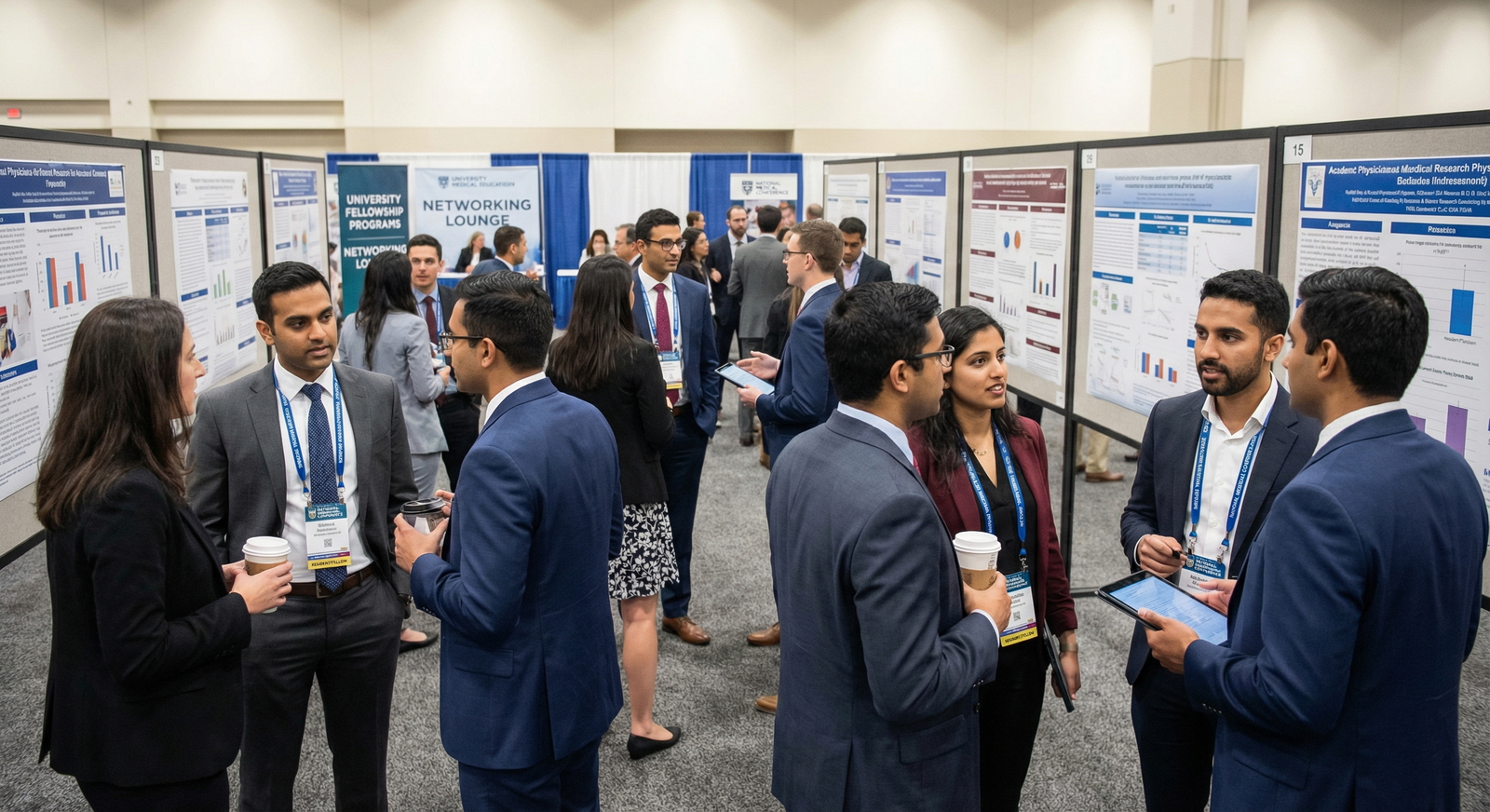
Networking and Mentorship
As a non‑US citizen IMG, you may have fewer “built‑in” professional connections. You must be deliberate about building them.
Mentorship types:
- Clinical mentor: Helps you grow as a clinician in the subspecialty.
- Research mentor: Guides your project, abstracts, and manuscripts.
- Career mentor: Advises on long‑term planning, visas, job market, and academic pathways.
- Peer mentor: Senior residents or fellows (especially IMGs) who recently went through the process.
Actionable networking tips:
- Attend division conferences, journal clubs, and M&Ms in your subspecialty even when you are off service.
- Volunteer to help organize educational sessions or QI projects.
- Introduce yourself to visiting speakers at conferences and ask brief, focused questions.
- Maintain a simple networking log (name, role, meeting date, topic, follow‑up plan).
Showcasing Your Strengths as a Non‑US Citizen IMG
Use your background as an asset, not a liability. Programs increasingly value diversity and global perspectives.
Highlight:
- Experience with diseases more prevalent in your home country.
- Ability to communicate with families in multiple languages.
- Understanding of healthcare delivery in low‑resource settings—especially valuable in global health‑oriented fellowships.
- Evidence of resilience and adaptability navigating multiple healthcare systems.
When preparing for fellowship, think about how you can articulate these strengths clearly in interviews and personal statements, without overemphasizing challenges.
Applying and Interviewing: Practical Tactics for a Strong Peds Fellowship Match
Once your application is submitted via ERAS, the focus shifts to program selection, interviews, and ranking strategy.
Building a Balanced Program List
For a non‑US citizen IMG in pediatrics, program selection is partly about competitiveness and partly about visa sponsorship and institutional culture.
Consider categorizing programs:
- Reach programs: Highly competitive, top‑tier academic centers with strong research portfolios.
- Target programs: Solid academic or large regional centers with a history of taking IMGs and sponsoring your visa type.
- Safety programs: Less competitive programs, possibly in less desirable geographic areas but with clear IMG‑friendliness.
Variables to research:
- Visa sponsorship policies (J‑1 only vs J‑1 and H‑1B).
- Number of IMG fellows currently or previously in the program.
- Research infrastructure and mentorship in your specific interest area.
- Clinical volume and exposure to the pathology you care about.
Preparing for Fellowship Interviews
Common themes in pediatric fellowship interviews:
Motivation for Subspecialty
- “Why pediatric [subspecialty]?”
- Be specific: a patient story, a clinical experience, a research interest.
Career Goals
- Academic vs community, research emphasis, teaching interests
- Where you see yourself in 5–10 years (including how you might integrate experiences from your home country)
Research and Scholarly Work
- Be prepared to explain:
- Your role in each project
- The study question, methods, and results
- Limitations and next steps
- Be prepared to explain:
Strengths and Challenges as an IMG
- Frame challenges as growth experiences.
- Emphasize your adaptability, cultural competence, and communication skills.
Visa and Long‑Term Plans
- Some programs may ask indirectly about your future plans.
- Answer honestly but optimistically: you are committed to training and contributing within the US system and, potentially, internationally.
Interview Preparation Checklist:
- Review each program’s website and recent publications in your area.
- Prepare 3–5 thoughtful questions per program about:
- Research opportunities and protected time
- Mentorship structure
- Graduates’ career paths (academic vs community)
- Conduct mock interviews with faculty or senior fellows, particularly focusing on:
- Explaining your IMG journey concisely
- Handling questions about visa and long‑term plans
Ranking Programs Wisely
When creating your rank list, balance:
- Visa security
- Program reputation and fit
- Training quality and case mix
- Geography and family/personal needs
- Long‑term academic vs clinical career goals
Rank in the true order of your preference; do not attempt to “game” the algorithm. However, consider placing programs that strongly support your visa type and long‑term goals higher when preferences are close.
Frequently Asked Questions (FAQ)
1. As a non‑US citizen IMG in pediatrics, when should I start preparing for fellowship?
Preparation should begin in PGY‑1. Use your intern year to explore subspecialties, identify mentors, understand your visa options, and begin at least one small research or QI project. By early PGY‑2, you should have a clear subspecialty focus and be actively preparing your fellowship application materials, since the fellowship application timeline compresses much of the work into the second year of residency.
2. How important is research for getting a pediatrics fellowship as a foreign national medical graduate?
Research is not absolutely mandatory for all fellowships, but it is highly advantageous, particularly at academic centers and in research‑heavy fields like Hematology‑Oncology, Infectious Diseases, Endocrinology, and Cardiology. As a foreign national medical graduate, having at least some scholarly output (abstract, poster, or publication) shows that you can engage in academic work in the US setting and can significantly strengthen your application.
3. Can I get a pediatric fellowship on an H‑1B visa, or do I have to be on a J‑1?
Both are possible, but J‑1 is more commonly sponsored for pediatrics fellowships. A subset of programs will sponsor H‑1B, but this is less frequent. If you are interested in H‑1B:
- Ensure you pass USMLE Step 3 early enough.
- Research and directly confirm visa policies with each program.
- Be aware of potential limitations and long‑term planning needs.
If your primary goal is to maximize the number of programs you can apply to, J‑1 tends to offer broader options in pediatrics.
4. What can I do if I don’t match into fellowship during my first application cycle?
If you do not match, you have several options:
- Pursue a chief resident year to strengthen leadership, teaching, and visibility.
- Work as a pediatric hospitalist or general pediatrician in an academic or community setting, ideally with continued research involvement.
- Continue or initiate scholarly work to enhance your CV.
- Seek feedback from PDs and mentors about the weaknesses in your prior application and address them systematically.
- Monitor for off‑cycle or unfilled fellowship positions.
Many successful pediatric subspecialists did not match on their first attempt; a planned “bridge” year can make your next application significantly stronger.
Thoughtful planning, consistent effort, and strategic use of your unique strengths as a non‑US citizen IMG can position you for a successful pediatrics residency and peds match into fellowship. By understanding the fellowship application timeline, actively building mentorship and scholarly work, and navigating visas intentionally, you can create a clear, achievable pathway toward the pediatric subspecialty career you envision.