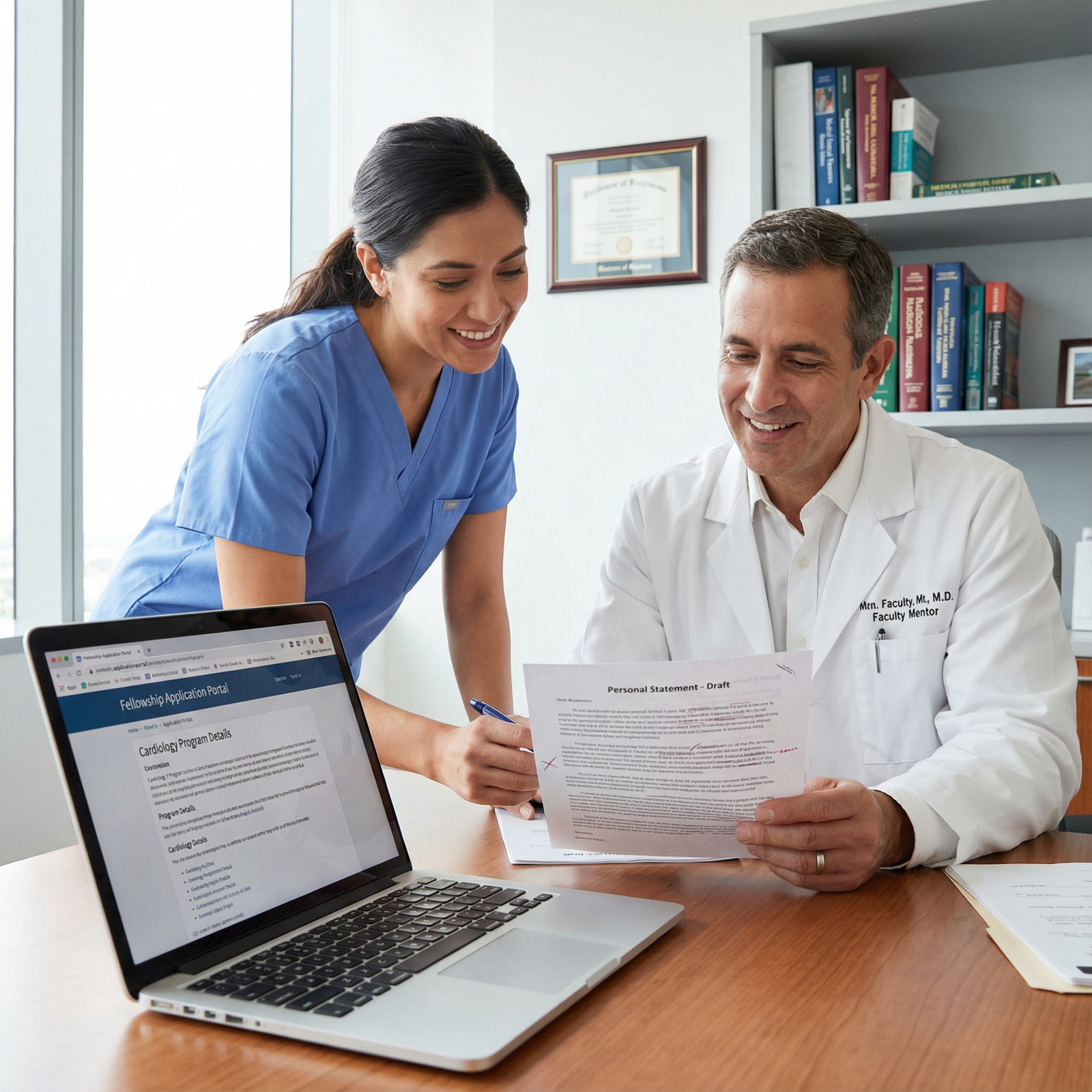
Understanding Your Fellowship Options as a DO OB GYN Graduate
As a DO graduate in Obstetrics & Gynecology, you are entering fellowship preparation at a uniquely promising—yet competitive—moment. The all-ACGME merger has integrated many former osteopathic and allopathic programs, but subtle differences in perception, training pathways, and mentorship opportunities still matter for DO graduates planning the next step.
The core reality: DO graduates successfully match into highly competitive OB GYN fellowships every year. The DO degree is not a barrier, but it often demands more intentional planning, strategic networking, and clear articulation of your strengths and training background.
Common OB GYN fellowship pathways include:
- Maternal-Fetal Medicine (MFM)
- Gynecologic Oncology (Gyn Onc)
- Reproductive Endocrinology & Infertility (REI)
- Female Pelvic Medicine & Reconstructive Surgery (FPMRS / Urogynecology)
- Minimally Invasive Gynecologic Surgery (MIGS)
- Complex Family Planning (CFP)
- Pediatric & Adolescent Gynecology (PAG) – often via focused tracks or non-ACGME pathways
- Global Women’s Health / Academic Clinician-Educator tracks
Before you start your fellowship application timeline planning, clarify two things:
Why do you want fellowship?
- Passion for a specific patient population (e.g., high-risk pregnancy, cancer care)
- Desire for research/academic career
- Interest in advanced surgical skills
- Long-term vision of leadership or subspecialty practice
How will fellowship change your career?
- Type of practice (academic vs large system vs specialty group)
- Geographic flexibility (fewer jobs but often highly recruited)
- Lifestyle implications (call intensity, procedures, patient acuity)
For a DO graduate residency background, these clarifications are crucial in guiding your choices and how you position yourself in your personal statement, letters, and interviews.
Building a Strong Fellowship Profile During Residency
Your fellowship competitiveness is largely built during your PGY-1 to PGY-3 years, with PGY-3 being the critical time when most residents submit applications. For DO graduates, the osteopathic residency match experience you already navigated gives you an advantage: you understand early planning and strategic positioning. Now you’ll apply those skills again, at a higher level.
1. Clinical Excellence as Your Foundation
Every subspecialty wants fellows who are fundamentally strong OB GYN physicians.
Focus on:
Rotation performance
- MFM: Antepartum, ICU exposure, diabetes/hypertension in pregnancy, ultrasound
- Gyn Onc: Major pelvic surgery, post-op management, oncologic principles
- REI: Infertility clinics, early pregnancy loss, ultrasound, endocrine disorders
- FPMRS: Prolapse, incontinence clinics, pelvic floor exams, OR cases
- MIGS: Laparoscopic/robotic cases, complex benign gynecology
Objective measures
- Strong in-service / CREOG exam performance
- Procedural logs that reflect adequate surgical volume for your residency level
- Positive formal and informal evaluations
Actionable tip:
Ask your program director (PD) and key faculty at the end of PGY-2:
“If I applied for fellowship next cycle, what concerns might a selection committee have about my application—and what can I do this year to address those gaps?”
Write their feedback down and create a simple action plan.
2. Research and Scholarly Productivity
For highly competitive fellowships, research is often the main differentiator—especially for DO applicants who may still be facing subtle bias from some academic centers. The goal isn’t only the number of projects, but narrative coherence: your work should tell a story about your interest and growth in a specific subspecialty.
Target benchmarks (ideal, not mandatory):
- 1–3 peer-reviewed publications (any author position; subspecialty-related is ideal)
- Poster or oral presentations at:
- ACOG Annual Clinical & Scientific Meeting
- Subspecialty meetings (e.g., SMFM, SGO, ASRM, AUGS, AAGL)
- Osteopathic or regional OB GYN meetings
- Participation in QI or educational projects with measurable outcomes
If you’re late to the process (for example, starting research in PGY-3), prioritize:
- Retrospective chart reviews
- Case series / case reports with rare or instructive pathology
- Secondary analyses of existing databases in your department
For DO graduates specifically:
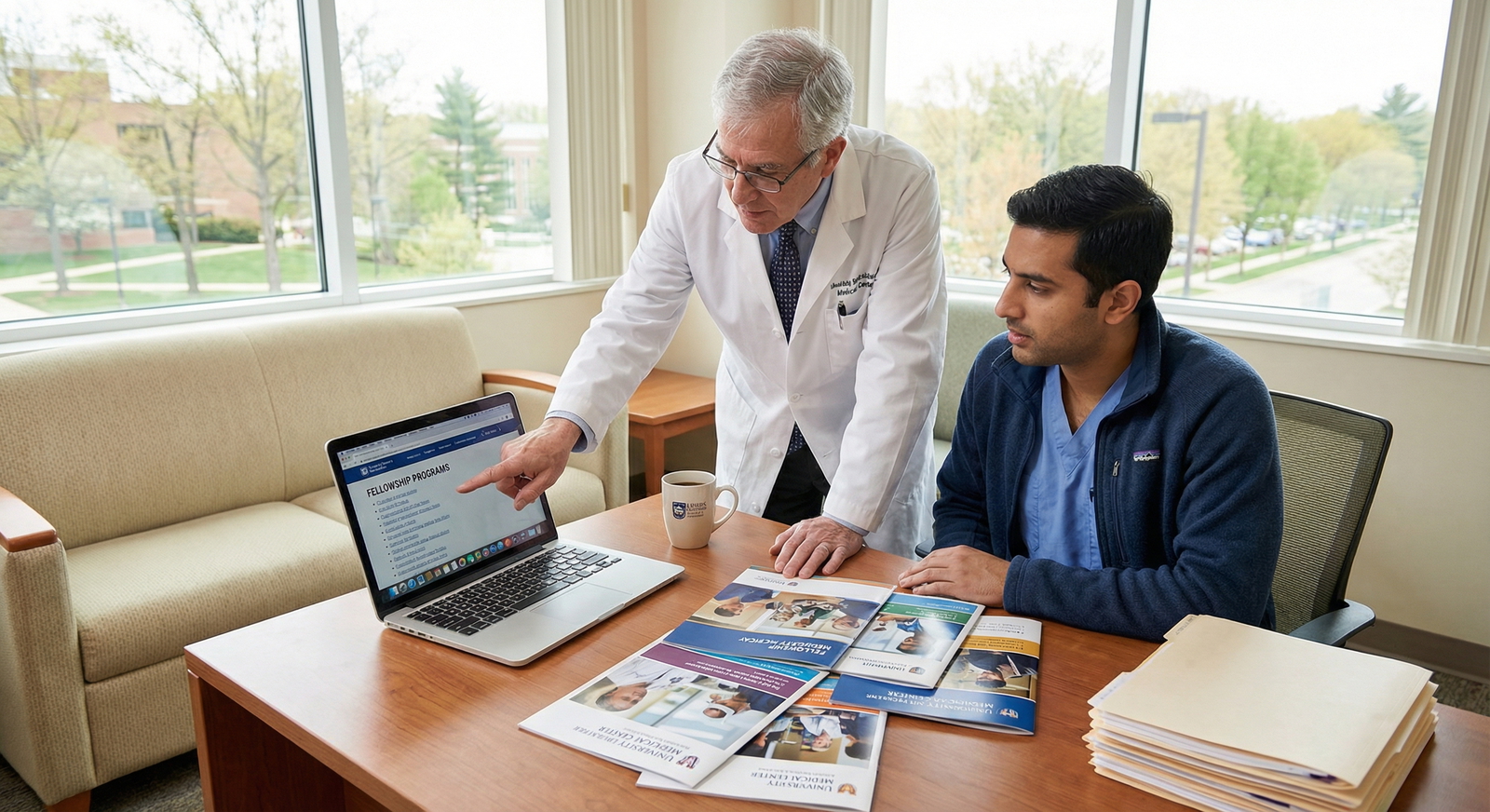
- Seek research mentors who are fellowship-trained and, if possible, have a track record of mentoring DO residents.
- If your home program has limited research infrastructure, consider:
- Collaborating with another institution (especially where you might want to apply)
- Using virtual mentorship and multi-site projects
- Joining existing ongoing studies, even if your role is modest but clearly defined
3. Mentorship and Advocacy
Mentorship is often what makes the difference between “qualified” and “selected.”
You ideally need three types of mentors:
- Career mentor (big-picture guide)
- Helps differentiate between fellowships, practice types, and long-term goals.
- Subspecialty mentor (content expert)
- Reviews your CV, personal statement, and advises on which programs align with your career interests.
- Advocate mentor (sponsor)
- Someone recognized in your field who will actively call or email PDs on your behalf, particularly if there are any concerns about DO bias or program familiarity.
For a DO graduate residency background, advocacy can be crucial when applying to large academic centers that may be less familiar with your program.
Actionable mentor questions:
- “When you review fellowship applications, what makes you pause in a positive way?”
- “What red flags should I avoid in my application or interview?”
- “Are there programs you think would be particularly good fits for my goals?”

Fellowship Application Timeline for OB GYN DO Residents
The fellowship application timeline varies slightly by subspecialty, but the overall pattern is consistent: you will apply during PGY-3 for fellowship start after PGY-4 (standard 4-year residency).
Always confirm the current year’s dates on ERAS and subspecialty society websites, as timelines may shift.
General OB GYN Fellowship Application Timeline
PGY-1 (Exploration and Foundation)
- Learn the scope of different subspecialties.
- Identify what clinical scenarios energize you most.
- Start a small QI or case project if possible.
- Attend at least one subspecialty conference if your schedule allows.
PGY-2 (Commitment and Early Productivity)
- Decide on your top 1–2 fellowship interests by mid-year.
- Start at least one subspecialty-focused research project.
- Seek more time on relevant rotations (e.g., extra MFM consult weeks).
- Request early mentorship and discuss future letters of recommendation.
PGY-3 (Application Year – Critical Phase)
Fall–Winter (PGY-3):
- Confirm your chosen subspecialty.
- Finalize research manuscripts for submission.
- Request letters from key faculty and subspecialty mentors.
- Update CV and draft your personal statement.
Late Winter–Spring (PGY-3):
- Submit ERAS fellowship application (varies by subspecialty).
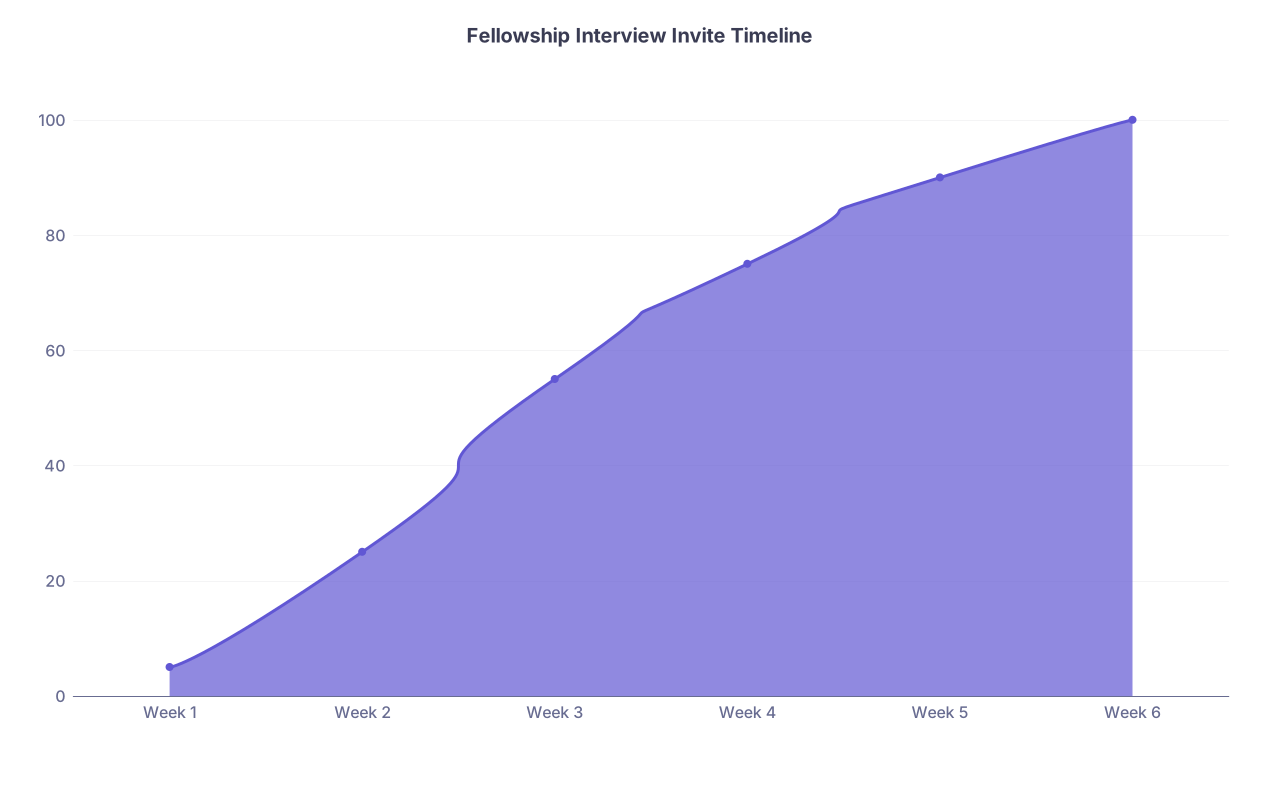
- Monitor invites and schedule interviews.
Summer–Fall (PGY-3):
- Attend interviews (often clusters of dates).
- Rank programs if in the NRMP match.
- Prepare a backup plan if fellowship doesn’t work out immediately.
PGY-4 (Transition and Next Steps)
- If matched: finalize credentialing, licensure, and relocation planning.
- If not matched: consider:
- Reapplying later with more research and clinical experience.
- A non-ACGME fellowship or research year.
- Early attending jobs that are fellowship-aligned (e.g., high-risk OB-heavy positions, MIGS-focused OR time).
Subspecialty Timing Nuances
While specifics can change, a simplified version:
- MFM, Gyn Onc, REI, FPMRS, MIGS, CFP
- Typically use ERAS + NRMP
- Applications often open in late winter or early spring of PGY-3
- Interviews: late spring through summer
- Match results: mid-late summer
Always check each year’s ACGME, subspecialty society, and ERAS updates, as the detailed fellowship application timeline can shift, and some emerging fellowships may be off-cycle.
Application Strategy: Making Your DO Background an Asset
Your DO background is a strength: you bring training in holistic care, OMT understanding of musculoskeletal issues (particularly relevant in pregnancy and pelvic pain), and often a strong patient-centered communication style. The challenge is ensuring this is understood—not assumed.
1. Personal Statement: Sharpen Your Narrative
Your personal statement should:
- Clearly articulate why this subspecialty and why now.
- Show how your DO training shaped your clinical approach.
- Highlight 1–2 specific clinical or research experiences that define your interest.
- Make it obvious what kind of fellow and colleague you will be.
Example themes for a DO OB GYN candidate:
- MFM:
- “I see medicine as a partnership with two patients—the pregnant person and fetus—and my osteopathic focus on systems and function complements the complexity of high-risk pregnancies.”
- Gyn Onc:
- “My DO background emphasized whole-person care, which aligns with oncology’s need to address not just disease, but prognosis, family dynamics, and survivorship.”
Avoid:
- Overemphasis on defending your DO degree.
- Generic language about “always wanting to help people.”
- Overly dramatic or unstructured storytelling.
2. Letters of Recommendation: Who and How Many?
For most OB GYN fellowships, aim for 3–4 letters, typically:
- 1 letter from your Program Director
- 1–2 letters from subspecialty faculty in your chosen field
- 1 additional letter from a senior OB GYN educator or research mentor
For DO graduates, it can be particularly helpful if at least one letter writer:
- Is well-known nationally or in the subspecialty.
- Has prior experience with fellowship selection.
- Explicitly addresses your readiness to train at any academic center, regardless of MD/DO background.
Actionable step:
Provide letter writers with:
- Updated CV
- Draft personal statement
- List of programs you’re applying to
- Bullet points of projects or clinical interactions you’ve had with them
Politely ask if they can write a “strong, supportive letter”—their answer will also help you gauge their enthusiasm.
3. Program List and Strategy: Where Should DO Graduates Apply?
Program selection is part art, part analysis. When building your list:
- Include a mix of:
- Highly competitive academic programs
- Mid-sized academic or hybrid programs
- Newer or smaller fellowships
Factors to consider:
- History of accepting DO residents or DO fellows
- Alignment with your research interests (e.g., health disparities, surgical innovation)
- Geographic realities (dual-career couples, family needs, visa considerations if applicable)
- Culture and size of the fellowship
To understand how to get fellowship in competitive environments:
- Ask current fellows (especially other DO graduates):
- “What do you think made your application stand out here?”
- “How supportive is this program of DO graduates in terms of academic opportunities?”

Excelling in Fellowship Interviews as a DO OB GYN Resident
Your interview is where you transform your file from “strong on paper” to “someone I want to train.” For DO graduates, it’s also where you can proactively frame your education and training as a strength.
1. Common Interview Themes and Questions
You should be prepared to discuss:
- Why this subspecialty?
- Why fellowship vs being a generalist?
- Why our program specifically?
- Tell me about a complex patient you cared for and your role.
- Your research: What did you actually do? What did you learn?
- Career goals in 5–10 years.
Expect subtle questions that probe:
- How you handle stress, high acuity, and emotionally difficult cases
- How you function in a team, especially with nurses, midwives, APPs, and junior residents
- Your openness to feedback and ability to grow
2. Addressing DO Training and Osteopathic Perspective
You may or may not be asked directly about your DO background, but you should be ready:
- Briefly explain why you chose osteopathic training.
- Highlight aspects of DO philosophy that align with:
- Patient-centered care
- Interprofessional collaboration
- Whole-person approach, especially in chronic pelvic pain, oncology, infertility, or high-risk pregnancy.
Examples of concise talking points:
- “My osteopathic training emphasized understanding the patient’s full context—social, emotional, and structural. That has shaped how I discuss options with high-risk OB patients who face complex decisions.”
- “In caring for pelvic floor disorders, my DO background in musculoskeletal function has helped me better understand patients’ pain and how to collaborate with PT and other services.”
You do not need to:
- Apologize for or defend being a DO.
- Overuse osteopathic jargon.
- Suggest that DO training is “less than”—focus instead on what it adds.
3. Virtual vs In-Person Interview Etiquette
Many fellowship interviews now remain virtual or hybrid.
Key points:
- Test video, microphone, and internet beforehand.
- Professional attire (full outfit, not just the top).
- Neutral, uncluttered background; good lighting.
- Minimize interruptions; silence phone and notifications.
Have ready:
- Printed or digital one-page summary of your key talking points:
- Top 3 reasons for that subspecialty
- Key research projects with bullet-point outcomes
- 2–3 patient care stories that show your growth or values
- 3 tailored questions for each program
Planning Beyond Fellowship: Career and Life Considerations
Preparing for fellowship is not just about the next 3 years—it’s also about the 10–20 years after. For a DO graduate residency-trained OB GYN, your long-term positioning can be shaped by where and how you train as a fellow.
1. Preparing for Fellowship While Finishing Residency
As you approach the end of PGY-4:
- Confirm all board eligibility requirements (case logs, procedures, documentation).
- Maintain strong performance—late residency professionalism issues or burnout-related lapses can follow you.
- Clarify expectations with your future fellowship:
- Start date
- Orientation
- Required licenses and certifications (state license, DEA, hospital credentialing)
2. Using Fellowship to Build Your Ideal Career
In fellowship, think strategically:
- Seek teaching opportunities with residents and medical students.
- Continue or expand subspecialty research, ideally building toward a niche.
- Join committees (quality, safety, diversity, education) aligned with long-term interests.
- Use conferences to network with future employers.
If you’re thinking ahead about how to get fellowship-funded research or academic positions:
- Talk early with your fellowship director about:
- T32 or research-focused tracks
- Additional degrees or certificates (MPH, MSCR)
- Protected time and expectations for scholarship
3. Why Early Planning Matters for DO Graduates
As a DO OB GYN, if you are preparing for fellowship and beyond:
- You may want to be visible in national organizations:
- ACOG
- SMFM, SGO, ASRM, AUGS, AAGL, etc.
- ACOOG or osteopathic specialty societies
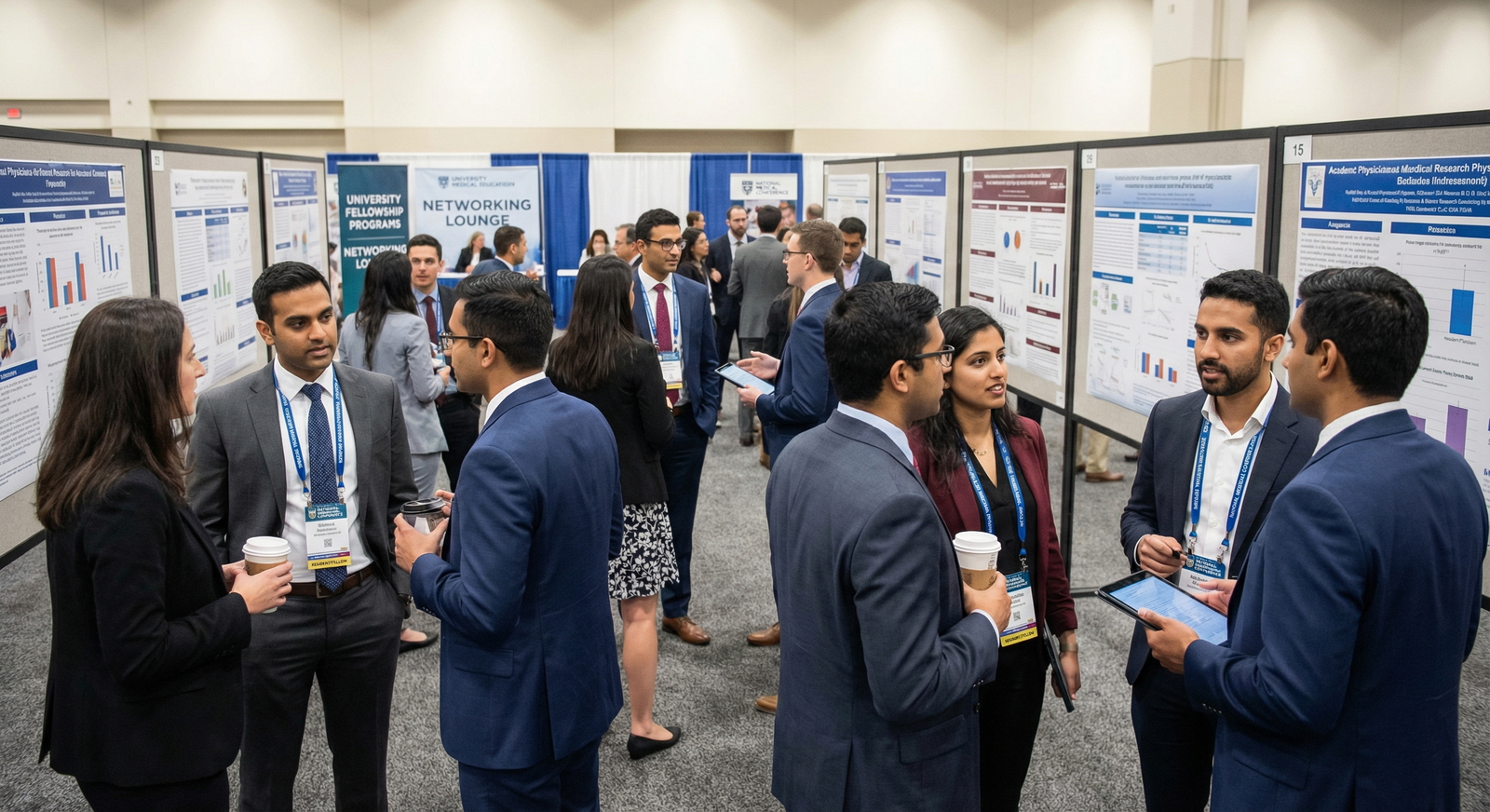
- Presenting posters and networking early can:
- Expand your mentor network beyond your home institution.
- Normalize DO representation in high-level academic spaces.
- Open doors for future jobs at major centers.
Even if your ultimate goal is not a purely academic career, the professional capital you build in fellowship—references, collaborations, recognizable work—will follow you for years.
FAQs: Fellowship Preparation for DO Graduates in OB GYN
1. As a DO graduate, are my chances lower for matching into OB GYN fellowship?
Your chances depend far more on your individual record than your degree. Many programs are DO-inclusive, and many DO OB GYN residents match into highly competitive fellowships each year. Some institutions remain more MD-dominant, but a strong record of clinical excellence, meaningful research, and strong letters from recognized faculty significantly narrows any gap in perceived competitiveness.
2. How many programs should I apply to for an OB GYN fellowship?
Most competitive applicants apply to 15–30 programs, depending on subspecialty competitiveness, geographic flexibility, and application strength. As a DO, if you are aiming at historically MD-heavy institutions, it can be wise to:
- Include a broad mix of programs.
- Target locations where DOs have matched in the past.
- Reach out to current fellows (especially DOs) for insight into program culture.
3. I don’t have many publications yet. Can I still be a competitive fellowship applicant?
Yes—especially in less research-intensive subspecialties or programs that are more clinically focused. However:
- You should aim to have at least some scholarly work: case reports, posters, QI projects.
- Focus on depth: really understand the work you did and how it changed your practice.
- Use your personal statement and interviews to demonstrate curiosity, initiative, and an ability to translate evidence into patient care.
For research-heavy fellowships (e.g., certain MFM, REI, Gyn Onc programs), you may want to strengthen your CV with additional projects or consider an extra research year if your goal is a purely academic career.
4. What if I don’t match into fellowship on my first attempt?
Not matching is emotionally tough but not uncommon—and it is not the end of your subspecialty aspirations. Options include:
- Working as a generalist in a job aligned with your subspecialty interests (e.g., high-risk OB-heavy position if you want MFM, Gyn Onc-heavy OR time).
- Completing an unaccredited or non-ACGME fellowship to gain more experience.
- Taking a research year with strong mentorship and clear project goals.
- Reapplying with:
- Additional publications
- Stronger letters
- A clearer narrative of growth and maturity
Your DO background does not change these options; what matters is how you use that year to build a more compelling story.
Fellowship preparation as a DO graduate in Obstetrics & Gynecology is absolutely achievable with deliberate planning, early mentorship, and intentional positioning of your strengths. If you treat your fellowship application as the next step in a long, thoughtful career—rather than a single high-stakes event—you’ll be better equipped to navigate both the match and the transitions that follow.