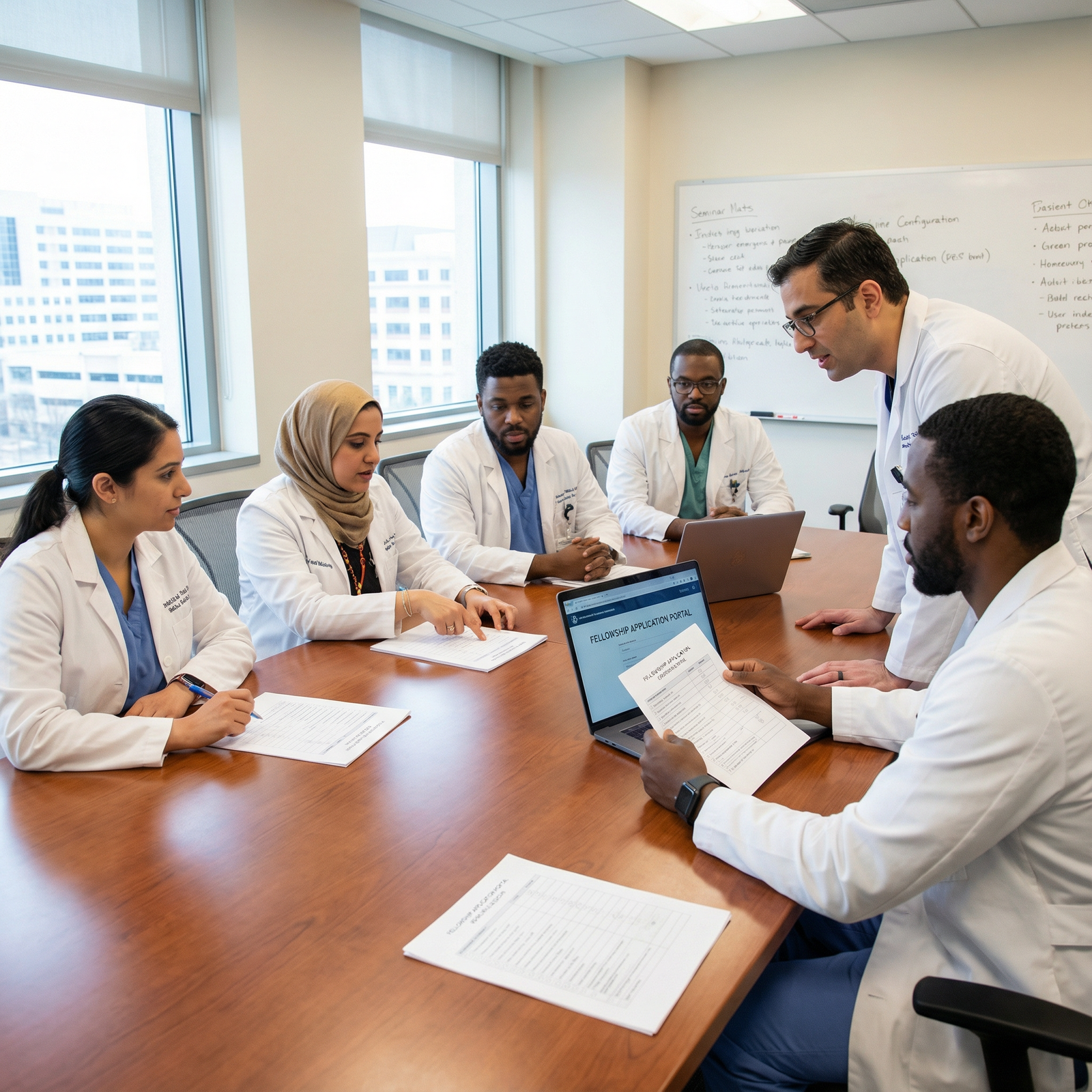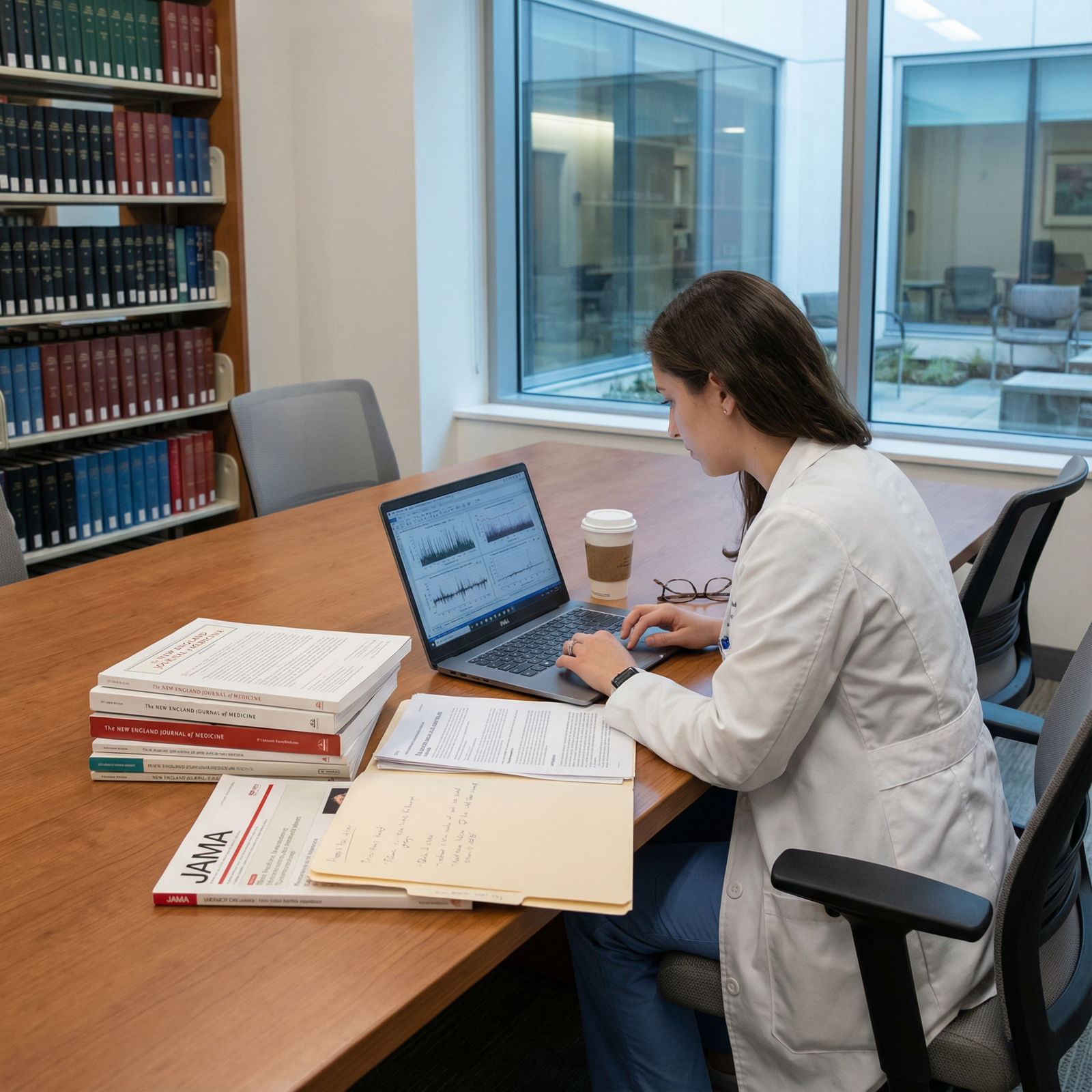
Understanding Fellowship Preparation in Pediatrics
Pursuing fellowship after a pediatrics residency is both exciting and daunting. Whether you are drawn to neonatology, pediatric cardiology, hematology/oncology, critical care, adolescent medicine, or any other subspecialty, thoughtful fellowship preparation can dramatically improve your chances in the peds match and set you up for a satisfying career.
This guide focuses on residents in a pediatrics residency who are considering or committed to fellowship training. We’ll cover how to clarify your goals, build a competitive profile, manage the fellowship application timeline, and balance preparation with the realities of residency life and challenges.
Step 1: Clarify Your Career Goals Early
Why Start Planning in PGY-1?
During PGY-1, your main job is to learn how to be a solid pediatrician. But it’s also the ideal time to start exploring potential paths so you’re not scrambling later. Many pediatric fellowships (especially competitive ones like NICU, PICU, Heme/Onc, Cardiology, Gastroenterology) expect to see early interest and sustained involvement.
You don’t need to know exactly which subspecialty you’ll choose in your first year, but you should:
- Observe what types of patients and settings energize you (NICU vs general wards vs clinic)
- Notice which rotations you look forward to
- Reflect on what kind of career you see yourself in 10–15 years from now
Questions to Ask Yourself
- Do I enjoy acute, high-intensity care (e.g., PICU, NICU) or longitudinal relationships (e.g., endocrinology, rheumatology, ID)?
- Am I drawn more to procedures (cardiology, GI, critical care) or cognitive specialties (rheumatology, infectious diseases, endocrinology)?
- Do I see myself in academic medicine, community practice, research, medical education, or a mix?
- How important are lifestyle, geographic flexibility, and schedule predictability?
Taking notes in a career journal or document after key rotations can help you track these impressions over time.
Use Rotations Strategically
During PGY-1 and early PGY-2:
- Sample widely: Approach each subspecialty rotation as both a learning opportunity and a career test-drive.
- Talk with fellows: Ask them what they enjoy, what surprised them, and how they decided on their field.
- Observe attendings: Whose job looks like something you’d enjoy doing for decades?
If you’re still uncertain by late PGY-2, schedule additional electives in 1–2 specialties you’re seriously considering.
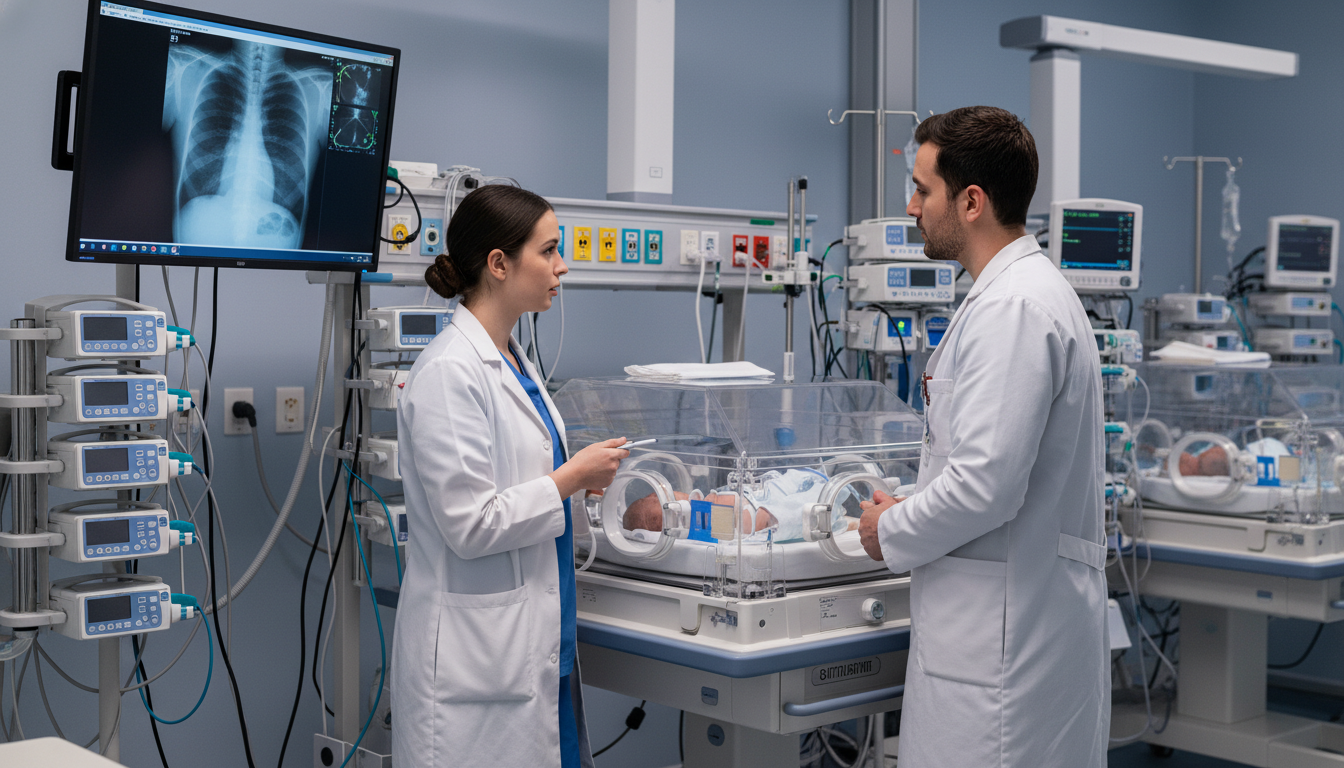
Step 2: Build a Competitive Fellowship Profile During Residency
Once you have a likely subspecialty (ideally by early PGY-2), you can start intentionally building the components that fellowship programs look for.
Core Components Fellowship Programs Evaluate
- Clinical Performance
- Letters of Recommendation
- Scholarly Activity / Research
- Teaching and Leadership
- Professionalism and Fit
- USMLE/COMLEX and In-Training Exam Performance (to a lesser extent)
Let’s break these down with pediatric-specific strategies.
1. Clinical Performance: Being an Excellent Pediatrician First
Most program directors will tell you: the best subspecialist is a strong general pediatrician.
To demonstrate this:
- Know your patients thoroughly—history, hospital course, differential, plan.
- Communicate clearly with families and multidisciplinary teams.
- Demonstrate reliability: be on time, follow through, respond to feedback.
- Seek out and respond to constructive feedback early in rotations rather than waiting for the end.
On subspecialty rotations:
- Volunteer to present at case conferences or journal clubs.
- Ask for responsibility appropriate to your level and follow through.
- Show curiosity beyond the minimum: read about your patients, ask focused questions.
Concrete example:
On your pediatric cardiology elective, ask to participate in echo readings or cath cases, then read about each condition and briefly discuss with the fellow or attending. These small steps show initiative and intellectual engagement.
2. Letters of Recommendation: Who, When, and How
Strong letters can make a major difference in the peds match for fellowship.
Aim for:
- 2–3 letters from your desired subspecialty (at least 1–2 from faculty who know you well)
- 1 letter from your residency program director (often required)
- Optional: A letter from another subspecialty or a research mentor, if very strong
Timing:
- Start identifying potential letter writers by mid-PGY-2.
- Ask for letters at the end of a strong rotation or after a major shared project.
- For the official fellowship application, you’ll typically request letters in late PGY-2 or very early PGY-3, depending on the fellowship application timeline that year.
How to Ask for Strong Letters
Don’t just ask, “Can you write me a letter?” Instead:
“I’m applying for pediatric cardiology fellowship this upcoming cycle. I’ve really valued working with you on consults and in the echo lab. Would you feel comfortable writing a strong letter of recommendation to support my application?”
Provide:
- Your updated CV
- A brief personal statement or “career goals” paragraph
- A list of rotations/projects you shared and what you hope they might highlight (e.g., work ethic, growth, bedside manner, academic skills)
3. Scholarly Activity: Research and Beyond
Fellowship programs in pediatrics expect some evidence of scholarly engagement. This doesn’t always mean bench research; it can also include quality improvement (QI), education scholarship, or clinical projects.
Types of Projects That Count
- Clinical research: chart reviews, prospective studies, collaborative multi-center projects
- Quality improvement: reducing CLABSIs in the PICU, improving asthma action plan documentation
- Case reports/series: especially in rare conditions within your chosen subspecialty
- Educational projects: creating curricula, simulation scenarios, or teaching tools with assessment
How to Get Involved (Even If You’re Late)
- Talk to your program director and subspecialty fellowship director about available ongoing projects.
- Ask fellows in your target field what they’re working on—often, they need help with data collection or manuscript prep.
- Look for “chunkable” projects that fit into residency life and challenges (e.g., retrospective chart reviews vs. complex lab projects with long timelines).
A Realistic Goal
By the time you apply for fellowship, aim for at least one of the following:
- A submitted or accepted abstract (regional or national meeting)
- A submitted or accepted manuscript (case report, QI project, or research paper)
- A clear, defined role in an ongoing project with plans for eventual presentation/publication
If you’re asking yourself how to get fellowship without a long research CV, the answer is: focus on doing something well and being able to articulate what you learned and how it informs your interest in the field.
4. Teaching and Leadership
Pediatrics is highly collaborative, with a strong emphasis on communication and family-centered care. Fellowship programs value residents who:
- Teach medical students and junior residents effectively
- Take on roles like chief resident, committee work, or residency leadership positions
- Participate in advocacy, community outreach, or diversity/equity initiatives
Examples:
- Leading morning report or case conference
- Coordinating a simulation workshop for interns on pediatric emergencies
- Serving on your hospital’s pediatric sepsis or safety committee
You don’t need a long list—1–3 meaningful leadership or teaching roles that you can speak about thoughtfully is usually enough.
5. Professionalism and “Fit”
Program directors review feedback from multiple rotations over time. Red flags like recurrent professionalism concerns, poor team dynamics, or unaddressed remediation can significantly impact your application.
To demonstrate positive fit:
- Be consistent: show the same level of respect and reliability with nurses, ancillary staff, and peers as with attendings.
- Take ownership of mistakes; show how you corrected and learned from them.
- Cultivate a reputation as someone who is “good to work with” during nights and busy services.
Programs are looking for colleagues they will trust with complex patients and families, and who will be a positive presence in their fellowship community.

Step 3: Mastering the Fellowship Application Timeline
The fellowship application timeline can be confusing, and it changes occasionally. Always confirm specific dates with ERAS, NRMP, and your specialty’s organization, but the general structure is fairly consistent.
Below is a typical timeline for a pediatrics residency trainee planning to pursue a 3-year subspecialty fellowship (e.g., NICU, Cards, GI, Heme/Onc, Pulm, Endo, etc.).
PGY-1: Exploration and Foundation
- Focus on becoming a solid pediatric intern.
- Sample subspecialties during required rotations.
- Start informal conversations with mentors: “I’m considering fellowship—how and when should I prepare?”
- Attend resident noon conferences on careers and fellowship preparation if available.
Early PGY-2 (Summer–Winter): Narrow Your Focus
- Decide on 1–2 subspecialties to seriously explore.
- Schedule electives in these areas if possible.
- Begin or deepen your involvement in a research or QI project.
- Identify potential letter writers by observing who sees your work over time.
Late PGY-2 (Winter–Spring): Prepare Application Materials
Typically, ERAS for fellowship opens in late winter/early spring, and programs begin receiving applications a few months later.
During this time:
Draft your personal statement
- Focus on why this subspecialty, how your experiences prepared you, and your career goals.
- Highlight key patients or rotations that shaped your path—avoid excessive drama; keep it authentic and professional.
Update your CV
- Be detailed and accurate with dates, roles, and outcomes of projects.
- Include presentations, posters, and leadership roles.
Request letters of recommendation
- Give letter writers at least 4–6 weeks’ notice.
- Provide your CV and draft personal statement.
Meet with your program director
- Discuss competitiveness, program list strategy, and whether to consider a research year or alternative plans if needed.
PGY-3 (Summer–Fall): Application Submission and Interviews
For many pediatrics subspecialties:
- Application submission is often in late PGY-2 or very early PGY-3.
- Interviews typically occur during PGY-3 (often summer–fall).
- Rank lists and the peds match for fellowship follow afterward, often late fall/early winter.
During this phase:
Finalize your program list
- Consider geographic constraints, program size, research vs clinical focus, and fellowship outcomes.
- Use program websites, current fellows, and alumni from your residency to gather intel.
Prepare for interviews
- Review your own application thoroughly—you will be asked about any element in it.
- Practice responding to questions like:
- “Why this subspecialty?”
- “Tell me about a challenging patient or case.”
- “Describe a QI or research project you’ve worked on.”
- “What are your long-term career goals?”
- Prepare 3–5 thoughtful questions for each program about mentorship, research resources, and clinical exposure.
Rank list strategy
- Rank programs in the order you truly prefer, not based on where you “think” you’ll match.
- Consider program culture and how supportive they seem of your specific career goals (e.g., academic vs community, research vs clinical).
Step 4: How to Get Fellowship – Strategy by Competitiveness and Circumstance
Not every applicant has the same profile. Your path to preparing for fellowship may depend on your strengths and challenges.
Scenario 1: Strong Applicant, Traditional Timeline
Characteristics:
- Solid to excellent clinical evaluations
- At least one research or QI project with some form of dissemination
- Good relationships with subspecialty faculty
- No major professionalism concerns
Strategy:
- Apply broadly but not excessively (e.g., 20–35 programs, depending on subspecialty competitiveness and geography).
- Emphasize the depth of your engagement in your chosen field in your personal statement and interviews.
- Use interviews to assess fit and mentorship culture—you will likely have options.
Scenario 2: Limited Research, Strong Clinical Skills
You may worry: “I’m late. I don’t have much research. Can I still match?” The answer is often yes—especially in less research-heavy fields or at more clinically focused programs.
Strategy:
- Highlight clinical excellence, teaching, leadership, and any QI efforts.
- If possible, join a manageable project immediately and frame it as an active, ongoing interest.
- Convey a clear, credible plan for future scholarship in fellowship (e.g., specific interests in asthma QI, sepsis protocols, educational scholarship).
- Consider a slightly broader program list and be open to programs that emphasize clinical training.
Scenario 3: Exam or Performance Challenges
If you have:
- A board exam failure
- Concerning evals early in training
- A leave of absence or remediation
Strategy:
- Address these issues directly but briefly in your application or interviews.
- Show a clear turning point and sustained improvement (e.g., improved in-training scores, strong performance in later rotations).
- Secure letters from faculty who can attest to your growth, reliability, and current capabilities.
- Work closely with your program director to develop a realistic plan for where to apply and how to frame your story.
Scenario 4: Non-Traditional Path or Gap Years
You might be:
- A pediatric hospitalist applying later
- A resident who took a research year
- Someone changing subspecialty interests
Strategy:
- Emphasize how your extra experience has clarified your goals and strengthened your skills.
- Demonstrate continuous engagement with pediatrics and your chosen subspecialty through ongoing clinical work, teaching, or projects.
- Clarify how your prior experiences will enrich the fellowship program (e.g., hospitalist systems knowledge, prior public health work).
Step 5: Balancing Fellowship Preparation with Residency Life and Challenges
Preparing for fellowship while managing call, continuity clinic, and personal life can be overwhelming. Sustainable strategies matter.
Time Management Tactics
- Micro-blocks for scholarship: Use short windows (20–30 minutes) to read, write, or analyze data rather than waiting for perfect long stretches that never come.
- Protected time: If your program offers dedicated research or academic blocks, plan and protect that time—enter it with a clear task list.
- Use commute or pre-call evenings for light tasks: Outlining personal statement ideas, updating CV, reading on your subspecialty interests.
Protecting Your Well-Being
It’s common to feel that you must do “everything” to be competitive. That is rarely true, and burnout can undermine performance.
- Set realistic goals: one meaningful project is better than many half-finished ones.
- Build peer support: talk with co-residents who are also applying; share resources and practice interviews together.
- Maintain at least one non-medical activity that helps you decompress regularly.
Communicating with Your Program
Be transparent with your residency leadership:
- Let them know you’re planning to apply to fellowship and in what field.
- Ask for advice on timing, letters, electives, and potential mentors.
- If you’re struggling with workload or stress, ask early for support rather than waiting until things worsen.
Your program has a vested interest in your success and can often help with networking, scheduling, and advocacy.
Step 6: Preparing for Fellowship Life Itself
Fellowship preparation isn’t just about matching—it’s also about being ready to thrive once you start.
Clinical Readiness
Before starting fellowship:
- Review core general pediatrics topics—fellowship expects you to manage common pediatric problems while focusing on specialty care.
- Read foundational texts or review articles in your field (e.g., AAP guidelines, key specialty society guidelines).
- If possible, do a late-PGY-3 elective in your chosen subspecialty to refresh knowledge and solidify skills.
Career Planning Beyond Fellowship
If you’re thinking ahead about preparing for fellowship and beyond:
- Identify early whether you’re leaning toward academic vs community practice.
- For academic careers, look for fellowships with strong research infrastructure, mentorship, and record of placing fellows in faculty positions.
- For community-focused careers, prioritize programs with strong clinical volume and broad procedural exposure.
During fellowship, continue to monitor the fellowship application timeline for any advanced fellowships (e.g., cardiac ICU following cardiology, transplant after GI) if those options might interest you later.
Frequently Asked Questions (FAQ)
1. When should I decide about pursuing fellowship during my pediatrics residency?
Ideally by mid-PGY-2 you should have a strong idea of whether you plan to pursue fellowship and in which field. That gives you enough time to align electives, identify mentors, and complete at least one project. However, many residents solidify their decision later; in that case, focus on rapid engagement with your desired field, honest conversation with your program director, and a realistic application strategy.
2. Do I need research to match into a pediatrics fellowship?
Research isn’t mandatory for every program, but some evidence of scholarly activity (research, QI, education) is strongly preferred, especially for academic-oriented subspecialties. For highly competitive fellowships like pediatric cardiology, neonatology, and hematology/oncology, research or QI involvement is often expected. If you’re light on research, strengthen your application with excellent clinical performance, strong letters, and a clear, credible plan for future scholarly work.
3. How many programs should I apply to for fellowship?
It depends on the subspecialty, your competitiveness, and your geographic flexibility. In general:
- Less competitive fields or highly flexible applicants: ~15–25 programs
- Competitive fields or applicants with some application concerns: ~25–40 programs
Discuss your specific situation with your program director and mentors; they know your record and the market and can help tailor your list.
4. What if I don’t match into a pediatrics fellowship on my first attempt?
You have options:
- Work as a pediatric hospitalist, nocturnist, or general pediatrician while strengthening your application (research, additional letters, improved exam performance).
- Seek a research or QI-focused position in your desired subspecialty (e.g., research coordinator, clinical research fellow).
- Reassess subspecialty choice, geographic flexibility, or type of programs you target.
Many excellent subspecialists matched on a second attempt after addressing gaps. If you don’t match, schedule a debrief with your program director and at least one trusted mentor to analyze your application and build a structured plan for the next cycle.
Thoughtful fellowship preparation in pediatrics is a multi-year process—but it’s entirely manageable when broken down into clear steps: clarify your goals, build your profile during residency, understand the fellowship application timeline, and balance ambition with well-being. With deliberate planning, honest mentorship, and consistent effort, you’ll position yourself strongly in the peds match and enter fellowship ready not just to survive, but to thrive.