Understanding the Fellowship Landscape in OB/GYN as a US Citizen IMG
For an American studying abroad who returns to the United States for OB GYN residency, the path from residency to fellowship can feel confusing and opaque. As a US citizen IMG, you may wonder whether program directors view you differently, how to position your background, and when to start preparing for fellowship.
In OB/GYN, fellowship training is highly structured and competitive, but also very attainable for a well-prepared US citizen IMG who plans early and strategically. Thinking about how to get fellowship should begin as early as the obstetrics match and continue throughout residency.
The major ACGME-accredited fellowships in Obstetrics & Gynecology include:
- Maternal-Fetal Medicine (MFM)
- Reproductive Endocrinology and Infertility (REI)
- Gynecologic Oncology
- Female Pelvic Medicine and Reconstructive Surgery (FPMRS / Urogynecology)
- Minimally Invasive Gynecologic Surgery (MIGS) – some AAGL/ACGME-accredited
- Complex Family Planning
- Pediatric & Adolescent Gynecology (PAG)
- Clinical fellowships or non-ACGME fellowships (e.g., Global Women’s Health, research fellowships)
Each of these fellowships has different expectations in terms of research experience, operative skills, letters of recommendation, and exam performance. As a US citizen IMG, your strategy is to:
- Neutralize potential concerns about your IMG status (board scores, communication, professionalism)
- Maximize your strengths (resilience, multicultural exposure, often strong clinical independence)
- Demonstrate clear, consistent interest in a specific subspecialty
- Build relationships and a track record that make your application undeniable
The rest of this article will walk through a practical, year-by-year plan to help you prepare.
From Match to PGY‑1: Laying the Foundation Early
Your fellowship preparation starts the day you open your email saying you matched into OB GYN residency—and for some, even during the obstetrics match interview season.
Before Residency Starts: Mindset and Positioning
If you’re an American studying abroad, you may come into residency with:
- More comfort with diverse patient populations
- Prior international clinical experiences
- Occasionally, less exposure to US-style documentation and EMRs
Use this background to your advantage. Fellowship program directors want fellows who are adaptable, culturally competent, and mature. Begin by:
- Clarifying your long-term interests. You don’t need to know the exact subspecialty yet, but having a general sense (e.g., “I’m interested in high-risk obstetrics or surgery-heavy subspecialties”) can guide early choices.
- Accepting that, as a US citizen IMG, you might need to be slightly more deliberate in proving yourself—on exams, in communication, and in professionalism.
PGY‑1 Priorities: Get the Basics (and Reputation) Right
Fellowship directors care deeply about what your residency program says about you. During PGY‑1, your primary goals are:
Build a reputation as a reliable, hardworking intern
- Show up early, stay late when needed, and be willing to help your co-residents.
- Be organized and proactive with sign-out, patient updates, and follow-up tasks.
- Avoid professionalism red flags at all costs: late notes, missed pages, unexcused absences.
Strengthen core OB/GYN clinical skills
- Learn to manage common obstetric issues (labor management, postpartum complications).
- Develop procedural comfort: vaginal deliveries, basic laceration repair, IUD insertion, D&Cs.
- Ask for feedback and actively correct your blind spots.
Adapt quickly to the US system
- If your international medical school had a different style of documentation, invest time early to master US charting and billing.
- Be meticulous with communication—many biases toward IMGs center on perceived communication or systems-navigation gaps. Overprepare: closed-loop communication, clear plans, and concise presentations.
Keep fellowship in mind—but don’t overstep
- It’s appropriate to say, “I’m interested in MFM or REI down the line, but right now my priority is becoming a strong generalist resident.”
- Start noticing attendings who are heavily involved in research or leadership in subspecialties you might pursue.
By the end of PGY‑1, you want your program leadership to think: “This resident is solid, coachable, and someone we would support for fellowship.”
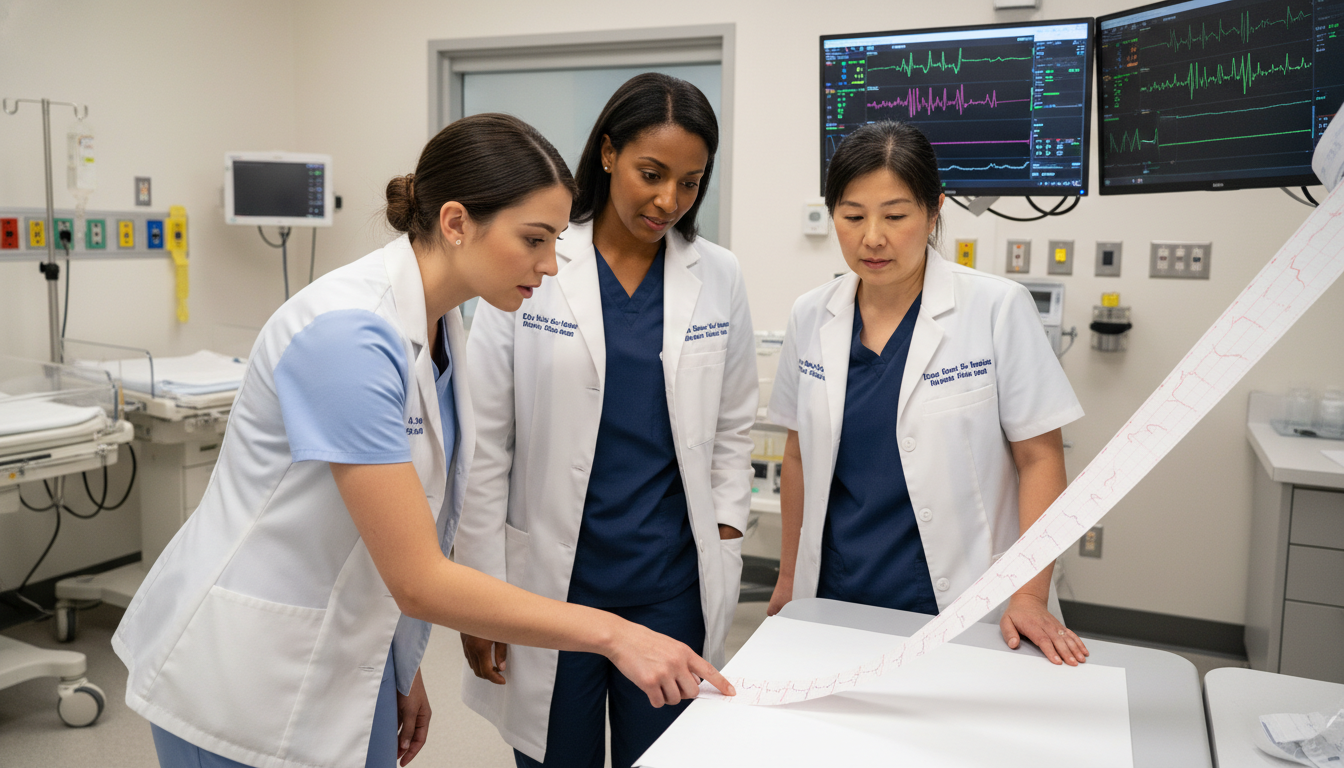
PGY‑2 and PGY‑3: Building a Competitive Fellowship Profile
These mid-residency years are the heart of fellowship preparation. This is when you go from “strong OB GYN resident” to “future MFM/REI/Gyn Onc/Urogyne fellow.”
Clarify Your Subspecialty Interest
By early PGY‑2, you should be intentionally exploring subspecialties:
- Maternal-Fetal Medicine: Do you love complex pregnancies, ultrasound, and inpatient medicine?
- Gynecologic Oncology: Are you drawn to long OR days, big surgeries, and longitudinal cancer care?
- REI: Do you enjoy endocrinology, embryology, and detailed outpatient problem-solving?
- FPMRS (Urogynecology): Are you interested in pelvic anatomy, reconstructive surgery, and quality-of-life interventions?
- MIGS: Do you love advanced laparoscopy, hysteroscopy, and shorter hospital stays?
Use your PGY‑2 rotations to pay attention to:
- Which clinics or OR days you look forward to
- Which attendings you find most inspiring
- The kind of lifestyle and call structure you could see for yourself long-term
By late PGY‑2 or early PGY‑3, you should have a primary fellowship target and possibly a secondary “back-up” interest.
Research: The Cornerstone for Most Fellowships
For many OB GYN fellowships—especially MFM, Gynecologic Oncology, and REI—research is essential. As a US citizen IMG, strong research output can help offset any lingering IMG bias.
When to start:
- Ideally early PGY‑2, but even late PGY‑1 if feasible.
- Ask your program’s research director or subspecialty chiefs: “I’m very interested in [MFM/REI/etc.]. Are there any ongoing projects I could join?”
What kind of research?
- MFM: Outcomes-based studies, perinatal epidemiology, ultrasound-related projects, quality improvement in obstetric workflows.
- Gyn Onc: Surgical outcomes, chemotherapy toxicity, survivorship, tumor board-based case series.
- REI: IVF outcomes, PCOS, AMH/ovarian reserve, fertility preservation.
- FPMRS: Pelvic floor dysfunction, prolapse surgery outcomes, quality-of-life studies.
- MIGS: Minimally invasive approaches vs open surgery, ERAS pathways, cost-effectiveness.
Strategies for success:
- Start with a project that can reasonably yield a poster or manuscript within 1–2 years.
- Set concrete milestones: IRB submission, data collection, abstract submission, manuscript draft.
- Aim for at least one regional or national presentation and, ideally, one publication before fellowship applications.
Presentations, Posters, and Conferences
Being “visible” in your subspecialty community helps. Consider:
- Society-specific meetings depending on your interest:
- SMFM (Society for Maternal-Fetal Medicine)
- SGO (Society of Gynecologic Oncology)
- ASRM (American Society for Reproductive Medicine)
- AUGS (American Urogynecologic Society)
- AAGL (for Minimally Invasive Gynecologic Surgery)
- ACOG Annual Clinical & Scientific Meeting for general OB GYN connections
Action steps:
- Ask mentors which conferences are realistic for abstracts.
- Apply for resident travel awards or institutional funding.
- At conferences, introduce yourself to fellowship program faculty and attend resident-focused events or mentorship sessions.
Clinical Excellence and Case Volume
Fellowship directors want evidence that you will be ready for advanced training:
- Track your case logs and look for gaps—e.g., limited operative gynecology or high-risk OB exposure. Seek extra opportunities when possible.
- Volunteer for challenging cases—with supervision—when safe and appropriate.
- Learn to present and manage complex patients on rounds; fellowship specialties deal heavily with complexity.
Letters of Recommendation: Start Planning Early
Strong letters are critical in the fellowship application timeline. As a US citizen IMG, letters can also reassure programs about your performance in a US training environment.
Aim for at least 3 powerful letters, often including:
- Your Residency Program Director (or Associate PD)
- Your Subspecialty Division Chief or a prominent faculty member in the field you’re pursuing
- An additional faculty member who knows you extremely well clinically or through research
Start setting this up:
- By mid-PGY‑2, let your program leadership know you’re seriously interested in fellowship.
- Ask for ongoing feedback: “What would strengthen my fellowship application over the next year?”
- Identify attendings who:
- Have seen you manage complex patients
- Know your work ethic
- Can speak to your growth over time
When the time comes to request letters (usually late PGY‑2 to mid-PGY‑3), provide:
- An updated CV
- Brief personal statement or bullet points of your goals
- A summary of projects or rotations you’ve done with that faculty member
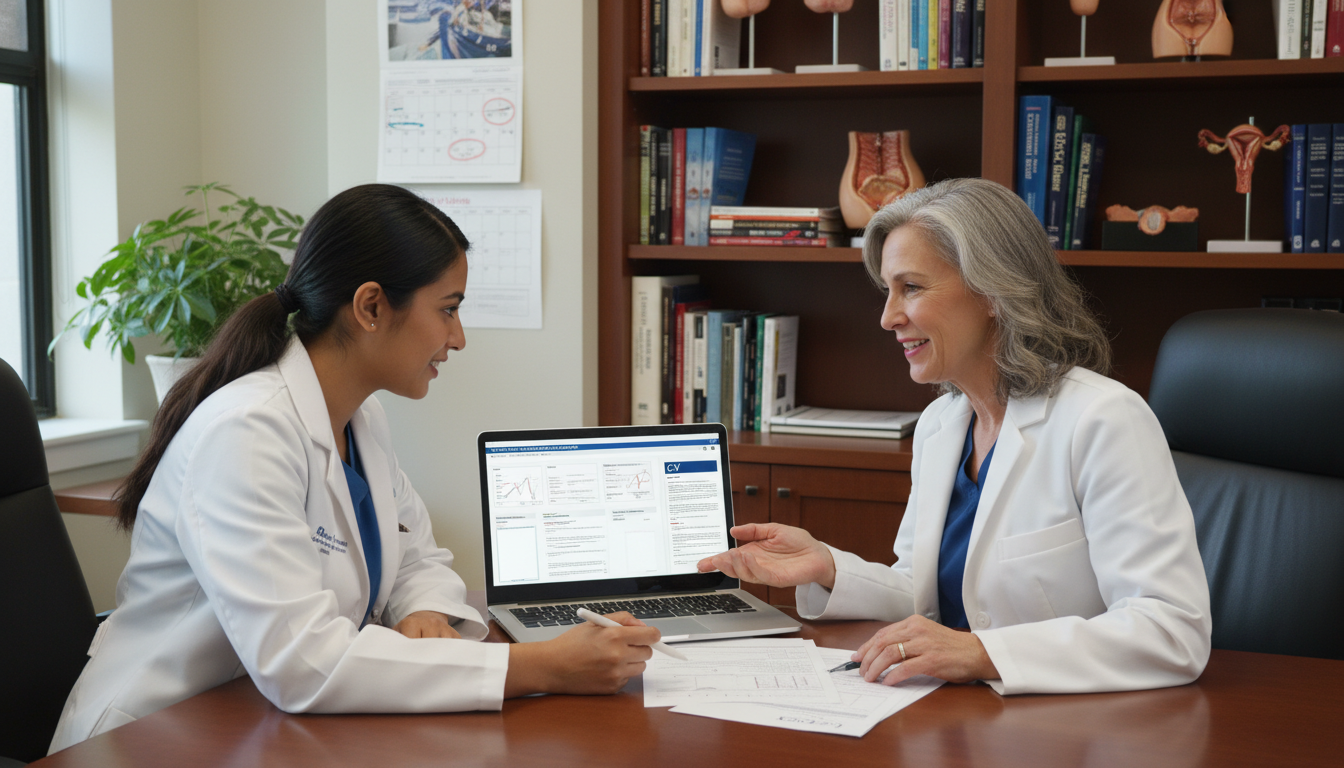
The Fellowship Application Timeline and Strategy
Understanding the formal fellowship application timeline will help you align your preparation.
General Timeline (Subject to Annual Adjustments)
Most OB GYN fellowships use ERAS & NRMP, with subspecialty-specific schedules. A typical pattern:
PGY‑2 / Early PGY‑3
- Confirm subspecialty choice
- Intensify research work
- Start networking at conferences
Mid–Late PGY‑3
- Finalize research outputs (abstracts, manuscripts in process)
- Draft your personal statement
- Confirm letter writers
- Build your program list
Late PGY‑3 / Early PGY‑4
- ERAS opens for applications
- Submit applications
- Interview season
- Rank list submission
- Match results released
Always verify dates with:
- ACGME and NRMP announcements
- Subspecialty society websites (e.g., SMFM, SGO, ASRM)
- Your program’s fellowship advisor
How to Build a Smart Fellowship Program List
As a US citizen IMG, you’re not restricted by visa issues, but you may still worry about competitiveness. Be strategic:
Know your profile honestly
- Step/COMLEX scores and CREOG percentile trends
- Research output (posters, publications)
- Strength of letters
- Reputation and level of your residency program
Categorize programs
- “Reach” programs: Top-tier, research-heavy, highly competitive
- “Target” programs: Good match to your profile and interests
- “Safety” programs: Slightly less competitive, strong clinical training, maybe smaller research portfolios
Consider these factors
- Geographic preferences (but be flexible, especially for highly competitive fellowships)
- Program strengths (e.g., surgical volume, research emphasis, subspecialty niches)
- Prior history of taking residents from IMG-heavy programs (ask quietly, look at program websites and alumni lists)
Leverage your US Citizen IMG identity positively
- If you came from an international school with strong OB GYN ties, highlight that network and global perspective.
- Programs with global health or international outreach might view your background as a serious asset.
Writing a Strong Personal Statement as a US Citizen IMG
Your personal statement should not be an apology for your IMG status. Instead, it should:
Tell a focused story about how your clinical experiences led you to this subspecialty.
Highlight specific moments: a complex MFM case, a surgical rescue in Gyn Onc, or a patient’s infertility journey that crystallized your interest.
Show longitudinal commitment:
- “During PGY‑2, I joined our division’s study on [topic], which led to…”
- “I have pursued additional ultrasound training and regularly precept junior residents on the L&D unit.”
Position your IMG background as strength:
- Exposure to different health systems gives you insight into disparities and resource-limited care.
- Adapting to US training shows resilience, adaptability, and growth.
Avoid:
- Overly dramatic narratives that overshadow your professional story.
- “I know I’m an IMG, but…” framing. You’ve already proven yourself through residency.
Interview Season: Presenting Yourself Effectively
On fellowship interviews, programs are assessing:
- Clinical maturity and judgment
- Fit with the program’s culture and goals
- Potential for academic or clinical productivity
- Communication skills and professionalism
Specific strategies:
Prepare concise, structured responses
- “Tell me about yourself” → academic path, interest in this subspecialty, current work, career goals.
- “Why this subspecialty?” → specific patients, mentors, or projects that shaped your decision.
- “Why this program?” → aspects of their curriculum, faculty, or research that match your goals.
Anticipate IMG-related questions indirectly
- You may be asked how training abroad shaped your view of women’s health or how you adjusted to US residency.
- Answer confidently: emphasize adaptability, broad clinical exposure, and maturity.
Ask thoughtful questions
- Case exposure and complexity
- Research expectations and mentorship structure
- Support for preparing for fellowship-to-attending transition (teaching skills, leadership, QI training)
Thriving in Fellowship (and Beyond): Long-Term Career Planning
Preparation for fellowship doesn’t end when you match. The way you finish residency directly impacts how successful you’ll be as a fellow and attending.
Finishing Residency Strong
In PGY‑4:
- Maintain your work ethic—even after you match.
- Take on leadership: chief duties, curriculum projects, resident teaching.
- Close the loop on research: submit manuscripts, finalize posters.
- Keep a clean professionalism record; you’ll need strong final evaluations.
Preparing for Fellowship Demands
Different OB GYN fellowships emphasize different skill sets. Some key themes:
- MFM: Deepen your medical knowledge (hypertension, diabetes, cardiac disease in pregnancy), ultrasound interpretation, and multidisciplinary communication.
- Gyn Onc: Emphasize major surgical skills, careful intraoperative decision-making, and understanding of chemo/radiation principles.
- REI: Strengthen understanding of endocrinology, embryology, and statistics—vital for research-heavy fellowships.
- FPMRS/MIGS: Hone pelvic anatomy knowledge, suturing, laparoscopic skills; seek simulation opportunities.
Ask your future fellowship program if there are recommended readings or pre-fellowship resources. Consider:
- Reviewing major subspecialty textbooks or guidelines.
- Completing basic statistics or research methodology courses if you expect a heavy academic component.
Thinking Ahead to Life After Fellowship
For many residents, “preparing for fellowship” is also about “preparing for fellowship plus a long career.” Use this period to:
- Clarify whether you see yourself in academic medicine, community practice, hybrid models, or global health.
- Build relationships with mentors aligned with your ideal career path.
- Learn the basics of contracts, billing, and RVUs in your field—fellows often negotiate their first attending roles with limited guidance.
For a US citizen IMG, long-term career doors are wide open once you have a strong fellowship and board certification. Your early international training can position you uniquely for:
- Academic work in global women’s health
- Leadership roles in health equity and disparity-focused initiatives
- Cross-cultural patient advocacy and education
Practical Checklist: Year-by-Year Fellowship Preparation Roadmap
PGY‑1
- Adapt fully to US clinical environment and documentation
- Build a reputation for hard work and reliability
- Sample all OB/GYN areas with an open mind
- Identify 1–2 potential research mentors
PGY‑2
- Narrow down to 1–2 serious fellowship interests
- Officially join at least one research project
- Attend at least one regional or national conference, if possible
- Signal your fellowship interest to program leadership
- Seek constructive feedback twice per year
PGY‑3
- Finalize subspecialty choice
- Push research toward tangible outputs (abstracts, manuscripts)
- Build your preliminary program list (reach/target/safety)
- Secure verbal commitments from letter writers
- Draft and refine personal statement
- Take on teaching/leadership roles with juniors
PGY‑4
- Complete ERAS application and interviews
- Rank programs thoughtfully with mentor input
- Finish research projects and case logs
- Continue strong clinical performance and leadership
- Transition planning for fellowship start (housing, licensing, logistics)
FAQs: Fellowship Preparation for US Citizen IMG in OB/GYN
1. As a US citizen IMG, do I have a realistic chance at an OB GYN fellowship?
Yes. Many OB GYN fellowship programs have accepted residents who were US citizen IMGs. Your odds improve significantly if:
- You train at a solid US ACGME-accredited residency
- You have strong evaluations and CREOG performance
- You are involved in subspecialty-relevant research and scholarship
- You secure excellent letters of recommendation from US faculty
Your IMG background does not disqualify you; it simply means you must be intentional about demonstrating excellence and fit.
2. How many research projects or publications do I need for a competitive fellowship application?
There is no rigid number, but as a general guide:
- At least one to two meaningful projects tied to your target subspecialty
- Ideally one or more conference presentations (poster/oral)
- Preferably at least one publication (accepted, in-press, or submitted manuscript) by the time you apply
Quality matters more than quantity. A focused, coherent research story aligned with your subspecialty is more powerful than a long list of unrelated abstracts.
3. When should I tell my program director that I’m aiming for fellowship?
A good time is late PGY‑1 or early PGY‑2. You don’t need to know your exact subspecialty initially; it’s enough to say you are strongly considering fellowship and want guidance.
As your interest solidifies (mid-PGY‑2), update them with:
- Your planned subspecialty
- Research or scholarly work in progress
- Any specific programs or geographic goals
Early transparency allows them to steer you toward opportunities and write stronger, more detailed letters.
4. What if I’m undecided between two fellowships, like MFM and Gyn Onc?
It’s normal to feel pulled between subspecialties. Use these strategies:
- Compare what you enjoy daily: clinic vs OR, inpatient vs outpatient, medicine vs surgery-heavy.
- Spend electives and extra time in both areas during PGY‑2/early PGY‑3.
- Talk to current fellows and attendings about lifestyle, call, and long-term career satisfaction in each field.
- See where your research and mentors are most strongly established—applications are much stronger when your activities clearly align with one subspecialty.
By mid-PGY‑3, you should commit to a single fellowship path for application clarity.
Preparing for fellowship as a US citizen IMG in OB GYN demands early planning, sustained effort, and strategic decision-making—but it is absolutely achievable. Start building your profile from the moment you begin residency, stay honest about your strengths and gaps, and leverage your unique background as an asset in a competitive, rewarding field.