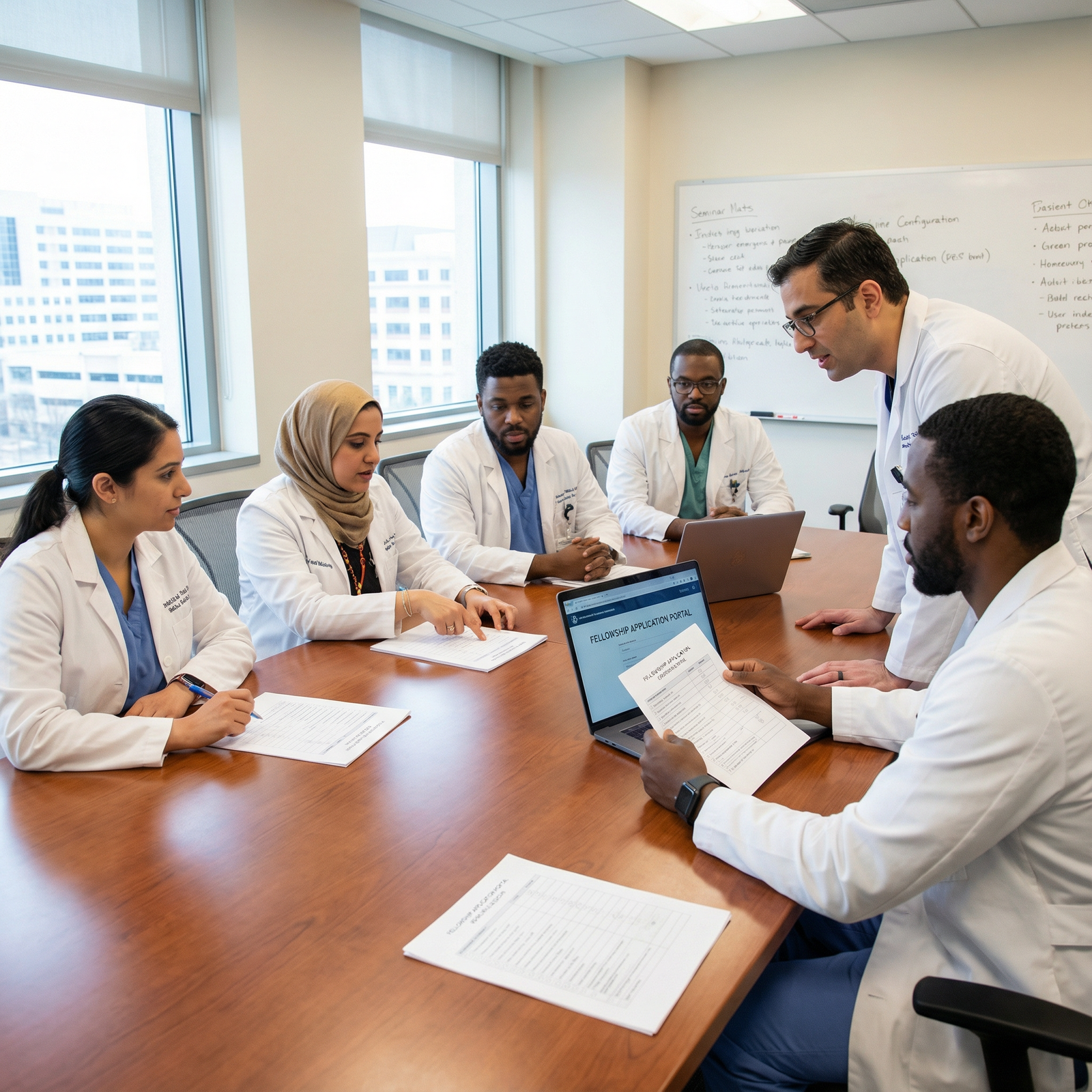
Preparing for a neurology fellowship as a US citizen IMG (international medical graduate) is both exciting and uniquely challenging. You occupy a “middle space”: you have the advantages of US citizenship (no visa barriers) but also the hurdles that can come with being an American studying abroad (perceived differences in training, fewer home-program connections, and limited early exposure to the US academic system).
This guide walks through fellowship preparation from the end of medical school through neurology residency and into the neuro match for fellowship. It focuses on actionable steps tailored to the US citizen IMG in neurology, emphasizing timing, strategy, and practical moves you can start making today.
Understanding Your Unique Position as a US Citizen IMG in Neurology
US citizen IMGs bring a distinctive profile to neurology residency and fellowship applications.
Advantages You Bring
1. No visa complications
Programs and fellowship directors know that with a US passport:
- You do not require H-1B or J-1 sponsorship.
- There is no risk of last-minute visa denials or delays.
- Institutions can avoid complex legal and financial processes around visas.
This alone can be a significant advantage in competitive fellowships, especially in academic centers with limited visa sponsorship capacity.
2. Familiarity with US culture and systems
As an American studying abroad, you often:
- Understand US patient expectations and healthcare norms.
- Communicate comfortably in English with colleagues and patients.
- Navigate US bureaucracy, licensing, and paperwork more easily than non-US IMGs.
3. Potential long-term continuity in the US workforce
Program directors know you are more likely to stay in the US long term, which can be appealing for workforce planning and long-term departmental growth.
Challenges You Must Strategically Address
1. Perception of training quality
Some decision-makers may view non-US schools as variable in rigor and clinical exposure. You must:
- Demonstrate excellence in standardized metrics (Step exams, in-service exams).
- Show strong US-based clinical experiences (rotations, electives, subinternships).
- Provide letters that specifically address your clinical competence in a US context.
2. Limited built-in networking
As an American studying abroad, you may not have:
- A US medical school “home program” advocating for you.
- Easy access to US neurology mentors during medical school.
- Early research opportunities at US academic neurology departments.
You will need to be more intentional about building networks once you enter residency.
3. Short runway to build a fellowship profile
Most neurology fellowships are decided by the second half of PGY-3. That gives you:
- Roughly 2 years from intern year to PGY-3 neuro match applications to build your CV, mentorship relationships, and research portfolio.
Planning early is crucial.
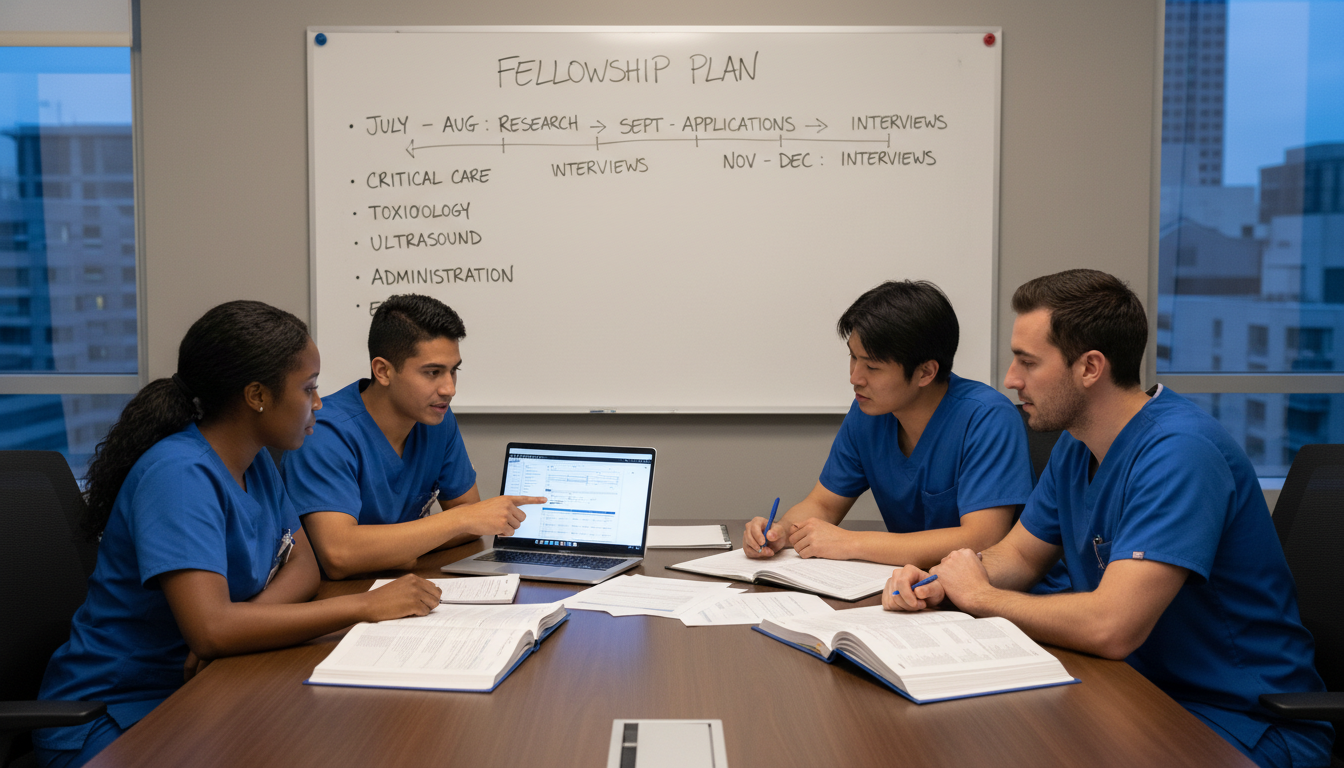
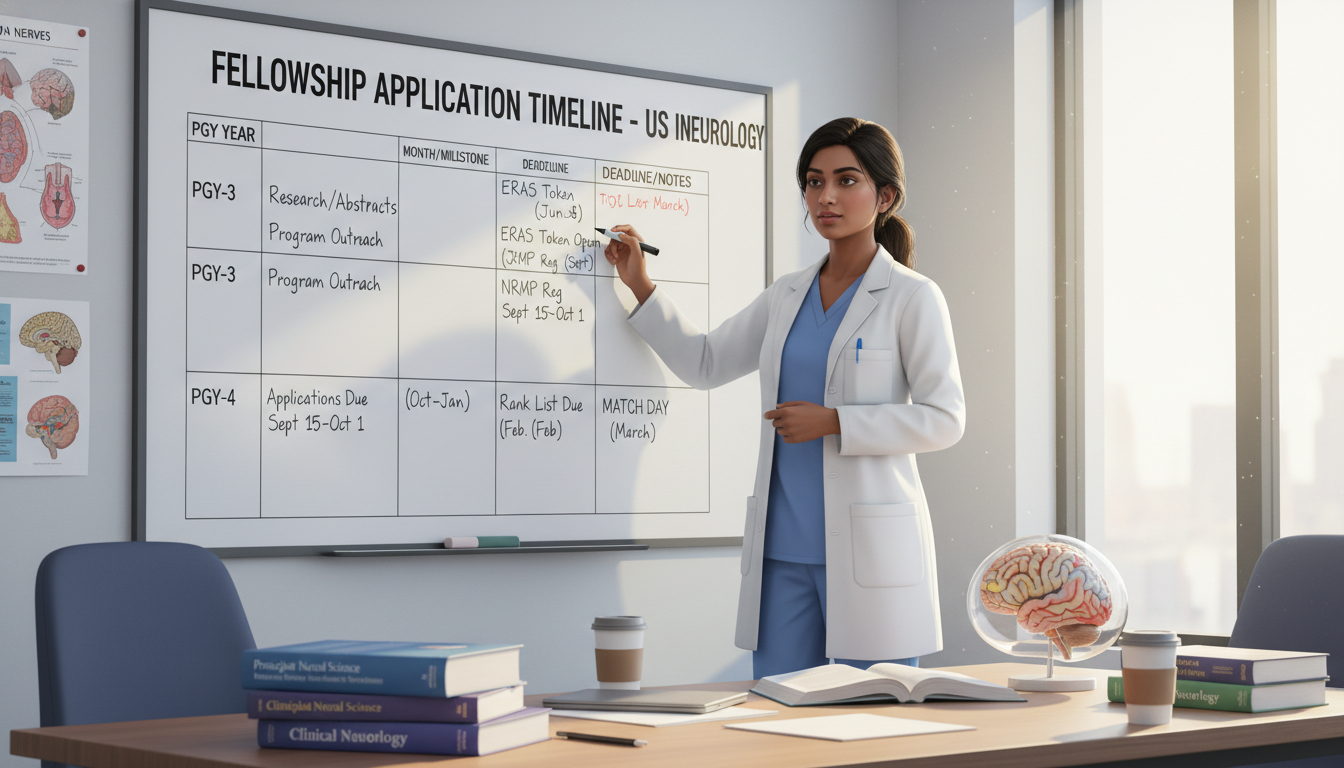
Mapping the Timeline: From Medical School to Neuro Fellowship Match
The fellowship application timeline in neurology is notoriously variable by subspecialty. Understanding the overall structure helps you plan.
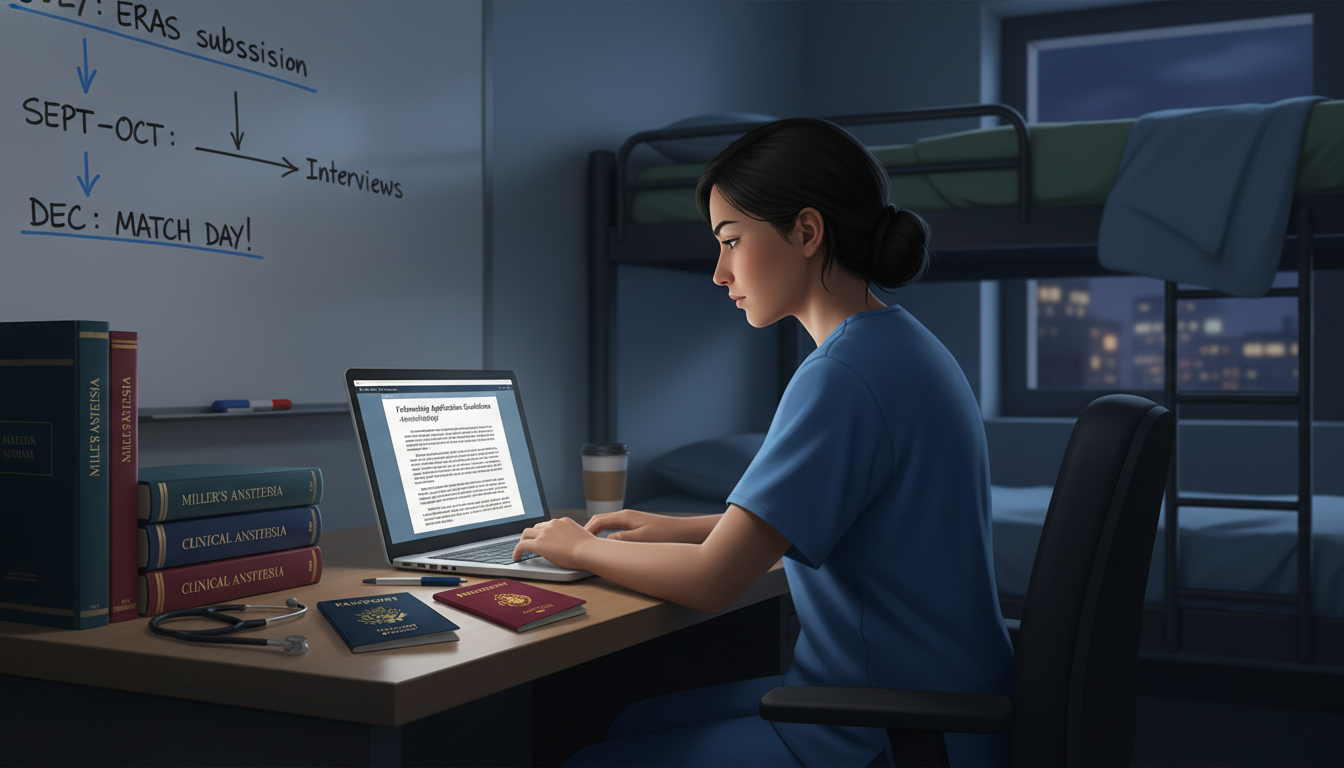
Big-Picture Timeline
Late Medical School (M3–M4)
- Solidify interest in neurology.
- Secure strong US-based neurology letters (sub-I, electives if possible).
- Learn about neurology subspecialties but don’t over-commit yet.
Intern Year (PGY-1)
- Focus on clinical excellence and strong foundational skills.
- Explore neurology subspecialty interests at a high level.
- Start networking and observing how fellows and faculty operate.
Junior Neurology Resident (PGY-2)
- Clarify subspecialty interests (e.g., epilepsy, stroke, movement disorders, neurocritical care, neuromuscular, behavioral neurology, etc.).
- Start or join research projects.
- Attend subspecialty conferences and local/regional neurology meetings.
- Identify potential mentors and letter writers.
Senior Neurology Resident – Application Year (PGY-3)
- Most neurology fellowships apply early in PGY-3 (some even late PGY-2).
- Finalize your fellowship application timeline by subspecialty.
- Prepare your CV, personal statement, and letters.
- Apply through ERAS (for ACGME-accredited fellowships) or other portals as required.
- Interview late PGY-3.
PGY-4
- Finish residency, complete research if ongoing.
- Prepare for fellowship start (licensure, moving, board exam timing).
Subspecialty-Specific Timing Nuances
Neurology fellowship pathways are heterogeneous, but broadly:
ACGME-accredited subspecialties (Stroke/Vascular Neurology, Epilepsy, Neurocritical Care, Neuromuscular Medicine, Clinical Neurophysiology, Movement Disorders at some centers, Behavioral Neurology at others):
- Typically use ERAS and NRMP or some organized match.
- Application cycle often begins summer or early fall of PGY-3.
- Interviews and ranking occur late PGY-3.
Non-ACGME or institution-specific fellowships (some Movement Disorders, Headache, Autonomic Disorders, Neuroimmunology/MS at some centers, Neuro-oncology at some centers):
- May not use ERAS.
- Applications can be earlier (some open late PGY-2 or very early PGY-3).
- More variable; you must check individual program websites and contact coordinators early.
As a US citizen IMG focused on neurology residency and preparing for fellowship, your first task in PGY-2 is to create a subspecialty-specific calendar so you don’t miss early deadlines.
Building a Competitive Fellowship Profile During Neurology Residency
Your fellowship preparation begins the day you start residency. The stronger your neurology residency foundation, the easier your neuro match process will be.
1. Clinical Excellence: Your Non-negotiable Core
Fellowship directors want fellows who:
- Are safe and reliable.
- Handle complex neurology patients efficiently.
- Communicate clearly with teams and families.
Practical steps:
- Master common neurology presentations: stroke codes, first seizure, status epilepticus, encephalopathy, neuromuscular emergencies, headaches.
- Own your consults: deliver polished, organized consult notes and follow-ups.
- Solicit feedback early: ask faculty “What’s one thing I can improve in my clinical approach?” and show growth.
Excellent reputations travel quickly through departments and reference calls; this matters especially if your medical school is less known to fellowship programs.
2. Strategic Subspecialty Exploration
You do not have to lock in a fellowship specialty in PGY-1, but you must begin narrowing choices during PGY-2.
Tactics:
- Track your genuine interests: After rotations, note what cases excite you and what clinics you look forward to (e.g., EMG lab, epilepsy monitoring unit, movement clinic).
- Shadow fellows when possible: Ask permission to join them in clinic/procedures for a few half-days. This gives you a realistic sense of daily life.
- Attend subspecialty conferences/journal clubs: Even just listening helps you identify what type of thinking and literature you enjoy.
If you’re torn between two fields (e.g., epilepsy vs. neurocritical care), discuss with mentors early; this impacts your research choices and conference attendance.
3. Research and Scholarly Activity: Quality Over Quantity
As an American studying abroad, you may feel pressure to “catch up” on research. The key is targeted, meaningful projects that:
- Are feasible within residency.
- Relate to your chosen subspecialty.
- Provide opportunities for presentations or publications.
Practical research strategies:
Start small but visible: Case reports, quality improvement projects, retrospective chart reviews.
Align with your future fellowship area:
- Interested in stroke? Join a stroke registry or outcome study.
- Interested in epilepsy? Participate in EEG-related studies or seizure outcomes projects.
- Neurocritical care? Work with ICU attendings on protocol reviews, sedation practices, or outcome studies.
Present your work: Aim for:
- Departmental conferences.
- Local/regional neurology meetings.
- National conferences like AAN, subspecialty meetings (AES for epilepsy, ISC for stroke, etc.).
Even 1–2 well-done, neurologically relevant projects can make you stand out in the neuro match as a US citizen IMG.
4. Targeted Networking for the US Citizen IMG
You may begin neurology residency with less built-in academic network than US MD grads, but you can systematically build one.
Inside your home institution:
Identify:
- Your residency program director.
- Subspecialty division chiefs (e.g., stroke, epilepsy, movement).
- Fellowship directors in your areas of interest.
Ask for:
- A 20–30 minute career discussion.
- Advice on the best way to prepare for fellowship in their field.
- Honest feedback on your current CV and what would strengthen it.
Outside your institution:
Leverage conferences:
- Introduce yourself after a talk: “I’m a PGY-2 neurology resident and US citizen IMG interested in X subspecialty. I appreciated your comments on Y. Could I email you a question about career planning?”
- Follow up with a brief, focused email and attach your CV if they’re open to mentoring.
Use virtual events: Many programs run virtual open houses for fellowships. Attend, ask thoughtful questions, and introduce yourself in follow-up emails.
As a US citizen IMG, emphasize:
- Your US citizenship/visa independence.
- Your commitment to a long-term career in US neurology.
- Your readiness to move geographically for the right fellowship.
Crafting a Strong Application for the Neurology Neuro Match
When the time comes to apply, the quality and coherence of your application matter as much as the raw metrics.
1. Understanding the Fellowship Application Timeline
Your fellowship application timeline will differ slightly by subspecialty, but generally:
6–12 months before applying (late PGY-2 / early PGY-3):
- Confirm your subspecialty target.
- Update your CV.
- Identify letter writers.
- Begin drafting your personal statement.
Application opening (usually mid PGY-3):
- Submit ERAS application or institution-specific forms.
- Finalize your program list.
- Double-check all scores, training dates, and publication lists.
Interview period:
- Typically late PGY-3.
- Prepare structured answers for “Why this subspecialty?” and “Why our program?”
- Have clear, confident narratives about your path as a US citizen IMG and how you overcame challenges.
Check each subspecialty’s fellowship application timeline on:
- SF Match or NRMP (if used).
- ACGME-accredited fellowship lists.
- Individual fellowship program websites.
2. Personal Statement: Linking Your Story to Your Future
Your neurology fellowship personal statement should:
Clearly articulate:
- Why this field (e.g., neurocritical care, epilepsy, stroke).
- How your experiences as an American studying abroad shaped your resilience, adaptability, and clinical mindset.
- What you want to do after fellowship (academics, private practice, research, education).
Avoid:
- Overly dramatic narratives that distract from your professionalism.
- Vague statements like “I love neurology because the brain is complex.”
Example structure:
- A focused clinical vignette or experience that sparked interest in your subspecialty.
- Brief overview of your training path as a US citizen IMG and key growth points.
- Evidence of your dedication: research, QI, leadership, or teaching in this field.
- Clear statement of your career goals and how that fellowship’s strengths match your needs.
3. Letters of Recommendation: Strategic Selection
Aim for 3–4 strong letters:
- At least two from faculty in your chosen subspecialty.
- One from your program director or a senior general neurology faculty member.
- Ideally, someone who can specifically address:
- Your growth during residency.
- Your reliability and work ethic.
- Your readiness for advanced training.
As a US citizen IMG, choose letter writers who:
- Are well-respected locally or nationally.
- Have worked closely with you (wards, clinics, research).
- Are willing to specifically endorse you for fellowship and mention your performance relative to peers from US medical schools.
When you request letters:
- Provide an updated CV and personal statement draft.
- Remind them of specific cases/projects you worked on together.
- Ask explicitly: “Would you feel comfortable writing me a strong letter for X fellowship?”
4. Program List Strategy: Where to Apply and How Broadly
Factors to consider when building your list:
- Competitiveness of subspecialty:
- Stroke and epilepsy: widely available but some elite programs are very competitive.
- Movement disorders, neuroimmunology, neurocritical care: can be competitive depending on region and institution.
- Your profile:
- Step/board performance, research output, letters, and residency reputation.
- Geographic flexibility:
- Being open to multiple regions increases your chances significantly.
As a US citizen IMG:
- Balance top-tier academic centers with strong mid-tier programs.
- Don’t underestimate smaller or newer programs where your presence and contributions can be highly valued.
- Apply widely enough to offset any bias tied to your international medical education, especially if your school is less known.

Preparing for Fellowship Interviews and Long-Term Career Planning
The interview process is both an assessment and a chance for you to evaluate program fit.
1. Common Fellowship Interview Themes
Expect questions like:
- “Tell me about your path as a US citizen IMG and how that shaped you.”
- “Why this subspecialty, and why now?”
- “What are your long-term career goals?”
- “Tell me about a challenging neurology case and what you learned.”
- “What will your co-fellows and attendings say it’s like to work with you?”
Prepare concise, structured answers that:
- Highlight your maturity and self-reflection.
- Show insight into your training gaps and how you plan to address them.
- Emphasize strengths that come from being an American studying abroad—adaptability, intercultural communication, and resilience.
2. Questions You Should Ask Programs
Your questions should demonstrate that you are already thinking about how to get fellowship training that aligns with your career plan, and how to prepare for fellowship and beyond.
Consider asking:
- “How do fellows in this program typically spend their time between clinical work and research?”
- “What proportion of recent graduates went into academic vs. community practice?”
- “How does your program support preparing for fellowship and subsequent job placement?”
- “What opportunities are there for teaching residents and medical students?”
- “How are fellows supported for conference attendance and presentations?”
These questions help you evaluate:
- Academic vs. clinical balance.
- Mentorship quality.
- Research and teaching opportunities.
- Program culture and support.
3. Thinking Beyond Fellowship: Preparing for Fellowship and Your Career
While applying, keep an eye on the long view:
- Are you aiming for:
- An academic career with research and teaching?
- A clinical career in a subspecialty practice?
- A hybrid model with hospital-based practice and education?
Your fellowship should:
- Offer experiences that align with that future (e.g., strong clinical volume, protected research time, educator training).
- Provide mentors in the area you want to grow into (clinician-educator, physician-scientist, hospital leader).
As a US citizen IMG, be explicit with mentors about your long-term US career goals. Ask them:
- What steps should I take during fellowship if I want to stay in academics?
- How far in advance should I start the job search after fellowship?
- What gaps in my CV will matter for my future job applications?
Practical Tips and Pitfalls to Avoid for US Citizen IMGs in Neurology
Practical Tips
Start early with organization
- Keep a running CV from day one of residency.
- Maintain a folder of:
- Abstracts/posters.
- Didactic sessions you taught.
- Conferences attended.
- Awards.
Capitalize on your strengths as a US citizen IMG
- Remind programs of your visa independence.
- Emphasize your bicultural or international perspective in neurology care.
Be proactive in mentorship
- Do not wait for mentors to find you.
- Schedule intentional meetings at least twice a year to review goals and progress.
Use residents and fellows ahead of you
- Ask graduating residents and current fellows:
- How they built their CV.
- Where they applied.
- What they would do differently.
- Ask graduating residents and current fellows:
Common Pitfalls
Waiting too long to focus your interests
- Deciding your subspecialty late in PGY-3 can limit your research and networking profile for that field.
Overcommitting to unfocused research
- Taking on multiple unrelated projects dilutes your energy; prioritize projects that support your subspecialty identity.
Underestimating program research culture
- Some fellowships are heavily academic; others are clinical. Mismatch can lead to dissatisfaction.
Ignoring wellness and sustainability
- Burnout can derail performance and letters of recommendation. Prioritize sleep, mental health, and support systems, especially in demanding services like neuro ICU.
FAQs: Fellowship Preparation for US Citizen IMG in Neurology
1. As a US citizen IMG, is it harder to get a neurology fellowship after residency?
It can be slightly more challenging at certain elite programs if your medical school is less known, but many neurology fellowships focus heavily on:
- Your performance during US neurology residency.
- Strength of your letters and clinical competence.
- Relevance of your research or scholarly work.
Your US citizenship helps by removing visa concerns. Strong performance during residency and strategic networking usually overcome initial bias about international medical training.
2. When should I start preparing for fellowship applications during residency?
Realistically:
- PGY-1: Focus on being a great intern and understanding neurology culture.
- PGY-2: Narrow subspecialty interests, start small research, attend subspecialty conferences.
- Late PGY-2 / early PGY-3: Confirm your fellowship target, solidify mentors and letters, and map the fellowship application timeline for your chosen field.
- Mid PGY-3: Submit applications and interview.
Starting serious planning by early PGY-2 gives you enough runway to build a strong profile.
3. How research-heavy does my application need to be to match into neurology fellowship?
It depends on the field and type of program:
- Highly academic fellowships (e.g., at major research centers) often expect:
- Multiple projects.
- Some publications or national presentations.
- Clinically focused fellowships may be satisfied with:
- A small number of well-executed projects.
- Visible engagement in QI or local research.
As a guideline, aim for:
- At least one to two neurology-related projects.
- Ideally one national or regional presentation in your subspecialty area.
Quality, relevance, and your ability to discuss the work intelligently matter more than sheer quantity.
4. Should I stay at my residency institution for fellowship or go elsewhere?
Both options have pros and cons:
Staying:
- Known environment and mentors.
- Smoother transition, often easier to secure.
- Better continuity of research.
Going elsewhere:
- Exposure to new systems and mentors.
- Broader professional network.
- Sometimes more prestigious or better aligned with your specific career goals.
As a US citizen IMG, moving to a second institution can help expand your network and demonstrate adaptability. Decide based on:
- Program quality in your subspecialty.
- Alignment with your career goals (academic vs. clinical).
- Mentorship and research opportunities.
By understanding your unique strengths and challenges as a US citizen IMG in neurology, mapping out a realistic fellowship application timeline, and deliberately building your clinical, research, and networking portfolio, you can position yourself strongly for the neuro match—and for a fulfilling, long-term career in neurology after fellowship.