Understanding Program Selection Strategy for an MD Graduate in Diagnostic Radiology
For an MD graduate targeting a radiology residency, developing a deliberate program selection strategy is just as important as writing a strong personal statement or securing compelling letters of recommendation. The diagnostic radiology match is competitive, and the allopathic medical school match environment has grown more complex with increased applicant numbers, Step 1 pass/fail, and evolving program priorities.
This article walks through a structured approach to choosing where to apply, how many programs to apply to, and how to build a balanced list tailored to you—your competitiveness, goals, and constraints. The goal is to help you avoid two common mistakes: over-applying without strategy (wasting time and money) or under-applying and risking an unnecessary mismatch or non-match.
Know Your Profile: Objective and Subjective Competitiveness
Before deciding how to choose residency programs or how many programs to apply for diagnostic radiology, you need a realistic assessment of your profile. This is the foundation of any effective program selection strategy.
1. Objective Metrics
Key objective elements programs commonly consider:
- USMLE Step 2 CK score (now the major numerical metric)
- Clinical grades, especially in core clerkships and radiology electives
- Class rank or quartile (if provided)
- AOA status (if applicable)
- Research output (especially radiology or imaging-related)
- Honors in key rotations (medicine, surgery, neurology)
For an MD graduate from an allopathic medical school:
A strong diagnostic radiology candidate typically has:
- Step 2 CK around or above the national mean for matched radiology applicants
- Several honors grades in core rotations
- At least some scholarly activity (case reports, posters, or research)
- Solid letters from radiologists and core clinical faculty
A more borderline applicant might have:
- Step 2 CK at or below general national mean
- Mostly high pass/passes with few or no honors
- Limited or no radiology-specific research
- One or more red flags (failed exam, professionalism concern, leave of absence)
2. Subjective Factors
Programs also heavily weigh subjective elements:
- Strength and specificity of letters (especially from radiologists)
- Perceived fit: personality, communication, professionalism
- Commitment to radiology and understanding of the field
- Evidence of teamwork and clinical maturity
- Personal background, diversity, and unique experiences
Ask yourself:
- How strong and specific are my letters of recommendation?
- Does my application clearly convey why radiology and why me for this specialty?
- Are there any perceived red flags, and do I address them thoughtfully?
3. Overall Category: Highly Competitive, Average, or At-Risk
A practical step: categorize yourself into one of three broad groups for diagnostic radiology specifically:
Highly Competitive
- Strong Step 2 CK
- Honors-heavy transcript
- Radiology research or scholarly activity
- Enthusiastic letters from radiology faculty
- No major red flags
Average/Typical Applicant
- Mid-range Step 2 CK
- Mix of honors and high passes
- Limited research, maybe not radiology-specific
- Acceptable but not standout letters
At-Risk Applicant
- Below-average Step 2 CK or prior exam failure
- Few or no honors; academic concerns
- Limited exposure to radiology or late switch to specialty
- Significant gaps/leaves or professionalism concerns
Be honest about your category. Your category will directly inform how many programs to apply to and how broad your program list should be.

Understanding the Landscape: Types of Diagnostic Radiology Programs
To build a smart list, you need to understand the types of radiology residency programs and how they differ in selectivity, training style, and environment.
1. Academic vs. Community vs. Hybrid Programs
Large Academic Centers
- Often associated with medical schools and tertiary care hospitals
- Strong emphasis on research, subspecialty exposure, and teaching
- Usually more competitive in the diagnostic radiology match
- May have more fellowship programs on-site
- Ideal if you’re interested in academic careers, research, or niche subspecialties
Community-Based Programs
- Focused on high-volume, bread-and-butter imaging and procedural skills
- Often smaller and more intimate training environments
- Research may be limited but clinical responsibility can be higher sooner
- Great if you’re leaning toward private practice or want strong hands-on training
Hybrid Programs
- Community programs affiliated with a university or academic center
- Offer a balance: robust clinical volume with some academic opportunities
- Often more accessible than top-tier academic programs but still strong training
2. Geographic Considerations
Geography strongly influences your allopathic medical school match outcomes, especially in a competitive field like radiology:
- Most programs favor candidates with:
- Ties to their region
- Training history (medical school, away rotation) in the area
- Applicants often underestimate the impact of:
- Personal preferences (family, support system, cost of living)
- Climate and lifestyle factors (urban vs. suburban vs. rural)
Create a clear geography plan:
- Primary region(s) where you strongly prefer to match
- Regions that you are open to but less enthusiastic about
- Areas you would only consider if necessary (for example, to increase match safety)
3. Program Size and Culture
Consider:
Program size:
- Larger programs: more residents per class, broader peer network, more subspecialty faculty
- Smaller programs: closer supervision and mentorship, but less redundancy and potentially more call
Culture:
- Collegial vs. hierarchical
- Resident autonomy level
- Reputation for being family-friendly, research-oriented, or service-heavy
- Wellness support and leadership responsiveness
Program culture is harder to discern from websites. Use:
- Current residents (especially alumni from your medical school)
- Social media
- Virtual open houses
- Away rotations (if possible)
How Many Programs Should You Apply to for Diagnostic Radiology?
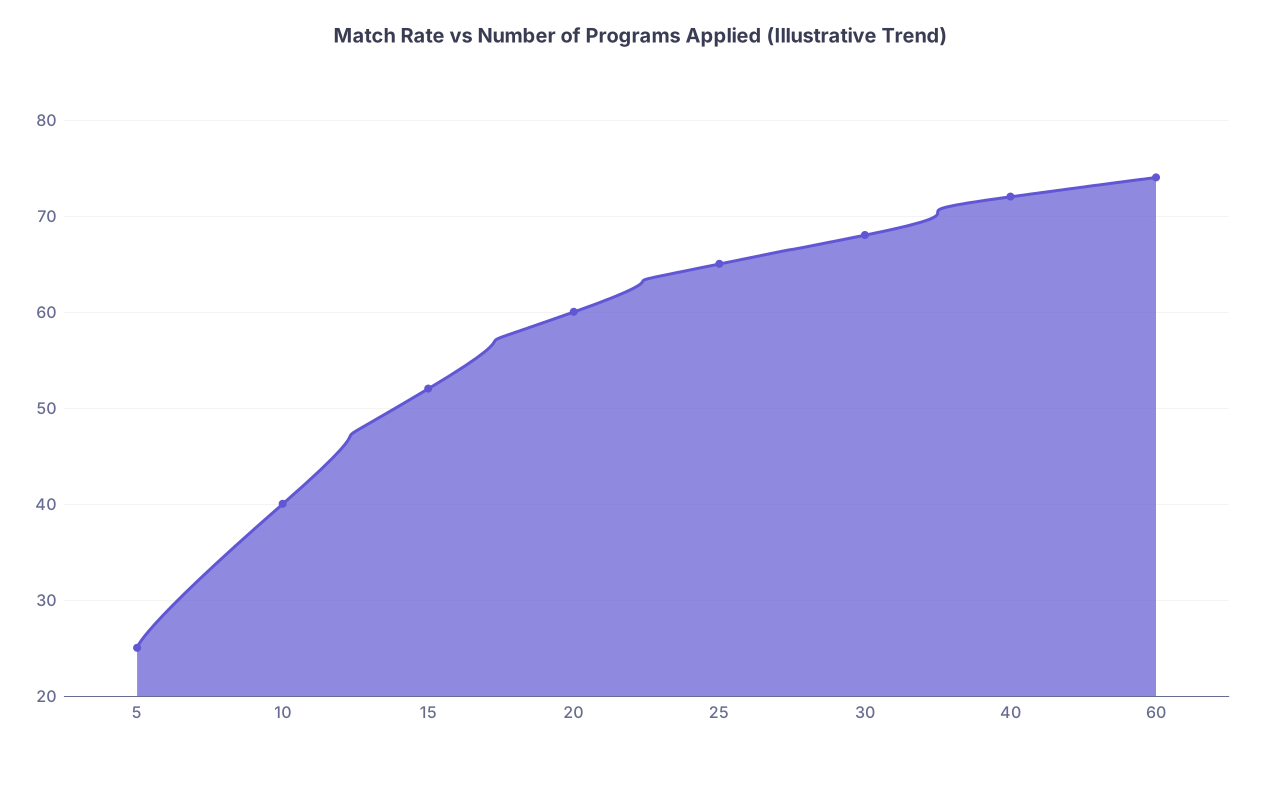
The question of how many programs to apply has no universal answer, but evidence and experience can guide you. As an MD graduate in radiology, your numbers should consider your competitiveness category, geography flexibility, and parallel plans (e.g., applying to a prelim/transitional year).
Below are general ballparks for the diagnostic radiology match for MD graduates; adjust based on your circumstances and updated NRMP data.
1. Baseline Ranges for Diagnostic Radiology (MD Applicants)
Approximate ranges for diagnostic radiology programs only (not including separate intern year applications):
Highly Competitive MD Graduate
- Often: 20–35 diagnostic radiology programs
- If geographically flexible, you may do well with fewer programs
- If heavily geographically restricted (e.g., only West Coast), may need toward the upper end
Average/Typical MD Graduate
- Often: 35–60 diagnostic radiology programs
- If you are open to most of the country: 35–45 may be adequate
- If you restrict geography significantly or avoid community programs: closer to 50–60
At-Risk MD Graduate
- Often: 60–80+ diagnostic radiology programs
- You should be more geographically liberal and include a substantial number of lower- to mid-tier and community/hybrid programs
- Consider also applying to a realistic backup specialty if risk is high
Remember: These numbers do not include the separate applications for:
- Intern year (preliminary medicine, surgery, or transitional year)
- Any parallel plans (e.g., backup specialty)
Your total ERAS applications may be 1.5–2x these numbers when you include intern year programs.
2. Factors That May Push You Higher or Lower in Range
You may need to apply to more programs if:
- You have a significant red flag (exam failure, professionalism issue, long LOA)
- You are restricting your applications to a narrow geographic area
- You are not applying to community or hybrid programs
- You have limited radiology exposure or no radiology-specific letters
You may safely apply to fewer programs if:
- You are highly competitive with strong radiology research and letters
- You are very flexible geographically
- You are open to a mix of academic, community, and hybrid programs
- You have strong home program support and advisors recommending a more conservative number
3. Strategic Use of Application Caps and Budget
ERAS fees escalate with volume. Rather than indiscriminately applying to “as many as possible,” set a budget-based cap and optimize:
- Rank programs in tiers by desirability and likelihood of interview
- Ensure you have:
- A realistic number of “reach” programs
- A robust middle tier
- A safety net of solid but less competitive programs
An MD graduate in diagnostic radiology should absolutely avoid a list composed only of “reach” academic powerhouses; that approach significantly increases the risk of not matching.

Building a Balanced List: Practical Program Selection Strategy
Now that you have a sense of your competitiveness and how many programs to apply to, the key question is: which specific programs should go on your list?
A structured program selection strategy for diagnostic radiology might use a tiered approach:
1. Define Your Priorities
Before opening spreadsheets, clearly articulate what matters most to you. Common priority categories:
- Training quality
- Case volume
- Subspecialty exposure
- Board pass rates
- Career goals
- Academic vs. private practice
- Fellowship interests (e.g., neuroradiology, IR, MSK, breast, body imaging)
- Location
- Proximity to family or partner’s job
- Cost of living
- Urban vs. suburban vs. rural
- Program culture
- Resident happiness and retention
- Faculty approachability
- Diversity and inclusion
- Lifestyle
- Call structure
- Night float vs. traditional call
- Flexibility with parental or medical leave
Rank your top 3–5 priorities; they will guide your choices between programs that look similar on paper.
2. Tiers of Programs: Reach, Target, and Safety
A classic and effective framework for an allopathic medical school match strategy is to divide your list into three tiers:
Reach Programs (Top-Tier Academics / Highly Competitive)
- Often heavily research-oriented, top names, large academic centers
- May have higher Step 2 CK averages and more selective screening
- Include programs where you may be slightly below their typical stats but still within reasonable range
Target Programs (Mid-Range Academics & Strong Community/Hybrid)
- Places where your metrics and experiences closely match recent matched cohorts
- Strong clinical training, decent to good research, balanced environment
- The bulk of your interviews will likely come from here
Safety Programs (Lower Competitive or Less Sought-After Geography)
- Solid training but may be in less popular locations or smaller institutions
- Step statistics and research expectations may be more accessible
- Programs that are still acceptable to you if they became your only option
A rough distribution for an average MD diagnostic radiology applicant might be:
- 20–30% Reach
- 40–50% Target
- 25–35% Safety
Adjust up or down depending on your competitiveness.
3. Information Sources for Screening and Selection
Use multiple data sources to refine your list:
- Program websites
- Curriculum (including early vs. late independence)
- Call schedule
- Fellowship placement lists
- Resident bios (backgrounds, interests, geographic trends)
- FREIDA / AAMC / NRMP data
- Program size
- Visa policies (more relevant for IMGs, but occasionally relevant to MD grads too)
- Fellowship offerings
- Your medical school radiology faculty and advisors
- Insider knowledge about culture, leadership changes, or hidden strengths and weaknesses
- Historical match data from your school
- Alumni who matched in radiology or rotated at specific sites
- Firsthand experience with workload, teaching, and resident satisfaction
- Virtual open houses and social media
- Gives sense of resident camaraderie, diversity, and how the program chooses to present itself
4. Example: Constructing a Realistic List
Imagine you’re an MD graduate with:
- Step 2 CK slightly above average for radiology
- A handful of honors, good narrative comments
- One radiology case report and a poster at a national meeting
- Two radiology letters and one strong medicine letter
- Moderate geography preference for the East Coast, but open to most regions
A reasonable list might be:
- Total DR programs applied to: 45
Breakdown:
15 Reach Programs
- Mix of larger academic centers on the East Coast and a few in other regions
- Well-known names with strong research reputations
20 Target Programs
- Mid-size academic or hybrid programs in a variety of regions
- Solid board pass rates, decent research, good fellowship placement but not the most competitive markets
10 Safety Programs
- Community and hybrid programs in less saturated markets or smaller cities
- Strong clinical training, fewer research expectations, may not be as geographically desirable
You could then add 20–30 intern year applications (preliminary medicine and/or transitional year) based on your competitiveness and geography needs.
Advanced Considerations: Dual Applications, Intern Year, and Reapplicants
1. Integrated vs. Advanced Positions and Intern Year Strategy
Diagnostic radiology is usually an advanced specialty (PGY-2 start), so you must secure an intern year (PGY-1) separately, unless the program offers a categorical or integrated track.
Your program selection strategy must therefore address two parallel lists:
- Diagnostic radiology programs (advanced or categorical)
- Preliminary or transitional year programs
For the intern year:
- Transitional year (TY) programs are often popular and competitive due to perceived lighter workload and more electives
- Preliminary medicine is common for radiology; many radiologists value strong internal medicine exposure
- Preliminary surgery is less common but an option at some institutions
Plan to:
- Apply broadly for intern year if your geographic preferences are tight for radiology programs
- Consider whether you prefer your PGY-1 near family/support or near your future DR program
- Coordinate your interview schedule strategically to avoid overwhelming travel or conflicts
2. Backup Specialty or Dual Applications
If your risk of not matching in diagnostic radiology is clearly elevated (significant red flags, very low Step 2 CK, or extremely late switch), you might consider dual applying to a backup specialty with better match odds for your profile (e.g., internal medicine).
Key points:
- Dual applying is logistically and financially heavy
- Your personal statement and interview narrative must be authentic and consistent within each specialty
- Work closely with advisors; a backup plan is sometimes wise, but not always necessary for all at-risk applicants
3. Reapplicants and Gap Years
If you are a reapplicant, your program selection strategy should:
- Expand and diversify your list more than the first cycle
- Carefully address why this cycle is different (extra research, clinical work, improved Step 2 CK, stronger letters)
- Include a higher proportion of safety and mid-tier programs
- Emphasize sustained commitment to radiology in your application materials
Putting It All Together: Step-by-Step Planning Timeline
A structured timeline will help you execute your program selection strategy efficiently.
6–9 Months Before ERAS Opens
- Honest self-assessment of your competitiveness
- Discuss your diagnostic radiology match plans with mentors and radiology faculty
- Decide on your geographic preferences and flexibility
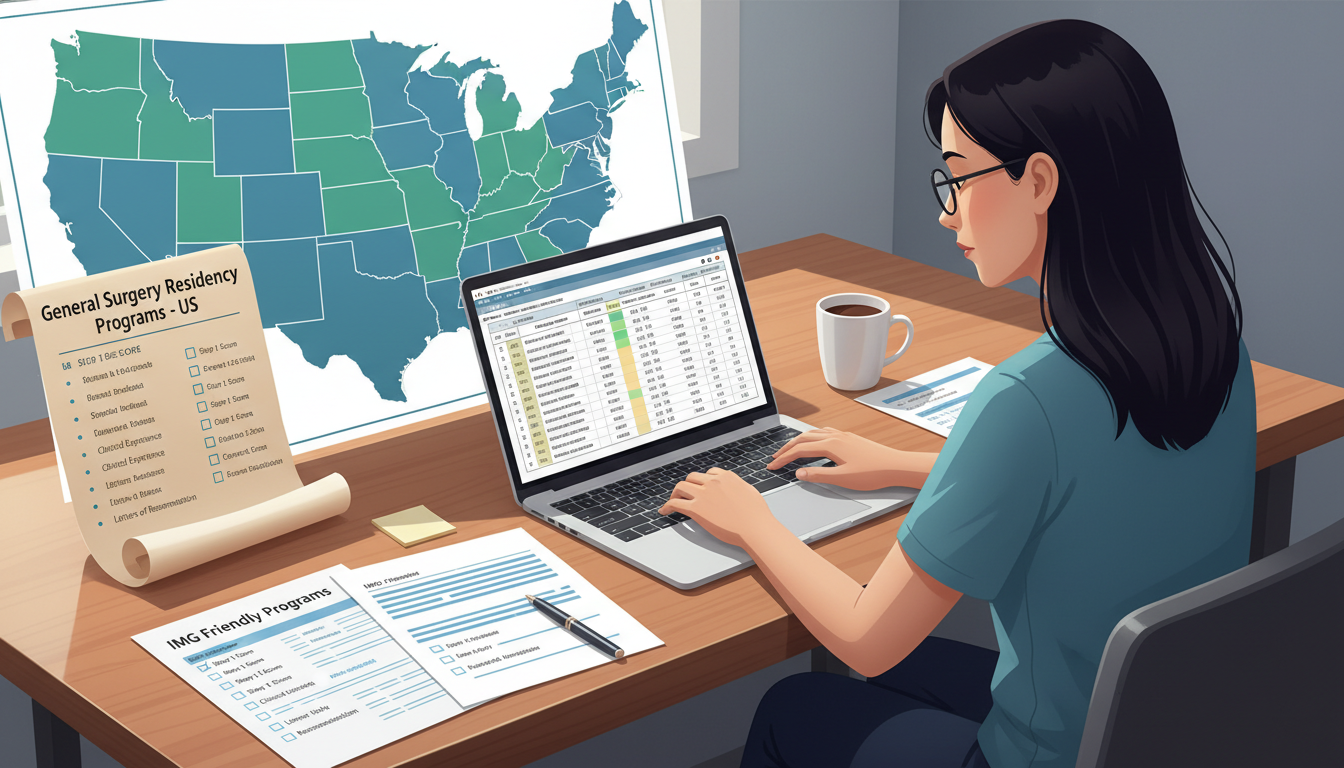
- Start a rough spreadsheet of potential programs
3–5 Months Before ERAS Opens
- Refine your list: identify reach, target, and safety programs
- Research each program’s curriculum, resident life, and fellowship matches
- Confirm visa policies, if applicable, and any program-specific requirements (e.g., Step 2 CK deadline)
- Plan or complete any away rotations strategically (if an option)
1–2 Months Before ERAS Submission
- Finalize your program list based on updated self-assessment and advisor input
- Make sure your list matches your planned “how many programs to apply” threshold
- Double-check that each program aligns reasonably with your priorities and that you’re not over-weighting only prestige
After Application Submission
- Track interviews and responses to assess whether your list was balanced
- If you’re getting very few interview offers:
- Consider whether you applied too aggressively to reach programs
- Attend virtual open houses and communicate interest professionally to programs
- If you have many interviews early:
- You may choose to withdraw from lower-priority programs to save time
FAQs: Program Selection Strategy for MD Graduates in Diagnostic Radiology
1. As an MD graduate, how many diagnostic radiology programs should I apply to if I’m an average applicant?
For a typical MD graduate in the diagnostic radiology match with no major red flags and mid-range metrics, 35–60 DR programs is a reasonable target. If you are geographically flexible and open to academic, community, and hybrid programs, you might lean toward the lower end (35–45). If you are geographically restricted or mainly focused on higher-tier programs, you may need closer to 50–60 to maintain a safe interview volume.
2. Should I prioritize prestige or fit when choosing radiology residency programs?
Balance is critical. While the name recognition of a program can help for certain academic career paths and fellowships, fit and training quality often matter more for long-term satisfaction and success. Consider:
- Case volume and breadth
- Resident autonomy and support
- Culture and resident happiness
- How well the program aligns with your career goals
It’s better to be at a slightly less famous program where you thrive and get strong training than at a big-name institution where you struggle or feel unsupported.
3. How important is geography in the allopathic medical school match for diagnostic radiology?
Geography plays a significant but often underestimated role:
- Many programs show a preference for applicants with regional ties
- Applicants tend to rank higher the programs in regions where they have support systems
- Oversaturated markets (e.g., some major coastal cities) may be significantly more competitive
You don’t need to apply everywhere, but being too restrictive (e.g., only 1–2 major cities) can dramatically increase your risk of not matching. A smart program selection strategy in radiology usually includes a core preferred region plus several secondary regions where you’d still be comfortable training.
4. How should I use my home program when planning my diagnostic radiology match strategy?
Your home radiology department is one of your most valuable resources:
- Seek honest feedback from faculty and the PD or APD on your competitiveness
- Ask them which programs they think are realistic reach, target, and safety options for you
- Leverage their networks—faculty may know PDs or faculty at other programs and can informally advocate for you
- Study where prior MD graduates from your school have matched in radiology; this historical data is a powerful benchmark for your own program selection strategy
Using your home program’s insight will help you build a more calibrated, data-informed list and optimize your chances of a successful match in diagnostic radiology.