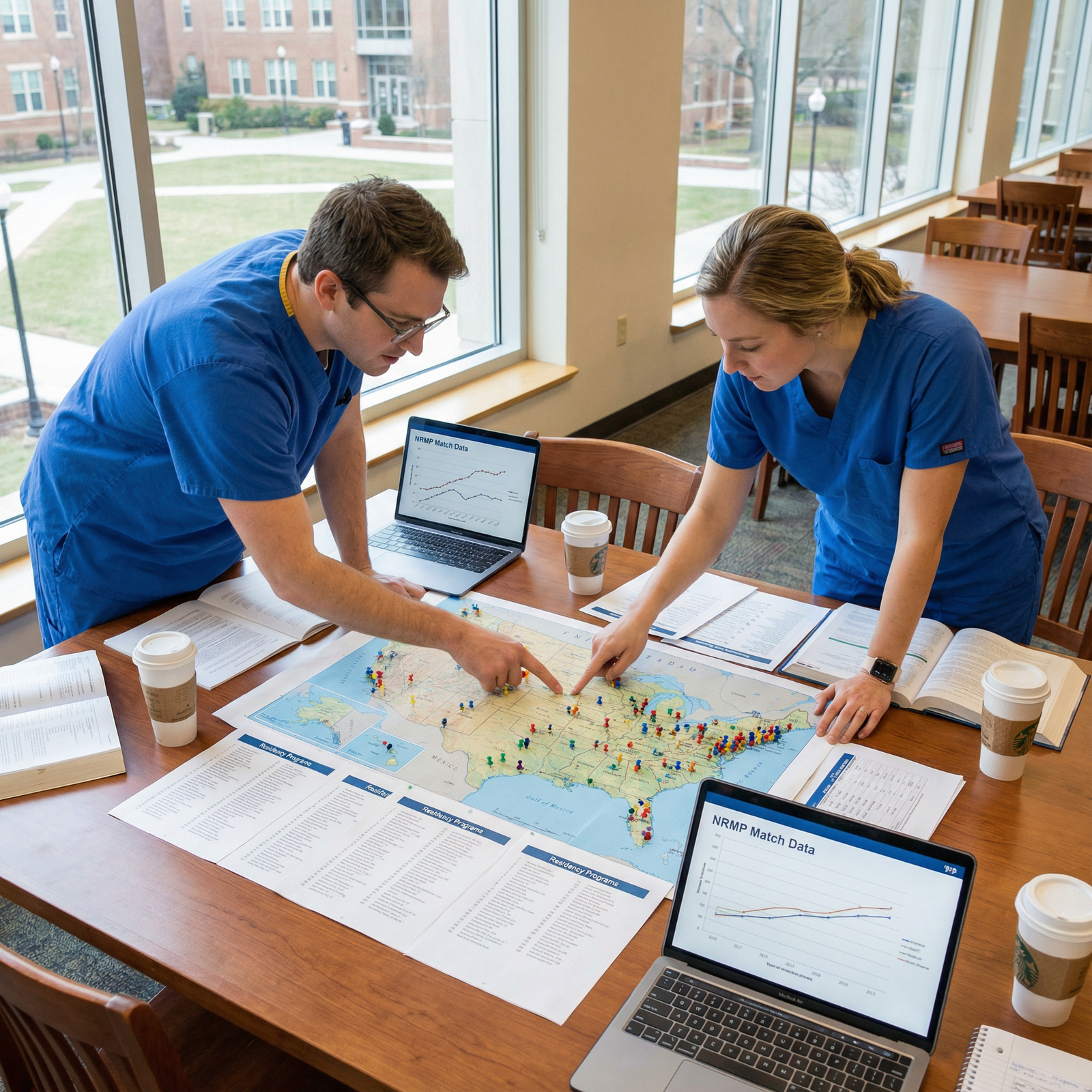
As an American studying abroad and aiming for vascular surgery, you’re targeting one of the most competitive, niche surgical fields. That means your program selection strategy is not a side task—it’s one of the most important determinants of whether you match at all, and where.
This guide is written specifically for the US citizen IMG interested in vascular surgery residency, especially the integrated vascular program (0+5) pathway. We’ll walk through how to choose residency programs, how many programs to apply to, how to realistically assess your competitiveness, and how to build a smart, tiered list instead of a random scattershot application.
Understanding Your Position as a US Citizen IMG in Vascular Surgery
Vascular surgery is small and highly competitive. Before you can decide how to choose residency programs, you need to understand:
- The nature of vascular surgery training pathways
- How program directors tend to view IMGs
- The particular pros and cons of being a US citizen IMG vs non–US IMG
0+5 vs 5+2: Why Pathway Matters for Program Selection
There are two main routes to becoming a vascular surgeon:
Integrated Vascular Surgery Residency (0+5)
- Match directly out of medical school
- 5 years total: combined general surgery + vascular
- Very small number of positions nationwide (usually 70–90 spots)
- Heavy emphasis on early commitment to vascular and strong academic credentials
Traditional Pathway (5+2)
- 5-year general surgery residency, then
- 2-year vascular surgery fellowship
- Larger number of total training spots but two separate matches
As an American studying abroad, the integrated vascular program path is often more difficult because:
- Fewer positions nationwide
- Many programs prefer US MD/DO with strong home-institution advocacy
- IMGs often lack extensive US-based vascular research or mentorship
That doesn’t mean it’s impossible—it means your program selection strategy must be strategic, data-driven, and tailored to your true competitiveness. You must also remain open to parallel plans, including:
- Categorical general surgery with intent to pursue vascular fellowship
- Preliminary general surgery if categorical options are limited (as a bridge)
The US Citizen IMG Advantage (and Reality Check)
Compared to non–US IMGs, a US citizen IMG has a few key advantages:
- No visa sponsorship needed (big plus to programs)
- Often better familiarity with US healthcare and culture
- Easier logistics for away rotations, interviews, and relocation
But you still face:
- Potential skepticism about clinical training quality abroad
- Fewer home-institution champions in the US
- Less built-in access to US-based vascular mentors and research
This duality should guide how you choose programs:
- Target programs with a history of taking IMGs, but especially those where visa sponsorship is less critical (your lack of visa needs can be a quiet plus).
- Leverage your US citizenship in your application: emphasize readiness to work in the US system long-term, no visa hurdles, and commitment to practicing in specific US regions.
Step 1: Assess Your Competitiveness Honestly
Before asking “How many programs should you apply to?” you must answer a more fundamental question: “Where do I realistically stand?” Your program selection strategy depends heavily on a sober self-assessment.
Key Objective Metrics
For vascular surgery (and surgery more broadly), program directors pay close attention to:
USMLE/COMLEX Scores
- Step 1 is now Pass/Fail but still used as a screening tool (pass on first attempt is critical).
- Step 2 CK is heavily weighted; high scores can partly compensate for IMG status.
- Multiple attempts or low scores will significantly limit your options and should drive a broader, more risk-averse program list.
Clerkship Performance & Clinical Evaluations
- Honors or strong evaluations in surgery and medicine rotations are especially helpful.
- If your home school has a different grading system, letters should translate your performance for US programs.
Research and Scholarly Work
- Vascular surgery is academically inclined; publications, posters, or abstracts in vascular or at least surgery are valuable.
- Case reports in vascular, QI projects, or registry-based research can all count.
- A long research gap during medical school is fine if it produced strong outputs and mentorship letters.
US Clinical Experience (USCE)
- Strongly preferred and often essential for competitive surgical fields.
- Aim for at least 2–3 months of hands-on USCE in surgery (sub-internships, audition rotations, or externships).
- Vascular-specific electives or sub-I’s are gold if you can secure them.
Subjective Strengths That Matter
Strategic program selection should also consider less quantifiable factors:
Letters of Recommendation (LoRs)
- At least one or two from US-based surgeons, ideally vascular.
- A known vascular surgeon’s strong letter can significantly open doors, especially if they know PDs personally.
Personal Statement & Narrative
- Demonstrate a clear, long-standing interest in vascular surgery, not a last-minute pivot.
- Include concrete examples: vascular projects, patient stories, shadowing experiences, or research themes.
Communication & Professionalism
- What faculty say about your work ethic, team skills, and surgical potential often matters more than raw scores.
Categorizing Yourself: Tiering Your Profile
To create a program selection strategy, you need to roughly tier your competitiveness. Very broadly (and you can adjust based on your situation):
Tier 1 US citizen IMG
- Strong Step 2 CK (e.g., ≥245–250+ range)
- Strong USCE in surgery with excellent letters (at least one vascular)
- Some vascular or surgery-focused research
- Strong clinical grades, no major red flags
Tier 2 US citizen IMG
- Solid Step 2 CK (e.g., ~235–245)
- USCE in surgery, letters from US surgeons (maybe not vascular-specific)
- Some scholarly work, even if not all in vascular
- Mostly good evaluations, maybe one weaker area
Tier 3 US citizen IMG
- Step 2 CK <235, or prior attempts
- Limited USCE or only observerships
- Minimal or no research
- Some academic or professionalism red flags
Your tier determines:
- Your probability of interview invites at integrated vascular programs
- How broadly you must apply
- Whether to integrate general surgery programs aggressively in your program selection strategy

Step 2: How Many Programs to Apply to in Vascular Surgery as a US Citizen IMG
In a competitive, small specialty like vascular, how many programs to apply to is a critical, strategic choice.
Numbers Reality: Integrated Vascular Surgery
Integrated vascular surgery programs:
- Offer very few positions per program (often 1–2 per year)
- Receive high volumes of applications, mainly from US MD/DO students
- Grant relatively few interviews overall
For a US citizen IMG, even a strong one, interview yields will usually be lower than for US MDs. You can’t rely on getting interviews at a high fraction of programs you apply to.
Recommended Application Volume
Depending on your tier, consider:
If applying to integrated vascular programs as your primary goal:
Tier 1 US citizen IMG
- Apply to almost all integrated vascular programs nationally (e.g., 60–80+).
- Do not self-reject based solely on prestige; the specialty is small, and fits can be unpredictable.
- Additionally apply to 40–60 categorical general surgery programs, target a range of academic and community programs (more on this below).
Tier 2 US citizen IMG
- Still apply broadly: 40–60 integrated vascular programs.
- Strongly supplement with 60–80 categorical general surgery programs, especially at institutions with vascular fellowships or strong vascular divisions.
- Consider a few prelim general surgery programs as a back-up if there are significant concerns.
Tier 3 US citizen IMG
- Apply to integrated vascular only if you have very strong mentorship support and vascular exposure; otherwise, your primary focus should be:
- 80–120 categorical general surgery programs across all tiers and regions
- Some prelim general surgery programs as bridge options
- You can apply to a small number of integrated vascular programs (e.g., 20–30), but your match probability will principally be through general surgery.
- Apply to integrated vascular only if you have very strong mentorship support and vascular exposure; otherwise, your primary focus should be:
For most US citizen IMGs, integrated vascular should be treated as a high-risk, high-reward component of a broader surgery-focused strategy.
Financial and Practical Limits
Applying to 100+ programs is expensive. Consider:
- Use ERAS Cost Calculator to estimate expenses.
- Prioritize:
- All vascular integrated programs that accept IMGs or have at least one past IMG
- General surgery programs with vascular fellowships or strong vascular case volume
- If budget is limited, trim primarily:
- High-tier integrated programs with a clear pattern of no IMG matches and heavy US MD preference
- Geographically restrictive areas where you truly would not live long-term
Step 3: Building a Smart Program Selection Strategy
After you decide the approximate number of applications, focus on how to choose residency programs thoughtfully.
1. Research Historical IMG-Friendliness
As an American studying abroad, you must selectively target programs that:
- Have matched IMGs in vascular or general surgery within the last 5–10 years
- Do not state “no IMGs” or “US grads only” explicitly
- Mention openness to diverse backgrounds on their websites or FREIDA entries
Use:
- FREIDA, program websites, and NRMP data reports
- Alumni lists on program sites (scan for international schools)
- Social media (Twitter/X, Instagram) where programs showcase residents and new matches
If you find:
- A program with several prior IMGs (especially US citizen IMG) → higher yield
- A program with only US MD/DOs over many cycles → lower yield
2. Categorize Programs into Tiers for Yourself
Create a simple spreadsheet and assign each program to:
Reach programs
- Highly academic, prestigious vascular centers
- Match predominantly US MDs, few or no IMGs historically
- Apply to some for stretch opportunities, especially if you have strong research or niche relationships.
Target programs
- Mid-range academic or strong community programs
- Demonstrated history of taking IMGs
- Reasonable fit with your Step 2 CK score and profile
Safety programs (more applicable for general surgery)
- Community-based, often smaller academic affiliations
- Clear prior acceptance of IMGs and sometimes US citizen IMGs in particular
- Programs in less popular locations geographically
Your program selection strategy should include:
- Integrated vascular: mostly reach and target, with some “relative safety” programs (smaller, less flashy, but IMG-friendly).
- General surgery: robust distribution across target and safety tiers.
3. Geographic Strategy: Be Flexible but Honest
Many US citizen IMGs match in:
- Less saturated regions (Midwest, South, non-coastal states)
- Cities that are not the most popular lifestyle destinations
You boost your chances if you:
- Don’t limit yourself strictly to large coastal cities
- Are open to mid-sized or smaller cities and more rural regions
- Still maintain a few programs near any region where you have ties (family, grew up, prior work)—you can leverage these ties in your personal statements.
Be honest with yourself:
Don’t apply to many programs in locations where you genuinely would not go. But don’t artificially restrict yourself to 2–3 major cities either—geographic flexibility is a major advantage.

Step 4: Integrating General Surgery into Your Strategy
For a US citizen IMG in vascular surgery, a balanced program selection strategy almost always includes general surgery.
Why General Surgery Should Be a Core Component
- The number of integrated vascular spots is too small to rely on exclusively as an IMG.
- Many successful vascular surgeons entered via 5+2 route.
- Some integrated vascular program directors are skeptical of applicants without robust US surgical exposure, but a general surgery path allows you to build that in residency.
By applying to categorical general surgery:
- You dramatically improve your chances of matching into a surgical training spot
- You keep the door wide open for vascular fellowships later
- You can seek early vascular exposure within your general surgery residency
How to Choose General Surgery Programs Strategically
For a US citizen IMG with vascular aspirations, favor:
Programs with Vascular Surgery Fellowships
- They likely have a robust vascular service and faculty.
- Being an internal general surgery resident often helps when you apply for that fellowship.
Programs with Large Vascular Divisions or Case Volumes
- Even without a fellowship, strong vascular rotations and case logs help build your profile.
IMG-Friendly General Surgery Programs
- Clear history of matching US citizen IMG or other IMGs
- Established support structure for international graduates
This ensures your backup plan still aligns with your long-term vascular goal, rather than being a completely separate pathway.
Balancing Applications: A Practical Example
Example applicant: Tier 2 US citizen IMG
- Step 2 CK: 240
- 2 months US surgical sub-I’s, one with vascular exposure
- 1 vascular case report + 1 general surgery poster
- Strong letters, one from US vascular surgeon
A sensible program selection strategy might be:
- 50 integrated vascular surgery programs nationwide
- 70 categorical general surgery programs, with:
- ~40 at institutions with vascular fellowships
- ~30 additional community or mid-size academic programs with strong vascular services
This mix acknowledges your ambition while protecting you from an all-or-nothing outcome.
Step 5: Practical Workflow for Building Your Program List
To avoid random or rushed choices, use a structured workflow.
Step A: Start with a Master List
- From FREIDA, VSRA (if applicable), and program websites, compile:
- All integrated vascular programs
- A large pool of general surgery programs
Include columns for:
- City/State
- University vs community
- Vascular fellowship present (Y/N)
- IMGs in training in the last 5 years
- USMLE Step 2 cutoff (if any published)
- Personal notes (mentors, geographic ties, etc.)
Step B: Filter by Basic Eligibility
Remove programs that:
- Explicitly state they do not accept IMGs or require US MD/DO only
- Have strict “no more than X years since graduation” policies that you can’t meet
- Require Step 3 or conditions you can’t fulfill this cycle
Step C: Rate Programs by Fit and Yield
For each program, quickly score (1–3) on:
- Fit: Vascular presence, academic interest alignment, geography
- Yield: IMG-friendliness, published cutoffs vs your scores
This gives you:
- A ranking of “high-fit, higher-yield” programs (your core focus)
- A secondary set of reach programs you still want to try for
- A tail of lower-fit or low-yield programs you may drop if budget is tight
Step D: Double-Check with Mentors
If possible:
- Ask US-based vascular or general surgery mentors to review a sample of your list.
- Specifically ask: “Which of these programs are realistic targets vs unlikely for a US citizen IMG at my level?”
You can adjust how many programs to apply based on their feedback and your financial constraints.
Step 6: Final Tips to Maximize Return on Your Application List
Once your program list is set, increase the impact of every application.
Tailor Where You Can (Realistically)
You may not be able to customize every application, but at least:
- Use region-specific personal statements (e.g., one for Northeast, one for Midwest/South) referencing family ties or career goals in that region.
- Highlight vascular exposure in all applications to integrated programs and clearly state your long-term plan for vascular in your general surgery applications.
Leverage Being a US Citizen IMG
In your experiences and personal statement:
- Emphasize:
- Familiarity with US culture and healthcare from prior life or education
- No need for visa sponsorship (programs care about this quietly)
- Commitment to practice and serve US communities long-term
Stay Organized During Interview Season
- Track which programs respond, where you get interviews, and any emerging patterns:
- If more IMG-friendly or midwestern programs offer interviews, prioritize them
- Stay open to last-minute interview offers from programs where you’re on a waitlist
FAQs: Program Selection Strategy for US Citizen IMG in Vascular Surgery
1. As a US citizen IMG, is it realistic to apply mainly to integrated vascular programs?
It can be realistic to apply broadly to integrated vascular programs, but it is usually not realistic to rely solely on them. Because integrated vascular positions are few and highly competitive, most US citizen IMGs should:
- Apply widely to integrated programs, and
- Simultaneously develop a robust general surgery application list.
Treat integrated vascular as a high-upside opportunity and general surgery as your stable, high-probability route to ultimately becoming a vascular surgeon via fellowship.
2. How many integrated vascular vs general surgery programs should I apply to?
For many US citizen IMGs:
- Consider applying to 40–80 integrated vascular surgery programs (depending on your competitiveness and budget).
- Pair this with 60–100 general surgery programs, emphasizing those with vascular fellowships or strong vascular services.
If your scores or experience are on the lower end, lean more heavily into general surgery. If you’re a very strong applicant with excellent vascular mentorship and US letters, you can proportionally increase the vascular share, but still keep a solid general surgery foundation.
3. Should I avoid programs that have never taken an IMG before?
Not necessarily, but they should be classified as reach programs rather than core targets. A program with no prior IMGs:
- May have an unspoken preference for US MD/DOs
- Could still consider a standout US citizen IMG with excellent credentials and strong advocacy from known faculty
Apply to some of these, especially if you have special connections or interests in that institution, but don’t build your list primarily from them. Prior IMG acceptance is one of the strongest predictors of your realistic chances.
4. If I match into general surgery, will that disadvantage my future vascular fellowship chances compared to integrated residents?
No. Many vascular surgeons follow the traditional 5+2 route, and vascular fellowships are accustomed to training general surgery graduates. In fact:
- A strong performance in general surgery residency
- Robust vascular rotations, research, and mentorship during those 5 years
…can make you highly competitive for vascular fellowships. Integrated programs and 5+2 pathways are different routes to the same endpoint; what matters is your commitment, performance, and sustained vascular engagement over time.
By approaching your program selection strategy in a structured, data-informed way—honestly assessing your profile, applying broadly, and integrating both vascular and general surgery options—you significantly increase your chances of not only matching, but also building a long, successful career in vascular surgery as a US citizen IMG.