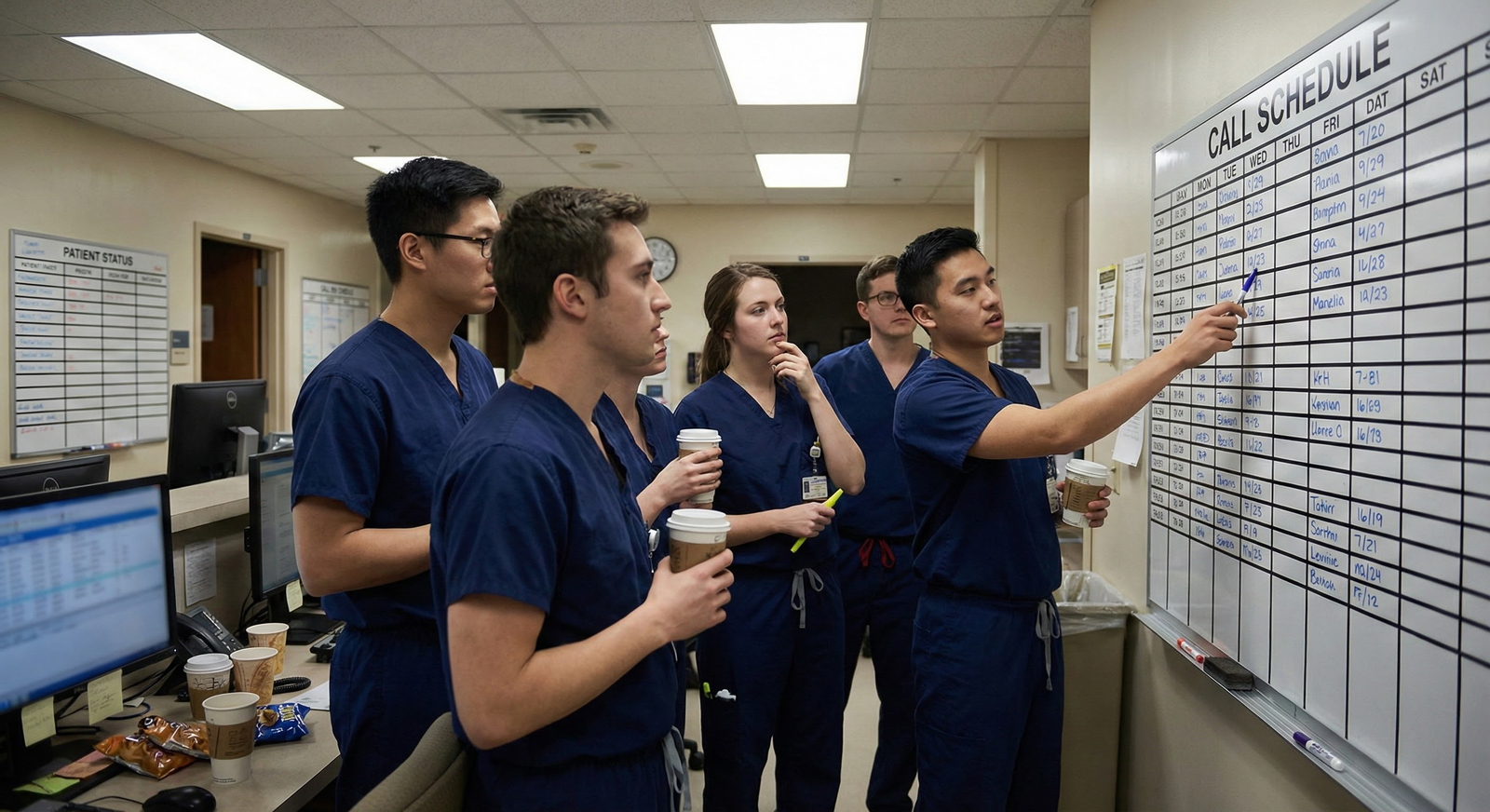
Introduction: Your Match Is Only the Beginning
You matched. The emails, ERAS stress, and interview trail are behind you. For the first time in a long time, your immediate future is defined. It’s tempting to think the hard part is over—but in reality, you’ve just entered a different phase of your medical education and career development.
The months between Match Day and the start of residency are a critical—yet often underutilized—window. How you use this time can dramatically shape:
- How smoothly you transition to intern year
- How confident you feel on day one
- How effectively you handle Time Management under pressure
- How well you protect your wellness and set sustainable Wellness Strategies
This period is not about “cramming” more achievements into your CV. It’s about thoughtfully preparing for the realities of residency: clinical responsibility, long hours, new systems, and new relationships. This guide will walk you through why post-Match preparation matters and offer specific, actionable strategies to help you start strong.
Why Preparation After You Match Matters for Residency Success
Matching is a major accomplishment, but it is not the finish line—it’s the start of your next training phase. Using the post-Match window intentionally can give you a competitive and emotional advantage when residency begins.
1. Smoother Transition to New Clinical Duties
Every residency program has its own workflow, expectations, and culture. As an intern, you’ll be expected to:
- Manage your own patient list
- Present clearly and concisely on rounds
- Write accurate, efficient notes in the EHR
- Place orders, carry out cross-cover, and handle pages
If you wait until July 1st to orient yourself, you may feel overwhelmed and reactive. Preparing early allows you to:
- Understand what your day will actually look like
- Anticipate what will be expected of you on call and on the wards
- Reduce cognitive overload during your first few rotations
Being familiar with basic order sets, admission workflows, and common clinical scenarios on day one makes you more confident and frees up bandwidth to focus on learning rather than just surviving.
2. Early Leadership Development and Professional Identity
Interns are leaders—of the care team, of their patient panel, and often of medical students. The habits you build in your first few months:
- Communication style
- Reliability and follow-through
- Professionalism under stress
…will form the foundation of your reputation in the program.
Preparing after you Match lets you start residency already thinking like a physician, not just a student. You can:
- Reflect on how you want to show up as a professional
- Set goals around communication, dependability, and teamwork
- Learn how to advocate for patients and yourself appropriately
This early leadership mindset helps you gain trust from nurses, peers, and attendings—trust that can open doors to opportunities later.
3. Building a Support System Before You Arrive
Residency is a team sport. Having a network in place when you start can:
- Provide emotional support during difficult rotations
- Offer practical guidance (where to park, how to survive nights, how to study efficiently)
- Help you navigate program culture and unwritten rules
If you walk into orientation having already met co-interns or upper-levels, the first weeks feel less isolating and more collaborative. This is especially important if you:
- Are relocating to a new city or country
- Don’t have family nearby
- Are entering a high-intensity specialty
4. Clarifying Responsibilities and Expectations
Uncertainty fuels anxiety. When you don’t know what’s expected, it’s easy to feel like you’re constantly behind. Post-Match preparation allows you to clarify:
- What your typical schedule will look like
- What rotation order you might have
- What your program values in interns (autonomy? communication? efficiency?)
With clear expectations, you can channel your preparation in targeted ways—e.g., focusing on cross-cover scenarios if you start on nights, or on common floor issues if you start on wards.
5. Laying the Groundwork for Time Management
Residency will radically compress your free time. If you’ve never had to manage a packed schedule with heavy emotional demands, the transition can be jarring.
By intentionally planning before you start, you can:
- Trial different digital calendars and task tools
- Establish habits like weekly planning and daily review
- Create templates for notes, lists, and sign-out
This strategic Time Management foundation lets you work smarter, not just harder, when your schedule tightens.
6. Boosting Clinical Confidence and Competence
No one expects interns to know everything. But you will feel—and perform—better if you enter residency with refreshed clinical knowledge and a plan for ongoing learning. Preparation now can help you:
- Revisit high-yield topics for your specialty
- Practice clinical reasoning through cases or question banks
- Set up a sustainable study routine you can maintain during training
A modest but intentional effort now can prevent the “rusty” feeling that many students experience after a long application season away from full-time clinical work.

High-Yield Strategies for Effective Post-Match Residency Preparation
1. Establish Strong Communication Channels with Your Program
Your first step in Residency Preparation is to connect with the people and systems that will define your day-to-day life.
Connect with Program Leadership and Staff
Email your program coordinator to:
- Confirm key dates (orientation, HR onboarding, credentialing deadlines)
- Clarify paperwork and health requirements
- Ask about housing resources, parking, or childcare if applicable
Review any welcome packets, handbooks, or orientation materials thoroughly. Create a folder (digital or physical) to keep all documents in one place.
Connect with Your Co-Interns and Upper-Level Residents
- Join official or unofficial group chats (WhatsApp, GroupMe, Slack, Discord) if they exist.
- If you don’t see one, ask the coordinator if it’s okay for you to start a group for your incoming class.
- Reach out to a few PGY-2 or PGY-3 residents:
- Ask, “If you could give one piece of advice to your pre-intern self, what would it be?”
- Request recommendations for top resources in your specialty
- Clarify which rotations are most challenging and how to prepare
These early relationships will be invaluable when questions arise that you don’t feel comfortable asking faculty.
2. Learn the Systems: Policies, EHR, and Logistics
Understanding the environment you’ll be working in is just as important as knowledge of disease processes.
Review Hospital Policies and Culture
When available, read:
- Duty hour and call policies
- Supervision and escalation guidelines (when to call the attending)
- Code blue and rapid response protocols
- Documentation and billing basics (relevant for some specialties)
Knowing these beforehand reduces the risk of unintentional policy violations and helps you feel more at ease when emergencies arise.
Familiarize Yourself with the Electronic Health Record (EHR)
If your program uses a common EHR (Epic, Cerner, Meditech, etc.):
- Look for online training modules or free demonstration platforms.
- Watch short tutorials on:
- Writing progress notes
- Reviewing labs and imaging
- Creating and managing order sets
- Using messaging and task features
Even a few hours of focused EHR practice can save you dozens of frustrated hours later—this was exactly the edge “David” in the original article experienced when he started residency already comfortable with his program’s system.
Understand Logistics: Housing, Commute, and Practical Needs
Your performance as an intern will suffer if your basic logistics are chaotic.
Housing:
- Secure a stable living situation well before your start date.
- Consider commute time, safety, parking options, and access to groceries/gyms.
- If possible, choose housing that offers a quiet place to sleep post-call.
Transportation & Parking:
- Learn where you’ll park, how to get your badge, and how to access night entrances.
- Time your commute during rush hour so there are no surprises on day one.
Licensing and Credentials:
- Track deadlines for your state license, DEA (if applicable), and hospital privileges.
- Use a checklist or spreadsheet to ensure everything is complete early.
3. Refresh Clinical Knowledge with a Strategy, Not Panic
Brushing up on clinical knowledge doesn’t mean trying to relearn all of medical school in a few months. Be targeted, realistic, and specialty-specific.
Choose a Small Core of High-Value Resources
Depending on your field, consider:
Internal Medicine / Preliminary / Transitional Year
- MKSAP questions or a similar Qbank
- “Pocket Medicine” or a concise ward handbook
- UpToDate for topic refreshers
Surgery
- A surgical handbook (e.g., Surgical Recall)
- Basic OR instruments and knot-tying videos
- Common post-op complication management reviews
Pediatrics, OB/Gyn, EM, Psychiatry, etc.
- Program-recommended handbooks or review books
- Specialty-specific question banks or apps
The goal is not volume; it’s familiarity with common inpatient issues and bread-and-butter conditions in your field.
Build a Light, Sustainable Study Plan
- Aim for 30–60 minutes a day, 4–5 days per week.
- Mix methods:
- Clinical cases
- Question banks
- Brief topic reviews (e.g., UpToDate outlines)
This gentle ramp-up will help you feel more clinically “primed” at the start of residency without burning you out before you even begin.
4. Set Clear Personal and Professional Goals
Residency is busy enough that, without intentional goal-setting, you may simply react to what’s in front of you instead of deliberately shaping your growth.
Reflect on What You Want from This Next Phase
Consider goals in these domains:
- Clinical Competence
- “By the end of PGY-1, I want to be independently comfortable managing uncomplicated [X] cases.”
- Procedural Skills (if applicable)
- “Aim to log a certain number of key procedures with direct supervision and feedback.”
- Academic Development
- Research, quality improvement, or education projects
- Presenting at a local or national conference
- Professional Reputation
- Be known as the resident who is reliable, approachable, and teaches students.
- Personal Life & Wellness
- Maintain at least one meaningful non-medical activity (music, exercise, family time, etc.)
Write your goals down and revisit them during residency at least every 3–6 months.
Align Goals with Available Opportunities
Talk with faculty or upper-levels about:
- Research or QI projects that match your interests
- Committees (wellness, education, diversity) you could join later
- Leadership roles (chief resident, curriculum development, etc.) you might work toward
Integrating Career Development thinking even at this early stage will help you use residency years strategically.
5. Organize Your Personal Life Before the Chaos Begins
One of the most significant gifts you can give your future self is to minimize preventable stressors.
Financial Preparation and Budgeting
Residency salaries are often modest compared to med school debt and cost of living, especially in big cities.
Create a basic budget:
- Rent and utilities
- Loan payments (or updated income-driven repayment plan)
- Transportation and parking
- Food and essentials
- Small allocation for wellness and leisure
If applicable, meet with a financial advisor familiar with physicians-in-training to discuss:
- Loan repayment strategies
- Retirement account basics (e.g., 403(b), 401(k))
- Insurance needs (disability, renters, health)
Streamline Daily Living
Before residency starts, try to:
- Set up automatic payments for rent, loans, and recurring bills.
- Consider meal prep strategies or grocery delivery services.
- Organize important documents (contracts, certifications, immunizations) in a dedicated folder or cloud storage.
These small steps free up mental energy for clinical work and learning later.
6. Protect Your Wellness: Build Sustainable Habits Now
Wellness Strategies are not “nice to have” add-ons; they are essential survival tools in residency.
Physical Health
Exercise:
- Find forms of activity that are time-efficient and flexible (short home workouts, brisk walks, yoga apps).
- Set realistic goals (e.g., 20–30 minutes, 3 days per week).
Sleep:
- Establish sleep hygiene practices (dark room, consistent pre-sleep routine).
- Practice napping if you’re not used to sleeping at odd hours—night float and 24-hour calls will demand it.
Medical Care:
- Schedule your own preventive visits (primary care, dental, eye) before residency starts.
Mental and Emotional Health
Familiarize yourself with:
- Your program’s confidential counseling or employee assistance programs.
- National physician support resources and crisis hotlines.
Explore stress management techniques:
- Mindfulness apps (e.g., Headspace, Calm, Insight Timer)
- Brief breathing exercises you can use between pages or after a difficult encounter
- Journaling for reflection and emotional processing
Don’t wait until you’re in crisis to identify support options. Normalize help-seeking as part of your professional development.
7. Plan for Orientation, Mentorship, and Early Work-Life Balance
Make the Most of Orientation
Treat orientation as more than just mandatory lectures:
- Take notes on key contacts and escalation pathways.
- Introduce yourself to co-residents, nurses, and ancillary staff—these are your daily collaborators.
- Ask very practical questions:
- “How do nights work here?”
- “What are the most common intern pitfalls on this rotation?”
Seek Mentorship Early
Mentorship doesn’t have to be a formal relationship at first.
- Ask upper-levels or junior attendings if they’d be willing to:
- Meet for coffee during your first few months
- Give feedback on your performance and tips for improvement
- Share how they navigated tough rotations or career decisions
Multiple mentors (clinical skills, research, wellness) are often more helpful than trying to find one “perfect” mentor.
Intentionally Define Work-Life Boundaries
Work-life balance in residency will never be perfect—but it can be intentional.
- Use a digital calendar to:
- Block out duty hours, didactics, and call schedules
- Reserve recurring time for exercise, family, or a hobby
- Identify non-negotiables:
- A weekly dinner with a loved one
- A short weekend ritual (a walk, a coffee shop, religious service, etc.)
Even when you inevitably have to break these routines at times, simply having them gives structure to your life outside the hospital.

Real-World Illustrations: Preparation in Action
The original article mentioned Emily and David—two examples worth expanding to highlight how preparation directly impacts the residency experience.
Emily: Leveraging Community and Mentorship
Emily matched into internal medicine in a city she had never lived in. Instead of waiting passively, she:
- Joined the incoming resident group chat and introduced herself
- Reached out to a PGY-2 on Twitter who trained at her new hospital
- Organized an informal virtual meet-up for co-interns
Before Day 1, she:
- Knew who she could text about call rooms and cafeteria hacks
- Had a senior resident mentor who walked her through admit workflows
- Felt less alone walking into orientation
During her first month on wards, when she struggled with balancing notes and sign-outs, her mentor helped her redesign her daily workflow. Emily not only transitioned more smoothly; she also felt emotionally supported during inevitable rough days.
David: Reducing Cognitive Load with EHR Prep
David matched into surgery and learned his program used Epic. Several classmates warned him about the initial EHR learning curve, especially during nights and cross-cover.
Before starting:
- He completed free online tutorials and practiced writing notes and orders in a demo environment.
- He memorized common order sets for post-op patients and common labs.
- He created his own quick-reference list of frequently used phrases and shortcuts.
On his first trauma call:
- He was able to quickly place orders, review labs, and update notes without fumbling through the system.
- His attendings and nurses noticed his efficiency, and he felt more present during teaching moments.
His clinical knowledge was similar to his peers—but his preparation reduced his cognitive load and stress substantially.
These are not outliers; they are examples of how intentional Residency Preparation can translate into day-to-day confidence and performance.
FAQs: Preparing After You Match for a Successful Residency
1. What is the very first step I should take after I match?
Begin by connecting with your program coordinator and reviewing all official communication from your program. Confirm key dates (orientation, start date, licensing deadlines) and ask about any required paperwork or health clearances. In parallel, join or initiate communication channels with your co-interns (group chats, email lists) so you start building your support network early.
2. How much should I study before residency, and what should I focus on?
You do not need to study full-time before residency. Instead, aim for consistent, focused refreshers:
- 30–60 minutes a day, a few times per week
- Emphasize bread-and-butter conditions in your specialty
- Use a mix of question banks, short topic reviews, and clinical cases
Target areas where you feel least confident and what your upper-levels recommend, rather than trying to relearn everything.
3. How can I maintain a balanced life and protect my wellness during residency?
You won’t always feel balanced, but you can be intentional:
- Set realistic routines: brief, regular exercise; simple sleep hygiene; small, meaningful rituals outside of work
- Establish boundaries where possible (e.g., defined “off” times when not on call)
- Use tools like calendars and task lists to prevent chaos
- Identify mental health resources (counseling, peer support) before you’re in crisis
Remember that protecting your wellness is part of being a safe, effective physician—burnout serves neither you nor your patients.
4. Should I look for a mentor before residency starts, or wait until I arrive?
If possible, start informal mentorship connections before you arrive, especially with current residents:
- They can give you honest insight into program culture and expectations.
- You can ask practical questions that may not be covered in official orientations.
Once you’re on site, you can expand your mentorship network to include faculty aligned with your clinical and Career Development interests, research goals, or long-term plans (fellowship, academics, community practice).
5. I feel guilty if I’m not “maximizing” every day before residency. How much rest is appropriate?
Rest is not a luxury; it’s preparation. Use this time for both intentional planning and genuine recovery:
- Take time to reconnect with family, friends, and hobbies.
- Travel or rest if your finances and circumstances allow.
- Balance lighter studying and logistical prep with days that are truly off.
A well-rested, emotionally grounded intern will learn faster, perform better, and weather stress more effectively than someone who arrives already exhausted.
Preparing after you Match is not about doing everything; it’s about doing the right things with intention. By building communication channels, understanding your new environment, refreshing core clinical skills, organizing your personal life, and prioritizing wellness, you position yourself not merely to survive residency—but to grow, lead, and thrive throughout this next phase of your medical education and career.