
Introduction: Life After Match Day Results
Match Day is a defining milestone in every medical student’s journey—a single moment that transforms years of classes, exams, and clinical rotations into a concrete next step: your medical residency. Whether you’re a U.S. MD, DO, or international medical graduate, the suspense leading up to Match Day is intense. But what often feels less clear is what comes after you see your result.
Once the envelope is opened, the emails hit your inbox, or the NRMP screen refreshes, a new set of questions quickly replaces the anticipation:
- What should I do immediately after I match?
- How do I prepare for my residency program?
- What if I didn’t match—what are my real options?
- How does SOAP work, and how do I navigate it strategically?
- How do I plan my career trajectory from here?
This comprehensive career guide walks you through what happens next—whether you matched, partially matched, or did not match at all. You’ll find practical steps, timelines, and strategies to help you move forward confidently in the weeks and months following Match Day.
Understanding Match Day Results and Their Implications
The Structure of Match Week and Match Day
Match Day doesn’t occur in isolation—it’s the culmination of a full Match Week orchestrated by the National Resident Matching Program (NRMP). The typical sequence is:
Monday of Match Week (11:00 a.m. ET)
You learn whether you matched, but not where. There are three basic outcomes at this point:- Fully matched (to a residency program)
- Partially matched (e.g., advanced position without a preliminary year or vice versa)
- Unmatched
Monday–Thursday of Match Week: SOAP (if you’re eligible and unmatched/partially matched)
The Supplemental Offer and Acceptance Program (SOAP) allows unmatched applicants to apply to unfilled residency positions.Friday of Match Week – Match Day (typically 12:00 p.m. local time)
You learn where you matched. This is the day of celebration ceremonies at most medical schools.
Understanding this timeline helps you plan your emotional and logistical response, especially if you end up needing SOAP or need time to process unexpected results.
Types of Results: More Nuanced Than Just “Matched” or “Unmatched”
Match results can fall into several categories:
Fully Matched
You matched into:- A categorical position (e.g., Internal Medicine, Pediatrics, General Surgery, etc.), or
- A combination of preliminary + advanced positions that together complete your PGY-1 and beyond.
This is the ideal scenario for most medical students and often aligns with their rank list preferences.
Partially Matched
Common scenarios include:- You matched into an advanced position (e.g., Neurology, Radiology, Anesthesiology starting at PGY-2) but not a preliminary year (PGY-1).
- You matched into a preliminary or transitional year, but not into an advanced or categorical position for subsequent years.
These outcomes still provide a critical foothold in residency training but require proactive planning to complete your training path.
Unmatched
You did not secure any position in the Match. This is distressing, but it is not the end of your path in medicine. Many physicians have taken this route and gone on to successful careers after regrouping and reapplying.SOAP Participation
If you are unmatched or partially matched and meet eligibility criteria, you may participate in SOAP to vie for unfilled positions. SOAP is a structured, time-limited process—not a free-for-all scramble.
Understanding which category you fall into is the first step in navigating your next moves.
If You Matched: Turning Your Result into a Strong Start
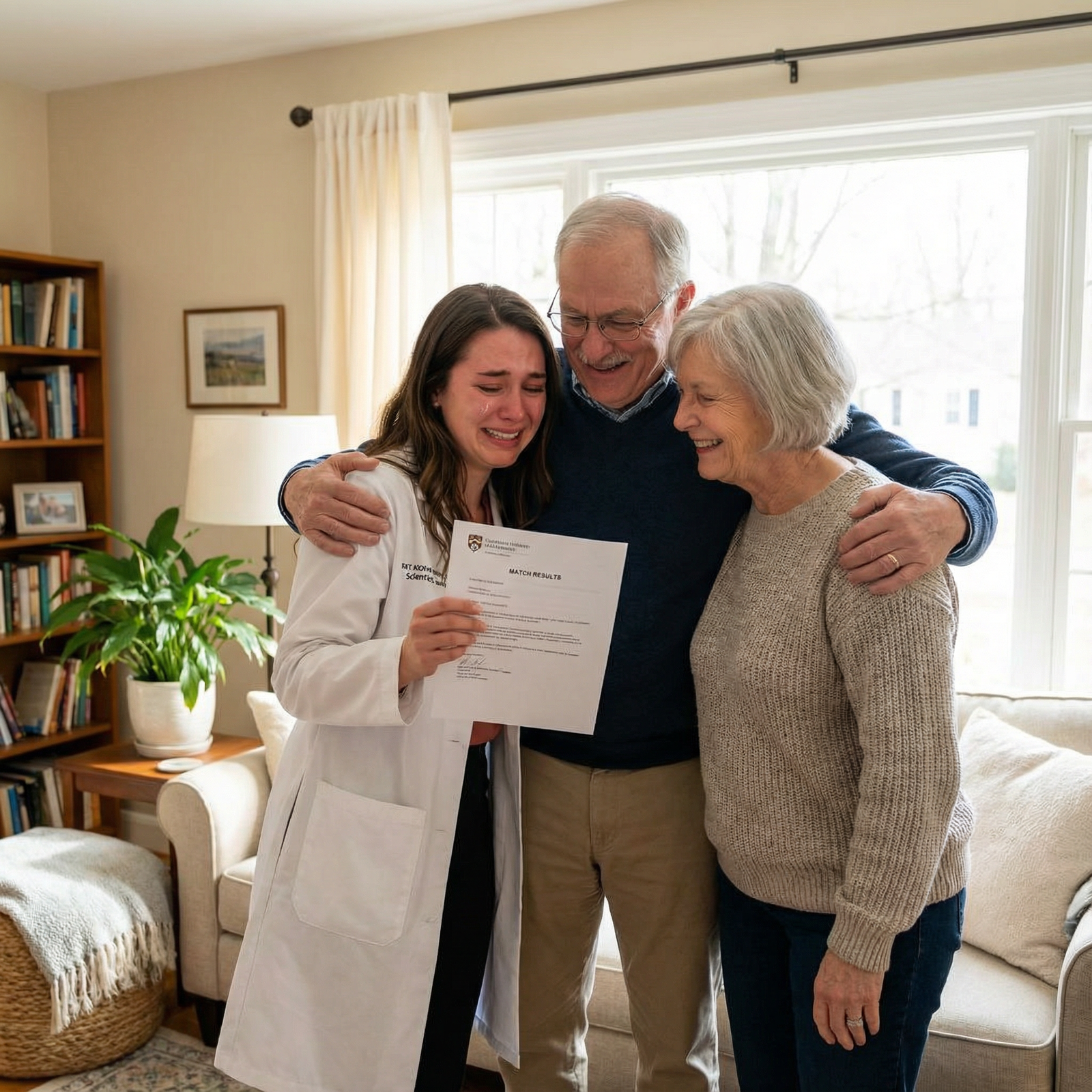
1. Celebrate Intentionally—and Give Yourself Space
Matching into a medical residency is a major professional achievement. Before diving into logistics:
- Share the news with family, friends, and mentors.
- Attend Match Day celebrations or virtual events.
- Allow yourself to experience the full range of emotions—joy, relief, surprise, even bittersweet feelings if you didn’t match at your top choice or must move far from home.
These emotions are normal. Taking time to process them will help you approach the next steps with clarity rather than impulsivity.
2. Understand What Your Match Means
Review your result carefully:
- Program name and location
- Position type: categorical, preliminary, transitional, or advanced
- Start date: typically July 1, though some programs may vary
- Contractual obligations: NRMP rules, program requirements, and non-compete clauses as applicable
If you matched into an advanced program, verify:
- Whether you already have a preliminary year
- If not, clarify any plans your school or mentors have for assisting with gap-year planning or future applications
3. Respond Promptly to Your Residency Program
Programs will typically contact you via email within days of Match Day. Common expectations include:
Review and Sign Your Contract
- Read every section carefully, including:
- Salary and benefits
- Call schedules and duty hour policies
- Moonlighting rules
- Leave policies (vacation, sick leave, parental leave)
- Professional behavior and remediation policies
- Ask questions if something is unclear. It’s acceptable to:
- Email program coordinators for clarification
- Seek guidance from a trusted faculty advisor before signing
While residency contracts are often standardized and not heavily negotiable, you should still fully understand the agreement you are entering.
Confirm Your Acceptance
- Respond exactly as instructed—usually via:
- Email confirmation
- Electronic signing portal
- Institutional HR system
- Use a professional tone:
- Thank them for the opportunity
- Express enthusiasm about joining the program
- Confirm you’ve received their communications and will complete all steps by the stated deadlines
4. Start Preparing for the Transition to Residency
Attend (or Schedule) Orientation Events
Residency orientation typically includes:
- Institutional onboarding (EMR training, HR paperwork, ID badges)
- Program-specific sessions (curriculum, expectations, evaluations)
- Meetings with program leadership and senior residents
Mark all dates in your calendar early. If you have conflicts (e.g., weddings, international travel), notify the program coordinator as soon as possible.
Plan Your Relocation Strategically
If you’re moving to a new city or state:
Housing
- Connect with current residents for advice on safe, convenient neighborhoods
- Prioritize proximity to the hospital, access to public transit, and parking availability
- Consider cost of living adjustments if your new city is more (or less) expensive than your current location
Timing
- Many residents move 2–4 weeks before residency begins
- Plan buffer time for:
- Setting up utilities and internet
- DMV visits for driver’s license / car registration
- Familiarizing yourself with commute routes and hospital layout
Budgeting
- Account for:
- Moving expenses (trucks, shipping, flights)
- Security deposits and first month’s rent
- Furniture, scrubs, and professional attire
- Look into:
- Hospital relocation stipends if available
- Resident discounts or roommate options
- Account for:
Handle Licensing, Credentialing, and Compliance
These requirements can be time-consuming. Common items include:
State medical training license or permit
- Deadlines vary by state—apply early
- Work closely with your program coordinator, who often guides trainees through the process
USMLE/COMLEX documentation
- Ensure all steps passed and scores are accessible
- Some boards require official verification
Immunizations and Occupational Health
- Maintain up-to-date records for:
- Hepatitis B
- MMR
- Varicella
- Tdap
- TB screening
- Influenza (in season)
- Many institutions require drug screening prior to start date
- Maintain up-to-date records for:
Background Checks
- Expect criminal background checks and potential fingerprinting
- Complete promptly to avoid delays in your start date
5. Begin Building Your Professional Network
Residency is not just a job; it’s your primary professional community for the next 3–7 years.
Connect with co-interns and current residents
- Join program group chats, listservs, or social media groups
- Ask about:
- Recommended neighborhoods
- Tips for starting rotations smoothly
- Call room etiquette and hospital culture
Reach out to faculty in your areas of interest
- If you’re considering fellowship, identify potential mentors early:
- Email faculty with a brief introduction and interest statement
- Ask about research, QI projects, or committees you might join once you’re settled
- If you’re considering fellowship, identify potential mentors early:
Maintain ties with your medical school mentors
- They can continue to advise you on career planning, fellowships, and navigating early residency challenges
6. Use the Final Months of Medical School Wisely
The period between Match Day and residency is a unique window.
Consider:
Clinical readiness
- Take sub-internships or elective rotations that strengthen skills in your matched specialty
- Practice common procedures, documentation, and presentations
Personal wellness
- Spend time with family and friends, especially if you’re moving far away
- Schedule health appointments (dental, eye exams, routine physicals)
- Address any chronic health issues proactively
Life logistics
- Organize your financial life:
- Review student loan repayment options and grace periods
- Create a basic budget based on your resident salary
- Update important documents:
- Mailing address
- Voter registration
- Bank accounts and credit cards
- Organize your financial life:
If You Didn’t Match: Regrouping, SOAP, and Strategic Next Steps
Not matching is deeply painful, but it is survivable—and many unmatched applicants go on to secure excellent residency positions later. The key is to respond strategically rather than reactively.
1. First 24–48 Hours: Process and Seek Support
Allow yourself to feel disappointed, frustrated, or shocked. Then:
- Reach out to:
- Your dean’s office or student affairs
- Specialty advisors
- Mentors who know you and your application
You do not have to navigate this alone. Your school likely has a structured process to support unmatched students, especially during SOAP.
2. Understanding SOAP: The Modern “Scramble”
The Supplemental Offer and Acceptance Program (SOAP) is an organized way to fill unfilled residency positions after the main Match.
SOAP Eligibility Basics
You are generally SOAP-eligible if:
- You registered for the NRMP Match
- You are unmatched or partially matched after the main Match process
- You are eligible for U.S. GME training (degree completion, exams, etc.)
Confirm details on the NRMP website and with your dean’s office, as requirements may change slightly year to year.
How SOAP Works in Practice
Monday of Match Week
You learn if you are unmatched / partially matched. NRMP releases the list of unfilled programs (only to eligible applicants).Application Rounds
Over several rounds, you:- Submit applications via ERAS (with limits on number of programs)
- Programs review and extend offers in scheduled SOAP rounds
- You may receive, accept, or decline offers during specific time windows
Important SOAP Strategies
- Work closely with your school advisors—they often have SOAP “war rooms” to help:
- Identify realistic target programs
- Rapidly tailor personal statements
- Decide quickly about offers
- Be flexible in:
- Geography
- Program type (categorical vs preliminary)
- Sometimes even specialty (e.g., shifting from a highly competitive field to Internal Medicine, Family Medicine, Pediatrics, or Psychiatry for this cycle)
- Work closely with your school advisors—they often have SOAP “war rooms” to help:
3. If You Still Don’t Secure a Position in SOAP
If SOAP does not yield a position, it’s essential to step back and do a structured review of your situation.
Analyze Your Application Honestly
With your mentors, evaluate:
- Academic metrics
- USMLE/COMLEX scores, failures, or repeats
- Clerkship grades
- Specialty competitiveness
- Were your specialty choices realistic given your profile?
- Application components
- Strength and relevance of letters of recommendation
- Personal statement clarity and authenticity
- Number and type of programs applied to
- Red flags
- Leaves of absence
- Professionalism concerns
- Limited U.S. clinical experience (especially for IMGs)
This analysis is not about blame—it’s about diagnosis, so you can craft an effective treatment plan (your reapplication strategy).
Consider Your Post-Match Year Options
You have multiple pathways:
Research positions
- Clinical or basic science research in your desired specialty or a related field
- Benefits:
- New mentors
- Publications and presentations
- Stronger letters of recommendation
Additional clinical experience
- For IMGs: U.S. clinical observerships or externships
- For U.S. grads: Hospital-based jobs such as clinical research coordinator, scribe, or physician extender roles (where allowed)
Further education or certification
- MPH, MBA, or other degrees can be valuable—but only pursue them if:
- They align with your long-term goals
- You can clearly articulate how they strengthen your residency application
- MPH, MBA, or other degrees can be valuable—but only pursue them if:
Exam improvement
- If scores were a limiting factor and you’re eligible, consider retaking relevant exams (where permitted) or focusing on strong Step 3 performance before reapplying.
4. Reapplying for Next Year’s Match
If you decide to re-enter the Medical Residency Match:
Start early
- Begin strategizing immediately after Match Week
- Set concrete goals and timelines for:
- Research output
- New letters of recommendation
- Additional clinical experience
Broaden your application strategy
- Apply more widely in terms of:
- Geography
- Program type (academic vs community)
- Consider complementary specialties that fit your interests and profile
- Apply more widely in terms of:
Strengthen your narrative
- Use your personal statement and interviews to:
- Acknowledge setbacks without dwelling on them
- Highlight growth, resilience, and what you’ve done to improve
- Clarify why you remain committed to your chosen specialty (or why you’ve thoughtfully shifted to another)
- Use your personal statement and interviews to:
Many previously unmatched applicants successfully match in a subsequent cycle. The difference often comes from a more targeted strategy, enhanced credentials, and a clearer story.
Maintaining Wellness, Perspective, and Professionalism

Regardless of your Match Day outcome, this period is emotionally and mentally intense. Protecting your wellbeing is not optional—it’s essential.
Emotional Health and Support Systems
Normalize mixed emotions
- Even students who match at their top choice experience stress, uncertainty, and imposter syndrome.
- Those who don’t match may feel shame or isolation—these feelings are common but do not define your worth or future.
Use available resources
- Student wellness centers
- Confidential counseling services
- Peer support groups
- Faculty mentors willing to share their own career detours
Social Media and Professionalism
- Be thoughtful about what you share online:
- Celebrate your success without disclosing identifiable patient or program information.
- If you didn’t match, you are not obligated to share this publicly.
- Avoid:
- Negative comments about programs, specialties, or the Match process
- Posting sensitive screenshots or communications
Remember that programs, faculty, and future colleagues may see your public online presence.
Long-Term Perspective
Your Match Day result feels all-encompassing now, but:
- Many physicians are not in the specialty they initially envisioned—and are very satisfied.
- Career paths are often nonlinear:
- Changing specialties
- Pursuing fellowships in subspecialties you hadn’t previously considered
- Transitioning into leadership, education, research, or administration later on
What matters most is how you respond, grow, and continue moving toward the kind of physician you want to become.
Frequently Asked Questions About Match Day Results and Next Steps
1. What if I matched but later realize I’m not happy with the specialty or program?
Changing programs or specialties after matching is possible but complex:
- Within the same institution:
Rare and requires:- Open PGY positions in another specialty
- Support from both current and potential new program directors
- Between institutions:
Requires:- Available positions elsewhere
- A formal transfer process, often through direct contact with programs or via off-cycle positions
Before making decisions:
- Talk to your program director and trusted mentors.
- Complete at least some of your residency time—you may discover that early discomfort is temporary and improves with experience and support.
2. Is there a strict deadline for accepting my matched position?
NRMP rules bind both you and the program to the Match result. However, at the institutional level:
- Programs often set specific deadlines for:
- Returning contracts
- Completing onboarding documents
- If you anticipate delays (e.g., travel, technical issues), communicate early with the program coordinator.
Ignoring deadlines or communications can be viewed as unprofessional and may complicate your onboarding.
3. How can I start networking with my future residency colleagues and faculty?
Effective networking strategies include:
- Responding to group emails or chats to introduce yourself briefly.
- Joining:
- Program social media groups
- WhatsApp or GroupMe chats for incoming residents
- Asking senior residents:
- What they wish they had known before starting
- Recommended reading or resources for your specialty
Once you start residency:
- Attend departmental conferences and journal clubs.
- Join committees or QI projects that align with your interests.
4. If I’m unmatched, should I immediately switch to a less competitive specialty?
Not necessarily. Consider:
- Your long-term passion and fit
- The reasons you didn’t match:
- If your metrics and application are fundamentally competitive for your original specialty, a strengthening year (research, additional experience) may be reasonable.
- If there is a significant mismatch between your profile and your chosen specialty’s competitiveness, a thoughtful pivot may increase your chances of success and long-term satisfaction.
Discuss openly with mentors who understand both your goals and the realities of different specialties.
5. What should I emphasize in my personal statement if I reapply to the Match?
For reapplicants, a strong personal statement should:
- Acknowledge (briefly, professionally) that you’re reapplying, without focusing excessively on failure.
- Emphasize:
- What you’ve done since your previous application to grow as a candidate and clinician.
- Specific skills, insights, and maturity gained from research, clinical work, or other experiences.
- Clearly articulate:
- Why this specialty is the right fit for you.
- How your experiences will make you a valuable resident and team member.
Work closely with advisors familiar with residency admissions to refine your statement.
Navigating Match Day results—whether triumphant or disappointing—is a defining moment in your medical journey. By understanding your options, seeking guidance, and approaching each next step with intention, you can transform this transition into a strong foundation for your medical residency and long-term career.