Understanding Your Match Day Results and What Comes Next
Match Day is a defining moment in your medical journey. The envelope (or email) you opened doesn’t just tell you where you’ll train—it sets the stage for your professional development, personal life, and future opportunities. As the initial excitement settles, it’s time to move from celebration to preparation.
Your Match results typically include your:
- Program name and institution
- Specialty and track (categorical, preliminary, advanced, physician-only, etc.)
- Training location(s) and affiliated hospitals
- Start date and contract details (sent shortly after Match)
Analyze Your Program and Specialty
Take time to go beyond the name of the program:
Review the program website thoroughly
- Mission and values: Are they community-focused, research-heavy, or clinically intense?
- Curriculum: Inpatient vs outpatient balance, night float, elective time, ICU exposure.
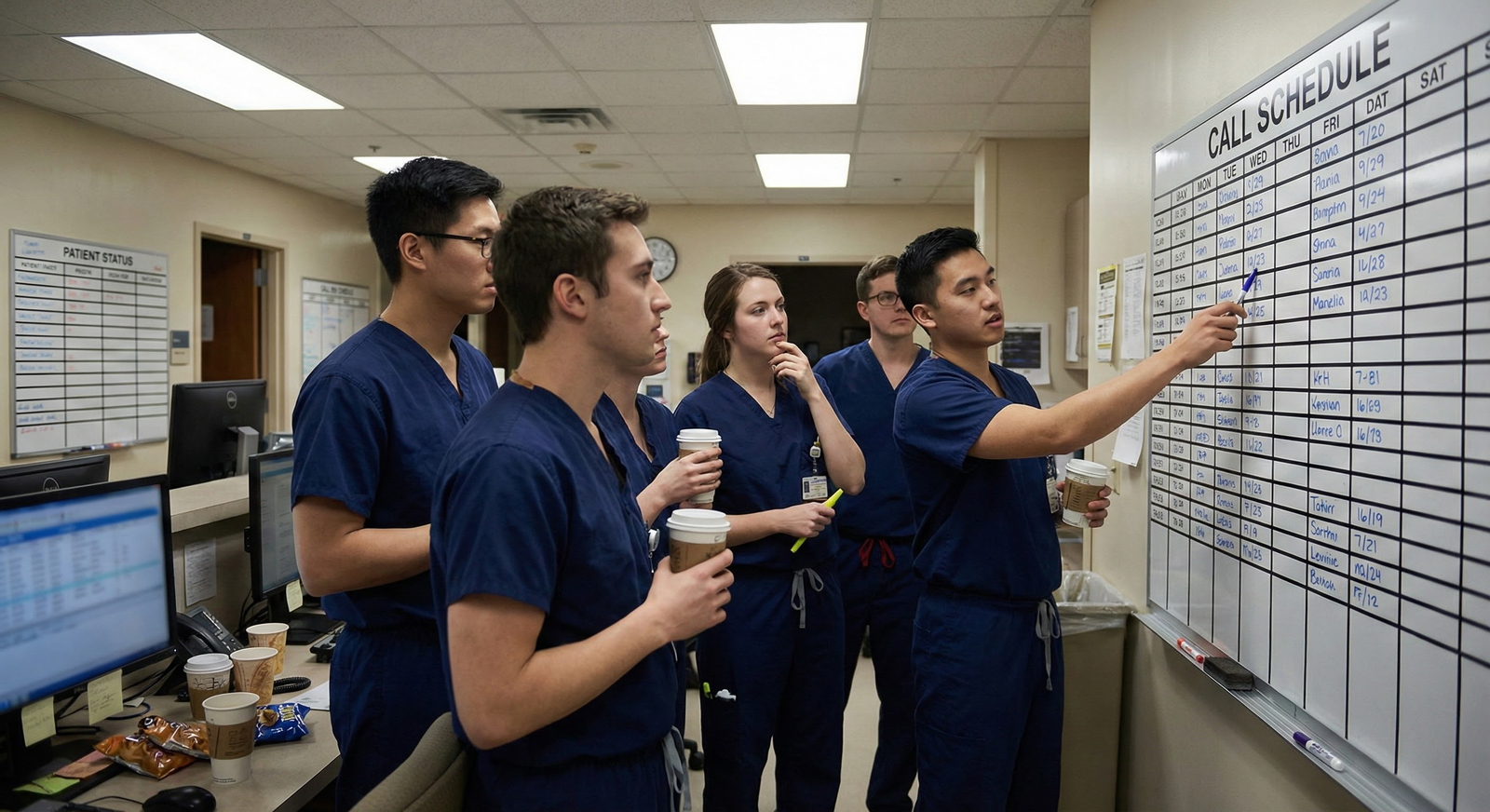
- Call structure and schedule: What will your typical week look like?
- Evaluation and feedback: How often? What tools? How are milestones tracked?
Clarify your specialty expectations
- Look up ACGME program requirements for your specialty.
- Understand core competencies: patient care, medical knowledge, systems-based practice, professionalism, communication, practice-based learning.
- Note any special features: integrated research tracks, global health opportunities, leadership pathways.
Understand the Location and Lifestyle Implications
Your residency city will shape your day-to-day life:
- Cost of living: Compare your program’s city to where you’ve lived before. Use salary calculators to understand how resident pay translates into actual living expenses.
- Commute times: Proximity to your main hospital matters more in residency than almost any other job you’ll have. Consider traffic patterns, public transit, and parking.
- Community and culture: Look into:
- Safety and neighborhood feel
- Diversity and inclusivity
- Local communities aligned with your background, language, or interests
- Religious centers, cultural groups, or interest-based communities
Take a moment to honor how far you’ve come. Then shift into intentional planning: imagine your role as a new resident, the physician you want to become, and the steps needed to get there.
Preparing for Relocation as a New Resident
Relocation is often the first major logistical challenge after Match Day. Organized planning now can reduce stress later and protect your mental health as you approach your start date.

Step 1: Clarify Timeline and Requirements
Before packing a box, gather key information:
Official start date and orientation schedule
- Most programs start July 1, but orientations often begin in late June.
- Ask your program coordinator for a detailed schedule.
Employment and credentialing deadlines
- Licensing or training permit requirements and deadlines.
- Background checks, drug screening, immunization records.
- BLS/ACLS/PALS certifications: confirm what’s required and whether your program arranges this.
Visa or immigration status (if applicable)
- Confirm timelines and documentation with your program and immigration attorney.
- Stay ahead of any paperwork that could delay your start.
Step 2: Finding the Right Housing
Housing can directly impact your quality of life and performance in residency.
Key considerations:
Distance to primary hospital
- Aim for a commute under 30 minutes if possible, especially for call or night float.
- Check commute during peak hours, not just midday.
Safety and convenience
- Look up crime maps and resident reviews.
- Prioritize:
- Well-lit streets and secure building access
- Nearby grocery stores, pharmacies, and laundries
- 24-hour conveniences if you’ll work many nights
Budget planning
- General guideline: keep rent within a manageable portion of your PGY-1 salary.
- Don’t forget:
- Parking fees at home and hospital
- Utilities and internet
- Renter’s insurance
Practical tips:
- Ask your program if they:
- Maintain a housing guide or preferred landlord list.
- Have a resident group chat or listserv where outgoing residents advertise apartments or roommates.
- Consider short-term or month-to-month leases if you’re unsure about the area. You can always move once you know the city better.
Step 3: Plan Your Move Strategically
Once you know where you’re going and where you’ll live:
Book movers or a rental truck early
- Summer is peak moving season—especially in academic cities.
- Compare full-service movers vs. DIY with a truck and friends.
Organize essential documents Keep a dedicated folder (physical and digital) for:
- Match letter and contract
- Medical school diploma
- Immunization records and TB documentation
- Licensing/permit paperwork
- Identification (passport, driver’s license)
Set up essential services before arrival
- Electricity, water, gas, and internet.
- Change your mailing address with:
- USPS (or national equivalent)
- Banks, credit cards, student loan servicers
- Licensing boards and professional organizations
Step 4: Explore and “Pre-Adapt” to Your New Environment
If possible, visit your new city before starting:
- Walk through the hospital complex and locate:
- Main entrances, ED entrance, ICUs, cafeteria, call rooms
- Employee parking or transit routes
- Drive or commute your likely route at the time you’ll actually travel (early morning, late night).
- Identify:
- Closest 24-hour pharmacy
- Affordable grocery store
- A gym, park, or place for mental reset
If an advance visit isn’t feasible, use:
- Google Maps/Street View to virtually explore.
- Online community groups, resident forums, and social media to ask program-specific questions.
Your First Day and First Weeks of Residency
Your first day as a new resident is memorable—and often overwhelming. A bit of structure will help you show up confident, prepared, and ready to learn.
Plan Your First Day Logistics
- Arrive early—truly early
- Aim to be on site 30–45 minutes before needed, especially if you’re unfamiliar with parking and elevators.
- Dress professionally and program-appropriate
- Confirm:
- White coat expectations
- Scrub color and access (hospital-provided vs. personal)
- Footwear policies (closed-toe, non-slip)
- Confirm:
- Bring essentials
- Notepad or small notebook
- Pens and a small highlighter
- Hospital ID (or documentation to obtain it)
- Stethoscope and small reference book or app
- Snacks and a water bottle (you may miss the cafeteria window)
Making a Strong First Impression
Residency runs on teamwork and trust:
- Introduce yourself clearly and repeatedly
- To attendings, seniors, co-interns, nurses, techs, pharmacists, therapists, and unit coordinators.
- Use your full name and role: “Hi, I’m Dr. ___, one of the new PGY-1 residents.”
- Show willingness to help
- Volunteer to:
- Call consults (with supervision at first)
- Follow up on labs or imaging
- Update families under guidance
- Volunteer to:
- Be honest about what you don’t know
- It builds trust and protects patient safety.
- Phrases like “I’m not sure, but I’ll look that up and get back to you” go a long way.
Navigating the First Month
The first few weeks set the tone:
- Learn your systems early
- Electronic Health Record (EHR): practice notes, orders, messaging, task lists.
- Paging or secure messaging system.
- How to admit, transfer, and discharge patients efficiently.
- Watch your seniors
- Observe how they preround, present on rounds, and prioritize tasks.
- Ask them to walk you through their “mental checklist” for common scenarios (chest pain, sepsis, GI bleed, etc.).
- Keep a running list of questions
- Divide them into:
- Urgent/clinical (ask immediately)
- Learning/curiosity (review later)
- Use downtime to seek answers or discuss cases.
- Divide them into:
Setting Yourself Up for Success in Medical Residency
Residency is demanding, but you can proactively design systems that support your performance, learning, and well-being.
Master Your Schedule and Time Management
- Use a calendar you will reliably check
- Combine:
- Rotation schedule
- Call or night float shifts
- Conferences and mandatory didactics
- Exams and licensing deadlines (USMLE Step 3, specialty in-training exams)
- Combine:
- Set recurring reminders
- Start-of-rotation prep (review common diagnoses, typical workflows).
- End-of-rotation tasks (evaluations, log procedures, update CV).
Develop daily routines:
- Morning routine
- Quick review of overnight events, new admissions, and critical labs.
- Create a to-do list for each patient.
- Pre-sign-out check
- Ensure:
- Critical labs/imaging are followed up.
- Consultants have been updated.
- Clear sign-out is given to night team.
- Ensure:
Learn Hospital Protocols and Safety Systems
Understanding institutional protocols keeps patients safe and protects you:
- Know critical pathways
- Code procedures and rapid response activation.
- Stroke, STEMI, sepsis, and trauma protocols.
- Understand supervision structure
- When to call your senior, fellow, or attending.
- Clear thresholds for escalating concerns.
Use institutional resources:
- Online handbooks
- Clinical pathways
- Antibiotic stewardship guidelines
- Order sets tailored to common conditions
Build Your Personal Clinical Toolkit
Create a curated set of go-to resources:
- Apps and digital tools
- Drug reference (e.g., Lexicomp, Micromedex)
- General medicine reference (e.g., UpToDate, DynaMed)
- Calculator apps for risk scores and dosing
- Reference documents
- Personal “survival guide” or note file for:
- How to write common admission and progress notes.
- Typical order sets for common diagnoses.
- Local antibiotic preferences and dosing.
- Personal “survival guide” or note file for:
Ask seniors for any intern handbooks or “cheat sheets” they’ve created. Adapt them to your workflow.
Building Support Systems: You Don’t Have to Do This Alone
Residency is intense. Having robust personal and professional support is essential for your mental health, resilience, and long-term growth.
Find and Nurture Mentorship
Mentors can shape your residency experience and beyond:
- Types of mentors
- Clinical mentor (day-to-day patient care and practical skills).
- Career mentor (fellowship decisions, academic vs community trajectory).
- Research mentor (publications, quality improvement projects).
- How to identify a good mentor
- Attending or senior who:
- Enjoys teaching.
- Makes time for you.
- Gives honest but constructive feedback.
- Attending or senior who:
- How to maintain the relationship
- Schedule periodic check-ins (every 3–6 months).
- Come prepared with:
- Specific questions.
- Updated CV.
- Short- and long-term goals.
Connect with Your Peers
Peer support is one of the most powerful buffers against burnout:
- Invest in relationships with:
- Co-interns and upper-level residents.
- Fellows and advanced practice providers.
- Join:
- Group chats or messaging channels for your class or rotation.
- Informal dinners, game nights, or resident social events.
Sharing experiences—especially early mistakes and learning curves—normalizes the challenges of residency and reduces isolation.
Engage with Professional Organizations
Professional societies accelerate your development and expand your network:
- Join your specialty’s national organization
- Many offer discounted resident memberships.
- Access to:
- Conferences and workshops.
- Guidelines and educational content.
- Mentoring programs and career fairs.
- Explore local and national opportunities
- Resident committees.
- Advocacy and policy work.
- Leadership and teaching opportunities.
Continuous Learning, Professional Development, and Growth
Residency is the most concentrated period of professional development in your career. Being intentional will multiply what you gain from each rotation.
Set Clear Learning and Career Goals
Break your goals into tiers:
- Short-term (per rotation)
- “By the end of this ICU month, I want to confidently manage ventilator settings under supervision.”
- “On this outpatient block, I’ll improve my diabetes management plans and patient counseling skills.”
- Medium-term (per year)
- Passing Step 3.
- Presenting a poster or publishing a case report.
- Taking on a resident leadership role or committee position.
- Long-term (residency and beyond)
- Fellowship vs generalist vs hospitalist vs academic path.
- Geographic preferences for future jobs.
Review your goals quarterly and adjust based on new experiences and interests.
Make Feedback Your Ally
Feedback is essential to growth:
- Actively seek feedback
- Ask for specific, behavior-based feedback:
- “What’s one thing I can do to improve my presentations?”
- “How can I be more efficient on rounds?”
- Ask for specific, behavior-based feedback:
- Respond constructively
- Listen without becoming defensive.
- Reflect: identify concrete actions you can take.
- Follow up later to show you applied the advice.
Document meaningful feedback, both positive and constructive, to track your progress over time.
Engage in Scholarship and Leadership
Even if you’re not sure you want an academic career, scholarly and leadership activities enhance your skills and open doors:
- Scholarly projects
- Case reports or series.
- Quality improvement projects (e.g., reducing readmissions, improving handoffs).
- Clinical research or education projects.
- Leadership
- Residency program committees (wellness, curriculum, recruitment).
- Hospital initiatives (patient experience, safety).
- Teaching roles for medical students and junior residents.
These activities deepen your understanding of systems-based practice and strengthen your CV for fellowship or job applications.
Protecting Your Mental and Emotional Health During Residency
High workload, long hours, and emotional intensity make residency a vulnerable period for mental health challenges. Protecting your well-being is not optional—it’s essential for safe patient care and a sustainable career.

Recognize Common Stressors and Warning Signs
Common stressors:
- Sleep deprivation and circadian disruption.
- Emotional burden of patient suffering and death.
- Fear of making mistakes.
- Financial and relationship stress, especially after relocation.
Warning signs that you need additional support:
- Persistent low mood or loss of interest in activities.
- Chronic irritability or emotional numbness.
- Declining performance or frequent errors.
- Increased reliance on alcohol or substances.
- Thoughts of self-harm, hopelessness, or feeling that others would be better off without you.
These are signals to reach out—not personal failures.
Develop Healthy Coping and Recovery Strategies
Basic foundations
- Protect sleep whenever possible; even small improvements (dark room, sleep mask, consistent pre-sleep routine) help.
- Prioritize regular meals and hydration—keep snacks at work.
- Incorporate movement: short walks, simple stretches, or brief workouts between shifts.
Mind-body and mental resets
- Short mindfulness exercises or breathing techniques between patients or before sign-out.
- Journaling or debriefing with a trusted friend after difficult cases.
- Scheduling regular activities that are “non-medical” (hobbies, music, art, sports).
Use Institutional and External Resources Early
Most residency programs offer:
- Confidential counseling or Employee Assistance Programs (EAP).
- Resident wellness committees and peer support groups.
- Dedicated wellness days or events.
- Access to mental health professionals familiar with physician issues.
If you’re struggling, reach out promptly:
- Your program director or associate program director (for support and accommodations).
- A trusted mentor or senior resident.
- Professional mental health services, either through your institution or independently.
Seeking help is a mark of maturity and professionalism—not weakness.
FAQs: Common Questions for New Residents After Match Day
1. I didn’t match at my top-choice program. How do I move forward?
It’s normal to feel disappointed if you didn’t match at your first-choice program or location. Give yourself space to process that loss, but remember:
- Many residents thrive and build outstanding careers from programs that were originally lower on their rank list.
- Focus on what you can control now:
- Building strong relationships.
- Excelling clinically.
- Seeking mentorship and scholarly opportunities.
- Great fellowship and job placements come from performance and professionalism, not just program name. Your residency is what you make of it.
2. How can I prepare clinically before starting residency?
You don’t need to “know everything” before day one, but you can ease the transition by:
- Reviewing core topics in your specialty (using trusted review books, question banks, or online resources).
- Practicing:
- Writing concise H&P and progress notes.
- Oral presentations using a structured format.
- Reviewing hospital medicine basics:
- Management of common inpatient conditions (e.g., pneumonia, CHF, DKA).
- Initial evaluation of chest pain, shortness of breath, and altered mental status.
- Ensuring certifications (BLS, ACLS, PALS as appropriate) are current.
3. What should I do if I feel overwhelmed or like I’m falling behind?
Feeling overwhelmed is extremely common, especially in the first months:
- Communicate early:
- Talk to your senior or chief residents about specific struggles (time management, documentation, clinical reasoning).
- Ask for targeted help:
- Request tips, observe how others structure their day, and try new strategies.
- Use institutional support:
- Access mental health resources if stress is impacting your mood, sleep, or functioning.
- Normalize the experience:
- Many residents experience imposter syndrome and growing pains early on. Sharing this with peers can be relieving.
4. How do I balance professional development with not burning out?
Balance requires boundaries and intentional choices:
- Prioritize your core roles:
- Being a safe, reliable clinician and solid team member comes first.
- Layer in extras strategically:
- Start with one project or committee at a time rather than saying yes to everything.
- Align projects with your career goals (e.g., research if fellowship-bound, QI if interested in hospital leadership).
- Schedule rest as deliberately as work:
- Protect some evenings or days off for true downtime.
- Communicate your limits: it’s okay to say, “I’m interested, but my plate is full this month; can we revisit this later?”
5. How can I maintain relationships and personal life during residency?
While residency is time-consuming, meaningful relationships are critical for resilience:
- Set expectations early with partners, family, and friends about:
- Variable hours and call schedules.
- Times when you’ll be least reachable.
- Use small but consistent touchpoints:
- Quick evening check-ins, shared calendars, planned phone calls.
- Be intentional with days off:
- Plan occasional trips, dates, or social events in advance.
- Include your support network in your journey:
- Share what your workdays are like, within patient privacy limits.
- Help them understand why residency can be both fulfilling and draining.
Conclusion: Embrace the Transition, Invest in Yourself
Match Day marks the beginning of an intense, transformative chapter in your life as a physician. Navigating relocation, your first days in the hospital, and the rapid learning curve of residency will test and grow you in ways that are hard to imagine now.
By:
- Understanding your Match results and program expectations,
- Planning your relocation and daily logistics carefully,
- Building strong support systems and mentorship,
- Prioritizing continuous learning and professional development,
- And fiercely protecting your mental and emotional health,
you set yourself up not just to survive residency, but to thrive in it.
You have earned your place in this next stage. Lean on your colleagues, mentors, and support networks, and remember: you are not alone in this process. Each day, you’ll move closer to the skilled, compassionate, and resilient physician you set out to become.