
Introduction: Why Cultural Competency Matters in Medical School Interviews
Medicine today is practiced in a world of immense cultural, linguistic, and socioeconomic diversity. As future physicians, today’s applicants will care for patients whose beliefs, identities, and life experiences may be very different from their own. Cultural Competency is no longer a “bonus” skill; it is a core expectation for anyone entering the profession.
Admissions committees know this. That’s why Medical School Interviews increasingly probe how you think about culture, identity, Healthcare Diversity, and Health Equity—and how you turn those values into concrete actions in Patient Care.
This guide will help you:
- Understand what Cultural Competency truly means in a clinical context
- Anticipate and answer common interview questions on diversity and inclusion
- Connect your personal experiences to the school’s mission and values
- Demonstrate that you are ready to learn, grow, and advocate for equitable care
By the end, you’ll be able to show not only that you value diversity in theory, but that you have already begun practicing culturally responsive care—and are prepared to deepen that commitment in medical school.
Understanding Cultural Competency in Healthcare
What Is Cultural Competency in Medicine?
Cultural Competency is the ability to provide effective, respectful, and equitable Patient Care to people from all backgrounds. It involves more than knowing facts about different cultures. At its core, it is about:
- Recognizing that culture—and the intersection of race, ethnicity, language, religion, gender identity, sexual orientation, socioeconomic status, disability, and more—shapes how patients experience health and illness.
- Examining your own assumptions, biases, and blind spots.
- Adjusting your communication and clinical approach in ways that respect each patient’s values, needs, and preferences.
- Working to reduce disparities and promote Health Equity.
In interviews, committees look for evidence that you understand this broader view—not just that you can recite a textbook definition.
Key Components of Cultural Competency
You can think of Cultural Competency as having three interrelated components that are highly relevant to Medical School Interviews:
Awareness and Knowledge
- Awareness of your own background, privilege, and potential biases.
- Knowledge of how social determinants of health (housing, education, income, immigration status, discrimination) affect outcomes.
- Understanding that different communities may have distinct beliefs about illness, treatment, and healthcare systems.
Attitudes and Interpersonal Skills
- Genuine curiosity and respect for differences instead of judgment.
- Active listening and clear, non-judgmental communication.
- Willingness to ask patients what matters to them rather than making assumptions.
- Humility—the recognition that you will never know everything and must be open to learning from patients and colleagues.
Action, Advocacy, and Adaptation
- Taking steps to make care more accessible (e.g., using interpreters, adjusting explanations to health literacy).
- Supporting policies or initiatives that promote Healthcare Diversity and Health Equity.
- Advocating for patients facing systemic barriers, even when it’s inconvenient.
- Engaging in ongoing education about culture, bias, and structural racism in healthcare.
When interviewing, you should aim to show how your experiences reflect all three: what you’ve learned (knowledge), how you’ve behaved (skills and attitudes), and what you’ve done to promote equity (action).
Why Medical Schools Prioritize Cultural Competency
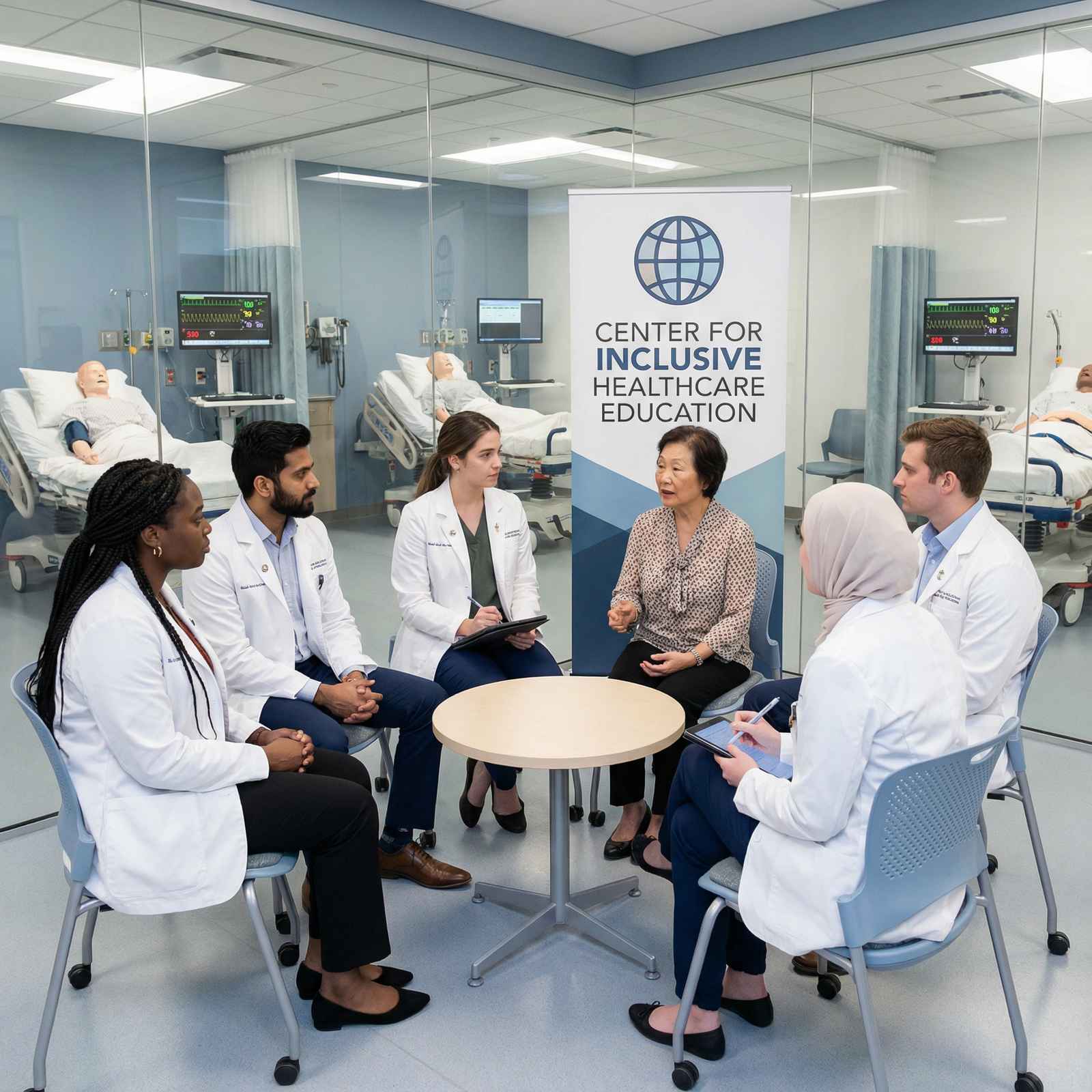
The Link Between Cultural Competency and Patient Care
Medical schools are increasingly explicit: they are not only training clinicians, they are training advocates for Health Equity. Cultural Competency directly affects:
- Diagnostic Accuracy: Patients may describe symptoms differently based on cultural norms or language; miscommunication can lead to missed diagnoses.
- Treatment Adherence: When patients feel respected and understood, they are more likely to follow treatment recommendations.
- Trust in Healthcare Systems: Historically marginalized communities often have justified mistrust; culturally competent interactions can begin to rebuild trust.
- Reduction of Health Disparities: Clinicians who understand systemic inequities are better equipped to connect patients with resources, adjust care plans, and advocate for change.
Interviewers are looking for candidates who already understand that good medicine is not just about science—it is also about context, culture, and relationships.
What Admissions Committees Want to See
During Medical School Interviews, demonstrating Cultural Competency signals that you can:
- Function effectively in diverse clinical teams and patient populations
- Contribute meaningfully to a class that reflects Healthcare Diversity
- Engage productively with a curriculum that includes social medicine, ethics, and community health
- Represent the institution well in clinical settings and community partnerships
You do not need to have solved major public health problems; committees want to see that you are:
- Thoughtful about identity and diversity
- Honest about your learning process and mistakes
- Already taking steps—large or small—to advance equitable Patient Care
Preparing for Cultural Competency Interview Questions
Admissions committees use a range of question types to assess your Cultural Competency. Preparation allows you to answer with depth instead of generic statements.
Common Interview Questions on Culture and Diversity
Below are typical questions you might encounter, along with preparation strategies and example angles you might take.
“Can you describe a time when you encountered a cultural difference while working with a patient, colleague, or peer?”
- How to prepare:
- Select an example where culture, language, religion, or identity created a misunderstanding or challenge.
- Focus on what you did to adapt and what you learned.
- Example angle:
- A clinic encounter where a patient’s religious beliefs affected their acceptance of a treatment plan.
- A group project where differing cultural communication styles caused conflict, and you helped bridge the gap.
- How to prepare:
“How do you plan to address health disparities in your future practice?”
- How to prepare:
- Reflect on specific populations you’ve worked with (e.g., rural communities, immigrant groups, LGBTQ+ youth, uninsured patients).
- Connect your past experiences (research, volunteering, advocacy) with realistic future goals.
- Example angle:
- Discuss volunteering at a mobile health clinic and how it exposed you to transportation and financial barriers.
- Describe your interest in primary care, psychiatry, or another specialty and how you hope to integrate community partnerships and advocacy.
- How to prepare:
“What does cultural competence mean to you, and how will you foster it in your practice?”
- How to prepare:
- Develop a concise, personalized definition.
- Include both humility (ongoing learning) and concrete behaviors (e.g., using interpreters, checking assumptions).
- Example angle:
- “To me, Cultural Competency is less about mastering facts about every culture and more about consistently approaching each patient with curiosity, respect, and a willingness to adapt my care to their values and context.”
- How to prepare:
“Describe an experience when you recognized your own bias. How did you address it?”
- How to prepare:
- Choose a real example; committees can sense when stories are vague or fabricated.
- Show growth, not perfection—what changed as a result?
- Example angle:
- Realizing you had different expectations of certain patients or peers based on accent, appearance, or background.
- Noticing you dismissed a patient’s pain or concern too quickly and later reconsidered your assumptions.
- How to prepare:
“In your view, how should medical schools teach and assess cultural competency?”
- How to prepare:
- Think beyond a single lecture—what would meaningful training look like?
- Example ideas:
- Longitudinal community partnerships
- Standardized patient encounters that include complex social and cultural dynamics
- Reflection exercises and small-group discussion on bias and structural racism
- Evaluating not just knowledge but behaviors and communication in clinical settings
- How to prepare:
Using the STAR Method to Structure Your Answers
For any behavioral question (“Tell me about a time when…”), use the STAR method to keep your response focused and impactful:
- Situation – Briefly set the scene: where were you, who was involved, what was at stake?
- Task – What was your role or responsibility?
- Action – What exactly did you do, say, or change?
- Result – What happened, and what did you learn or do differently afterward?
This structure helps you avoid rambling and ensures you highlight your insight, not just the story.
Researching and Aligning With Medical School Values
Every medical school talks about diversity and inclusion, but the specifics differ. Demonstrating Cultural Competency during Medical School Interviews also means showing that you understand—and fit with—the school’s particular approach to Healthcare Diversity and Health Equity.
Step 1: Study the School’s Mission and Curriculum
On the school’s website, look for:
- Mission and Vision Statements: Note language about Health Equity, community engagement, underserved populations, or social justice.
- Curriculum Pages: Look for required courses in ethics, health disparities, public health, or community-based learning.
- Office of Diversity, Equity, and Inclusion: Explore their initiatives, mentorship programs, and student organizations.
When you speak about Cultural Competency, connect your values and experiences to these specific elements. For example:
“I was particularly drawn to your longitudinal community health curriculum and the emphasis on partnering with local organizations. In my work with a free clinic, I saw how valuable it is to understand patients’ lives outside the exam room, and I’m excited about continuing that kind of engagement here.”
Step 2: Learn From Current Students and Alumni
Reach out via:
- LinkedIn or your undergraduate alumni network
- Student ambassadors listed on the school’s admissions site
- Virtual or in-person open houses
Ask open-ended questions, such as:
- “How does your school incorporate Cultural Competency into clinical training?”
- “What opportunities exist to work with underserved or marginalized communities?”
- “How does the school support students from diverse backgrounds?”
Use their responses to tailor your interview answers and, if appropriate, mention what you learned:
“When I spoke with a current student, they described how your preclinical small groups often discuss cases involving language barriers and structural racism. That kind of explicit integration of Health Equity into clinical reasoning is exactly what I’m looking for.”
Step 3: Monitor Events and Social Media
Follow the school’s:
- Office of Diversity/DEI social media accounts
- Student organizations focusing on minority groups, global health, or community service
- Newsroom or blog highlighting community partnerships and equity initiatives
These sources give you up-to-date examples you can reference in interviews to show genuine interest and preparation.
Showcasing Your Cultural Competency Experiences
It is not enough to say, “I value diversity.” You must demonstrate how you’ve engaged with diverse communities and what you’ve learned. Even non-clinical experiences can be powerful if framed thoughtfully.
Highlight Relevant Volunteer, Work, and Community Experiences
Consider experiences such as:
- Volunteering at free or student-run clinics serving uninsured or immigrant populations
- Working as a medical interpreter, community health worker, or patient navigator
- Participating in global health projects with careful attention to ethics and sustainability
- Involvement in campus organizations supporting first-generation students, LGBTQ+ students, or racial/ethnic affinity groups
- Tutoring or mentoring students from under-resourced schools
When discussing these, go beyond listing activities:
- What challenges did you see related to culture, language, or access?
- How did you adapt your communication or approach?
- What did these experiences teach you about systemic inequities and your role as a future physician?
Connecting Academic Experiences to Cultural Competency
Academic work can strongly reinforce your commitment to Health Equity and culturally responsive care:
- Courses in medical anthropology, sociology, public health, or ethics
- Research on health disparities, chronic disease in specific populations, or social determinants of health
- Capstone projects analyzing local health inequities or policy solutions
In interviews, you might say:
“In a course on health disparities, we examined how structural racism contributes to differences in maternal mortality. That experience has shaped how I think about obstetrics and gynecology—not just as clinical care, but as an opportunity for advocacy and systemic change.”
Demonstrating Ongoing Growth and Humility
Cultural Competency is not a box you check; it is a lifelong learning process. Show that you:
- Seek out workshops or trainings on implicit bias, trauma-informed care, or communication with LGBTQ+ patients.
- Read books, articles, or podcasts on race, immigration, disability, and healthcare.
- Reflect regularly on your interactions and actively adjust your behavior.
A strong way to frame this in an interview:
“I know I will never fully understand every culture or every patient’s experience. My goal is to continually ask, ‘What might I be missing here?’ and seek feedback from patients and colleagues so I can keep growing as a clinician and advocate.”
Following Up After the Interview: Reinforcing Your Message
Your engagement with Cultural Competency does not end when the interview does. A thoughtful follow-up can strengthen the impression that this is a genuine, core value for you.
Writing an Effective Thank-You Email
In your message:
- Reference specific conversations:
- “I appreciated our discussion about how your school partners with refugee health organizations.”
- Reinforce your commitment:
- “Our conversation deepened my excitement about training in a setting that prioritizes Health Equity and community engagement.”
- Connect to your prior experiences:
- “My work with a community health center serving recent immigrants has shown me how important those partnerships are in practice.”
Keep the tone professional, concise, and sincere. This is not the place for lengthy essays, but a few well-chosen lines can reinforce your identity as a candidate deeply committed to culturally responsive care.

Frequently Asked Questions (FAQs) on Cultural Competency in Medical School Interviews
1. Why is Cultural Competency so important in medicine and medical school admissions?
Cultural Competency is essential because it directly influences Patient Care quality and outcomes. When physicians understand and respect their patients’ cultural backgrounds, they can:
- Communicate more effectively
- Build stronger therapeutic alliances
- Tailor treatment plans to patients’ realities and preferences
- Recognize and address barriers that contribute to health disparities
Medical schools prioritize this because they are accountable to society for training physicians who can serve diverse populations and help advance Health Equity, not perpetuate inequities.
2. How can I practically improve my Cultural Competency before applying?
You can build your skills and insight through:
- Direct service: Volunteer in settings that serve diverse or marginalized populations (free clinics, shelters, community centers, mobile clinics).
- Education: Take courses in public health, sociology, race and ethnicity, gender studies, or medical humanities; complete online modules on implicit bias and culturally responsive care.
- Reflection: Keep a journal about meaningful interactions, noting where culture, language, or identity played a role.
- Listening: Read memoirs, watch documentaries, or attend talks by patients and community leaders from different backgrounds.
- Mentorship: Seek mentors who do equity-focused clinical work or research and ask how they integrate these values into their careers.
Then, bring concrete examples from these experiences into your Medical School Interviews.
3. What if I have limited experience working with diverse populations?
Even if you have not had extensive exposure to obvious cultural differences, you can still demonstrate Cultural Competency potential by:
- Reflecting on differences within your own community (e.g., socioeconomic status, rural vs. urban, generational differences).
- Discussing times you adapted communication for people with different educational backgrounds or health literacy levels.
- Highlighting curiosity and proactive steps you are taking to broaden your experiences (e.g., joining new organizations, seeking diverse clinical or volunteer environments).
- Being honest: acknowledge limitations in your exposure while clearly outlining how you plan to grow in medical school and beyond.
Admissions committees value self-awareness and motivation to learn as much as prior experience.
4. How should I incorporate Cultural Competency into my personal statement and secondary essays?
You do not need to force the term “Cultural Competency” into every paragraph, but you can:
- Choose stories that naturally involve diverse patients, communities, or contexts.
- Emphasize moments when you recognized inequities or barriers and took action.
- Reflect on how these experiences shaped your desire to pursue medicine and your understanding of the physician’s role in promoting Health Equity.
- Connect your values and experiences to specific elements of the schools you are applying to (e.g., community-based learning, global health tracks, DEI initiatives).
Be specific—concrete details are far more convincing than vague statements about “valuing diversity.”
5. Are some medical schools more focused on Cultural Competency than others?
Most accredited medical schools address Cultural Competency, Healthcare Diversity, and Health Equity in their missions and curricula, but the emphasis can vary. Schools with a strong focus often:
- Serve highly diverse or underserved communities
- Have robust community-engaged programs and longitudinal service-learning
- Offer dedicated tracks or concentrations in Health Equity, community medicine, or global health
- Maintain active Offices of Diversity, Equity, and Inclusion with visible student and faculty leadership
To identify these schools, read their mission statements, curriculum descriptions, and community partnership pages, and ask current students how these values show up in day-to-day training—not just in marketing materials.
By deliberately cultivating and showcasing Cultural Competency throughout your application and Medical School Interviews, you demonstrate that you are prepared not only to learn the science of medicine, but also to practice it in a way that honors every patient’s humanity. That commitment—to understanding, respect, and equity—is exactly what medical schools are seeking in the next generation of physicians.