Mastering the Medical School Interview: Key Questions Programs Love to Ask
The interview is one of the most pivotal stages of the Medical School application process. After months (or years) of building your GPA, gaining clinical experience, and crafting your personal statement, you finally get to step into a room—virtual or in-person—and show who you are beyond the numbers.
For admissions committees, the interview is about much more than testing knowledge. It’s a structured way to assess your communication skills, professionalism, emotional intelligence, ethical reasoning, and readiness for a career in Health Care. For you, it’s a chance to share the “why” behind your journey and determine whether the school is truly the right fit for your Personal Development and long-term goals.
This guide breaks down:
- Common Medical School interview formats and what they’re really assessing
- Key questions that Medical Schools love to ask—and how to answer them effectively
- Sample responses and frameworks you can adapt to your own story
- Practical strategies to elevate your Interview Preparation and stand out as a mature, reflective future physician
Understanding Medical School Interview Formats and What They Assess
Before you practice specific questions, you need to know how you’ll be interviewed. Different formats stress different skills, but all share one goal: evaluating your readiness to join the medical profession.
Traditional One-on-One or Panel Interviews
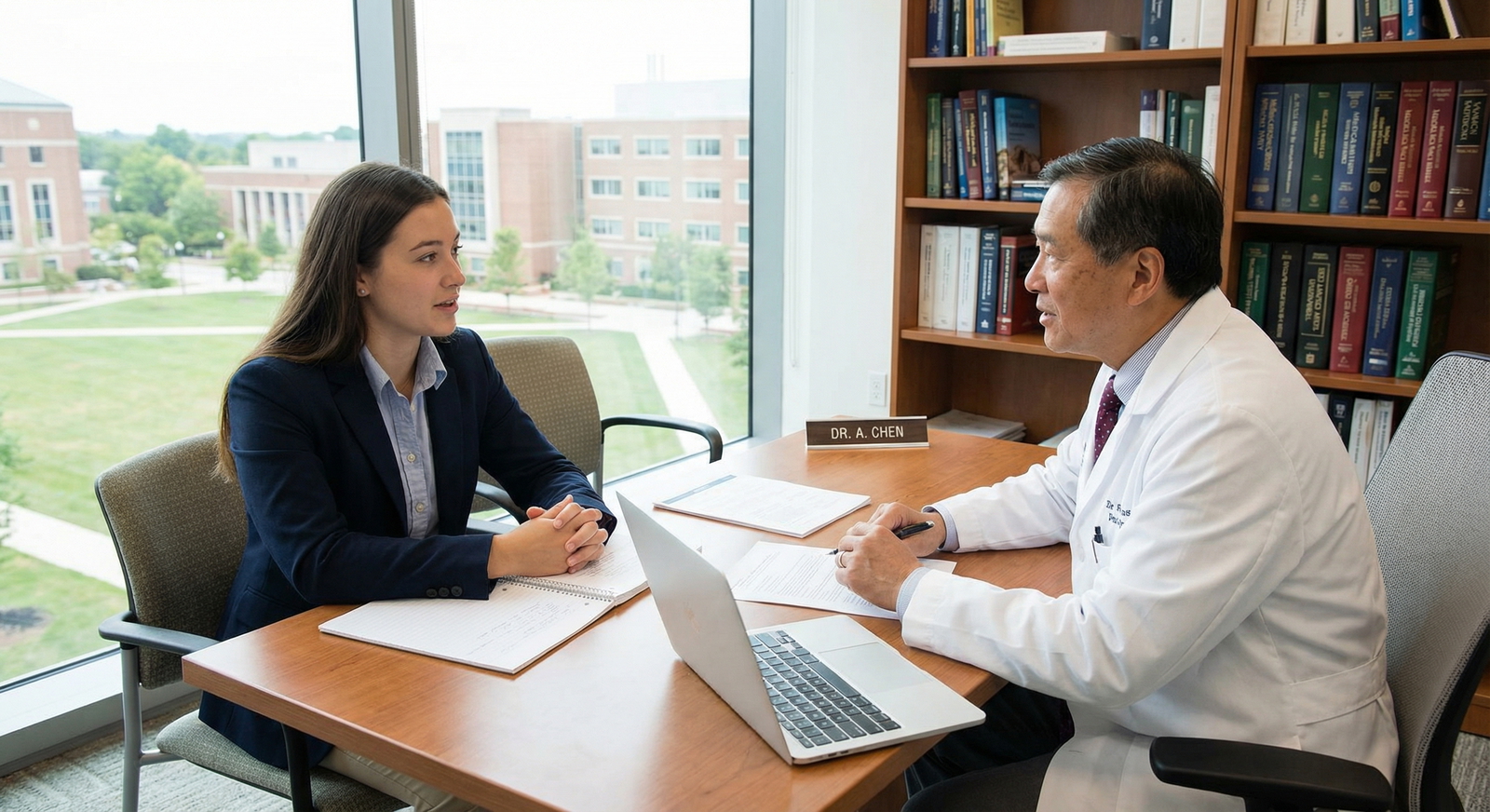
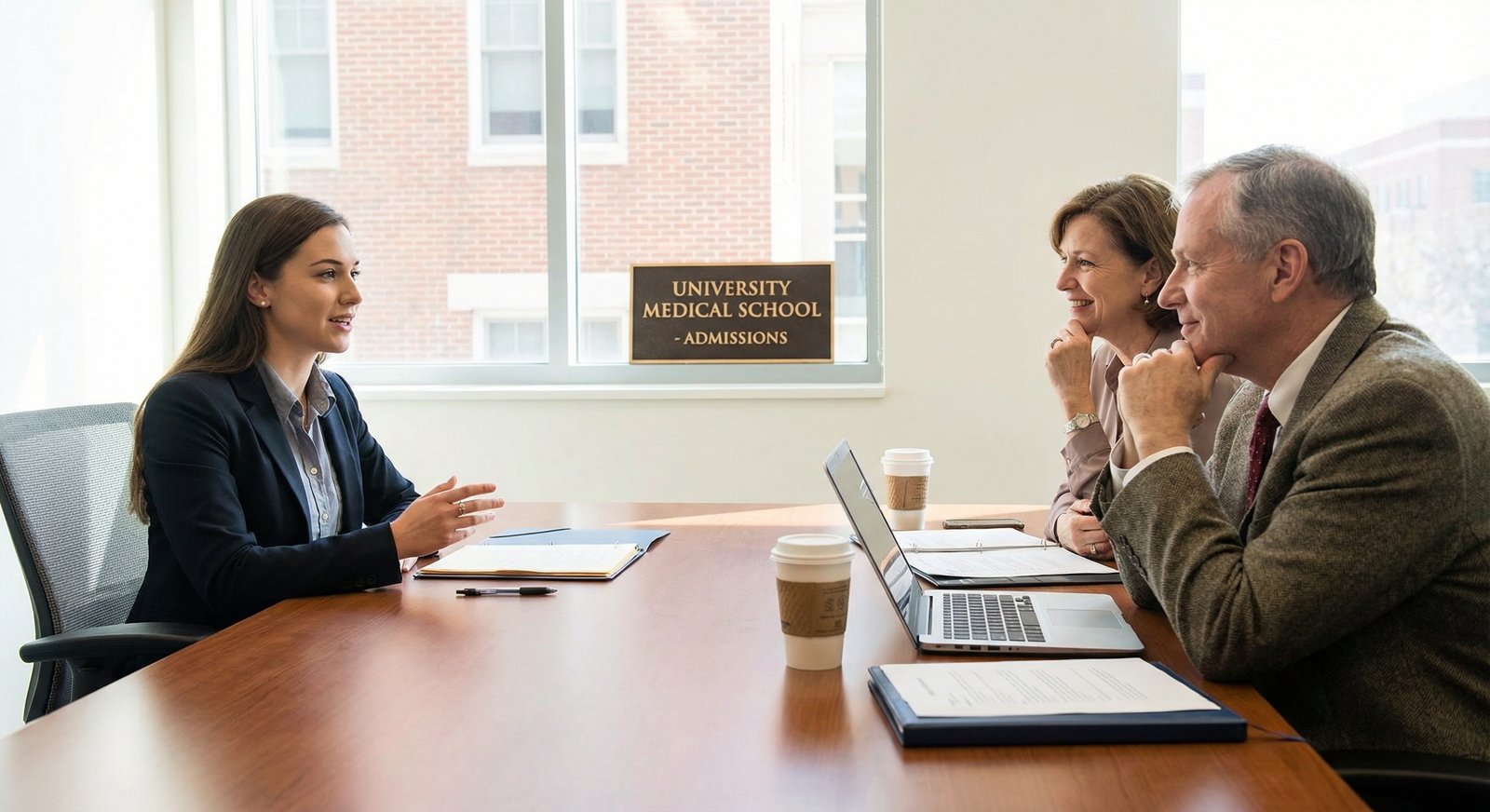
In a traditional interview, you’ll speak with one interviewer or a small panel (e.g., a faculty member, clinician, senior medical student, or admissions staff). These interviews:
- Often feel similar to a professional job interview
- May be open-file (they’ve read your application) or closed-file (they know very little about you)
- Focus on your motivations, experiences, ethics, and interpersonal skills
What they’re assessing:
- Your ability to articulate your story coherently
- Insight into your strengths, weaknesses, and growth
- Professionalism, maturity, and communication skills
- Alignment with the school’s mission and values
Multiple Mini Interviews (MMIs)
MMIs consist of several short stations (often 6–10), each focusing on a scenario or question. You rotate from station to station with brief breaks in between.
Common station types include:
- Ethical dilemmas (e.g., confidentiality, resource allocation)
- Role-play with an actor (e.g., delivering bad news, handling a difficult patient)
- Collaboration or teamwork tasks
- Policy or Health Care systems questions
- Traditional-style questions in mini format
What they’re assessing:
- Ethical reasoning and judgment
- Ability to think on your feet under time pressure
- Empathy and communication, especially with distressed or challenging individuals
- Teamwork and leadership in unfamiliar situations
Group Interviews and Group Activities
Some schools conduct group interviews or group tasks where several applicants interact while being observed.
These assess:
- How you communicate in a team setting
- Whether you listen as well as you speak
- Your ability to contribute constructively without dominating
- Respect for diverse perspectives
Virtual vs. In-Person Interviews
In recent years, many schools have shifted to virtual formats or offer a hybrid approach. Virtual interviews carry the same weight as in-person ones but add extra considerations:
- Technology: Stable internet, working camera and microphone, backup device if possible
- Environment: Quiet, well-lit, neutral background
- Non-verbal cues: Eye contact with the camera, clear audio, attentive posture
Understanding the format in advance shapes both your Interview Preparation and your mindset. Once you know what to expect, you can practice in a targeted way and walk into the interview (or log in) with greater confidence.

Core Motivation Question: “Why Do You Want to Be a Doctor?”
This is the single most important question in the Medical School interview—and it appears in nearly every format, sometimes phrased as:
- “Why medicine?”
- “What draws you to a career in Health Care?”
- “When did you first decide to pursue becoming a physician?”
How to Craft a Compelling Answer
Interviewers are not looking for a perfect or dramatic story. They are looking for:
- Genuine motivation grounded in real experiences
- Insight and reflection about what being a doctor actually involves
- Evidence of sustained commitment, not a recent impulsive decision
Strategy:
Anchor your answer in specific experiences
Think about clinical shadowing, volunteering, research, caregiving, employment, or personal/family health experiences that shaped your view of medicine.Show an evolution, not a single moment
The best answers often highlight a series of experiences that confirmed and refined your interest over time.Connect your motivations to the realities of medicine
Mention aspects such as lifelong learning, working in multidisciplinary teams, navigating complex systems, and caring for patients over time.Tie your “why” to your future goals
Discuss the kind of physician you hope to become and the communities or patient populations you aim to serve.
Example (adaptable framework):
“My interest in medicine started with a fascination for biology and human physiology in high school, but it deepened during my volunteer work at a community health clinic. I began by helping at the front desk and saw how many patients struggled with access to care—especially those with chronic conditions.
Over time, I shadowed physicians who not only treated disease but also advocated for their patients, coordinated with social workers, and navigated complex insurance and system barriers. Watching them combine science, problem-solving, and compassion convinced me that medicine is where I can make the most meaningful impact.
I’m drawn to the responsibility of guiding patients through vulnerable moments and building long-term relationships, while also working to improve Health Care access at a systems level. That combination of human connection, scientific rigor, and advocacy is why I want to become a doctor.”
Self-Awareness and Strengths: “What Qualities Make You a Strong Candidate?”
Medical Schools want to know whether you have the personal qualities needed to thrive in training and practice.
Common variations:
- “What strengths will you bring to our Medical School?”
- “Why should we choose you over other qualified applicants?”
- “What personal characteristics prepare you for the demands of medicine?”
How to Respond Thoughtfully
Avoid generic lists like “I’m hardworking, empathetic, and a team player” without evidence. Instead:
Select 2–3 core qualities that are genuinely you
Examples: resilience, empathy, curiosity, cultural humility, leadership, adaptability, integrity, teamwork, communication.Illustrate each with a brief, concrete example
Use moments from clinical exposure, research, leadership, employment, or community work.Connect these qualities to success in medicine
Make it clear that you understand how these traits matter in Health Care and in the rigors of training.
Example:
“I believe three qualities make me a strong candidate for Medical School: resilience, empathy, and a commitment to teamwork.
During my second year of university, I was balancing a full course load with caring for a family member who was ill. My grades dipped initially, but I learned to seek help early, prioritize tasks, and build routines that helped me stay afloat. That experience strengthened my resilience and time management—skills essential for the intensity of Medical School.
My empathy has been shaped through volunteering as a crisis line responder, where I learned to listen without judgment and support individuals in distress.
Finally, on our research team, I worked closely with students from different disciplines. We had to coordinate experiments, share credit fairly, and adapt to setbacks. Those experiences taught me how vital collaboration is in Health Care, where no physician works in isolation.”
Resilience and Growth: “Describe a Challenge You Faced and How You Overcame It”
Medical training is demanding. Admissions committees need to see that you can handle setbacks, reflect on them, and grow.
Variations include:
- “Tell me about a time you failed.”
- “What is your greatest challenge so far, and how did you handle it?”
- “Share a setback and what you learned from it.”
How to Structure Your Answer (STAR Method)
Use a clear framework to stay organized:
- Situation – Briefly set the context
- Task – What was your responsibility or goal?
- Action – What specific steps did you take?
- Result/Reflection – What happened, and what did you learn or change?
Tips for Choosing the Right Example
- Pick a real, meaningful challenge (academic, personal, interpersonal, or extracurricular)
- Avoid overly intimate details that you’re not comfortable discussing
- Focus on growth, not perfection—admissions committees value self-awareness
Example:
“In my sophomore year, I struggled with organic chemistry and received my first failing exam grade in university. I was discouraged and briefly questioned whether I was capable of pursuing medicine.
Instead of withdrawing, I met with my professor to review my mistakes, joined a structured study group, and shifted from passive rereading to active practice problems and teaching concepts to peers.
By the end of the term, I had improved my exam scores significantly and earned a solid grade in the course. More importantly, I learned to seek support early, be honest with myself about my study habits, and view setbacks as signals to adjust my approach. Those habits have since helped me manage more advanced coursework and research responsibilities.”
Health Care Knowledge: “Discuss a Current Topic in Healthcare and Your Opinion”
No one expects you to be a policy expert, but they do expect future physicians to be engaged with major issues shaping the Health Care landscape.
Common phrasings:
- “What do you think is one of the biggest issues facing our Health Care system?”
- “Tell me about a recent health-related news story that caught your attention.”
- “What are your thoughts on [telemedicine / mental health / healthcare disparities / AI in medicine]?”
How to Prepare
Stay informed regularly, not just the week before the interview. Good sources include:
- Reputable news outlets (health sections)
- Journals with lay summaries (e.g., JAMA, NEJM)
- Public health agencies (CDC, WHO)
Pick 2–3 topics you know reasonably well, such as:
- Health Care disparities and social determinants of health
- Mental health and stigma
- Access to primary care and preventive medicine
- Impact of technology: telehealth, AI, electronic health records
- Public health and pandemic response
Develop a balanced, nuanced view
Show that you can see multiple perspectives and appreciate complexity.
Response Framework
- Briefly describe the issue in clear, simple terms
- Explain why it matters—to patients, providers, and/or the system
- Share your perspective, being careful not to sound overly political or absolute
- If possible, connect to personal experience (volunteering, shadowing, research)
Example:
“One Health Care issue I think is especially important is the integration of mental health into primary care. During my time volunteering at a community clinic, I noticed many patients came in with physical complaints that were closely linked to stress, depression, or anxiety. However, there was often a long wait to see a mental health professional.
I think integrating mental health screening and brief interventions into primary care visits could help identify issues earlier, reduce stigma, and make care more accessible. At the same time, this requires adequate training, funding, and time for primary care providers, which isn’t simple to implement.
As a future physician, I’d like to be part of a system that treats mental and physical health as equally important and works to reduce barriers to comprehensive care.”
Professionalism and Teamwork: “How Would You Handle Conflict with a Classmate or Colleague?”
Medicine is inherently team-based. Your ability to navigate conflict professionally affects patient safety, work culture, and your success in training.
Variations:
- “Tell me about a time you had a conflict on a team.”
- “What would you do if you strongly disagreed with a colleague’s approach?”
- “How do you handle working with someone whose style is very different from yours?”
Key Principles to Highlight
- Respectful, direct communication
- Active listening and willingness to understand the other perspective
- Focus on shared goals (e.g., patient care, completing a project)
- Knowing when to seek guidance from a supervisor or mediator
Example:
“During a group project, a teammate and I disagreed about the scope of our presentation. I wanted to include more detailed data; they preferred to focus on high-level concepts. Tension started to build, and we risked missing our deadline.
I asked if we could meet one-on-one to talk it through. I listened to their concerns about time and clarity, and I shared my worry that our work would appear superficial. We agreed to prioritize the most critical data points and add an appendix for those who wanted more detail.
The conversation was calm and solution-focused, and our final presentation benefited from both perspectives. That experience reinforced for me that addressing conflict early and respectfully—rather than ignoring it—leads to better outcomes.”
Understanding System-Level Issues: “What Are the Biggest Challenges Facing the Healthcare System Today?”
This question tests your appreciation of the broader context in which you’ll practice.
Potential challenges to discuss:
- Rising costs and financial barriers to care
- Health inequities and unequal access
- Aging populations and chronic disease burden
- Provider burnout and workforce shortages
- Fragmented care and poor coordination between services
- Rapid technological change and ethical implications
How to Answer
- Select one or two challenges, not an exhaustive list
- Explain why they matter, using clear, concrete language
- Offer thoughtful ideas or principles, not simplistic solutions
Example:
“One major challenge in our Health Care system is the combination of rising costs and unequal access to care. Many patients delay seeking care because of cost, which can result in more advanced disease, higher long-term expenses, and worse outcomes.
I’ve seen this firsthand while volunteering at free clinics, where patients often come in with poorly controlled chronic conditions because they couldn’t afford regular visits or medications.
While I don’t pretend to have all the answers, I believe part of the solution lies in emphasizing primary care and preventive medicine, designing payment models that reward outcomes rather than volume, and addressing social determinants of health—like housing, food security, and transportation—that heavily influence health. As a future physician, I want to be an advocate for patients at both the individual and policy levels.”
School Fit: “Why This Medical School?”
This question assesses how well you’ve researched the program and whether your goals align with what they actually offer.
How to Avoid Generic Responses
“I like your research,” “You have a strong reputation,” or “I want to study in a big city” are not enough.
Instead:
Do deep, targeted research:
- Curriculum structure (e.g., early clinical exposure, pass/fail grading, longitudinal clerkships)
- Mission, values, and community focus
- Opportunities for research, global health, public health, or advocacy
- Student-run clinics, mentorship programs, or wellness initiatives
Connect specific features to your experiences and goals
Show how their offerings support your Personal Development as a future physician.
Example:
“I’m particularly drawn to [Medical School Name] because of its strong emphasis on community engagement and its longitudinal primary care program. My experiences volunteering in underserved neighborhoods have shaped my commitment to working with marginalized communities, and I’d value the opportunity to care for patients consistently over time while still in training.
I’m also excited by your integrated curriculum, which introduces clinical skills from the first year, and by the strong mentorship culture described by current students. These elements align with my learning style and my goal of becoming a physician who is both clinically excellent and deeply rooted in the community.”
Final Strategies for Effective Medical School Interview Preparation
Beyond practicing answers to key questions, strong Interview Preparation includes developing habits and mindsets that help you perform your best.
1. Practice with Intention
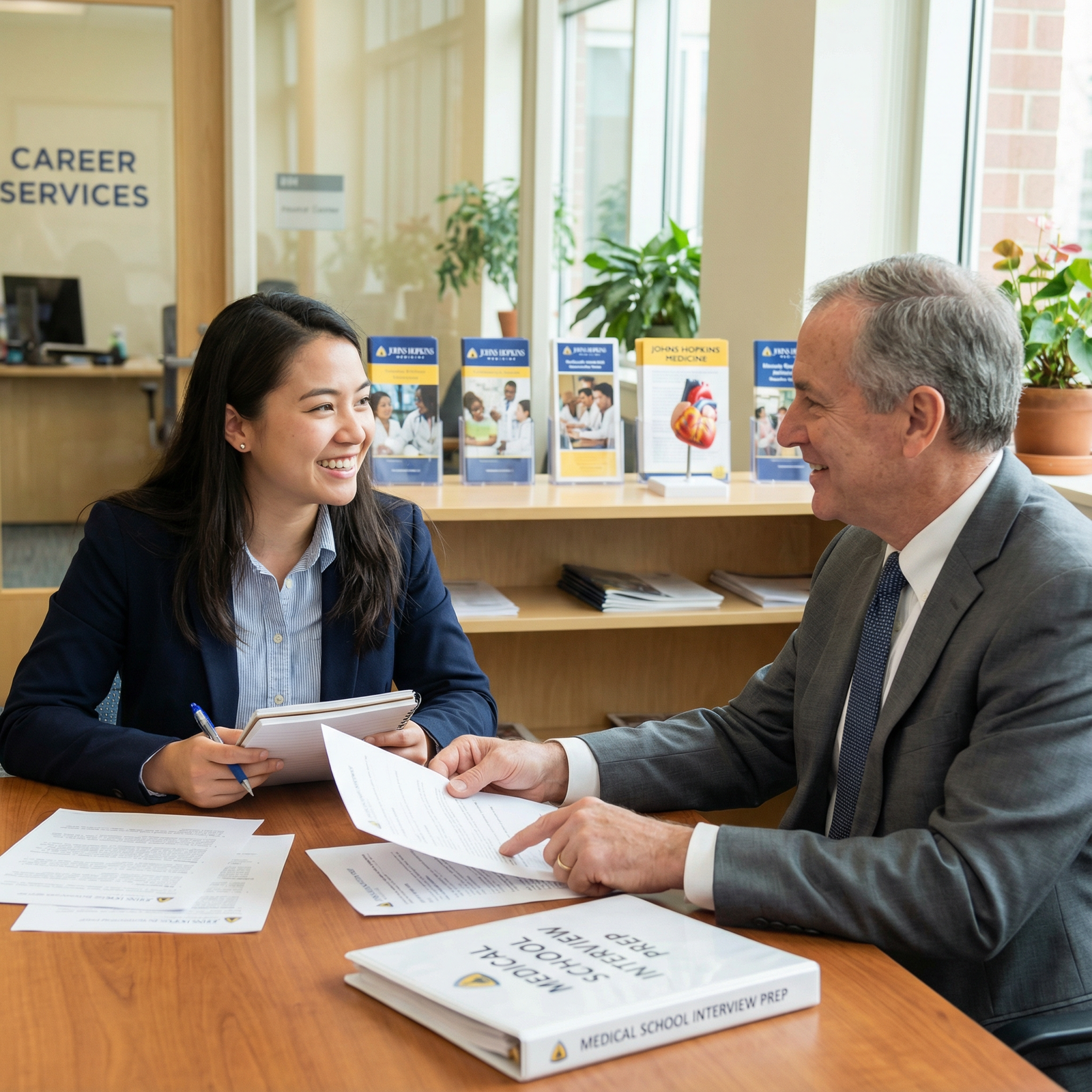
- Conduct mock interviews with mentors, advisors, or peers.
- Record yourself (video and audio) to review body language, tone, and clarity.
- Practice both structured responses (for predictable questions) and improvisation (for unexpected scenarios).
2. Reflect Deeply on Your Journey
You should be ready to discuss:
- Any experience listed on your application
- Key turning points in your decision to pursue medicine
- What you learned from research, clinical work, leadership, and service
- How you’ve grown through challenges and changed over time
Reflection is central to Personal Development and helps your answers feel authentic rather than rehearsed.
3. Refine Your Professional Presence
- Choose professional, comfortable attire that aligns with conventional interview standards.
- Practice confident but natural body language: good posture, eye contact, and engaged facial expressions.
- Be mindful of filler words (“like,” “um”) and practice pausing instead.
4. Prepare Thoughtful Questions for Interviewers
The interview is also your chance to evaluate whether a Medical School’s culture and curriculum support your goals.
Examples of strong questions:
- “How does your program support student wellness and work–life balance?”
- “Can you share how students get involved with community Health Care initiatives?”
- “What kind of mentorship structures are available for students interested in [primary care / surgery / research / global health]?”
5. Manage Your Mindset and Nerves
- Use anxiety-management strategies: deep breathing, visualization, light exercise.
- Reframe nerves as excitement and a sign that you care.
- Remind yourself: you were invited because you are already qualified on paper. The interview is about showing who you are in person.

Frequently Asked Questions About Medical School Interviews
1. What should I wear to a Medical School interview?
Professional, conservative attire is expected, whether your interview is in-person or virtual.
- Typically appropriate options include:
- A tailored suit (pants or skirt) with a dress shirt or blouse
- Closed-toe, low-heel or flat dress shoes
- Choose neutral or muted colors and avoid distracting patterns.
- For virtual interviews, dress fully in professional attire—it helps your mindset and avoids awkward moments if you need to stand up.
The goal is to look polished and respectful so that your appearance does not distract from your content.
2. How long do Medical School interviews usually last?
It varies by school and format:
- Traditional interviews: commonly 30–60 minutes each
- MMIs: each station usually lasts 6–10 minutes, with multiple stations
- Full interview days: may include orientation, tours, student panels, and breaks, lasting several hours (in-person or virtual)
Schools typically outline the schedule ahead of time—review it carefully so you can plan your energy and focus.
3. What if I don’t know the answer to a question during the interview?
It’s entirely acceptable not to know everything. What matters is how you respond:
- Stay calm and honest: “I’m not sure of the exact answer, but here’s how I would approach it…”
- For ethical or hypothetical questions, walk the interviewer through your reasoning process rather than aiming for a “perfect” answer.
- Avoid bluffing or fabricating knowledge, especially in scientific or Health Care policy questions—admissions committees are skilled at detecting it.
Demonstrating humility, integrity, and critical thinking often matters more than having a precise answer.
4. How should I follow up after my interview?
A brief, professional thank-you message helps reinforce your interest and professionalism.
- Send a thank-you email within 24–48 hours to each interviewer if possible.
- Express appreciation for their time and mention a specific part of the conversation you found meaningful.
- Reiterate your excitement about the school and how it aligns with your goals (without overdoing it).
Example structure:
“Thank you for speaking with me yesterday about [topic]. I especially appreciated your insights on [specific point]. Our conversation reinforced my excitement about the opportunity to train at [School Name], especially given my interest in [related area].”
5. Is it okay to share a very personal or unique story in my interview?
Yes—unique, authentic stories can make you memorable and demonstrate depth. However:
- Ensure the story is relevant to your journey, values, or qualifications for medicine.
- Share only what you are genuinely comfortable discussing in a professional setting.
- Keep the focus on what you learned, how you grew, and how the experience shapes your approach to medicine today.
Stories involving serious illness, family hardship, or personal trauma can be powerful when framed thoughtfully and with appropriate boundaries.
Mastering the Medical School interview is a combination of knowledge, reflection, and practice. By understanding common formats, anticipating the key questions programs love to ask, and developing well-structured, authentic responses, you can enter each interview ready to showcase not only your academic readiness but also your character, maturity, and commitment to a life in Health Care.
Use this phase of the Application Process as an opportunity for deep Personal Development: clarify why you’re choosing this demanding path, how you want to show up for patients, and what kind of physician you aspire to become.