Understanding Case Volume: Why It Matters So Much for Caribbean IMGs
For a Caribbean IMG aiming for cardiothoracic surgery, case volume is not just another metric—it’s central to how you will be trained, evaluated, and ultimately trusted to operate independently. Programs know that heart surgery training is high‑risk, highly technical, and time‑intensive. You will be judged not only by where you trained, but also by what you actually did.
As a graduate of a Caribbean medical school seeking residency in the U.S., you may already be navigating perceptions about your educational background. A strong understanding of residency case volume, surgical volume, and procedure numbers helps you:
- Ask smart questions on interview day
- Compare programs beyond prestige and location
- Advocate for your own operative experience during training
- Document a compelling case log when applying to fellowships or jobs
This article focuses on case volume evaluation specifically for Caribbean IMGs pursuing cardiothoracic surgery residency or integrated pathways that lead to heart surgery training. While we’ll reference the SGU residency match and other Caribbean medical school residency paths, the principles apply broadly across Caribbean IMGs.
1. What “Case Volume” Really Means in Cardiothoracic Surgery
1.1 Core Definitions
In cardiothoracic surgery, “case volume” is multi‑layered. You should understand the different dimensions:
Institutional volume
- Total number of cardiothoracic (CT) operations performed at the hospital per year
- Often divided into:
- Adult cardiac (CABG, valve surgeries, aortic surgery)
- Thoracic (lung resections, esophagectomies, mediastinal mass resections)
- Congenital (pediatric and neonatal cardiac surgery)
Program volume
- How many of those operations actively involve residents/fellows
- Distribution of cases across different training levels
Individual trainee volume
- Number of cases you personally scrub into
- Role in those cases: observer, assistant, primary surgeon (or equivalent)
- Final procedure numbers documented in your case log at graduation
For a Caribbean IMG, it’s the individual trainee volume that ultimately affects your competence and employability—but it’s heavily shaped by institutional and program volume.
1.2 Case Volume vs Case Complexity
Not all cases are equal:
High‑volume, low‑complexity examples:
- Isolated CABG ×1–3
- Simple lung wedge resections
- Uncomplicated mediastinoscopies
Lower‑volume, high‑complexity examples:
- Redo sternotomy aortic root replacement
- Lung transplant or heart transplant
- Complex pediatric cardiac repairs
A good cardiothoracic surgery residency should offer both:
- Enough repetition in standard procedures for mastery
- Growing exposure to complex and high‑risk cases as you advance
When evaluating programs, you must look beyond raw surgical volume and ask: “What is the mix of cases, and what roles do trainees actually play?”
2. Typical Case Volume Benchmarks in CT Surgery Training
2.1 Minimum Requirements and Accreditation Standards
Accrediting bodies (e.g., ACGME in the U.S.) set minimum case requirements for cardiothoracic training. These numbers shift over time, but common themes include:
- Minimum total major cases as surgeon or first assistant
- Minimum number of:
- CABG procedures
- Valve surgeries (aortic, mitral)
- Thoracic resections (lobectomy, pneumonectomy)
- Esophageal operations
- Aortic procedures
High‑quality programs aim to far exceed minimums. As an applicant, you want to identify programs where graduates consistently surpass these thresholds by a large margin.
2.2 Representative Case Numbers (Approximate Ranges)
Concrete numbers vary by country and among integrated (I‑6) vs traditional pathways, but example end‑of‑training volumes may look like:
Adult Cardiac Focused Graduate
- 150–200+ CABG cases (active role)
- 100–150+ valve operations
- Growing exposure to aortic surgery and structural heart interventions
General Cardiothoracic Graduate
- 250–350+ adult cardiac major procedures
- 150–250+ thoracic operations
- Some exposure to congenital or highly specialized procedures depending on the center
Thoracic‑leaning Graduate
- 200–300+ thoracic resections (including VATS/robotic)
- 100–150+ esophageal or foregut procedures
When evaluating surgical volume, you want programs where typical graduates accumulate broad, well‑distributed logs, not just high numbers in a single category.

3. Interpreting Case Volume as a Caribbean IMG: Beyond Big Numbers
3.1 The Caribbean IMG Reality in CT Surgery
Cardiothoracic surgery is one of the most competitive surgical paths. Coming from a Caribbean medical school residency pipeline, you’re competing against U.S. MD/DO graduates from top institutions. You must show:
- Strong board scores and clinical performance
- Excellent letters from U.S. surgeons
- A persuasive story about why CT surgery
- Evidence that you understand how case volume influences your training
If your interest begins early (e.g., during your Caribbean school clinical years), use opportunities like SGU residency match outcomes and similar match lists from schools to understand which programs are historically open to IMGs—then study their case volumes.
3.2 Evaluating “Per Resident” Volume
High institutional volume alone doesn’t guarantee good training. You must ask:
- How many CT surgery residents or fellows are there?
- Are general surgery residents heavily involved in CT cases?
- Do medical students or advanced practitioners compete for OR time?
- How is OR time allocated between junior and senior trainees?
A program performing 1,000 cardiac cases per year with:
- 6 CT fellows/residents
- Multiple general surgery residents rotating through CT
- Robust PA/NP presence
…may actually offer less case volume per trainee than a lower‑volume program with fewer trainees and more protected operative time.
As a Caribbean IMG, programs may sometimes overcompensate with more oversight or slower progression. You shoulder an extra responsibility: tracking your own exposure and advocating for increasing autonomy once you demonstrate competence.
3.3 Quality of Participation: Observer vs Operator
For each case, ask:
- Were you just watching?
- Were you first assistant throughout?
- Did you perform part of the case (e.g., saphenous vein harvest, opening/closing, cannulation, anastomosis)?
- Were you the primary surgeon under attending supervision?
Programs differ drastically in how early residents are allowed to:
- Perform full sternotomy and closure
- Place cannulas and initiate cardiopulmonary bypass
- Perform distal and proximal coronary anastomoses
- Lead a lobectomy or segmentectomy
- Manage complex thoracotomies or redo sternotomies
When you compare procedure numbers, look for explicit language about surgeon role in those numbers.
4. How to Research and Compare Case Volume Before You Apply
4.1 Using Publicly Available Data
You can’t rely solely on program brochures. Use multiple sources:
- ACGME / Accreditation reports
- Sometimes provide aggregate data on case volume patterns
- Program websites
- Look for “case volume” or “program statistics” sections
- Check for: annual CT case numbers, thoracic–cardiac distribution, and per‑resident averages
- Hospital quality and outcome reports
- Many large centers publish cardiac surgery volumes, mortality data, and outcomes
- Published literature from the institution
- If an institution is a major contributor to cardiac or thoracic surgery research, it often has robust clinical volume
As a Caribbean IMG, also examine:
- How many IMGs have matched into that program historically
- Whether they publish any information about Caribbean medical school residency graduates or symbols like SGU, Ross, AUC, etc.
This gives a sense of openness to international backgrounds.
4.2 Questions to Ask on Interview Day
Prepare focused questions that show you did your homework and that you understand the meaning of surgical volume:
- “What is the approximate annual cardiac and thoracic case volume for the service?”
- “On average, how many major cases do graduates log by completion?”
- “At what PGY year do residents begin acting as primary surgeon on CABG or lobectomies?”
- “How is operative experience distributed between CT residents and general surgery residents?”
- “How are robotic and minimally invasive cases assigned to trainees?”
- “Do you track individual case logs regularly, and how is remediation handled if someone is behind?”
Framing your questions this way signals you care about real operative training, not just prestige.
4.3 Reaching Out to Current or Recent Trainees
For Caribbean IMGs, candid information from people actually in the program is invaluable. Ask:
- “What was your actual case log on graduation?”
- “Did you feel ready to operate independently in your first job or fellowship?”
- “Were there any patterns where certain residents consistently got more or fewer cases?”
- “How supportive is the program of IMGs in terms of OR autonomy and trust?”
Try to talk to at least one IMG (preferably a Caribbean graduate) if possible, especially if you’re looking at programs that have accepted SGU or other Caribbean graduates in the past.

5. Maximizing Your Own Case Volume During Training
5.1 Start Planning During Medical School
Even though your cardiothoracic surgery residency is years away, you can set the stage while still at your Caribbean medical school:
- Choose core and sub‑internship rotations at institutions with active CT services
- Seek electives where you can scrub into thoracic or cardiac cases
- Build early relationships with CT faculty who can vouch for your interest and work ethic in letters
- Track your early exposure to surgery; it shows a persistent interest in heart surgery training
If you’re at a school like SGU, review SGU residency match data to see which U.S. hospitals have a history of taking SGU graduates into surgical and CT‑related fields. These institutions may be more open to your background and may allow for more meaningful operative participation as a student or transitional trainee.
5.2 Once Matched: Own Your Case Log from Day One
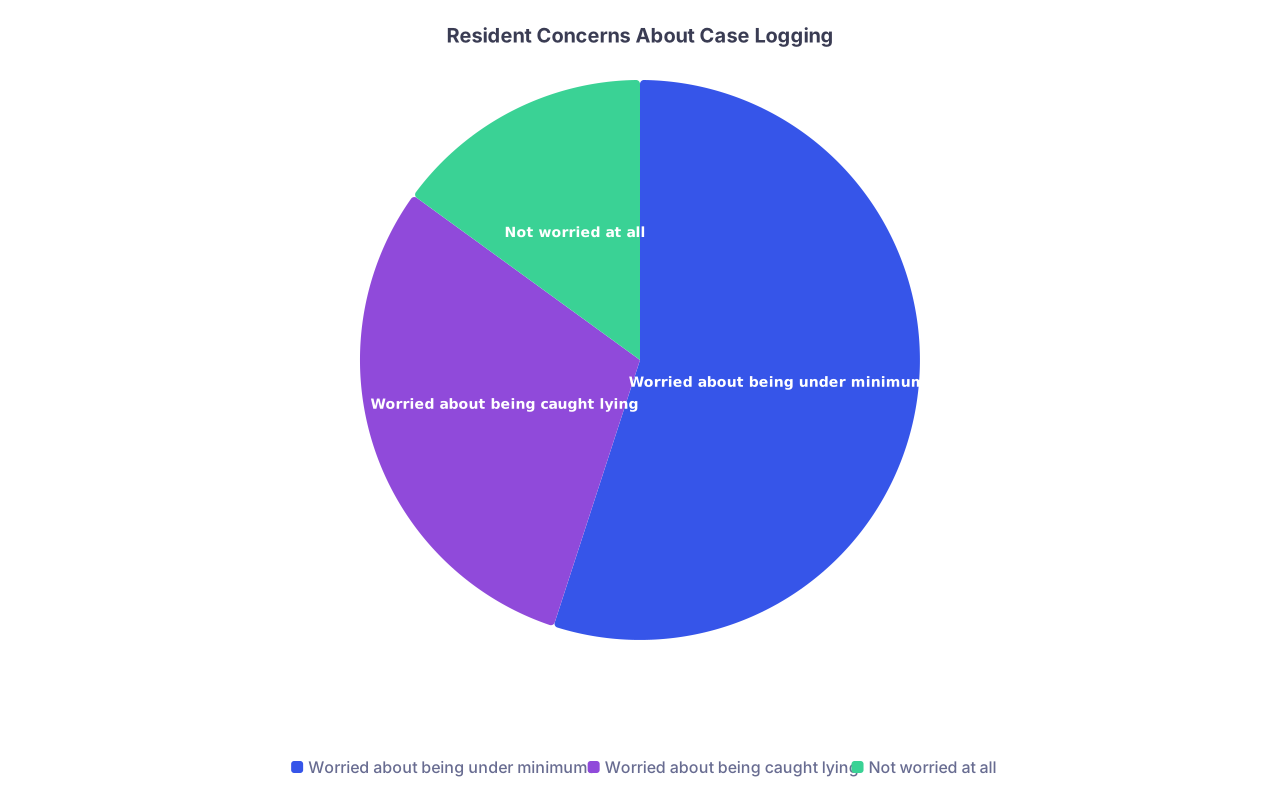
When you start residency (integrated I‑6, general surgery, or other pathway), treat case volume tracking as part of your professional identity:
- Log every case accurately and promptly
- Note your exact role: observer, assistant, surgeon
- Include important operative details: approach (open vs minimally invasive), complexity, complications if any
- Periodically review your log with your faculty mentor or program director
If you identify early that your procedure numbers are lagging in a key category (e.g., limited thoracic resections), you can ask for:
- More targeted rotations
- Extra call or elective opportunities on thoracic or cardiac services
- Mentorship with specific high‑volume attendings
5.3 Be the Resident Who Gets Invited into the OR
Faculty are more likely to let you operate if you demonstrate:
- Reliability: always on time, well‑prepared, organized
- Clinical ownership: you know your patients in detail
- Reading: you understand the pathology and steps of the operation
- Humility: open to feedback, aware of your limits
Practical tactics:
Pre‑op preparation:
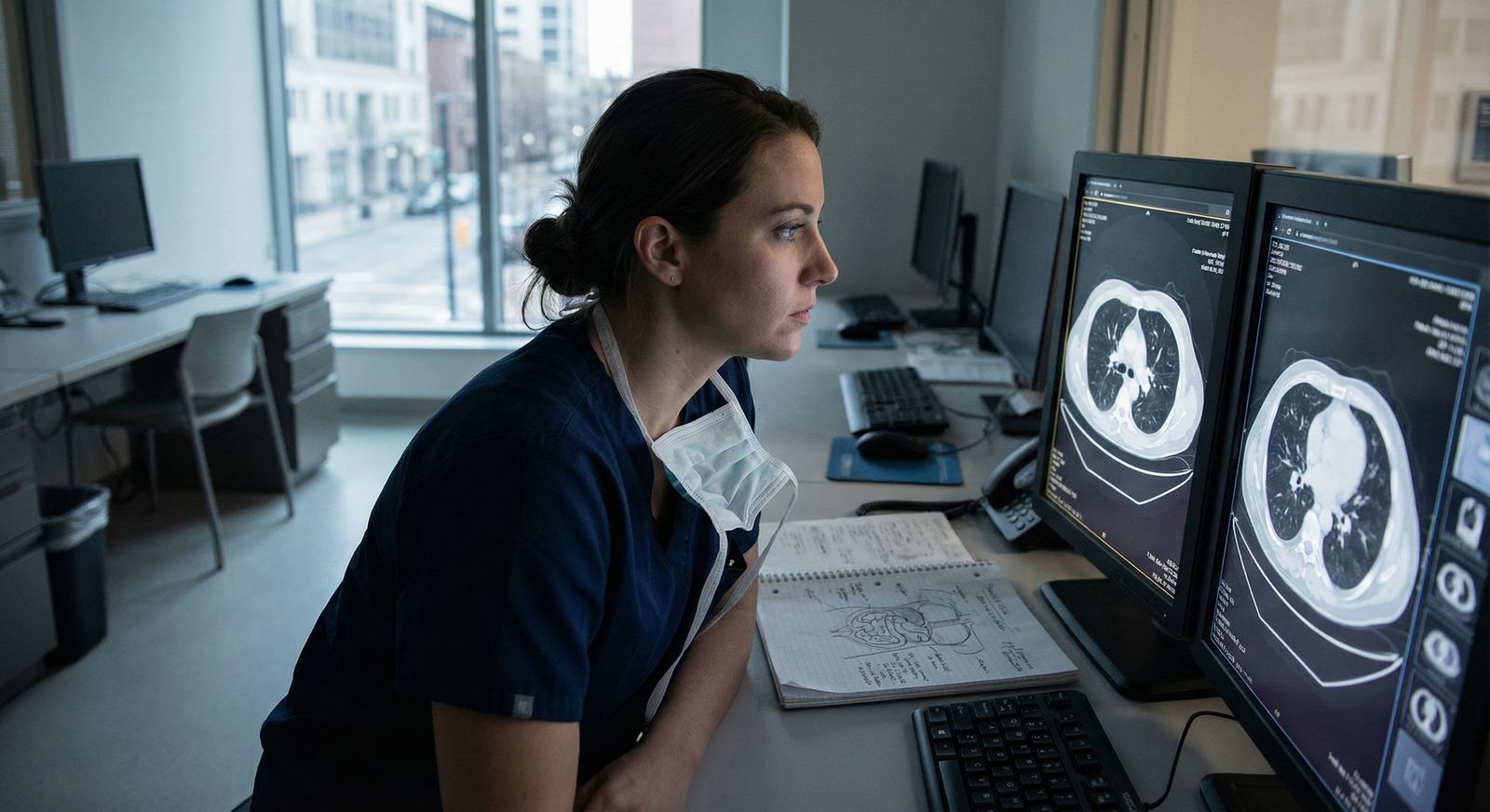
- Know the imaging, anatomy, and procedure steps cold
- Review prior notes and operative reports
- Anticipate potential intraoperative challenges
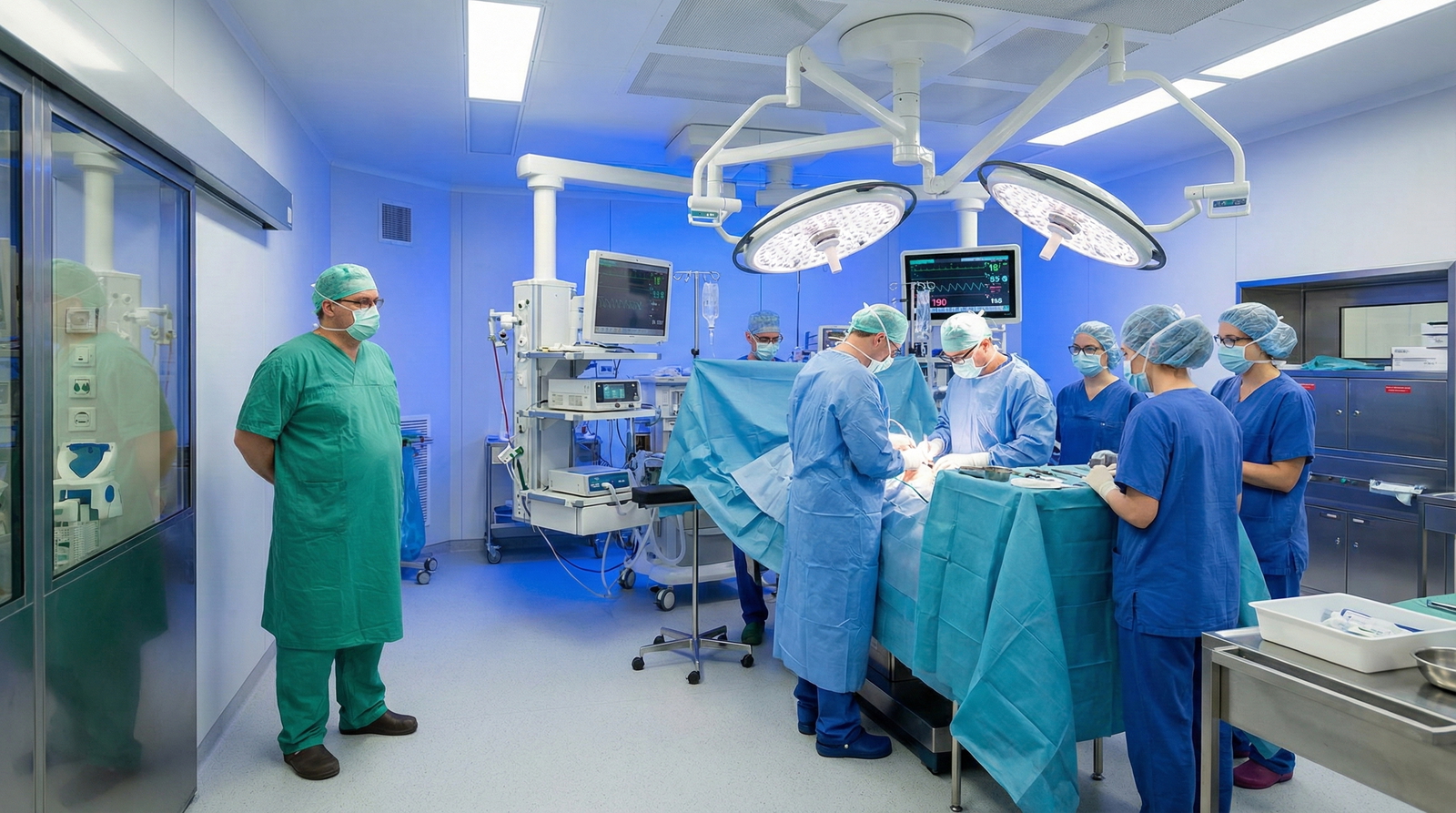
Intra‑op behavior:
- Communicate clearly and calmly
- Ask for teaching, but not at the wrong moments (e.g., not during critical anastomosis)
- Show you’re ready for the next level (e.g., if you’ve mastered saphenous vein harvest, ask to perform radial artery harvest or internal mammary dissection)
Residents who show this pattern tend to get offered more primary surgeon opportunities, which translates directly into stronger case logs.
5.4 Leveraging Off‑Hour and “Extra” Opportunities
Many high‑value cases occur:
- Nights and weekends
- Emergency situations (acute aortic dissections, massive hemothorax, cardiac arrest requiring emergent sternotomy)
As a Caribbean IMG eager for strong operative training:
- Volunteer for extra call when your schedule allows
- Be the resident who never declines an opportunity to scrub into an important case
- Accept that some of your best learning will occur under pressure, and be ready
This is where you can accumulate meaningful surgical volume in unique, complex situations that may set you apart later when you apply for advanced fellowships or jobs.
6. Balancing Case Volume with Outcomes, Education, and Well‑Being
6.1 High Volume Is Not Automatically High Quality
A program that touts impressive residency case volume but fails in:
- Patient outcomes
- Supervision and mentoring
- Didactic teaching
- Morbidity and mortality (M&M) review
…may produce residents who are fast but not thoughtful, aggressive but not safe. As an aspiring cardiothoracic surgeon, you want:
- High volume and strong outcomes
- Intense operative exposure and a culture of feedback and inquiry
Use questions like:
- “How does your program monitor and discuss surgical outcomes with residents?”
- “How are complications used as teaching opportunities rather than just blame?”
6.2 Burnout, Wellness, and Sustainability
Heart surgery training is inherently demanding. Extremely high surgical volume can be a red flag if:
- Residents are consistently exceeding work‑hour limits
- There is minimal backup for emergencies or complications
- The culture discourages seeking help or rest
For Caribbean IMGs who often feel pressure “to prove themselves,” the risk of burnout can be higher. When you evaluate programs, look for:
- A clear commitment to resident wellness
- Reasonable call schedules that still provide rich operative exposure
- Access to mental health resources and mentoring
Your long‑term success in cardiothoracic surgery depends on sustainable performance, not just raw case counts.
6.3 Positioning Your Case Volume for the Next Step
When you approach the end of your training, your case log becomes your calling card:
- For fellowships (e.g., transplant, structural heart, advanced thoracic)
- For your first attending job
- For academic or private practice positions
To make your log compelling:
- Highlight key categories: CABG, valves, thoracic resections, esophageal surgery, aortic emergencies, robotic/minimally invasive cases
- Emphasize your primary surgeon roles
- Show progression of autonomy over time
As a Caribbean IMG, a well‑organized, high‑volume, and balanced procedure log is powerful evidence that your training met or exceeded expectations, regardless of where you started medical school.
FAQs: Case Volume Evaluation for Caribbean IMGs in Cardiothoracic Surgery
1. What is a “good” case volume for a cardiothoracic surgery trainee?
A strong cardiothoracic surgery trainee typically graduates with significantly above the minimum requirements set by accreditation bodies. While exact numbers vary, a robust log might include:
- 250–350+ adult cardiac cases (CABG, valves, aortic)
- 150–250+ thoracic operations (lobectomies, pneumonectomies, esophageal surgeries)
More important than any single number is the breadth of cases and your role as primary surgeon in a substantial portion of them.
2. As a Caribbean IMG, will I get fewer operative opportunities than U.S. grads?
It depends on the program’s culture, not your diploma. Some institutions may initially supervise Caribbean IMGs more closely, but if you demonstrate competence, professionalism, and consistent preparation, most programs will grant equivalent OR autonomy. When choosing programs, talk to current or former IMGs about their real experiences with case distribution.
3. How early should I start thinking about case volume if I’m still in Caribbean medical school?
Start during your clinical years. Seek rotations at U.S. hospitals with active cardiothoracic services, build relationships with CT surgeons, and learn how cases are logged. Review your school’s match list (for example, SGU residency match data if you’re at SGU) to identify institutions that are IMG‑friendly and strong in surgery. Early exposure will help you ask better questions later and strategically target programs that offer rich operative training.
4. Is it better to choose a very high‑volume “factory” program or a smaller, more focused one?
There is no universal answer. A very high‑volume center may offer rare and complex cases, but you must ensure that volume translates into per‑resident operative experience and not just observation. A smaller program with moderate volume can be excellent if:
- There are few trainees competing for cases
- Attendings are committed to graduated autonomy
- Graduates consistently report feeling well‑prepared
Balance raw surgical volume with training quality, supervision, outcomes, and culture when making your decision.
By understanding and actively managing case volume, surgical volume, and procedure numbers, you can transform potential disadvantages as a Caribbean IMG into a clear narrative of deliberate, high‑quality training in cardiothoracic surgery.