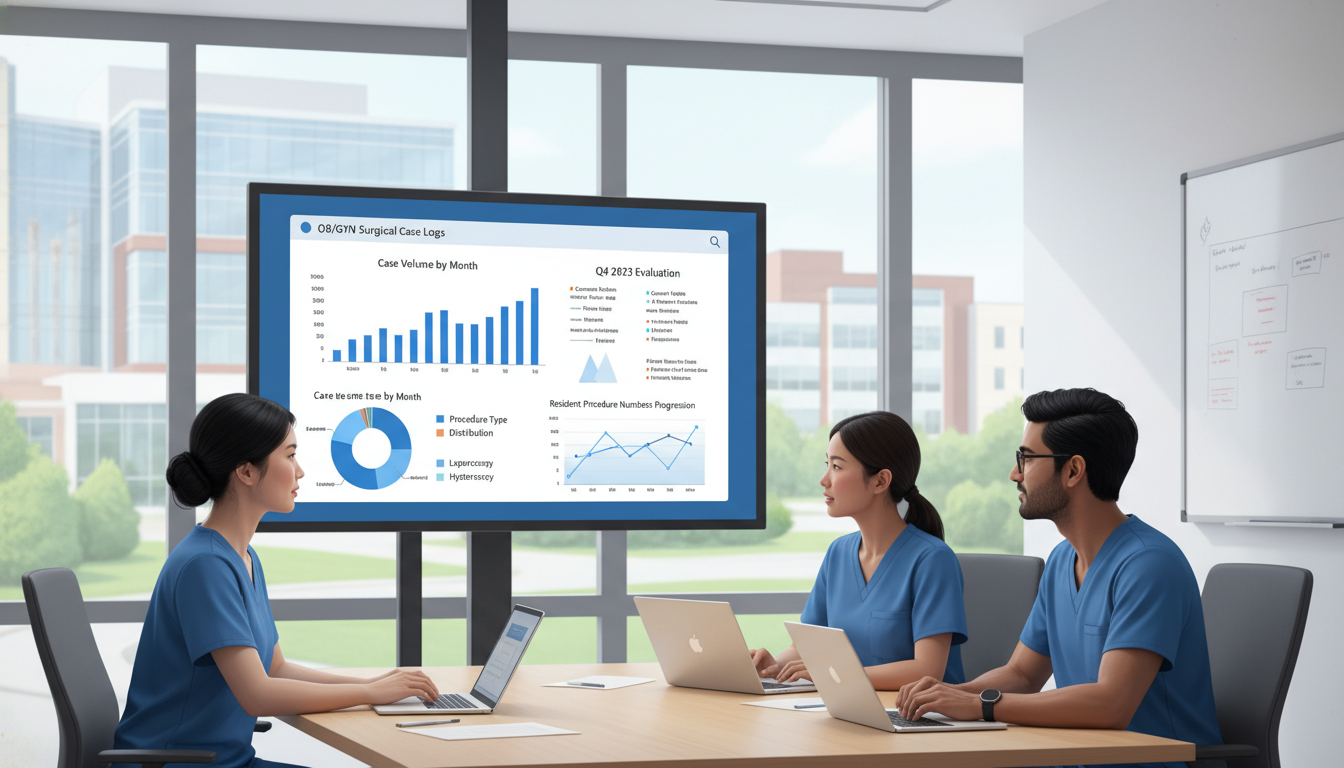
Why Case Volume Matters So Much in Orthopedic Surgery
For any applicant, case volume is a critical factor in orthopedic surgery training. For a US citizen IMG, it can be even more important—both in choosing programs and in convincing program directors you’ll be ready for independent practice.
Orthopedic surgery is a hands-on specialty defined by procedural skill, repetition, and progressive autonomy. Program directors know that even the most motivated resident cannot become competent if the residency case volume is too low or too narrow. At the same time, extremely high surgical volume without structure or teaching can also be problematic.
As an American studying abroad, you face two parallel tasks:
- Matching into orthopedic surgery residency (the “ortho match” challenge), and
- Ensuring the program you join actually trains you well, including sufficient surgical volume and procedure numbers across the core areas of orthopedics.
This article breaks down how to evaluate case volume as a US citizen IMG: what numbers matter, what questions to ask, where to find data, and how to use case volume strategically in your application and interviews.
Core Concepts: Understanding Case Volume in Orthopedic Residency
Before evaluating programs, you need a clear framework for what “good” case volume means in orthopedic surgery residency.
1. ACGME and ABOS Requirements: The Baseline
Accredited US orthopedic surgery residencies must meet ACGME standards and prepare trainees for the American Board of Orthopaedic Surgery (ABOS). These organizations don’t just look at total case numbers; they monitor:
- Total major operative cases per resident
- Distribution across key subspecialties, typically including:
- Trauma
- Adult reconstruction (hips, knees)
- Sports medicine/arthroscopy
- Hand and upper extremity
- Foot and ankle
- Spine
- Pediatric orthopedics
- Oncology (to a smaller extent)
- PGY-level participation: junior vs senior responsibilities
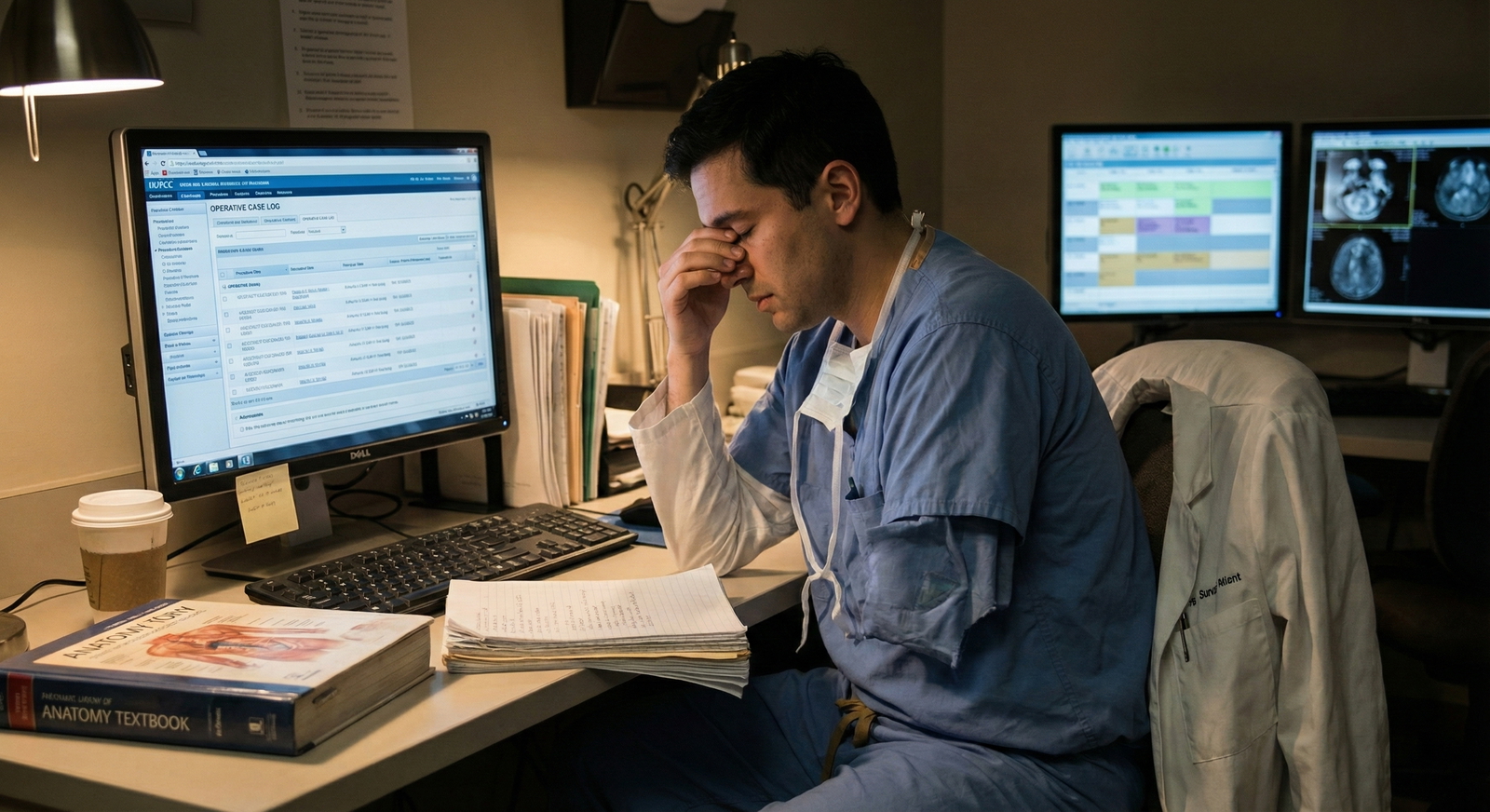
- Graduating case logs: documented through the ACGME Case Log System
While specific numeric thresholds can evolve over time, programs are expected to produce graduates with broad and adequate surgical experience. If case logs show consistent underperformance in specific categories, programs may face citations or accreditation issues.
As an applicant, you don’t need every exact threshold, but you should understand:
- Programs are evaluated on resident case logs
- Case volume is tracked and audited
- Graduates must meet minimum exposure to sit for board exams
If a program can’t clearly explain how it meets or exceeds those expectations, that’s a red flag.
2. Quality vs Quantity in Surgical Volume
“High volume” is not automatically “high quality.” When assessing case volume, consider:
- Repetition with feedback: Doing 50 ACL reconstructions with direct teaching and feedback is far superior to watching 100 without touching instruments.
- Graduated responsibility: You should progress from observer/scope holder → assistant → primary surgeon on core procedures.
- Complexity mix: Exposure to both routine (hip fractures, ankle fractures, rotator cuff repairs) and complex cases (revision arthroplasty, multi-ligament knee injuries, complex deformity).
- Patient outcomes and safety: A high case environment with poor outcomes or rushed, unsafe practices is not desirable.
Your goal is high, structured, and educational case volume, not just high numbers.
3. Case Volume and Lifestyle Trade-offs
More cases usually mean:
- Longer operative days
- More call
- Higher physical and mental demands
Most US citizen IMGs are ready to work hard to prove themselves, but you should still look for:
- Protected didactics
- Time for reading, research, and simulation
- Reasonable, compliant work hours
Case volume should accelerate your learning, not lead to burnout or unsafe fatigue.

How Case Volume Affects US Citizen IMG Competitiveness
As a US citizen IMG or American studying abroad, case volume has two roles in your journey:
- Evaluating programs you might match into
- Positioning yourself to compete for fellowships and jobs after residency
1. The Ortho Match: Why Programs Care About Volume for IMGs
Program directors often perceive US citizen IMGs as less familiar with the US clinical system and sometimes question:
- Whether you’ve had robust operative exposure
- How prepared you are to jump into high-intensity OR environments
- Whether your medical school had any meaningful orthopedic case volume
During the ortho match, programs with strong residency case volume may be more selective about candidates because:
- Their residents are in the OR early and often
- They want trainees who will adapt quickly and add value
- They may expect strong clinical and procedural readiness from day one
For you, this means:
- Case volume data can signal program quality and seriousness
- High-volume programs may demand stronger scores, letters, and away rotations from a US citizen IMG
- Low-volume or unbalanced programs may be easier to enter but risk inadequate training
2. Fellowship and Job Prospects: Procedure Numbers Matter
After residency, your procedure numbers and case log distribution influence:
- Fellowship competitiveness (sports, trauma, adult reconstruction, hand, etc.)
- Hospital credentialing (e.g., enough total joints to be approved for arthroplasty)
- Group/hospital confidence when hiring you
- Your own comfort level in managing common orthopedic problems
For example:
- A resident with strong trauma and sports case volume can comfortably pursue a trauma or sports fellowship.
- A resident with minimal arthroplasty experience may struggle to convince a community hospital to let them perform joint replacements without intensive fellowship training.
As a US citizen IMG, you may feel you have to “prove yourself” repeatedly. Strong documented surgical volume can be one of the best objective defenses of your training and competence.
Where and How to Find Reliable Case Volume Data
For many applicants, especially US citizen IMGs applying from abroad, the hardest part is getting accurate information about each program’s residency case volume and procedure numbers. Here’s how to approach it strategically.
1. Start with Public Sources
While many programs don’t publish detailed logs, you can still gather useful clues.
a. Program Websites
Look for sections like:
- “Resident Experience”
- “Operative Volume”
- “By the Numbers”
- “Clinical Rotations” or “Subspecialty Exposure”
Key indicators:
- Statements like “Residents graduate with over X,000 logged cases”
- Specific numbers by year or subspecialty (e.g., “Each chief resident performs approximately 150 primary hip and knee arthroplasties”)
- Lists of affiliated hospitals:
- Level I or II trauma centers
- Dedicated children’s hospital
- VA hospital
- High-volume arthroplasty or sports centers
If a program doesn’t give any hint of case volume or hospital mix, you’ll need to probe deeper.
b. ACGME and FREIDA
- ACGME program search and FREIDA (AMA) list:
- Size of program (number of residents per year)
- Type: university-based, community, hybrid
- Associated trauma level
- While they usually don’t list exact numbers, you can infer:
- Smaller programs at large trauma centers often have higher per-resident volume.
- Large programs at smaller hospitals may dilute cases across many residents.
c. Hospital and Health System Data
For each residency’s primary hospital(s), search:
- Annual report, especially surgical volume or orthopedic service line data:
- “Number of orthopedic procedures annually”
- “Joint replacements per year”
- “Level I trauma volume”
- Rankings or designations:
- Verified trauma center level
- “Centers of Excellence” in joints, spine, or sports
- Pediatric specialty rankings
Transform this into questions like: “If Hospital X does 7,000 orthopedic cases per year and there are 4 residents per class, is there enough volume per resident?”
2. Direct Program Inquiries: What to Ask and How
As a US citizen IMG, you may hesitate to ask “hard” questions. You should not. Professional, targeted questions about training quality actually reflect well on you.
Key Questions to Email or Ask on Interview Day
Ask specifically about:
Average total cases per graduating resident
- “What is the average total case volume for your recent chief residents?”
Distribution by subspecialty
- “Approximately how many arthroplasty, sports, trauma, and pediatric cases do graduates typically log?”
Early vs late responsibility
- “When do residents typically start acting as primary surgeon on common cases like ankle fractures, hip fractures, or knee scopes?”
Recent changes in volume
- “Have there been any major changes in surgical volume or service distribution over the last 3–5 years?”
Moonlighting or external rotations
- “Do residents supplement surgical experience with external rotations at high-volume centers or moonlighting opportunities?”
These questions show that you are thinking about long-term competence, not just matching anywhere.
3. Residents as Your Best Information Source
Current residents will give you the most honest and practical picture of procedure numbers and day-to-day surgical volume.
During virtual socials, second looks, or informal conversations, ask:
- “By PGY-3, how many OR days per week do you typically have?”
- “Did you meet or exceed ACGME minimums comfortably?”
- “Are there ever cases that residents want but fellows take over?”
- “Have any residents struggled to get enough exposure in a particular subspecialty?”
- “Do chiefs feel well-prepared for their fellowships or jobs?”
A red flag is residents hesitating, giving vague answers, or warning you “off the record” about weak operative exposure.
Interpreting Numbers: What Is a “Good” Case Volume in Ortho?
Exact expectations change over time and vary by program, but you can still develop a structured way to assess residency case volume. Focus less on memorizing universal thresholds and more on identifying patterns and balance.
1. Total Case Volume Across Residency
For a 5-year orthopedic residency, a typical solid program might produce graduates who have logged:
- Several thousand total cases, often in the mid-to-high thousands range
- With meaningful participation (assistant → primary) in a wide variety of procedures
When you hear numbers, ask follow-ups:
- “Is that cases scrubbed or cases as primary surgeon?”
- “How does that compare with ACGME or ABOS expectations?”
What you don’t want:
- Programs where graduates barely meet minimums
- Residents who say they had to “scramble” late in PGY-5 to fill gaps
2. Procedural Breadth: Are Key Areas Covered?
Even without exact numeric thresholds, you can assess whether the program gives enough exposure in:
- Trauma: Hip fractures, ankle fractures, tibial nails, distal radius ORIFs, polytrauma management
- Adult Reconstruction: Primary total hip and knee arthroplasty, some exposure to revisions
- Sports: ACL reconstructions, rotator cuff repairs, meniscus procedures, shoulder stabilization
- Hand/Upper Extremity: Carpal tunnel releases, distal radius, metacarpal fractures, tendon repairs
- Foot/Ankle: Ankle fractures, hindfoot fusions, basic deformity corrections
- Spine: Lumbar decompressions, fusions, typically more limited but present
- Pediatrics: Supracondylar fractures, SCFE management, clubfoot casting, basic deformity
Ask each program:
- “Are there any subspecialties where residents feel underexposed?”
- “How often do residents rotate at pediatric or spine centers?”
- “Do residents get enough hands-on cases in arthroplasty and trauma by senior year?”
A balanced case log is far more valuable than a huge volume concentrated in one narrow niche.
3. Per-Resident vs Per-Program Volume
A hospital might do 10,000 orthopedic surgeries per year, but if:
- The program has 8–10 residents per PGY, plus
- Multiple orthopedic fellows
- Heavy attending or midlevel participation in routine cases
Then per-resident volume may be lower than you expect.
Clarify:
- “How many residents and fellows are typically on each service?”
- “Are there any services where residents feel crowded out by fellows?”
- “Do junior residents scrub into major cases or mainly hold retractors?”
For many US citizen IMGs, community-based or hybrid programs with fewer fellows can offer very strong resident case volume, even if they’re not top name-brand academic centers.
Strategic Advice for US Citizen IMGs: Using Case Volume to Your Advantage
You are not just competing to get into orthopedic surgery residency; you are competing to build a career in a field that judges you heavily by your technical skill. Case volume can be a powerful tool in your strategy if you leverage it correctly.
1. Applying: Balancing Prestige and Volume
As a US citizen IMG, you may feel pressure to chase “name” programs for credibility. In orthopedics, that can backfire if:
- You join a big-name program with many fellows and limited resident autonomy
- Your overall procedure numbers or core trauma/arthroplasty exposure suffer
Consider a two-tiered approach:
- Apply broadly, including:
- University programs with robust case volume and structured training
- Community or hybrid programs with strong trauma and arthroplasty exposure
- Prioritize interview acceptance from places where:
- Residents graduate confident and well-trained
- Chief residents have strong case logs and excellent fellowship/job placement
- Fellows don’t consume all of the best cases
2. During Interviews: Signal That You Care About Training Quality
When you bring up case volume in interviews:
- Focus on training outcomes, not just numbers:
- “I’m very interested in programs where residents graduate extremely confident in trauma and arthroplasty. How is that reflected in your case volume and chief resident responsibilities?”
- Avoid sounding like you’re trying to game the system:
- Don’t ask only, “How many cases do I get?”
- Instead ask about progression of operative experience and autonomy
Demonstrating that you understand how surgical volume impacts your ultimate competence can counter stereotypes about US citizen IMGs being undertrained or less savvy.
3. Red Flag Patterns to Watch for
As you gather information, be cautious about programs where:
- Case volume is vague or secretive
- Residents or faculty “can’t say” or dodge questions.
- Recent major changes:
- Significant loss of a trauma contract
- Closure of affiliated hospitals
- Major redistribution of cases to private groups outside the residency
- Upper-level residents seem anxious about their logs:
- They mention scrambling for cases late in residency
- They complain about fellows taking over essential procedures
You want a stable, transparent environment where strong case volume is the norm, not a moving target.
4. Leveraging Your Own Case Experience as an IMG
You may not have high operative exposure during medical school, but you can still:
- Document and describe:
- Any procedural experiences (casting, joint injections, wound closures)
- Shadowing or research in high-volume orthopedic settings
- Show that you understand:
- OR workflow
- Basic fracture patterns
- Principles of pre-op and post-op care
If your international school allowed limited operative participation, be careful in how you present it; emphasize:
- Respect for supervision and safety
- Focus on observation and assistance rather than unsupervised surgery
- How that experience motivated you to seek a robust, structured residency environment
Program directors are more reassured by your insight and maturity than by inflated or vague claims of overseas operative experience.
Practical Steps: Building Your Case Volume Evaluation Checklist
To make this actionable, here is a structured checklist you can adapt:
Program-Level Questions
- Does the program:
- Train at a Level I or II trauma center?
- Have access to a children’s hospital?
- Provide robust exposure in arthroplasty, trauma, and sports?
- Post any case volume or outcome data publicly?
Resident Experience Questions
- What do residents say about:
- Average OR days per week at different PGY levels?
- Cases per month on high-volume rotations?
- Their confidence in managing:
- Hip fractures
- Tibial nails
- Total joint replacements
- ACL reconstruction
- Do chief residents feel:
- Overprepared vs underprepared for fellowship or practice?
Objective Indicators
- Any mention of:
- Average total cases per graduate
- Distribution of case logs by subspecialty
- Recent ACGME citations related to case volume (ask tactfully if hinted)
Your Personal Priorities
As a US citizen IMG, consider:
- Are you aiming for:
- A broad generalist practice?
- A specific fellowship (e.g., trauma, sports, joints)?
- Does the program’s procedure numbers align with those goals?
- Are you comfortable with:
- Very high clinical intensity if it comes with excellent training?
- A smaller or non-brand-name institution if it offers outstanding surgical exposure?
Having this framework ready will help you compare programs realistically instead of relying on reputation alone.
FAQs: Case Volume for US Citizen IMGs in Orthopedic Surgery
1. As a US citizen IMG, should I prioritize programs with the highest possible case volume?
Not automatically. Extremely high case volume can be great if it comes with good teaching, structure, and rest. But raw numbers without:
- Progressive responsibility
- Balanced exposure across subspecialties
- Protection from burnout
can produce technically exhausted but poorly rounded surgeons. Aim for high, structured, and balanced volume, not just “maximal” volume.
2. How can I ask about case volume without sounding like I only care about numbers?
Frame your questions around training quality and competence:
- “How does your program ensure residents are fully prepared to manage common trauma and arthroplasty cases independently by graduation?”
- “What does the progression of operative responsibility look like from PGY-2 through PGY-5?”
This shows you care about becoming a safe, well-trained orthopedic surgeon—not just accumulating case credits.
3. Are community programs better for case volume than big academic centers?
Not always, but often community or hybrid programs:
- Have fewer or no fellows
- Provide more resident autonomy
- Offer very high exposure to bread-and-butter trauma and arthroplasty
Academic centers may offer:
- More complex and rare cases
- Stronger research infrastructure
- High-profile fellowships
As a US citizen IMG, be open to both, and judge each program on per-resident case volume, autonomy, and outcomes, not label alone.
4. If a program doesn’t publish case numbers, is that a bad sign?
Not necessarily. Many strong programs do not post detailed numbers online. However:
- They should be able to discuss typical case volume and subspecialty exposure when asked.
- If residents and faculty consistently avoid or minimize your questions about operative exposure, that’s concerning.
Use interviews, resident conversations, and hospital data to fill in the gaps when websites are vague.
By approaching case volume evaluation systematically, you can turn a major uncertainty—especially challenging for a US citizen IMG—into a clear advantage. Understanding residency case volume, surgical volume, and procedure numbers will help you select a program that not only lets you match into orthopedic surgery but graduate as a confident, capable orthopedic surgeon ready for fellowship or practice in the United States.