Understanding Case Volume for DO Graduates in Interventional Radiology
As a DO graduate entering the Interventional Radiology (IR) match, you’re competing in one of the most procedure-heavy and analytically demanding specialties. Program directors know that the best IR physicians can both interpret complex imaging and execute high-stakes procedures safely and efficiently. One of the clearest signals that you’re prepared to do this is your exposure to—and understanding of—case volume.
But “case volume” in IR isn’t as simple as “the more cases, the better.” Programs are looking for:
- Sufficient breadth of procedures
- Adequate depth (progressive autonomy and complexity)
- Realistic and honest documentation of your experience
- Insightful reflection on what your numbers mean
This article breaks down how DO graduates should think about case volume in interventional radiology, what residency programs actually look for, and how you can strategically present your experience in the osteopathic residency match landscape.
1. Why Case Volume Matters So Much in Interventional Radiology
Interventional radiology is inherently procedural. Your daily work will involve image-guided interventions that can have immediate, life-or-death implications—embolizing a GI bleed, recanalizing an occluded vessel, draining a septic collection, or placing a life-sustaining dialysis catheter.
1.1 What “Case Volume” Really Signals
To IR residency programs, case volume signals:
- Technical readiness:
- Have you spent enough time in procedure rooms to be comfortable with sterile technique, equipment, and workflow?
- Procedural thinking:
- Have you seen enough real-world cases to understand indications, contraindications, and complication management?
- Stamina and interest:
- Have you repeatedly chosen procedural environments (IR, surgery, cardiology, ICU) that show genuine interest, vs. a late, superficial decision to pursue IR?
- Trajectory for growth:
- Do your experiences suggest you can handle IR’s steep case volume and call expectations?
Case volume is not just about IR-specific procedures. As a DO graduate, your osteopathic training pathway might give you substantial exposure to OMM, primary care, or broader hospital medicine. Programs know this and don’t expect you to have 500 IR cases logged as a medical student. What they do want to see is that:
- You’ve prioritized procedure-heavy rotations
- You understand how to learn from procedures, not just “be in the room”
- You can clearly communicate your numbers and what they mean
2. The DO Graduate’s Position in the IR Match
The osteopathic residency match landscape has evolved substantially since the single accreditation system. Many DO graduates now successfully match into competitive ACGME IR pathways (integrated IR/DR, independent IR, early specialization in IR tracks).
2.1 Unique Strengths of DO Graduates
As a DO graduate, you may bring:
- Strong whole-patient perspective and emphasis on function and quality of life
- More hands-on experience from smaller or community-based clinical sites
- Familiarity with point-of-care procedures (e.g., joint injections, basic ultrasound-guided procedures, OMM-related interventions in pain settings)
These strengths can be powerful in IR, a specialty that blends procedural skill with longitudinal patient management (e.g., PAD, oncology, venous disease, women’s health).
2.2 Perception Challenges and How Case Volume Helps
Some DO applicants worry programs may question:
- The rigor or name recognition of their home institution
- The extent of subspecialty exposure, including interventional radiology
- Whether they’ve had robust imaging-based training
This is where objective measures like case volume, case logs, and procedure numbers become critical. When your medical school’s brand or hospital reputation isn’t immediately familiar to a program director, your documented operative or procedural exposure can:
- Demonstrate you’ve been in high-intensity clinical environments
- Validate your comfort with invasive procedures
- Show that your training setting, even if community-based, was procedurally rich
3. What IR Programs Look For in Case Volume
There is no universal, published “minimum number” of procedures required for interventional radiology residency, especially at the medical student or DO graduate level. However, there are patterns and expectations that program directors commonly use.
3.1 Breadth vs. Depth in IR-Related Procedures
When IR faculty evaluate a DO graduate’s case volume, they tend to consider:
Breadth of Exposure
- Variety of other procedural fields:
- General surgery (including vascular access, chest tubes, central lines)
- Vascular surgery
- Interventional cardiology or cath lab exposure
- Pulmonology (thoracentesis, bronchoscopies)
- Gastroenterology (ERCP, PEG placement, colonoscopy)
- Critical care procedures (lines, thoracentesis, paracentesis)
- Imaging-based experience:
- Dedicated radiology or IR electives
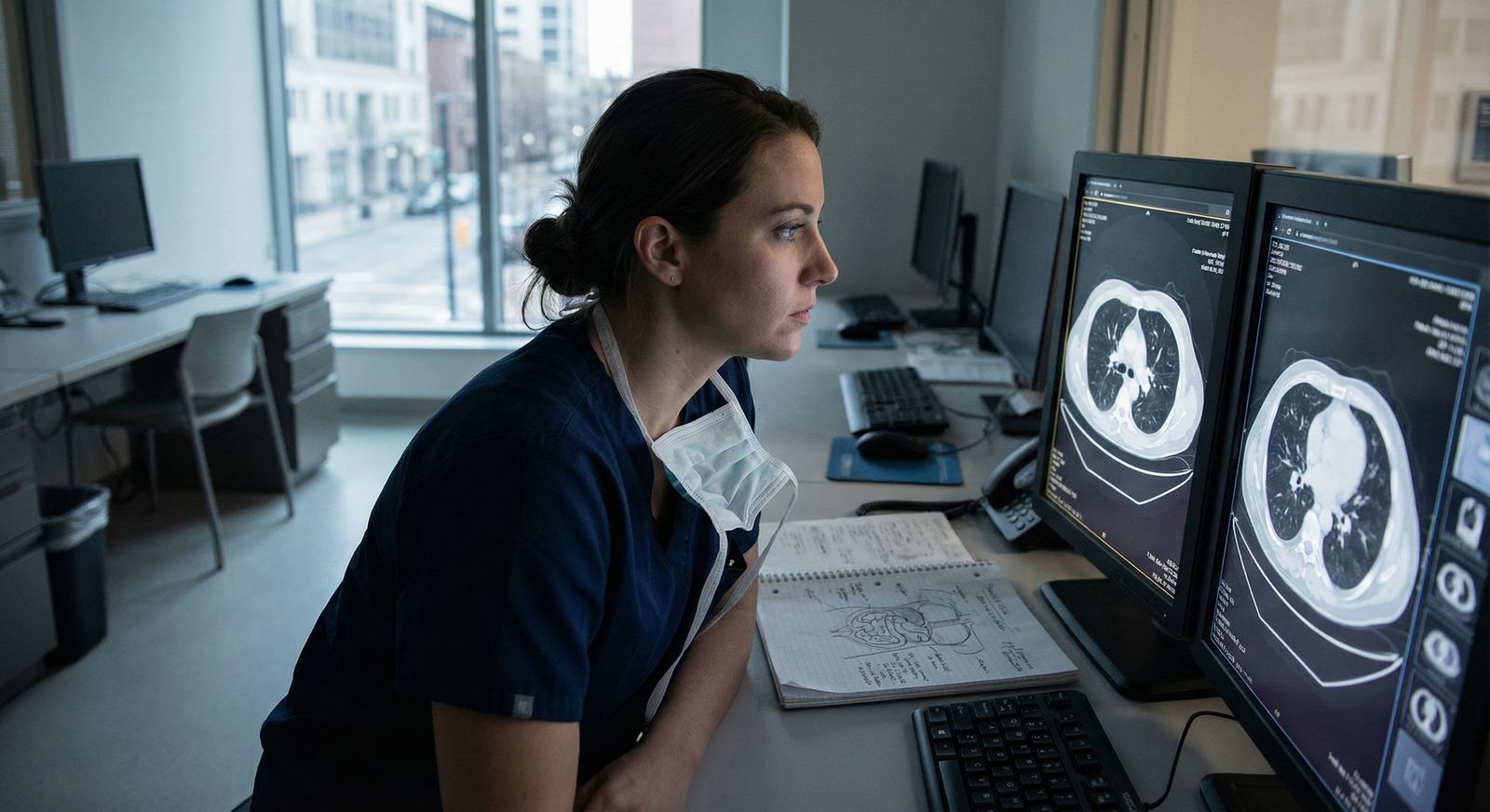
- Time reading CT, MRI, ultrasound with faculty
Depth and Progression
- Did you simply observe, or did your level of participation increase?
- Starting with observation
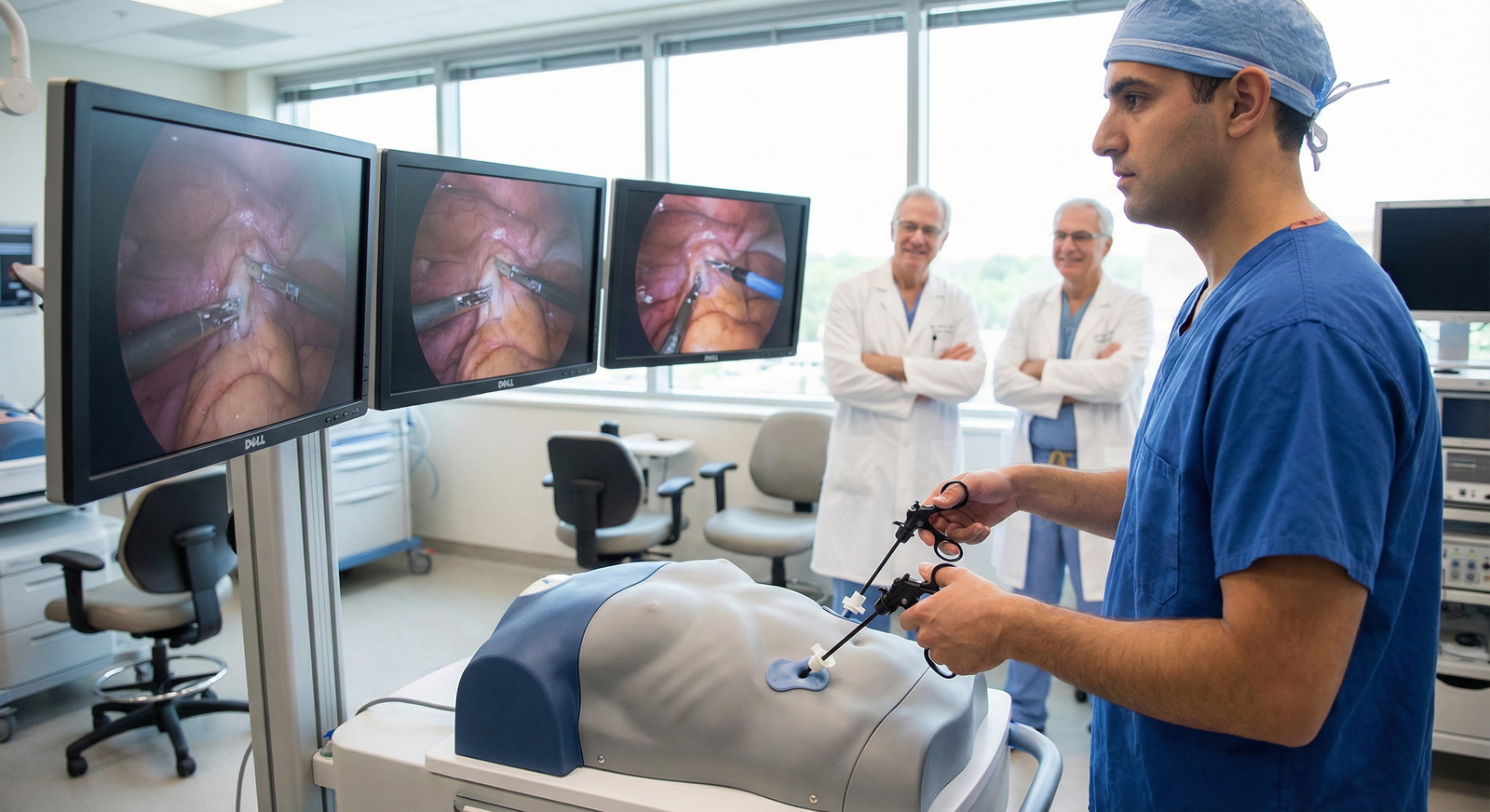
- Then assisting (holding wires, inflating balloons, managing ultrasound, suturing sites)
- Eventually performing components under close supervision when allowed by policy
- Do your procedure numbers show sustained interest over time, not a sudden IR “immersion month” just before applying?
3.2 Typical Procedure Categories That Matter for IR
You’re not expected to have done advanced embolizations as a student. Instead, IR programs value:
- Vascular access experience
- Peripheral IVs in difficult patients
- Central venous line placement (even if only assisted)
- Arterial line placement
- Drainage procedures
- Paracentesis
- Thoracentesis
- Bedside abscess I&D (surgical or emergency medicine settings)
- Image-guided basics
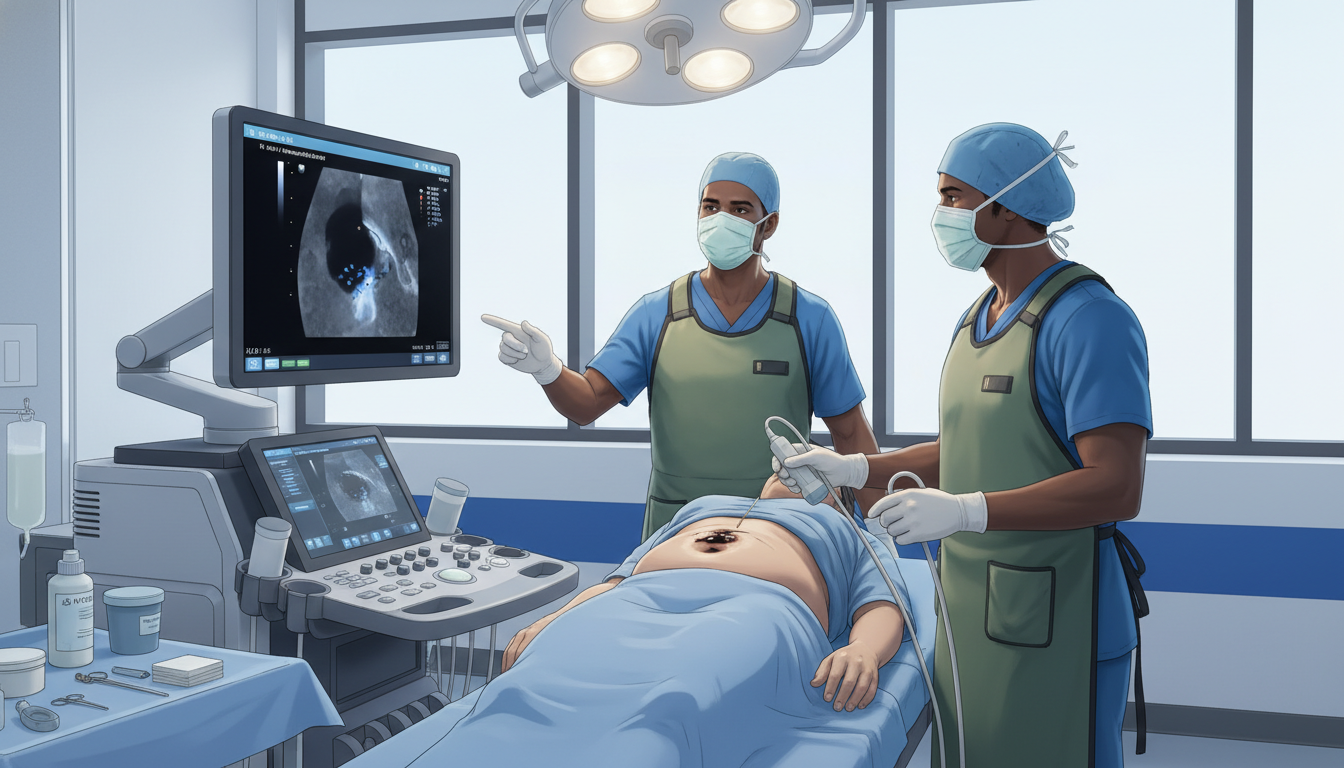
- Ultrasound-guided procedures (even basic ones)
- Familiarity with fluoroscopy environments (orthopedics, cardiology, GI, IR electives)
- Procedure-surrogate exposures
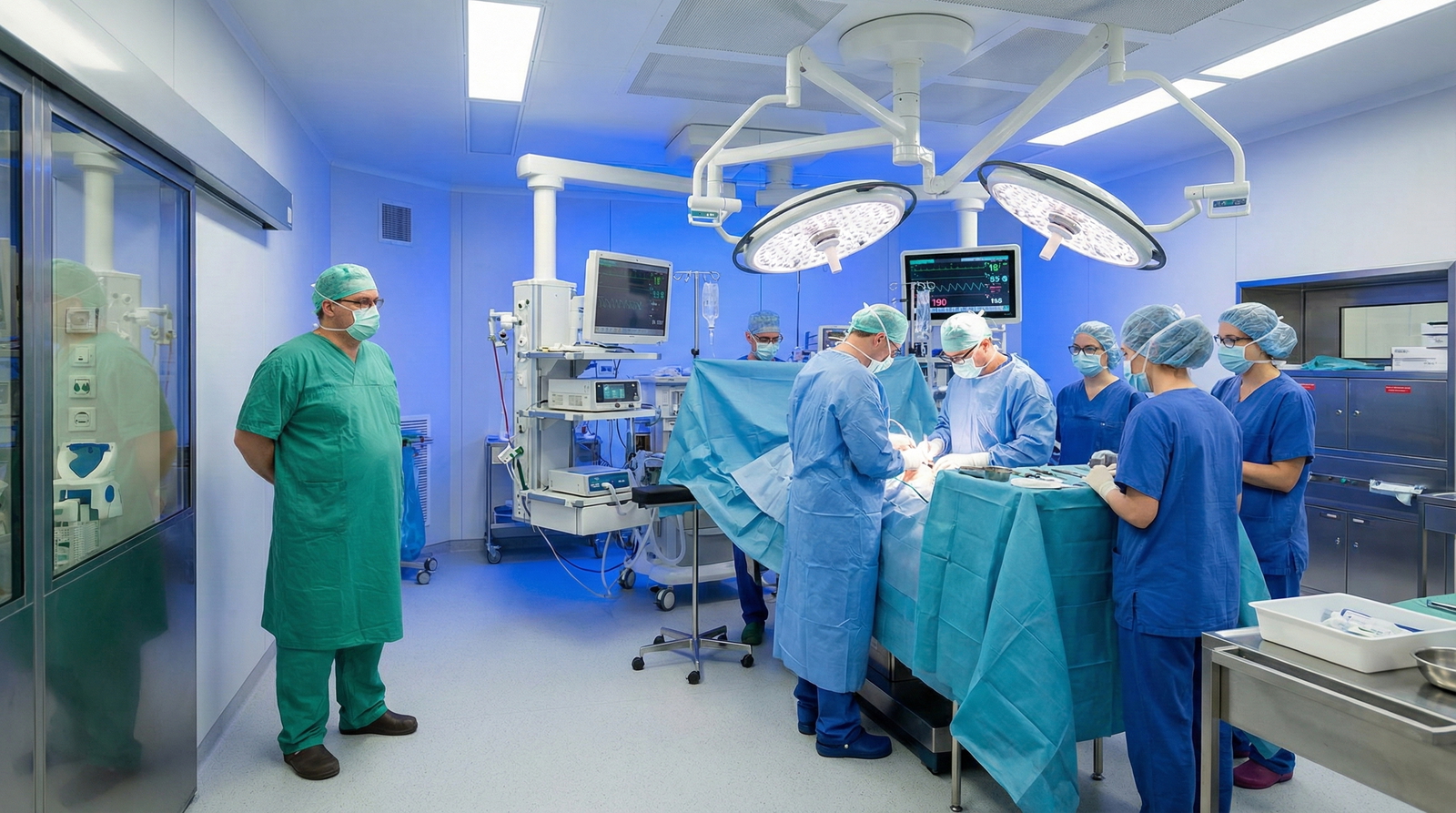
- Time in the OR with surgical teams
- Participation in procedural consults (e.g., “we need a drain,” “we need a line,” “we need a biopsy”)
If you can quantify these in your application, you give program directors concrete evidence of your procedural comfort level.
3.3 How Programs Interpret Numbers
Program directors will look for patterns, not just raw counts:
- A DO graduate who has:
- ~80–120 total meaningful procedural participations across rotations
- With 20–40 specifically related to vascular access or drainage
- And at least 1–2 dedicated IR or diagnostic radiology experiences
…will often be viewed more favorably than someone with random, unstructured exposure and no clear log, even if that second student was “around” a lot of procedures but never tracked them.
Numbers without context are limited. Programs want:
- Clear role (observer vs. assistant vs. primary under supervision)
- Clear distribution over time (not all in one month)
- Clear reflection (what you learned, how it shaped your career goal)

4. How to Track and Present Your Case Volume as a DO Graduate
Most DO medical schools don’t require as detailed a procedural log as surgical residencies do. That means you need to be proactive.
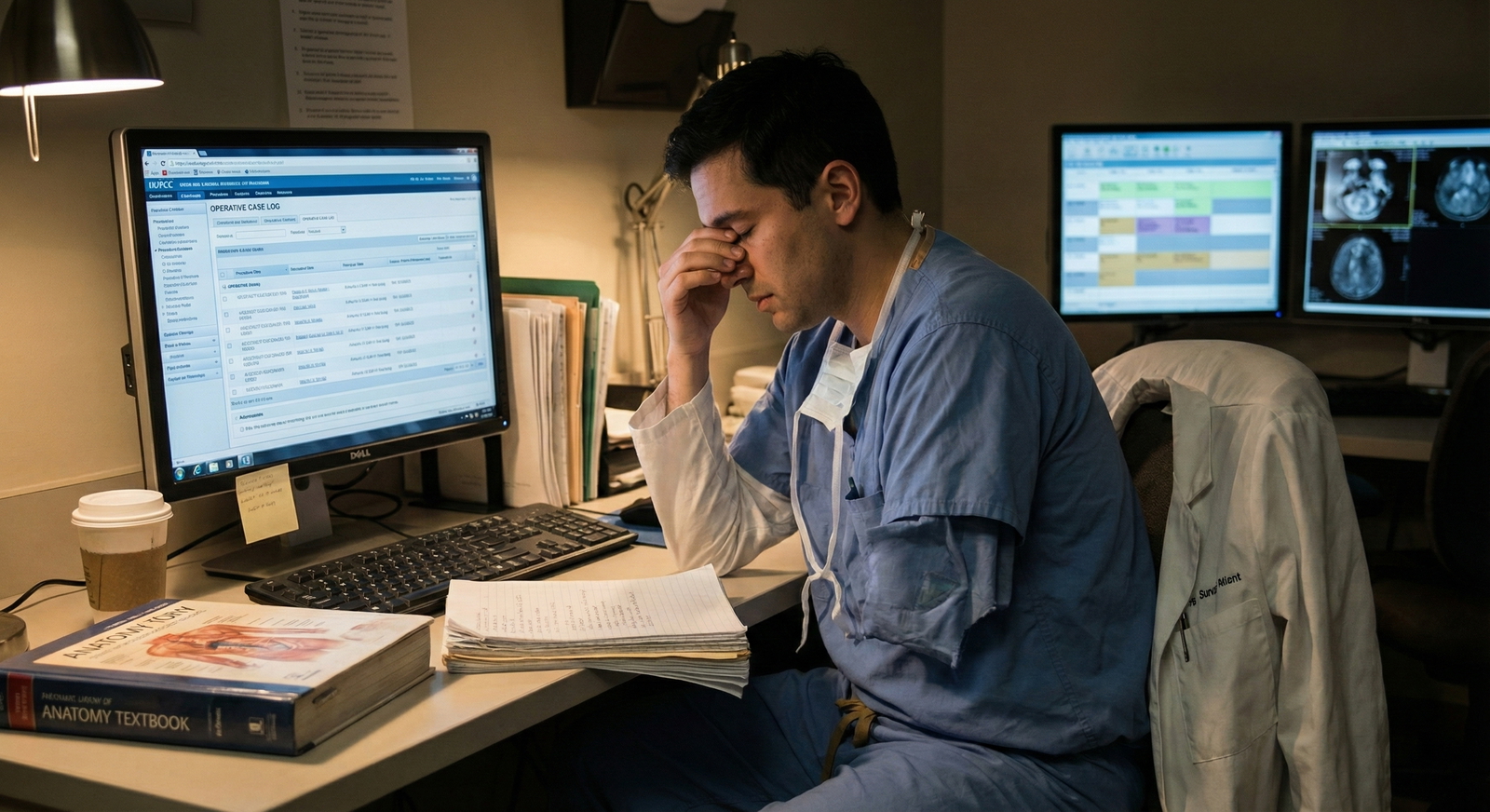
4.1 Building a Case Log System That Works
Use a simple, consistent system:
- A secure spreadsheet (Excel, Google Sheets) or an app allowed by your institution
- De-identify patient data: date range and rotation only; no names or MRNs
- Track:
- Date (or week)
- Rotation/service
- Procedure type
- Modality (US-guided, fluoroscopy-guided, CT-guided)
- Your role:
- O: observed
- A: assisted
- P: primary (portions performed under supervision)
- Key learning point (1 short line)
Example entry:
- Service: IR
- Procedure: US-guided paracentesis
- Role: A → P (assisted and then performed needle insertion under supervision)
- Learning: Optimized needle positioning to avoid epigastric vessels; importance of INR/platelets pre-procedure.
Over clinical years, this can easily produce a concise, meaningful case log demonstrating your procedural engagement.
4.2 Translating Your Log into Application Language
On your ERAS application and in your personal statement or supplemental responses:
- Use aggregate numbers:
- “During my third-year clerkships, I participated in approximately 30 central venous access procedures (internal jugular and subclavian), assisting with sterile preparation, ultrasound guidance, and line placement.”
- “Over my clinical years, I was involved in >75 bedside procedures, including paracenteses, thoracenteses, and abscess drainages.”
- Highlight progressive responsibility:
- “Initially observing, I advanced to performing key procedural steps under direct supervision, including ultrasound localization and needle insertion.”
- Link to interventional radiology:
- “My early exposure to ultrasound-guided procedures and vascular access in ICU and internal medicine rotations built the foundation for my strong interest in interventional radiology.”
4.3 Using Case Volume in Letters of Recommendation
For a strong IR match, you ideally want at least:
- 1 letter from an interventional radiologist
- 1 from a diagnostic radiologist or another procedural specialty (surgery, cardiology, ICU)
- 1 from a core clerkship or research mentor
Help your letter writers highlight your case volume:
- Provide them your case log summary (1–2 pages)
- Politely mention:
- “I’d be grateful if you could comment on my involvement in procedures, especially [central lines/paracenteses/drains] and how you saw my skills progress over the rotation.”
When faculty can truthfully say:
- “She consistently requested to scrub in and by the end of the rotation had participated in over 20 procedures, performing several key components under close supervision.”
…that becomes powerful evidence for programs evaluating your IR match potential.
5. Evaluating Residency Programs by Case and Surgical Volume
Case volume isn’t just something programs use to evaluate you; you also need to evaluate them. Picking an interventional radiology residency with strong procedural exposure is essential for your training.
5.1 Understanding IR Residency Case Volume Metrics
Programs may present their residency case volume in several ways:
- Total IR procedures per year in the department
- Average procedures per resident per year (or per rotation block)
- Distribution of procedure types:
- Vascular interventions (PAD, venous stenting, IVC, DVT, PE)
- Oncologic interventions (TACE, Y-90, ablations, biopsies, ports)
- Nonvascular procedures (drains, nephrostomies, biliary work)
- Women’s health (fibroid embolization, pelvic interventions)
- Dialysis-related access and interventions
- Exposure to:
- Trauma IR
- Stroke/thrombectomy (in some institutions)
- Pediatric IR
When comparing programs, don’t just ask, “Is it a busy program?” Ask more specifically about:
- Procedures per resident
- Call case volume
- Distribution of cases among residents and fellows
5.2 How Much Volume Is “Enough”?
There is no universal numeric benchmark across the country, but patterns from strong integrated IR/DR programs often include:
- High total departmental case volume (easily thousands of procedures per year)
- A structure ensuring graduating residents meet or exceed relevant ABR/ACGME expectations for procedural categories
- Sufficient surgical volume and procedure numbers per trainee to build both competence and confidence
Ask programs directly:
- “What is the average procedure volume per resident per year?”
- “How is case volume distributed among residents, IR fellows (if applicable), and faculty?”
- “How do you ensure residents meet the breadth requirements—dialysis access, PAD, oncology, venous disease, women’s health, trauma?”
5.3 Evaluating Case-Mix, Not Just Case Count
A program with 6,000+ yearly procedures that are 80% ports, PICCs, and simple drains is qualitatively different from one where residents routinely perform:
- Complex PAD interventions
- TACE/Y-90
- Ablations (liver, kidney, lung)
- Pelvic congestion and fibroid embolizations
- Advanced venous and PE work
When you interview, ask:
- “What is the approximate breakdown of vascular vs. nonvascular vs. oncologic interventions?”
- “Will I gain autonomy in complex cases as senior resident, or are those reserved for fellows?”
As a DO graduate, show that you understand not just numbers, but case-mix—this signals to programs that you’re thinking like a future interventionalist.
6. Strategic Advice for DO Graduates Targeting the IR Match
To leverage case volume effectively as a DO graduate in the osteopathic residency match and NRMP IR match, think in terms of before, during, and after your clinical years.
6.1 Before Your IR Application Year
- Front-load procedure-heavy rotations
- Try to schedule general surgery, ICU, and internal medicine earlier rather than later.
- Request IR or DR electives as soon as allowed:
- Aim for at least one dedicated IR elective at your home institution.
- Consider away rotations at academic centers with strong IR programs if feasible.
- Start your case log early
- Don’t wait until fourth year to piece together your experience from memory.
6.2 During Key Clinical Rotations
On every rotation, think: “What’s the procedural content here?”
- In internal medicine/ICU:
- Volunteer to assist with paracenteses, thoracenteses, central lines.
- Ask fellows or attendings if you can observe/assist IR consults.
- In surgery:
- Scrub into as many cases as possible, even minor ones.
- Practice suturing and sterile technique meticulously.
- In emergency medicine:
- Seek exposure to I&Ds, reductions, laceration repairs, procedural sedation.
- In radiology/IR:
- Ask to observe the full process: consult, imaging review, procedure, post-care.
- Help with pre-procedure planning when appropriate.
Document everything in your case log. Over time, you’ll accumulate a meaningful residency case volume precursor that you can discuss intelligently.
6.3 After You Decide Definitely on IR
Once you’re firmly committed to interventional radiology:
- Tailor your fourth-year schedule:
- Additional IR electives (home and away)
- A radiology elective focused on CT/US/MR interpretation
- Electives in vascular surgery, cardiology, or oncology depending on your IR interests
- Refine your case volume narrative:
- Summarize your experience: total procedures observed, assisted, and partially performed.
- Identify 3–5 “key cases” that deeply influenced you (e.g., first TACE you observed, a life-saving embolization of postpartum hemorrhage, a complex PAD intervention).
- Prepare for interviews:
- Be ready to answer:
- “Tell me about a memorable procedure and what you learned.”
- “How has your procedural experience prepared you for an interventional radiology residency?”
- “As a DO graduate, what unique perspective do you bring to IR?”
- Be ready to answer:
Use your case volume story to tie together your rotations, letters, research, and long-term goals.
FAQs: Case Volume and DO Graduates in Interventional Radiology
1. As a DO graduate, do I need a certain minimum number of procedures to match into interventional radiology?
There is no published absolute minimum for the IR match. Programs focus more on evidence of consistent procedural exposure, genuine interest in IR, and strong clinical performance. If you can demonstrate involvement in dozens of meaningful procedures (especially vascular access and image-guided procedures) across multiple rotations, and at least one IR or radiology elective, you’ll compare favorably to many applicants—especially if your experiences are well-documented and thoughtfully discussed.
2. How can I make my case volume stand out if my school has limited IR exposure?
Leverage overlapping procedural environments: ICU, internal medicine, surgery, emergency medicine, and cardiology. Seek ultrasound-guided procedures, drains, lines, and bedside interventions. Track everything carefully. Then, pursue at least one away elective in a busy IR department if possible. Finally, obtain letters from procedural attendings who can attest to your technical aptitude, work ethic, and rapid progression.
3. Do programs in interventional radiology care about osteopathic manipulative medicine (OMM) experience?
OMM itself doesn’t count as interventional radiology case volume, but it does demonstrate manual skill, comfort with patient contact, and a functional/holistic mindset. You can frame OMM as part of your procedural comfort and patient-centered approach, while still emphasizing your IR-relevant case volume in other settings. For DO graduates, this combination can be a distinctive strength rather than a distraction.
4. When evaluating IR residency programs, how should I compare their procedure numbers and case volumes?
Look beyond single headline numbers. Ask:
- “What is the average procedure count per resident per year?”
- “How many residents and fellows share the case volume?”
- “What is the case-mix (oncology, PAD, venous, women’s health, trauma, pediatric)?”
- “How early and how often do residents get hands-on experience with complex procedures?”
You’re not just looking for high overall departmental numbers; you want high-quality, diverse case exposure per trainee that will prepare you to practice independently in interventional radiology after residency.
By understanding and strategically leveraging case volume—from your own student experiences to the programs you apply to—you position yourself as a thoughtful, prepared, and compelling DO candidate in the interventional radiology residency match.