Interventional radiology (IR) has rapidly evolved from a niche procedural field to a core specialty at the center of minimally invasive image-guided therapy. For residency applicants, one of the most critical—and often misunderstood—elements in evaluating training programs is case volume.
Understanding how to assess residency case volume, surgical volume, and procedure numbers in an interventional radiology residency is essential for predicting how well a program will prepare you for independent practice and the IR match.
This guide breaks down what “good case volume” really means in IR, how to evaluate it intelligently, and what questions you should be asking on interview day.
Why Case Volume Matters So Much in Interventional Radiology
Interventional radiology is fundamentally a procedural specialty. Your comfort level, technical skill, and clinical judgment are shaped by the number, variety, and complexity of cases you see during training.
1. Skill Acquisition and Repetition
Certain skills in IR require repetition over time:
- Gaining vascular access quickly and safely (arterial, venous, difficult access)
- Wire and catheter manipulation for complex vascular anatomy
- Radiation safety habits that become automatic
- Crisis management during complications (e.g., vessel injury, embolization non-target, contrast reactions)
Without enough hands-on procedure numbers, even high-quality didactics and mentorship cannot fully compensate. Volume is what transforms intellectual understanding into reliable, reproducible technical ability.
2. Variety Prepares You for Real-World Practice
You’re not just aiming for a logbook full of cases; you need breadth of experience:
- Breadth across systems: neuro, body, vascular, oncology, GU, hepatobiliary, MSK, trauma, women’s health
- Breadth across settings: inpatient, outpatient, emergency, ICU
- Breadth across complexity: routine procedures vs. high-risk or rare interventions
Different practice settings (academic vs. community, trauma center vs. cancer center) will emphasize different case mixes. Understanding how that aligns with your goals is key.
3. Independence and Confidence at Graduation
Program directors and employers will care less about your raw procedure numbers and more about your real readiness:
- Can you independently run an IR list or call shift?
- Are you safe and efficient with common procedures?
- Have you managed complications rather than just watched them?
High-quality IR training combines adequate volume, graduated responsibility, and structured supervision so that by the end of residency (and any fellowship, if applicable), you function like a junior attending.
Understanding Case Volume in Interventional Radiology Training
Not all “high volume” programs are equal, and raw numbers can be misleading. To evaluate an interventional radiology residency effectively, you need to understand how volume is structured and distributed.
Key Dimensions of Case Volume
Think about case volume along several dimensions:
Total service volume
- How many IR procedures are done annually by the department?
- What is the overall procedural load compared to the number of trainees?
Per-resident or per-fellow procedure numbers
- How many procedures does each trainee log by graduation?
- Are they likely to meet or exceed ACGME and ABR expectations?
Case mix and complexity
- Are you mostly doing lines and drains, or a strong mix of complex interventions?
- Is there a balance between bread-and-butter and advanced procedures?
Hands-on vs. observational
- How often is the resident the primary operator vs. an observer or assistant?
- Is there a culture of teaching, or are trainees sidelined for efficiency?
Progression over time
- Are junior residents gradually given more responsibility?
- By late training, do seniors independently perform a wide set of procedures?
Benchmarks and Expectations: What Is “Enough” Volume?
There is no universally accepted “magic number” for every IR procedure, but there are useful benchmarks and patterns you should know when you evaluate programs.
Foundational High-Volume Procedures
These are procedures you should be doing frequently throughout training:
- Central venous access (tunneled and non-tunneled)
- PICCs and midlines
- Port placement
- Image-guided biopsies (liver, lung, renal, soft tissue)
- Basic non-tunneled chest drains
- Paracentesis and thoracentesis (often ultrasound-guided)
- Nephrostomy tube placements and exchanges
- Gastrostomy and gastrojejunostomy tubes
- Routine angiographic workups (diagnostic angiography)
- IVC filter placement and retrieval (depending on practice patterns)
For these bread-and-butter cases, you should anticipate dozens to hundreds over the course of your training, not single digits.
Advanced or Subspecialty Procedures
These are higher-complexity or more specialized interventions that still should be represented:
- Transarterial chemoembolization (TACE) and Y-90 radioembolization
- Portal vein interventions (TIPS, BRTO, portal vein recanalization)
- Uterine fibroid embolization (UFE)
- Prostatic artery embolization (PAE) in some centers
- Complex arterial embolization (trauma, GI bleeding, pelvic hemorrhage)
- Complex venous work (iliocaval reconstruction, venous stenting, thrombolysis/thrombectomy)
- Advanced hepatobiliary interventions (biliary drains, stents, rendezvous procedures)
- Spine and MSK interventions (vertebroplasty/kyphoplasty, ablations)
- Dialysis interventions (fistulogram, angioplasty, thrombectomy)
- Neurointerventional exposure in some IR programs (varies widely)
You may not see high numbers of every advanced procedure, but you want enough exposure to:
- Understand indications, technique, and complications
- Perform at least a portion of the procedure as primary operator
- Feel comfortable with post-procedural management
How to Analyze a Program’s Case Volume: Practical Framework
Applicants often stop at “Is this a high-volume program?” A more sophisticated question is: “How is the volume distributed, and what will my logbook and skills look like at graduation?”
Here is a practical framework to guide your evaluation.
1. Start with Service-Level Volume
Ask or research:
- Approximate annual IR procedure numbers in the department
- Distribution of outpatient vs. inpatient vs. emergent cases
- Whether the department covers:
- Level I trauma
- Transplant services
- Comprehensive cancer center
- Large dialysis population
- Pediatric IR (if relevant)
Then ask:
“How many IR trainees share that volume?”
- For integrated IR residencies (ESIR, integrated pathways), look at:
- Number of residents per year
- Any additional IR fellows from DR programs
- Advanced practice providers (PAs/NPs) performing procedures independently
The ratio of procedural volume to number of trainees and providers is crucial. A program with 8 IR residents and 4 fellows may “feel” low volume on a per-trainee basis even if the service is objectively busy.
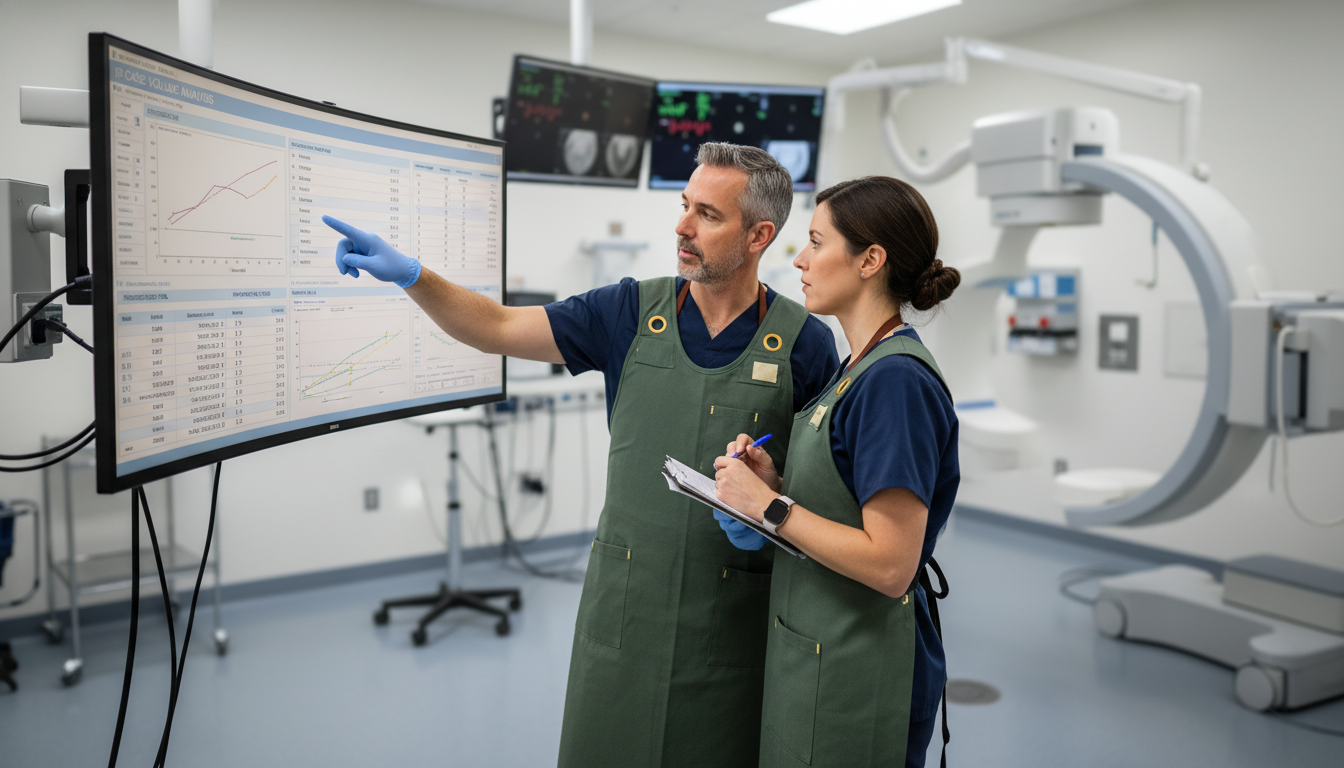
2. Ask for Typical Graduating Case Logs
This is one of the most powerful questions you can ask on the trail:
“Can you share anonymized, typical total case numbers and distribution for recent graduates?”
Many programs can provide:
- Average total logged procedures by graduation
- Typical numbers for core categories (vascular, non-vascular, oncologic, dialysis, etc.)
- Examples of logs from trainees going into:
- Academic IR
- Community IR
- Further subspecialty training (e.g., neuro, peds)
Look for:
- Total procedure numbers that seem robust and diverse
- Balance between basic access/drains and complex interventions
- Evidence that logs exceed minimum accreditation requirements, not just barely meet them
3. Clarify Resident Role in Procedures
Your procedure numbers only matter to the extent that you are the primary operator for a meaningful portion of the case.
Ask questions like:
- “At what PGY year do residents typically start as primary operator for:
– Port placements?
– Embolization for GI bleed?
– TACE?
– UFE or PAE?
– TIPS?” - “Do residents routinely perform vascular access, catheterization, and embolization themselves, or does the attending perform key steps?”
- “Is there a structured progression of responsibility by year of training?”
Red flags:
- Culture where attendings frequently take over for efficiency
- Fellows consistently performing critical portions while residents mostly observe
- Residents reporting difficulty meeting minimum procedure numbers in key categories
Green flags:
- Senior residents describing independent case lists on call
- Strong ethos of teaching and graduated autonomy
- Explicit policies specifying resident vs. fellow involvement
4. Evaluate Depth Within Key Procedural Domains
To prepare for a broad practice, focus on these core IR domains and ask for typical case exposure in each:
- Oncology:
Ablations, TACE, Y-90, biopsy, drains, venous access for chemotherapy - Vascular/embolization:
GI bleed, trauma, pelvic bleeding, PAE, UFE, aneurysm coiling or repair (site-dependent) - Hepatobiliary/portal:
TIPS, biliary interventions, portal venous interventions - Dialysis access:
Fistulogram, angioplasty, thrombectomy, central venous reconstruction - Venous disease:
DVT thrombectomy, iliocaval stenting, IVC filter work - Women’s & men’s health:
UFE, gonadal vein embolization, PAE (where offered) - Spine/MSK:
Vertebroplasty/kyphoplasty, nerve blocks, MSK ablations - Basic interventional procedures:
Lines, drains, paracenteses, thoracenteses, biopsies
Programs differ in signature strengths. A major cancer center may have exceptional oncologic IR volume but limited trauma experience. A large county hospital may have tremendous trauma and dialysis interventions but fewer advanced oncologic procedures.
Align this with your anticipated practice setting.
Balancing Case Volume with Other Training Priorities
High case volume is important, but volume without structure can become service work rather than true learning. You should evaluate how volume interacts with other critical training components.
1. Case Volume vs. Educational Support
Ask:
- “How are teaching and supervision structured during busy days?”
- “Does the service ever get so overwhelmed that there’s no time for teaching or case review?”
- “Are there protected educational conferences, and do residents actually get to attend them?”
An ideal IR residency combines:
- Strong procedure numbers
- Regular case conferences, M&M, tumor boards
- Time for pre-procedure planning and post-procedure follow-up
- Attending feedback on technique and clinical decision-making
2. Call Structure and Procedural Exposure
Call is often a major source of high-yield procedural volume:
- Trauma embolizations
- Emergency GI bleeding control
- Urgent dialysis access work
- Overnight lines, drains, cholecystostomies
Ask:
- “What is the IR call structure? In-house vs. home call?”
- “What is the typical call case volume on a busy night? On an average night?”
- “Do residents on call have meaningful primary operator roles?”
Call can be a powerful learning environment if:
- Trainees are supported and supervised appropriately
- There is post-call debriefing and feedback
- Volume is high enough to learn, but not so high that safety or wellness is compromised
3. Case Volume vs. Resident Wellness
High volume is only beneficial if sustainable:
Consider:
- Number of IR rotations versus DR rotations (for integrated residents)
- Typical hours per week on IR rotations
- Culture of support for post-call days, vacation coverage, and mental health
Programs that push extreme volume without protections risk burnout and unsafe practice. Aim for high but manageable procedural volume within a program that respects duty hours and wellness.
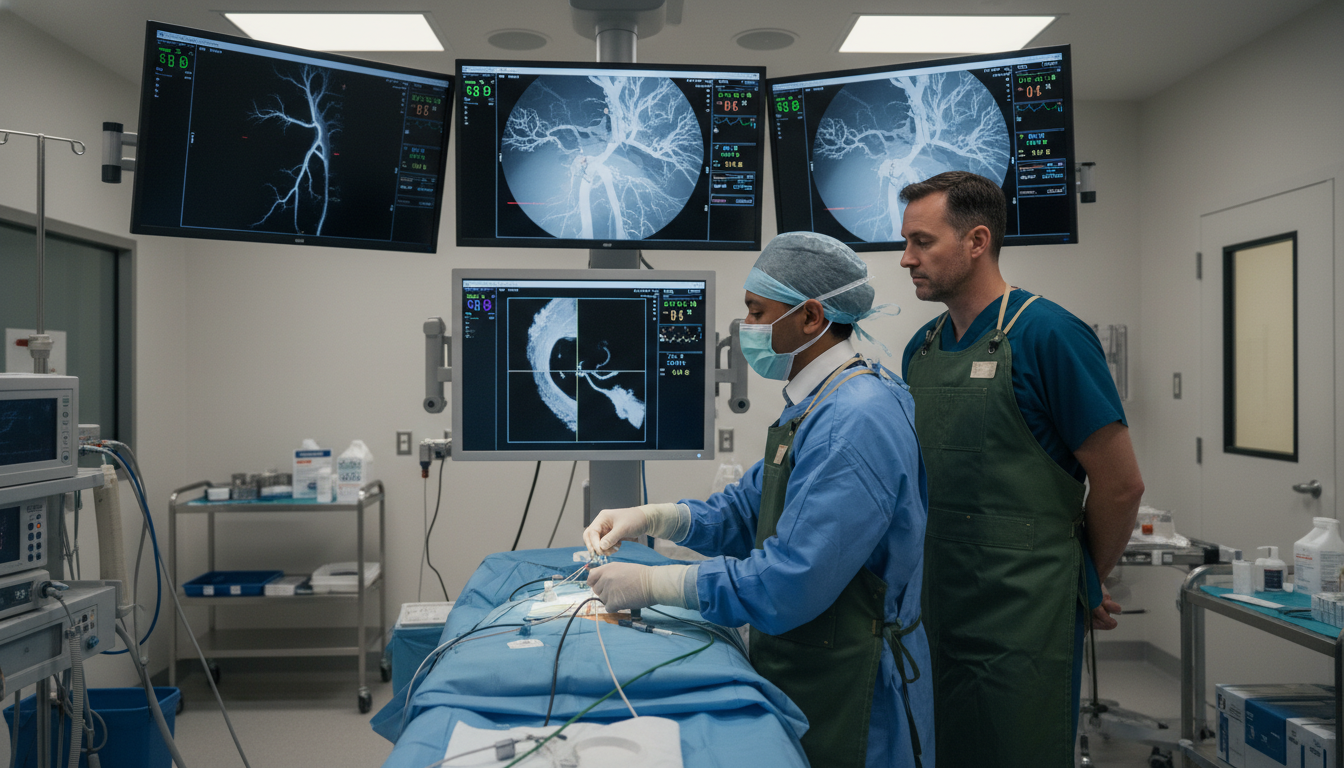
Practical Steps to Evaluate Case Volume During the IR Match Process
Translating this theory into action during interview season requires a strategic approach. Here’s how to assess case volume for interventional radiology residency programs in a structured way.
Before Interviews: Research and Shortlisting
Review program websites
Look for:- Mention of annual procedure numbers
- Areas of strength (trauma, oncology, transplant, dialysis, etc.)
- Presence of ESIR, integrated IR residents, or independent IR residents
- Affiliated hospitals (county, VA, children’s, cancer center)
Check accreditation and reputation
- ACGME accreditation status
- Reputation among residents and recent graduates (talk to upperclassmen at your school)
- Research productivity in IR (often reflects volume and complexity of cases)
Create a short list of programs to ask targeted questions about case volume.
During Interviews and Second Looks
Prepare a set of standardized questions to ask both faculty and residents:
- “What types of cases most commonly fill your IR list?”
- “Can you describe the typical procedural day for a PGY-4 IR resident? A PGY-6?”
- “How does the case mix differ between the main hospital and affiliated sites?”
- “Do residents feel they get enough of the complex cases, or are those concentrated among a small number of senior trainees?”
Ask residents specifically:
- “Do you feel your procedure numbers are adequate for your career goals?”
- “Are there any categories where people struggle to get enough volume?”
- “By the end of training, do you feel comfortable running a service and taking independent call?”
Red Flags and Green Flags in Case Volume
Red Flags
- Residents or faculty hesitant or vague about procedure numbers
- Multiple residents mentioning difficulty meeting minimum logs
- Significant reliance on advanced practice providers to perform core IR procedures, with limited trainee participation
- Fellows consistently prioritized for advanced cases at the expense of residents
- Heavy emphasis on “service coverage” with minimal teaching
Green Flags
- Clear data on average case volume per graduate, shared transparently
- Residents confidently describing their experience as busy but educational
- Explicit structure for graduated autonomy
- Strong IR presence across multiple high-volume sites
- Evidence of success in graduates:
– Smooth transition to independent practice
– Strong job placement into desired practice settings
How Case Volume Interacts with Your Career Goals
Case volume should be evaluated in the context of where you see yourself practicing after training.
Academic vs. Community Practice
Academic practice:
- May emphasize complex tertiary/quaternary referral cases
- Often heavier on oncologic IR, transplant-related procedures, complex embolization
- Research and teaching responsibilities
Community practice:
- Often features a broader general IR practice:
Lines, drains, dialysis, venous disease, oncology, basic neuro, trauma - Requires versatility and comfort across a wide range of bread-and-butter IR procedures
- Often features a broader general IR practice:
If you plan for community practice, prioritize programs with broad case mix and high procedural independence. If you aim for niche academic practice (e.g., interventional oncology), look for depth in that subspecialty and specific procedure numbers relevant to it.
Interest in Subspecialty Focus
If you already know you are interested in:
- Interventional oncology → Look for high volume of TACE, Y-90, ablations, tumor boards
- Venous and lymphatic disease → Look for thrombolysis, thrombectomy, venous stenting, complex venous reconstructions
- Women’s & men’s health → Ask about UFE, PAE, pelvic congestion interventions
- Neuro-IR → Clarify whether IR residents get any meaningful exposure or if that’s entirely separate
A program does not need to excel in all these areas, but it should offer adequate exposure to match your priorities—or a clear pathway (e.g., dedicated year, elective time, or associated fellowship) to deepen your experience later.
FAQs: Case Volume Evaluation in Interventional Radiology Residency
1. What is considered a “good” total case volume for an interventional radiology residency graduate?
There is no single numeric threshold that defines “good,” and specific number ranges vary by institution and case mix. Instead, focus on:
- Whether graduates comfortably meet or exceed ACGME requirements and any board expectations
- Adequate breadth across core IR domains (oncology, vascular, dialysis, hepatobiliary, venous disease, basic procedures)
- Residents’ confidence in running a service and taking call independently by graduation
When in doubt, ask programs for anonymized samples of recent graduates’ case logs and compare them across programs.
2. How can I compare case volume between IR programs when they all claim to be “high volume”?
Use a consistent set of questions across programs:
- “What are the typical total procedure numbers for a graduating resident?”
- “How many residents or fellows share that volume?”
- “Can you estimate annual procedure numbers for key categories (e.g., oncologic IR, embolization, dialysis)?”
- “What proportion of cases is resident-run vs. attending-run vs. APP-run?”
Talking to residents directly and asking for concrete examples (“How many TACE or Y-90 cases do seniors typically log?”) will give you a clearer picture than marketing language alone.
3. Is higher case volume always better for interventional radiology training?
Not always. Extremely high volume without structure can lead to:
- Fatigue and burnout
- Service-oriented work that crowds out teaching
- Less time for reflection, reading, and feedback
The best programs offer robust case volume combined with:
- Thoughtful supervision
- Graduated autonomy
- Protected educational time
- Attention to wellness and professional development
Aim for high but purposeful volume, not sheer numbers without context.
4. How much should I worry about specific procedures like TIPS or UFE if my future practice may not offer them?
It depends on your goals. If you plan to practice in a broad community IR setting, having at least meaningful exposure to TIPS, UFE, complex embolization, and other advanced procedures is still valuable, even if you don’t perform them daily after graduation. It:
- Sharpens your overall procedural judgment
- Improves your understanding of referral patterns
- Helps you communicate effectively with other specialists
However, if your target practice will clearly not include certain subspecialty procedures, then global competence and autonomy across the bread-and-butter IR spectrum may matter more than very high numbers in any one niche.
Thoughtful evaluation of case volume is one of the most powerful ways to differentiate between interventional radiology residency programs. By looking beyond marketing phrases and digging into procedure numbers, case mix, trainee roles, and progression of autonomy, you’ll be better equipped to choose a program that truly prepares you for independent, confident IR practice.