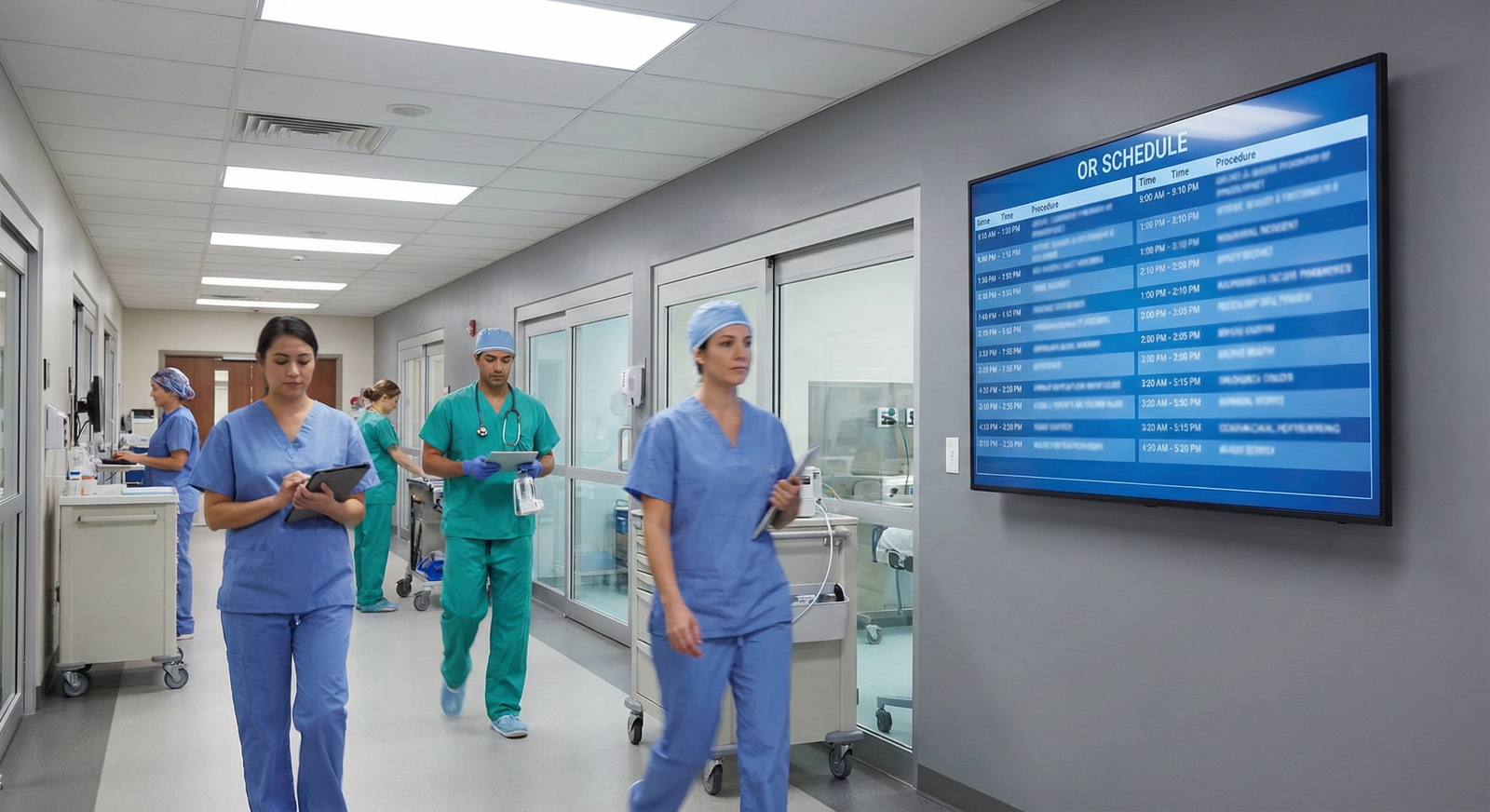
Understanding Case Volume: Why It Matters for DO Graduates in Orthopedic Surgery
For a DO graduate aiming to match into orthopedic surgery, case volume and procedure numbers are not just statistics—they are a surrogate measure of your technical exposure, operative maturity, and readiness for independent practice. Program directors, especially in orthopedic surgery residency, care deeply about the quality and breadth of your operative experience. As a DO graduate, you may also be thinking strategically about how your case volume will be perceived in the osteopathic residency match environment (now fully integrated into the single ACGME match system).
This article walks through how to evaluate, interpret, and present surgical volume as an osteopathic candidate interested in orthopedic surgery. We’ll cover what “good” case volume looks like, how to assess program case volume when you’re applying, and how to leverage numbers without losing the story behind them.
1. Core Concepts: What Does “Case Volume” Really Mean?
When people talk about residency case volume or surgical volume, they usually blend several related metrics. Understanding these will help you evaluate both yourself and the programs you consider.
1.1 Key Definitions
Total case volume
The total number of operative cases you have participated in (or that residents in a program complete), usually over a block of time (per year, per residency).Primary surgeon vs. assistant
- Primary surgeon: You perform most critical portions of the procedure under attending supervision.
- Assistant: You assist—retraction, suction, closure—but don’t perform key parts.
Strong orthopedic programs allow senior residents to be primary surgeon on a high proportion of cases.
Case mix / case diversity
The range of subspecialties and procedure types: trauma, arthroplasty, sports, spine, hand, foot & ankle, pediatric ortho, oncology, etc.Complexity
Straightforward vs. complex operations (e.g., simple ankle ORIF vs. pelvic/acetabular trauma; primary TKA vs. revision TKA).Graduated responsibility
Responsibilities and autonomy increase across PGY levels, leading toward independent decision-making and operative control by PGY-4/5.
1.2 ACGME Case Log Expectations for Orthopedic Surgery
The ACGME sets minimum procedure numbers for orthopedic surgery residents. Programs must ensure graduates meet or exceed these. While exact numbers are periodically updated, several principles stay constant:
- There are minimum numbers in key categories (e.g., arthroplasty, trauma, hand, pediatrics).
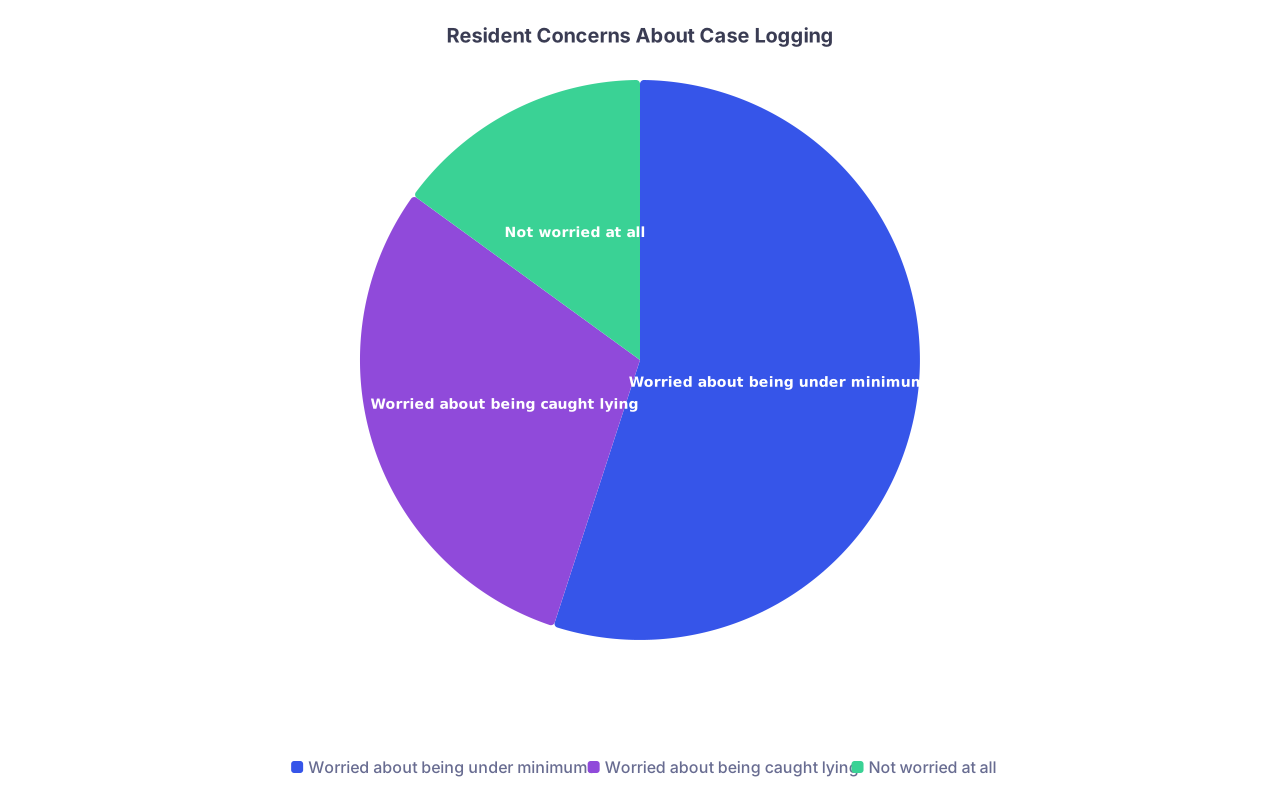
- Residents must log cases accurately and honestly.
- Program directors are accountable if graduates repeatedly barely meet minimums.
For a DO graduate in an orthopedic surgery residency, you should aim not just to “meet” but to substantially exceed minimums in most categories, especially those central to your future practice (e.g., trauma, sports, arthroplasty).
1.3 Why Case Volume Matters So Much in Orthopedic Surgery
Orthopedic surgery is a hands-on, procedure-heavy specialty. Reading and simulation help, but proficiency comes from:
- Repetition – performing the same procedure many times under supervision.
- Variety – seeing many variations and complications.
- Progression – evolving from observer → assistant → primary surgeon.
Program directors and fellowship directors use surgical volume as a rough proxy for:
- Technical competence and confidence
- Ability to manage intraoperative complications
- Preparedness for independent practice or subspecialty training
- Maturity of operative judgment (not just manual skill)
For DO graduates, who may still feel they are being compared to MD peers, robust, well-documented case volume is a powerful equalizer.
2. Evaluating Your Own Case Volume as a DO Applicant
Even before you match, you can start thinking about case volume strategically. As a DO graduate targeting orthopedic surgery residency, your pre-residency case numbers won’t be compared directly with resident case logs, but they still matter in several ways.
2.1 Pre-Residency: What Counts and How It’s Viewed
During medical school and any transitional or preliminary training:
Formal operative experiences
- Acting internships / sub-internships in orthopedic surgery
- General surgery rotations
- Orthopedic trauma nights / call shifts
Role in surgery
- No one expects you to be primary surgeon as a student, but close, continuous assistant roles with increasing responsibility are looked on favorably.
Documentation
- Keep a simple, honest log of:
- Date
- Attending
- Procedure
- Your role (observer/assistant/limited hands-on portions)
This log can be useful when writing your personal statement or answering questions about your exposure.
- Keep a simple, honest log of:
While program directors won’t admit or reject you solely based on student case numbers, they will respond positively if:
- Your letters mention that you were consistently present in the OR.
- You can discuss what you learned from specific cases (complications, decision-making, technique nuances).
- You can explain why the OR environment confirmed your interest in orthopedic surgery.
2.2 Early Residency (Prelim/Transitional Year for DOs)
If you complete a preliminary surgical year or a traditional rotating internship before entering orthopedic surgery:
- Log all your operative cases even if they are not orthopedic:
- General surgery (hernia, bowel resection)
- Vascular
- Plastics
- Trauma
- Emphasize:
- Skills that transfer directly: sterile technique, knot-tying, suturing, handling tissues, using power tools, managing drains and wounds.
- Volume of call, admissions, and post-op management.
When you enter orthopedic residency, this early experience can:
- Shorten your “learning curve” in the OR.
- Help you get to higher levels of participation more quickly, allowing greater case volume as primary surgeon in your later years.

3. Evaluating Program Case Volume as a DO Applicant
When you’re preparing for the orthopedic surgery residency or osteopathic residency match, you must be able to assess case volume at each program realistically. Numbers on websites don’t always tell the full story.
3.1 Where to Find Case Volume Data
Use multiple sources:
ACGME Program Information
- ACGME publishes case log reports for specialties (often de-identified and aggregate).
- Some programs will show “median cases per resident” vs ACGME minimums.
Program Websites & Brochures
Look for:- “Average number of cases per resident by graduation”
- “Total cases performed during residency”
- “Case volume by year”
Current Residents and Alumni
During away rotations, interviews, or virtual socials, ask targeted questions:- “About how many total cases will a graduating resident have logged?”
- “Do graduating residents ever struggle to meet ACGME minimums in any category?”
- “What percentage of cases are you primary vs assistant by PGY-4/5?”
Fellowship Match Outcomes
Strong fellowship placement (sports, adult reconstruction, trauma, spine) often correlates with robust case volumes in those areas.
3.2 Interpreting “Good” Case Volume
There is no absolute magic number, but in orthopedic surgery:
Strong programs often advertise graduates with:
- Well above ACGME minimums in most categories.
- Hundreds of trauma, arthroplasty, and sports cases.
- Meaningful exposure to pediatrics, hand, spine, and foot/ankle.
Red flags:
- Residents barely meeting minimums.
- Programs unable or unwilling to share case numbers.
- Major subspecialty gaps (e.g., minimal spine or hand cases).
Example comparison (hypothetical):
- Program A: “Graduating residents average 2800 total cases, with 450 trauma, 350 primary arthroplasty, 200 revision arthroplasty, 300 sports arthroscopy, 80 pediatric, 100 hand, 80 spine.”
- Program B: “Graduating residents average 1600 total cases, barely above minimums in pediatrics and hand, limited revision arthroplasty exposure.”
Program B might still be adequate, but Program A clearly offers more robust surgical volume and more flexibility for future subspecialty training.
3.3 Case Volume vs. Case Mix: Striking the Right Balance
High volume in a narrow range of procedures is not ideal. For an orthopedic residency:
You want breadth:
- Trauma exposure at a level 1 trauma center
- Adult reconstruction (primary and revision)
- Sports/arthroscopy
- Hand & upper extremity
- Pediatric orthopedics
- Spine
- Foot & ankle
- Oncology (even if limited rotations)
But also depth in the most common areas:
- If you’re strongly interested in sports, you still need solid trauma and arthroplasty exposure, because general orthopedic practice almost always includes these.
When you talk with residents, ask:
- “Are there subspecialties where you feel underexposed?”
- “Do residents have to compete with fellows for cases?”
- “How is the distribution of trauma vs elective orthopedics?”
3.4 DO-Specific Factors in Program Evaluation
As a DO graduate evaluating program case volume in the ortho match:
Look for:
- Programs with a history of taking DO residents.
- Mentions of DO faculty or DO alumni in leadership positions.
- Inclusivity in conference/education culture, not just in numbers.
Ask DO residents directly:
- “Do you feel you get equal operative opportunities compared to MD co-residents?”
- “Have you ever felt ‘tracked’ away from certain cases or services?”
You’re not only evaluating the numbers but also the access you’ll have to those cases as a DO resident.
4. Case Volume vs Competence: Avoiding the Numbers Trap
While high procedure numbers are reassuring, more is not always better if:
- You’re only retracting in large numbers of cases.
- You don’t get graduated responsibility.
- You never see complex or revision procedures.
4.1 The Quality Dimension of Case Volume
When evaluating programs or describing your own experience, emphasize:
Role in the case
“I was primary surgeon on the femoral and tibial cuts in TKAs by late PGY-4.”Complexity and variety
“In addition to primary arthroplasty volume, I logged significant revision hip and knee cases involving component loosening and periprosthetic fractures.”Progression over time
“In PGY-2 I focused on basic trauma fixation and arthroscopy portals; by PGY-5 I routinely handled complex periarticular fractures and revision sports cases.”
As a DO graduate, you can distinguish yourself by showing you understand that sheer case counts are less important than authentically progressive responsibility.
4.2 Recognizing Overload vs Opportunity
High-volume trauma centers can be a double-edged sword:
Pros
- Many opportunities to operate.
- Exposure to complex injuries.
- More chances to handle intraoperative surprises.
Cons
- Risk of being overworked and under-supervised.
- Potential for poor teaching if attendings are overwhelmed.
Ask residents:
- “Do you feel there is enough teaching in the OR despite the high volume?”
- “Are you appropriately supervised during complex portions?”
- “Do duty-hour violations occur regularly because of excessive case volume?”
The goal is high, well-supervised volume, not burnout.
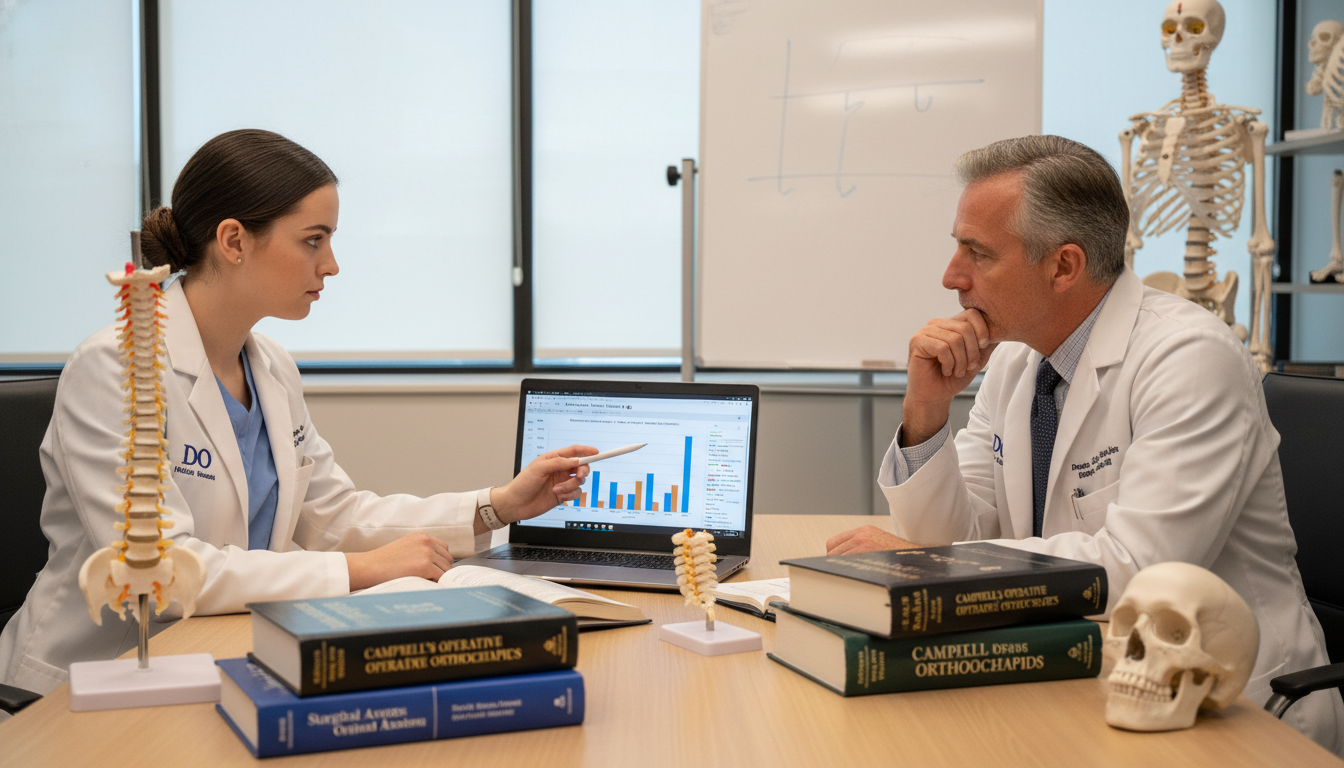
5. How to Communicate Case Volume and Experience as a DO Graduate
Whether during interviews, in your personal statement, or in letters of recommendation, you’ll need to communicate your operative experience thoughtfully.
5.1 Framing Your Pre-Residency Exposure
Even though your true residency case volume will come later, you can still:
Describe meaningful exposures:
- “During my sub-internship in orthopedic trauma, I scrubbed routinely on hip fractures, tibial shaft fractures, and distal radius ORIFs, progressing from retraction to basic screw and plate placement under guidance.”
Highlight continuity:
- “I followed operative patients through pre-op planning, intraoperative execution, and post-op care, reinforcing the full arc of orthopedic surgical management.”
Emphasize reflection and learning:
- Discuss specific cases where complications or unexpected findings taught you something lasting.
You do not need to quote exact numbers unless you had unusually high exposure; it’s more about demonstrating commitment and insight than “flexing” student-level case volume.
5.2 In Interviews: Questions You Should Be Ready to Answer
Be prepared to answer:
“What kind of operative experience have you had so far?”
- Focus on:
- Orthopedic sub-Is
- Any orthopedic elective rotations
- Key procedures you observed or assisted.
- Focus on:
“How do you see yourself growing in the OR during residency?”
- Emphasize:
- Desire for progressive responsibility
- Interest in varied subspecialties
- Commitment to deliberate practice (simulation, reading op-tech, reviewing videos).
- Emphasize:
“Why orthopedic surgery for you as a DO graduate?”
- Connect:
- Hands-on osteopathic training in anatomy and musculoskeletal medicine
- Love of procedural work and biomechanics
- Concrete experiences in the OR that confirmed your interest.
- Connect:
5.3 Empowering Your Letter Writers to Describe Your Operative Potential
For the osteopathic residency match into orthopedic surgery, letters are crucial. You can help your writers by:
Providing them with:
- A short list of surgeries you assisted in with them (dates, case type, your role).
- Specific examples of times you showed technical improvement or strong OR composure.
Politely indicating:
- Your desire to pursue orthopedic surgery.
- That comments on your technical potential or OR demeanor would be particularly valuable.
This encourages them to mention not only that you “were present” in the OR, but that you engaged meaningfully and show potential for high surgical volume environments.
6. Strategic Advice: Maximizing and Selecting for Case Volume as a DO in Ortho
6.1 During Medical School
Seek out orthopedic rotations early
- Join the orthopedic interest group.
- Ask to shadow in the OR.
Use elective time wisely
- Do at least one or two sub-Is in orthopedic surgery at programs where you might realistically match.
- Prioritize institutions with a reputation for strong training and good DO representation if possible.
Learn basic technical skills
- Knot-tying, suturing, handling instruments.
- Simulation labs, cadaver workshops, or skill sessions.
The more technically comfortable you are, the more responsibility attendings may be willing to give you in the OR.
6.2 During a Transitional or Preliminary Year (If Applicable)
- Actively request rotations with operative exposure:
- Trauma surgery
- Orthopedic consults
- General surgery electives
- Volunteer for call and weekend cases when appropriate and within duty-hour limits.
- Log your experiences—not to “pad” your future ortho log, but to show a track record of seeking surgical responsibility.
6.3 During Orthopedic Residency (Looking Ahead)
Once you’re in an orthopedic surgery residency:
Monitor your own case logs regularly:
- Ensure you’re on track for ACGME minimums early.
- If you see gaps (e.g., low hand or pediatrics), talk to your program director about targeted rotations or elective time.
Be proactive about operative opportunities:
- Arrive early, help set up the room.
- Know the patient and imaging in detail; attendings will trust you more.
- Ask for appropriate portions of the case as your skills grow.
Use feedback loops:
- After cases, ask: “What could I improve technically next time?”
- Incorporate feedback into your reading and simulation.
Over five years, this approach leads not only to high procedure numbers, but to genuine operative competence.
FAQs: Case Volume Evaluation for DO Graduates in Orthopedic Surgery
1. As a DO student, how many orthopedic cases do I need before applying for ortho residency?
There is no fixed minimum for students. Program directors expect variable exposure depending on your school and rotations. What matters more is:
- Demonstrated sustained interest in orthopedics.
- Strong performance and engagement on orthopedic rotations.
- Thoughtful reflection on your OR experiences.
If you had a lower number of cases due to school structure, focus on the depth and quality of your involvement in those you did have.
2. How can I tell if an orthopedic program’s case volume is “enough” for my training?
Look for:
- Graduates consistently well above ACGME minimums in key categories.
- A broad range of subspecialty exposure (trauma, sports, joints, hand, spine, pediatrics).
- Clear resident testimonials:
- “We never struggle to meet minimums.”
- “Senior residents are primary surgeon on most routine procedures.”
If residents express concern about minimal exposure or frequently missing certain types of cases, consider that a caution flag.
3. Does being a DO affect my access to cases once I’m in an orthopedic residency?
In a well-run, inclusive program, your DO vs MD degree should not determine your operative opportunities. However, culture varies.
When evaluating programs, especially for the osteopathic residency match, talk with DO residents:
- Ask if they feel they get equal opportunity in high-yield cases.
- Ask whether DOs have achieved competitive fellowships (often a sign that they had strong surgical volume and responsibility).
Choose programs where DO graduates clearly thrive and achieve robust case numbers.
4. Is more surgical volume always better, or can too much be a problem?
More volume is only beneficial if:
- You’re appropriately supervised.
- You receive progressive responsibility rather than repeating the same simple tasks.
- You have time for reflection, reading, and conference to integrate what you see.
Extremely high volume with poor teaching and chronic burnout may compromise learning. Aim for programs that balance high case volume with strong mentorship and education.
By understanding how residency case volume, surgical volume, and procedure numbers function in orthopedic surgery, you as a DO graduate can make more informed decisions—about where to apply, which programs to rank highly, and how to frame your own operative experiences. Case volume is a crucial metric, but when combined with thoughtful reflection, strong mentoring, and a growth mindset, it becomes a powerful tool for your development into a confident orthopedic surgeon.