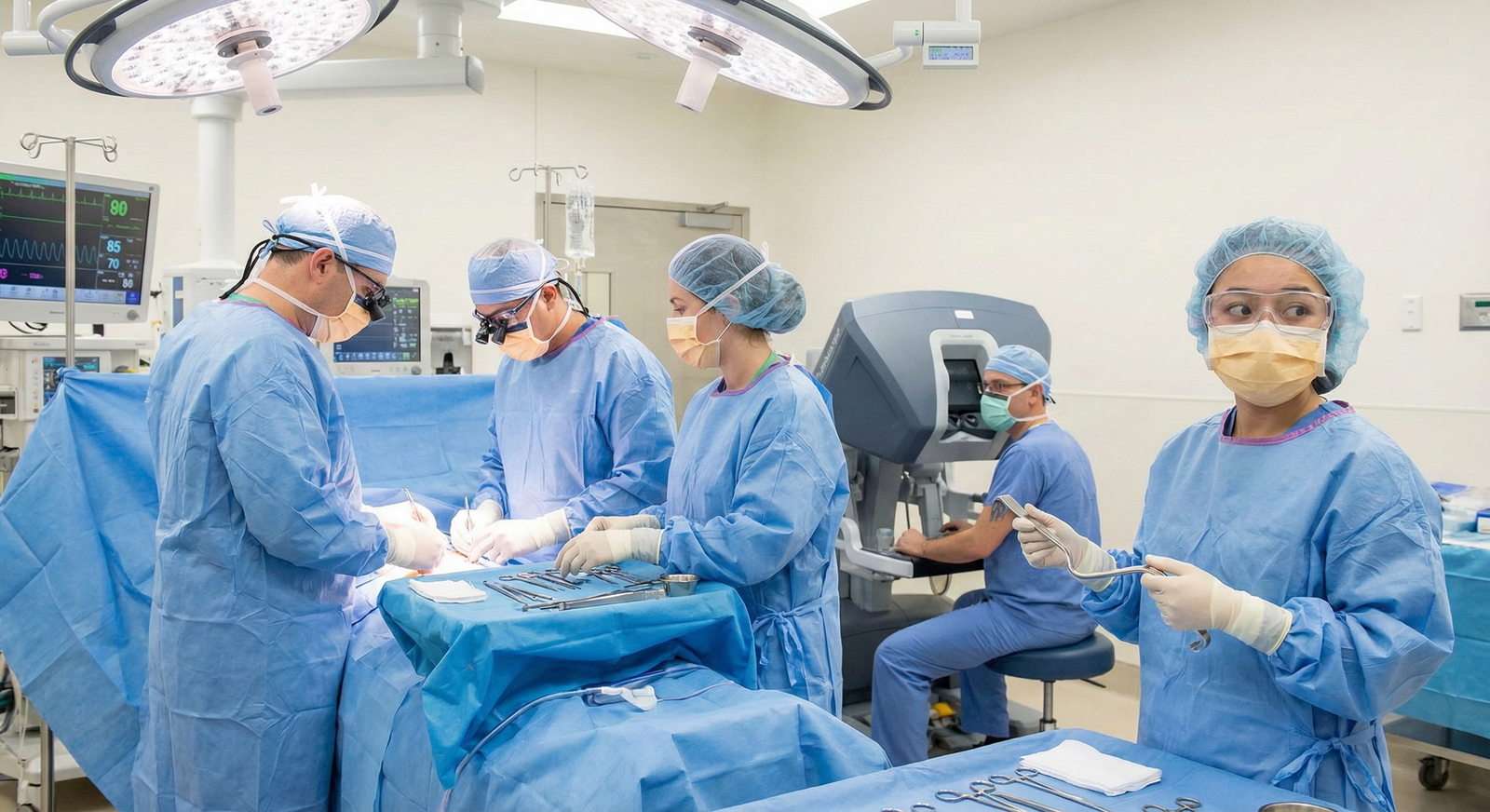
Vascular surgery is one of the most technically demanding surgical specialties, and case volume is a central factor in how well you will be trained. As a non-US citizen IMG (foreign national medical graduate), understanding, evaluating, and strategically using residency case volume data can dramatically influence your training quality, board eligibility, and eventual competitiveness for jobs or fellowships.
This guide walks you step-by-step through how to think about case volume evaluation for vascular surgery—especially in integrated vascular programs—from the perspective of a non-US citizen IMG.
Why Case Volume Matters So Much in Vascular Surgery
Vascular surgery training is fundamentally about mastering complex, high-stakes procedures—often in unstable or high-risk patients. Your competence and confidence at the end of residency will be directly tied to your exposure, repetition, and progressive responsibility in real cases.
1. Skill Acquisition and Retention
- Technical skills (e.g., arterial anastomosis, thrombectomy, EVAR deployment, carotid endarterectomy) improve with repetition.
- High procedural volume is strongly associated with:
- Faster operative times
- Fewer intraoperative errors
- Better complication management
- Higher long-term patient outcomes
In most surgical literature, higher surgeon volume and institutional volume correlate with better outcomes. Residency is where you build that foundation.
2. Meeting ACGME and Board Requirements
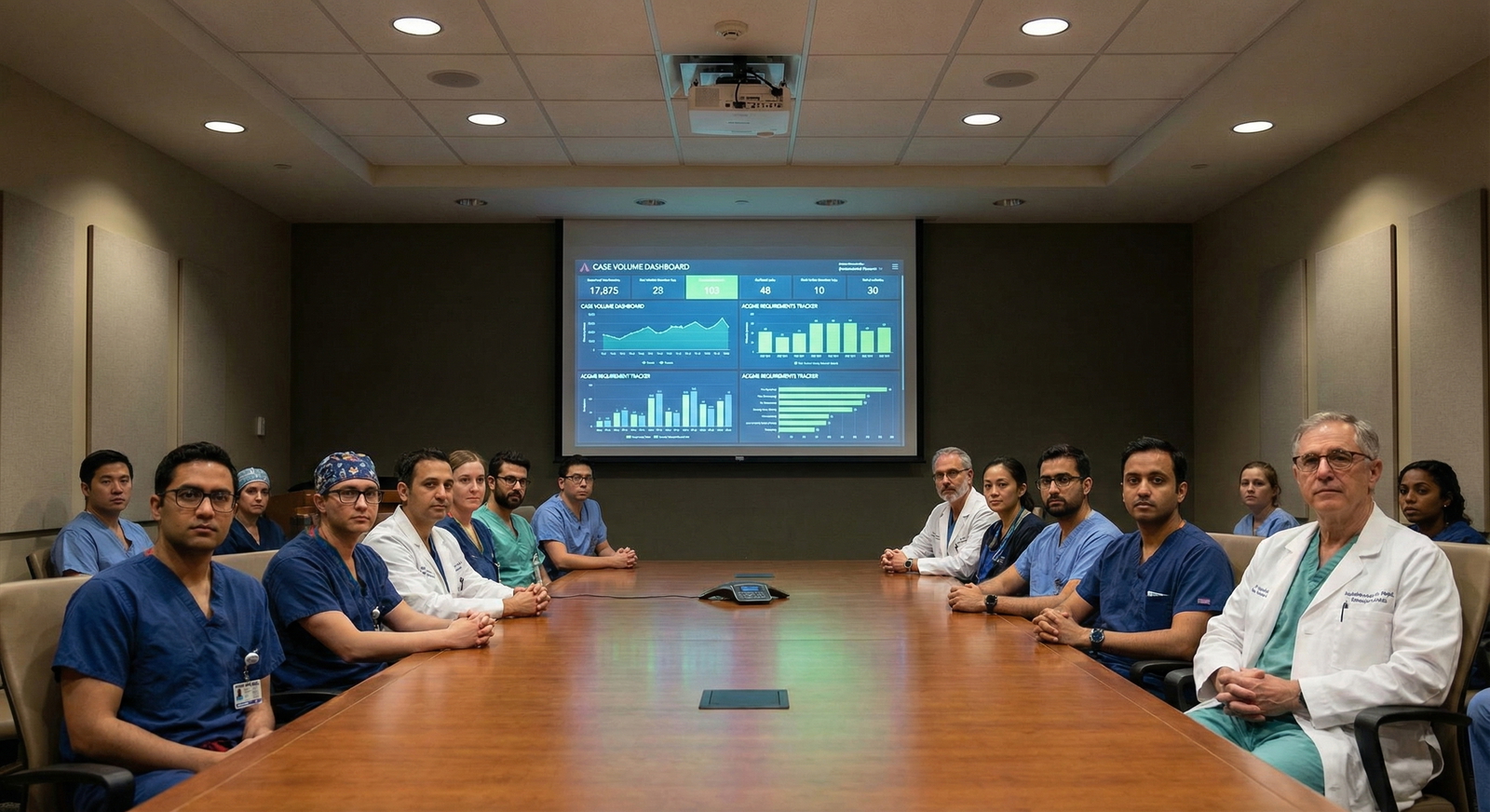
The ACGME and the Vascular Surgery Board set minimum case requirements for graduating residents and fellows. You must document your procedure numbers through official case logs to be board-eligible.
Too-low volume puts you at risk for:
- Needing extra training time
- Delayed graduation
- Difficulty sitting for boards
- Weak job prospects, especially if you are a foreign national medical graduate trying to overcome “IMG bias”
3. Competitiveness as an IMG
As a non-US citizen IMG, you already face:
- Visa-related hiring risk
- Program hesitation about unfamiliar medical education backgrounds
- Additional scrutiny of your training quality
Robust residency case volume helps counterbalance these concerns. Program directors and employers often feel more confident hiring IMGs who clearly demonstrate:
- Strong operative experience
- Independent surgeon capability
- Balanced exposure to open and endovascular procedures
In a competitive specialty like vascular surgery, a strong case log is a key credibility marker.
Understanding Case Volume, Case Mix, and What Really Counts
Not all “high volume” is equal. To properly evaluate vascular surgery residency opportunities, you need to understand several dimensions:
1. Total Case Volume vs. Individual Resident Volume
Programs sometimes advertise:
- “We perform 2,000+ vascular procedures per year”
- “High surgical volume facility”
However, what matters is not just institutional volume, but per-resident case volume:
- How many primary surgeon or surgeon junior/senior cases does each resident log?
- Is the work concentrated among a few fellows or senior residents?
- In integrated programs: Do the early years (PGY1–3) get meaningful vascular exposure?
As an applicant, focus on:
- Average total cases per graduating resident
- Median (not just maximum) case numbers
- Distribution: Are all residents reaching robust volume, or only top performers?
2. Case Mix: Open vs. Endovascular
Vascular surgery has rapidly evolved toward endovascular procedures, but strong training still requires open experience:
Key domains to examine:
- Endovascular exposure
- EVAR/TEVAR
- Iliac/femoral stenting
- Lower extremity angioplasty
- Complex endovascular reconstructions
- Open arterial procedures
- Open AAA repair
- Aorto-bifemoral bypass
- Femoral-popliteal bypass
- Carotid endarterectomy (CEA)
- Open mesenteric/renal revascularization
- Dialysis access
- AV fistulas
- Grafts
- Access revisions
- Amputations and wound care
- Major amputations (AK/BK)
- Minor amputations (toe, ray)
- Venous procedures
- Varicose vein surgery
- Thrombectomies
- IVC filter placement/retrieval
A “balanced” vascular training typically includes significant numbers in each major category. A program that is endovascular-heavy but weak in open aortic, carotid, or peripheral bypass may leave you with gaps that matter later in your career.
3. Primary vs. Assistant Role
When reviewing procedure numbers, focus on:
- Cases where you were the primary operator (or surgeon junior/senior with significant hands-on responsibility)
- Progressive autonomy from PGY1 to PGY5/PGY7
- Structured increase in complexity over time
Programs that allow residents to consistently be primary surgeon on key index cases produce more confident graduates compared to those where fellows or attendings perform most critical parts.
4. Integrated Vascular Program vs. Traditional Pathway
For non-US citizen IMGs, the integrated vascular program (0+5) has unique implications:
- You enter vascular training right after medical school (or transitional year).
- Early years may be heavy in general surgery, ICU, and basic surgical exposure.
- You should ask:
- At what PGY level do residents start logging core vascular cases?
- How many vascular cases are logged by PGY2–3?
- Is there dedicated time on vascular rotations before PGY4–5?
Some integrated programs have fantastic case volume overall but relatively late vascular autonomy. For an IMG who needs to showcase strong vascular logs (for jobs, fellowships, or immigration-based credentialing), this timing matters.

How to Research and Compare Vascular Surgery Case Volume as an IMG
You will rarely find all the details you need on a program’s website. As a foreign national medical graduate, you must be deliberate and systematic in how you gather and compare information.
Step 1: Use Official ACGME Case Log Data (When Available)
Some program websites or presentations show:
- Average case logs for recent vascular graduates
- Breakdowns like:
- “Graduating resident performed ~350 endovascular interventions”
- “Average >900 total vascular cases per trainee”
- “>100 open aortic procedures” etc.
Treat these as baseline indicators and ask:
- Is this per year or total over residency?
- Is it a recent 3–5 year average or a single year snapshot?
- Does it include outside rotations (VA, affiliated hospitals)?
If the data is vague, write down your questions for future emails or interview days.
Step 2: Program Websites and Virtual Open Houses
Most integrated vascular programs now host:
- Virtual open houses / information sessions
- Q&A panels with current residents
- Dedicated pages for case mix and rotation schedules
Targeted questions to ask:
- “What is the average total case volume per graduating resident?”
- “How many open aortic cases does each graduate typically log?”
- “What is the balance between endovascular and open procedures?”
- “Do vascular fellows (if present) compete for cases with integrated residents?”
- “At what PGY level do residents start being primary operator for core vascular cases?”
As a non-US citizen IMG, also ask:
- “Have prior non-US citizen IMGs graduated from this program recently?”
- “Did they easily meet ACGME case minimums?”
- “Were there any extensions required for case volume reasons?”
Step 3: Direct Emails to Program Coordinators and Residents
Well-structured emails can yield detailed answers if you are specific and respectful. For example:
“I am a non-US citizen IMG very interested in the integrated vascular program. Could you please share approximate average case volumes for recent graduates (e.g., total vascular cases, open aortic, CEA, dialysis access, endovascular interventions)? I want to ensure I will receive adequate exposure to both open and endovascular procedures.”
Reach out especially to:
- A recent or senior integrated vascular resident
- An IMG currently in the program (if any)
Ask them candidly:
- “Did you feel any struggle to meet case minimums?”
- “Are certain categories (e.g., open aortic, mesenteric, or arch work) relatively rare?”
- “How is case allocation between integrated residents and fellows?”
Step 4: Track and Compare Using a Simple Framework
Create a spreadsheet to compare programs. For each program, try to fill in:
- Total vascular cases per graduate
- Open aortic cases (especially infrarenal AAA, aorto-bifemoral)
- Carotid cases (CEA or TCAR)
- Peripheral bypasses
- Endovascular interventions (angioplasty/stenting, EVAR/TEVAR)
- Dialysis access and amputations
- Average weekly OR days for senior residents
- Call responsibilities (more call may mean more urgent/emergent vascular cases)
As an IMG, think of this as part of your risk management: low-volume programs may be more “comfortable” lifestyle-wise, but they can be high risk for your long-term career if your technical exposure is insufficient.
Special Considerations for Non-US Citizen IMGs Evaluating Case Volume
Being a foreign national medical graduate adds several layers to the decision-making about case volume and program selection.
1. Visa Status and Case Volume Stability
If you are on J-1 or H-1B, your training time is relatively fixed. You have limited flexibility to:
- Extend residency to “catch up” on cases
- Switch programs easily if volume is inadequate
Therefore, avoid programs with:
- Uncertain or unstable case volume due to:
- New vascular service lines
- Recent faculty departures
- Heavy competition with cardiology or radiology for endovascular cases
- Frequent resident extensions for volume reasons
Ask directly:
- “Have any residents needed extensions in recent years to meet case requirements?”
- “Has the vascular case volume been stable over the last 3–5 years?”
2. Competition with Fellows and Other Trainees
In some academic centers, vascular procedures are also performed by:
- Interventional cardiology
- Interventional radiology
- Vascular medicine programs
- Vascular surgery fellows (5+2 pathway)
As an IMG, you want:
- Clear priority for vascular residents over non-surgery trainees
- Protected vascular OR time for integrated residents
- Faculty who are committed to teaching rather than just doing cases themselves
Ask:
- “How are cases allocated between integrated residents and fellows?”
- “Do interventional cardiology or radiology fellows take a significant portion of peripheral and aortic endovascular work?”
- “Do residents routinely perform the key portions of cases, or mostly assist?”
3. Case Volume as a Signal for Future Employers
Once you graduate, potential employers—especially private practice groups and smaller hospitals—may pay close attention to your:
- Board certification
- References
- Operative case log and comfort level across procedures
For a non-US citizen IMG, there can be added skepticism about training quality. A strong, diverse case log:
- Counters any bias about your background
- Demonstrates that you can independently handle:
- Ruptured AAA
- Critical limb ischemia
- Complex dialysis access
- Carotid disease
- Makes it easier to secure:
- Academic positions
- High-volume private practice roles
- Positions in communities with limited backup
Your goal is not just to “meet minimums” but to graduate as a high-volume, confident surgeon.

Red Flags and Green Flags in Vascular Surgery Case Volume
To make practical decisions, you need to recognize patterns in how programs talk about and structure their case volume.
Green Flags: Positive Indicators
Transparent, Detailed Case Data
- Website or presentations show:
- Average total vascular cases per graduate
- Breakdowns by category (open aortic, carotid, endovascular, dialysis access)
- Faculty openly discuss:
- Efforts to maintain or grow volume
- Strategies for ensuring adequate hands-on experience
- Website or presentations show:
Strong Open and Endovascular Balance
- Ample:
- Open AAA/aortic work
- CEA and other supra-aortic work
- Bypass surgery
- High EVAR, TEVAR, peripheral interventions
- Graduates comfortable with both modalities
- Ample:
Resident-Centered Case Allocation
- Residents—not fellows or attendings—are primary operators for:
- Most routine and urgent cases
- Progressive autonomy:
- Juniors: access, exposure, closure, basic endovascular steps
- Seniors: full operations, decision-making, managing complications
- Residents—not fellows or attendings—are primary operators for:
Stable or Growing Service Line
- Dedicated vascular OR block time
- Hybrid OR available and used frequently
- Expanding referral base, outpatient clinic, and consult volume
Successful IMG Graduates
- Non-US citizen IMGs have:
- Graduated on time
- Met case minimums easily
- Secured competitive jobs/fellowships
- Non-US citizen IMGs have:
Red Flags: Potential Problems
Vague or Absent Case Data
- No mention of actual residency case volume
- Responses like “Our volume is good” without numbers
- Evasion when asked about open aortic or carotid case numbers
Recent Faculty Departures
- A major open surgeon or endovascular champion recently left
- Program is “rebuilding” with uncertain future case mix
Heavy Competition From Other Specialties
- Cardiology performs most peripheral interventions
- IR handles many EVAR or TEVAR cases
- Vascular surgery primarily manages complications or low-complexity work
Residents Needing Extensions
- “We occasionally extend residents for case volume”
- “Some residents struggle to meet open aortic minimums”
- For a visa-dependent non-US citizen IMG, this is risky.
Top-Heavy Experience
- Little vascular exposure until PGY4–5
- Early integrated years spent largely on non-vascular rotations with minimal OR time
- Senior residents “fighting” for limited high-yield cases
Strategies to Maximize Your Own Case Volume Once Matched
Your job is not done when you match. To graduate as a strong vascular surgeon—particularly as a non-US citizen IMG—you need a proactive plan to maximize surgical volume and optimize procedure numbers.
1. Be Intentional About Rotation Planning
Work with your program leadership to ensure:
- Early and repeated exposure to core vascular rotations
- Adequate time at:
- Main hospital
- VA or affiliated centers with different case profiles
- Avoidance of excessive low-yield rotations late in training
Ask for:
- More time on vascular services during high-volume months
- Opportunities to cover additional ORs when service allows
2. Show Reliability and Initiative
Residents who are:
- Punctual
- Prepared
- Energetic
- Trustworthy in patient care
…are more likely to be invited into extra cases.
Practical actions:
- Volunteer to assist in add-on cases
- Offer to help when other services are overwhelmed
- Review imaging and patient history before each case, and present a plan
3. Track Your Case Log Early and Regularly
Do not wait until PGY5 or PGY7 to discover you’re low in a category.
- Log cases weekly in ACGME system (or program’s log platform)
- Generate periodic reports to see:
- Total cases
- Distribution by category (open vs. endovascular)
- Meet with program director or mentor:
- At least yearly to review your numbers
- Earlier if you see gaps in certain areas
If you’re behind in a category:
- Request targeted rotations
- Volunteer to scrub relevant cases
- Explain your goals clearly: “I need more exposure to open aortic cases.”
4. Protect Your OR Time
As an IMG, you may feel pressure to “prove” your knowledge with extra research or test prep. Those are important, but:
- OR time is irreplaceable; you can always study later.
- Whenever conflict arises between a low-yield task and a good case, try to prioritize the OR (within the rules of your program).
If you must cover floor work:
- Coordinate with co-residents to alternate:
- “I’ll cover the floor in the morning so you can scrub the AAA; can we switch this afternoon so I can do the fem-pop?”
5. Seek Mentorship with High-Volume Attending Surgeons
Identify attendings who:
- Do many high-complexity procedures
- Enjoy teaching and allow autonomy
Express your interest:
- “I’m particularly interested in complex endovascular aneurysm repair and critical limb ischemia. May I join your cases or clinics whenever staffing permits?”
Mentors can:
- Pull you into specific cases
- Advocate for your case allocation
- Help fill gaps in your log (e.g., carotid, mesenteric, complex revision work)
FAQs: Case Volume Evaluation for Non-US Citizen IMG in Vascular Surgery
1. What is a “good” case volume for a vascular surgery residency graduate?
There is no single magic number, but strong integrated vascular graduates often log:
- Several hundred endovascular procedures
- Substantial open cases, including:
- Dozens of open aortic operations (if in a high-volume center)
- Robust numbers of CEA, bypasses, and dialysis access You should comfortably exceed ACGME minimums, not just meet them, especially as a non-US citizen IMG aiming to offset any training bias.
2. Should I prioritize higher total case volume over program prestige?
For vascular surgery, particularly as an IMG, high-quality case volume often matters more than pure prestige. A well-known academic name with low or unbalanced case exposure may leave you technically underprepared. Ideally, seek a combination of:
- Solid regional or national reputation
- Strong, transparent residency case volume
- Balanced open and endovascular training
If forced to choose, many surgeons would favor better operative experience over prestige alone.
3. How can I tell if fellows will negatively impact my case volume in an integrated program?
Ask specific questions:
- “How are cases divided between integrated residents and fellows?”
- “Do integrated residents still meet or exceed case minimums comfortably?”
- “Are there protected resident cases where fellows do not participate?” If answers are vague or current residents seem hesitant, that may indicate competition that could limit your operative exposure.
4. As a foreign national medical graduate, should I avoid new or very small vascular programs?
New or small programs can be excellent, but they carry more uncertainty:
- Case volume may not be fully mature or stable.
- Systems for protecting resident experience may still be developing. As a non-US citizen IMG with visa constraints and limited flexibility, you should be especially cautious. Scrutinize:
- Actual documented case logs for early cohorts
- Stability of faculty
- Presence of clear, structured operative teaching
If detailed data is unavailable and assurances are nonspecific, a more established program with proven procedure numbers may be a safer choice.
By approaching case volume evaluation systematically—understanding total volume, case mix, and your unique needs as a non-US citizen IMG—you can select a vascular surgery residency that truly prepares you for independent practice. Your future competence and credibility as a vascular surgeon will be shaped in large part by the surgical volume and breadth of experience you gain during these critical years.