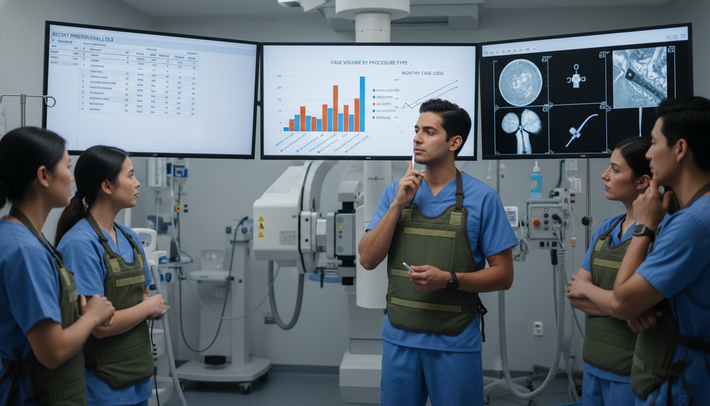
Understanding Case Volume in Plastic Surgery Residency
For an MD graduate targeting plastic surgery residency, case volume is not just a statistic—it’s a core proxy for your future competence and confidence as a surgeon. In a high-stakes field like plastic surgery, where millimeters can define outcomes, the number and diversity of procedures you perform matter deeply.
This article focuses on case volume evaluation specifically for MD graduates from allopathic medical schools planning to enter or compare plastic surgery residency programs, especially integrated plastics match pathways. You’ll learn how to interpret case logs, what numbers actually mean, how to compare programs realistically, and how to incorporate case volume into your rank list and interview strategy.
We’ll focus on integrated plastic surgery, but much of this applies to independent pathways as well.
1. Why Case Volume Matters in Plastic Surgery
1.1 Case Volume as a Core Competency Metric
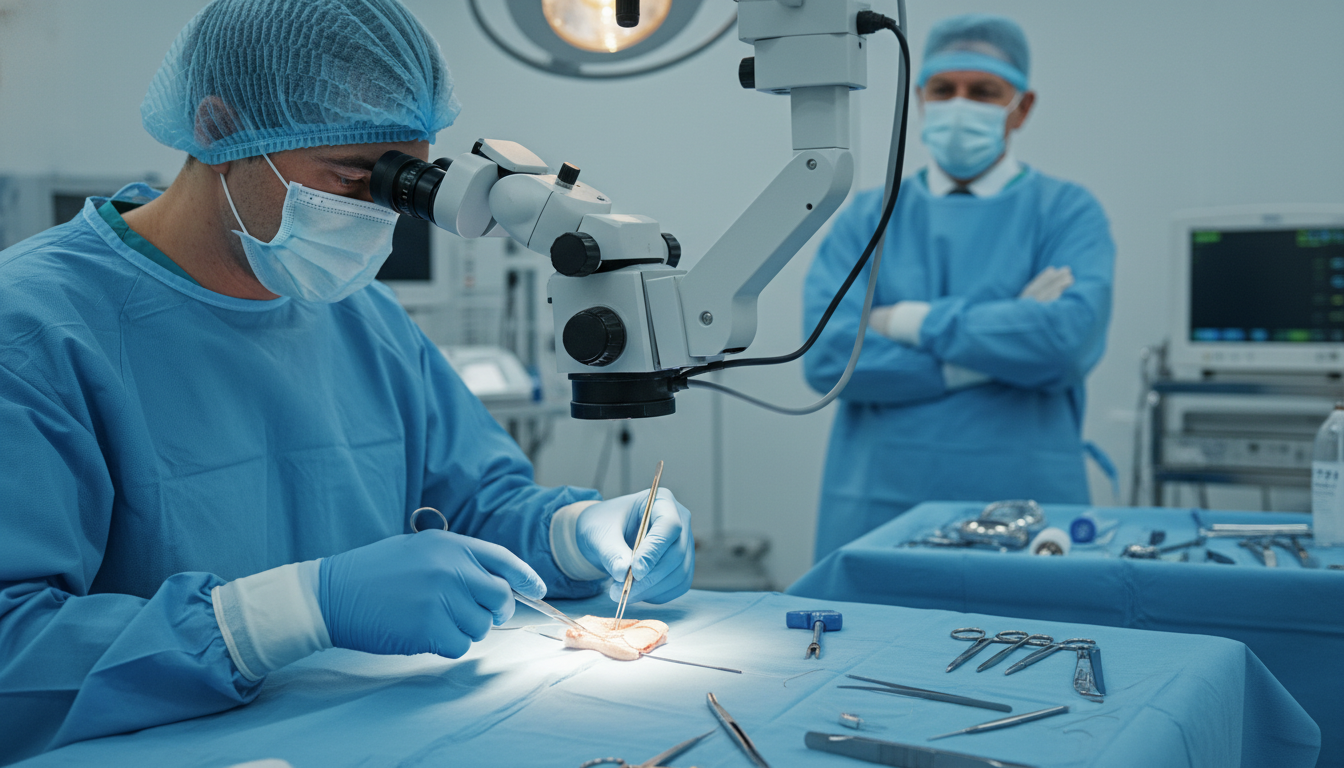
In plastic surgery, technical excellence is gained by repetition and progressive complexity of operative experience. Residency case volume offers several key benefits:
- Skill acquisition: Repeated exposure to the same procedure improves speed, precision, and complication management.
- Pattern recognition: High procedure numbers allow you to anticipate pitfalls and develop intraoperative decision-making.
- Confidence and autonomy: A robust operative log typically correlates with more graduated autonomy in the OR.
- Board readiness: The American Board of Plastic Surgery (ABPS) expects certain experiences across reconstructive and aesthetic domains.
For an MD graduate from an allopathic medical school, your allopathic medical school match often already favors strong surgical training, but within plastic surgery, surgical volume is a major differentiator between programs of similar prestige.
1.2 Case Volume vs. Case Quality
High volume does not guarantee high educational value. You must evaluate:
- Your role in the case: Assistant vs. primary surgeon vs. observer.
- Case complexity: Simple closures vs. free flap microvascular reconstruction.
- Supervision quality: Attending involvement and teaching style.
- Diversity of cases: Reconstructive, aesthetic, hand, craniofacial, microsurgery, gender-affirming surgery, trauma, etc.
Two residents might each report 1,200 cases; one resident may have performed 400 complex microsurgical reconstructions, while another mostly logged simple wound closures and minor hand procedures. Numbers alone are insufficient.
1.3 The Unique Nature of Volume in Plastic Surgery
Unlike some larger-volume general surgery fields, plastic surgery encompasses:
- Reconstructive surgery across all regions of the body
- Cosmetic/aesthetic surgery
- Microsurgery and limb salvage
- Hand and peripheral nerve surgery
- Craniofacial and pediatric plastic surgery
- Burn and trauma reconstruction
- Gender-affirming and oncologic reconstruction
Your integrated plastics match decision should prioritize a program that offers balanced surgical volume across these domains, not just “busy ORs.”
2. Benchmarks and Expectations: What Is “Enough” Volume?
2.1 ACGME and ABPS Expectations (Conceptual Benchmarks)
While the specific minimum numbers and categories may change periodically (and you should always review the most recent ACGME and ABPS guidelines), plastic surgery residency programs must demonstrate that graduates:
- Log a broad spectrum of reconstructive and aesthetic procedures
- Achieve adequate numbers in key categories: breast, hand, craniofacial, microsurgery, cosmetic, trunk/extremity reconstruction, burn
- Progress to senior-level autonomy: performing major portions of key cases independently under supervision
Programs risk accreditation issues if their residents’ case logs are consistently substandard, so most integrated plastic surgery residencies maintain competitive volumes. Still, there is wide variability in specific areas.
2.2 Typical Case Volume Ranges (Illustrative, Not Official)
Numbers vary widely by program, but as a conceptual framework for a full 6-year integrated plastic surgery residency:
- Total major operative cases: Often 800–1,500+ by graduation
- Microsurgery (free flaps and replantations): Could range from 50–150+ depending on center volume and trauma/oncology emphasis
- Cosmetic/aesthetic cases:
- Some programs: > 250–400+ aesthetic cases
- Others: as low as 100–150 but with strong reconstructive emphasis
- Hand surgery: Often 150–300+ cases, depending on dedicated hand rotations and trauma volume
- Pediatric/craniofacial: Variable; high-volume craniofacial centers can provide significant exposure in cleft, craniosynostosis, and complex pediatric deformities
- Breast reconstruction and oncologic reconstruction: Typically robust at academic cancer centers and large community programs
The goal is not chasing the highest raw number, but ensuring that your training meets or exceeds benchmarks in all core domains.
2.3 Volume by Training Stage
Plastic surgery residents usually experience:
- PGY 1–2 (early years):
Heavy on general surgery, ICU, trauma, basic plastic surgery exposures, and some office/clinic. Case logs start building but with fewer “plastic surgery–primary” cases. - PGY 3–4 (middle years):
Rising responsibility in plastic surgery services, more primary roles in moderate complexity cases, expansion of reconstructive and some aesthetic exposure. - PGY 5–6 (senior/chief years):
Peak procedure numbers and autonomy. Extensive exposure to complex microsurgery, aesthetic cases, and independent operative decision-making.
When comparing programs, ask how volume and autonomy evolve across these stages.
3. How to Evaluate Case Volume Before Matching
3.1 Where to Find Data
As an MD graduate applying to plastic surgery residency, you can gather residency case volume data from multiple sources:
Program websites and brochures
- Some list average case numbers by category.
- Look for phrases like “Our residents graduate with X cases in microsurgery, Y in aesthetic surgery,” etc.
Virtual and in-person interviews
- Interview days often include resident Q&A sessions. Ask about:
- Total cases at graduation
- Distribution across reconstructive vs. aesthetic
- Exposure to complex microsurgery, craniofacial, and hand
- Interview days often include resident Q&A sessions. Ask about:
Current and recent graduates
- Email or message alumni (especially recent chief residents) asking:
- Were they satisfied with their case volume?
- Any perceived gaps?
- How their case logs compared with peers at other programs?
- Email or message alumni (especially recent chief residents) asking:
Residency program databases and third-party guides
- Some organizations compile average case volumes or perceived strengths of programs (e.g., high-volume trauma center vs. cosmetic-focused centers). Use these as a starting point, not a final verdict.
ACGME case log public reports (if available)
- Occasionally, you can see aggregate statistics for residents by specialty. These may not be program-specific but help you understand norms.
3.2 Smart Questions to Ask on Interview Day
Instead of “How many cases do residents do?” (which yields vague reassurance), ask targeted questions that reveal both quantity and quality:
About overall volume and progression
- “Approximately how many total major operative cases do chiefs graduate with?”
- “How do case numbers ramp up from PGY1 to PGY6?”
- “When do residents typically start performing portions of free flaps or complex reconstructions as primary surgeon?”
About specific domains
- “What is the average number of microsurgical free flaps a graduating resident has performed or assisted on?”
- “How robust is your cosmetic surgery experience? How many aesthetic cases do senior residents typically log?”
- “What’s the hand surgery volume like? Are there dedicated hand rotations or fellowships that residents work alongside?”
- “How much pediatric/craniofacial exposure is there, and at what PGY levels?”
About autonomy and operative role
- “By your chief year, what kind of cases are you doing largely independently under supervision?”
- “How often are multiple residents competing for the same cases, and how is that managed?”
3.3 Interpreting Resident Responses Critically
Residents are often your best source of truth but may be biased toward their own program. When listening:
- Compare across residents within the same program. Are descriptions consistent?
- Ask different PGY levels the same questions:
- Juniors: Are they getting OR time early?
- Seniors: Do they feel ready for independent practice or fellowship?
- Probe gently about weaknesses:
- “If you could improve one aspect of your surgical training, what would it be?”
- “Are there any types of cases that you feel less comfortable with?”
Patterns in these answers help you evaluate whether the surgical volume matches your goals.
4. Balancing Volume, Diversity, and Autonomy
4.1 High Volume vs. Overwhelming Service
A common misconception is that the “busiest” program is automatically the best. High residency case volume can become a liability if:
- Residents are so overburdened with scutwork that they miss OR time.
- The service relies heavily on physician extenders and fellows, limiting resident cases.
- Residents are present but only as observers due to attending preference or case complexity.
An optimal environment has:
- Strong operative throughput
- Efficient systems offloading non-educational tasks
- Clear prioritization of resident cases and graduated responsibility
4.2 Diversity of Case Mix
Ensure that procedure numbers reflect varied indications and techniques, not just repetitious, narrow practice:
Reconstructive diversity:
- Oncologic reconstruction (breast, head and neck, trunk, extremities)
- Trauma (facial fractures, hand injuries, soft tissue coverage)
- Burns and complex wound care
Cosmetic/aesthetic diversity:
- Breast augmentation, mastopexy, reduction
- Rhinoplasty, blepharoplasty, facelift, liposuction, abdominoplasty
- Non-surgical aesthetics (injectables, lasers) where relevant
Subspecialty diversity:
- Hand surgery and peripheral nerve
- Microsurgery (free flaps, DIEP, limb salvage)
- Craniofacial and pediatric
- Gender-affirming top and bottom surgery (if available)
Programs with concentrated strengths (e.g., huge breast/microvolume but minimal cosmetics or craniofacial) can still produce excellent surgeons, but you should know your priorities.
4.3 Autonomy as a Parallel Metric
Case volume without autonomy can leave you technically underprepared. On interview day, explore:
- “What is the expectation for resident independence in the OR at each PGY level?”
- “Are there graduated responsibilities, like chief cosmetic clinics or independent reconstructive lists?”
- “Do seniors run their own clinics or minor procedure rooms?”
Red flags:
- Seniors who feel uncomfortable taking attending call post-graduation
- Residents who frequently say, “We mostly assist; fellows do the main parts of complex cases.”
Green flags:
- Chief residents regularly performing full major cases (e.g., abdominoplasty, breast reductions, free flaps) with oversight.
- Clearly structured progression from assistant → co-surgeon → primary surgeon roles.
5. How to Align Case Volume with Your Career Goals
5.1 Fellowship vs. Direct Practice
Your goals after residency should heavily shape how you interpret residency case volume:
If you plan to subspecialize through a fellowship (e.g., craniofacial, microsurgery, hand):
- You need solid broad training but may tolerate weaker volume in your planned fellowship area, assuming strong fellowship training.
- However, some fellowships prefer applicants with substantial baseline volume in that subspecialty.
If you plan to go directly into practice:
- Broad and robust surgical volume is critical.
- You should feel comfortable managing common bread-and-butter cases in:
- Breast and body contouring
- Facial aesthetics
- Common hand and peripheral nerve issues
- Common reconstructive problems
5.2 Academic vs. Private Practice Orientation
Case mix often differs by environment:
Academic programs may have:
- Higher volume of complex reconstructions and microsurgery
- More craniofacial and pediatric volume
- Potentially less cosmetic volume, depending on location and faculty interests
Community-affiliated or private practice–integrated programs may have:
- Stronger cosmetic and body-contouring exposure
- Broad general reconstruction
- Variable micro and craniofacial exposure depending on local referral patterns
If your goal is academic microsurgery, you may prioritize programs with high surgical volume in free flaps and oncologic reconstruction. For a largely aesthetic private practice future, emphasis on aesthetic case volume, cosmetic clinics, and practice management might matter more.
5.3 Evaluating Case Volume Fit: A Practical Framework
When comparing programs on your rank list, consider rating each (1–5 scale) on:
- Overall surgical volume (Are you busy?)
- Diversity of case mix (Breadth across subspecialties)
- Autonomy and graduated responsibility
- Alignment with career goals (academic vs. private, fellowship vs. direct practice)
- Resident satisfaction with training (per interviews/alumni feedback)
An integrated plastic surgery residency that scores high across these dimensions is likely to support your long-term success better than one that simply boasts of “high volume” without nuance.
6. Practical Steps for MD Graduates: Using Case Volume in Your Application Strategy
6.1 During the Application and Interview Season
Before interviews:
- Research each program’s reported residency case volume and procedure mix.
- Note programs with:
- Strong microsurgery and trauma centers
- Dedicated cosmetic clinics or resident-run aesthetic services
- Established craniofacial and pediatric services
- Known strengths (e.g., burn, limb salvage, gender-affirming surgery)
During interviews:
- Use a prepared set of questions (see Sections 3 and 4) tailored to your goals.
- Ask residents to compare their volume to friends at other programs (without naming specifics).
- Listen for:
- “We’re on call a lot but don’t get to operate much” vs.
- “We’re constantly in the OR and get to do a lot ourselves.”
6.2 During Ranking
When constructing your rank list:
- Group programs into tiers by overall training quality (reputation, research, mentorship).
- Within each tier, use case volume and diversity as a major tiebreaker:
- Prefer programs that will reliably graduate you with:
- Robust total case numbers
- Strong distribution across reconstructive and aesthetic domains
- Prefer programs that will reliably graduate you with:
- Balance lifestyle considerations:
- High volume may come with higher call burden; decide if the trade-off is acceptable for your goals.
6.3 After Matching: Maximizing Your Own Case Volume
Once you match into plastic surgery, your personal actions can significantly influence your procedure numbers and quality of experience:
Be proactive in the OR:
- Arrive early, know the patient, indications, and steps thoroughly.
- Show attendings you are prepared to participate meaningfully.
Seek extra opportunities:
- Cover add-on cases when safe and allowed.
- Volunteer for cases that others might avoid (late add-ons, weekend cases) during earlier years, within duty-hour limits.
Document thoroughly:
- Keep your case logs accurate and up to date.
- Track not just counts but your role (assistant vs primary) and complexity.
Request targeted experiences:
- If your hand volume feels low, ask your program director about supplementary rotations.
- If aesthetic exposure is limited, seek out elective rotations, visiting rotations, or senior-level cosmetic clinics.
Review your case logs annually:
- Compare with expected benchmarks.
- Identify gaps early enough to correct them during training.
A resident who is engaged, proactive, and reflective about their case volume often extracts much more educational value from the same program than a more passive peer.
FAQs: Case Volume for MD Graduates in Plastic Surgery
1. What is a “good” total case volume for a plastic surgery residency graduate?
There is no single “magic number,” but many integrated plastic surgery residents graduate with 800–1,500+ major cases. The key is less about hitting an absolute total and more about:
- Meeting or exceeding ACGME and ABPS requirements
- Achieving solid exposure in reconstructive, aesthetic, microsurgery, hand, and craniofacial
- Feeling confident in independently managing common plastic surgery problems
Use total case numbers as a screen, but judge programs heavily on diversity and autonomy.
2. How important is cosmetic case volume compared to reconstructive volume?
Both matter. Plastic surgeons in most practices—academic or private—need:
- Strong reconstructive skills (trauma, cancer reconstruction, wound coverage)
- Competence in key aesthetic procedures (breast, body contouring, facial surgery)
If you aim for a cosmetic-heavy practice, you’ll want robust aesthetic case numbers and resident-run cosmetic clinics. If you plan an academic reconstructive or microsurgery career, reconstructive and microsurgical volume may matter more, but you should still graduate comfortable with common aesthetics.
3. Can a lower-volume program still produce excellent plastic surgeons?
Yes. A somewhat lower-volume program with:
- High-quality teaching
- Strong diversity of cases
- Excellent autonomy and mentorship
- Focused opportunities in your areas of interest
can absolutely produce outstanding surgeons. However, extremely low surgical volume or major gaps in core domains (e.g., almost no hand or microsurgery exposure) should raise concerns, especially if residents need to “patch” their training elsewhere.
4. As an MD graduate from an allopathic medical school, how should I present my interest in case volume during interviews?
Frame your questions around education and patient care, not just “numbers.” For example:
- “I’m very interested in developing strong operative skills across reconstructive and aesthetic surgery. Could you describe how your residents’ case volume supports that?”
- “How do you ensure residents graduate with sufficient exposure to microsurgery and cosmetics?”
- “What steps does the program take if a resident’s case log shows a gap in a particular area?”
This shows you understand that allopathic medical school match outcomes are only the starting point and that you’re thinking like a future surgeon: focusing on training quality, breadth, and patient outcomes—not just raw counts.
By approaching case volume evaluation thoughtfully, you’ll be better equipped to choose a plastic surgery residency that not only looks strong on paper but also delivers the operative experience you need to thrive as a plastic surgeon.