Understanding Why Case Volume Matters in ENT for US Citizen IMGs
For a US citizen IMG or American studying abroad in medical school, otolaryngology (ENT) is one of the most competitive surgical specialties to match into. When programs evaluate applicants, they’re not just looking at test scores and letters—they are also thinking about how much hands‑on surgical and procedural experience you will get during residency and whether you can handle that environment.
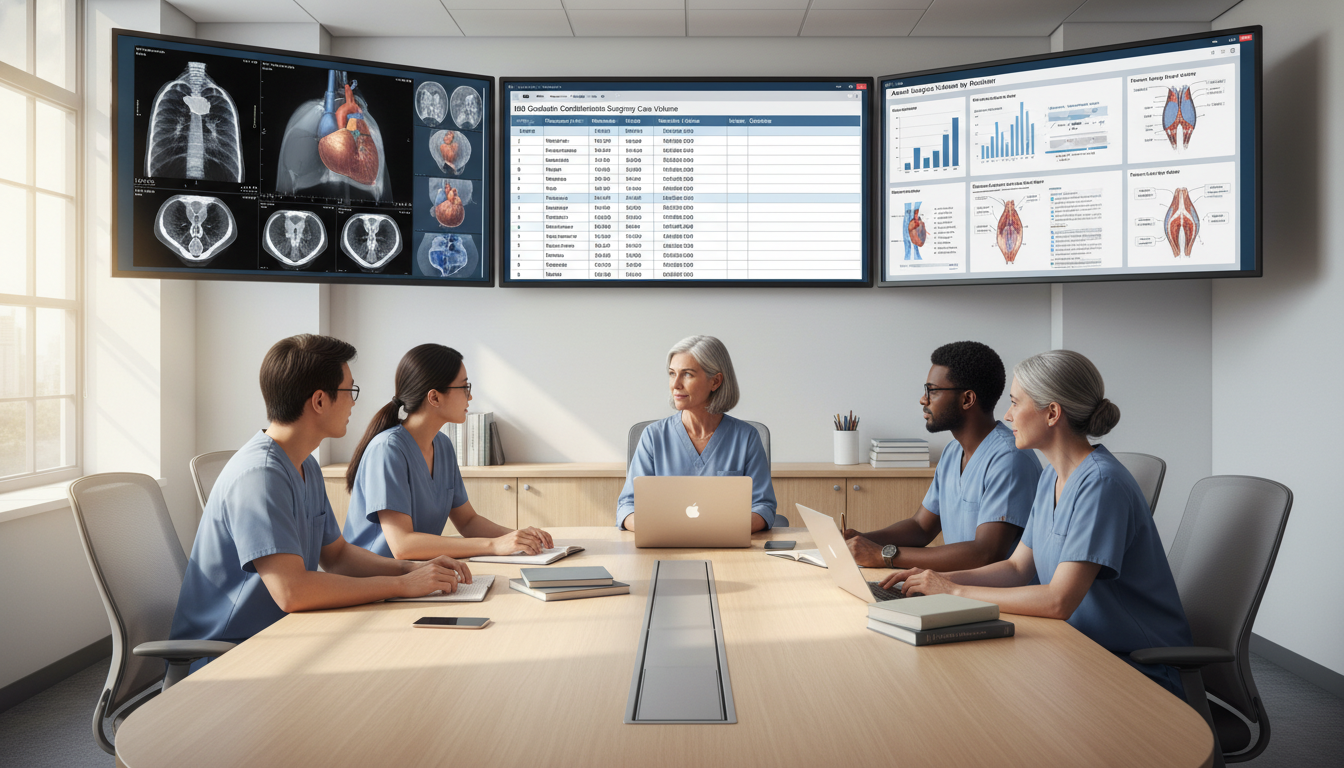
Case volume—the number and variety of operations and procedures performed by residents—is a critical factor for both programs and applicants. For you as a US citizen IMG, understanding and evaluating residency case volume can:
- Strengthen your ENT residency application strategy
- Help you target programs where you can thrive and develop strong operative skills
- Prepare you to ask intelligent questions on interview day and during away rotations
- Ensure that after graduation, you are competent and confident in the OR and clinic
This article breaks down how to evaluate surgical volume and procedure numbers for ENT residency programs, with specific guidance tailored to the US citizen IMG pathway.
Key Concepts: Case Volume, Surgical Volume, and Procedure Numbers
Before you can compare programs, you need clear definitions and context.
What Do We Mean by Case Volume in ENT?
In otolaryngology, case volume typically refers to:
- The total number of operative cases a resident participates in or performs
- The distribution of cases by subspecialty, such as:
- General ENT (tonsils, adenoids, ear tubes, basic sinus)
- Otology/Neurotology
- Rhinology and endoscopic sinus surgery
- Laryngology and airway surgery
- Head and neck oncologic surgery
- Facial plastic and reconstructive surgery
- Pediatric otolaryngology
- Sleep surgery
Surgical volume is often used interchangeably, focusing on operative work. Procedure numbers can also include:
- Clinic-based procedures (e.g., flexible laryngoscopy, nasal endoscopy, minor skin procedures)
- Office laser procedures (where applicable)
- Inpatient consult procedures (e.g., trach changes, epistaxis control)
National Standards and ACGME Requirements
The ACGME sets minimum case requirements for otolaryngology residents. Programs track these through case logs. You should understand:
- There are required minimum numbers in categories like:
- Airway procedures
- Otology procedures
- Nose and paranasal sinus
- Larynx and bronchoscopy
- Head and neck oncologic procedures
- Pediatric otolaryngology
- Residents must log these cases to be eligible for graduation and board certification.
However, minimums are just that—minimums. Strong programs routinely exceed these numbers, sometimes by a large margin. When you evaluate ENT residency case volume, think in terms of:
- Baseline: Meets ACGME minimums
- Solid: Consistently above minimums, good breadth
- High volume: Significantly above minimums, high operative tempo, broad exposure
For a US citizen IMG trying to stand out in the otolaryngology match, a high‑quality environment with steady surgical exposure is extremely valuable.
“Quality” vs “Quantity” of Surgical Volume
More cases are not automatically better. The goal is independent competency, not just watching a large number of operations.
Ask yourself:
- Are senior residents primary surgeons in complex cases, or mainly first assistants?
- Is there graduated responsibility from PGY‑1 to PGY‑5?
- Do residents actually get to operate, or are cases dominated by fellows?
- Are attendings committed to teaching, or is volume so high that education suffers?
An optimal setting combines:
- Sufficient surgical volume to meet and exceed ACGME minimums
- Structured teaching and autonomy so you progress from observer → assistant → primary surgeon
- Breadth of procedures across all major ENT domains
How to Research and Compare ENT Residency Case Volume
As a US citizen IMG, you often apply from outside the US system, so you need a systematic way to evaluate case volume before you ever set foot on an away rotation or interview. Here’s a step‑by‑step approach.
Step 1: Use Publicly Available Program Information
Start with each program’s official website and related public data.
Look for:
- Resident case log summaries
- Some programs publish “average case numbers” for graduates
- Others share sample case logs or graphs showing growth over time
- Clinical sites and hospital affiliations
- Main academic center vs. VA hospital vs. county hospital vs. children’s hospital
- Larger networks tend to generate higher surgical volume and more diverse pathology
- Subspecialty coverage
- Presence of all major ENT subspecialties: head & neck, otology, rhinology, laryngology, facial plastics, pediatrics, sleep
- A robust spread suggests a broader operative experience
Also review:
- Program presentations on YouTube or conferences
- National otolaryngology organization websites (AAO‑HNS, ACGME)
- Doximity and FREIDA (for rough sense of size, though data are imperfect)
Step 2: Analyze Program Size and Structure
Some useful indicators:
- Number of residents per class
- Larger classes (3–5 per year) usually indicate higher clinical volume or more sites
- Very small programs (1–2 per year) may still be high‑volume but require closer scrutiny
- Number of faculty and subspecialists
- More otolaryngology faculty often means:
- More operative cases
- More clinic procedures
- More opportunities to tailor senior‑year experience
- More otolaryngology faculty often means:
- Distribution of rotations
- Are there dedicated blocks for:
- Head and neck
- Otology
- Rhinology
- Pediatrics
- Facial plastics
- Community or VA experience
- A balanced rotation schedule is usually associated with balanced procedure numbers.
- Are there dedicated blocks for:
Step 3: Evaluate Case Mix and Setting
The setting strongly shapes residency case volume:
Tertiary/Quaternary Academic Medical Centers
- Often have complex oncologic and skull base surgery
- High‑end reconstruction, microvascular surgery
- Exposure to rare, advanced pathology
- May have more fellows, which can affect resident autonomy
VA and County Hospitals
- Typically high operative and consult volume
- More bread‑and‑butter ENT and urgent/emergent cases
- Often strong resident autonomy with high procedure numbers
Children’s Hospitals
- Critical for pediatric ENT volume (tonsils, ear tubes, airway, congenital anomalies)
- Look for dedicated pediatric ENT faculty and OR days
Private Practice / Community Rotations
- Can provide great exposure to real‑world case mix and clinic procedures
- Useful for understanding practice management and efficiency
For a US citizen IMG, bread‑and‑butter surgical volume plus structured exposure to complex cases is usually more important than just prestige alone.
Step 4: Look for Objective Benchmarks and Graduates’ Outcomes
Because there is no single centralized database of ENT resident case volumes for applicants, you have to use proxies:
- Board pass rates (ABOto)
- Programs with consistently high pass rates tend to have solid clinical and procedural training
- Fellowship placement
- Do graduates successfully match into competitive ENT fellowships (otology, rhinology, facial plastics, head & neck)?
- Strong fellowship placement often correlates with robust surgical and procedural training
Contact the program coordinator or chief resident (professionally and concisely) to ask whether:
- They can share average residency case volume data for graduating residents
- Residents routinely exceed ACGME minimums in key areas
- Clinic‑based procedure numbers (scopes, biopsies, minor procedures) are tracked and adequate
As an American studying abroad, this type of detailed, data‑oriented question demonstrates seriousness and understanding of the field.
How Case Volume Interacts with Your Goals as a US Citizen IMG
Once you understand what to look for, you must connect it to your own priorities as a US citizen IMG.
Goal 1: Achieve Technical Competence and Confidence
Your first and most important goal is to leave residency feeling comfortable handling:
- Common ENT procedures independently
- Emergency airway management and urgent ENT consults
- A wide spectrum of outpatient procedures
To get there, you need:
- Sufficient surgical volume
- Tonsillectomies, adenoidectomies, ear tubes
- Septoplasty, basic sinus surgery, nasal fracture management
- Tracheostomies and airway procedures
- Head and neck cancer resections and neck dissections
- High clinic procedure numbers
- Flexible nasolaryngoscopy
- Nasal endoscopy
- Ear procedures (debridement, foreign body removal, myringotomies in clinic where applicable)
- Minor skin lesion excisions and biopsies
Ask programs (especially during interviews or away rotations):
- “By PGY‑3 or PGY‑4, what are the typical procedure numbers for core operations like tonsils, tubes, tracheostomies, and sinus surgery?”
- “How do you ensure residents achieve independent operating capability by the end of training?”
Goal 2: Align Case Volume with Future Career Plans
Your desired career path affects how you should weigh ENT residency case volume.
If You’re Interested in Community ENT
For community practice, you need especially strong experience in:
- General ENT bread‑and‑butter:
- Tonsils, adenoids, ear tubes, tympanoplasties
- Septoplasty, endoscopic sinus surgery
- Thyroid/parathyroid surgery
- Basic head and neck oncology
- Office‑based procedure numbers:
- Nasal endoscopy, laryngoscopy
- In‑office biopsies and minor procedures
Look for:
- Programs with high outpatient surgical volume and community hospital rotations
- Evidence that graduates move directly into community or private practice with confidence
If You’re Aiming for a Subspecialty Fellowship
If you want to pursue a fellowship (e.g., neurotology, rhinology/skull base, facial plastics, pediatric ENT, laryngology, head and neck), you still need broad training, but consider:
- Depth of exposure in your area of interest
- Availability of specialty clinics and OR days
- Research volume and faculty mentorship in that subspecialty
In a high‑volume tertiary center with fellows, ask specifically:
- “How are cases distributed between fellows and residents in skull base or advanced oncology?”
- “Do senior residents still get robust primary surgeon experience in advanced cases?”
Fellowships often look for candidates from programs with strong surgical volume and well‑documented procedure numbers, so understanding this early helps guide your strategy.

Practical Strategies to Assess and Discuss Case Volume as an IMG
You cannot rely only on numbers published online. For a true picture of residency case volume—and to show programs that you understand what matters—you’ll need to interact with residents and faculty.
During Away Rotations (Highly Valuable for US Citizen IMGs)
As a US citizen IMG, away rotations are one of the best ways to overcome any skepticism about training abroad and also to assess program quality, including case volume.
Consider the following strategies:
1. Observe Daily OR and Clinic Flow
Take note of:
- Number of cases per OR day and how many residents cover them
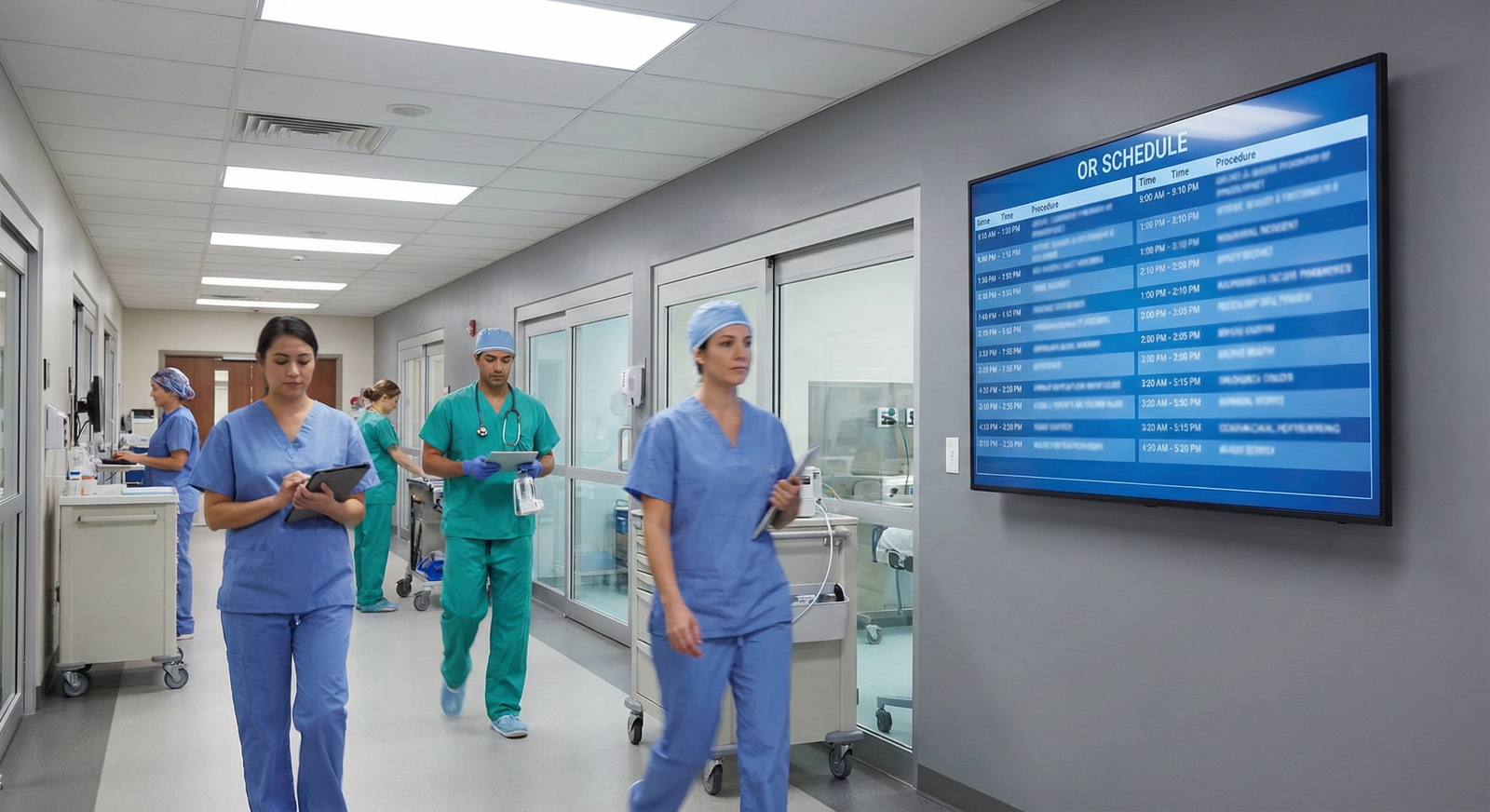
- How often you see back‑to‑back ENT cases vs. long single cases
- How many flexible laryngoscopies and nasal endoscopies are done in clinic
Quietly record your observations:
“Today, two ENT ORs with 8 total cases; PGY‑4 as primary surgeon on 3 cases” – this helps you build a realistic picture over time.
2. Ask Residents Targeted, Non‑leading Questions
Examples:
- “By the time you graduate, do you feel your surgical volume has prepared you for independent practice?”
- “Do most residents exceed the ACGME minimums significantly?”
- “Are there any areas where case volume feels a bit thin, and how does the program address that?”
- “How many tracheostomies, on average, have you logged by the end of PGY‑3?”
Ask different residents at various levels (PGY‑1 through PGY‑5). Consistent answers are reassuring.
3. Clarify the Impact of Fellows
Many high‑powered academic programs have ENT fellows in areas such as:
- Head and neck
- Otology/neurotology
- Rhinology/skull base
- Laryngology
- Facial plastics
Fellows can be both a strength (extra teaching, complex cases) and a risk (less resident operative time). Ask:
- “How is the case hierarchy structured among fellows and residents?”
- “Do senior residents still regularly perform major cases such as thyroids, parotids, neck dissections, tympanomastoid surgeries?”
- “In your experience, do fellows enhance or limit your procedure numbers?”
During Interviews
You will not always get precise numbers, but you can ask broad, thoughtful questions such as:
- “How does your program monitor resident case volume to ensure each trainee gains adequate exposure?”
- “Are there any built‑in safeguards if a resident’s procedure numbers in a particular category are low?”
- “Can you comment on the average otolaryngology match outcomes for your graduates—do they feel technically prepared?”
These questions show maturity and an understanding that ENT training is fundamentally about building long‑term competence.
Emailing Coordinators or Program Leadership (Before or After Interviews)
As an American studying abroad, you must be especially professional in written communication. Keep messages concise and respectful.
You might say:
“As I evaluate programs, I’m trying to understand how different residencies ensure robust case exposure across all ACGME categories. Would you be able to share general information on whether recent graduates typically exceed minimum case requirements, particularly in areas such as airway procedures, sinus surgery, and head & neck oncology?”
You do not need exact numbers, but even a statement like “Our residents almost universally log 1.5–2 times the ACGME minimums across categories” is informative.
Common Pitfalls in Evaluating ENT Case Volume (and How to Avoid Them)
Many applicants—especially those trained outside the US—approach case volume with simplistic assumptions. Avoid these errors.
Pitfall 1: “Higher Volume Must Always Be Better”
A program with extremely high surgical volume may:
- Spread residents thin across many sites
- Run so fast that there’s limited one‑on‑one teaching
- Depend heavily on fellows for complex cases
Instead of chasing the absolute highest numbers, look for balanced, well‑structured training:
- Reasonably high surgical volume
- Clear graduated autonomy
- Adequate time for pre‑op/post‑op care and clinic learning
- Faculty accessible for teaching and feedback
Pitfall 2: Ignoring Clinic and Non‑OR Procedures
Some applicants focus only on “big” cases: neck dissections, tympanomastoid surgeries, free flaps, and skull base operations. But ENT practice—especially in community settings—is heavily clinic‑based.
You must develop comfort with:
- Office laryngoscopy and nasal endoscopy
- In‑office biopsies and minor procedures
- Ear debridement, foreign body removals, simple abscess I&Ds
Ask specifically:
“How many endoscopies do residents typically perform over their training?”
A high clinic procedure volume is crucial for building diagnostic and procedural confidence.
Pitfall 3: Not Considering Your Starting Point as a US Citizen IMG
As an IMG, your baseline procedural exposure in medical school may differ from US MD students. Residency case volume is therefore even more critical to your development.
- If your home school has limited OR exposure, seek ENT residencies with:
- Strong orientation periods
- Attentive early‑year teaching
- Progressive entrustment tailored to trainee readiness
- Programs that are experienced in training IMGs (including US citizen IMGs) may have:
- More structured skills labs
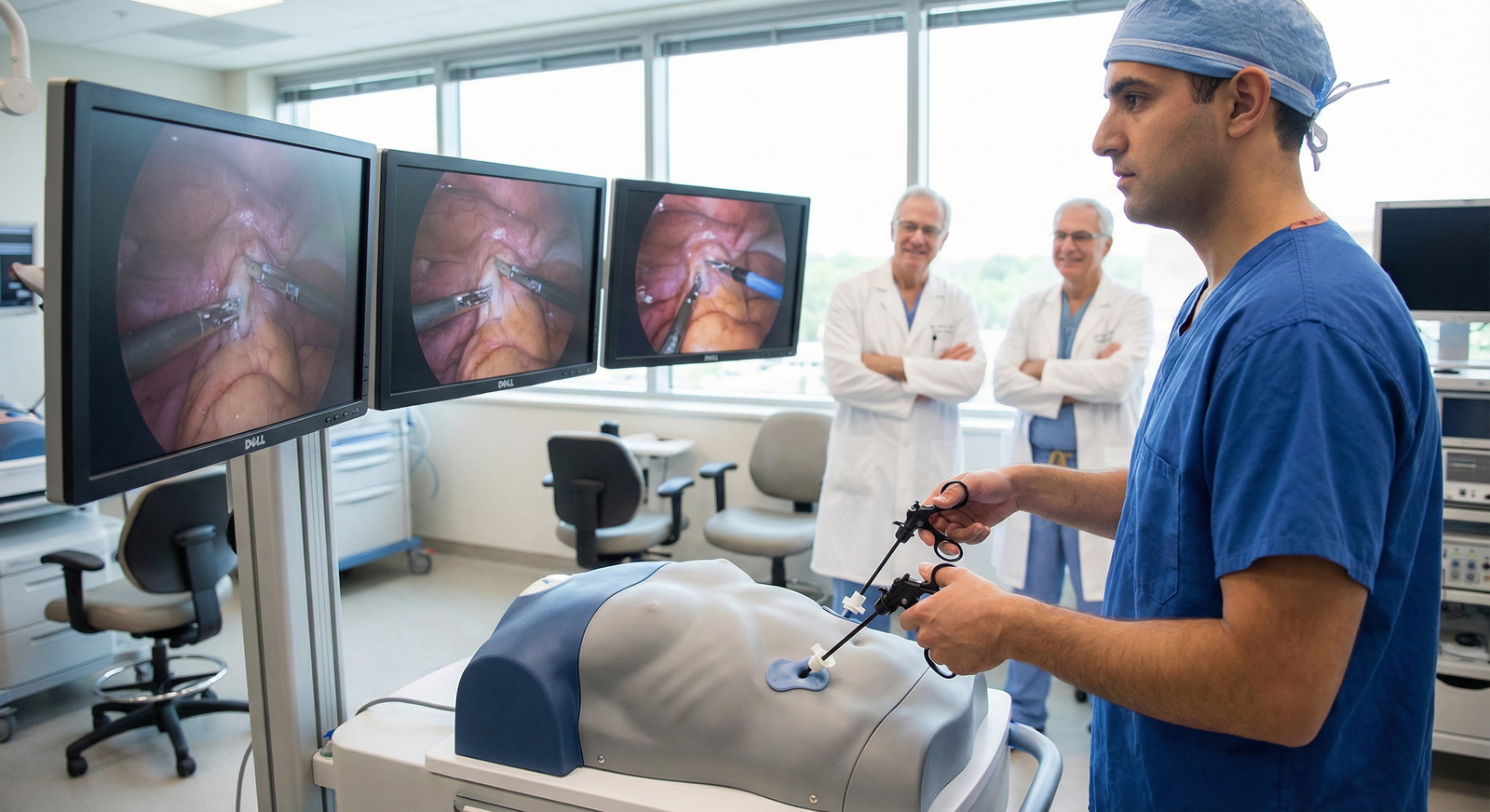
- Early simulation for laryngoscopy, endoscopy, and temporal bone drilling
You can ask:
“Do you have practice skills labs or simulation sessions for endoscopy or temporal bone work, especially early in training?”
Pitfall 4: Over‑Weighting Reputation and Under‑Weighting Your Fit
Prestigious programs are attractive, but if:
- Case volume is concentrated in a few subspecialty niches
- Fellows absorb the bulk of complex cases
- Residents feel unsupported or overworked
You might graduate with gaps in your skillset. Competitive applicants sometimes match into big‑name programs but later discover their procedure numbers in core areas are only average.
As a US citizen IMG, you must find the environment where you can:
- Operate frequently
- Learn effectively
- Develop strong mentorship relationships
This may or may not be at the most “famous” institution.
FAQs: Case Volume Evaluation for US Citizen IMG in Otolaryngology
1. How can I get actual numbers for residency case volume before matching?
You rarely get detailed case logs before matching, but you can:
- Review any published data on program websites
- Ask during interviews whether residents exceed ACGME minimums and by what margin (qualitatively)
- Talk to current residents on away rotations or via email for a candid sense of operative and clinic procedure numbers
- Look at board pass rates and graduate outcomes as indirect indicators of adequate training
2. As a US citizen IMG, should I prioritize programs with the highest ENT surgical volume?
Not automatically. You should prioritize programs that:
- Meet or exceed ACGME requirements in all major categories
- Offer balanced exposure across ENT subspecialties
- Have strong teaching culture and graduated autonomy
- Show evidence that graduates feel technically ready for practice or fellowship
Excessive volume without structure can be just as problematic as low volume.
3. Will being an American studying abroad affect the type of case volume I get in residency?
Once you match into an ACGME‑accredited ENT residency, your training expectations and case requirements are the same as for any other resident. However:
- You may need more early support if your prior procedural exposure was limited
- Programs familiar with IMGs often have good orientation and simulation resources
During interviews and away rotations, show that you are proactive about learning, humble about your baseline, and eager to build strong surgical and clinic procedure numbers.
4. How can I show programs that I understand the importance of case volume in ENT?
You can:
- Mention in your personal statement that you value robust, well‑structured surgical training
- Ask intelligent, non‑aggressive questions about case mix, autonomy, and procedural tracking during interviews
- On away rotations, demonstrate genuine enthusiasm in clinic and OR, ask for feedback, and show you are thinking about long‑term skill development, not just the immediate match
This reinforces that you are not only competitive academically, but also mature and realistic about what it takes to become an excellent otolaryngologist.
By approaching case volume evaluation thoughtfully—looking beyond raw numbers to structure, breadth, autonomy, and your own goals—you can make informed decisions about where to apply and how to rank programs. For a US citizen IMG pursuing ENT residency, this insight is a powerful way to distinguish yourself and to secure training that truly prepares you for a successful career in otolaryngology.