Understanding Why Case Volume Matters for a DO Graduate in Cardiothoracic Surgery
For a DO graduate pursuing cardiothoracic surgery, case volume isn’t just a number on a brochure—it is one of the strongest predictors of your operative exposure, confidence in the OR, and ultimate readiness for independent heart surgery practice. As cardiothoracic surgery continues to evolve toward more complex and technically demanding procedures, the need for robust surgical volume and carefully tracked procedure numbers has never been greater.
Yet, evaluating residency case volume as a DO applicant can be challenging. Program websites often provide incomplete data, osteopathic residency match considerations are unique, and not all “high-volume” centers translate that volume into hands-on opportunities for trainees. This article breaks down how to critically evaluate case volume for cardiothoracic surgery residency programs, with a specific focus on the needs and concerns of DO graduates.
We will cover how to interpret surgical volume metrics, what questions to ask, how to compare pathways (integrated vs. traditional), and how a DO graduate can strategically approach the osteopathic residency match and the broader Match landscape in this specialty.
Core Concepts: What “Case Volume” Really Means in Cardiothoracic Training
1. Total Institutional Volume vs. Resident Case Volume
A program may proudly advertise that it performs “over 1,500 open heart procedures per year,” but that number alone doesn’t tell you how many operations you will perform or log.
Key distinctions:
Institutional volume
- Total number of procedures done at the institution (e.g., all CABG, valve, aortic, congenital, thoracic, transplant, mechanical circulatory support).
- Reflects the potential experience available.
Resident/fellow case volume
- How many cases each trainee scrubs into and, more importantly, how many they perform as primary surgeon or first assistant.
- This is the practical measure of your operative exposure.
As a DO graduate, you should focus less on the hospital’s marketing numbers and more on data like:
- Average total cases logged per resident at graduation
- Average number of major index cases as primary surgeon (CABG, AVR, MVR, aortic cases, lobectomy, pneumonectomy, etc.)
- Distribution of cases by PGY year (when do residents actually get to operate?)
2. Quantitative Benchmarks and Accreditation Requirements
Cardiothoracic training in the U.S. is generally overseen by ACGME and the Thoracic Surgery Residency Review Committee (RRC). They define minimum case numbers and categories that residents must meet by graduation.
While specific thresholds can change over time, general concepts include:
- Required minimum numbers of:
- Adult cardiac procedures (e.g., CABG, valves, aortic)
- General thoracic procedures (e.g., lobectomy, esophagectomy)
- Congenital cardiac cases (for certain pathways)
- Expectations for primary surgeon or “surgeon junior” roles.
Programs with residents consistently just meeting minimums can still be adequate, but for a highly technical field like heart surgery training, you ideally want:
- Graduates exceeding minimum case numbers by a comfortable margin
- Exposure to a wide variety of case types, not just one high-volume operation
3. Quality vs. Quantity: Why Not All Case Volume Is Equal
High residency case volume is attractive, but sheer numbers can be misleading. Important nuances:
Case diversity
- Do you see broad exposure: CABG, complex valve, aortic surgery, VADs, transplants, thoracic oncology, esophageal surgery, minimally invasive and robotic?
- Or is the program heavily weighted toward a single high-volume operation (e.g., mostly low-risk CABG)?
Complexity
- Are residents exposed to redo sternotomies, complex aortic arch work, multi-valve procedures, advanced heart failure operations, and hybrid procedures?
- Do they only assist on the most complex cases or do they ever lead critical components?
Autonomy
- How often are residents “driving the case” rather than retracting?
- Is there a structured progression from assisting to performing key portions to full primary surgeon responsibilities?
For a DO graduate aiming to be competitive and competent in cardiothoracic surgery, look for programs where graduates describe feeling “over-prepared” in terms of both numbers and complexity.

Specific Challenges and Opportunities for the DO Graduate
1. From DO Graduate to Cardiothoracic Surgeon: Context Matters
Cardiothoracic surgery remains a small, competitive specialty. Historically, DO graduates faced challenges due to:
- Limited osteopathic cardiothoracic training pathways
- Variable exposure to cardiothoracic surgery during osteopathic medical school
- Bias or unfamiliarity with DO training in some academic centers
With the single ACGME accreditation system, DO graduates now have access to a broader pool of programs. However, you still need to be strategic in how you evaluate and present your fit, especially when it comes to case volume and training opportunities.
2. Why Case Volume Matters Even More for DO Graduates
As a DO applicant, you may need to demonstrate:
- That you can compete on equal footing with MD peers
- That your surgical skills and clinical experience are strong despite potential differences in early exposure
High-quality heart surgery training with robust procedure numbers:
- Provides clear, quantifiable evidence of your readiness for independent practice
- Helps neutralize any remaining bias about your background
- Makes your fellowship and job applications more competitive
When programs see a DO graduate with a thoroughly documented, high-volume case log (especially with diverse and complex cases), it signals that training—not degree label—defines your capability.
3. Osteopathic Residency Match and Pathway Considerations
Although the “osteopathic residency match” exists within the broader NRMP system now, some dynamics persist:
- Fewer DO graduates traditionally enter cardiothoracic surgery, so you may be more visible (positively or negatively).
- Some programs have a track record of training DOs successfully and may be more welcoming.
- Others may not have had prior DOs in cardiothoracic roles, requiring you to be especially strong on objective metrics like case volume, Step/COMLEX scores, and scholarly work.
As a DO graduate, look for:
- Programs that list current or recent DO trainees on their websites
- Faculty or alumni with DO backgrounds
- Openly stated support for DO applicants in information sessions or virtual open houses
How to Evaluate Cardiothoracic Case Volume Before You Rank Programs
1. Key Data Points to Ask For
During interviews, emails, or open houses, you should directly ask about residency case volume and procedure numbers. Consider questions such as:
About overall surgical volume:
- “What is your annual adult cardiac and thoracic surgical volume?”
- “How many cardiothoracic attendings actively operate and teach residents?”
About resident case experience:
- “What is the average total number of cases logged by your residents at graduation?”
- “Approximately how many CABG cases does a graduating resident perform as primary surgeon?”
- “What is the average number of valve and aortic cases per resident?”
- “How many thoracic oncology and esophageal operations does each trainee complete?”
About case distribution and autonomy:
- “At what PGY level do residents start performing major portions of CABG or valve operations?”
- “How are cases allocated between trainees if there are multiple learners in the OR (e.g., fellows, integrated vs. traditional residents)?”
Programs that are transparent and proud of their surgical volume will typically provide concrete numbers or a range.
2. Understanding Different Training Pathways and Their Volume Profiles
Cardiothoracic training can be structured as:
Integrated 6-year (I-6) residency
- Begins directly after medical school.
- Early exposure to cardiothoracic cases, with a gradual buildup of responsibility.
- Case volume can be front-loaded or back-loaded depending on design.
Traditional 2- or 3-year cardiothoracic fellowship
- After completion of a general surgery residency.
- General surgery case volume during residency (including thoracic/foregut) matters greatly.
- CT surgical volume is concentrated into a shorter period, which can be intense but high-yield.
As a DO graduate, think carefully about:
- Did your general surgery training provide robust thoracic and critical care exposure?
- Would an integrated program better consolidate your pathway, or is a traditional route plus a strong general surgery foundation more realistic given your background?
When evaluating either route, the focus should always return to resident-level case volume and autonomy.
3. Using Case Logs and Accreditation Reports (When Available)
Some programs publish summary data from:
- ACGME case log reports (de-identified, aggregate by graduating class)
- Program review summaries highlighting strengths and weaknesses
Look for:
- Consistency: Are case numbers stable or improving over recent years?
- Breadth: Do graduates show meaningful numbers across adult cardiac, thoracic, and (if offered) congenital areas?
- Outliers: Do a few residents carry significantly higher numbers than others, suggesting uneven distribution?
If you can’t find this online, you’re justified in asking during interviews:
“Do you have sample anonymized graduation case logs for recent residents that I could review?”

Interpreting Case Volume in the Context of Training Quality
1. Balancing Service vs. Education
High clinical workload does not always mean high educational value. Signs of a healthy balance:
Case volume is high and residents describe:
- Adequate pre-op and post-op patient care time
- Time for reading, simulation, and conferences
- Active operative teaching, not just “get this done fast”
Case volume is high but:
- Residents sound chronically exhausted, burnt out, or unsupported
- Case allocation is unpredictable or politically driven
- You may get many cases, but not in a systematic, mentored way
Ask current residents:
- “How much of your OR time is spent as a true operating surgeon vs. observer or retractor holder?”
- “Do you feel your procedure numbers reflect meaningful operative learning?”
2. Case Mix and Future Marketability
Modern cardiothoracic practice increasingly involves:
- Minimally invasive valve surgery
- Transcatheter therapies
- Robotic thoracic procedures
- Advanced heart failure (LVADs, ECMO, transplant)
- Complex aortic surgery
When reviewing residency case volume, consider:
- Are you getting exposure to contemporary approaches, not just sternotomy CABG?
- Does the heart surgery training include hybrid OR cases, cath lab collaborations, and advanced imaging-based planning?
Procedure numbers in:
- Isolated CABG alone may not be enough
- You want measurable exposure to valves, root/ascending/arch, left main, thoracic oncology, and esophageal operations
As a DO graduate, having a case log that demonstrates modern, diverse skills can help you stand out in fellowship or early job applications.
3. Competing Trainees: Impact on Your Surgical Volume
At many institutions, multiple learners share the same case pool:
- Integrated CT residents
- Traditional CT fellows
- General surgery residents and fellows
- Advanced fellows (e.g., transplant, structural heart)
In this environment, procedural numbers can be diluted if:
- Role hierarchy is not clear
- Attendings preferentially give key parts of cases to fellows instead of residents
Ask:
- “How do you manage distribution of high-yield cases between integrated residents and traditional fellows?”
- “Are there dedicated rotations or ‘resident priority’ days in the OR?”
Look for reassurance that:
- Each trainee level has protected opportunities for key operations
- Case volume and complexity increase progressively for each individual, not just spread thinly across everyone
Practical Strategies for DO Graduates to Maximize Case Volume Opportunities
1. Choosing Programs Strategically
When building your rank list, consider weighting programs by:
A. Demonstrated high case volume AND strong autonomy
- Graduates comfortably exceed ACGME minimums
- Residents commonly take attending-level jobs or competitive fellowships
- Current trainees speak frankly about meaningful operative independence
B. Track record with DO graduates
- Programs with DO alumni in CT surgery or general surgery who moved on to CT
- Mentors comfortable advocating for DOs in this specialty
C. Breadth of procedures
- Adult cardiac, general thoracic, and select congenital or structural exposure
- Access to cutting-edge techniques (TAVR, TEVAR, ECMO, robotics, VADs)
2. Presenting Yourself as a “High-Volume-Oriented” Applicant
Use your application to signal your seriousness about operative training:
Highlight operative experiences from:
- Sub-internships on CT or thoracic services
- Away rotations at cardiothoracic centers
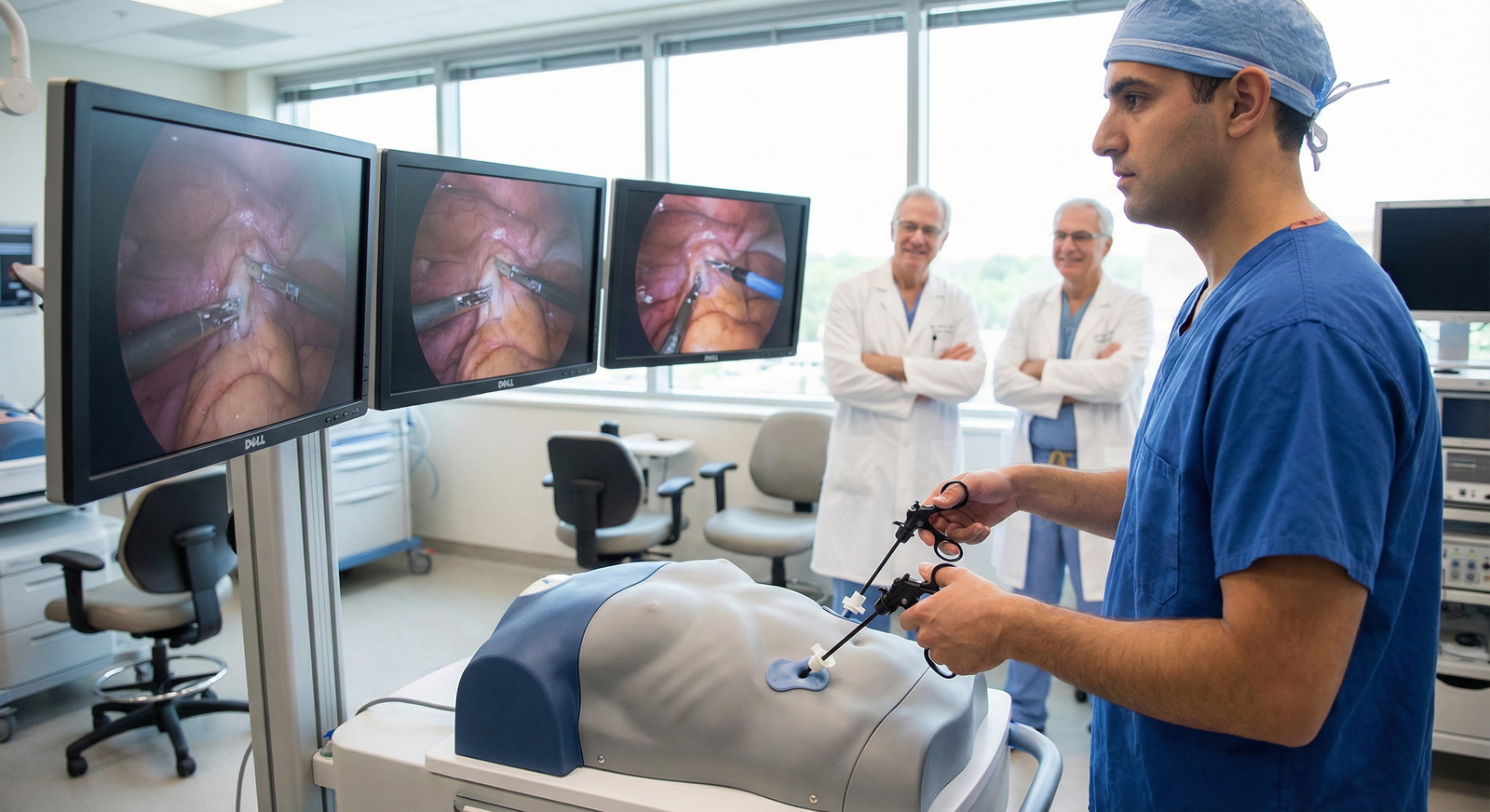
- Simulation-based training and skills labs
Mention interest in:
- Tracking and reflecting on your own procedure numbers
- Quality improvement or research related to surgical volume and outcomes
- Building a strong logbook that reflects complexity over time
Program directors will recognize applicants who think in terms of long-term operative growth, not just matching at any site.
3. Once Matched: How to Actively Build Your Case Volume
Regardless of program, as a DO cardiothoracic trainee you can:
Be visible and proactive
- Volunteer for additional cases when on call or when service is busy.
- Develop a reputation for reliability; attendings will naturally pull you into more complex operations.
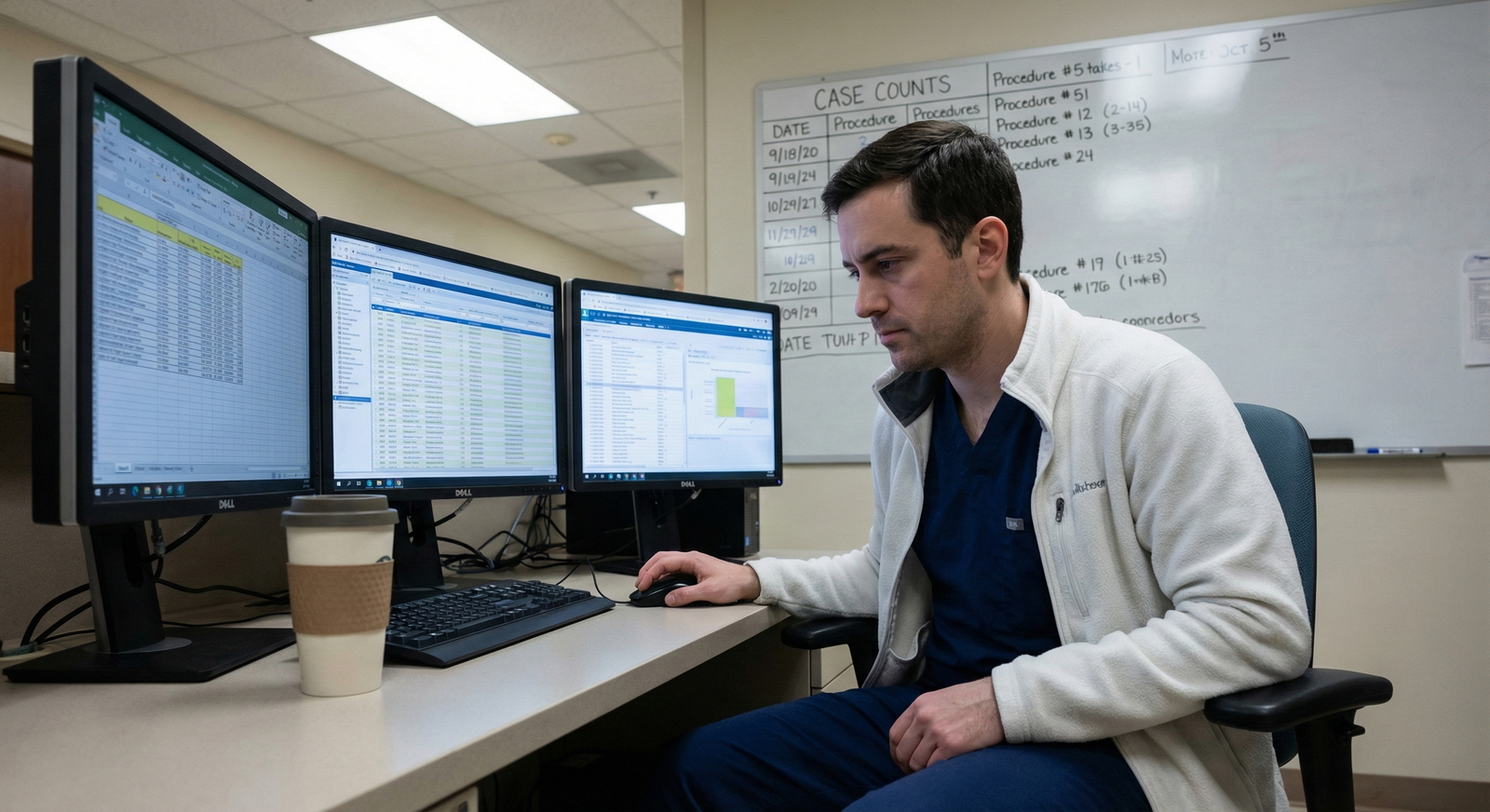
Track your numbers in real time
- Don’t just rely on ACGME logging at the end of the month.
- Maintain a personal spreadsheet noting:
- Procedure type
- Role (assistant vs. primary)
- Key steps you performed
- Complications and learning points
Seek targeted experiences
- If you’re light on certain procedures (e.g., esophagectomy, arch surgery, robotic lobectomy), communicate with your program director early:
- “I’d like more exposure to [procedure]. Are there rotations or attendings whose practice could help me build this aspect of my case log?”
- If you’re light on certain procedures (e.g., esophagectomy, arch surgery, robotic lobectomy), communicate with your program director early:
Use mentorship
- Identify attendings who are known as strong educators.
- Ask them explicitly:
- “By graduation, what case volume and complexity should I aim for to be competitive and safe in independent practice?”
- “How can I structure my rotations and elective time to achieve that?”
Frequently Asked Questions (FAQ)
1. What is a “good” case volume for a cardiothoracic surgery residency?
A “good” residency case volume is one where:
- You meet and exceed ACGME minimums comfortably across adult cardiac and thoracic categories.
- You graduate with a diverse case mix including CABG, valves, aortic surgery, thoracic oncology, and esophageal procedures.
- You have substantial numbers as primary surgeon, not just assistant.
While raw numbers vary by program and year, you should aim for:
- A volume that your program director and recent graduates describe as more than adequate for confident independent practice.
- Enough repetition of key procedures (CABG, valve, lobectomy) that you feel comfortable managing variations and complications.
2. As a DO graduate, should I prioritize programs that already have DO trainees?
It’s advantageous but not mandatory. Programs with a track record of training DOs:
- Are more likely to understand your background and value your COMLEX transcripts.
- Often have culture and mentorship structures already supportive of DO graduates.
However, if a program without current DO trainees offers:
- Exceptional case volume
- Strong faculty support
- Transparent and high-quality training
it can still be an excellent choice, particularly if during interviews they articulate genuine openness to DO applicants.
3. How much does institutional volume (e.g., “1,500 cases per year”) matter if I don’t know resident numbers?
Institutional case volume is a useful starting point but not sufficient on its own. A large institutional volume suggests:
- Broad clinical exposure
- Likely subspecialty services (aortic, transplant, structural)
However, without resident-specific data, you risk:
- Being in a high-volume center where fellows or attendings keep most of the operative experience.
Always follow up institutional numbers with direct questions about:
- Average cases per resident
- Primary surgeon case numbers
- Case allocation among trainees
4. Can I still become a strong cardiothoracic surgeon if my case volume is modest but my training is high quality?
Yes, but with caveats. Exceptional mentorship, deliberate practice, and intensive simulation can compensate somewhat for lower numbers, especially if your cases are:
- Well-chosen and diverse
- Performed with high autonomy and robust intraoperative teaching
Still, cardiothoracic surgery is highly technical. Over the long run, both quality and quantity of experience matter. When choosing and evaluating programs, aim for environments that deliver both.
By prioritizing thoughtful evaluation of residency case volume, understanding how surgical volume and procedure numbers shape your competence, and leveraging your strengths as a DO graduate, you can choose a cardiothoracic surgery residency that sets you up for safe, confident, and successful independent heart surgery practice.