Why Case Volume Matters So Much for IMGs
For an international medical graduate, choosing a residency program is not just about matching anywhere—it’s about matching where you will receive enough real, hands-on experience to become a confident, independent physician. Case volume and exposure to procedures are central to that goal.
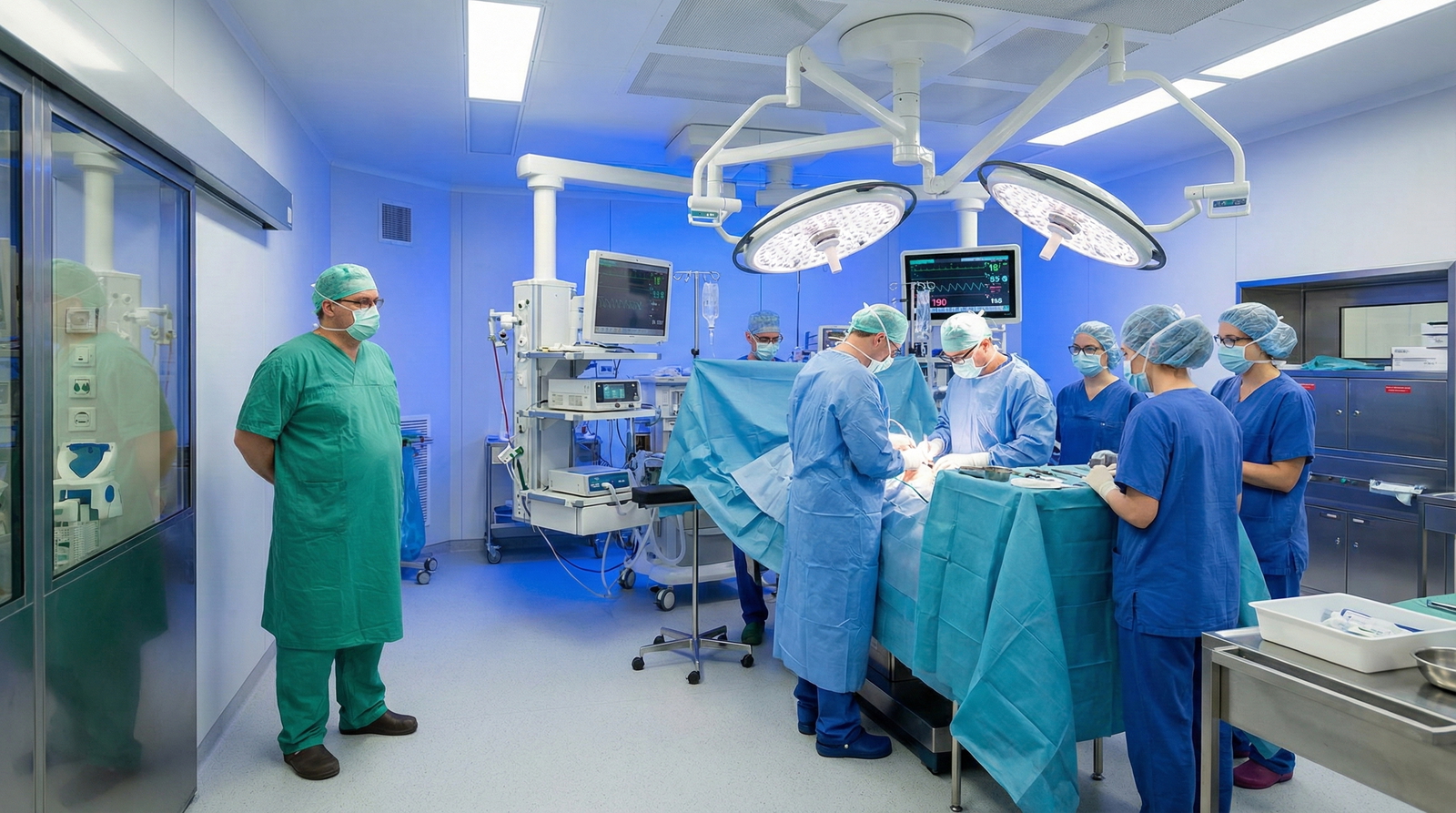
Case volume refers to how many patients and procedures you will handle during residency. For surgical and procedural specialties, this includes:
- Overall surgical volume in the program
- Procedure numbers each resident logs (e.g., appendectomies, central lines, colonoscopies)
- The complexity and variety of cases
- Graduated responsibility (assistant vs primary surgeon/operator)
For non-surgical specialties (internal medicine, pediatrics, psychiatry, etc.), case volume focuses more on:
- Inpatient vs outpatient encounter numbers
- Typical census per resident on ward and ICU services
- Number and variety of diagnostic/therapeutic procedures (e.g., lumbar punctures, paracenteses, joint injections, endoscopies, biopsies, ECT, etc.)
Why this is especially critical for IMGs
As an IMG, you often carry additional pressures:
- You may have more limited time on a visa to complete residency and possibly fellowship.
- You might be planning to return to your home country, where you’ll be expected to function independently very quickly.
- You may need to “prove” your skill level to future employers or fellowship directors who know little about your prior medical training.
- You may not have easy access to informal networks (senior classmates, alumni) who can describe program quality in detail.
This makes a systematic, evidence-based approach to evaluating residency case volume absolutely essential. This IMG residency guide will walk you through specific, practical strategies to understand and compare programs so that you do not end up in a residency with poor exposure or inadequate procedure numbers.
Foundations: Understanding Case Volume, Exposure, and Experience
Before you compare programs, you need clear definitions and expectations. “High volume” is not a single number—it’s a combination of quantity, quality, and your actual involvement.
Key terms to understand
Program-level surgical volume
- Total number of cases performed by the service or department over a given year (e.g., 10,000 OR cases per year).
- Shows how busy the hospital and specialty service are.
Resident case volume
- The number of procedures or cases a single resident logs over their entire training or per year.
- This is what truly matters for your competence.
Case mix and complexity
- Variety (e.g., trauma vs elective, benign vs malignant, pediatric vs adult).
- Level of difficulty (simple vs complex reconstructions, advanced endoscopy, high-risk ICU cases).
Role in the case
- Observer
- Assistant
- Primary surgeon/operator under supervision
- Level of autonomy in decision-making
Exposure vs competence
- Seeing 200 cases as an assistant is not the same as being primary in 100.
- Truly evaluate whether the case volume translates into skill mastery.
Minimum numbers vs real-world requirements
Most specialties have ACGME or specialty board minimums (or similar) for procedures. These are baseline benchmarks, not ideal targets.
Examples (actual numbers may vary and change over time):
- General Surgery: minimum major cases by graduation
- OB/GYN: cesarean deliveries, vaginal births, hysterectomies
- Internal Medicine: central lines, lumbar punctures, paracenteses, arthrocentesis, etc.
- Anesthesiology: neuraxial blocks, peripheral nerve blocks, pediatric cases
- Emergency Medicine: intubations, procedural sedations, trauma resuscitations
Aim for programs where graduates regularly exceed minimums—not just barely meet them.

Sources of Information: Where to Find Reliable Case Volume Data
You will never find a perfect, single source that answers every question, but combining multiple sources gives a powerful picture of residency case volume and experience.
1. Official program websites
What to look for:
- “By the numbers” or “Program statistics” pages
- Typical resident operative/procedure logs (sometimes shown as anonymized data)
- Graduates’ experience summaries (e.g., “Our residents graduate with an average of 1,200 major cases”)
- Service descriptions (trauma center designation, transplant programs, cath lab volume, etc.)
Red flags:
- No mention of cases or procedures at all
- Very general statements: “We offer excellent operative exposure” with no numbers
- Outdated data (>3–4 years old)
2. Program information forms & accreditation data
Some specialties publish program statistics or case volume summaries publicly via:
- Specialty-specific organizations (ABS, ABOG, ABIM, ABEM, etc.)
- ACGME annual reports or case log statistical reports (sometimes summarized by specialty organizations)
- State or institutional quality reports listing annual surgical volume or major procedures by hospital
While these may not give resident-level numbers, they indicate how busy the institution and service are.
3. Resident case logs and sample schedules (if provided)
Some programs proudly show:
- Excerpted case logs (de-identified, sample of graduating resident)
- Rotation schedules with approximate number of cases per month
Interpret carefully:
- Ask: does this represent an average resident, or a top performer, or a single year?
- Look at distribution: are cases concentrated in chief year only, or steady increase over training?
4. Direct communication: emails and virtual Q&A
This is often the most powerful strategy for IMGs.
You can send polite, focused questions to:
- Chief residents
- Program coordinators
- Program directors (PDs) or associate PDs
Sample email questions (adapt as needed):
“As an international medical graduate, I am particularly interested in ensuring strong operative and procedural exposure. Could you please share:
- The average number of [key procedures] done by graduating residents as primary surgeon/operator?
- Whether your residents consistently meet or exceed the required board minimums?
- How case volume is distributed among junior and senior residents?”
Keep it concise and respectful. Most programs appreciate applicants who think seriously about training quality.
5. Interviews, open houses, and pre-interview socials
During virtual or in-person events, ask specific, non-confrontational questions:
- “How does your program ensure that residents meet case and procedure requirements?”
- “Could you give a rough estimate of how many [central lines/Lumbar punctures/OR cases] a typical resident logs by the end of PGY-2/PY-3?”
- “Is there any competition with fellows for operative or procedural opportunities?”
Listen for:
- Concrete numbers and examples vs vague generalities
- Whether junior residents get meaningful hands-on experience
- How they handle residents who are falling behind on procedure numbers
6. Alumni and current residents (especially IMGs)
This is crucial in an IMG residency guide because fellow international graduates can give you candid context you may not get formally.
How to find them:
- Program’s resident/fellow roster pages (look for IMGs by medical school)
- LinkedIn or other professional networks
- Home-country physician organizations (many have WhatsApp/Telegram groups for IMGs abroad)
Questions to ask:
- “Did you feel you had enough case volume to be confident after graduation?”
- “What procedures did you feel underprepared for?”
- “Were certain rotations ‘protected’ for research or fellows, limiting resident operative time?”
- “Were there big differences in operative volume between residents?”
Comparing Case Volume Between Programs: A Step-by-Step Framework
Once you’ve gathered data, you need a structured way to compare. This section provides a practical framework you can apply to any specialty.
Step 1: List your target procedures and experiences
For your desired specialty, list:
- Mandatory procedures (per board/ACGME)
- Highly desirable procedures (important for practice or fellowship)
- Bread-and-butter cases you must master
- Advanced or niche procedures that would strengthen your profile
Example – Internal Medicine (for a hospitalist or fellowship track):
- Mandatory: paracentesis, thoracentesis, lumbar puncture, central line, arterial line
- Desirable: bedside ultrasound-guided procedures, joint injections, bone marrow biopsy (if heme/onc interest)
- Bread-and-butter: complex inpatient management of sepsis, respiratory failure, DKA, GI bleed
Example – General Surgery:
- Mandatory (per ABS): number of major cases, endoscopies, specific index operations
- Desirable: minimally invasive (laparoscopic/robotic) procedures, complex HPB cases, bariatric surgery, trauma laparotomies
Step 2: Identify the “must-know” metrics for your specialty
For each program, try to determine:
- Average total procedure/surgical volume per resident by graduation
- Typical annual case numbers by PGY year
- Key procedure counts (for your list) – ideally as primary operator
- Inpatient vs outpatient distribution (especially for internal medicine, family medicine, pediatrics, psychiatry)
- Level of trauma designation, transplant programs, NICU level, etc., if relevant
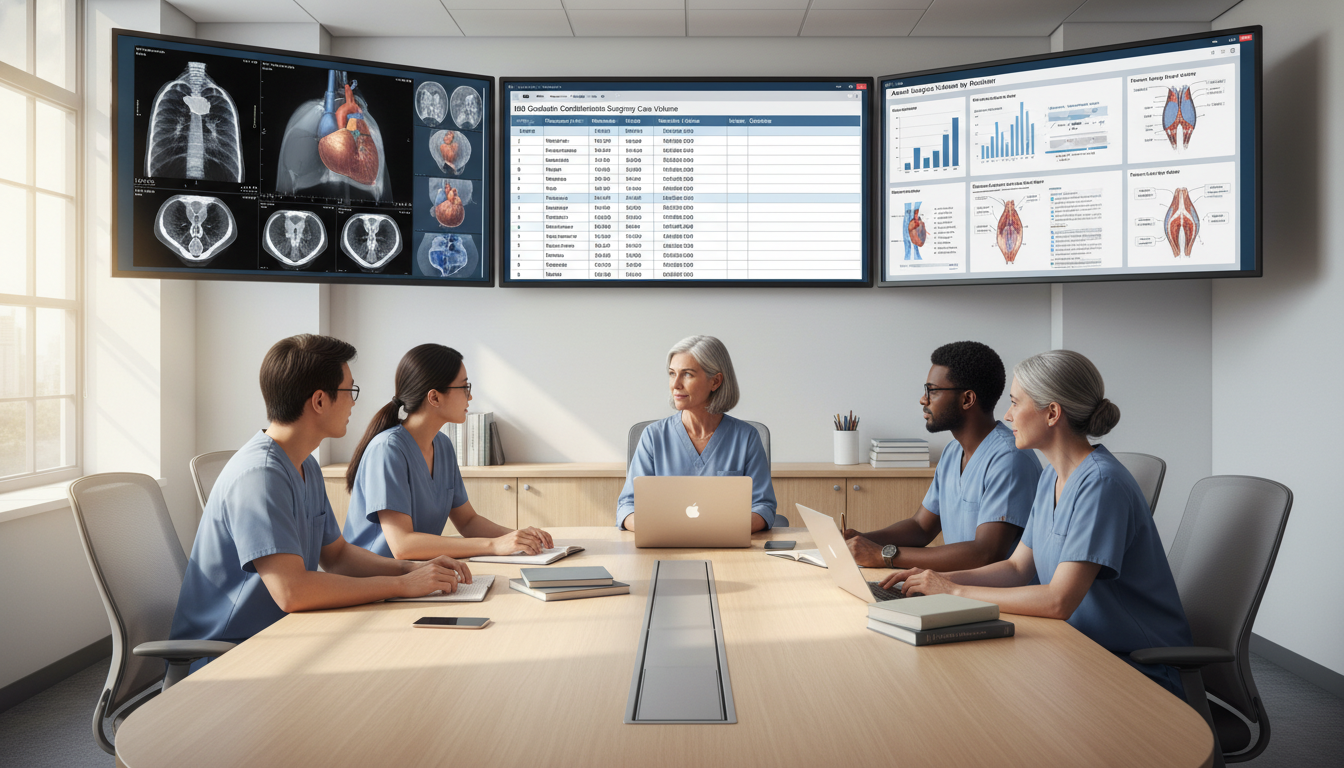
Organize this in a simple spreadsheet with rows for programs and columns for each metric.
Step 3: Adjust for context and resident competition
Raw volume at the hospital level is not enough. Ask:
- How many residents share that volume?
- Are there fellows who may take complex cases first?
- Are there advanced practice providers (APPs) doing many core procedures?
For example:
- A hospital with 40,000 ED visits/year but high APP presence and multiple residency programs may yield fewer procedures per trainee.
- A busy surgical program with multiple subspecialty fellows may reduce resident exposure to advanced cases unless carefully structured.
Look for evidence that:
- Residents, not only fellows, are prioritized for core training experiences.
- Programs monitor individual case logs and intervene early if someone is behind.
Step 4: Evaluate graduated responsibility and autonomy
High numbers are not enough without growth in responsibility. Consider:
- Do interns get “scut work” only, with procedures done by seniors or fellows?
- Do PGY-2/3 residents become primary operators or continue as assistants?
- Do chief residents manage complex cases independently (with supervision available)?
During interviews, ask:
- “At what point are residents typically performing [key procedure] independently with indirect supervision?”
- “How do you ensure juniors develop procedural competence early?”
Step 5: Rank programs by fit, not just peak numbers
You may see programs with astonishing volumes—but consider:
- Does the volume come at the cost of burnout and minimal teaching?
- Is there time for reflection, feedback, and learning from cases?
- Does the case mix match your career goals (e.g., high trauma vs elective oncology)?
Create a balanced ranking factoring in:
- Adequacy of procedure numbers
- Case mix relevance to your goals
- Autonomy and graduated responsibility
- Education quality (teaching, feedback, simulation)
- Workload & wellness (you must survive to benefit)

IMG-Specific Strategies: Maximizing Your Case Volume and Experience
Even in a program with good overall numbers, IMGs must be proactive to ensure strong personal experience. This section offers practical, actionable strategies once you match.
1. Start with a clear procedural roadmap
Within your first month:
- Review your specialty’s procedural and surgical requirements.
- Meet with your program director or mentor and say explicitly:
- “As an international medical graduate, it is very important to me to achieve strong procedural competence. Could we discuss a plan to ensure I meet and exceed the needed case volume?”
Ask for:
- Key rotations for procedures
- Opportunities for electives focused on procedures (e.g., ultrasound rotation, procedure team, extra OR months)
- Access to simulation labs early
2. Be visibly interested and prepared
When attending or senior residents look for a trainee to perform a procedure, they choose those who:
- Are present and available
- Have prepared (reviewed indications, contraindications, steps, complications)
- Show initiative without being unsafe
Practical tips:
- Preview the day’s patient list; know which patients may need procedures.
- Carry a concise procedural checklist or pocket guide.
- Verbally express interest: “If there are any paracenteses today, I would love to participate.”
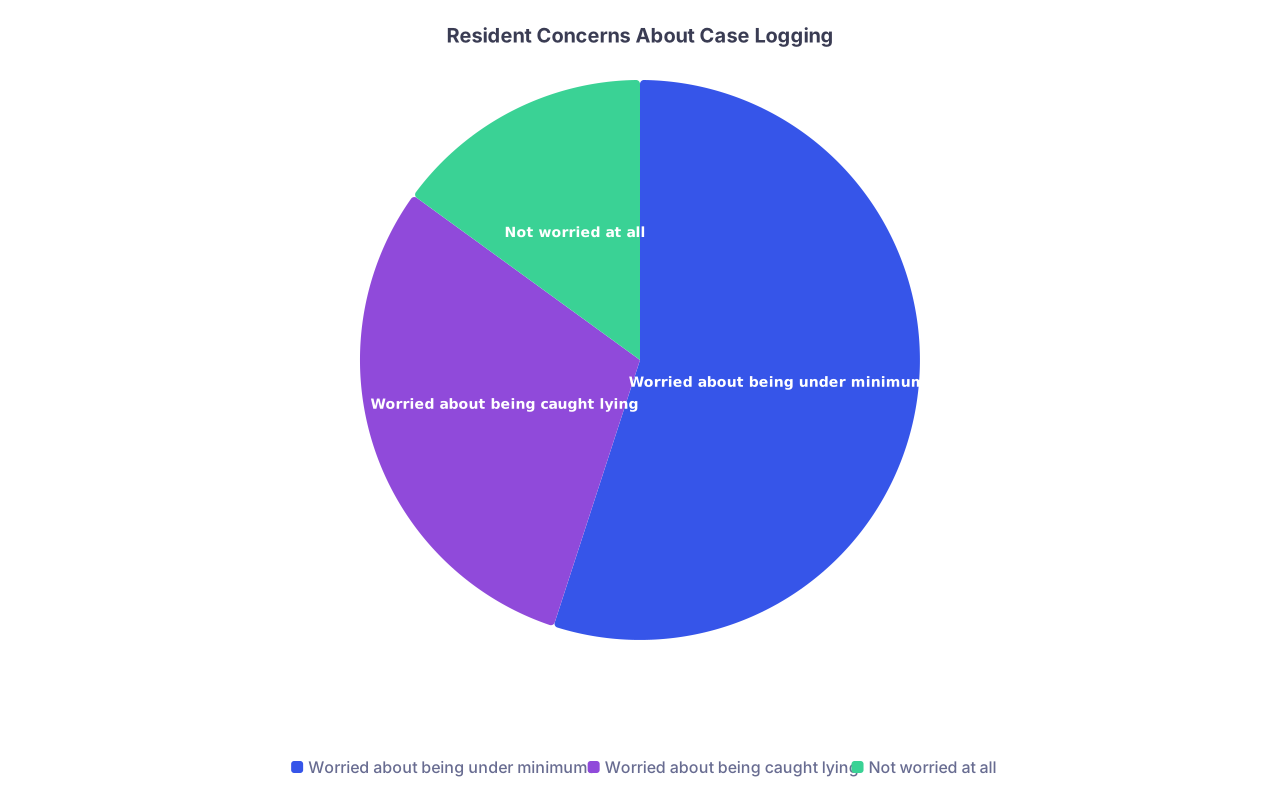
3. Log every case meticulously
Many residents underestimate their experience because they fail to:
- Log procedures promptly
- Distinguish between observer, assistant, and primary roles
- Document complexity (e.g., difficult airway, morbid obesity, hemodynamic instability)
For IMGs, detailed logs are even more important for:
- Fellowship applications
- Future credentialing and privileges
- Job applications in your home country or abroad
Set a personal rule: log cases the same day or at least within the same week.
4. Seek targeted feedback and deliberate practice
Case volume only leads to expertise when coupled with feedback and reflection.
For each key procedure, aim to:
- Get direct feedback from attendings: “What are one or two things I can improve on this procedure?”
- Review your performance and identify patterns (e.g., repeated difficulty with certain steps).
- Use simulation centers to rehearse steps that are harder to practice clinically.
5. Strategically choose electives and rotations
As an international medical graduate, you may feel pressure to use electives for research or observerships. Balance that with:
- Electives that are procedure-rich (e.g., interventional cardiology observation, OR-based subspecialties, ICU, ultrasound-guided procedure services).
- Rotations that align with your targeted fellowship (e.g., GI for endoscopy, pulmonary for bronchoscopy).
When negotiating electives:
- Be clear that part of your goal is to increase exposure to specific procedures.
- Ask if you can join dedicated “procedure teams” if your institution has them.
6. Monitor your progress annually
At least once per year:
- Review your procedure numbers vs expected milestones.
- Compare yourself to anonymous average logs if your program shares them.
- If you are behind in any area, meet with leadership early to adjust your schedule.
Phrase it proactively:
“I noticed that my central line numbers are lower than I’d like at this stage. Are there specific rotations or call shifts where I could get more exposure to this procedure?”
This shows responsibility, not weakness.
Common Pitfalls for IMGs and How to Avoid Them
Even strong international medical graduates can fall into traps that limit their case volume.
Pitfall 1: Assuming “busy” equals “good training”
High census and workload does not always translate into high procedural volume or educational quality. You might:
- Spend most of your day on notes and orders
- See many patients but perform few procedures
- Be too exhausted to learn effectively
Solution:
- Ask specifically about procedure numbers, not just patient volume.
- Clarify how often residents, not APPs or fellows, perform key procedures.
Pitfall 2: Over-relying on online reputation or rankings
Online comments, rankings, and reputation often reflect:
- Research output
- Prestige
- Geographic desirability
They do not guarantee strong case volume or autonomy.
Solution:
- Prioritize quantitative and qualitative data about case volume over general prestige.
- Talk directly to current residents rather than drawing conclusions from reputation alone.
Pitfall 3: Not advocating due to cultural or language barriers
Many IMGs come from cultures where:
- Questioning seniors is discouraged.
- Self-promotion feels uncomfortable.
This can lead to missing opportunities if you do not:
- Ask to be involved in procedures.
- Communicate your educational needs clearly.
Solution:
- Reframe advocacy as professional responsibility to gain competence for patient safety.
- Practice simple, respectful statements:
- “If there is an opportunity, I would like to perform the next [procedure].”
- “Could I assist so that I can learn the technique?”
Pitfall 4: Neglecting documentation
If you do not log cases:
- Your official record may underestimate your competence.
- You might fail to meet formal minimum procedure numbers even if you actually did them.
- You may struggle with future credentialing in another country.
Solution:
- Treat logging as part of your professional duty.
- Set regular reminders.
- Use any mobile apps or tools your program offers to make logging easier.
FAQs: Case Volume Evaluation for IMGs
1. How can I evaluate residency case volume if programs don’t publish any numbers?
Use a multi-step approach:
- Email program leadership or coordinators with specific questions about average procedure numbers and board minimums.
- Ask current residents, especially IMGs, about their actual experience and whether they feel well-prepared.
- Investigate the hospital’s overall surgical/procedure volume via institutional reports or specialty websites.
- During interviews, inquire about how they monitor and ensure adequate exposure for each resident.
Even if exact numbers are unavailable, patterns in the responses will show which programs are transparent and education-focused.
2. Is a higher surgical volume always better for my training?
Not always. High volume is beneficial only when:
- Residents get meaningful hands-on roles (primary operator, not just assistant).
- There is structured teaching and feedback.
- The workload is manageable enough to allow reflection and learning.
- The case mix aligns with your career goals.
A slightly lower-volume program with excellent teaching, autonomy, and a supportive culture may produce better, more confident graduates than a “factory-style” high volume program with little supervision.
3. As an IMG, should I prioritize case volume over research opportunities?
It depends on your long-term goals:
- If you plan to be a community clinician or return to a country where hands-on skills are crucial, case volume and procedural competence should be your top priority.
- If you aim for highly competitive academic fellowships, you will need both: solid procedure numbers and research.
- In general, do not sacrifice essential clinical exposure purely for research; aim for programs where you can reasonably do both.
4. How can I increase my procedural numbers if I’m already in a low-volume program?
You still have options:
- Identify and request rotations with higher procedural density (ICU, ED, specific subspecialty services).
- Ask to join or help create a procedure team or focused procedural clinic if your institution has enough need.
- Use simulation labs to maintain and improve skills you may practice less often.
- Collaborate with fellow residents to swap call shifts strategically (e.g., more night shifts where emergencies and procedures are more common), ensuring you remain within duty hour rules.
- Communicate openly with your PD: many programs will adjust schedules or provide additional opportunities if you show initiative and clear educational goals.
By applying these structured strategies to evaluate residency case volume, surgical volume, and procedure numbers, you will be better equipped as an international medical graduate to choose and thrive in a program that truly prepares you for independent practice.