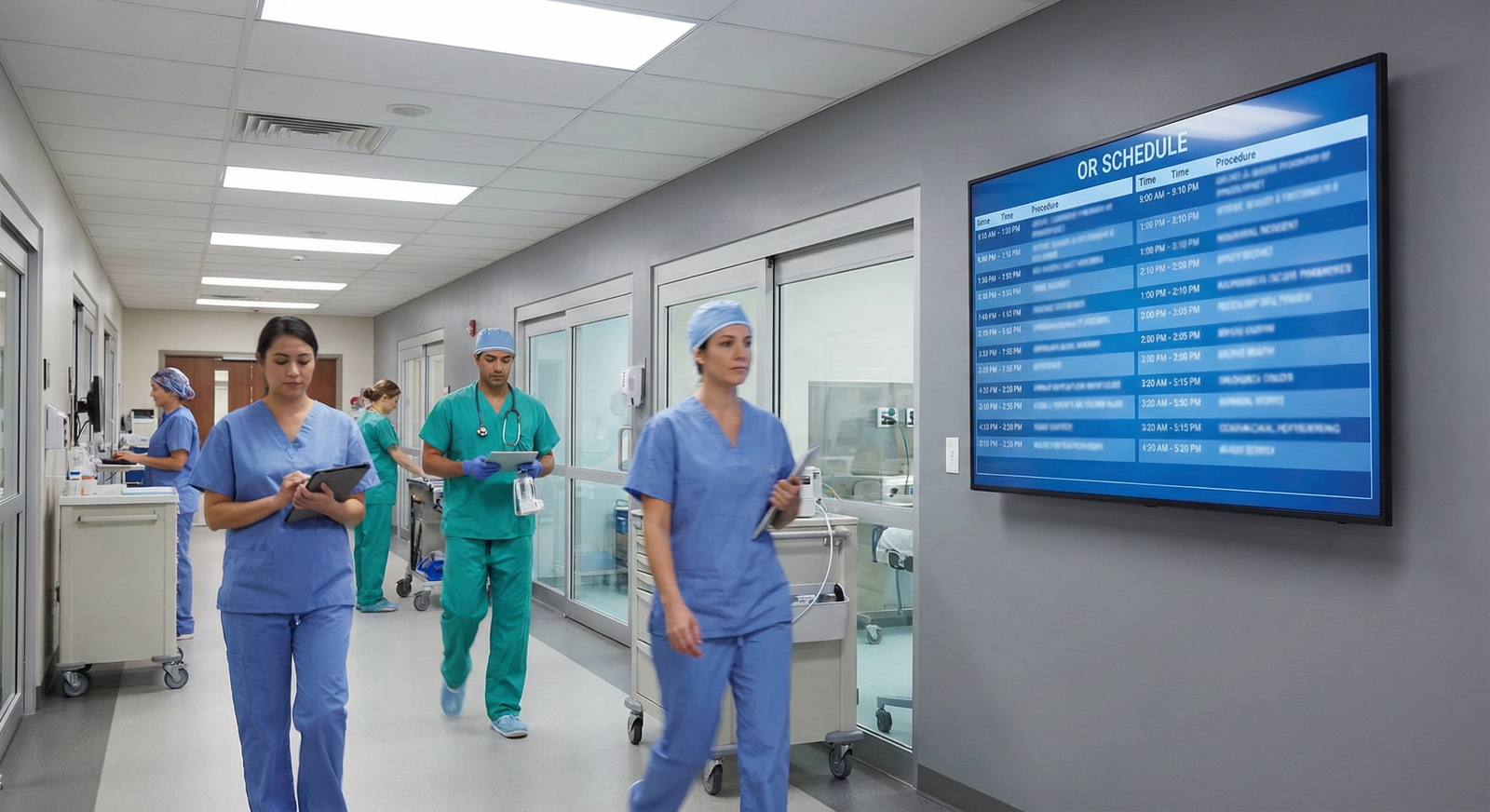
Understanding Why Case Volume Matters for IMGs in Urology
For an international medical graduate (IMG) targeting urology residency in the United States, case volume evaluation is one of the most strategic steps you can take. Urology is highly procedural, and program directors are deeply focused on a resident’s expected clinical exposure and surgical volume. To assess programs realistically and present yourself competitively, you must understand how to interpret residency case volume, what numbers mean in practice, and how to align your own experience with program expectations.
In this IMG residency guide for urology, we’ll walk through:
- How case volume is defined and measured in urology residency
- Benchmarks for common urologic procedures and “what is enough”
- How IMGs can compare programs using surgical volume data
- Ways to strengthen your own profile if you come from a low-volume background
- How to talk about case volume intelligently during interviews and in your application
Throughout, the focus is on practical strategies for the urology match, tailored to the realities and strengths of international medical graduates.
1. Core Concepts: What “Case Volume” Really Means in Urology
1.1 Definitions: Case Volume vs. Surgical Volume vs. Procedure Numbers
These terms are often used interchangeably, but there are important distinctions:
- Case volume: Total number of cases a trainee participates in (operative + non‑operative procedures, sometimes including major diagnostic interventions).
- Surgical volume: Subset of case volume that includes operations performed in the operating room (OR).
- Procedure numbers: Detailed count by type of procedure (e.g., number of TURBTs, ureteroscopies, prostatectomies, nephrectomies) usually logged to meet graduation requirements and board eligibility.
In urology residency, procedure numbers and surgical volume are the metrics that most clearly indicate whether a resident will graduate with enough experience to practice independently or pursue fellowship.
1.2 Regulatory and Accreditation Framework
Case volume in urology is not random—it’s shaped by several bodies:
ACGME (Accreditation Council for Graduate Medical Education)
- Defines minimum case requirements for urology residency graduation (e.g., numbers of endoscopic, open, laparoscopic/robotic, pediatric, oncology, and reconstructive procedures).
- Programs must demonstrate that residents consistently reach these minimums or exceed them.
ABU / AUA (American Board of Urology / American Urological Association)
- Align with ACGME expectations and reinforce that broad, balanced exposure is needed for safe independent practice.
Institutional policies
- Hospitals and departments may set internal thresholds for resident autonomy and case distribution across PGY levels.
For you as an IMG, understanding these structures helps you quickly determine whether a program is likely to provide adequate exposure.
1.3 Role and Level: Observer vs. Assistant vs. Primary Surgeon
When reviewing residency case volume data, pay attention to role:
- Observer: Present, but not scrubbed or performing key steps—valuable for early exposure but not for competence.
- Assistant: Scrubbed, assisting the primary surgeon; involvement in exposure, retraction, simple steps.
- Primary surgeon / surgeon junior or chief: Performing critical portions of the operation under supervision; this is where skills and judgment are truly developed.
Residency case logs generally track at least:
- SURG – Primary or chief surgeon role
- ASSIST – Assistant role
Programs that highlight high primary‑surgeon case numbers (especially in PGY4–PGY5) are generally more conducive to robust surgical skill development.

2. Typical Urology Residency Case Volume: What to Expect
Exact numbers vary by program and year, but understanding approximate ranges will help you evaluate programs and your own readiness.
2.1 Total Case Volume Over a Urology Residency
Across a 5–6 year urology residency (including general surgery prelim year at some programs), it is common for residents to graduate with:
- Total logged urology procedures (all roles): ~1,500–2,000+
- Procedures as primary surgeon: Often 700–1,200+, depending on program size and case mix
Programs with very low total volumes or low primary-surgeon numbers are red flags. As an international medical graduate, you should be actively comparing programs on this dimension.
2.2 Breakdown by Major Urologic Domains
The ACGME sets categories; programs often report case volume in similar domains. Typical target ranges for a graduating resident might look like:
Endourology / Stone Disease
- Ureteroscopy (URS) and laser lithotripsy: 100–200+ cases
- Percutaneous nephrolithotomy (PCNL): 20–50+
- Flexible cystoscopy (office & OR): very high numbers, often 200+
Oncology (Cancer Cases)
- Transurethral resection of bladder tumor (TURBT): 75–150+
- Radical nephrectomy / partial nephrectomy (open + minimally invasive): 40–80+ combined
- Radical prostatectomy (open or robotic): 60–150+, program-dependent
- Radical/partial cystectomy: 15–40+
Benign Prostatic Hyperplasia (BPH)
- TURP / laser enucleation / photovaporization: 40–100+ combined
Pediatric Urology
- Orchidopexy, hypospadias repair, ureteral reimplantation: 40–100+ pediatric index cases total
- Many programs spread these out through rotations at children’s hospitals.
Female Pelvic Medicine / Reconstructive
- Sling procedures, prolapse repairs, fistula repairs: 30–80+
- Urethral reconstruction, complex strictures: lower volume but high educational value.
Male Infertility / Andrology
- Vasectomy, varicocelectomy, testicular biopsy, penile prosthesis, etc.: variable, often 20–60+ total.
Programs may differ significantly—large tertiary centers may have extremely high cancer and reconstructive volumes, while community‑based programs may be stronger in stone disease and bread‑and‑butter BPH.
2.3 Robotic and Laparoscopic Surgical Volume
For modern urology practice, robotic surgery exposure is critical:
- Many residents graduate with:
- Robotic cases (all types): 100–300+
- Most common: robotic prostatectomy, partial nephrectomy, simple prostatectomy, pyeloplasty, cystectomy.
If you are aiming for a urology practice in a setting where robotics is common, or you want to remain competitive for urologic oncology or minimally invasive fellowships, you should favor programs with strong robotic case numbers per resident.
2.4 Longitudinal Distribution Across Training Years
Case volume should increase as you advance:
- Early PGY years: More clinic, cystoscopy, basic endoscopy, scrotal and simple OR procedures, lots of assisting.
- Mid PGY years: Increasing responsibility, more endourology and oncology as primary surgeon, frequent OR days.
- Senior / chief years: Leading cases, managing complex oncologic and reconstructive procedures, supervising juniors.
Ask programs during interviews how case numbers progress over PGY levels; a bottlenecked structure where senior residents get everything and juniors struggle to get cases can affect your growth.
3. How an IMG Should Evaluate Urology Residency Case Volume
3.1 Where to Find Surgical Volume and Procedure Numbers
You can’t always find precise numbers easily, but several sources help:
Program Websites
- Some urology departments publish resident case highlights, “typical graduate case numbers,” or representative case mixes.
- Look for PDF brochures or “Why Our Program” pages that mention volumes.
Virtual Open Houses and Information Sessions
- Many programs discuss their strengths in surgical volume, cancer cases, robotics, or pediatric coverage.
- Take notes when they mention specific numbers or relative comparison (“highest stone volume in the region,” etc.).
Direct Email to Program Coordinators / Residents
- A polite email from an IMG applicant can sometimes yield general information:
- “Could you share typical graduating resident case numbers?”
- “Can you comment on the balance between endourology, oncology, and pediatric cases?”
- A polite email from an IMG applicant can sometimes yield general information:
Resident-to-Resident Conversations
- During interview day or informal virtual meetings, ask:
- “Do you feel the residency case volume is enough to make you comfortable operating independently?”
- “Are there any areas where you feel case numbers are limited?”
- “Is there competition for cases between residents or with fellows?”
- During interview day or informal virtual meetings, ask:
ACGME and Program Reviews
- ACGME does not publish full case logs, but programs that were cited for low volume may have this mentioned in older institutional letters or reports that residents may know about.
3.2 Key Questions an IMG Should Ask About Case Volume
When you are evaluating any urology residency program, especially as an international medical graduate, consider:
Are ACGME minimums comfortably exceeded?
- If residents are just barely meeting minimums, you may have less flexibility if you miss rotations (illness, research time, etc.).
- Ideal programs exceed requirements in most categories.
How many cases are logged per resident, not per program?
- A very busy hospital doesn’t help if a small number of faculty or fellows do most of the operating.
- Ask: “What are typical total procedure numbers for a graduating resident?”
How is the case volume distributed among residents and across PGY levels?
- Do junior residents have early OR exposure?
- Do seniors monopolize key cases, or is there a graded responsibility system?
Are there fellows in urologic subspecialties?
- Fellows can be both a strength and a risk.
- Strength: More advanced cases and a higher ceiling of complexity.
- Risk: Competition with residents for high‑value cases (e.g., robotic prostatectomy, major reconstructive surgery).
- Ask: “How do you balance cases between fellows and residents?”
What is the operative autonomy culture?
- Even with high volumes, if attendings perform all key steps themselves, you may graduate with limited confidence.
- Ask: “As a senior resident, how much of a major case do you usually perform?”
3.3 Interpreting High vs. Low Volume for Your Goals
High-volume academic centers
- Pros: Complex oncology, robotics, advanced reconstructive procedures, strong fellowship placement.
- Cons: Possible competition with fellows; may have less exposure to rural/community urology practice patterns.
Mid-volume balanced programs
- Pros: Good breadth, strong exposure to bread‑and‑butter procedures, potentially more resident autonomy.
- Cons: Fewer ultra‑complex cases; may need external rotations for some subspecialties.
Lower-volume or newer programs
- Pros: High autonomy in bread‑and‑butter surgery, close faculty relationships.
- Cons: Risk of missing exposure in key areas (oncology, pediatrics, robotics).
- As an IMG, you must be especially cautious; you may rely heavily on residency to bridge gaps from medical school or home-country training.
4. Bridging the Gap: IMGs and Pre‑Residency Case Volume
Many international medical graduates worry that their procedural experience in medical school or home-country internship will look weak compared to U.S. graduates. Case volume evaluation is not just about residency programs—it’s also about your own trajectory.
4.1 Typical IMG Background Patterns
IMGs often fall into these categories:
- Observer-heavy, low hands‑on: Many cases observed, few performed; common if you trained in a highly hierarchical system.
- High procedural exposure but limited documentation: Some countries allow more operative involvement early, but logs or official records are poor.
- Non‑urology background: You may have more operative experience in general surgery than in urology specifically.
Program directors know these realities. Your goal is to demonstrate your capacity to learn procedural skills and your understanding of urologic workflows, even if your procedure numbers are modest.
4.2 Strengthening Your Profile Before Applying
If you still have time before applying to the urology match, focus on activities that show you are serious about building procedural competence:
Urology Electives and Sub‑internships in the U.S.
- Seek hands‑on opportunities, not just shadowing.
- Ask explicitly: “Can I assist in the OR?” “Can I practice cystoscopy on models?”
- Document your involvement carefully; you can mention approximate numbers (e.g., “assisted in ~10 ureteroscopies and 5 TURBTs”) in your CV or personal statement.
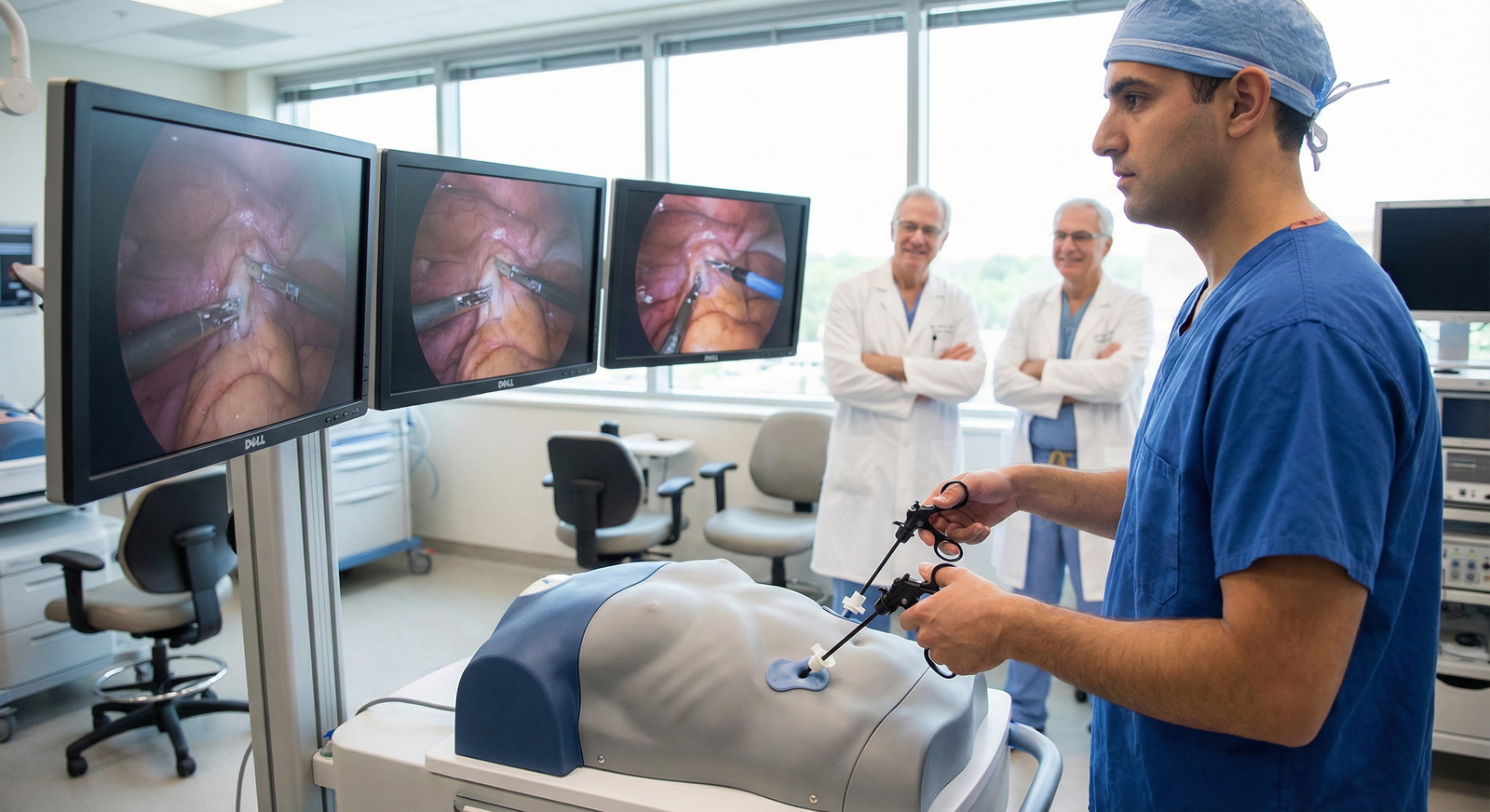
Skills Labs and Simulation
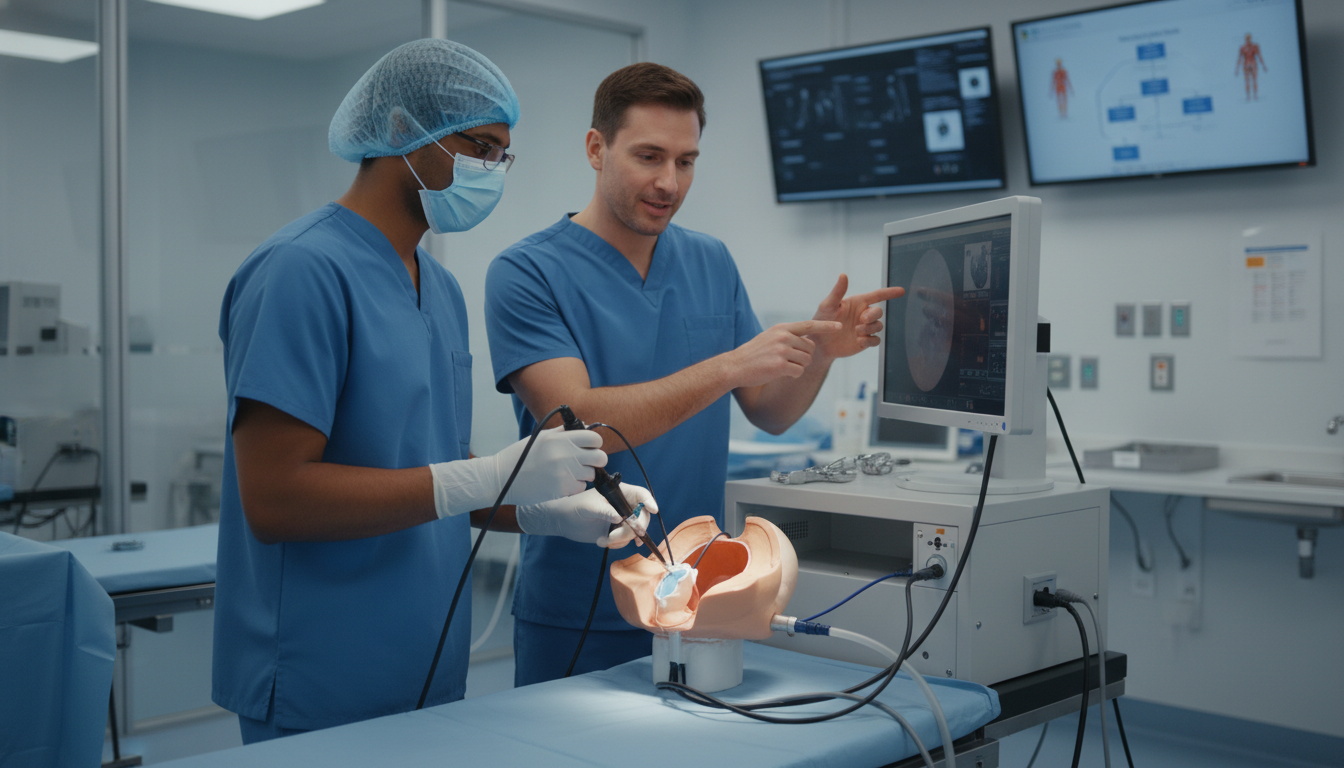
- Laparoscopic trainers, robotic simulators, endoscopy simulators.
- List this experience: “Completed 20 hours of robotic console simulation” or “Performed structured simulation modules in cystoscopy and URS.”
Research in Procedural or Outcomes Topics
- Projects that analyze urology residency case volume, outcomes of high‑volume centers, or complication rates by surgeon experience.
- This shows you understand the importance of case numbers from a quality‑of‑care standpoint.
Courses and Workshops
- AUA or regional workshops (stone disease, endoscopy, reconstructive basics).
- Certificate‑bearing activities can be mentioned in your application.
Structured Observerships
- If you cannot get hands‑on experience due to licensing barriers, targeted observerships in busy urology departments allow you to speak credibly about case flow, decision‑making, and perioperative care, even without performing the procedure.
4.3 How to Present Limited Case Volume Effectively
If your actual procedural numbers are modest:
Be honest but contextualize
- “During medical school and internship in [country], students were expected to observe rather than perform surgery; I therefore focused on clinical reasoning, perioperative care, and meticulous follow‑up.”
Highlight progression over time
- “In my final year, I transitioned from observation to assisting in ureteroscopies and TURBTs, and I am actively building my procedural skills through simulation and U.S.-based electives.”
Link your experience to safety and humility
- Emphasize that your limited hands-on background makes you especially committed to structured training, feedback, and safe, supervised learning.
5. Using Case Volume Strategically in the Urology Match
5.1 Prioritizing Programs as an IMG
When constructing your rank list, consider:
Programs with clearly strong surgical volume per resident
- Especially important if your pre-residency exposure was limited.
- Look for comments such as “Our graduates feel fully prepared for independent practice” and “We exceed ACGME minimums by a wide margin.”
Programs explicitly welcoming to IMGs
- Look at current residents: Are there international medical graduates in the program?
- Ask whether IMGs have matched recently and how they’re performing.
Case mix aligned with your career goals
- Want academic oncology? Favor high‑volume cancer centers with strong robotic numbers.
- Want community practice? Balanced case mix with solid bread‑and‑butter BPH, stone, and office procedures.
Availability of mentorship and feedback
- IMGs often benefit from closer guidance in navigating the U.S. system.
- Ask about faculty mentorship structures and resident evaluation systems.
5.2 Discussing Case Volume During Interviews
Program directors expect you to care about case volume, but they also want to see maturity and realistic thinking. You might say:
Example Questions to Ask
- “How do your graduating residents’ case numbers compare to national ACGME benchmarks?”
- “Could you describe the typical robotic case volume for a senior resident?”
- “How are cases balanced between residents and fellows in oncology or reconstruction?”
Example Ways to Present Your Interest
- “As an international medical graduate, I’m particularly focused on strong hands‑on training. I’d love to hear how your program ensures that residents gain adequate operative autonomy by graduation.”
- “In my home country, students have limited opportunity to operate, so I’m looking for a residency where case volume and structured skills development are clear priorities.”
5.3 Red Flags in Case Volume for IMGs
Be cautious if you encounter the following signals:
- Residents seem vague or hesitant when asked about their procedure numbers.
- Comments like “We meet the minimums” but no sense of exceeding them.
- Heavy fellow presence with unclear role boundaries.
- Recent or ongoing ACGME concerns about case volume in urology.
- Residents expressing worry about not feeling ready for independent practice.
As an IMG who may already feel you’re “catching up” in system familiarity, you generally want to avoid residency programs where surgical exposure is borderline.
6. Building Long‑Term Competence: Beyond Raw Numbers
6.1 Case Volume vs. Case Quality
High procedure numbers are important, but they are not everything:
- Repetition of simple steps is less valuable than:
- Performing key steps of complex operations under supervision
- Involvement in preoperative planning and postoperative management
- Understanding complication management and revision surgery.
Ask programs how they ensure that residents do critical portions of procedures, not just skin incision and closure.
6.2 Deliberate Practice and Reflective Learning
Whether your program is high‑volume or mid‑volume, you can maximize learning by:
- Reviewing videos of your own or similar surgeries (if available).
- Maintaining a personal log of operative experiences with notes on what you learned or struggled with.
- Requesting constructive feedback after cases: “What is one technical and one decision‑making point I should work on?”
- Using simulation labs to rehearse specific steps (e.g., ureteral access, anastomosis, suturing techniques).
6.3 Fellowship Planning and Subspecialization
If you are considering a urology fellowship (e.g., oncology, endourology, pediatric urology, reconstructive urology), case volume during residency becomes even more strategic:
- Fellowship directors will ask:
- Did you have enough foundational volume in relevant procedures?
- Can you already perform basic operations independently?
As an IMG, strong residency case volume can mitigate concerns about unfamiliarity with the U.S. system and support your competitiveness for advanced training.
FAQ: Case Volume Evaluation for IMGs in Urology
1. As an IMG, will low pre‑residency case volume hurt my chances in the urology match?
Not necessarily. Program directors understand that international medical graduates may come from systems where medical students and interns have limited operative responsibility. What matters more is how you demonstrate:
- Genuine interest in urology
- Efforts to gain exposure (electives, observerships, simulation)
- Insight into the importance of surgical volume and structured training
Strengthening your U.S. clinical experience and letters of recommendation can offset modest pre‑residency procedure numbers.
2. What is a “good” residency case volume for urology?
There is no single perfect number, but most competitive programs produce graduating residents with:
- Roughly 1,500–2,000+ total urology procedures logged
- Several hundred cases as primary surgeon
- Robust exposure in key domains: endourology, oncology, BPH, pediatric urology, reconstructive/female pelvic medicine, and at least moderate robotic experience.
Focus less on exact numbers and more on whether residents feel comfortable and confident operating independently by graduation.
3. How can I compare programs’ surgical volume if official numbers are not published?
Use indirect but practical methods:
- Ask residents during interview days how they feel about their operative experience.
- Request approximate ranges from the program coordinator or PD.
- Listen carefully in open houses for statements about “high‑volume” services, robotic numbers, or ACGME metrics.
- Look at case mix (major referral center vs. community-based) and presence of fellows.
Qualitative resident feedback is often more informative than isolated numbers.
4. Should I prioritize the highest-volume urology program possible as an IMG?
High volume is beneficial, but it’s not the only factor. Consider:
- Quality of teaching and feedback
- Resident autonomy and role in surgeries
- Program culture and support for IMGs
- Case mix aligned with your career goals
A slightly lower‑volume program with excellent mentorship and balanced exposure can be better than an extremely high‑volume program where you rarely do key steps of operations. Aim for a program that offers both strong volume and a healthy learning environment.
By understanding residency case volume, asking targeted questions, and clearly articulating your goals and background, you can navigate the urology match more strategically as an international medical graduate. Case volume evaluation is not just about numbers; it is about ensuring you receive the depth and breadth of operative experience needed to become a safe, confident, and independent urologist.