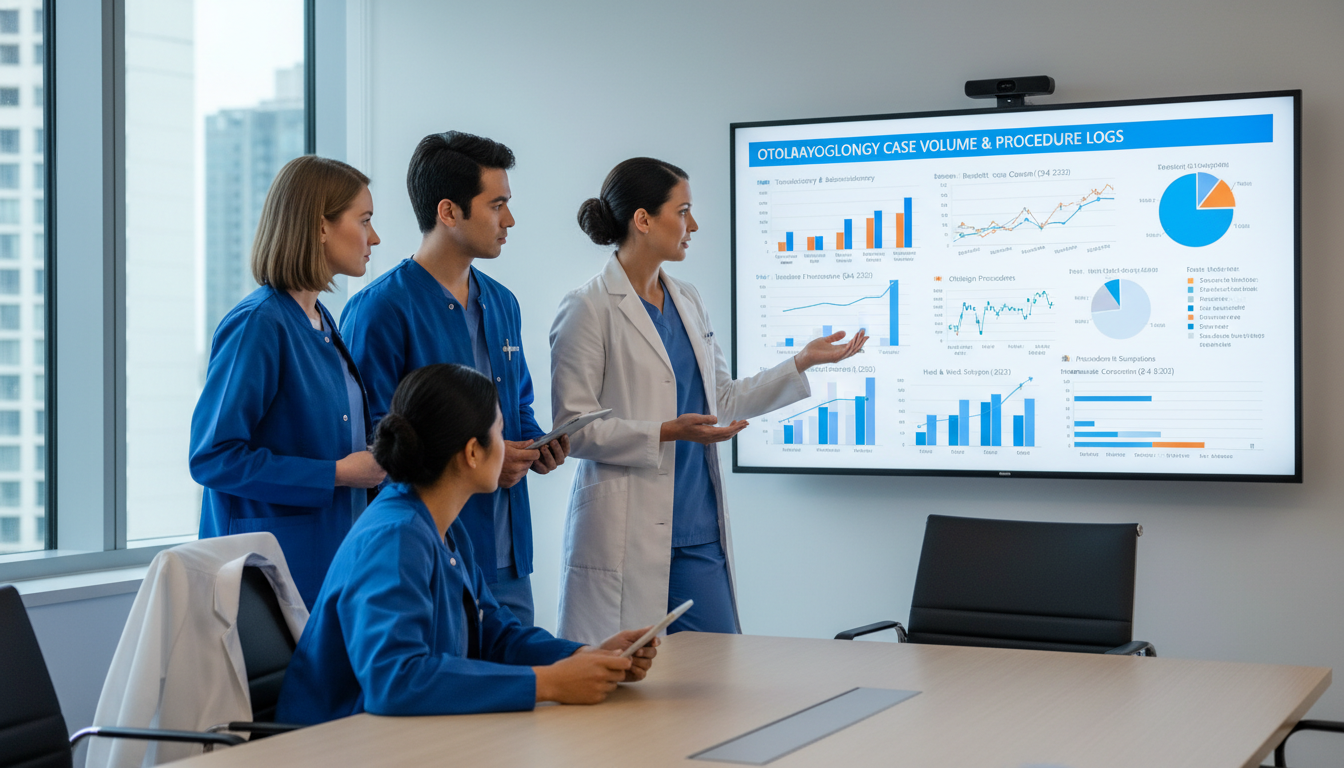
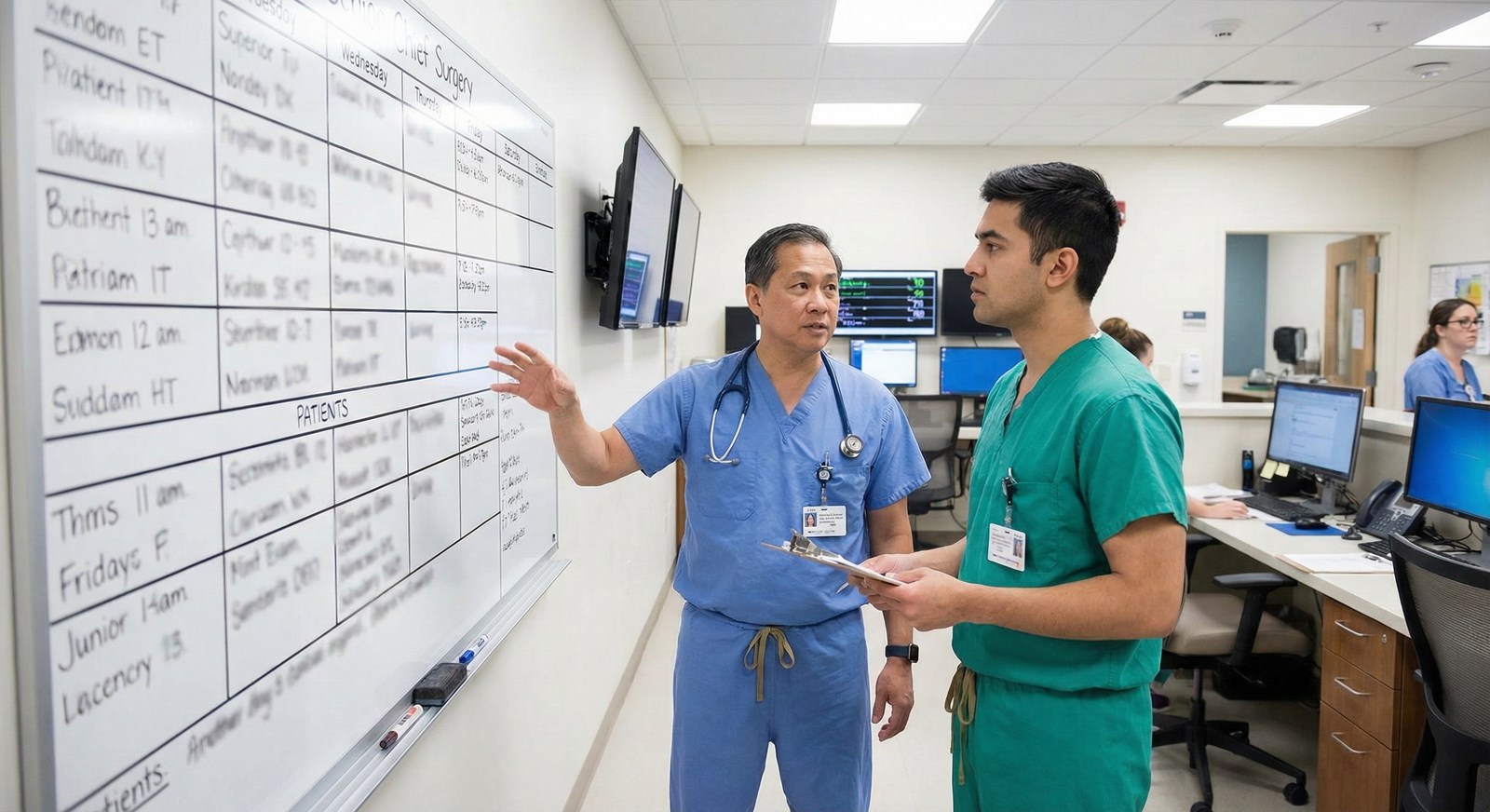
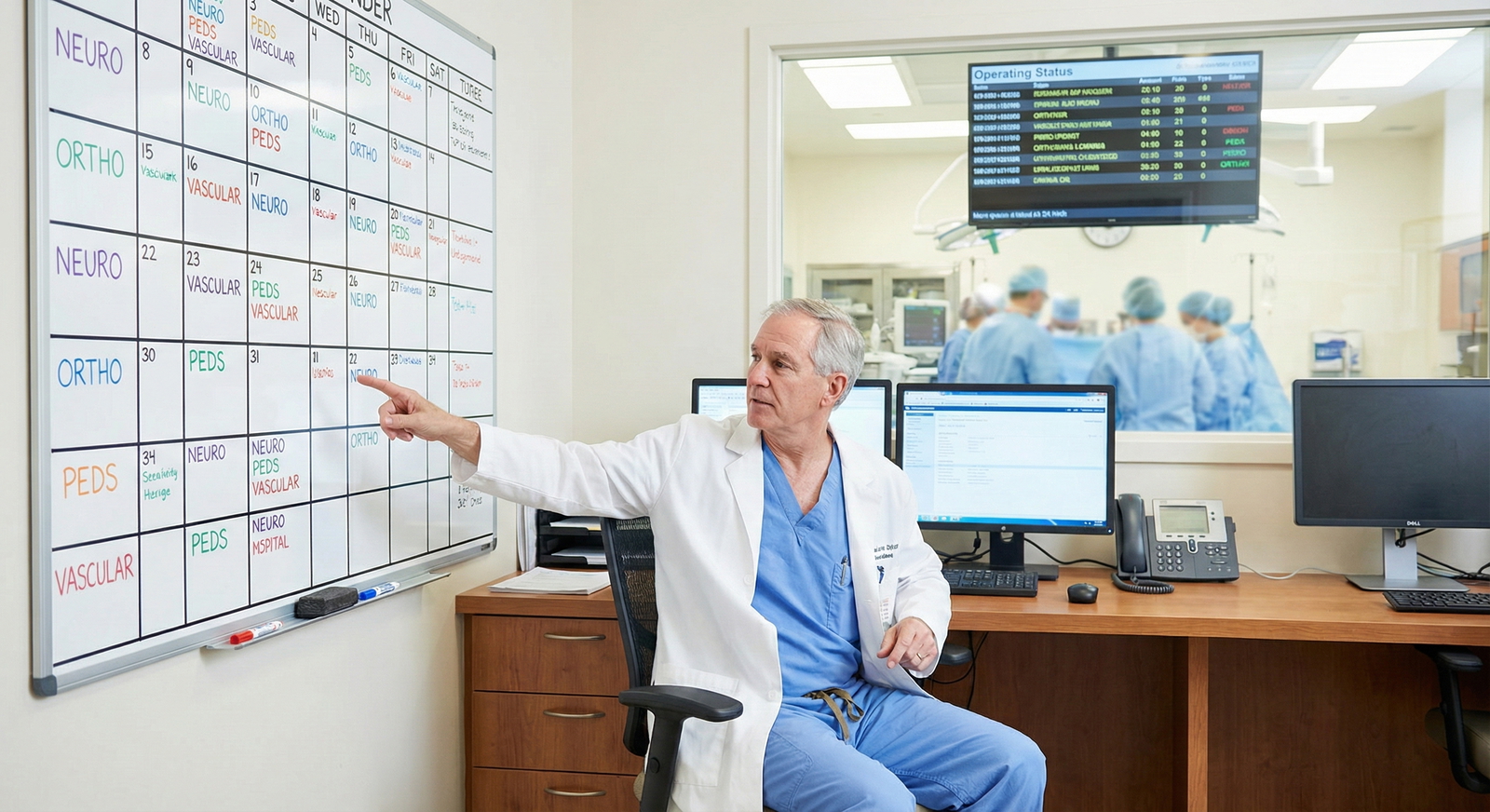
Why Case Volume Matters So Much in Interventional Radiology
Interventional Radiology (IR) is uniquely defined by procedures: image-guided, minimally invasive, and technically demanding. For a non-US citizen IMG (international medical graduate who is a foreign national medical graduate), understanding case volume is critical for three reasons:
Training quality and competence
You don’t “learn IR” from textbooks alone—you become an interventional radiologist by performing procedures. The number and diversity of cases you do during residency and fellowship (or integrated IR residency) heavily impacts:- Your technical skill
- Your procedural confidence
- Your readiness for independent practice
Meeting board and credentialing requirements
Certification bodies (e.g., ABR for US training pathways) and hospital credentialing committees pay close attention to your procedure numbers in core IR domains. Programs that don’t expose you to adequate residency case volume may leave you scrambling to meet requirements.IR match competitiveness and career options
As a non-US citizen IMG, you already face visa and perception barriers in the IR match. Training at a program known for strong surgical volume and high IR case counts can be a powerful equalizer when applying for:- Advanced fellowships
- Academic jobs
- High-end private practice groups that expect “fully ready” new graduates
Understanding how to evaluate and compare case volume is therefore not optional—it’s a core strategic skill.
Key Concepts: Case Volume, Case Mix, and Procedure Numbers in IR
Before evaluating programs, you need to understand the language around volume and procedures in Interventional Radiology.
1. Total Case Volume vs. Personal Procedure Numbers
Total program case volume
The overall number of IR procedures done by a service or residency program in a year. Often listed as:- “~7,000 IR procedures per year”
- “10,000+ image-guided interventions annually”
Per-resident (or per-fellow) procedure numbers
How many procedures you are likely to perform or log personally:- “Graduating residents perform 1,200–1,500 IR procedures”
- “Each resident averages 300–350 vascular interventions per year on IR rotations”
For your training, per-trainee numbers matter more than raw departmental totals. A huge program with many trainees can dilute exposure.
2. Case Mix: Breadth vs. Depth
“High volume” alone is not enough. A program that does 4,000 tunneled dialysis catheters per year but very few complex embolizations, oncologic interventions, or thrombolysis cases will not fully prepare you.
Core IR categories you should look for include:
- Vascular interventions
- Angiography and angioplasty (peripheral, visceral, and occasionally neuro)
- Stents and stent grafts
- Thrombolysis and thrombectomy (DVT, PE, limb ischemia)
- Oncologic interventions
- Transarterial chemoembolization (TACE)
- Y-90 radioembolization
- Microwave and radiofrequency ablation
- Biopsies (liver, lung, bone, soft tissue)
- Non-vascular interventions
- Biliary drains and stents
- Nephrostomies and ureteral stents
- Abscess drainage
- Gastrostomy and gastrojejunostomy tubes
- Venous access and dialysis-related procedures
- PICCs, ports, tunneled catheters
- AV fistula/graft interventions
- Women’s and men’s health
- Uterine fibroid embolization (UFE)
- Varicocele embolization
- Gonadal vein embolization for pelvic congestion
- Emergent and trauma interventions
- Hemorrhage control embolization
- Trauma-related interventions in collaboration with surgery
A balanced case mix gives you flexibility for any practice environment.
3. Independence and Case Complexity
Case volume is only truly useful if you’re allowed to:
- Do meaningful portions of cases (not just observe)
- Progress to primary operator role
- Manage complications under supervision
- Plan procedures, not just execute them
A program where you log many cases but only perform minor parts is weaker preparation than a slightly lower-volume program that allows progressive autonomy.
Typical Case Volume Benchmarks in IR: What Numbers Actually Mean
Exact numbers vary by country and training pathway, but you need ballpark figures to interpret what programs are telling you. Below are approximate benchmarks for a robust IR training experience in the US-style environment.
1. Total Case Volume Over Training
For a strong independent IR residency/fellowship year (after DR or hybrid pathways):
- 600–900+ logged IR procedures during the IR-intensive year is generally solid.
- Top-tier IR programs may graduate trainees with:
- 1,000–1,500+ IR procedures over the full training, especially in integrated IR residencies (6-year pathway).
In an integrated IR residency (5 years after intern year, depending on structure), you might expect:
- Diagnostic radiology years: mostly DR, but some IR exposure (e.g., 100–200 IR cases early on depending on program).
- Dedicated IR years (later years): the bulk of your procedure numbers, potentially reaching 1,000+ by graduation.
2. Annual IR Service Volume: Reading Between the Lines
Programs often publish or mention something like:
- “8,000 IR procedures annually”
- “Level 1 trauma center with 6,000+ vascular and non-vascular interventions per year”
To interpret this:
- Estimate number of IR trainees (residents + fellows) sharing cases.
- Account for advanced practice providers (APPs) or fellows possibly taking a large share.
- Consider whether diagnostic radiology residents rotate through IR and for how long.
Rule of thumb:
If a program has:
- 8,000 cases/year
- 4 IR faculty
- 3–4 IR trainees at any time
…then a motivated resident could easily reach 700–900 cases over dedicated IR years if the culture supports trainee participation.
3. Subspecialty Procedure Numbers: What You Want to See
When you get access to more detailed data (some programs share this during interviews), there are certain categories you want robust numbers in:
Oncology cases
- 50–100+ TACE/Y-90 or similar per trainee over training indicates strong oncologic IR exposure.
- 50+ ablations (liver, lung, renal) per trainee is a good sign.
Dialysis and venous access
- 100+ tunneled catheters and frequent AV fistula/graft angioplasties are typical in busy centers.
Embolization
- 50+ non-oncologic embolizations (trauma, GI bleed, UFE, varicocele, etc.) per trainee reflect broad embolization skill.
Biliary and nephrostomy work
- 50–100+ biliary interventions
- 75+ nephrostomy/percutaneous urinary procedures
These are bread-and-butter in many practices.
Biopsies and drainages
- 100+ biopsies
- 100+ drainages (various sites)
These are not rigid cutoffs; they’re targets that signal you’ll likely be comfortable in a wide range of practices after training.
Unique Considerations for the Non-US Citizen IMG Evaluating IR Programs
As a non-US citizen IMG or foreign national medical graduate, you must look at case volume through an additional lens: visa, access, and perception.
1. Visa and Participation: Does Your Status Affect Case Access?
Most IR procedures carry substantial medico-legal responsibility. You must confirm that your visa status will not restrict your scope of participation.
Ask programs directly:
- “Do residents/fellows on J-1 or H-1B visas have any restrictions on procedural independence?”
- “Have you previously trained non-US citizen IMG residents in IR? Did they have the same procedural exposure as US grads?”
Red flags:
- Vague answers about “limitations due to institutional policies”
- Historically no IMGs in IR tracks despite many applications
- Comments that imply foreign graduates “observe more initially” without a clear timeline to independence
2. Perception and Case Allocation
In some environments, IMGs worry they will be given:
- Fewer complex cases
- Less autonomy
- More “scut work” and fewer operator opportunities
During interviews and informal conversations, assess:
- Do program graduates describe fair distribution of cases among trainees?
- Are successful IMGs highlighted in their promotional material or alumni lists?
- Do they mention an IMG graduate currently practicing high-end IR or in academic leadership?
If trainees mention “unwritten hierarchies” or that certain people get all the best cases, consider how that might affect you as a foreign national medical graduate.
3. Academic vs. Community: Which Better for Non-US Citizen IMG?
Academic centers often have:
- Higher total volume and more complex/tertiary cases
- More structured teaching and case logging
- Stronger connections for future jobs or visas
However, busy community programs can offer:
- High procedural numbers with fewer competing fellows
- More hands-on autonomy (fewer layers between you and attending)
- Earlier opportunity to run cases semi-independently under supervision
As a non-US citizen IMG, your primary concerns should be:
- Can I get in? (visa sponsorship, history of accepting non-US citizen IMGs)
- Will I get hands-on experience? (case allocation, autonomy culture)
- Will my procedure numbers be competitive for jobs and credentialing? (absolute and relative volume)

How to Evaluate Case Volume from Outside the US: A Step-by-Step Strategy
You won’t always have complete data before matching, but you can get much closer to the truth than just reading a website. Use this structured approach.
Step 1: Start with Publicly Available Information
From program websites and official sources, collect:
- Annual IR procedure volume (if listed)
- Mentions of:
- “High-volume tertiary care center”
- “Level 1 trauma center”
- “Comprehensive cancer center”
- Number of:
- IR faculty
- IR trainees (residents + fellows)
- IR suites/angio rooms
Also, look for:
- Case mix description: Do they highlight oncologic, vascular, trauma, women’s health, pediatrics, etc.?
- Integrated vs. independent IR pathway: For IR residency programs, how are IR rotations distributed?
Create a simple spreadsheet to compare programs by:
- Total volume (if given)
- Number of IR faculty
- Number of trainees
- Trauma level
- Cancer center status
Step 2: Use Published Outcomes and Presentations as Proxies
High-volume IR programs frequently:
- Present at major meetings (SIR, CIRSE, etc.)
- Publish IR research in journals
- Run clinical trials in IR, especially in oncologic and complex vascular domains
A program with strong academic IR often has:
- More complex procedures
- Better infrastructure (hybrid ORs, advanced imaging, dedicated IR anesthesia)
- A culture that values documentation and teaching (good for your learning)
Step 3: Ask Precision Questions During Interviews and Virtual Visits
When you have a chance to talk to residents, fellows, and faculty, ask specific, number-oriented questions:
Overall numbers
- “Roughly how many IR procedures do you personally log per year?”
- “What are typical total procedure numbers for recent graduates?”
Case mix
- “As a graduating trainee, about how many TACE/Y-90/ablations did you perform?”
- “How many dialysis access interventions do you feel comfortable doing independently?”
- “How many emergent trauma or GI bleed embolizations do residents usually participate in?”
Autonomy and case allocation
- “At what PGY level did you start being primary operator on most routine procedures?”
- “How are complex cases distributed between junior and senior trainees?”
- “Do visa or IMG status ever affect which cases a trainee can do?”
On-call experience
- “How busy are IR call nights/weekends?”
- “Do residents on call get to be primary operator for emergent embolizations, or mainly assist?”
Take notes right after each interview; IR programs can blend together in your memory.
Step 4: Contact Recent Graduates, Especially IMGs
If possible, connect with:
- Recent graduates currently in practice or advanced fellowships
- Former non-US citizen IMG trainees from that program
Ask them directly:
- “Did you feel your case volume prepared you well for your first job?”
- “Were the official numbers accurate compared to what you actually experienced?”
- “As an IMG/foreign national, did you get equal opportunity for complex cases?”
Honest answers from alumni often cut through the marketing.
Step 5: Interpret Red Flags and Trade-offs
Be alert for:
Very high total volume, but many trainees
→ Could mean diluted experience.Great marketing words, but no numbers
→ Ask yourself why they avoid specifics.Excellent numbers but reports of poor teaching or toxic culture
→ High volume alone is not worth burnout or hostile training.
Sometimes you might choose:
- A slightly lower-volume program with:
- Proven fairness to IMGs
- Solid autonomy
- Supportive culture
…rather than a super-elite program where IMGs are rare, and competition for cases is intense.
Practical Scenarios and How to Decide Between Programs
To put this all together, consider a few example comparisons.
Scenario 1: High-Volume Academic vs. Moderate-Volume Community
Program A (Academic, high volume)
- 9,000 IR procedures/year
- NCI-designated cancer center
- Level 1 trauma center
- 7 IR faculty, 4 residents + 2 fellows
- Graduates report ~1,200–1,400 logged procedures
- 3 prior non-US citizen IMG graduates in the last 5 years
Program B (Community, moderate volume)
- 4,500 IR procedures/year
- Strong dialysis and venous access practice, limited oncology
- 4 IR faculty, 2 residents, no fellows
- Graduates report ~800–900 logged procedures
- Has trained several IMGs with good autonomy
As a non-US citizen IMG, choose based on:
- Visa support and prior IMG track record
- Your interest in oncologic vs. access-heavy practice
- Whether you want an academic vs. community job later
If both are IMG-friendly, Program A likely offers stronger oncologic and trauma exposure and higher case volume. Program B might offer more autonomy with fewer layers, especially if they let residents run cases early.
Scenario 2: Two Academic Programs with Similar Volumes, Different Cultures
Program C
- 7,000 procedures/year
- 6 faculty, 3 residents + 2 fellows
- Outstanding oncologic IR, heavy research
- Hints of “intense” culture; trainees emphasize long hours, variable teaching
- Few past IMGs
Program D
- 6,200 procedures/year
- 5 faculty, 3 residents + 1 fellow
- Balanced case mix; strong mentorship culture
- Several successful non-US citizen IMG graduates
- Graduates report feeling “well-prepared and supported”
Even with slightly lower volume, Program D may be a better choice for a foreign national medical graduate who values stability, mentorship, and proven IMG success patterns.
Final Strategy: Building a Case-Volume-Centered Application Plan
To maximize your chances in the IR match and secure strong training as a non-US citizen IMG:
Define your priorities
- Is your top priority complex oncologic IR? Trauma? Broad general IR?
- Do you want academic research, or mostly clinical volume and autonomy?
Build a comparison framework
- Use a spreadsheet that includes:
- Annual IR volume
- Faculty and trainee counts
- Trauma/cancer center status
- Reported per-graduate procedure numbers (when available)
- Culture notes (autonomy, teaching, IMG-friendliness)
- Use a spreadsheet that includes:
Target a realistic mix of programs
- Some top-tier, high-volume academic centers
- Some high-volume community-centric programs
- A few solid mid-range programs known to support IMGs
Prepare focused questions for interviews
- Emphasize your interest in case volume and skill development
- Ask for approximate procedure numbers and examples of autonomy
Leverage your background
- If you did procedures or interventional work abroad, highlight:
- Comfort with hands-on medicine
- Fast learning curve in procedural environments
- This can reassure programs that you will thrive in high-volume settings.
- If you did procedures or interventional work abroad, highlight:
After interviews, rank with case volume in mind
- Favor programs where:
- Graduates’ procedure numbers are strong and believable
- IMGs have been successful and treated equitably
- There is a clear commitment to hands-on IR training, not just service
- Favor programs where:
For non-US citizen IMGs, the right residency case volume can compensate for other disadvantages in the job and fellowship market. A careful, data-driven approach to evaluating IR program volume is one of the most strategic things you can do before committing your career to a specific residency.
Frequently Asked Questions (FAQ)
1. What is a “good” total procedure number for an IR trainee by graduation?
In many robust IR pathways, graduating with 800–1,500 logged IR procedures is common, depending on:
- Length and structure of training (integrated IR residency vs. independent IR)
- Local practice patterns and call responsibilities
More important than the raw total is:
- A balanced case mix (vascular, oncologic, non-vascular, dialysis, emergent work)
- Evidence of progressive autonomy and primary operator experience
2. As a non-US citizen IMG, should I prioritize higher volume over program name?
There’s a balance. Program reputation helps in academic and competitive job markets, but practical readiness comes from:
- Sufficient procedure numbers
- Strong supervision and independence
- Exposure to a wide range of IR procedures
If a famous name program offers modest autonomy or unclear volume, while a slightly less famous program provides excellent surgical volume and hands-on training, the latter may better serve your long-term skills and employability.
3. How can I verify that the case volume numbers a program gives are real?
You can’t fully audit them, but you can:
- Ask multiple trainees at different levels the same questions
- Compare the numbers they report independently
- Speak with alumni, including any non-US citizen IMG graduates
- Look at how busy the IR service appears during virtual/onsite tours (angiography suite schedules, exam room activity)
Consistency and specificity in responses are reassuring; vague or contradictory answers are warning signs.
4. Is lower case volume always bad?
Not necessarily. A slightly lower-volume program can still provide excellent training if:
- Cases are fairly distributed among few trainees
- Trainees get early and meaningful operator roles
- The center offers a broad case mix with enough complexity
However, extremely low volume—especially with limited case diversity—can leave you underprepared for independent practice, which is particularly risky for a non-US citizen IMG competing for visas and jobs in a crowded market.