Why Case Volume Matters in OB GYN Residency
Evaluating case volume is one of the most practical ways to assess the quality of an OB GYN residency. For most applicants, it’s also one of the most confusing.
You’ll hear terms like “high-volume program,” “surgical volume,” and “procedure numbers,” but it’s not always clear what those mean in day-to-day training. You might worry:
- Will I get enough operative experience to feel confident and independent?
- Will I see enough obstetric complexity to feel comfortable managing high-risk pregnancies?
- How do I compare programs fairly when everyone claims “excellent exposure”?
In Obstetrics & Gynecology, where you must become competent in both surgery and longitudinal outpatient care, residency case volume directly affects your readiness for independent practice or fellowship.
This guide breaks down how to evaluate case volume in OB GYN residency programs, what benchmarks to look for, and how to ask the right questions during the obstetrics match process.
Understanding Case Volume in OB GYN: Beyond Raw Numbers
When people say a program has “good volume,” they often mean two separate but related things:
- Clinical volume – how many patients are cared for (e.g., deliveries/year, clinic visits, consults).
- Surgical volume – how many operative cases residents perform and at what level (primary surgeon, assistant, observer).
ACGME Minimums vs. Real-World Competence
The ACGME sets minimum procedure numbers for OB GYN residents to graduate. These are not public as granular numbers per program, but the categories shape what you must log in your case log, including:
- Spontaneous vaginal deliveries
- Operative vaginal deliveries (forceps, vacuum)
- Primary and repeat cesarean sections
- Abdominal and vaginal hysterectomies
- Laparoscopic and minimally invasive gynecologic surgery
- Obstetric ultrasound
- Family planning procedures (e.g., D&C, D&E, LARC)
Important distinction: Minimums are not targets. They represent the lowest acceptable exposure for accreditation, not what you need to feel truly comfortable.
A program that consistently graduates residents “just at” the minimums may technically meet requirements but still leave gaps in surgical confidence.
Quantity vs. Quality
Case volume evaluation should never be purely a numbers game. Ask yourself:
- Are residents operating as primary surgeon or just assisting?
- Is there graduated responsibility (more autonomy as PGY‑3/4)?
- Are residents involved in pre-op planning, intra-op decision-making, and post-op care?
- Are attendings committed to teaching, or are residents just “extra hands”?
For example, doing 100 cesareans as the “retractor holder” is very different from doing 60 where you:
- Perform the skin incision, uterine entry, and hysterotomy closure
- Decide on indication and timing for cesarean
- Manage intraoperative complications (e.g., atony, adhesions)
In evaluating OB GYN residency case volume, think of depth plus breadth:
- Breadth: exposure to diverse procedures and pathologies
- Depth: repeated practice of key procedures with increasing independence
Key Domains of Case Volume in OB GYN
Different aspects of OB GYN training draw on different types of clinical and surgical volume. A strong program balances these domains rather than overemphasizing just one.
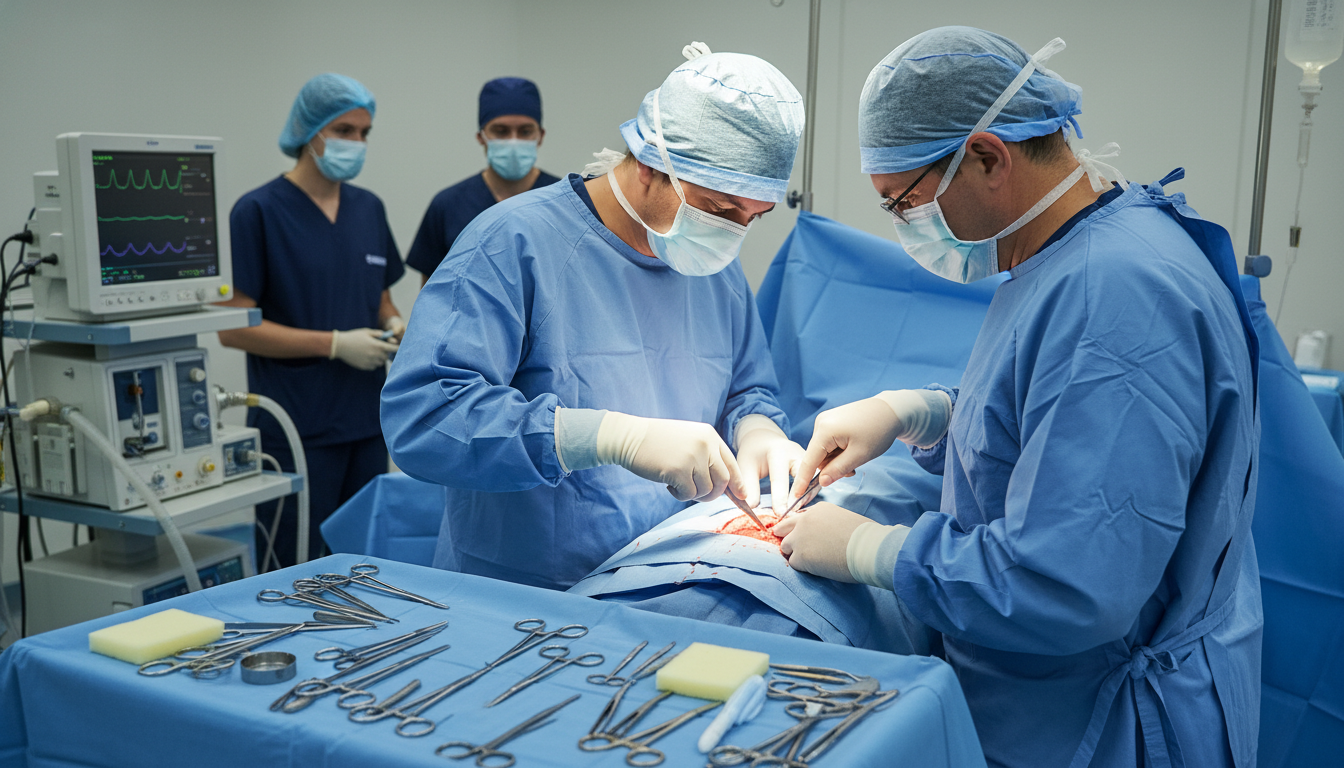
1. Obstetrics Volume: Deliveries and High-Risk Care
Residency applicants often ask, “How many deliveries per year?” It’s a reasonable starting point, but not the only metric.
Consider:
Total Delivery Volume
Look for:
- Program-level numbers: 2,000 vs 6,000 vs 10,000+ deliveries/year
- Resident-level experience: average number of vaginal deliveries and cesareans per graduate
An overall higher delivery volume generally translates into:
- More exposure to labor management nuances
- More opportunities to manage complications (e.g., shoulder dystocia, postpartum hemorrhage)
- Better familiarity with intrapartum fetal monitoring
However, extremely high-volume labor units can become “service-heavy” where:
- Residents spend most of their time “moving the board”
- Teaching and reflection are limited by pace
- There’s less opportunity to step back and analyze cases
Balance is key: you want steady, robust exposure without burning out or becoming purely a service provider.
Complexity and High-Risk Obstetrics
Ask about exposure to:
- High-risk populations: preeclampsia, GDM, multiple gestations, maternal cardiac disease
- Maternal-fetal medicine (MFM) presence: Are MFMs primarily driving care, or are residents meaningfully involved?
- Tertiary referral status: Do they receive transfers for severe maternal morbidity or fetal anomalies?
A program with 2,500 deliveries but a high proportion of complex, high-risk patients may offer richer learning than one with 6,000 mostly low-risk births.
Procedural Obstetrics
Probe resident experience with:
- Operative vaginal delivery (forceps, vacuum extraction)
- Manual rotation, breech management (external cephalic version)
- Postpartum hemorrhage management (Bakri balloon, B-Lynch, uterine artery ligation)
- Second-trimester D&E in the obstetric context
Concrete question for interviews:
“By graduation, about how many operative vaginal deliveries does a typical resident log as primary surgeon? And how many of those involve true decision-making, not just ‘easy outlet vacuums’?”
2. Gynecologic Surgery Volume: Hysterectomy and Beyond
For many applicants, gynecologic surgical volume is a primary deciding factor in OB GYN residency program ranking.
Key categories:
Hysterectomy Volume (Multiple Approaches)
You’ll want substantial exposure to:
- Abdominal hysterectomy (TAH)
- Vaginal hysterectomy (TVH)
- Laparoscopic hysterectomy, including TLH, LAVH, robotic if available
Questions to explore:
- How many total hysterectomies does a typical graduate perform as primary surgeon?
- What’s the distribution by approach (abdominal vs vaginal vs laparoscopic vs robotic)?
- Do residents get early exposure to advanced minimally invasive gynecologic surgery (MIGS) techniques (e.g., retroperitoneal dissection, ureterolysis)?
Programs with strong MIGS-trained faculty often emphasize:
- High endoscopic surgical volume
- Early and progressive resident participation in complex cases
- Structured simulation and skills labs
Benign Gynecologic Procedures
Look for volume in:
- Myomectomy (open and minimally invasive)
- Ovarian cystectomy, oophorectomy
- Hysteroscopic procedures (polypectomy, myomectomy, lysis of adhesions)
- Endometrial ablation
- Diagnostic laparoscopy for pain, endometriosis
Use this to gauge whether you’ll graduate with the comfort to:
- Safely manage adnexal masses
- Perform basic to intermediate minimally invasive procedures independently
- Counsel patients comprehensively on surgical options
3. Gynecologic Oncology Exposure
Gynecologic oncology is critical for surgical training, even if you don’t plan a Gyn Onc fellowship.
Ideal exposure includes:
- Primary involvement in staging procedures (TAH-BSO, lymphadenectomy, omentectomy)
- Debulking surgeries for ovarian cancer
- Sentinel lymph node mapping for endometrial/cervical cancer
Evaluation tips:
- Do residents consistently function as primary surgeon on parts of major cases by PGY‑3/4?
- Is there fellowship presence? If yes, how is operative experience divided between fellows and residents?
- Are there dedicated rotations in gynecologic oncology vs scattered exposure?
Programs with Gyn Onc fellowships can still provide outstanding surgical volume if:
- The culture strongly supports resident education
- Fellows primarily handle the most complex portions while residents still get meaningful OR time
4. Reproductive Endocrinology & Infertility (REI) and Family Planning
Although these fields are less about large operative cases, they matter for procedural numbers and overall competence.
REI
Look at:
- Exposure to transvaginal ultrasound and follicle tracking
- Hysterosalpingography (HSG) and saline-infused sonography
- Office-based procedures such as endometrial biopsy, IUI
Family Planning
A strong family planning experience should include:
- First- and second-trimester uterine evacuation (manual vacuum aspiration, D&C, D&E)
- LARC placement (IUDs, implants) in large numbers
- Management of pregnancy complications (e.g., early pregnancy loss) in both OR and office settings
In many programs, these rotations are where residents accumulate a significant portion of their procedure numbers, especially in early PGY years.
How to Analyze Surgical Volume and Procedure Numbers

Using ACGME Case Logs as a Benchmark
Most program websites won’t publish detailed ACGME case log data, but they will often mention:
- “Our graduates far exceed ACGME minimums in all categories”
- Average number of major cases per graduate
- Specific highlights (e.g., “average graduate logs 250+ hysterectomies”)
During interviews or second looks, you can ask:
- “Can you share approximate average procedure numbers for the last graduating class?”
- “Do residents feel they are comfortably above minimums in major categories like cesarean, hysterectomy, operative vaginal delivery?”
Red flag: vague or evasive answers, or “We don’t really track that,” suggest either low volume or poor transparency.
Understanding Distribution of Cases Across Residents
High program-level numbers do not guarantee equitable individual resident experience.
Ask:
- How are OR cases assigned—by resident level, by chief, or by whoever is available?
- Is there a system to ensure all residents reach target procedure numbers by PGY‑4?
- Do some residents graduate with significantly fewer cases than others?
For example, a program may say:
“We do 800+ hysterectomies per year.”
That sounds excellent, but:
- If a fellowship absorbs many primary surgeon roles
- If attendings prefer only chiefs to operate
- If juniors are mostly observers
…then the individual resident experience might be weaker than the program statistics suggest.
Evaluating Graduated Responsibility
Competent surgeons are not made by volume alone—they need progressive autonomy.
Consider:
- PGY‑1: Are interns allowed to first-assist and perform basic portions of cases?
- PGY‑2: Are they doing primary cesareans, simple laparoscopy, and vaginal repairs?
- PGY‑3/4: Are seniors leading major benign and oncologic cases, with attending supervision but not micromanagement?
Questions to ask residents:
- “When did you first perform a cesarean as primary surgeon?”
- “When did you start doing entire hysterectomies, not just portions?”
- “By the time you’re a chief, how independent do you feel in the OR?”
Balancing OR Volume with Outpatient and Continuity Clinic
A strong OB GYN residency must also prepare you for clinic-based practice:
- Prenatal care and postpartum management
- Management of abnormal uterine bleeding, fibroids, pelvic pain
- Contraceptive counseling and procedures
- Cervical dysplasia management (colposcopy, LEEP)
You want enough surgical volume without sacrificing:
- Adequate continuity clinic
- Longitudinal patient relationships
- Exposure to common outpatient gynecologic conditions
Ask about:
- Average number of continuity clinic sessions per month
- Colposcopy and LEEP volume per resident
- How clinic and OR time are balanced (e.g., does OR time consistently pull residents away from their own patients?)
Practical Strategies for Comparing OB GYN Program Case Volume
When you’re deep in the obstetrics match process, all programs can start to sound the same. Here’s how to systematically evaluate and compare them.
1. Pre-Interview Research
From websites, VSLO/VSAS descriptions, and program brochures, look for:
- Annual deliveries and “busy L&D” descriptors
- Mention of level I, II, or III trauma centers or tertiary referral status
- Number of ORs dedicated to gynecology
- Presence of fellowships (MFM, Gyn Onc, MIGS, REI, Family Planning) and how they interface with resident education
Create a simple spreadsheet with columns for:
- Deliveries/year
- Major gynecologic OR days/week
- Fellowships present (Y/N and which)
- Any published average procedure numbers
2. Targeted Questions for Residents and Faculty
You’ll get more honest, granular insight from current residents than from official presentations.
Ask residents:
- “Do you feel you will graduate comfortable performing basic OB and GYN procedures independently?”
- “Are there any areas where you wish you had more volume (e.g., operative vaginal delivery, vaginal hysterectomy, MIGS, oncology)?”
- “Have you or your classmates ever had to ‘scramble’ late in PGY‑3/4 to reach minimum procedure numbers?”
Ask faculty/program leadership:
- “How does the program monitor resident case volume across the four years to make sure no one falls behind?”
- “Do you have internal targets above ACGME minimums that you aim for in key categories?”
- “How has your volume changed in the last 3–5 years (e.g., competition with local hospitals, system mergers, new ambulatory surgery centers)?”
3. Considering Your Career Goals
Your individual goals should shape how you weigh case volume characteristics:
Generalist OB GYN in community practice
- Seek: broad surgical volume, strong obstetrics, high cesarean and hysterectomy numbers, good outpatient exposure
- Emphasize: autonomy and efficiency in bread-and-butter cases
MFM fellowship
- Seek: high-risk OB volume, strong ultrasound and prenatal diagnosis, advanced obstetric procedures, robust ICU/pathology exposure
- Case volume focus: complex obstetric management and consults
MIGS or Gyn Onc fellowship
- Seek: high laparoscopic and robotic surgical volume, exposure to advanced benign and oncologic surgery, faculty with fellowship training
- Case volume focus: major gynecologic cases, operative complexity
Family Planning or REI
- Seek: high procedural outpatient volume (D&C, D&E, LARC, office procedures), strong academic and research environment
- Case volume focus: specific procedures relevant to those subspecialties rather than sheer hysterectomy numbers
Align your program ranking with the type of practice you envision, rather than chasing the highest absolute numbers.
4. Watching for Red Flags
Be cautious if you notice:
- Residents frequently mentioning they’re “always on call” but rarely talking about what they learn
- No clear tracking or discussion of ACGME case log status
- Heavy fellowship presence with ambiguous resident operative roles
- Programs that advertise impressive attending or institutional case volume, but can’t articulate resident-level numbers
High service burden without structured teaching or operative ownership can leave you exhausted but not necessarily well trained.
Putting It All Together: A Framework for Case Volume Evaluation
When assessing OB GYN residency case volume, systematically consider:
Breadth
- Do you see the full spectrum of OB and GYN conditions?
- Are both benign and oncologic, inpatient and outpatient, obstetric and gynecologic experiences robust?
Depth and Autonomy
- Do residents progress from observer to primary surgeon with decision-making power?
- Are seniors comfortable handling emergencies and complex cases?
Procedure Numbers vs. Competence
- Are residents significantly above minimum ACGME procedure numbers in core areas?
- Do graduates report feeling ready for independent practice or competitive for fellowships?
Fit for Your Goals
- Does the pattern of surgical volume align with your intended career path?
- Will the program’s strengths compensate for any weaker areas, or are the gaps in areas critical to your future practice?
If you approach case volume evaluation with this structured lens, you’ll be better equipped to differentiate between programs that are busy and those that are truly educationally rich.
FAQs: Case Volume in OB GYN Residency
How many cases is “enough” in an OB GYN residency?
There is no single magic number, but a solid program will have residents graduating comfortably above ACGME minimums in:
- Vaginal deliveries and cesarean sections
- Major gynecologic procedures (especially hysterectomy)
- Essential outpatient procedures (colposcopy, LEEP, IUDs, endometrial biopsy)
When talking to programs, ask directly whether residents feel confident and independent, not just whether they “hit the minimums.”
Do programs with fellowships always have worse surgical volume for residents?
Not necessarily. Programs with MFM, Gyn Onc, MIGS, and Family Planning fellowships can offer excellent exposure and advanced operative experience if:
- Teaching culture is strong
- Residents still get a clear, protected share of cases
- Fellow and resident roles are clearly defined
Ask residents whether they feel the presence of fellows enhances or detracts from their case volume and learning.
Should I always choose the highest-volume OB GYN residency?
No. Extremely high-volume programs can provide incredible exposure, but may:
- Be more service-heavy
- Offer less time for reflection, research, or scholarly work
- Risk burnout if not well supported
Aim for a program with robust, steady volume and a clear educational structure, rather than simply the largest case numbers on paper.
How can I get accurate information about case volume during interviews?
Use specific, open-ended questions:
- “About how many cesareans/hysterectomies does a typical graduate perform as primary surgeon?”
- “Do residents ever have trouble reaching ACGME procedure numbers in any category?”
- “By PGY‑4, which surgeries do residents usually feel comfortable performing independently?”
Listen for concrete examples and consistency across different residents’ answers. That will tell you far more than any single statistic.