For a US citizen IMG committed to plastic surgery, understanding case volume is not optional—it’s strategic. Integrated plastic surgery is one of the most competitive matches in medicine, and residency case volume shapes your training, operative confidence, and ultimate marketability. This article walks you through how to evaluate and compare residency case volume as an American studying abroad, how to interpret numbers realistically, and how to use this knowledge in applications, interviews, and your rank list.
Why Case Volume Matters So Much in Plastic Surgery
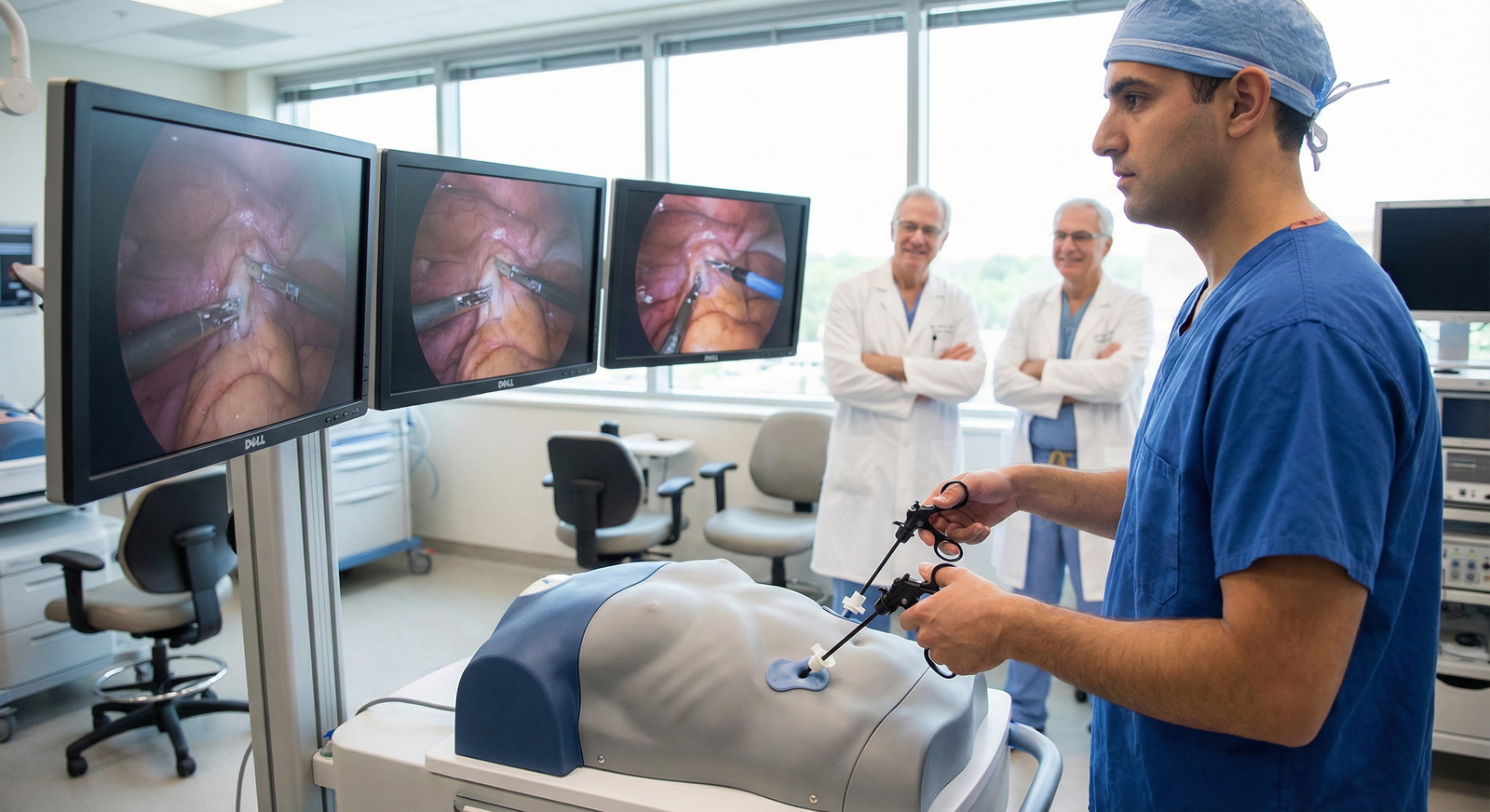
Plastic surgery is a highly technical, hands-on specialty. Mastery depends on repetition under supervision more than almost anything else. For a US citizen IMG, who may already feel pressure to “prove” their readiness, graduating from a program with robust surgical volume and strong procedure numbers is especially important.
Operative competence comes from repetition
Every complex reconstructive or aesthetic operation is really a collection of smaller, reproducible steps. The more you repeat those steps:
- The more efficient your technique
- The more reliable your outcomes
- The more comfortable you become managing complications
A resident who has done 150+ microsurgical cases will enter fellowship or practice with a fundamentally different comfort level than one who’s only seen 40–50.
Reputation and employability
In job and fellowship interviews, you’ll be asked about your experience with key procedures:
- “How many free flaps did you do as primary?”
- “What’s your experience with complex hand trauma?”
- “How many aesthetic rhinoplasties have you performed?”
If you trained at a program with strong residency case volume, you’ll have tangible numbers and examples. For an IMG who may face additional scrutiny, having robust procedure numbers and clear operative responsibility is a major advantage.
Confidence as an IMG entering practice
Many US citizen IMG plastic surgeons report that their first year in independent practice (or fellowship) is when they suddenly appreciate:
- How much autonomy they had as seniors
- Whether their residency case mix prepared them for real-world problems
- How comfortable they feel taking call alone
Case volume—and the quality of that experience—directly affects this transition. As an American studying abroad, you want your residency to eliminate any doubts about your technical preparation.
Understanding “Case Volume” in Plastic Surgery Training
“High volume” sounds good, but what does it actually mean? For the integrated plastics match, and for residency training in general, you need to understand how case volume is measured and reported.
Core concepts and terminology
Key terms you’ll encounter:
- Total case volume: The overall number of cases logged by a resident (or by all residents) during training.
- Procedure numbers: The counts for specific operation types—e.g., breast free flap, rhinoplasty, tendon repair.
- Case mix: The distribution of cases across subspecialties (craniofacial, hand, microsurgery, aesthetics, burn, general reconstruction).
- Primary surgeon vs assistant: Whether you were the main operating surgeon vs first assist.
- ACGME minimums: The minimum procedure numbers required for graduation in specific categories.
For plastic surgery, the ACGME case log system is central. Residents log cases into categories such as:
- Hand and upper extremity
- Craniomaxillofacial
- Breast and trunk
- Aesthetic surgery
- Burn
- Microsurgery
- Non-vascular extremity trauma, etc.
When you see “strong case volume,” what you should translate that to is: high total numbers with balanced, meaningful distribution and senior-level autonomy.
ACGME minimums vs competitive realities
The ACGME minimums are baseline requirements. Programs must graduate residents who meet these. However, high-performing plastic surgery residencies far exceed them in many core areas.
Hypothetical example:
- ACGME minimum for hand trauma: e.g., 40 cases
- Average integrated plastics program: 60–80
- Top-tier hand-heavy program: 120–150+
A US citizen IMG should look for programs that:
- Comfortably exceed minimums, not just barely meet them.
- Have resident case logs that are consistently strong across graduating classes.
- Offer some areas of high specialization if you have early interests (e.g., microsurgery, craniofacial).

How to Evaluate Case Volume as a US Citizen IMG
As an American studying abroad, you might not have the same informal network of upperclassmen or faculty mentors in US training programs. You’ll need to take a structured, data-driven approach to evaluating residency case volume.
Step 1: Use publicly available tools and reports
Several resources can give you baseline insights:
ACGME Case Log Public Reports
- These reports (when available by specialty) show national averages for procedure categories.
- Use them to understand what’s “typical” and what would qualify as above average.
Program websites
Look for:- “Resident experience” or “resident case numbers” pages
- Lists of faculty subspecialties (e.g., dedicated microsurgeon, craniofacial team, robust hand team)
- Information about volume-heavy services (Level I trauma center, large burn unit, busy cancer center with recon needs).
Institutional clinical volume indicators
Signs of strong potential surgical volume:- Designation as a Level I Trauma Center
- Presence of a major cancer center (breast, head and neck)
- Regional referral patterns (e.g., “tertiary/quaternary referral center”)
- Large burn or craniofacial programs
These won’t give you resident-level procedure numbers, but they indicate whether the hospital environment could support rich case volume.
Step 2: Questions to ask residents on away rotations
Away rotations are crucial for a US citizen IMG in plastic surgery, and they’re also your best window into true residency case volume. Ask targeted questions:
Global questions:
- “How would you describe the overall operative experience here?”
- “Are you ever fighting co-residents or fellows for cases?”
- “Do seniors consistently reach or exceed case log targets well before graduation?”
Concrete case volume questions:
- “By the end of PGY-3, about how many primary breast reconstructions have most residents done?”
- “What’s the typical microsurgery exposure—free flaps per senior resident per year?”
- “How many aesthetic cases do chief residents usually log in their final year?”
- “Do residents reach ACGME minimums with a safety margin, or is it tight in any category?”
Autonomy and role clarification:
- “On big cases, how often are seniors actually doing the dissection and anastomosis vs assisting the attending?”
- “Are juniors mainly retractors, or do they close, harvest flaps, and do parts of the case early?”
- “What cases are reserved as ‘chief cases’ where the resident really leads?”
Focus on patterns, not one person’s isolated experience. If multiple residents say:
“Our hand volume skyrocketed after we added another hand surgeon last year,”
or
“We’re short on aesthetic volume; most people do an aesthetic fellowship,”
you’re hearing important signals about residency case volume and case mix.
Step 3: Interpret case volume in context of structure and competition
Raw numbers can be misleading if you don’t consider context:
Program size
- 2 residents/year vs 3 vs 4–5
- More residents can dilute cases unless there’s proportionally higher surgical volume.
Presence of fellows
- Microsurgery, hand, craniofacial, or aesthetic fellows may share (or compete for) cases.
- Ask: “Do fellows enhance or limit resident operative opportunities?”
Rotation structure
- Systems that emphasize early operative exposure vs heavy early off-service rotations
- Senior-heavy vs junior-heavy case assignment
Service ownership
- Is plastics “consult only” on some services, or do they own the reconstructive domain (e.g., all breast reconstruction from surgical oncology)?
For an American studying abroad, these structural details help you interpret statements like “We’re very busy” and translate that into what residents actually do in the OR.
Key Case Volume Domains to Prioritize in Plastic Surgery
Not all volume is equal. You can do 1,500 small wound debridements and still feel underprepared for independent practice. When comparing programs for an integrated plastics match, focus on core domains of operative experience.
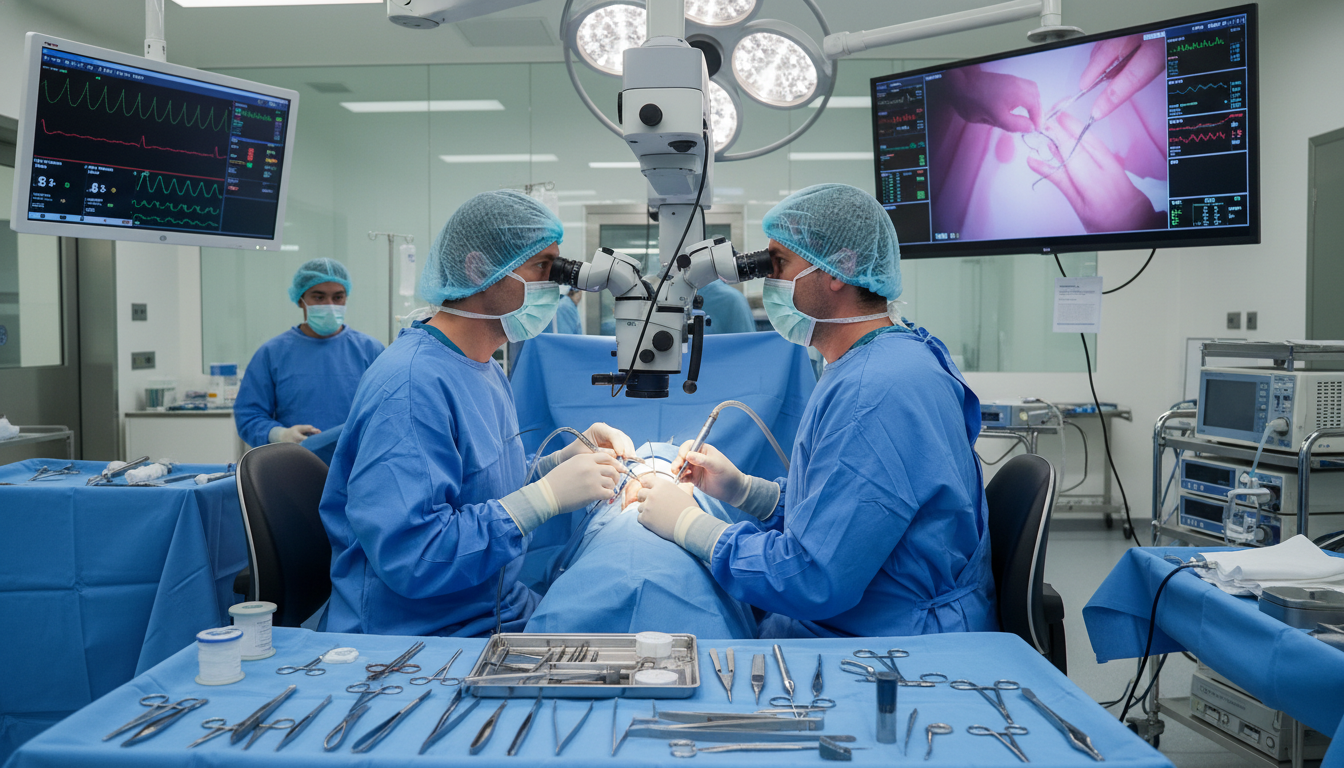
1. Reconstructive microsurgery
Microsurgery is a cornerstone of modern plastic surgery. Case volume questions:
- How many free flaps does each senior resident perform as primary surgeon?
- Do you get exposure to DIEP flaps, head and neck free flaps, extremity salvage?
- Is micro mostly done by a fellowship service or is it resident-driven?
Healthy benchmarks (approximate, varying by program):
- High-volume: 100+ free flaps per graduating resident, with many as primary surgeon
- Moderate: 50–80
- Low: <40 (may require micro fellowship for true comfort)
As a US citizen IMG, strong microsurgical case volume helps counter any lingering bias about your background by demonstrating advanced technical training.
2. Hand and upper extremity surgery
Hand surgery is a frequent component of plastic surgery call and practice. Evaluate:
- Is there a dedicated hand service?
- What is the call burden and associated case mix (tendon lacs, nerve injuries, replantation, fractures)?
- Do plastics residents compete with ortho for cases, or is there a clear division?
Key procedure numbers to ask about:
- Tendon repairs
- Nerve repairs/grafts
- Fracture fixation
- Replantation/complex trauma
Programs with a strong hand call service and high trauma volume often provide exceptional operative experience, even if it’s exhausting.
3. Craniofacial and pediatric plastics
Ask about:
- Cleft lip/palate volume
- Craniosynostosis repairs
- Orthognathic surgery
- Pediatric hand anomalies
If the hospital has a busy children’s hospital or craniofacial team, residents often gain early and repeated exposure. Some integrated programs are known for exceptionally strong craniofacial procedure numbers, which can be a differentiator if you’re considering fellowship.
4. Breast reconstruction and oncologic reconstruction
For many plastic surgeons—academic or private—breast reconstruction is a major part of practice. Evaluate:
- Collaboration with surgical oncology and breast surgery teams
- Balance of implant-based vs autologous reconstruction
- Volume of immediate vs delayed recon
- Exposure to modern techniques (prepectoral, hybrid recon, perforator flaps)
Good questions:
- “Do senior residents get to plan and execute full breast recon cases as primary surgeon?”
- “How many autologous reconstructions does each resident typically log by graduation?”
5. Aesthetic surgery volume and autonomy
Aesthetic (cosmetic) surgery can be harder to evaluate because:
- Much of it occurs in private-pay, outpatient settings
- Some programs have resident cosmetic clinics; others rely on elective rotations or fellowships
Ask:
- “Do you have a resident cosmetic clinic where chiefs are primary surgeon with attending oversight?”
- “Typical numbers for rhinoplasty, abdominoplasty, breast augmentation, facelifts by graduation?”
- “Do most residents feel comfortable performing basic aesthetic procedures independently right after residency, or do they pursue aesthetic fellowships?”
For a US citizen IMG, having documented aesthetic surgical volume and clear responsibility can be particularly valuable when marketing yourself in private practice, where aesthetic skills are highly valued.
Making Case Volume Work for You as a US Citizen IMG
Knowing how to judge case volume is only half the battle. You also need to leverage this knowledge strategically in your integrated plastics match strategy.
Align program case volume with your career goals
Ask yourself:
- Do you aspire to be an academic microsurgeon, a community reconstructive surgeon, a hand specialist, or an aesthetic surgeon?
- Which case volume domains matter most for your intended path?
Examples:
If you want academic microsurgery:
- Prioritize programs with very high free flap volume and complex recon (head & neck, limb salvage).
- Ask about presence of a micro fellowship and how cases are shared.
If you want hand/nerve:
- Look for busy trauma centers where plastics truly manages hand call.
- Clarify the division of hand between orthopedics and plastics.
If you want a balanced reconstructive + aesthetic practice:
- Favor programs with solid oncologic reconstruction plus a structured resident cosmetic clinic.
Use case volume insight in your personal statement and interviews
You can demonstrate sophistication and seriousness by:
- Explicitly referencing residency case volume and procedure numbers as part of what you seek in training.
- Saying things like:
“Given my background as a US citizen IMG, I’m very focused on training environments that offer robust, resident-driven case volume, particularly in microsurgery and breast reconstruction, so that I can graduate truly prepared for independent practice.”
When discussing “why this program”:
- Mention specific volume strengths you’ve noticed (e.g., “I was impressed by residents’ microsurgery experience and the number of free flaps completed as primary surgeon by graduation.”)
This signals that you’ve done your homework and that you’re thinking about your long-term technical development.
Protect your growth during residency
Once you match, how you engage with the available case volume matters as much as the raw numbers.
Practical strategies:
- Track your own case log actively: Identify early if you are weak in any category (e.g., pediatric, burn, aesthetic) and ask for more exposure.
- Be present and dependable: Residents who are always ready for cases—early, prepared, and reliable—are more likely to be pulled into complex operations.
- Seek graduated autonomy: Verbally ask attendings for specific roles:
- “Can I perform the anastomosis today?”
- “May I handle the dissection of this flap under your supervision?”
- Request targeted rotations or electives in high-volume areas later in training if allowed.
As an IMG, you may feel pressure to prove yourself. Channel that into organized, professional initiative to maximize your surgical volume and skill.
Red Flags and Common Pitfalls in Evaluating Case Volume
When you’re browsing websites or talking to residents, be alert for patterns that may indicate problems with resident case volume.
Red flags
- Vague responses:
- “We’re busy” but no one can cite rough case numbers or examples.
- Strong presence of fellows PLUS resident concern:
- Statements like “Fellows do all the cool microsurgery; residents mostly assist.”
- Struggling to meet ACGME minimums:
- “We always have to watch pediatric/burn numbers to make sure we meet minimums” can be a warning sign.
- Poor chief-level autonomy:
- “Attendings don’t really let chief residents run cases” or “We rarely get to do the entire case even as seniors.”
Overvaluing raw volume without nuance
Don’t make the opposite mistake:
- Tons of minor procedures can inflate logs but not competence.
- Repetitive, low-complexity cases aren’t a substitute for diverse, challenging case mix and meaningful operative roles.
Balanced interpretation:
- Prefer a program where a senior might do 350–400 well-rounded major cases as primary over one where they log 1,000 mostly minor procedures with limited autonomy.
FAQs: Case Volume Evaluation for US Citizen IMG in Plastic Surgery
1. What is a “good” case volume for a plastic surgery residency?
“Good” varies by program and year, but approximate characteristics of strong training:
- Residents comfortably exceed ACGME minimums in all categories.
- Robust experience in:
- Microsurgery (many programs aim for at least 50–100 free flaps per graduate)
- Hand trauma and elective hand procedures
- Breast reconstruction (implant and autologous)
- Craniofacial/pediatric cases
- Aesthetic surgery, ideally via a resident cosmetic clinic
- Graduating residents feel confident managing core plastic surgery problems independently.
Use resident anecdotes and any available case log data to see if the program fits these criteria.
2. How can I get actual procedure numbers from programs as an IMG?
You usually won’t get a spreadsheet of every resident’s case log, but you can:
- Ask residents for typical ranges:
“About how many micro free flaps did you log by the end of PGY-6?” - Inquire with program leadership on interview day:
“Can you comment on how your graduates’ case logs compare to national averages?” - Check if their website lists representative resident case numbers or describes residents’ operative experience by PGY year.
Programs that are proud of their residency case volume often share representative information, even if not full raw logs.
3. Does high surgical volume always mean better training?
Not always. High surgical volume is necessary but not sufficient. Quality training requires:
- Graduated autonomy, not just observing or assisting.
- Diverse case mix (micro, hand, craniofacial, oncologic reconstruction, aesthetics).
- A culture where residents are treated as active surgeons-in-training, not just scut support.
- Reasonable systems to prevent resident burnout, which can undermine learning.
Aim for programs that combine high, well-distributed surgical volume with strong teaching and professional development.
4. As a US citizen IMG, should I prioritize case volume over program name recognition?
Both matter, but for plastic surgery:
- Case volume and operative responsibility are critical for your actual skills and confidence.
- Name recognition can help with fellowship and job opportunities.
If you must choose, consider:
- A slightly lesser-known program with excellent, documented case volume and autonomy is often better for your long-term competence than a big-name program where residents struggle for cases or autonomy.
- Ideally, you find a program with both strong reputation and robust residency case volume, but don’t sacrifice your operative training purely for prestige.
By understanding and strategically evaluating case volume, case mix, and procedure numbers, you transform yourself from a passive applicant into an informed future surgeon. As a US citizen IMG in the intensely competitive integrated plastics match, this insight helps you choose a residency that not only gets you in the door—but also prepares you to walk out as a truly capable, confident plastic surgeon.