Understanding Why Case Volume Matters for DO Graduates in Urology
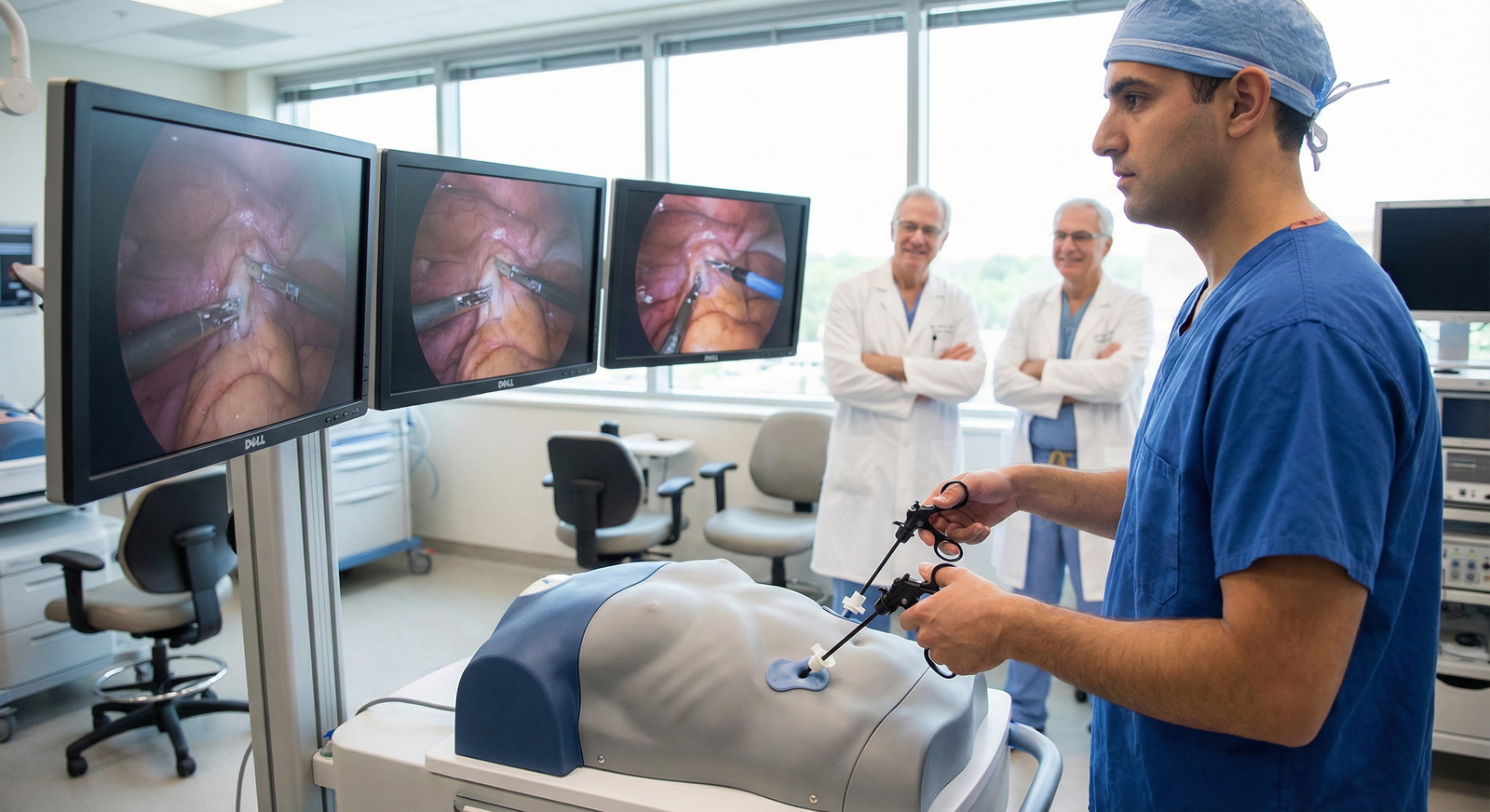
For a DO graduate aiming to match into urology, understanding and assessing residency case volume is critical. Urology is a procedurally intense specialty: your ability to operate independently after training depends heavily on the surgical volume, procedure numbers, and case diversity you experience during residency.
The urology residency match is already competitive, and DO applicants must often be more strategic and informed to stand out and to choose programs that will genuinely train them well. Evaluating case volume is one of the most objective ways to judge a program’s educational value—especially for a DO graduate residency applicant who may be more sensitive to issues of operative exposure, faculty support, and program culture.
This article will walk you through:
- What “case volume” really means in urology
- How to interpret residency case volume data (and what’s misleading)
- Specific benchmarks and procedure numbers to look for
- How a DO graduate should evaluate urology programs before and during the interview season
- How to ask smart, data-driven questions on interview day and away rotations
Throughout, the focus is on practical, step-by-step evaluation tailored to the osteopathic residency match experience in urology.
What “Case Volume” Means in the Urology Residency Context
Core Definitions
When you’re reviewing urology residency programs, you’ll see multiple terms that all relate to operative exposure:
Total case volume / surgical volume
The total number of operative cases a resident participates in over the duration of training. This is usually logged in an ACGME or program-specific database.Procedure numbers (by category)
How many of each type of case a resident performs (e.g., TURP, URS, PCNL, robotic prostatectomy). This is critical because being “high volume” in only one or two types of operations leaves you underprepared.Role in case
- Assistant (primary surgeon is the attending or senior resident)
- Primary surgeon (you are doing the case under supervision)
- Observer (watching only—less educational value for your technical growth)
Case mix / diversity
The range of procedures—endourology, oncology, pediatrics, female pelvic medicine, reconstruction, andrology, etc.—you are exposed to.
Why Case Volume Is Especially Important for DO Graduates
As a DO graduate in the urology match, you may encounter:
Programs with variable comfort levels in training DO residents
Some programs have a strong history of osteopathic graduates; others may have minimal or no DO representation. High case volume with equitable distribution is a strong signal of a program that values training all residents, not just a select few.More scrutiny on your surgical readiness
When seeking fellowships or early attending jobs, some evaluators may (unfairly) question DO graduates’ exposure. Robust, well-documented case volume helps you demonstrate that your training was equivalent or superior to that of your MD peers.Different clinical backgrounds
Osteopathic training often emphasizes holistic care and manual medicine; some DO students may have had less procedural exposure in medical school depending on their rotations. Entering a urology residency with strong operative volume helps close any perceived gap quickly.
In short: case volume is both an educational and strategic asset for DO graduates entering the urology residency match.
Key Categories of Urologic Case Volume to Evaluate
You shouldn’t look only at the total surgical volume; you need to dissect the numbers into meaningful categories. Here are the core domains and what a DO graduate should look for in each.
1. Endourology and Stone Disease
Typical cases:
- Ureteroscopy (URS) with laser lithotripsy
- Percutaneous nephrolithotomy (PCNL)
- Cystoscopy with stent placement or removal
- Transurethral resection of bladder tumor (TURBT)
- Transurethral resection of prostate (TURP) / laser prostate surgery
Why it matters:
Endourology is a bread-and-butter component of community urology practice. You will do a high volume of these cases regardless of where you practice.
Benchmarks to consider (by graduation):
- URS: >100–150 cases as surgeon or senior assistant
- PCNL: 25–50 cases, with a good proportion as primary surgeon in PGY4–5
- TURBT/TURP: Dozens of each, with increasing autonomy over the years
Questions to ask programs:
- “What are the average URS and PCNL case numbers for graduating residents?”
- “At what level do residents typically start performing PCNL as primary surgeon?”
- “How is endourology time divided between junior and senior residents?”
2. Urologic Oncology (Open, Laparoscopic, Robotic)
Typical cases:
- Radical prostatectomy (open and/or robotic)
- Partial and radical nephrectomy
- Cystectomy with urinary diversion
- Retroperitoneal lymph node dissection (RPLND)
- Nephroureterectomy
Why it matters:
Cancer surgery is central to urology, and robotic exposure is a major determinant of your marketability after graduation.
Benchmarks to consider:
- Robotic prostatectomy: 75–150+ cases where residents are actively involved and gaining console time
- Robotic/partial nephrectomy: 30–60 cases
- Cystectomy + diversions: Sufficient exposure to see the full case and, ideally, perform key parts as a senior (bowel work, anastomoses, stoma or neobladder)
Red flags:
- “We do a lot of robotics, but fellows do most of the console work.”
- “Residents just dock and undock the robot but don’t get much console time.”
If a urology residency has high robotic volume but residents are not the primary surgeons, the educational value for you as a DO graduate is limited.
3. Pediatric Urology
Typical cases:
- Hypospadias repair
- Orchiopexy
- Ureteral reimplantation
- Pyeloplasty (open, laparoscopic, or robotic)
- Circumcisions, chordee repair, and other minor cases
Why it matters:
Even if you don’t specialize in pediatric urology, you’ll see pediatric issues in community practice, and fellowship programs expect baseline competence and understanding.
Benchmarks:
- Enough pediatric exposure to feel comfortable with common conditions and their operations—often at least 3–4 months of peds urology with robust OR participation.
- Pediatric case logs that include a range of complexity, not only circumcisions.
Questions to ask:
- “Is there a pediatric urology fellow, and how is case volume divided between the fellow and residents?”
- “Are residents primary surgeon for routine pediatric cases by senior years?”
4. Female Pelvic Medicine, Reconstruction & Andrology
Typical cases:
- Sling procedures and prolapse repairs
- Urethral reconstruction/urethroplasty
- Artificial urinary sphincter (AUS), penile prosthesis
- Varicocelectomy, vasectomy reversal (if applicable)
- Complex lower urinary tract reconstruction
Why it matters:
These are highly specialized but often lucrative and in-demand areas of urology. Adequate exposure helps you decide about fellowships and builds versatility.
Benchmarks/Goals:
- At least some meaningful exposure to complex reconstruction and andrology (does not need to be extremely high volume, but should be substantive).
- Clear opportunities for senior residents to be surgeon on slings, AUS, and penile prosthesis cases when available.
5. Inpatient/Trauma & Emergency Urology
Typical cases & experiences:
- Scrotal exploration for torsion
- Ureteral stent placement for obstructing stones/infection
- GU trauma (renal lacerations, bladder injuries, urethral injuries)
- Complications of prior urologic surgery
Why it matters:
On-call responsibilities as a junior attending will mirror this experience. This is where procedural competence and decision-making skills are tested.
Key points:
- Look for programs where residents manage significant urology call (with attending backup) and are not overshadowed by fellows in emergent situations.
- Ask about call distribution, trauma center level, and how often residents go to the OR overnight for urgent cases.
How to Obtain and Interpret Case Volume Data as a DO Applicant
Sources of Case Volume Information
Program Websites and Brochures
Some urology residency programs (especially academic centers) publish aggregate case volume data or representative case logs for graduating chiefs. Use this to create a preliminary comparison list.ACGME Case Log Data (Indirectly)
The ACGME sets minimums in various surgical categories. You may not access raw data for each program, but you can ask directly on interview day:- “How do your graduates’ case numbers compare to ACGME minimums?”
- “Do your graduating residents significantly exceed the minimums?”
Program Director or Chief Resident Discussions
During interviews, away rotations, or virtual Q&A sessions, request approximate averages:- “What is your typical graduating resident’s total case volume?”
- “Can you share approximate procedure numbers for robotics, endourology, and peds?”
Current Residents (Especially DOs, if present)
Residents will usually be candid about:- Which rotations are truly high-yield for surgical experience
- Whether case opportunities are fairly distributed
- Whether they feel technically ready for independent practice
Interpreting the Numbers: Beyond “High Volume”
Total surgical volume alone can be a misleading metric. Consider the following:
1. Total vs. Per-Resident Volume
A program may boast “10,000 urologic cases per year,” but if:
- There are many residents, and
- Multiple fellows (endourology, oncology, FPMRS, pediatrics)
…then per-resident case volume may not actually be high.
Actionable step: Always ask for average graduating resident case logs, not just institutional numbers.
2. Role in the OR: Observer vs. Operator
Being in the room isn’t enough. You want progressive responsibility:
- PGY1–2: Assistant role, basic steps of procedures
- PGY3–4: Larger portions of cases, some primary surgeon roles
- PGY5: Primary surgeon on most bread-and-butter cases, substantial console time for robotics
Key questions to ask:
- “When do residents first get on the robot console?”
- “By chief year, are residents typically primary surgeon on robotic prostatectomy or partial nephrectomy?”
- “Is there a formal system that reserves certain cases for residents rather than fellows?”
3. Breadth of Case Mix
A program with extremely high volume of only one type of surgery—for example, robotic prostatectomy—may leave you weak in other domains like reconstruction or pediatrics.
Red flag patterns:
- High robotic cancer volume but very limited reconstructive experience
- Minimal or no pediatric exposure
- Little exposure to complex stone disease (PCNL) or advanced endourology
For a DO graduate aiming at a versatile urology career—or future subspecialty fellowship—case diversity matters as much as sheer numbers.

Strategic Case Volume Evaluation for DO Graduates in the Urology Match
Step 1: Shortlist Programs Using Public and Word-of-Mouth Data
As you build your ERAS list, use the following filters:
Track record with DO graduates
- Does the program currently or recently have DO residents?
- Are those DOs in the same roles and at the same levels of responsibility as MD peers?
- Where have those DO graduates matched for fellowship or taken jobs?
Reputation for strong OR exposure
- Ask mentors, recent graduates, and residents you meet on away rotations.
- Look at online forums cautiously—but patterns of “strong operative program” vs “research-heavy, lower volume” often emerge.
Hospital environment and case sources
- Level I trauma center?
- Large catchment area?
- Dedicated cancer center?
- High stone burden region (geographically hot climates, older populations)?
These environmental factors heavily influence residency case volume.
Step 2: Use Away Rotations to Validate Surgical Volume
Away rotations are especially important in competitive fields like urology and even more so for a DO graduate.
On your rotation:
Track your own exposure for 2–4 weeks:
- How many operative days are you in the OR?
- Are junior residents consistently scrubbed into cases?
- Do seniors actually operate, or do attendings/fellows dominate?
Observe the learning climate:
- Are residents allowed to perform portions of cases with graduated responsibility?
- Do attendings actively teach in the OR?
- Are DO residents (if present) given the same chances as MD residents?
Ask residents privately:
- “Do you feel your procedure numbers are sufficient for independent practice?”
- “Has anyone ever felt they needed extra fellowship training just to feel comfortable doing bread-and-butter urology?”
Step 3: Structured Questions for Interview Day
Prepare a concise set of questions focused on case volume and resident autonomy, tailored to your position as a DO applicant:
To Program Directors:
- “How do your graduates’ case volumes compare with national averages in endourology, robotics, pediatrics, and reconstruction?”
- “Do you track case distribution by resident to ensure equitable operative experience?”
- “How do fellows impact resident case numbers in the OR?”
To Chief Residents:
- “Approximately how many total cases have you logged so far?”
- “Do you feel ready to independently manage endourology, on-call emergencies, and routine oncologic cases?”
- “How early did you start getting meaningful console time on the robot?”
To Any DO Residents (if present):
- “Have you felt any difference in operative opportunities as a DO compared with your MD co-residents?”
- “How have your procedure numbers and fellowship/job outcomes compared to your MD peers?”
Step 4: Weigh Case Volume Against Other Factors
Case volume is crucial, but it is not the only factor:
- Research opportunities (especially if you’re eyeing an academic career)
- Program culture and support, especially for DO graduates
- Board pass rates (ABU Part I and II)
- Geographic preferences, lifestyle, and family considerations
For urology, though, insufficient surgical volume is a non-negotiable problem. You can’t “make up” for low operative exposure with reading or simulation alone.
Common Pitfalls and Misconceptions About Case Volume
Pitfall 1: “Bigger Is Always Better”
A program boasting extremely high case volume can still provide weak training if:
- Residents are exhausted and burned out without structured teaching.
- Attendings or fellows keep the critical portions of cases.
- There is no progressive autonomy; residents assist but rarely operate fully.
Quality of exposure and structured autonomy matter just as much as raw numbers.
Pitfall 2: Ignoring Outpatient and Procedural Experience
Much of real-world urology happens in the clinic and procedure suites:
- Prostate biopsies
- Office cystoscopy
- Vasectomies
- Urodynamics
- Botox injections, bulking agents, and other procedures
When evaluating a program’s overall procedure numbers, ask:
- “How much time do residents spend in clinic versus OR?”
- “Who performs office-based procedures—attendings, residents, or advanced practice providers?”
- “Are residents independent (with supervision) for outpatient procedures by senior years?”
Pitfall 3: Assuming All DO-Friendly Programs Are the Same
Among programs that take DO graduates, there is still wide variability:
- Some have excellent operative exposure and strong fellowship placement.
- Others may be more service-heavy with less operative autonomy.
As a DO graduate, you must distinguish between “DO-friendly” and “DO-supportive with high-quality surgical training.” Case volume evaluation is your most objective tool for making that distinction.
Putting It All Together: A Practical Evaluation Framework
When you’re making your final rank list for the urology match, consider building a simple comparison grid for each program:
1. Overall Surgical Volume (Per Graduating Resident)
- Total cases: Low / Moderate / High
- ACGME minimums exceeded by: Slight / Moderate / Large margin
2. Key Domains (1–5 Rating)
- Endourology/Stone disease
- Oncology (including robotics)
- Pediatrics
- Reconstruction & andrology
- On-call/emergent urology
3. Resident Autonomy
- Early supervised autonomy (PGY2–3)
- Senior-level primary surgeon roles (PGY4–5)
- Robotic console time proportional to case volume
4. DO-Specific Considerations
- Presence of current or recent DO residents
- Feedback from DO residents on equity of case distribution
- Leadership support and mentorship for DO graduates
For each program, assign rough ratings based on:
- Published data
- Interview day responses
- Resident conversations
- Your impression from away rotations
This structured approach allows you to move beyond vague impressions and focus on the tangible training outcomes that will matter most when you start practicing urology.
FAQ: Case Volume Evaluation for DO Graduates in Urology
1. Are there specific minimum case numbers I should look for in a urology residency?
Exact numbers vary by program and evolve over time, but broadly:
- Endourology (URS, PCNL, TURBT, TURP): You should be comfortably above ACGME minimums, with >100 URS and a meaningful number of PCNL cases as a senior.
- Robotic surgery: Look for substantial console experience—ideally 75–150 robotic prostatectomies and a solid number of nephrectomies and partial nephrectomies where residents are actively operating.
- Pediatrics: Sufficient volume and diversity to manage common pediatric urology problems independently.
Your goal is not to hit a magic number but to ensure you are well beyond minimums and feel functionally confident in key areas.
2. As a DO graduate, should I avoid programs with fellows because of competition for cases?
Not necessarily. Fellows can:
- Enhance academic output and subspecialty exposure
- Attract higher-complexity, higher-volume cases
However, in some settings, fellows can compete with residents for critical parts of surgeries. The key is to ask directly:
- “How are cases divided between residents and fellows?”
- “Do residents meet or exceed case minimums in areas where fellows are present?”
If residents consistently feel they are getting strong surgical volume and autonomy, fellows are not inherently a problem.
3. How can I gauge case volume if a program doesn’t publish specific numbers?
Use triangulation:
- Ask program leadership for approximate averages for key procedures and whether they significantly exceed ACGME minimums.
- Speak privately with multiple residents at different PGY levels about their perceived operative exposure.
- Pay attention on away rotations: how often are ORs running, are residents scrubbed in, and do seniors appear confident and technically skilled?
Patterns from these sources will often give you a clear picture, even without published data.
4. Does being a DO affect my chances of getting adequate operative experience in urology?
At high-quality, DO-supportive programs, your degree should not affect your operative experience. DO graduates at such programs:
- Report case volumes similar to their MD co-residents
- Match into competitive fellowships and secure strong jobs
- Are fully integrated into the operative and academic culture
However, not all programs are equally experienced with osteopathic graduates. This is why asking DO-specific questions—about case distribution, mentorship, and outcomes—is crucial during your evaluation process.
For a DO graduate aiming to enter the urology match, thoroughly assessing residency case volume, surgical volume, and procedure numbers is one of the most powerful ways to safeguard your operative training. Use structured questions, data where available, and candid resident feedback to prioritize programs that will truly prepare you for a confident, independent urology practice.