
The brutal truth: most students’ COMLEX study resources are quietly sabotaging them, and they do not realize it until they see a below-target score.
If you feel “busy” all day but your practice scores are flat, your resources are probably the problem. Or at least a big part of it. Not your intelligence. Not your “work ethic.” The tools.
Let me be very clear: choosing the wrong COMLEX resources is one of the fastest ways to burn months of effort and still walk into test day underprepared. I have watched smart, hardworking OMS-2s and OMS-3s fail or barely pass because they trusted popular but poorly matched study tools.
You are not going to let that happen to you.
Below are the red flags that your current COMLEX prep resources are failing you—what they look like in real life, why they are dangerous, and what to do instead.
1. Your Practice Scores Are Flat Despite “Studying All Day”
If your numbers are not moving, your resources are not working for you. Full stop.
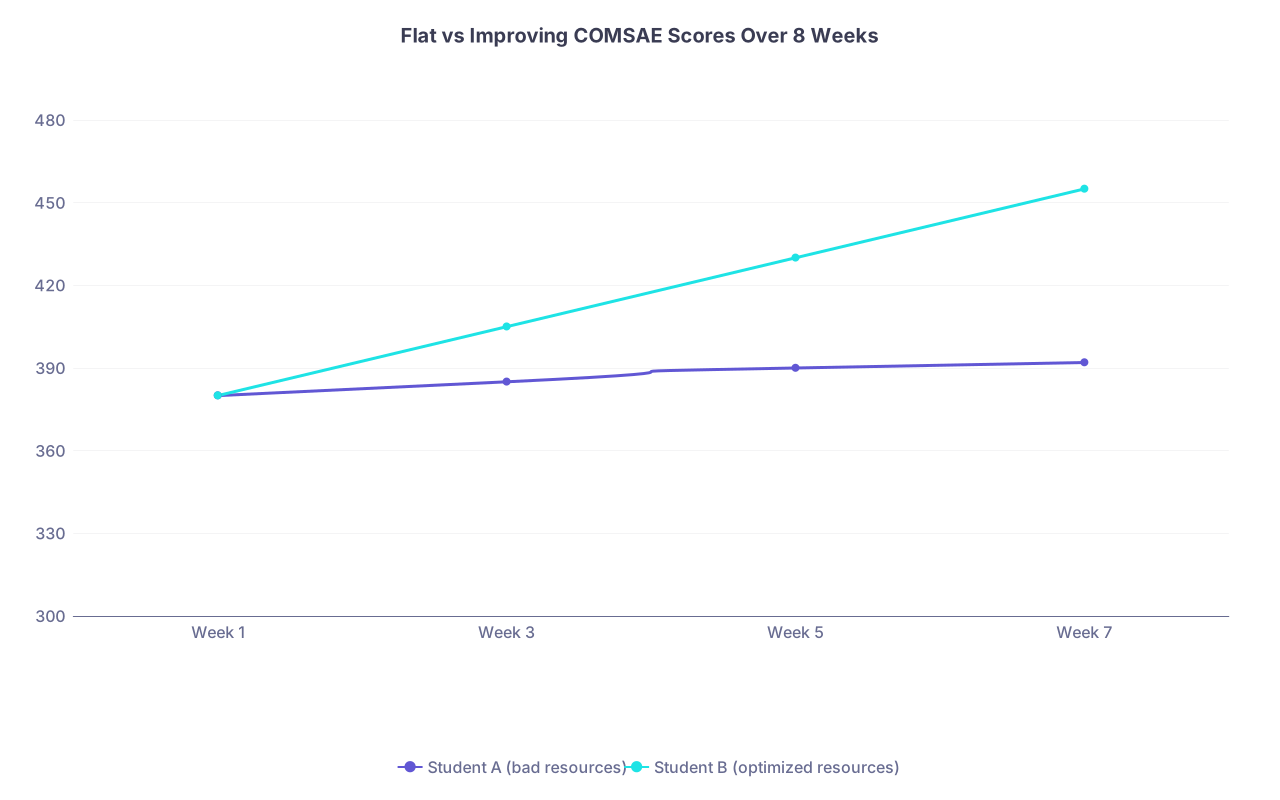
| Category | Student A (bad resources) | Student B (optimized resources) |
|---|---|---|
| Week 1 | 380 | 380 |
| Week 3 | 385 | 405 |
| Week 5 | 390 | 430 |
| Week 7 | 392 | 455 |
Common pattern I see:
- Student does 200–300 questions per week
- Watches hours of video daily
- Reviews “all the notes”
- COMSAE / NBOME self-assessments stay stuck within the same 10–15 point band
That is not a motivation problem. That is a resource‑effectiveness problem.
Red flags in this category
Question bank performance stuck in the 40–55% range for weeks
- You feel like you “kind of” understand explanations but keep missing similar questions.
- You do not see recurring patterns; every question feels new.
You feel smarter but not faster
- Timed blocks are a disaster.
- You run out of time, or you finish with a ton of marked questions and no confidence.
You switch resources constantly
- Two weeks of one Qbank, then a new “high-yield” book, then a new video course.
- You never give one solid resource enough consistent use to see improvement.
Why this happens
- The Qbank is too easy or too untargeted for COMLEX style.
- Explanations are content dumps, not teaching tools.
- Your “review” consists of re-reading or re-watching, not active recall.
How to fix it before it gets ugly
- Track performance by system and topic, not just total percent.
- If 3–4 weeks of consistent use show zero trend upward → your primary Qbank or main content source needs to be replaced, not just supplemented.
- One strong, COMLEX-focused Qbank + targeted review beats five half-used resources every single time.
2. Your Resources Ignore OMM and Osteopathic Principles
This one is non‑negotiable. If your primary resources treat OMM like a side dish, they are failing you.
NBOME does not. They test it aggressively.
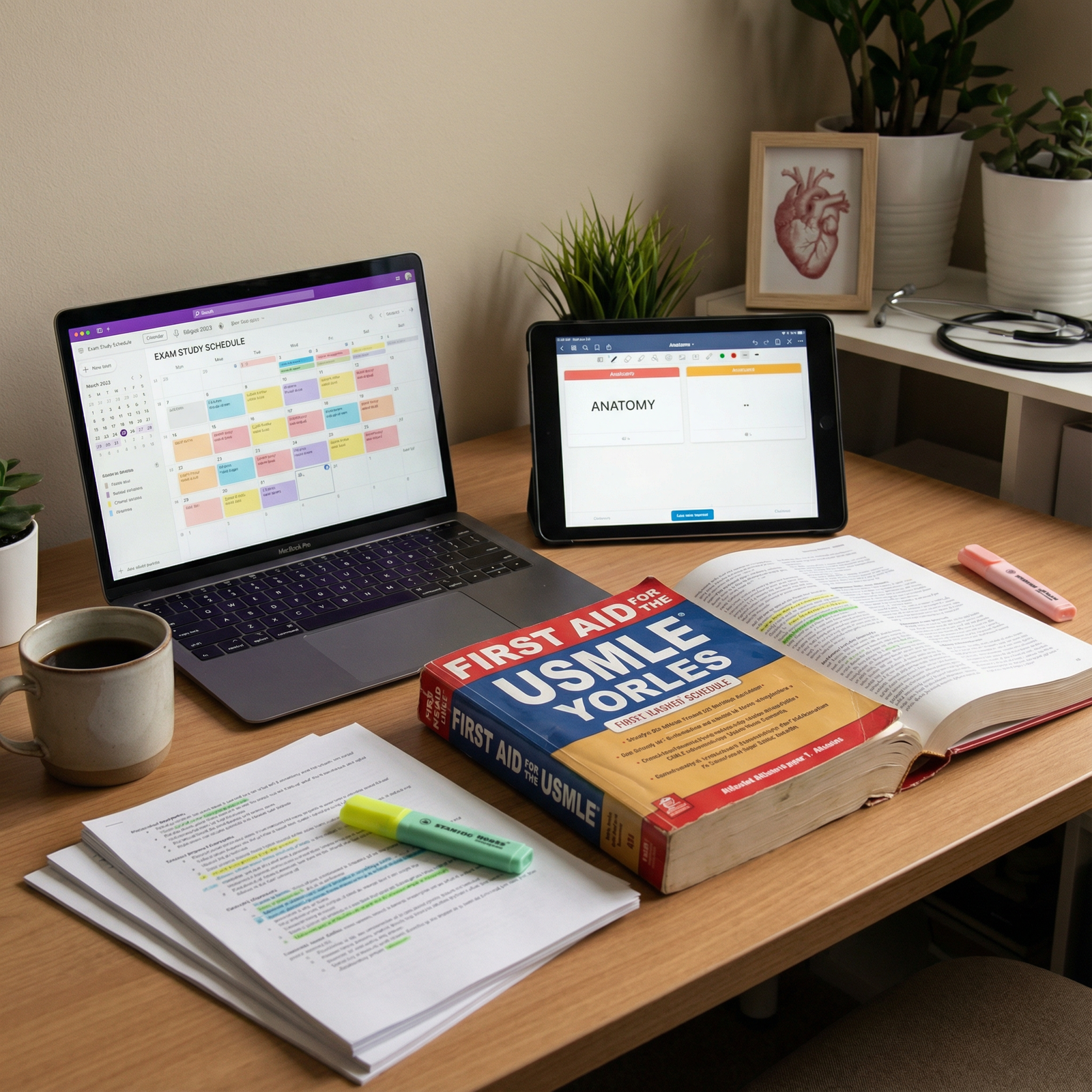
Classic mistake
Student relies almost entirely on:
- USMLE‑centric Qbank
- USMLE‑focused videos
- Maybe a big review book that barely touches OMM
Then wonders why their COMSAE or COMLEX score is lagging, even though they feel strong in path and pharm.
Red flags here
- OMM questions feel like “guess and hope” territory.
- You are missing:
- Chapman's points
- Spinal levels and viscerosomatic reflexes
- Lymphatics
- Cranial basics (even the simple ones)
- Counterstrain tender point locations and set-ups
- You tell yourself: “OMM will be a small percentage; I will just pick up what I can.”
That mindset is how borderline passes happen.
Why this is dangerous
- OMM is low-hanging fruit. With targeted resources, it is very learnable.
- When you ignore OMM, you give up easy points that could compensate for weaker systems.
- OMM questions are often binary: either you know the pattern or you do not. No partial intuition.
What a healthy OMM resource setup looks like
- A compact, high-yield OMM review book or PDF you cycle through multiple times.
- Dedicated OMM-focused practice questions (not just one token block).
- A very short set of OMM reference images or diagrams for daily quick review.
If your current stack does not have those, you are walking into an osteopathic exam with an allopathic toolkit. Do not make that mistake.
3. Your Qbank Does Not Look or Feel Like COMLEX
COMLEX has a distinct flavor. If your questions do not mimic it, your “prep” is building the wrong reflexes.
| Feature | COMLEX-Oriented Qbank | Generic / USMLE-Only Qbank |
|---|---|---|
| OMM content | Yes, robust | Minimal or none |
| Wordy, vague stems | Yes | Less common |
| Multi-step reasoning | Frequent | Variable |
| Ethics / medico-legal | Regular | Variable |
| “Best next step” nuance | High | Moderate |
Red flags your Qbank is mismatched
- Almost no OMM questions.
- You rarely see:
- Vague outpatient primary-care flavored vignettes
- Preventive care / screening questions
- “What is the most appropriate next step?” with multiple plausible answers
- Question stems are short, super clinical, and tightly written (more USMLE-style).
- You feel whiplash when you first try a COMSAE: “Why are these questions so weirdly worded?”
Consequences
- You train yourself to answer one exam style, then sit for another.
- Timing strategy gets wrecked because COMLEX stems can be long, repetitive, and oddly structured.
- Your “test-taking instincts” are calibrated to the wrong patterns.
Fix this now
You can absolutely use a USMLE-oriented bank as content review, but for exam‑style training, you need:
- A dedicated COMLEX Qbank or
- A Qbank with clearly labeled COMLEX mode/sections and meaningful OMM content
If your current main Qbank cannot do that, it should not be your main COMLEX prep tool. Use it as a supplementary resource, not the backbone.
4. You Are Buried in Passive Resources (Videos, Notes, “Reading”)
If you are watching 4–6 hours of videos per day and your question volume is low, your resources are not just failing you—they are tranquilizing you.
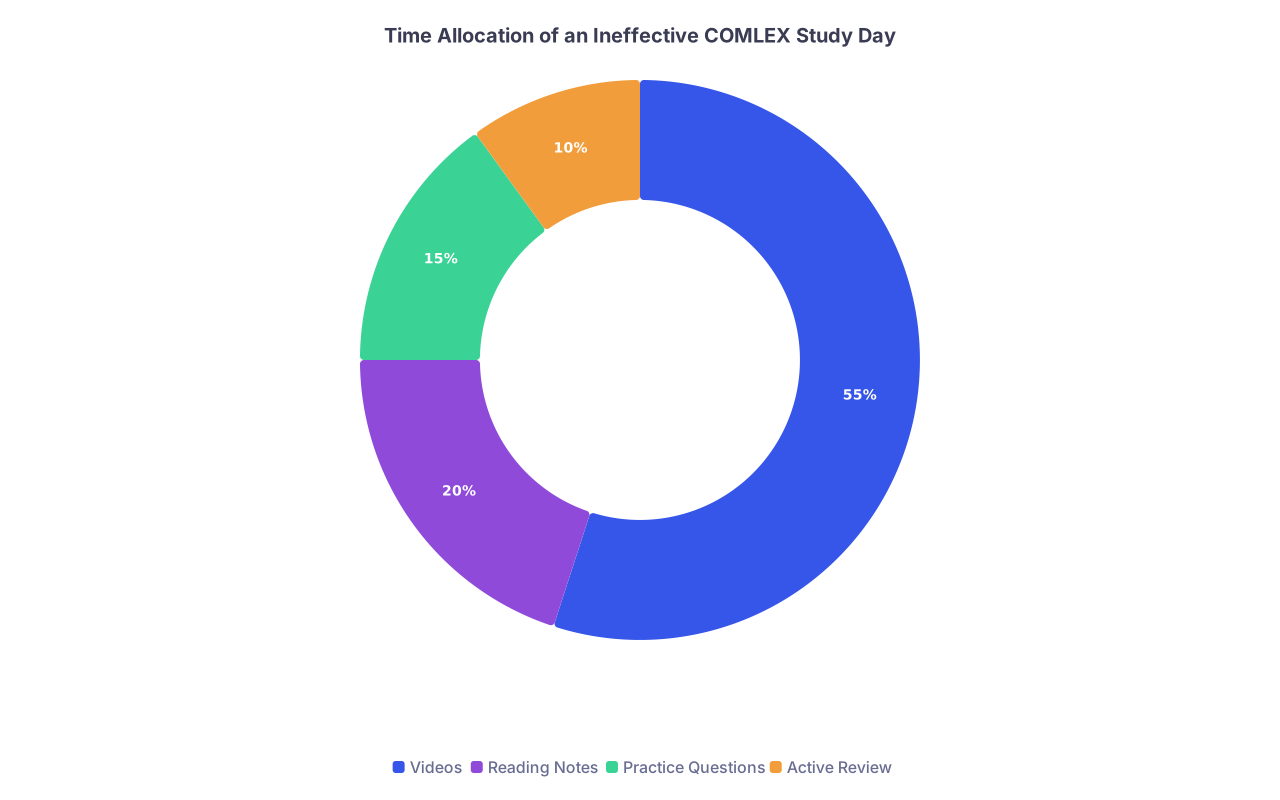
| Category | Value |
|---|---|
| Videos | 55 |
| Reading Notes | 20 |
| Practice Questions | 15 |
| Active Review | 10 |
I have lost count of how many students tell me:
“I watched all of X’s video series and took detailed notes, but my COMSAE was 390.”
No surprise.
Red flags in this pattern
- You measure productivity in hours watched or pages read, not questions done.
- Your Anki or flashcard use is minimal or mindless.
- You re-watch entire videos because “I forgot that topic,” instead of drilling questions on it.
- Your practice blocks feel scary, so you procrastinate with “just one more video.”
The resource companies love this. Hours watched look good on their metrics. Your score does not care.
Why passive-heavy study is a trap
- COMLEX tests application and decision-making, not just recall.
- Videos are great for introducing or clarifying concepts, but they do not automatically build retrieval or resilience under time pressure.
- Reading outlines and review books without constant retrieval practice is basically academic Netflix.
What to do differently
- Cap video time. Use it:
- When first encountering a complex topic
- For truly confusing subjects (e.g., renal phys, neuroanatomy)
- As a targeted tool, not background noise
- Increase:
- Timed question blocks
- Active review of missed questions
- Short, focused flashcard sessions (especially for pharm, micro, OMM)
If your current “favorite” resources keep you passively consuming content instead of actively solving problems, they are part of the problem.
5. Your Resources Are Not Mapped to NBOME’s Blueprint
Studying “what feels important” is how people end up saying “I did not expect that to be on the exam” about topics plastered all over the blueprint.

| Step | Description |
|---|---|
| Step 1 | NBOME Blueprint |
| Step 2 | Identify Weak Systems |
| Step 3 | Select Focused Resources |
| Step 4 | Targeted Qbank Practice |
| Step 5 | Assess with COMSAE |
| Step 6 | Maintain and Refine |
| Step 7 | Improved Scores? |
Red flags your resources are off‑blueprint
- You “forget” about low‑glamour systems:
- Preventive medicine
- Ethics / jurisprudence
- Geriatrics / palliative care
- Behavioral / psych nuance
- Your study schedule is organized by whatever your video series or book sequence happens to be, not by the blueprint weightings.
- You never actually printed or read the NBOME content outline.
Why this matters
NBOME literally tells you what they prioritize. If your primary book or video course spends disproportionate time on minutiae while skating over common COMLEX favorites (like primary care, musculoskeletal, OMM, practice-based learning), you end up with:
- Deep knowledge of rare conditions
- Superficial understanding of common vignettes that make up the bulk of questions
That is backwards.
Fix
- Pull the official NBOME blueprint. Print it.
- Cross‑check your main resources:
- Where are the gaps?
- Which topics get 10 lines in your book but multiple bullet points on the blueprint?
- Add or replace resources that address those missing zones.
If a resource does not line up with what the exam writers say they care about, it is not “high-yield” no matter what the marketing page claims.
6. You Cannot Systematically Review Your Misses
Bad resources make it hard to learn from your mistakes. Good ones make that the centerpiece.

Red flags here
- Your Qbank interface makes it annoying to:
- Filter by incorrect questions
- Tag or flag concepts
- Review by system or subject
- You read explanations and move on without:
- Writing anything down
- Making a card
- Capturing the underlying pattern
- You see the same kind of question weeks later and miss it the exact same way.
This is usually not a laziness issue. It is a workflow issue forced by how clunky or unstructured your tools are.
Why this crushes your score
You are paying the “pain cost” of doing questions without getting the compound interest of learned patterns. That is the worst trade in exam prep.
You should be able to say things like:
- “I always confuse RA vs OA imaging—here is the rule I wrote down.”
- “I mix up viscerosomatic levels—here is my small table of patterns.”
- “I used to miss hyponatremia management, now I know the algorithm.”
If your current resources do not support that kind of pattern tracking, your improvement will be slow and fragile.
What a good review pipeline looks like
- Qbank → mark missed / unsure questions
- Brief, structured error log or flashcard creation
- Regular (daily/weekly) revisit of:
- Top missed topics
- Recurring patterns of error (e.g., misreading vital signs, ignoring time course)
If the platform you are using makes this impossible or miserable, it is the wrong platform for a serious COMLEX attempt.
7. You Are Using Too Many Resources (Yes, That Is Its Own Red Flag)
“Resource hoarding” is one of the most common self-sabotaging habits I see in DO students.
They own:
- 2+ full video courses
- 2 big review books
- 2–3 question banks
- Printable PDFs from 10 different Telegram/Discord recommendations
- Anki, plus some other flashcard app
And they are using none of them deeply.
Signs of resource overload
- You keep asking, “Should I add X?” instead of “What can I drop?”
- You feel guilty if you are not touching every resource every week.
- Your day is shredded into tiny slices:
- 1 hour of video here
- 30 minutes of some random PDF there
- 20 questions from 2 different banks
- You cannot answer a simple question: “What are your primary resources?”
Why this destroys your efficiency
- You never build familiarity with how any one Qbank asks questions.
- You waste cognitive energy switching interfaces, note styles, mnemonic systems.
- You confuse coverage with mastery.
Resource overload means shallow learning across too many platforms. COMLEX rewards deep, pattern-recognizing mastery in a few.
What a sane, effective stack looks like
For most students:
- 1 primary Qbank (with strong COMLEX alignment)
- 1 concise review book or digital outline
- 1 OMM-focused resource
- 1 system for spaced repetition (e.g., Anki)
- Optional: a single targeted video resource for weak areas
If your current setup has more than that as “core,” you are almost certainly spreading yourself too thin. The problem is not that you do not have enough tools. It is that you have no hierarchy.
8. Your Resources Ignore Test‑Day Strategy and Endurance
Some excellent content resources are terrible at preparing you for the actual lived experience of COMLEX test day: fatigue, pacing, and mental resilience.
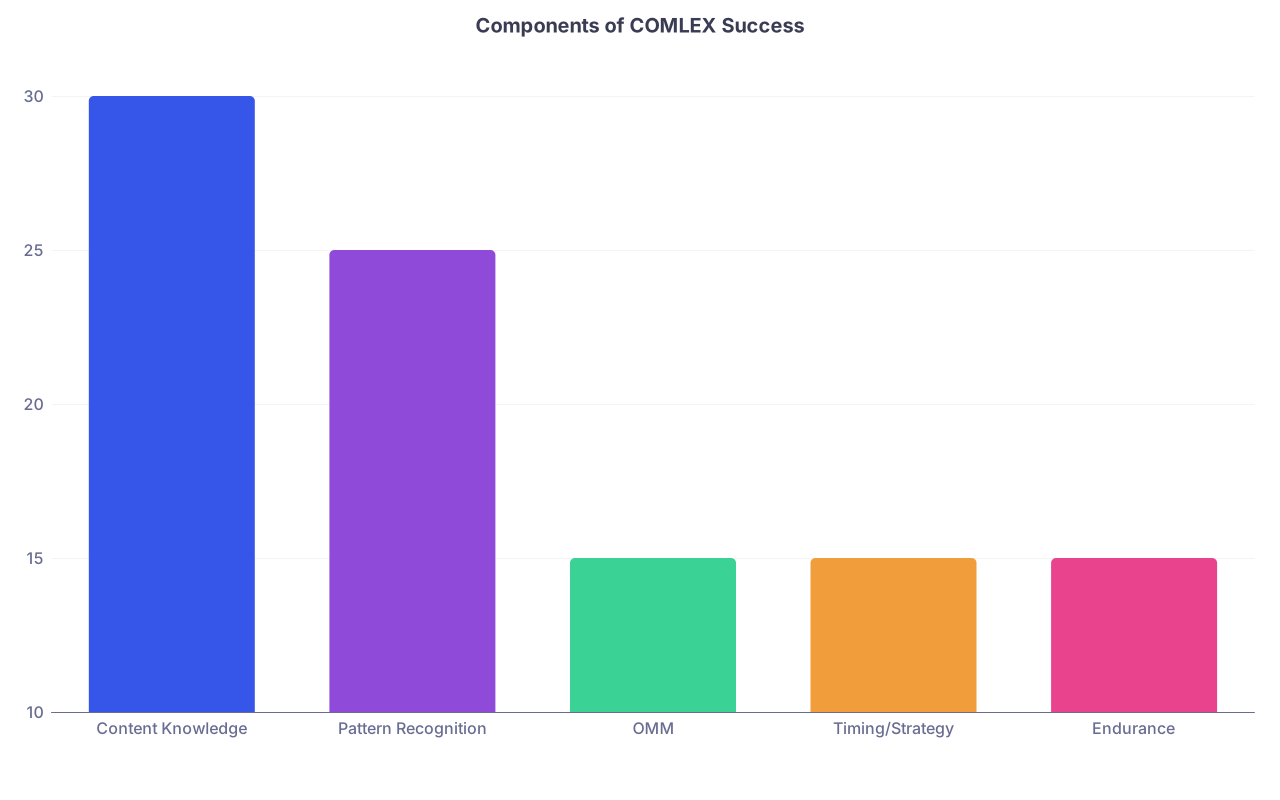
| Category | Value |
|---|---|
| Content Knowledge | 30 |
| Pattern Recognition | 25 |
| OMM | 15 |
| Timing/Strategy | 15 |
| Endurance | 15 |
Red flags here
- Your tools never push you to do full-length or near full-length blocks.
- No discussion of:
- Pacing strategies
- How to handle ambiguous stems
- When to guess and move on
- You always do questions:
- Untimed
- In small, comfortable sets
- At your peak energy times only
Then COMLEX hits, and around block 6 your brain is slush.
Why this matters
COMLEX is not just a content quiz. It is:
- A stamina test
- A decision-making test under uncertainty
- A time‑pressure environment
If your current resources only train your knowledge and completely ignore your test-taking behavior, they are incomplete. And incomplete is dangerous for a high‑stakes exam.
What to prioritize
- Regular timed blocks, even if they “hurt” your ego.
- A few long-form practice sessions simulating:
- Sitting time
- Break strategy
- Nutrition / caffeine timing
- Resources (or mentors) that talk explicitly about:
- Guessing strategy
- Dealing with panic mid‑exam
- Reading stems more efficiently
If your current setup pretends COMLEX is just a big multiple-choice worksheet, not a grueling exam day, it is failing you where it counts.
FAQ (3 Questions)
1. Can I just use a USMLE resource stack and add a little OMM at the end?
This is one of the most common and most damaging misconceptions. A pure USMLE stack, even a very good one, will not adequately prepare you for COMLEX. The exam emphasizes OMM, primary care, preventive medicine, and sometimes oddly structured questions that your USMLE tools will not model. You can absolutely borrow USMLE resources for core path and pharm, but they must be paired with a COMLEX‑oriented Qbank and dedicated OMM resources. “I will tack on OMM in the last two weeks” is how people end up with embarrassing score gaps.
2. How long should I give a resource before deciding it is not working?
If you are using a resource consistently and correctly for 3–4 weeks and you see no improvement in:
- Qbank percentages (by system),
- Self-assessment scores, or
- Your comfort with real COMLEX-style stems,
then you have enough data to question that resource. The key word is “consistently.” If you used it 3 days per week in a chaotic schedule, the problem might be your process. But if you have been faithful and your scores are flat, you should not cling to a failing tool out of sunk-cost guilt.
3. What is the biggest single red flag that I need to overhaul my COMLEX resources?
The biggest red flag is mismatch between your effort and your results. If you can honestly say you are studying seriously—hours per day, most days of the week—and your practice performance is not trending up after several weeks, your current resources are misaligned. That mismatch, especially when paired with neglected OMM and no COMLEX-specific practice, is your signal to step back, audit your stack, and aggressively cut what is not pulling its weight.
Key points: If your practice scores are flat, if OMM is basically an afterthought, or if you are drowning in too many scattered resources, your COMLEX tools are failing you. Fix the stack, not just your schedule.